A dog can be an incredible companion in retirement—bringing routine, purpose, and daily joy. But the “best” dog for seniors isn’t about what’s popular. It’s about finding a dog that matches your energy, mobility, home setup, and budget. The wrong match can lead to pulling on the leash, falls, stress, and expensive problem-solving. The right match feels like an easy addition to your life.
This guide covers dog breeds (and breed types) that often work well for seniors and retirees in the US and Europe, plus practical temperament notes, care costs to plan for, and safety tips for choosing a dog you can comfortably enjoy for years.
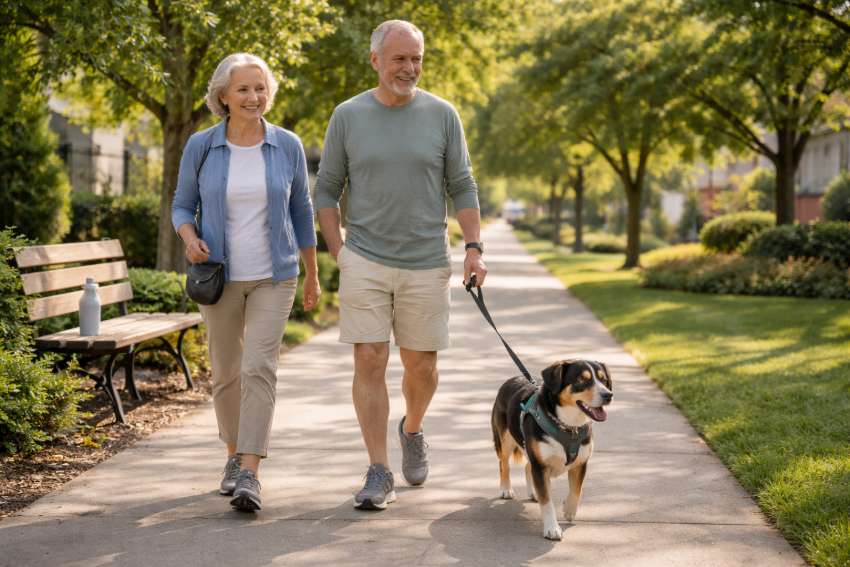
1. What Makes a Dog a Great Match for Seniors?
Most seniors do best with a dog that is calm, friendly, and predictable—especially on leash and around visitors.
Low to moderate exercise needs: happy with steady walks and gentle play.
Good leash manners potential: less likely to pull hard or lunge unexpectedly.
“Off switch” at home: settles quietly and naps between activities.
Trainable and cooperative: responds well to routines and rewards.
Lower grooming complexity: ideally no high-matting coat unless you’re comfortable budgeting for grooming.
Stable temperament: not overly reactive or easily startled.
Important: For many retirees, a calm adult dog (often 2–8 years old) is easier than a puppy. Puppies can be bitey, jumpy, and require intense training and supervision.
2. The Big Decision: Small Dog or Medium Dog?
Size impacts daily handling more than many people expect.
Small dogs: easier to lift, less likely to pull you over, usually cheaper to feed. But they can be fragile and may be more vocal or reactive if not trained well.
Medium dogs: often sturdier and can be calmer, but a strong puller can be risky if you have balance or joint issues.
Large dogs: can be gentle and wonderful, but they require more strength to manage on leash and often cost more for food, medication, and boarding.
Safety note: If falls are a concern, prioritize dogs known for calm leash behavior and consider a professional trainer early to prevent pulling.
3. Best Dog Breeds for Seniors and Retirees (Real-Life Temperament Notes)
These breeds often work well for seniors when properly trained and matched to lifestyle. Individual temperament matters more than breed labels—especially in adult rescues.
3.1 Cavalier King Charles Spaniel
Often affectionate, gentle, and adaptable, Cavaliers can be excellent companions for quieter homes.
Why it works: typically calm, people-oriented, enjoys laps and gentle walks.
Watch-outs: can become clingy without alone-time training; needs regular brushing.
Best fit: seniors who want a close companion and can maintain a simple routine.
3.2 Bichon Frise
Bichons are usually cheerful and social, and their smaller size can be easier to handle.
Why it works: friendly, adaptable, trainable with positive routines.
Watch-outs: grooming needs are high (regular trims); can be vocal if bored.
Best fit: seniors comfortable with grooming appointments or regular brushing.
3.3 Shih Tzu
Shih Tzus are often happy with a slower pace and enjoy being close to their people.
Why it works: typically low to moderate exercise needs; good “companion” temperament.
Watch-outs: grooming can be significant unless kept in an easy “pet trim.”
Best fit: seniors wanting a cuddly dog and willing to budget for grooming.
3.4 Maltese
Maltese dogs are often affectionate and bright, making them enjoyable for training games without intense exercise demands.
Why it works: small, often eager to learn, good indoor companion.
Watch-outs: fragile with rough handling; grooming needs can be moderate to high.
Best fit: seniors who want a small companion and can commit to grooming.
3.5 Poodle (Miniature or Toy)
Poodles are highly trainable and often excellent for seniors who enjoy learning routines and teaching skills.
Why it works: very trainable, responsive, can learn calm leash behavior quickly.
Watch-outs: grooming is regular; can be sensitive without good socialization.
Best fit: seniors who want a smart, cooperative dog and can manage grooming.
3.6 Cocker Spaniel (English or American)
Many Cocker Spaniels are affectionate and people-focused, and they can be a sweet match for a steady routine.
Why it works: friendly, often enjoys gentle activity and companionship.
Watch-outs: grooming needs can be moderate to high; some can be sensitive—choose a calm individual.
Best fit: seniors who enjoy regular walks and grooming maintenance.
3.7 Whippet
Whippets are often calm indoors and enjoy short bursts of activity followed by lots of lounging.
Why it works: usually quiet, clean, and relaxed at home; moderate walk needs.
Watch-outs: prey drive can be strong; needs leash safety and warm clothing in cold weather.
Best fit: seniors who want a calm indoor dog and will keep them safely leashed in open areas.
3.8 Greyhound (Adult Adoption Often Works Well)
Many adult greyhounds are gentle “couch dogs” who enjoy a steady routine and a soft bed.
Why it works: often calm, low barking, content with walks and relaxation.
Watch-outs: prey drive and leash safety; may need time to adjust to home life.
Best fit: retirees who want a mellow adult dog and a predictable daily rhythm.
3.9 Labrador Retriever (Calm Adult)
Labs can be fantastic for seniors when you choose a calm adult rather than a high-energy adolescent.
Why it works: friendly, social, trainable, loves routine.
Watch-outs: young Labs can pull and jump; choose an older, calmer dog and prioritize leash training.
Best fit: active retirees who want a sturdier dog and can commit to daily walks.
3.10 Mixed-Breed Adult Dogs (Often the Best Choice)
A calm adult mixed-breed dog with a known personality can be the easiest, safest match for many seniors.
Why it works: temperament can be evaluated; many are already house-trained and past the chewing/jumping phase.
Watch-outs: ask about behavior around visitors, leash pulling, and alone-time comfort.
Best fit: seniors who want a predictable companion and are open to temperament-first selection.
4. Dogs That May Be Harder for Seniors (Unless You Have Help)
Some dogs can absolutely be great—but they often require more physical handling, training, or intense exercise.
Strong pullers or high-energy adolescent dogs: higher fall risk and daily workload.
Very large or very powerful breeds: handling can be physically demanding, especially in busy areas.
Extremely vocal breeds: can be stressful in apartments and quieter neighborhoods.
Highly reactive or fearful dogs: require confident training and careful management.
Practical compromise: If you love a higher-energy breed, consider adopting an older adult and budgeting for professional training early.
5. Adult Dog vs Puppy for Seniors
For most retirees, an adult dog is the smoother choice.
Why Puppies Are Often Tough
Frequent potty breaks, including at night
Mouthing/biting and jumping
Constant supervision to prevent accidents and chewing
High training demands and higher first-year costs
Why Adult Dogs Often Work Better
More predictable energy levels and personality
Often already house-trained
Less chewing and less “chaos”
Easier to choose a calm, gentle temperament
6. A Senior-Friendly Temperament Checklist (Use This When Meeting a Dog)
When you meet a dog, your goal is not excitement—it’s calm stability.
Leash behavior: walks without dragging you; responds to gentle guidance.
Calm greeting: approaches politely, not jumping hard or mouthing.
Handling comfort: allows touch on collar, paws, ears without flinching or snapping.
Startle recovery: briefly startled, then returns to normal quickly.
Settle ability: can relax quietly after a few minutes.
Social style: friendly and steady without being frantic or pushy.
Green flag: a dog that enjoys attention but can also calmly lie down nearby.
7. Practical Tips to Make Dog Ownership Easier (and Safer) for Seniors
7.1 Set Up the Home for Success
Non-slip rugs: reduce slipping for you and the dog.
Easy-clean zones: especially near doors for muddy paws.
Raised bowls (if recommended): can help some dogs with neck comfort.
Stairs plan: if you have stairs, choose a dog that can handle them safely or plan for ramps/support.
7.2 Use the Right Walking Gear
Front-clip harness: can reduce pulling for many dogs.
Standard-length leash: easier control than retractable leashes in busy areas.
Treat pouch: makes it easier to reward calm walking and attention.
7.3 Build a Simple Routine
Predictable walk times: reduces accidents and anxiety.
Short training sessions: 5 minutes a day can prevent big problems.
Enrichment at home: food puzzles and sniff games reduce restlessness without extra physical strain.
8. When to Hire a Professional Trainer
Professional help is a smart investment if you want to prevent falls and stress.
Leash pulling, lunging, or sudden chasing behavior
Jumping on people or knocking into you
Fear or reactivity toward other dogs or people
Difficulty settling or persistent barking
Best time to hire a trainer: early—before habits become ingrained.
9. When to Talk to a Vet
Behavior changes can be linked to pain, vision/hearing loss, or cognitive changes—especially in older dogs.
New irritability, snapping, or avoidance of touch
Limping, stiffness, reluctance to jump or climb stairs
Changes in appetite, sleep, or bathroom habits
Confusion, pacing, nighttime restlessness, or sudden anxiety
Senior-to-senior match: many retirees do best adopting an adult dog and supporting healthy aging with regular vet checkups.
Final Thoughts: The Best Dog for Retirement Is Calm, Trainable, and Easy to Handle
For seniors and retirees, the ideal dog is usually a friendly companion with moderate energy, good “off switch” behavior, and manageable grooming needs. Cavaliers, Shih Tzus, Bichons, mini Poodles, Whippets, and many adult Greyhounds can be wonderful matches—especially when chosen as calm adults with known temperaments.
Your action step: decide your top three priorities (calm leash walking, lower grooming, smaller size or sturdy medium size), then meet adult dogs and look for calm stability over excitement. The right match will feel easy, comforting, and genuinely enjoyable.