If you live with a dog or cat in the US or Europe, you’ve probably noticed something: pets come with a lot of stuff. Poop bags, food bags, plastic toys, beds that get thrown away every few years… it adds up. The good news is that more and more brands now offer eco-friendly pet products that are better for the planet and still practical in daily life.
This guide focuses on three high-impact areas where small changes can make a real difference:
Biodegradable and compostable poop bags
Recycled and sustainable pet beds and blankets
We’ll look at what “eco-friendly” really means, how to avoid greenwashing, and how to choose products that are kind to both the environment and your pet.
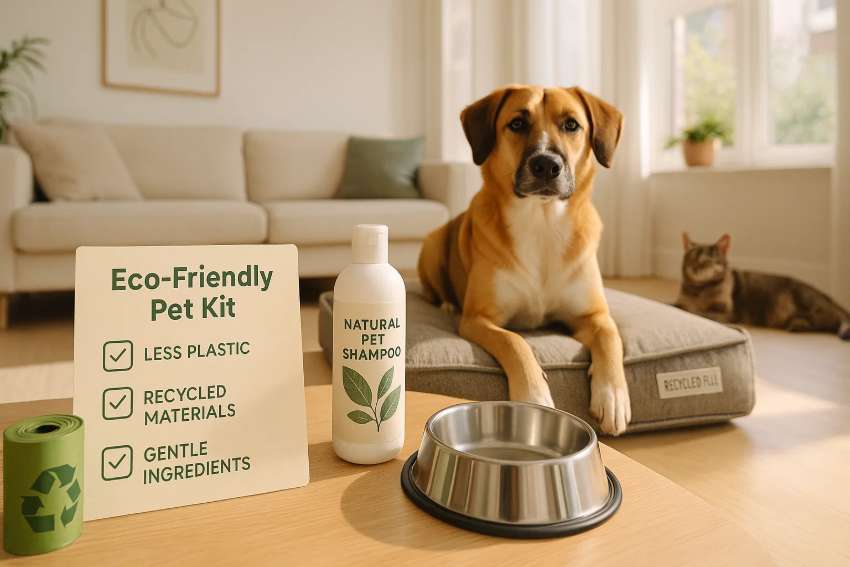
1. What “Eco-Friendly” Really Means for Pet Products
“Eco-friendly” has become a buzzword, but for pet owners it usually involves at least one of these:
Better materials: recycled, plant-based or sustainably sourced instead of virgin plastic.
Less waste: products that last longer or create less trash.
Safer ingredients: fewer harsh chemicals that can harm waterways or sensitive skin.
Smaller footprint: lower overall impact from production, packaging and shipping.
No product is “100% perfect”, but we can make smarter choices in the areas we use every day – especially poop bags, beds and shampoos.
2. Biodegradable & Compostable Poop Bags: What You Need to Know
Poop bags are one of the biggest sources of single-use plastic in everyday dog ownership. Switching to more eco-conscious bags is an easy win – but the labels can be confusing.
2.1 “Biodegradable” vs “compostable”
Biodegradable
Means the bag will eventually break down under certain conditions.
Does not tell you how long it takes or what it breaks down into.
Some “biodegradable” plastics still leave microplastics if conditions aren’t right.
Compostable
Designed to break down into natural materials (like water, CO₂ and biomass) in a composting environment.
Best when certified to a recognized standard (for example, industrial compost standards in your region).
The catch: in many US and European cities, dog waste is not allowed in green compost bins. It usually has to go in regular trash. So compostable bags are still helpful (less plastic, better breakdown), but you still must follow local waste rules.
2.2 What to look for in eco-friendly poop bags
Clear material information: plant-based materials like corn starch or other bioplastics.
Certifications where possible: industrial compost or biodegradable standards that apply in your region.
No unnecessary fragrance: scented bags aren’t needed and can irritate sensitive noses.
Sturdy but not overbuilt: thick enough not to tear, but not so thick that they never break down.
2.3 Practical tips for everyday use
Keep a dispenser clipped to the leash, plus extra rolls near the door and in your bag or car.
In a small apartment, use a sealed bin or container for used bags to control odor until trash day.
Remember: picking up every time is still the most eco-friendly choice – it protects local waterways and public spaces.
3. Recycled & Sustainable Pet Beds and Blankets
Pet beds are big, bulky items that often end up in landfill. Choosing beds made from recycled or sustainable materials can significantly reduce waste over your dog or cat’s lifetime.
3.1 Types of eco-friendly bed materials
Recycled polyester fills: made from recycled plastic bottles or other post-consumer plastics.
Organic cotton covers: grown with fewer pesticides than conventional cotton.
Hemp or linen blends: durable natural fibers that age well and resist odors.
Reclaimed foam or memory foam: offcuts repurposed into new dog cushion cores.
3.2 What makes a bed truly “greener”
Durability: a bed that lasts 3–5 years is more eco-friendly than a “green” bed you replace every few months.
Washable covers: removable, machine-washable covers extend lifespan and reduce odors.
Modular design: beds where you can replace the cover or inner cushion separately instead of throwing the whole thing away.
3.3 Matching the bed to your pet’s needs
Senior dogs and large breeds: look for orthopaedic or memory foam cores made with recycled or responsibly sourced materials.
Small dogs and cats: nests or cave-style beds with recycled polyfill can help them feel secure.
Chewers and diggers: choose heavier fabrics (like canvas or reinforced upholstery-grade textiles) to avoid constant replacement.
When you finally replace a bed, consider reusing the inner filling as padding in a crate, car boot liner, or DIY pet project instead of sending everything to the bin.
4. Natural Shampoos and Grooming Products
Shampoos and sprays go directly onto your dog’s or cat’s skin – and then down the drain into local water systems. Eco-friendly grooming products focus on gentler formulas and safer ingredients.
4.1 What to look for in natural pet shampoo
Clearly labeled for pets: never use human shampoo; cats and dogs have different skin pH and sensitivities.
Mild surfactants: gentle cleansing agents instead of very harsh detergents.
Free from unnecessary parabens and harsh dyes: reduces the chemical load on skin and environment.
Plant-based ingredients: oatmeal, aloe vera, chamomile and similar soothing additives can be helpful for sensitive skin (if your pet isn’t allergic).
4.2 Essential oil caution
Many “natural” shampoos and sprays use essential oils for fragrance, but:
Some oils are not safe for cats (for example, certain strong essential oils can be toxic to them).
Even for dogs, strong oils can irritate skin or overwhelm sensitive noses.
Choose products where:
The label is specifically formulated for dogs and/or cats.
Fragrance levels are moderate, not overpowering.
Your vet is comfortable with the ingredient list if your pet has allergies or health issues.
4.3 Packaging and refills
Look for recyclable bottles where possible.
Some brands offer refill pouches or bulk sizes to reduce plastic per wash.
Use the recommended amount – more shampoo doesn’t mean cleaner fur, it just means more product washed into the environment.
5. Other Eco-Friendly Pet Swaps Worth Considering
Once you’ve upgraded poop bags, beds and shampoos, there are many other small swaps that add up over time.
5.1 Bowls and feeding gear
Stainless steel bowls: durable, non-porous, easy to clean and long-lasting.
Ceramic bowls: great if they are stable and have safe, lead-free glazes.
Bamboo or plant-based bowls: use renewable materials; check for dishwasher safety and durability.
5.2 Toys and chews
Look for toys made from hemp, organic cotton or recycled fabrics.
Some companies stuff soft toys with recycled polyester fiberfill.
Always balance eco goals with safety and durability – a toy that shreds into small pieces quickly is not eco-friendly or safe.
5.3 Cleaning products around pets
Use pet-safe, low-toxicity cleaners for floors and surfaces your animals walk and lick.
Avoid heavy use of bleach and strong chemical sprays in small, unventilated spaces.
Simple solutions (like diluted pet-safe cleaners) can often do the job without harsh residues.
6. How to Avoid Greenwashing and Choose Truly Better Products
Because “eco-friendly” sells, some products exaggerate their benefits. Watch out for:
Vague claims: “eco-conscious”, “green”, “natural” without any explanation.
No ingredient transparency: long lists of generic terms instead of clear materials.
Overly strong perfumes: heavy fragrances are rarely necessary and not always kind to pets.
More trustworthy signs:
Specific materials listed (e.g. “100% recycled polyester fill”, “organic cotton cover”).
Clear instructions on disposal (recycling, general waste, composting where appropriate).
Companies that talk about durability, repair and refills – not just constant replacement.
7. Balancing Eco Choices with Your Pet’s Health and Comfort
The most eco-friendly product is useless if your pet won’t use it or it causes problems. Always prioritise:
Safety: no sharp edges, toxic ingredients or choking hazards.
Comfort: beds that support joints, shampoos that don’t irritate skin, litters and textures your cat actually accepts.
Real-world usability: poop bags that don’t tear, beds that fit your washing machine, shampoos your dog rinses clean from easily.
It’s okay if your journey is gradual. You might start with:
Switching to a plant-based poop bag option
Choosing your next bed with recycled or organic materials
Trying a gentle, natural shampoo approved by your vet
Over months and years, these small decisions add up – reducing plastic waste, lowering chemical use in your home, and showing that there is real demand for more sustainable pet products. Your dog or cat gets the same love and care; the planet just pays a little less of the price.