A “small pet” can be a wonderful way for kids to learn empathy and responsibility—but it can also become a stressful, short-lived experiment if expectations don’t match reality. Many small animals don’t like being handled, some are nocturnal, and most require more cleaning, space, and vet planning than parents expect. The best choice is usually the pet that fits your family’s schedule, your child’s age, and your willingness (as the adult) to do the majority of the care.
This guide breaks down the best small pets for kids in the US/UK/Europe, what daily life with each one really looks like, which pets are usually a poor match, and a simple way to choose without regret.
1. The Honest Truth: Parents Will Do Most of the Work
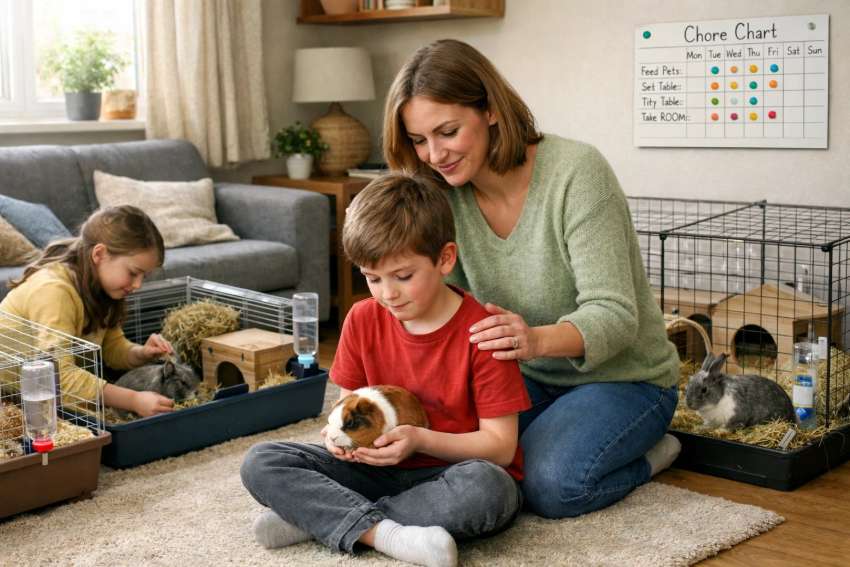
Even in the most responsible households, adults end up doing (or supervising) the important parts of small-pet care: cleaning, feeding schedules, health checks, and handling safety. That’s normal.
Best mindset: choose a pet your family can care for well even if your child loses interest.
Best outcome: kids help with simple tasks while adults handle the “non-negotiables.”
Safety first: small pets can be fragile, and rough handling can cause injury fast.
2. What Makes a Small Pet “Kid-Friendly”?
For most families, “kid-friendly” means predictable, safe to handle with supervision, and reasonably social.
Temperament: tolerates gentle handling and doesn’t bite easily when scared.
Daytime-friendly: active when kids are home (not only at night).
Care complexity: simple feeding and cleaning routines.
Housing needs: realistic size for your home (many need more space than you think).
Health planning: you can access a vet who treats the species.
3. Best Small Pets for Kids (With Real-Life Pros and Cons)
3.1 Guinea Pigs (Often the Best “Starter” Small Pet)
Guinea pigs are social, vocal, and usually more tolerant of gentle handling than many smaller rodents. They’re also active during the day, which fits family schedules.
Best for: kids who can sit calmly and handle gently (with adult supervision).
Pros: friendly personalities, fun sounds, less “nippy” than hamsters for many families.
Cons: need daily fresh food and consistent cleaning; require more space than most cages provide.
Parent reality: you’ll be managing diet quality and cage hygiene.
3.2 Rabbits (Great Pets, But Not Always “Easy”)
Rabbits can be affectionate and smart, but many do not like being picked up. They’re fragile and can be injured by falls or rough handling.
Best for: calm, older kids and families willing to learn rabbit care properly.
Pros: can bond strongly, can be litter trained, interactive and intelligent.
Cons: delicate spine, can scratch when scared, need lots of space and chew-proofing.
Parent reality: rabbits often do best as “floor pets,” not “cuddle pets.”
3.3 Rats (Surprisingly Excellent for Older Kids)
Well-socialized pet rats are intelligent, affectionate, and often enjoy human interaction. They’re one of the most interactive “small pets” when handled correctly.
Best for: older kids/teens who can be gentle and consistent.
Pros: very social, trainable, enjoy enrichment, can bond strongly.
Cons: shorter lifespan, need regular cage cleaning, require gentle handling.
Parent reality: rats need daily interaction and enrichment or they get bored.
3.4 Small Fish Tank (Good “Observation Pet” for Younger Kids)
Fish can be great for kids who love watching animals, but fishkeeping is not “set and forget.” Water quality matters.
Best for: families who want a calm pet and can commit to tank maintenance.
Pros: low handling risk, calming to watch, good for routines.
Cons: tank cycling, water testing, and regular cleaning required.
Parent reality: the adult will handle most maintenance.
3.5 Leopard Gecko (For Reptile-Loving Families Who Will Learn Proper Care)
Some reptiles can work well in the right home, but only if parents are committed to correct habitat setup and temperature control.
Best for: older kids with patient supervision and parents who will manage equipment.
Pros: quiet, clean enclosure if set up correctly, interesting behavior.
Cons: specialized heating/lighting, feeding routine, and careful handling.
Parent reality: habitat equipment and upkeep are the real job.
4. Pets That Often Disappoint Families (And Why)
These pets aren’t “bad pets”—they’re just commonly mismatched to what families expect.
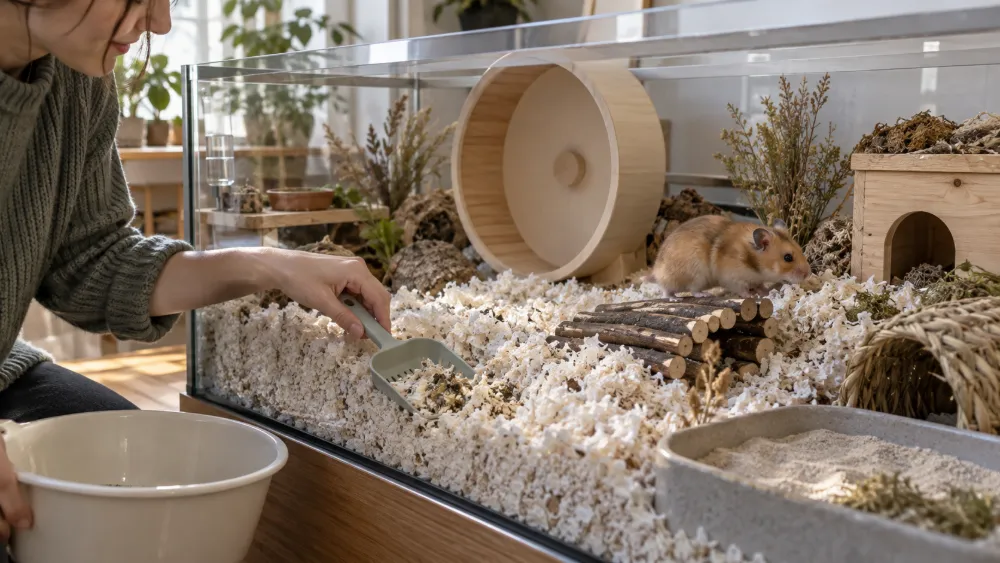
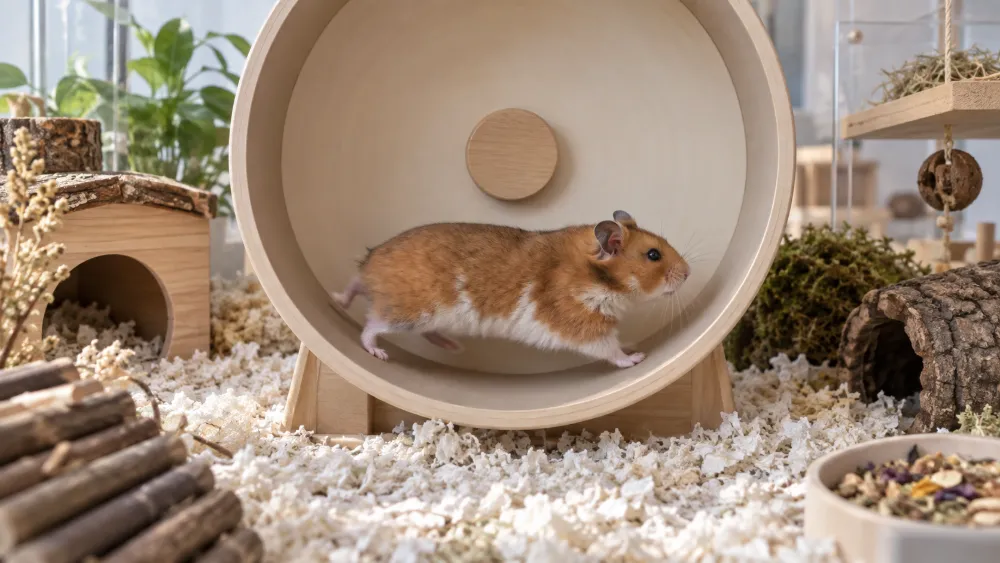
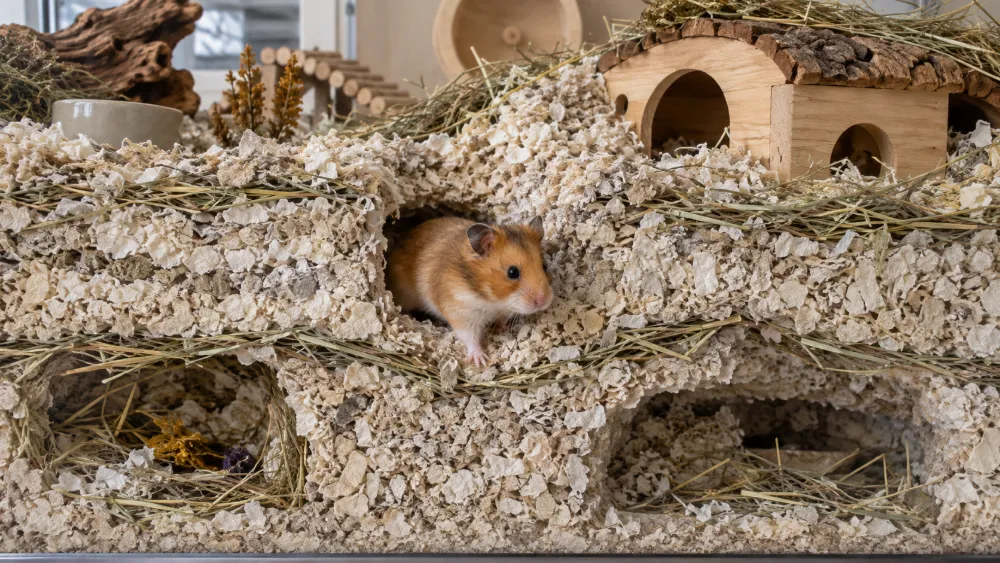
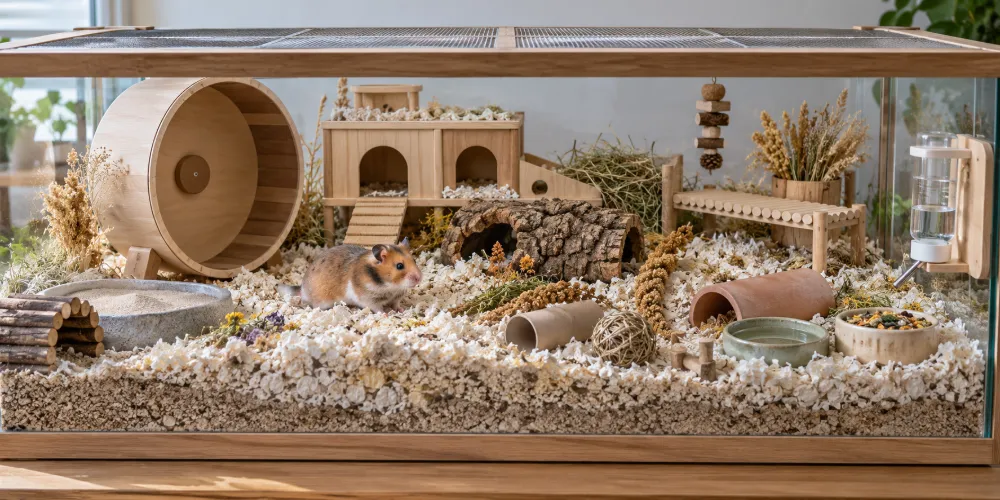
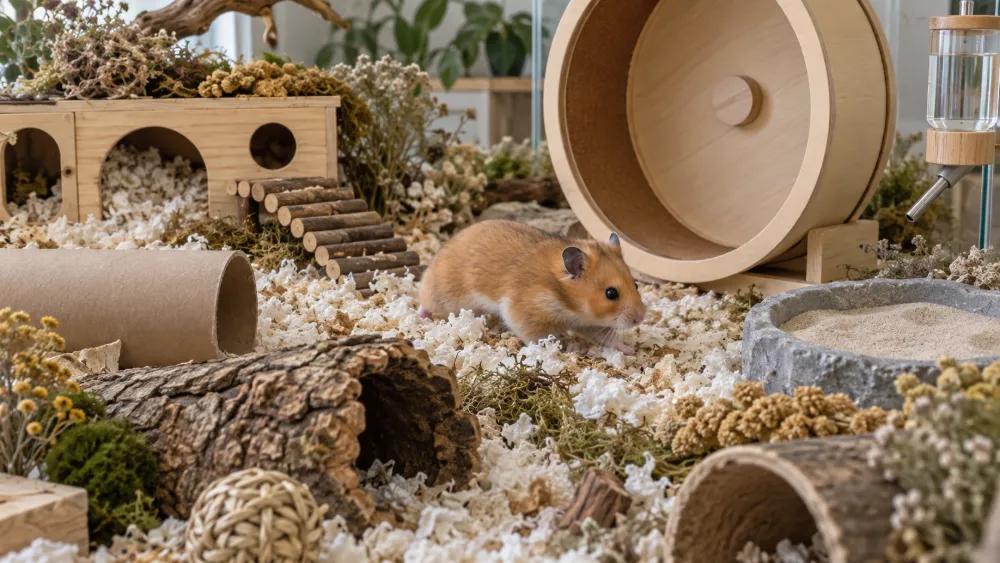
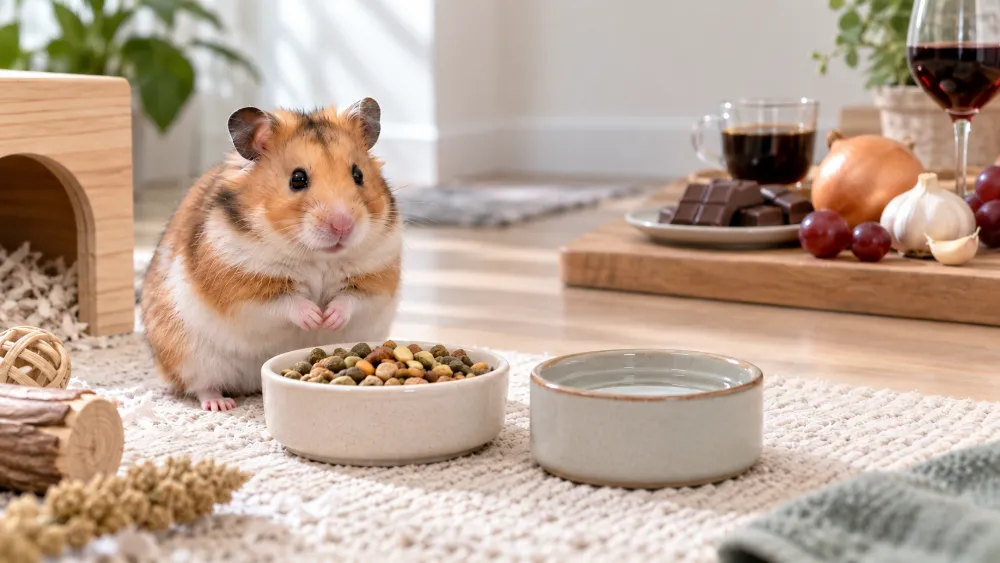
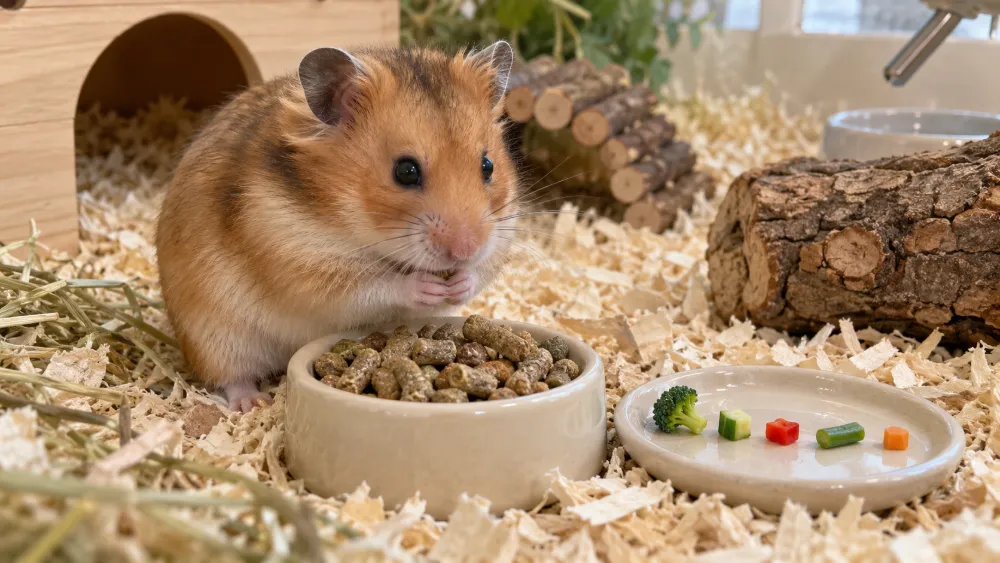
4.1 Hamsters (Cute, But Often Not a Great Kid Pet)
Nocturnal: active when kids are asleep.
Startle bites: can bite if woken or handled suddenly.
Handling mismatch: many kids want cuddles; hamsters often want solitude.
4.2 Tiny Rodents With Fast, Fragile Bodies
Very small animals can be hard for kids to handle safely and can escape easily.
Quick movements and escape risk
Higher injury risk if dropped
Harder to “bond” with than expected
4.3 Backyard “Wild” Pets
Families sometimes consider keeping wild animals they find outdoors. This is rarely a good idea and can be unsafe and unethical.
Wild animals are stressed in captivity
Higher disease/parasite risks
Not predictable or safe for kids
5. A Simple “Choose the Right Pet” Checklist for Parents
5.1 Match the Pet to Your Child’s Age
Ages 3–6: observation pets (fish) or highly supervised gentle pets; parents do almost everything.
Ages 7–10: can help with feeding and simple cleaning tasks with supervision.
Ages 11+: can handle more consistent routines and training (still supervised for safety).
5.2 Match the Pet to Your Family’s Lifestyle
Busy schedule: choose lower daily interaction needs (but still plan care).
Allergies: consider dander/hay sensitivities and cleaning needs.
Space: many “small pets” need bigger enclosures than typical starter cages.
5.3 Plan the Real Costs
Habitat setup (often the most expensive part)
Ongoing food and bedding
Vet access (especially for rabbits and exotics)
6. How to Set Kids Up for Success (Without Stress)
Create a simple chore chart: small daily tasks like topping up water or adding hay.
Teach “pet body language”: when to stop handling and let the pet rest.
Use calm handling rules: sitting on the floor, two hands supporting, no chasing.
Build gentle bonding routines: quiet treat time, reading near the enclosure, supervised playtime.
7. When to Call a Vet or Get Professional Help
Small pets often hide illness, so early care matters.
Not eating, not drinking, or sudden weight loss
Lethargy, breathing changes, or unusual droppings
Injuries from falls, rough handling, or dog/cat contact
Any rabbit or guinea pig that stops eating (urgent)
Final Thoughts: Choose the Pet You Can Care for Even on a Busy Week
The best small pet for kids is the one that fits your family’s real life. For many households, guinea pigs are a great balance of social, daytime-friendly, and predictable. Rabbits can be wonderful but require space and careful handling expectations. Rats can be incredibly affectionate for older kids. Fish and some reptiles work best as “observation + routine” pets with parents managing the setup. If you choose with realistic expectations, a small pet can become a positive family experience instead of a stressful lesson.
Your action step: before choosing, write down who will feed, clean, and pay for vet care if your child loses interest. If the adult plan still works, you’re picking from the right place.