Many parents in the US and Europe consider getting a “small pet” when their child asks for an animal friend. Hamsters, guinea pigs, rabbits, budgies and even fish are often seen as easier than a dog or cat. But small doesn’t always mean low-maintenance – and no pet is truly “self-care”.
This guide is written for parents first. It explains:
What “small pets for kids” really involves in daily care
The pros and cons of popular small species
Which pets suit different ages and family routines
How to set realistic expectations so pets don’t suffer when children lose interest
Note: This article is general information only. Always research species-specific care and consult a vet or reputable rescue before adopting any pet.
1. The Truth About “Pets for Kids”
Small pets are often marketed as “starter pets” or “easy pets for children”. In reality:
Adults are always responsible for the animal’s welfare, legal ownership and vet care.
Children can help with feeding, cleaning and play, but they cannot be the only caregiver.
Some small animals dislike being held by young children or are too fragile for clumsy hands.
Before choosing any pet, parents should ask:
How many years might this pet live?
Who will care for it when the child is at school, on trips or loses interest?
Do we have time and space for proper housing and daily interaction?
With realistic expectations, small pets can be wonderful family members and teach kids empathy and responsibility. With unrealistic expectations, they can quickly become neglected or rehomed.
2. Hamsters: Cute but Mostly Night Owls
Hamsters are one of the most popular “first pets”, but they are not ideal for many young children.
2.1 What hamsters are really like
Nocturnal: Most hamsters are awake at night and sleep during the day.
They may bite if woken up or handled roughly.
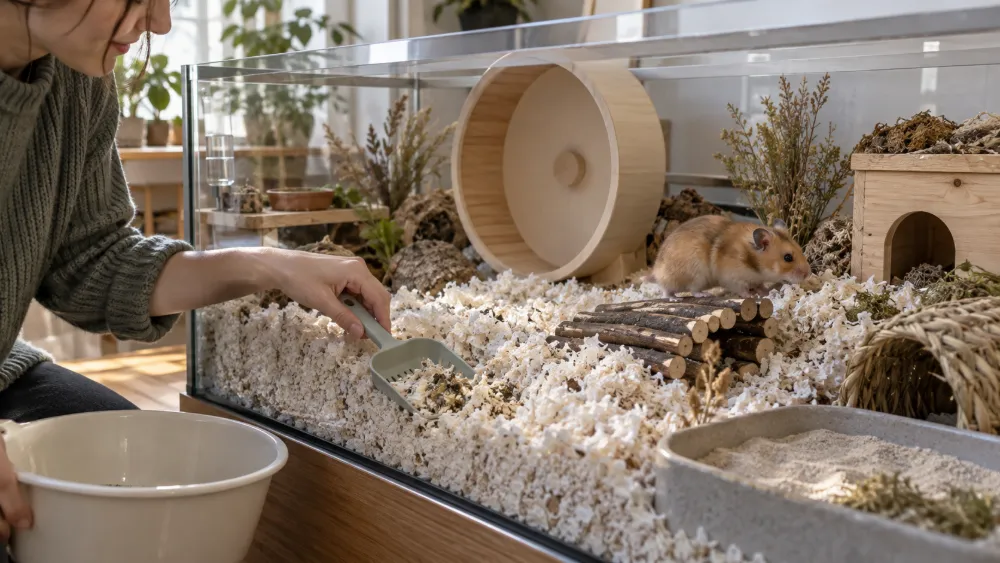
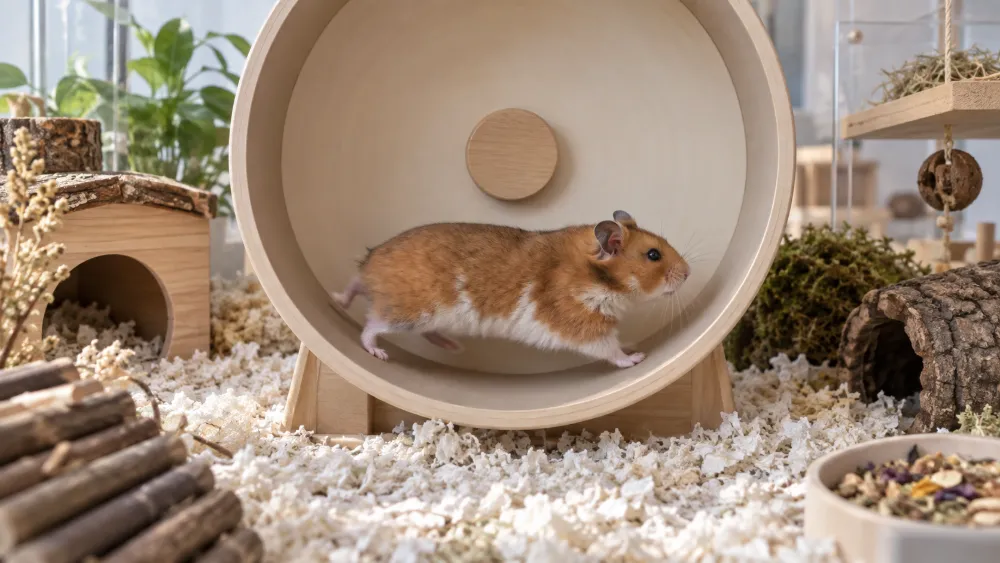
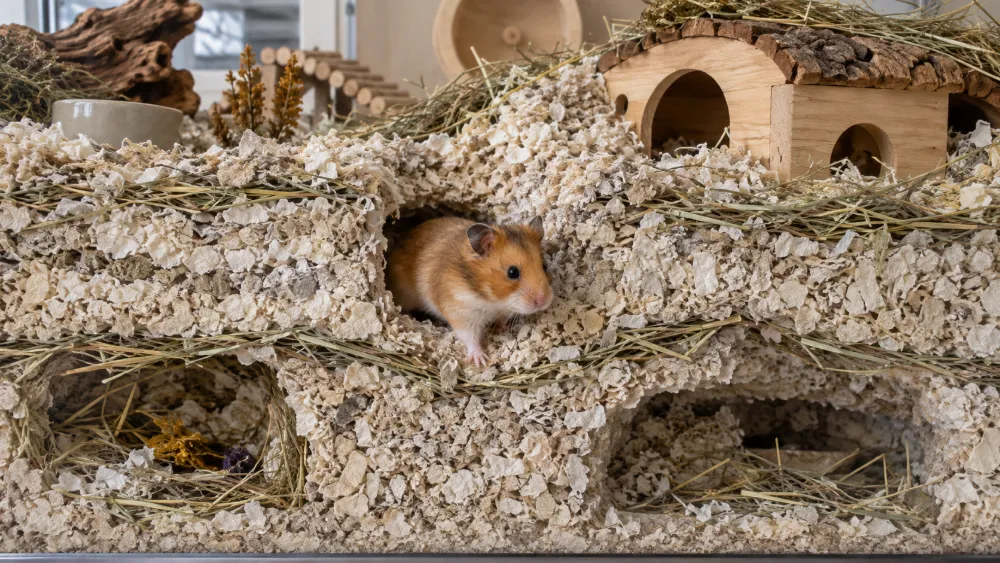
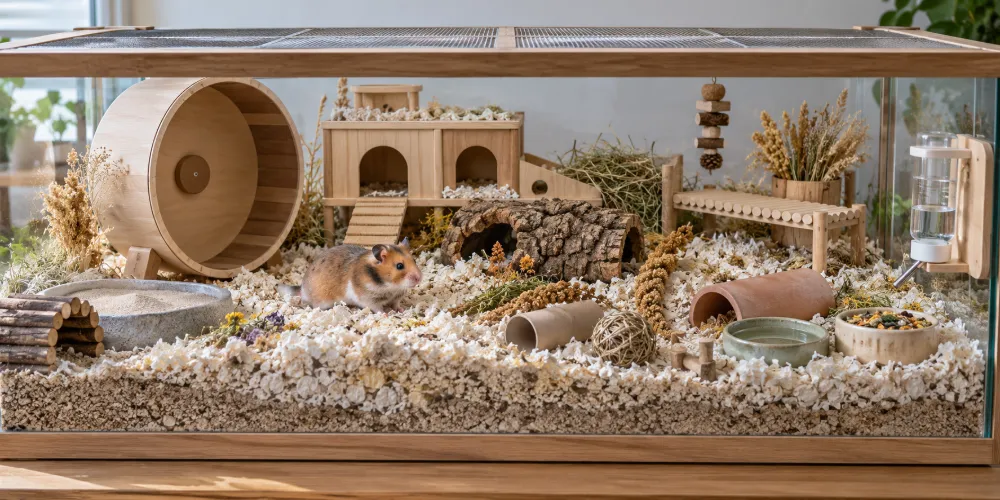
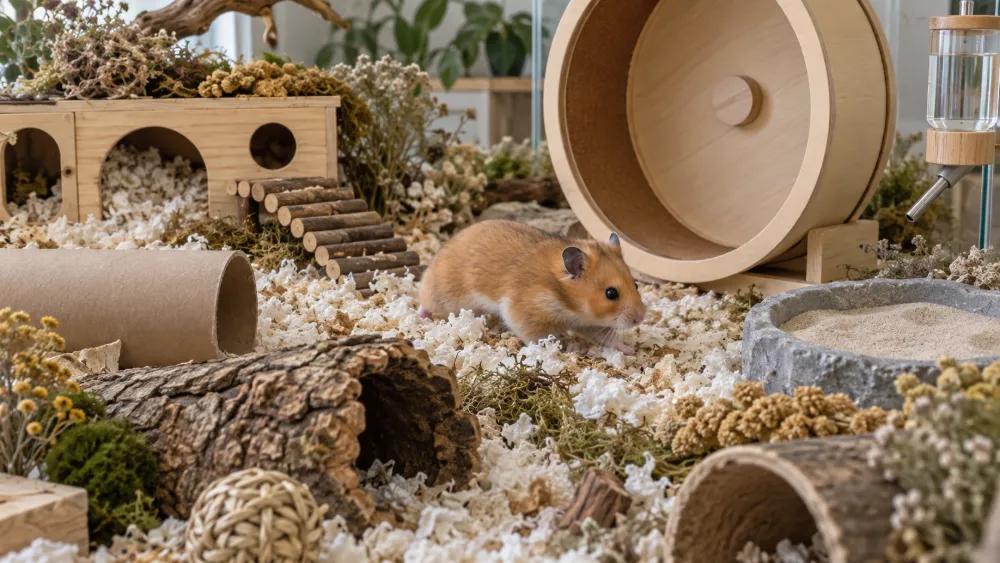
They need a larger, well-set-up enclosure than most pet shop cages offer, with deep bedding for burrowing and a proper running wheel.
2.2 Pros
Small space requirement (if the enclosure is well designed).
Interesting to watch in the evening when active.
Usually kept singly (for Syrian hamsters), so no worries about fighting in pairs.
2.3 Cons
Not ideal for children who go to bed early – the hamster is most active when the child is asleep.
Can be easily stressed or injured by rough handling.
Short lifespan (often 2–3 years), which can be hard for emotional kids but may also mean frequent “replacement” if expectations aren’t clear.
Best for: Older, gentle children who understand that the hamster is more of an evening observation pet than a daytime cuddly toy – and parents willing to set up proper housing.
3. Guinea Pigs: Social, Vocal and Good for Gentle Kids
Guinea pigs (cavies) are often a better choice for families than hamsters, as long as you can provide enough space and daily care.
3.1 What guinea pigs are really like
Highly social: They do best in pairs or small groups (usually same-sex or neutered combinations).
They communicate with adorable squeaks and chirps.
Most are awake in the daytime and early evening, so children can interact with them at reasonable hours.
3.2 Pros
Often friendly and easier to handle than many smaller rodents once used to people.
Visible, expressive behaviour – kids enjoy feeding vegetables and listening to their “wheeks”.
Good for teaching gentle handling and routine care (feeding, grooming, cage cleaning).
3.3 Cons
Require a large enclosure – much bigger than typical pet shop cages – with space to run and hide.
Need daily fresh hay, vegetables and vitamin C in their diet.
Produce a lot of poop; cages and bedding need regular cleaning to avoid smell and health problems.
Lifespan of around 5–7 years, so they’re a long-term commitment.
Best for: Families with school-age children who can sit quietly, hold animals gently on their lap (with adult supervision) and help with daily feeding and weekly cleaning.
4. Rabbits: Not “Easy Small Pets” – More Like Tiny Dogs
Rabbits are frequently sold as children’s pets, but they are often more demanding than many people expect.
4.1 What rabbits are really like
Smart, active and social – they need time outside their enclosure every day.
Prefer to live with another rabbit (bonded pairs) rather than alone.
Can kick or scratch if picked up incorrectly; many rabbits do not enjoy being carried.
4.2 Pros
Can be very affectionate with patient, gentle owners.
Can be litter trained and live as indoor “house rabbits”.
Fun to watch when they run, jump and explore (“binkies”).
4.3 Cons
Need large enclosures or secure rooms – small hutches are not enough.
Require a hay-based diet, greens and careful monitoring of teeth and digestion.
Vet care can be more specialised and expensive (spaying/neutering, dental, vaccines in some countries).
Lifespan can be 8–10+ years – similar to some dogs.
Best for: Committed families who see rabbits as family pets, not toys; older children and teens with strong adult support and willingness to research proper rabbit care.
5. Birds (Budgies, Cockatiels and Small Parrots)
Birds are intelligent, social and often noisy. Many children are fascinated by them, but they are not “set and forget” pets.
5.1 What small birds are really like
They need daily interaction and mental stimulation.
Many do best with a same-species companion, especially if the family is out all day.
They can be sensitive to fumes, smoke, non-stick cookware and aerosols in the home.
5.2 Pros
Fun to watch and listen to; some can learn simple words or tunes.
Can be quite affectionate with gentle, patient handling.
Cages can be placed in living areas where the family spends time together.
5.3 Cons
Cages must be large and enriched with perches, toys and foraging opportunities.
Many birds are messy – scattering seed hulls, feathers and droppings.
Loud vocalisations may bother neighbours in apartments.
Depending on species, lifespans can be long (budgies often 7–10+ years; some parrots much longer).
Best for: Families who enjoy noise and interaction, are willing to clean often, and can commit to long-term daily attention – not ideal for very young kids as primary caretakers.
6. Fish: Beautiful but Not as “Easy” as People Think
Fish are often suggested when parents want a “low-maintenance” pet. But healthy fishkeeping still requires planning and regular care.
6.1 What fish ownership involves
Proper tank size (bowls are usually too small and inhumane).
Filtration, water changes and water quality testing.
Careful feeding to avoid pollution and health problems.
6.2 Pros
Great for children to observe and learn about water ecosystems.
No handling issues – good for families where allergies are a concern.
Quiet and visually calming.
6.3 Cons
Initial setup (tank, filter, heater, decor) can be more expensive than expected.
Fish are sensitive to mistakes in water quality and overfeeding.
Not interactive in the same way as mammals or birds; some children lose interest quickly.
Best for: Families where adults are willing to learn aquarium basics; kids who enjoy observing and helping with feeding and simple maintenance, with supervision.
7. Other Small Pets (Gerbils, Rats, Mice, Exotic Species)
There are many other small animals available in pet shops and rescues. Some can make excellent companions – for the right family.
7.1 Pet rats
Highly intelligent and often affectionate; can learn tricks and enjoy interaction.
Need companionship (usually same-sex groups) and a spacious, enriched cage.
Short lifespan (often 2–3 years) and prone to certain health issues.
7.2 Gerbils and mice
Small, fast and often more “watching” pets than cuddling pets.
Gerbils love to dig and tunnel; mice need secure, escape-proof housing.
Not ideal for very young children who want to hold and hug their pet.
7.3 Exotic species (hedgehogs, reptiles, etc.)
Often have very specific temperature, lighting and diet needs.
Vet care requires exotic specialists.
Generally not suitable as “starter pets” for kids.
Best for: Experienced adults who happen to have kids, not pets chosen primarily for children.
8. Matching Pet Types to Children’s Ages and Personalities
No two children (or families) are the same. Consider:
8.1 Younger children (under 7)
Often struggle with gentle handling and impulse control.
Better with pets that can mostly be observed:
Fish tanks
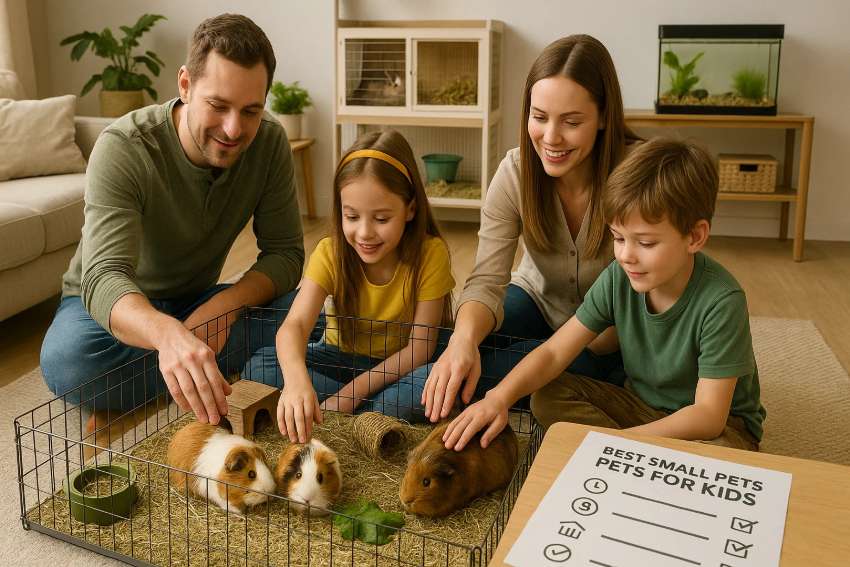
Family guinea pigs or rabbits that adults manage, with supervised petting sessions
8.2 School-age children (7–12)
Can help with daily tasks (feeding, refilling water, simple cleaning) under supervision.
Guinea pigs, well-socialised rabbits and some small birds can work well, if adults remain the main caregivers.
8.3 Teens
Can take on more responsibility, but still need backup from adults for vet visits and long-term plans.
More complex pets (rabbits, rats, some birds) can be suitable if the teen is genuinely committed and parents understand the long lifespan and costs.
9. Setting Realistic Expectations (for Kids and Parents)
Before bringing any pet home, have a clear family discussion:
Explain that the pet is a living being, not a toy.
Agree on who does what:
Who feeds in the morning and evening?
Who cleans cages or tanks, and how often?
Who books and attends vet appointments?
Talk about what happens if:
The child loses interest.
The child moves away for university while the pet is still alive.
It can help to write a simple “pet care contract” in kid-friendly language, where the child promises to help, and the adults promise to ensure the pet’s needs are always met.
10. Quick Comparison Table: Popular Small Pets for Kids
| Pet | Best For | Main Pros | Main Challenges |
|---|---|---|---|
| Hamster | Older kids, evening observation | Small, interesting to watch at night | Nocturnal, can bite, short lifespan |
| Guinea pigs | School-age kids with gentle hands | Social, vocal, active by day | Need large cage, daily veg/hay, pair housing |
| Rabbits | Committed families, older children/teens | Can be affectionate, can be litter trained | Need lots of space, vet care, long lifespan |
| Small birds | Families who enjoy noise and interaction | Social, interesting behaviour | Messy, need daily attention, long-term commitment |
| Fish | Observation, allergy-prone families | Quiet, visually calming | Water quality maintenance, less interactive |
| Rats | Older kids/teens with engaged parents | Very intelligent, can be affectionate | Short lifespan, need big enriched cage |
11. Final Thoughts: Choosing a Pet That Suits the Whole Family
The “best small pet for kids” is not just about what your child thinks is cute. It’s about:
How much time and money your family can realistically invest
How old and gentle your children are
What space you have at home
Whether you, as the adult, are willing to be the backup caregiver for the full lifespan of the animal
When chosen thoughtfully, small pets can bring huge joy and teach children about patience, empathy and responsibility. When chosen just because “the kids want one”, without a plan, they can suffer in silence. Aim for the first outcome – and be honest with yourself about what your family can offer. That way, the pet and your children both get the happy experience they deserve.