When a family in the US or Europe gets a pet, parents often hope it will teach their children kindness, responsibility and empathy. That can absolutely happen – but only if adults guide kids carefully. Without guidance, children may accidentally scare, hurt or stress animals, even when they “love them so much”.
This guide will help you:
Teach kids what respect for animals really means
Choose safe, age-appropriate chores for different age groups
Set clear family rules for interacting with pets
Turn daily pet care into small, meaningful lessons about empathy
Note: This article is general information only. Always supervise children with animals and adjust chores to your child’s maturity and your pet’s temperament.
1. What “Respecting Animals” Really Means for Kids
Many children love animals, but love alone isn’t enough. Respect includes:
Understanding that animals feel pain, fear and stress, just like people.
Listening to body language – backing off if the pet is scared or annoyed.
Accepting boundaries – sometimes the pet doesn’t want to be hugged or picked up.
Helping with care so the pet has food, water, clean bedding and exercise.
A simple way to explain it to children:
“Respect means treating our pet the way we would like others to treat us – gently, kindly and with patience.”
2. Family Rules: Setting Clear Expectations Around Pets
Before assigning chores, set a few non-negotiable rules for everyone:
No hitting, squeezing, pulling tails or ears.
No disturbing pets while they eat, sleep or are in their crate/bed.
No picking up animals without adult permission (especially small pets and cats).
Always ask an adult before giving treats or changing anything in the pet’s space.
Use “soft hands” – gentle strokes, not fast grabbing.
These rules protect both the pet and the child. Many bites and scratches happen because an animal is startled, cornered or in pain.
3. Toddlers and Preschoolers (Around 2–5 Years)
Very young children are curious but have limited impulse control. At this age, their “chores” are really about supervised participation and learning gentle behaviour.
3.1 What they can learn
“Soft hands” and gentle petting.
Not to chase or climb on animals.
Basic ideas: pets need food, water, rest and space.
3.2 Safe, adult-supervised chores
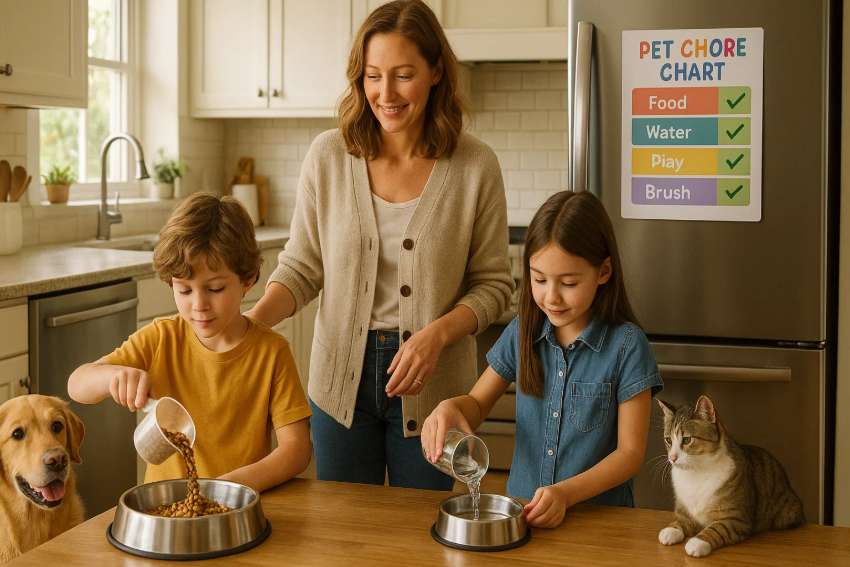
Helping pour food into a bowl while an adult holds the bag and controls the portion.
Carrying a water bowl a short distance (with both hands) while an adult supports it.
Handing treats to a dog or cat from a flat palm, guided by an adult.
“Helping” brush a dog or cat with a soft brush while an adult steadies the animal.
3.3 Important supervision tips
Never leave toddlers alone with pets, even trusted family animals.
Teach them to call an adult if the pet hides, growls, hisses or walks away.
Use short, positive phrases: “Gentle hands,” “Let him sleep now,” “We look, not touch.”
4. Early School Age (Around 6–8 Years)
At this stage, children can start taking on small but real responsibilities, always with backup from adults.
4.1 What they can learn
Pets need consistent routines: feeding, walks, litter box cleaning, grooming.
Respecting when a pet wants space – reading basic body language.
That their actions affect how safe and happy the pet feels.
4.2 Example chores (with adult oversight)
Daily water check: Checking if water bowls are full and clean, and refilling them.
Measuring food: Scooping dry food to a marked line on a cup (adult confirms amount).
Simple grooming tasks: Brushing a calm dog or cat for a few minutes, using a gentle brush.
Helping with litter duties: Scooping clumps into a bin while an adult handles fresh litter and cleaning.
Tidy-up chores: Putting toys back in a basket at the end of the day.
4.3 Teaching respect through language
Use chores as mini lessons:
“We give fresh water every day because clean water keeps her healthy.”
“We brush gently because his skin can hurt if we pull.”
“We don’t wake him up just to play; sleep is important for animals too.”
5. Older Children (Around 9–12 Years)
Children in this age group can handle more complex tasks, but they still need reminders and adult supervision, especially for anything related to health or safety.
5.1 What they can learn
That pets rely on humans every day, not just when it’s “fun”.
Planning ahead: walks in bad weather, holidays, vet visits.
Seeing pets as family members with needs, not toys to be used when bored.
5.2 Example chores
Feeding with full responsibility (under adult check):
Preparing meals at the correct time and amount.
Cleaning food bowls afterwards.
Walking the dog:
Short walks with an adult or older teen present.
Practising good leash manners, crossing roads safely.
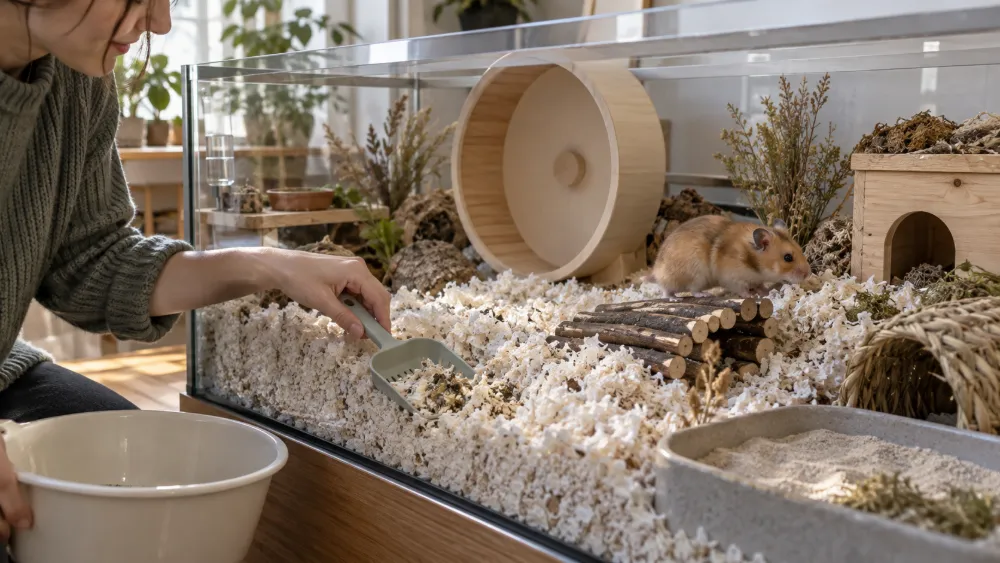
Cage or enclosure cleaning (for small pets):
Removing soiled bedding.
Refilling hay, pellets and water.
Wiping down surfaces with pet-safe cleaner (adult handles chemicals).
Basic training practice:
Reinforcing sit, stay, recall and leash walking with treats and praise.
5.3 Encouraging empathy and problem-solving
Ask questions like:
“Why do you think she’s hiding under the bed today?”
“What can we do to make him feel safer when guests come?”
Help them brainstorm solutions:
Creating a quiet safe space for the pet.
Asking visitors not to crowd the animal.
6. Teens (13+ Years)
Teenagers can take on significant responsibilities, but their schedules (school, exams, social life) can be unpredictable. Adults should still be the final safety net.
6.1 What they can learn
Time management: balancing school, social life and pet care.
Financial awareness: understanding costs of food, insurance and vet care.
Long-term commitment: pets may still be alive when they move out or go to university.
6.2 Example chores
Regular dog walking, sometimes without adults, depending on local laws and safety.
Bathing and grooming (if the pet is comfortable and training has been done correctly).
Deeper cleaning tasks:
Full cage or tank cleaning for small animals or fish.
Washing pet bedding and blankets (with adult guidance for machine use).
Helping manage vet appointments:
Adding dates to the family calendar.
Preparing questions for the vet about the pet’s behaviour or health.
7. Teaching Kids to Read Pet Body Language
Respect isn’t just about chores – it’s also about listening to what the pet “says” with their body. Even young children can learn simple signals.
7.1 Dogs
Happy/relaxed: Loose body, soft eyes, wagging tail at middle height, open mouth.
Uncomfortable: Lip licking, yawning when not tired, turning head away, moving away.
Scared or warning: Tail tucked, ears back, growling, showing teeth – “Give space now.”
7.2 Cats
Happy/relaxed: Slow blinking, tail up and gently curved, purring while relaxed.
Uncomfortable: Tail flicking quickly, ears sideways, tense body.
Scared or warning: Ears flat, hissing, growling, tail puffed – “Do not touch.”
Turn it into a game: ask kids, “Is our pet saying ‘yes please’ or ‘no thank you’ to being touched right now?” and praise correct answers.
8. Age-Appropriate Chores by Pet Type
8.1 Dogs
Young kids: Help with treat training under adult guidance, carry treats on walks, gentle brushing.
Older kids: Help measure food, refill water, assist with walks and games like fetch.
Teens: Take full walks, practise training, help with bathing and nail care (if safe).
8.2 Cats
Young kids: Play with wand toys (supervised), help refill water, scatter a few treats for “treasure hunts”.
Older kids: Scoop litter, help brush, feed at set times.
Teens: Help schedule vet visits, research enrichment ideas, maintain scratching posts and toys.
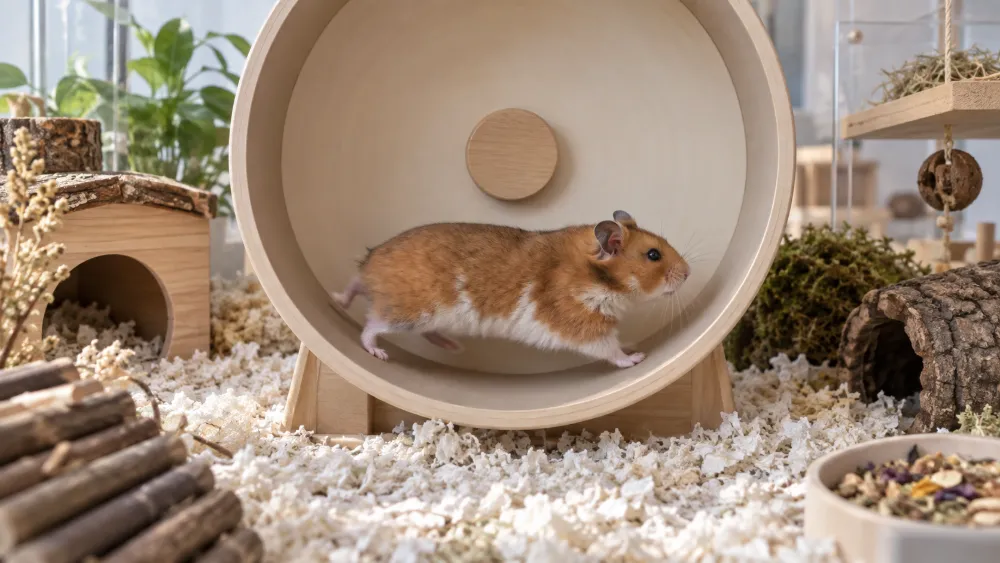
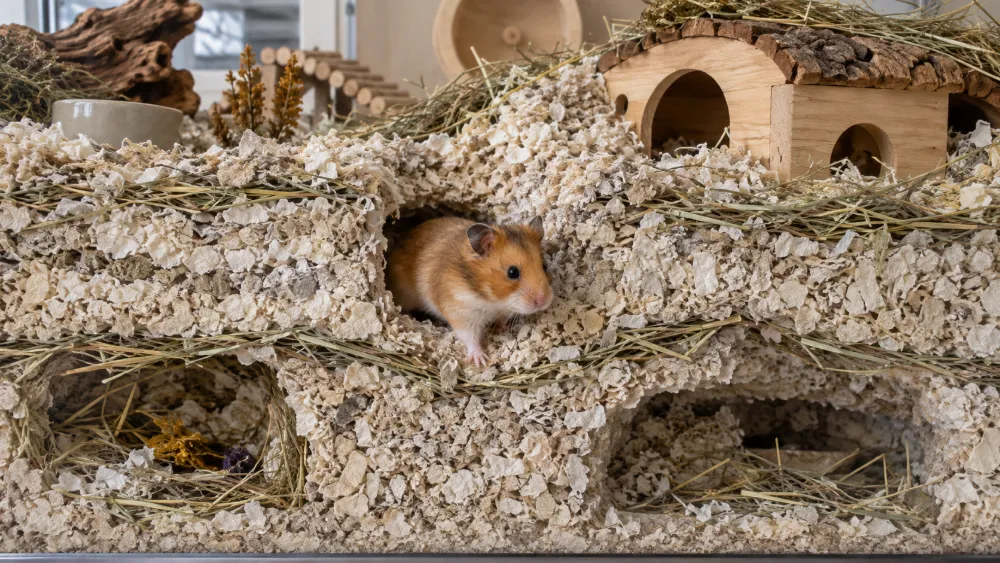
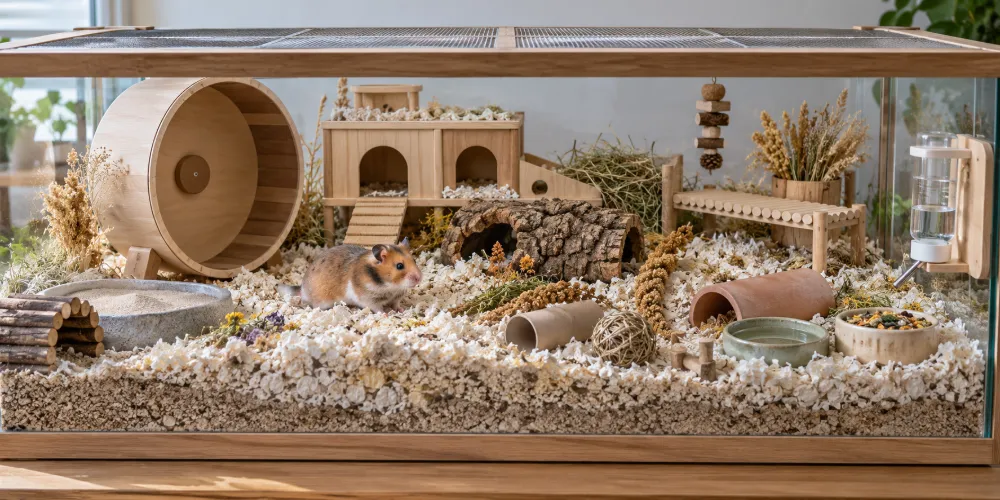
8.3 Small pets (rabbits, guinea pigs, hamsters, etc.)
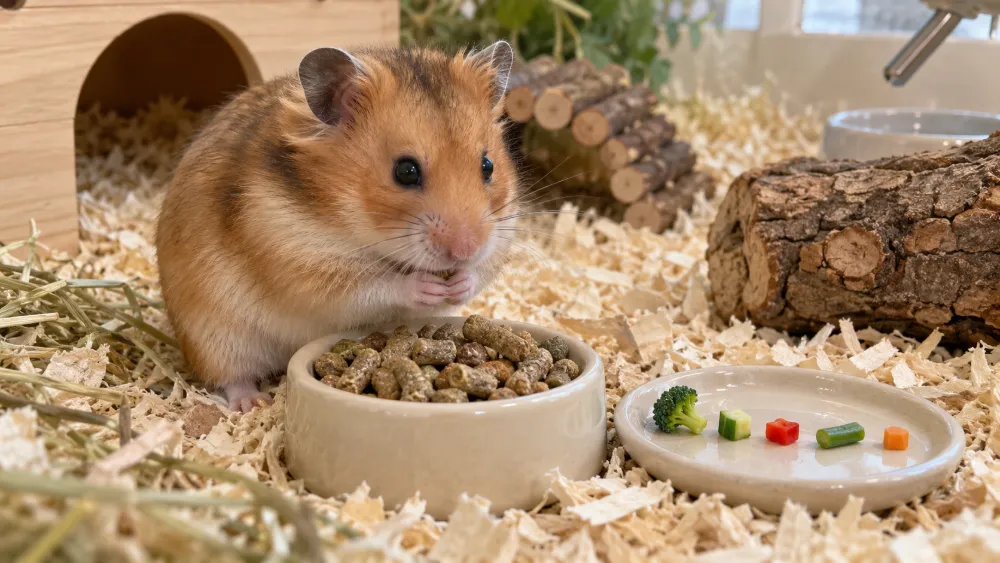
Young kids: Watch and help hand veggies or treats (from an open palm, supervised).
Older kids: Help refresh hay and water, clean parts of the enclosure.
Teens: Take lead on cleaning routines, setting up enrichment, and monitoring weight/condition with adult help.
9. Turning Chores into Positive Learning Moments
Chores shouldn’t feel like punishment. When presented well, they become:
Daily reminders that pets depend on us.
Chances to talk about kindness and responsibility.
Special one-on-one time between child and animal.
Some simple strategies:
Use charts or sticker boards for younger kids to track completed tasks.
Celebrate consistency: “You’ve given Bella fresh water every day this week – she’s lucky to have you.”
Rotate chores so no one child gets stuck with only “gross” jobs like poop scooping.
10. When Kids Don’t Follow Through (and What It Teaches)
There will be days when your child forgets or refuses to do their pet chores. This is normal – they’re learning.
Gently remind them and, if needed, help them complete the task together.
Avoid letting the pet suffer to “teach a lesson” – animals should never be punished for human mistakes.
Use it as a conversation:
“Max still needs to eat, even if you don’t feel like feeding him. Grown-ups feel like that too sometimes, but we still have to show up.”
Over time, children learn that real love means showing up again and again, even when it isn’t new or exciting.
11. Final Thoughts: Raising Kind, Animal-Respecting Humans
Teaching kids to respect animals is about more than preventing bites or broken toys. It’s about raising future adults who:
Notice when a being is scared or uncomfortable.
Adjust their behaviour to be kinder and gentler.
Understand that responsibility doesn’t stop when things get boring.
Age-appropriate pet chores, combined with clear rules and calm supervision, turn everyday moments – filling a water bowl, brushing a dog, playing with a cat – into small lessons in empathy. That’s a gift you give not only to your pets, but also to your children, and to every animal they’ll meet in their lives.