Dog ownership is one of the best life upgrades—until your first surprise vet bill, grooming invoice, or daycare fee lands in your inbox. If you live in (or are moving to) a high-cost city like New York, London, Berlin, or Paris, the question isn’t just “Can I afford a dog?”—it’s “Can I afford a dog here?”
This guide breaks down realistic dog ownership costs across four major cities, what drives those costs, and how to build a budget that won’t fall apart the first time your dog eats something questionable. You’ll also find practical ways to cut expenses without cutting care, plus clear signs it’s time to call a vet or a professional trainer.
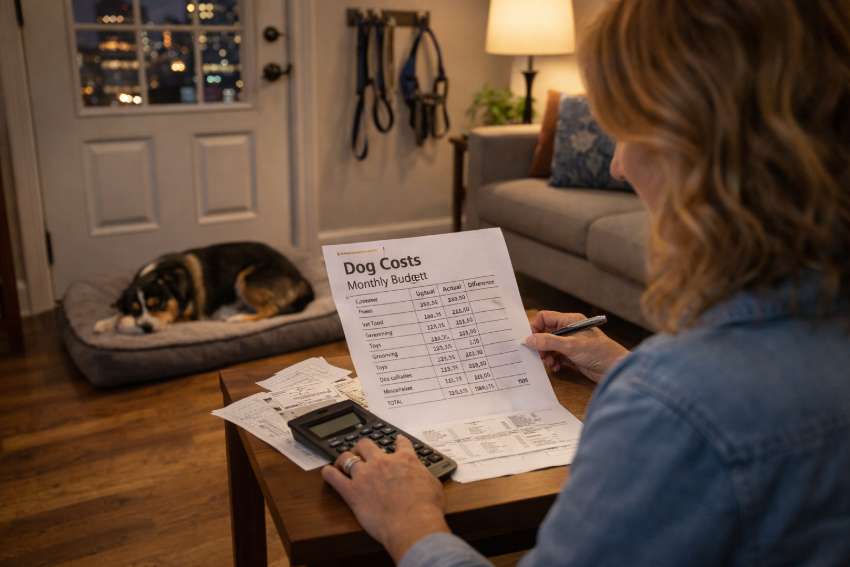
1. What “Cost to Own a Dog” Really Includes
Most people think about food and the occasional vet visit. In reality, dog ownership costs fall into four big buckets:
One-time setup costs: adoption/purchase, initial vet exams and vaccines, microchip, crate, bed, leash, collar/harness, bowls, training basics.
Recurring essentials: food, treats, flea/tick prevention, routine vet care, license registration, grooming (even short-haired dogs often need nails/ears).
Services and lifestyle costs: dog walking, daycare, boarding/pet sitting, training classes, pet-friendly housing fees, cleaning supplies.
Unexpected and emergency costs: illness/injury, dental work, surgeries, chronic conditions, accidental damage, travel disruptions.
To compare cities fairly, it helps to estimate both a “basic care” budget (you do most care yourself) and a “service-heavy” budget (you use walkers/daycare regularly).
2. Quick Cost Snapshot: New York vs London vs Berlin vs Paris
Costs vary by neighborhood, dog size, and how much help you pay for. The ranges below are meant to be realistic for an average adult dog. Puppies and seniors usually cost more.
Estimated Monthly Cost Ranges (Typical Adult Dog)
New York: basic care $200–$450; service-heavy $700–$1,500+
London: basic care £170–£380; service-heavy £500–£1,200+
Berlin: basic care €140–€320; service-heavy €350–€900+
Paris: basic care €170–€380; service-heavy €450–€1,050+
Estimated First-Year Total (Includes Setup Costs)
New York: $3,500–$9,000+ (higher if you rely on daycare/walkers)
London: £3,000–£7,500+
Berlin: €2,500–€6,500+
Paris: €3,000–€7,000+
Why the gap? New York and London tend to be most expensive for services (walking/daycare/boarding), while Berlin often has lower service pricing but includes a clear annual dog tax. Paris can be similar to London for some services depending on arrondissement and availability.
3. One-Time Setup Costs by City
These are the costs you’ll likely face in the first 30–60 days. If you adopt from a shelter, some items (vaccines, microchip, spay/neuter) may be included.
Typical Setup Items
Adoption fee or purchase price: varies widely by source and breed/type.
Initial vet care: exam, core vaccines, fecal test, parasite screening; puppy series costs more.
Spay/neuter (if not already done): can be a major line item.
Microchip and registration: usually modest but important.
Gear: crate, bed, leash, harness, ID tag, bowls, grooming tools, enzyme cleaner, poop bags.
Ballpark Setup Totals
New York: $600–$2,500+ (higher if you need spay/neuter and premium gear)
London: £500–£2,000+
Berlin: €450–€1,800+
Paris: €500–€2,000+
Tip: Don’t overspend on fancy accessories early. Prioritize a comfortable harness, a safe crate or pen, a durable leash, and an enzyme cleaner. You can upgrade later once you know your dog’s size, chewing habits, and sensitivities.
4. The Biggest Monthly Costs: A Detailed Breakdown
4.1 Food and Treats
Food depends heavily on dog size, brand quality, and dietary needs. Large dogs can easily cost 2–3× more than small dogs. Prescription diets and fresh food plans are typically at the top end.
New York: $50–$150/month
London: £40–£120/month
Berlin: €35–€110/month
Paris: €40–€120/month
Budget reality check: If your dog develops allergies or GI issues, food can jump quickly. Plan a little buffer even if your dog is currently “easy.”
4.2 Routine Veterinary Care
Routine care typically includes annual checkups, vaccines (based on your vet’s recommendations and your dog’s lifestyle), parasite prevention, and occasional tests.
New York: $40–$120/month averaged (when you spread annual costs across the year)
London: £30–£90/month averaged
Berlin: €25–€80/month averaged
Paris: €30–€90/month averaged
What pushes this higher: dental cleanings, skin issues, recurring ear infections, chronic meds, and emergency visits.
4.3 Grooming and Hygiene
Even “low maintenance” coats still need nails and basic hygiene. Long-haired, curly, or double-coated dogs may need regular professional grooming.
New York: $20–$150/month (DIY nails at low end; pro grooming at high end)
London: £15–£120/month
Berlin: €10–€100/month
Paris: €15–€110/month
4.4 Walking, Daycare, and Boarding (The “City Life Multiplier”)
This is where cities really diverge. If you work long hours or have a high-energy dog, service costs can become your largest monthly expense.
Dog walker (occasional): a few walks per week adds up fast.
Dog walker (daily): can rival a car payment in New York and London.
Daycare: great for social dogs, but it’s a premium service in many neighborhoods.
Boarding/pet sitting: holiday seasons can increase prices and reduce availability.
Typical monthly ranges (if you use services):
New York: $250–$1,200+
London: £180–£900+
Berlin: €120–€650+
Paris: €160–€750+
How to estimate your own number: multiply your expected paid walks per week by 4, then add daycare days per month. If you travel, add an annual boarding budget and divide by 12 to get a monthly “travel allowance.”
5. City-Specific Costs and Rules You Should Budget For
5.1 New York: High Service Costs + Housing Fees
New York’s biggest cost drivers are paid services and housing. Many renters also face pet fees, deposits, or pet rent. Convenience spending (delivery, premium daycare, grooming) is also more common.
Likely budget “gotchas”: pet rent/fees, last-minute boarding, premium daycare, emergency vet pricing.
Best money-saving move: build a reliable routine that reduces paid walks/daycare (structured enrichment at home + predictable potty schedule).
5.2 London: Insurance Culture + Grooming/Daycare Pricing
London dog owners often lean toward pet insurance and preventive plans, especially because vet costs can spike with diagnostics and emergency care.
Likely budget “gotchas”: rising premiums, breed-related exclusions, emergency out-of-hours care.
Best money-saving move: choose an insurance plan early (before pre-existing conditions exist) and keep a separate emergency fund anyway.
5.3 Berlin: Dog Tax + Structured Registration Culture
Berlin stands out for an annual dog tax that owners must plan for. Daily services may be less expensive than New York/London, but taxes and administrative requirements are more prominent in budgeting.
Likely budget “gotchas”: annual dog tax, required paperwork in some situations, training expectations for certain dogs.
Best money-saving move: plan the tax as a monthly sinking fund (set aside a small amount each month) so it doesn’t sting.
5.4 Paris: Apartment Living + Service Availability
In Paris, apartment living and busy sidewalks can raise the need for training support and structured routines. Services are available, but convenience can cost more in central areas.
Likely budget “gotchas”: boarding availability during holidays, grooming demand, training needs for leash manners.
Best money-saving move: invest early in leash skills and calm indoor behavior—this reduces damage, stress, and “fix-it-later” spending.
6. A Practical Budget Template You Can Use Today
If you want a budget that survives real life, use three layers: essentials, lifestyle, and safety net.
Layer A: Monthly Essentials
Food + treats
Parasite prevention
Routine vet care (monthly average)
Basic grooming/hygiene supplies
License/registration (monthly average)
Layer B: Lifestyle and Services
Dog walking/daycare (if needed)
Training classes or private sessions
Boarding/pet sitting (monthly average)
Replacement toys/chews
Home cleaning supplies (enzyme cleaner, lint rollers)
Layer C: Safety Net (Non-Negotiable)
Emergency fund: aim for at least one meaningful vet expense in cash savings.
Insurance (optional but helpful): can protect against catastrophic costs, but read exclusions carefully.
Simple rule: If you can’t comfortably cover your “Layer A” plus either an emergency fund contribution or insurance premium, dog ownership may feel financially stressful in these cities.
7. How to Lower Costs Without Compromising Your Dog’s Care
You don’t need to be a “luxury pet parent” to provide excellent care. The best savings are strategy-based, not shortcut-based.
Buy quality once: a durable harness, crate, and bed can save you from repeat purchases.
Use preventive care: routine checkups, dental hygiene, and parasite control help avoid bigger costs later.
Train for everyday life: good leash manners and calm alone-time reduce damage, neighbor issues, and the need for expensive “problem fixing.”
DIY the basics: learn nail trimming, brushing, and ear checks (with your vet’s guidance).
Rotate enrichment at home: food puzzles, sniff games, and structured play can reduce daycare dependence for some dogs.
Plan travel early: booking pet sitting/boarding ahead typically gives you better availability and pricing.
8. Common Scenarios That Change the Budget (And What to Do)
8.1 Puppies Cost More
Puppies often need multiple vaccine visits, spay/neuter later, training support, chew-proofing, and sometimes daycare or sitters during house-training.
Budget adjustment: add a “puppy premium” for the first year, especially for training and vet visits.
Smart move: enroll in a positive-reinforcement puppy class early to prevent expensive behavior problems later.
8.2 Seniors and Chronic Conditions
Older dogs may need more frequent exams, bloodwork, joint supplements, dental care, and ongoing medications.
Budget adjustment: increase your vet line item and emergency buffer.
Smart move: track symptoms (mobility, appetite, thirst, bathroom habits) to catch issues early.
8.3 High-Energy or Working Breeds in Apartments
Some dogs thrive in apartments—but many need structured exercise and mental work. Without it, you may end up spending more on daycare, walkers, or behavior help.
Budget adjustment: plan for training and/or regular paid exercise.
Smart move: prioritize calm training, sniff walks, and brain games—these can reduce the need for constant high-intensity activity.
9. When You Should See a Vet (Not “Wait and See”)
In any city, delaying care can turn a small problem into an expensive emergency. Contact a vet promptly if you notice:
Difficulty breathing, repeated coughing, blue/pale gums, or collapse
Repeated vomiting or diarrhea, especially with blood or lethargy
Sudden refusal to eat for more than a day (or sooner for small dogs/puppies)
Straining to urinate, frequent attempts with little output, or signs of pain
Swollen belly, severe restlessness, or unproductive retching
Sudden lameness, inability to stand, or obvious severe pain
Eye injuries, sudden squinting, or thick discharge
Cost-smart habit: keep a simple “vet file” with vaccination history, medications, allergies, and past issues. It saves time in urgent situations and helps avoid repeat testing.
10. When to Hire a Professional Trainer or Behaviorist
Training support is an investment that can prevent property damage, neighbor conflicts, and long-term stress.
Consider professional help if you see:
Aggression, snapping, or guarding (food, toys, spaces)
Separation anxiety signs (destructive behavior, panic, nonstop vocalizing when alone)
Severe leash reactivity (lunging, barking, inability to recover)
Persistent house-training problems beyond the normal learning phase
Fearful behavior that limits daily life (refusing walks, hiding, shaking)
Budget tip: one or two targeted private sessions can sometimes save money compared with months of trial-and-error gear purchases or frequent daycare used as a “band-aid.”
Final Thoughts: Build a City-Proof Dog Budget
Owning a dog in New York, London, Berlin, or Paris is absolutely doable—but your budget needs to match city realities. Start by estimating your essentials, then decide how much you’ll rely on services. Most importantly, protect yourself with either an emergency fund, insurance, or a combination of both.
If you want the least stressful approach: budget for routine care like it’s a monthly subscription, and treat emergencies like they’re inevitable (because eventually, they are). Your dog will never care if their bed is designer—but they will benefit from consistent care, smart training, and a home that’s financially prepared.