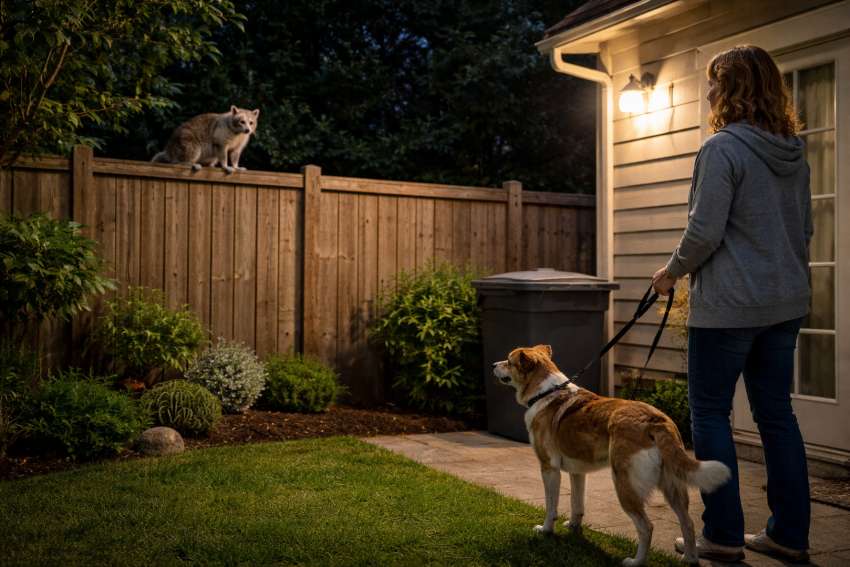
For many pet owners in the US and parts of Europe, raccoons are regular night-time visitors. They look cute with their “bandit” masks and fluffy tails – but for dogs and cats, raccoons can be dangerous neighbors.
This guide explains:
When raccoons are a real threat to dogs and cats
Diseases and parasites raccoons can carry
How to make your yard and home less attractive to raccoons
What to do if your pet tangles with a raccoon
1. Are Raccoons Really Dangerous to Pets?
The short answer: yes, they can be – especially for small pets or dogs that try to fight them. Most raccoons would prefer to avoid a conflict, but they will:
Defend themselves aggressively if cornered or attacked
Protect their young if a dog or cat comes too close
Fight over food if they feel threatened
Raccoons have:
Strong jaws and sharp teeth
Very sharp claws
Surprising strength for their size
A determined raccoon can seriously injure even a medium-sized dog, and small dogs or cats are particularly vulnerable.
2. Risks for Dogs and Cats: Bites, Scratches and Infection
The most obvious danger is physical injury. Typical raccoon-related injuries in pets include:
Puncture wounds from bites – which can look small on the outside but be deep and contaminated.
Claw wounds – often around the face, ears, chest or legs when the animals grapple.
Eye injuries – from claws or bites near the face.
Even if the wounds seem minor, they can quickly become infected. Raccoon mouths and claws carry bacteria, so any bite or deep scratch should be treated as an emergency and checked by a vet.
3. Diseases Raccoons Can Carry
One of the biggest reasons raccoons are considered dangerous is their potential to spread disease. Examples include:
3.1 Rabies
In some regions, raccoons are important carriers of rabies.
Rabies is fatal once symptoms appear – for animals and humans.
Any bite from a wild animal in a rabies-endemic area should be taken extremely seriously.
Keeping your pets’ rabies vaccinations up to date is one of the best protections you can provide if raccoons are common where you live.
3.2 Parasites and other infections
Roundworms and other intestinal parasites – eggs shed in raccoon feces can contaminate soil and water.
Leptospirosis – a bacterial disease spread through urine in water or soil; can infect dogs (and sometimes humans).
Fleas and ticks – raccoons can bring ectoparasites into your yard that then jump onto pets.
Regular deworming and parasite prevention for your dog and cat are essential if wildlife frequently passes through your yard.
4. Which Pets Are Most at Risk?
Not every pet faces the same level of danger from raccoons.
Small dogs and outdoor cats:
More likely to be injured in a physical fight.
More vulnerable if cornered.
Bold, high-prey-drive dogs:
May actively chase or attack raccoons, triggering self-defence.
Off-leash or unsupervised pets at night:
Most raccoon activity happens after dark, exactly when many dogs are let out for a quick toilet break.
Indoor-only cats and dogs kept on-leash and supervised outdoors are generally much safer – but raccoons can still try to access patios, balconies, and outdoor feeding stations.
5. How to Make Your Yard Less Attractive to Raccoons
The best way to keep your pets safe is to reduce raccoon visits in the first place. Focus on removing food, water and shelter.
5.1 Don’t feed wildlife (even by accident)
Secure trash bins with tight-fitting lids or bungee cords.
Bring pet food dishes indoors after meals – never leave food outside overnight.
Use bird feeders that minimize spilled seed, and clean up fallen food regularly.
Don’t leave compost or food scraps in open containers.
5.2 Remove water sources
Empty standing water from buckets, kiddie pools or plant saucers at night.
Consider bringing in outdoor water bowls when pets come inside.
5.3 Limit hiding places and access
Block off spaces under decks, sheds or porches where raccoons might den.
Trim tree branches that hang close to your roof or balcony.
Repair broken vents, screens or gaps that could let wildlife into attics or garages.
These steps won’t remove raccoons from your area, but they make your property less interesting to them – which lowers risk for your pets.
6. Safe Yard Habits for Dog and Cat Owners
Even if raccoons still pass through your neighborhood, you can drastically reduce the chance of a dangerous encounter.
6.1 Supervise nighttime outings
Go outside with your dog, especially after dark, instead of just opening the door and letting them out alone.
Keep a torch/flashlight handy to scan the yard before you step out.
Use a leash if your yard is not fully secure or if raccoons are common in your area.
6.2 Keep cats indoors or supervised
Outdoor cats are at risk not just from raccoons, but also from cars, other animals and disease.
Consider:
Keeping your cat indoors, or
Providing a secure “catio” enclosure, or
Supervised outdoor time on a harness and leash.
6.3 Teach “leave it” and recall
Train your dog to respond reliably to:
“Leave it” – to stop chasing wildlife or investigating raccoon droppings.
“Come” – to return to you immediately if they spot something in the dark.
7. What to Do If Your Pet Encounters a Raccoon
Even with precautions, accidents happen. If your dog or cat gets into a fight or close encounter with a raccoon, stay as calm and safe as possible.
7.1 During the encounter
Do not try to grab the animals bare-handed. You could be bitten or scratched.
Use loud noises (shouting, clapping, banging a pot) from a safe distance to try to startle the raccoon away.
If your dog is on a leash, pull them away and leave the area immediately.
7.2 After the encounter
Check your pet for wounds – look closely through the fur for punctures or scratches.
Even small puncture wounds require a vet visit:
They can become infected.
Your vet can assess rabies risk and update vaccines if needed.
If your pet wasn’t vaccinated or is overdue, tell your vet right away. Follow your vet’s recommendations about monitoring or booster shots.
If you were bitten or scratched by the raccoon or your pet during the fight, seek medical attention immediately and report the incident according to local health guidelines.
8. Signs Your Pet May Be Sick After a Raccoon Encounter
After any close contact, watch your dog or cat for changes such as:
Fever, lethargy or loss of appetite
Swelling, heat or discharge around wounds
Vomiting or diarrhoea
Stiffness, pain or limping
Strange behaviour (confusion, aggression, unsteady walking)
These can be signs of infection, pain or – in rare cases – a serious disease. When in doubt, call your vet.
9. Humane Ways to Discourage Raccoons
You don’t need to harm raccoons to protect your pets. Focus on humane deterrents and prevention:
Motion-activated lights or sprinklers – can surprise raccoons and make your yard less comfortable.
Noise deterrents – some people use motion-activated sound devices, though results vary and they can bother pets too.
Professional wildlife control – if you have raccoons nesting in your home or very close by, contact licensed wildlife professionals who use humane removal methods and follow local laws.
Never attempt to trap or handle a raccoon yourself – this is dangerous and often illegal without proper permits.
10. Final Thoughts: Respect Raccoons, Protect Your Pets
Raccoons are intelligent, adaptable wild animals. They’re not “villains” – but they don’t belong in close contact with your pets.
To keep your dog or cat safe:
Stay on top of vaccinations and parasite prevention.
Supervise nighttime outings and avoid unsupervised outdoor time after dark.
Remove outdoor food and secure trash so you’re not unintentionally feeding raccoons.
See a vet promptly after any bite or close encounter.
With smart prevention and quick action when needed, you can share a neighbourhood with raccoons without putting your pets at unnecessary risk.