Small pets like hamsters, guinea pigs and rabbits look cheap compared to dogs and cats. A tiny body, a small bag of food, a simple cage – how expensive can they really be?
In reality, many owners in the US and UK are surprised by the total cost of doing things properly. The animal itself is often the cheapest part. The cage, bedding, vet care and long-term supplies add up more than most people expect – especially if you want to give your pet a life that is safe, clean and mentally healthy.
In this guide, we’ll look at:
The main one-time costs for hamsters, guinea pigs and rabbits
Typical monthly costs in the US and UK
Important differences between these three species
Hidden small-pet costs (vet bills, cage upgrades, cleaning)
How to build a realistic small pet budget before you adopt
1. Why “Small” Doesn’t Always Mean “Cheap”
People often think small pets are “budget animals” for kids or small apartments. But:
They still need proper housing (often much bigger than pet shop starter kits).
They still need vet care when they are sick or injured.
Some species, like guinea pigs and rabbits, need a companion, doubling many costs.
A fair way to think about it:
Hamsters = generally cheapest, shortest lifespan, mostly solitary.
Guinea pigs = moderate cost, social animals, often kept in pairs.
Rabbits = often the most expensive small pet, can live many years and need lots of space.
2. One-Time Setup Costs: Cage, Equipment and First Vet Visit
Before you bring any small pet home, you’ll have a list of one-time purchases.
2.1 Cage or enclosure
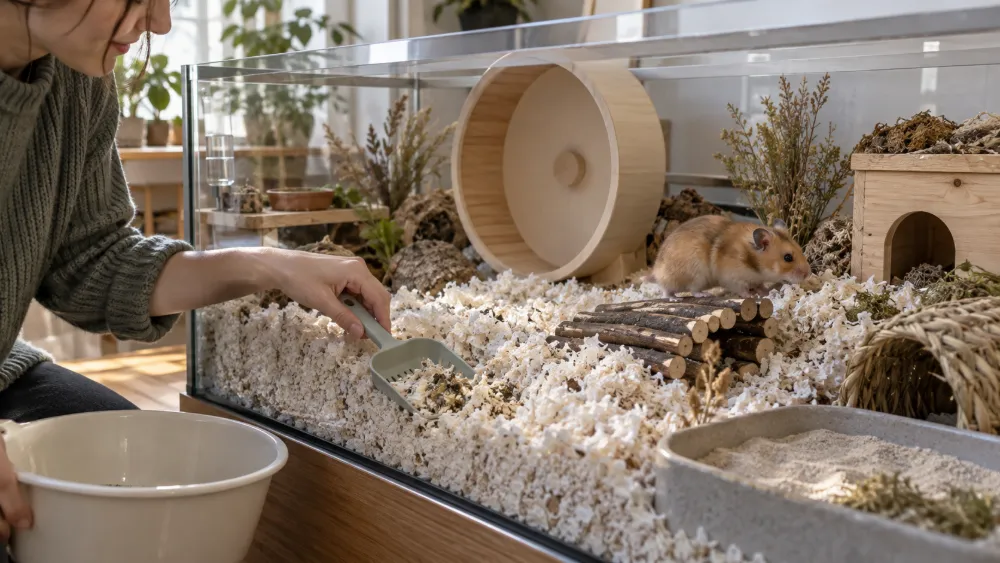
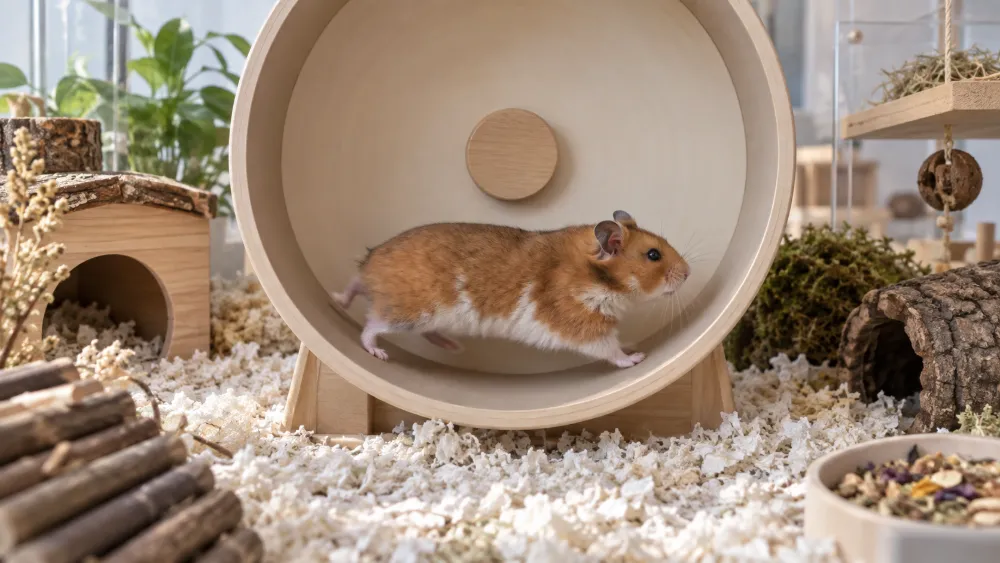
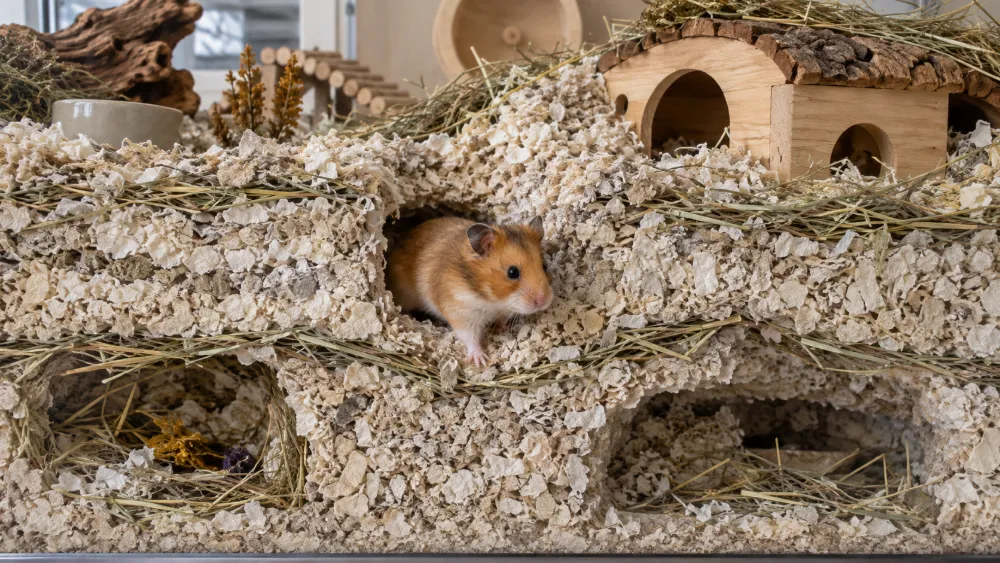
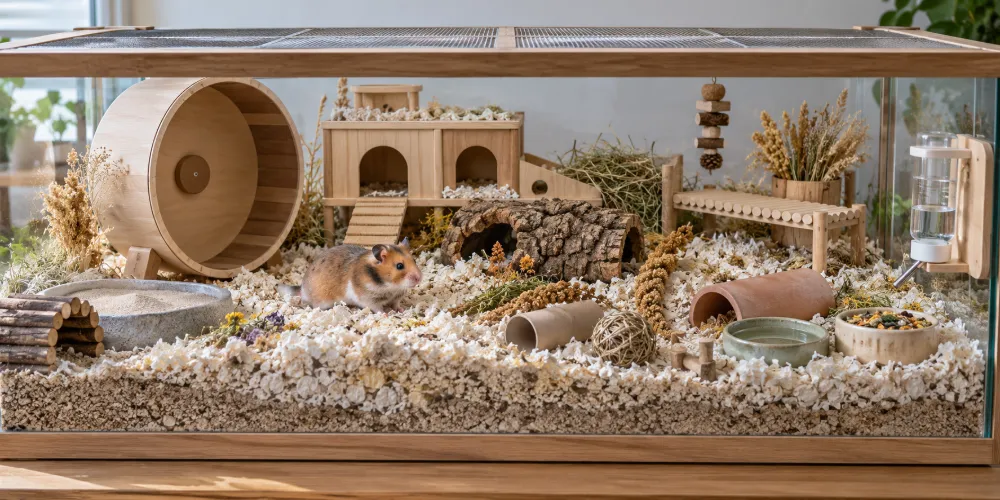
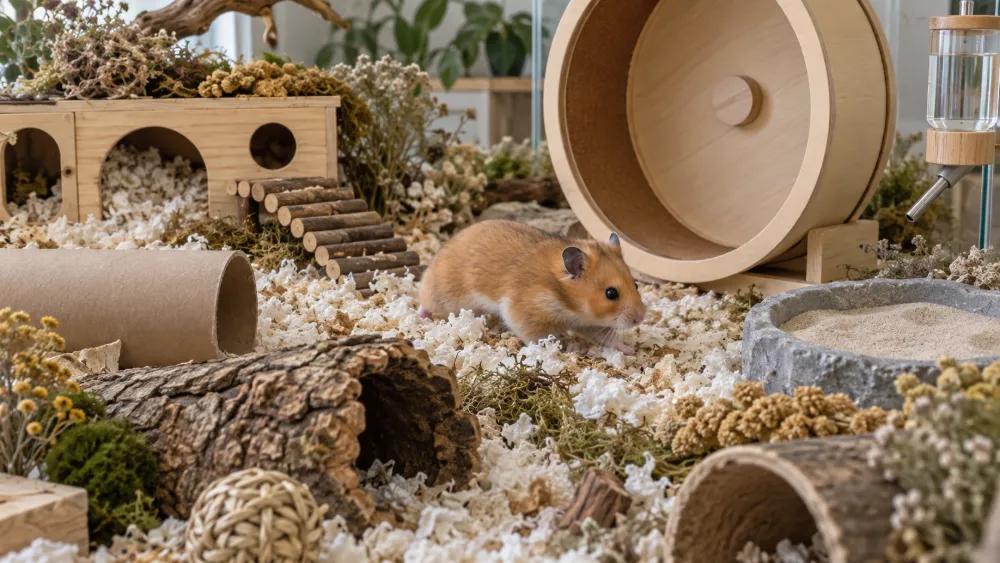
Hamsters: Need a secure enclosure with enough floor space, deep bedding for burrowing and solid (not wire) running surfaces. Many commercial cages are too small; a large tank or DIY bin cage is often better.
Guinea pigs: Need a wide, low enclosure with plenty of room to move, hide and run. C&C (cube and coroplast) cages are popular because they are larger and customizable.
Rabbits: Need far more than a tiny hutch. They do best with an exercise pen or large indoor enclosure plus daily free-roam time. Outdoor hutches must be predator-proof and weather-safe.
The cage or pen is the biggest one-time cost for most small pets. A good rule: buy the largest, safest enclosure you can afford. It will last much longer than “starter” cages you’ll end up replacing.
2.2 Basic equipment
For all three species, you’ll need:
Food bowls and water bottle or heavy water dish
Hideouts (at least one per animal so they can feel safe)
Chew toys and safe items for gnawing (to keep teeth healthy)
Litter box or corner tray (especially for rabbits)
Nail clippers and basic grooming tools
Carrier for vet visits or safe transport
2.3 Bedding, hay and first stock of food
Bedding: paper or other safe bedding for hamsters and guinea pigs; absorbent litter and flooring for rabbits.
Hay: essential for guinea pigs and rabbits, not optional – it’s the base of their diet.
Pellets and fresh food: species-appropriate pellets plus vegetables for guinea pigs and rabbits.
2.4 Initial vet check
Even for small pets, it’s wise to budget for a first vet visit:
Health check (teeth, weight, breathing, skin and fur)
Advice on diet, housing and handling
Discussion of common health problems in that species
In the UK and US, not every vet is confident with small mammals, so look for an “exotics” or small animal vet if you can.
3. Ongoing Monthly Costs by Species
Once you’ve set everything up, you can think in terms of monthly costs. These are approximations and will vary by brand, city and how many animals you keep, but the structure is similar.
3.1 Hamster monthly costs
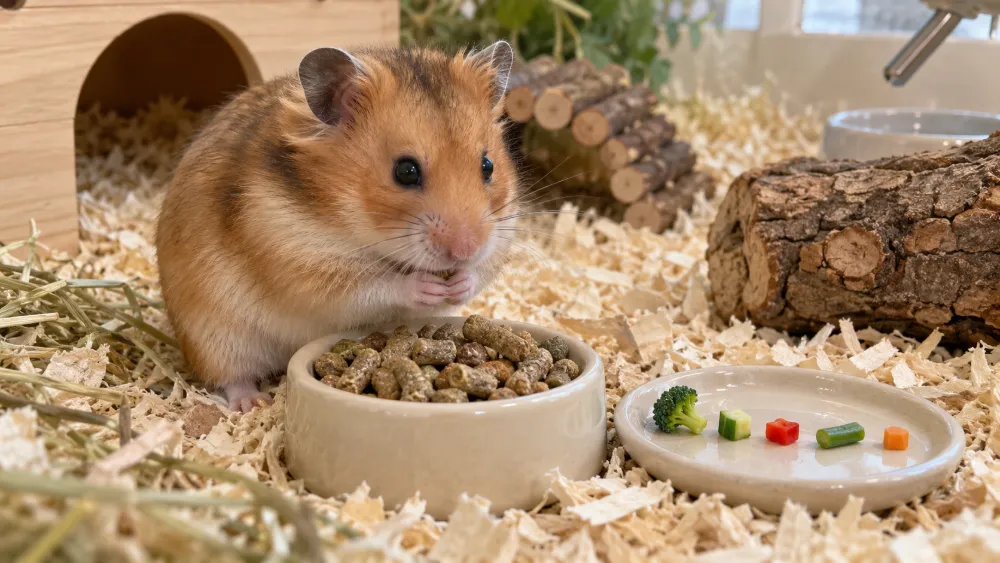
Food: a balanced hamster mix plus occasional fresh treats.
Bedding: regular full or partial cage clean-outs; hamsters like deep bedding for burrowing.
Chews and enrichment: new chews, tunnels and toys every so often.
Vet: not every month, but budget a small amount monthly so a future visit is not a shock.
Hamsters usually have the lowest monthly cost, but remember they still need a cage clean schedule and occasional replacement toys.
3.2 Guinea pig monthly costs
Hay: the biggest dietary item; must be available at all times.
Pellets: a species-appropriate guinea pig pellet.
Fresh vegetables: daily vitamin C-rich vegetables.
Bedding or fleece: regular cleaning of the cage; either disposable bedding or washing fleece liners.
Chews and hideouts: replacement tunnels, chew sticks and houses when they get worn.
Vet fund: especially for dental issues, respiratory infections and skin problems.
Most guinea pigs in the US and UK are kept in pairs or groups, which means:
Higher food and hay consumption
Larger enclosure (and more bedding)
More animals to treat if an illness spreads
3.3 Rabbit monthly costs
Hay: the main part of the diet; rabbits eat a lot of it.
Pellets: high-quality rabbit pellets in moderation.
Fresh greens: daily salads of safe leafy vegetables.
Litter and bedding: litter boxes with absorbent material for indoor rabbits.
Toys and chew items: cardboard, tunnels, wood chews, dig boxes.
Vet care: vaccinations and regular health checks in countries where recommended, plus a fund for dental and GI emergencies.
Many rabbits are kept as house rabbits in the US and UK. They may cost more per month than a small dog once you include hay, litter, vet care and neutral-quality housing.
4. Health and Vet Costs: The Biggest “Hidden” Factor
Owners often assume small pets don’t go to the vet because “they are cheap” or “they don’t live long anyway”. That’s not fair to the animal.
Hamsters: prone to wet tail, tumors, dental issues and injuries from falls or cage accidents.
Guinea pigs: prone to dental problems, respiratory infections, vitamin C deficiency and bladder stones.
Rabbits: prone to dental disease, gastrointestinal stasis (a life-threatening emergency), respiratory issues and injuries from poor housing.
A single emergency visit with tests and medication can easily cost more than the animal itself. For rabbits and guinea pigs, surgery and hospitalization can be significant expenses.
Smart approach:
Set aside a small monthly amount as a small pet emergency fund.
Find a vet experienced with small mammals before an emergency happens.
Act early when you see changes in eating, droppings, breathing or behavior.
5. Species-Specific Hidden Costs
5.1 Hamsters: short life, high turnover
Short lifespan (often 2–3 years) means you may go through several hamsters over a decade.
Cage and basic equipment can be reused, but vet costs and food reset with each new animal.
Impulse buying is common; repeated “cheap” purchases add up over time.
5.2 Guinea pigs: social needs and cage size
They should not live alone; pairs or groups are standard.
More animals = more hay, vegetables, bedding and possible vet treatment.
Many starter cages are too small, leading to upgrades and DIY projects later.
5.3 Rabbits: like a “small dog” in cost
They often live 8–12 years or more, similar to some dog breeds.
They need spay/neuter to reduce health and behavior problems.
They require large, safe spaces and mental stimulation; cheap hutches usually need replacing.
The “tiny bunny in a tiny hutch” image is outdated and leads directly to welfare problems – and expensive vet bills.
6. Building a Small Pet Budget (US & UK Owners)
To avoid surprises, build your small pet budget in two layers: setup and monthly.
6.1 Setup checklist
Enclosure (cage, pen, hutch or indoor setup)
Bowls and water system
Hideouts, tunnels and chew toys
Bedding, litter and first stock of hay/food
Carrier for vet trips
Initial health check with a suitable vet
6.2 Monthly checklist
Food (pellets, seeds for hamsters, vegetables where needed)
Hay (for guinea pigs and rabbits)
Bedding or litter
Replacement toys and chews
Small monthly contribution to a vet/emergency fund
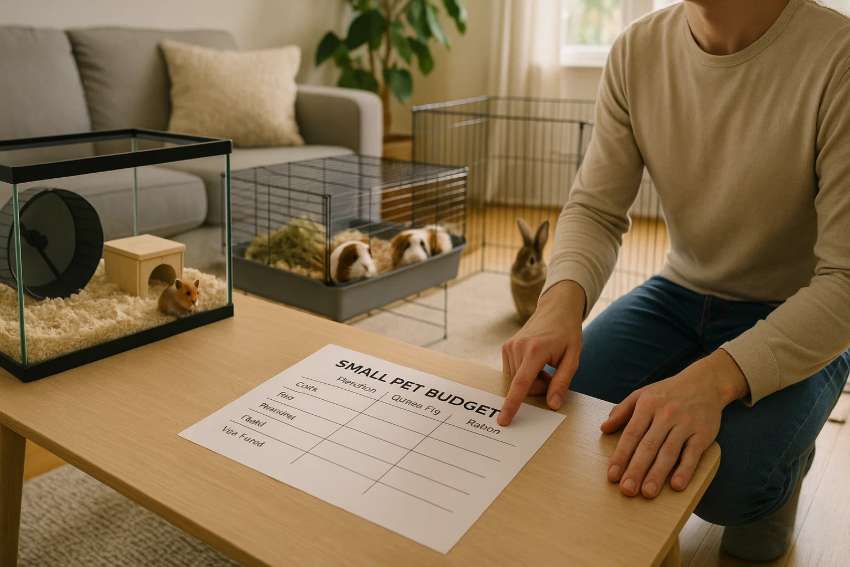
Write these into a simple table, then ask:
“Can I comfortably pay this every month?”
“Can I cover at least one emergency vet visit if something happens?”
7. How to Save Money Without Harming Your Pet
You can reduce costs safely by:
Buying a good used cage or pen and cleaning it thoroughly.
Using DIY toys: cardboard boxes, paper bags, toilet roll tubes (always safely prepared).
Buying hay and bedding in larger, better-value bags if you have space to store them.
Choosing mid-range pellets instead of “treat mixes” loaded with dyes and sugar.
Learning basic nail trimming at home if your vet or nurse teaches you how.
You should not save money by:
Using very small cages “because they were cheap”.
Skipping vet care when a small pet stops eating or moving normally.
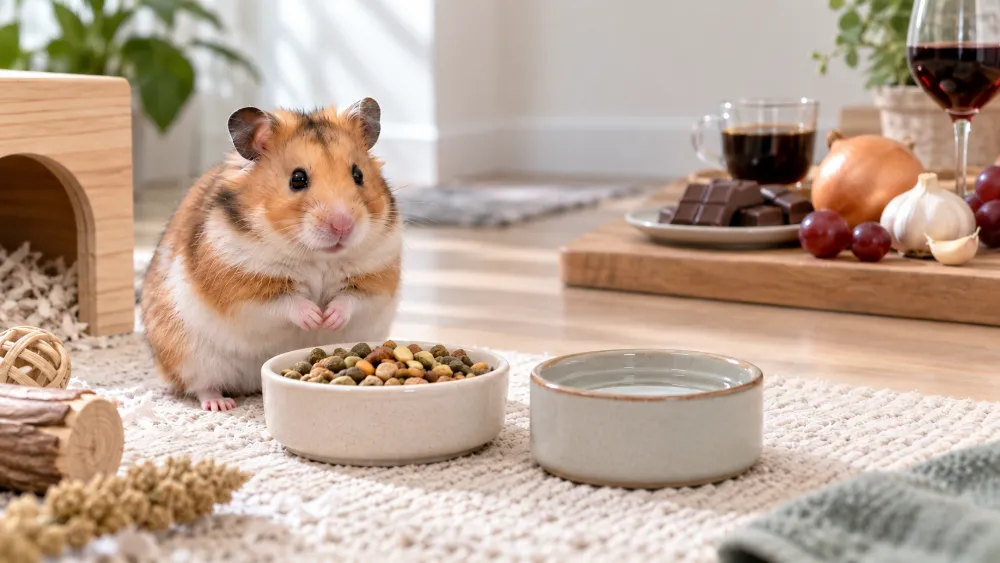
Feeding random human foods without checking if they are safe.
8. Final Thoughts: Small Body, Big Responsibility
A hamster, guinea pig or rabbit might fit in a child’s arms, but they do not fit into a “tiny” budget if you want to do things right. In the US and UK, the real cost of small pets includes:
A safe, spacious enclosure
Ongoing hay, bedding and food
Real vet care when they are sick
Enrichment to keep them mentally healthy
When you plan for these costs from the beginning, your hamster, guinea pigs or rabbits stop being “cheap starter pets” and become what they truly are: complex, sensitive animals who can bring a huge amount of joy – without constant financial surprises.