The Western honey bee (Apis mellifera) may be the best-known bee worldwide, but the Americas are home to many native bees with equally fascinating lives. Among them are the melipona bees (genus Melipona), a group of stingless bees that have been valued for centuries. The species most commonly referred to as “the melipona bee” is Melipona beecheii, famous in Mesoamerican traditions for its unique honey and gentle temperament.
Main Characteristics of the Melipona Bee
1) Stingless—yet well protected
Melipona bees do not have a functional sting, which makes them notably docile around people. Instead of stinging, they rely on colony defense behaviors such as biting or using sticky materials from resin and wax near the nest entrance.
2) Small, sturdy, and easy to recognize
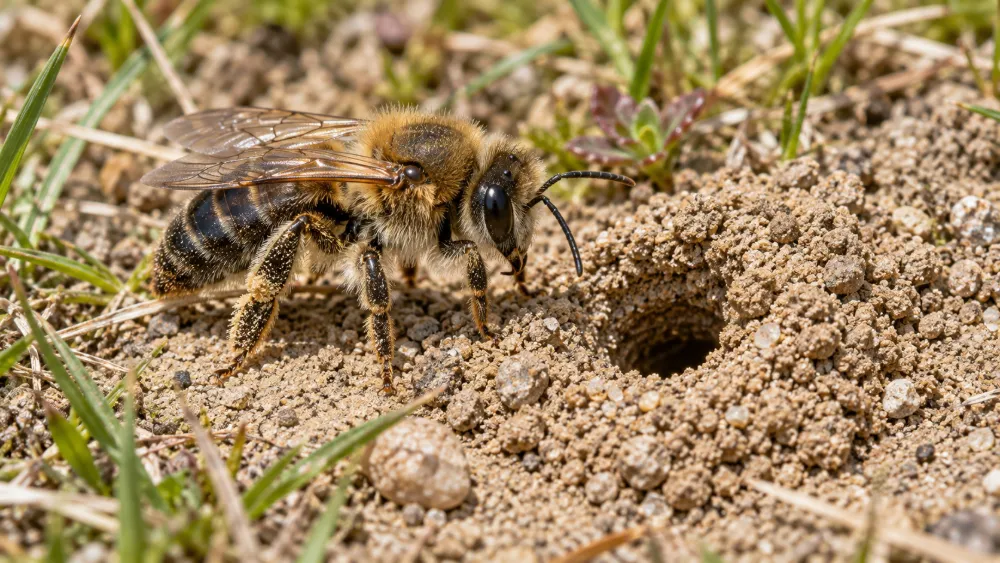
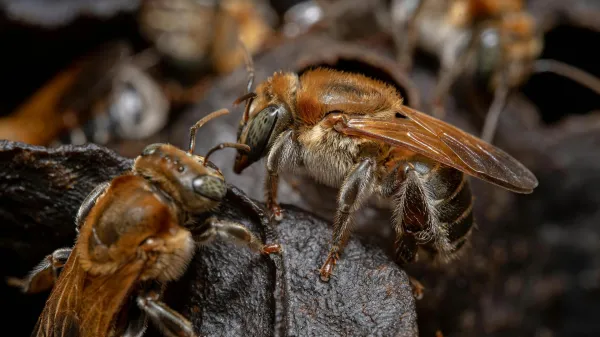
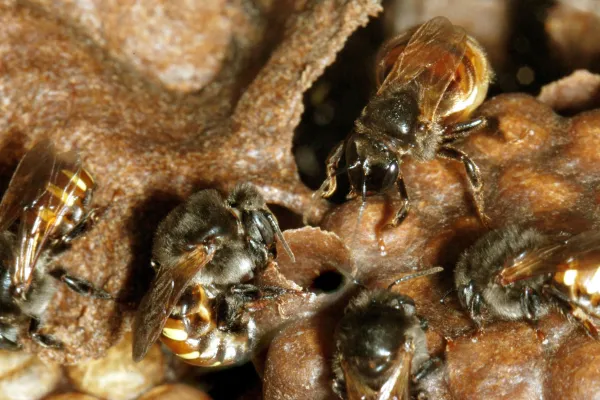
These bees are typically brown with yellow bands on the abdomen. They often appear slightly fuzzy due to fine body hairs, while their wings look transparent and delicate.
3) True social insects
Like honey bees, melipona bees live in organized colonies with a division of labor—workers forage, guard, and care for young, while the queen focuses on reproduction.
Where Melipona Bees Live
Native range
Melipona bees are native to tropical Central America. Melipona beecheii is especially associated with regions from the Yucatán Peninsula (Mexico) southward through parts of Central America, thriving in warm, humid landscapes.
Preferred habitat
They typically inhabit tropical forests and coastal-influenced climates, where flowering plants are available for much of the year. Because they are sensitive to dehydration and overheating, they do best in areas with stable warmth and vegetation cover.
Nesting sites
Melipona colonies usually build nests in:
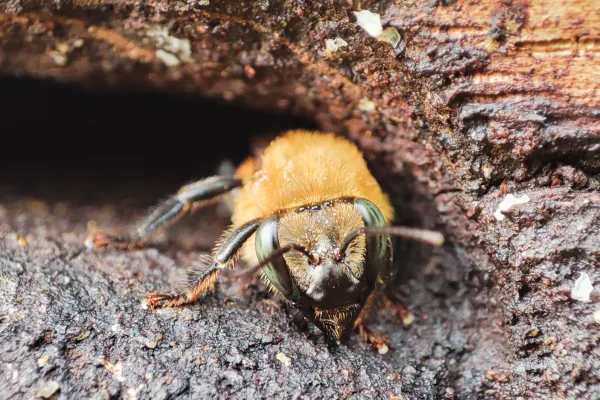
tree cavities and hollow trunks,
thick branches with natural openings,
and sometimes human-made hives designed for stingless beekeeping.
They construct their nest structures with a waxy material often described as cerumen—a blend of wax and plant resins—which helps shape storage pots and protect the colony.
What Melipona Bees Eat
Nectar: the main energy source
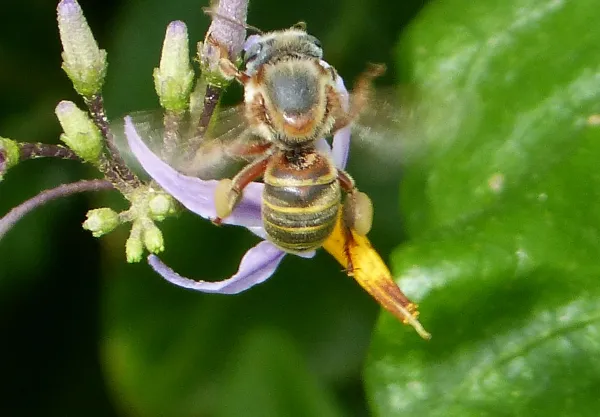
Adult melipona bees feed primarily on flower nectar, which provides sugars for energy. Nectar is also transformed into their distinctive honey, typically stored in small pots rather than in the hexagonal combs made by honey bees.
Pollen: protein for growth
They also collect pollen, the colony’s key source of proteins, fats, vitamins, and minerals. Pollen is essential for feeding larvae and supporting the health of nurse bees.
Resins: building material and defense
In addition to nectar and pollen, melipona bees gather tree resins. Resins are used to reinforce the nest, control microbes, and help defend entrances from intruders.
Daily foraging rhythm
Many melipona colonies show a consistent pattern:
Morning: more nectar-focused trips
Afternoon: more pollen-focused trips
During seasons with fewer blooms, colonies may need to forage more frequently to meet their nutritional needs.
Melipona Bee Behavior
1) Calm temperament
Melipona bees are widely known for being peaceful. They usually only defend themselves if the nest is disturbed, and even then their defense is far less hazardous than that of stinging bees.
2) Strong division of labor
Inside the colony, different individuals specialize in tasks such as:
foraging for nectar, pollen, and resin,
guarding the nest entrance,
cleaning and nest maintenance,
feeding and caring for larvae (nurse workers).
Reproduction and Life Cycle
Metamorphosis stages
Melipona bees develop through a full metamorphosis that is often slower than in honey bees:
Egg
Larva
Prepupa
Pupa
Adult
Queen, drones, and caste roles
The queen lays eggs after mating with drones. As in many bees:
Unfertilized eggs develop into males (drones)
Fertilized eggs develop into females
Female larvae can become either workers or potential future queens (often called princesses), depending largely on the amount and quality of food they receive while developing.
Threats and Conservation
In many places, traditional keepers and local observations report that melipona populations have declined sharply over recent decades. Even when a species is not widely highlighted in global assessments, local declines can still be severe—especially for bees with a limited geographic range and specialized nesting needs.
Major threats
Competition and displacement from introduced honey bees in some areas, which can dominate floral resources
Deforestation that removes nesting trees and reduces flowering plant diversity
Storms and extreme weather that impact coastal and tropical habitats
Insecticides and agricultural chemicals that harm adults and weaken colonies
Low economic incentives for melipona keeping compared with high-yield honey bee operations
Why protecting melipona bees matters
Melipona bees are not only honey producers—they are also important native pollinators. They support both wild plants and crops, helping maintain biodiversity and food production in their native range.
Interesting Facts About the Melipona Bee
Melipona honey: rare and highly valued
Melipona honey has long been considered special in Mesoamerican cultures. It is often described as a traditional remedy in local communities and is prized because colonies typically produce far less honey than honey bees. This scarcity increases its cultural and economic value.
Deep cultural roots
In parts of Mesoamerica, melipona bees were historically associated with ritual practices and careful stewardship, reflecting their importance beyond simple honey production.
What if melipona bees disappeared?
A major decline in native stingless bees could reduce pollination for:
native forest plants,
fruiting trees,
and various cultivated crops.
That loss can trigger a wider ecological chain reaction—fewer plants, fewer fruits and seeds, and fewer animals that depend on them.