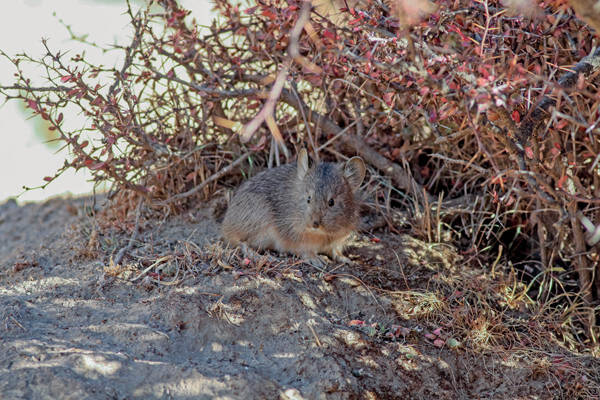
 LC
LC
Ochotona yarlungensis
Ochotona yarlungensis
The Yarlung Zangbo pika belongs to the subgenus Ochotona and is a new species discovered by Liu Shaoying et al. (2016). Its distri···
Explore mammals from tiny bats and rodents to primates, carnivores, ungulates, whales, and elephants. Each profile connects core facts with habitat, lifespan, traits, and conservation information.

Use these shortcuts to move into more specific animal groups.
Lagoiformes is an order of mammals, with two families: Leporidae and Ochotonidae. Lagoiformes are typical herbivores, feeding on tender branches and leaves of herbs and trees, and some even nibble on bark in winter, and generally do not drink water. They are distributed in large areas of Asia, Europe, Africa, North America and South America.
I. Introduction to the Order Lagomorpha
1. Key Characteristics:
Double Upper Incisors: Unlike rodents, lagomorphs have two pairs of upper incisors (a larger front pair and a small peg-like pair behind it).
Herbivorous Diet and Hindgut Fermentation: Lagomorphs are primarily herbivorous, possessing a well-developed cecum that helps digest fibrous plant material.
High Reproductive Rate and Wide Distribution: Many lagomorphs breed rapidly and are adaptable to various habitats, from grasslands and forests to deserts and alpine regions.
Morphological Variation: This order includes rabbits and hares with relatively long ears and limbs, and pikas, which are smaller with short ears.
2. Diversity and Distribution:
There are about 90 extant species in the order Lagomorpha, widely distributed across most continents (except Antarctica and certain isolated islands, aside from human introductions).
The order comprises two extant families: Leporidae (rabbits and hares) and Ochotonidae (pikas). Another family, Prolagidae, is extinct.
II. Evolutionary History
1. Origins and Relationships:
Historically, lagomorphs were once grouped with rodents, but differences in dental and molecular characteristics led to their recognition as a separate order.
Fossil evidence suggests lagomorph origins date back to the late Eocene to early Oligocene (around 34 million years ago), diverging from a common ancestor shared with rodent-like mammals.
2. Geographic Expansion and Adaptive Radiation:
As climates changed and land connections formed, lagomorphs spread across Eurasia, Africa, and the Americas.
Different lineages adapted to diverse environments: pikas thrive in cold, alpine and steppe habitats, while rabbits and hares inhabit grasslands, deserts, and forests.
3. Human Interactions:
Rabbits and hares have long been important as game animals, domestic livestock, and cultural symbols.
The European rabbit, introduced to Australia and other regions, exemplifies how introduced lagomorphs can have significant ecological impacts.
III. Classification Overview
Order Lagomorpha
Two primary extant families: Ochotonidae (pikas) and Leporidae (rabbits and hares). An extinct family, Prolagidae, also belongs here.
| Family | Genus | Example Species | Notes |
|---|---|---|---|
| Ochotonidae | Ochotona | Ochotona curzoniae (Plateau pika), Ochotona princeps (American pika) | Small, short-eared lagomorphs found in Asia and North America, often in alpine or rocky habitats. |
(Note: Ochotonidae has only one extant genus, Ochotona, with over 30 species.)
| Family | Genus | Example Species | Notes |
|---|---|---|---|
| Leporidae | Oryctolagus | Oryctolagus cuniculus (European rabbit) | Ancestor of the domestic rabbit, widely introduced worldwide. |
| Sylvilagus | Sylvilagus floridanus (Eastern cottontail) | Common in the Americas, known for the white “cotton” tail. | |
| Lepus | Lepus californicus (Black-tailed jackrabbit), Lepus arcticus (Arctic hare) | Long ears, strong runners, widespread in various habitats. | |
| Romerolagus | Romerolagus diazi (Volcano rabbit) | Endemic to Mexico’s volcanic regions, small and short-eared. | |
| Caprolagus | Caprolagus hispidus (Hispid hare) | Found in South Asia’s tall grasslands, endangered due to habitat loss. | |
| Brachylagus | Brachylagus idahoensis (Pygmy rabbit) | Smallest North American rabbit, inhabits sagebrush steppe. | |
| Pentalagus | Pentalagus furnessi (Amami rabbit) | Endemic to Japan’s Amami Islands, considered a “primitive” lagomorph, endangered. | |
| Poelagus | Poelagus marjorita (Bunyoro rabbit) | Central African forests and savannas. | |
| Bunolagus | Bunolagus monticularis (Riverine rabbit) | Rare South African species associated with riverine habitats, endangered. |
(Note: There are additional genera within Leporidae; the above are representative examples.)
| Family | Genus | Notes |
|---|---|---|
| Prolagidae (Extinct) | Prolagus | Once lived around the Mediterranean region, e.g., Prolagus sardus in Sardinia, now extinct in the Holocene. |
IV. Summary
Lagomorphs stand apart from rodents due to unique dental features (an extra pair of upper incisors) and other morphological and genetic traits. Their evolutionary history reveals a lineage that diverged in the Paleogene, adapting to a wide range of environments.
From pikas in cold, rocky habitats to rabbits and hares occupying grasslands, deserts, and forests, the order Lagomorpha illustrates how a relatively small group of herbivorous mammals can diversify. Understanding the families, genera, and representative species provides insight into their biological characteristics, ecological roles, and evolutionary significance.
Search the animals shown on this page or narrow them by IUCN conservation code.
LC
Ochotona yarlungensis
The Yarlung Zangbo pika belongs to the subgenus Ochotona and is a new species discovered by Liu Shaoying et al. (2016). Its distri···
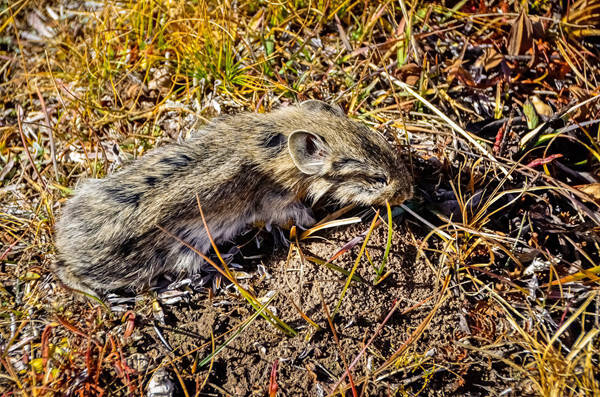 LC
LC
Ochotona thomasi,Singing Mouse
The scientific name of the narrow-headed pika is Ochotona thomasi, belonging to the subgenus <Ochotona>. It is a very specia···
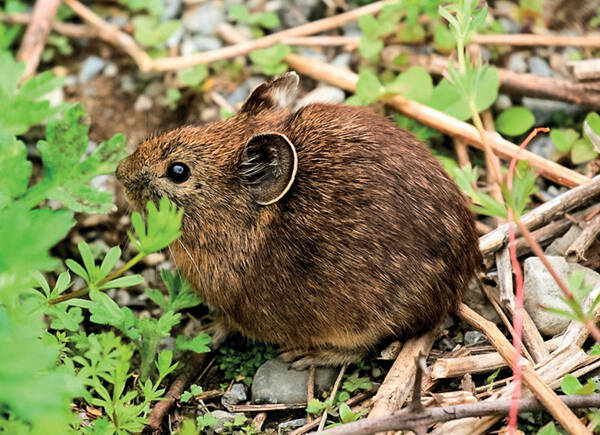 LC
LC
Ochotona thibetana
Tibetan pikas are active day and night, and are agile. They often chase each other for fun, and quickly go into the cave when they···
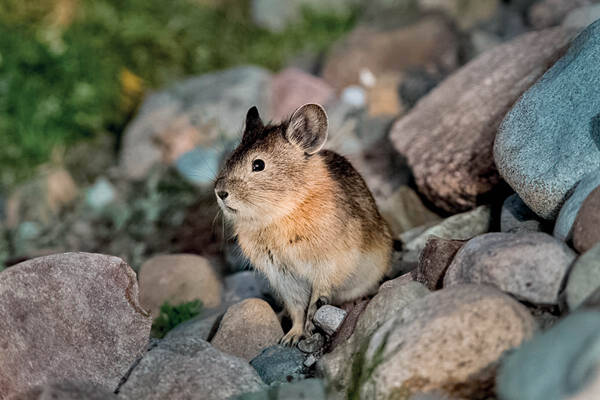 LC
LC
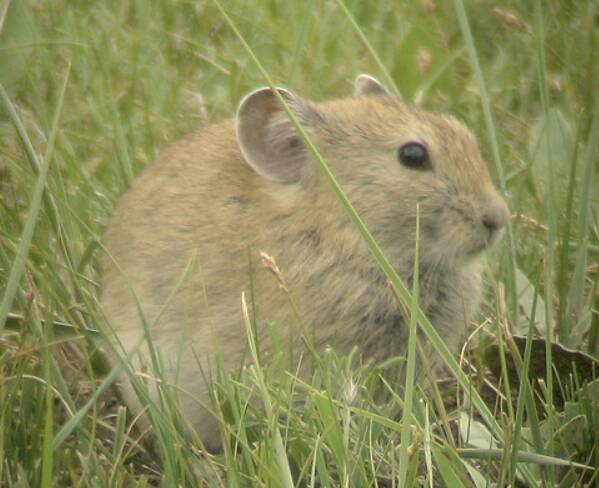
Nubulak pika belongs to the nominate subgenus (<Ochotona>). It was previously incorporated into the steppe pika (<O. pusi···
 LC
LC
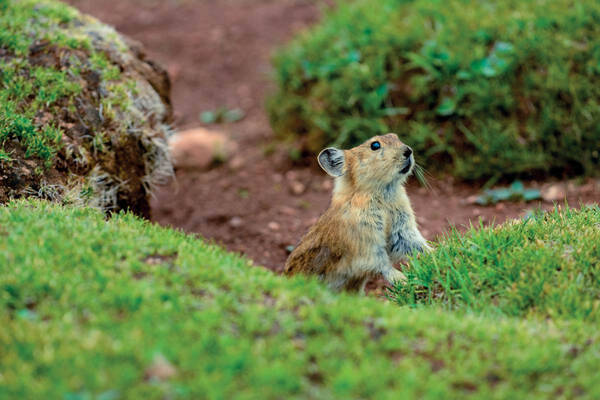
Ochotona dauurica,Rabbit, rabbit, crying rabbit, Mongolian pika, Dahur pika
The Daurian pika belongs to the subgenus Ochotona, which was once included in the black-lipped pika (Ochotona curzoniae), but its ···
 LC
LC
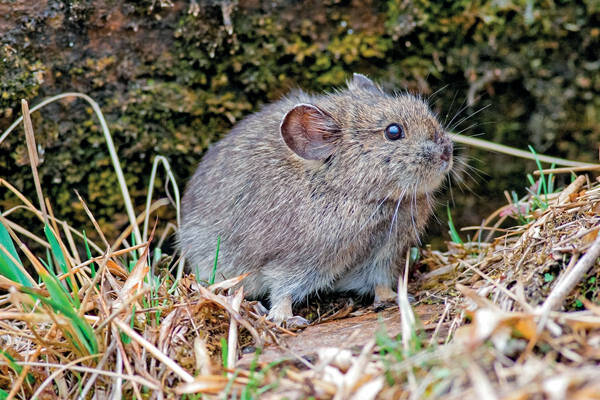
Ochotona curzoniae,Plateau pika, singing mouse, stone rabbit, Anona
The black-lipped pika is also known as the plateau pika, the singing pika, the stone rabbit, and is called "Anona" in Ti···
 LC
LC
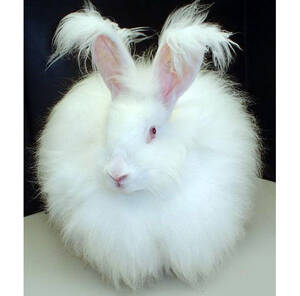
Ochotona cansus, Singing Mouse
The Intercranial Pika, also known as the Singing Pika, belongs to the subgenus Ochotona. It was previously merged into the Tibetan···
 LC
LC
Angora,Grass Rabbit
Angora rabbit is a world-famous wool-producing rabbit breed, a type of long-haired rabbit. Its hair is dense and long, and it is a···
 LC
LC
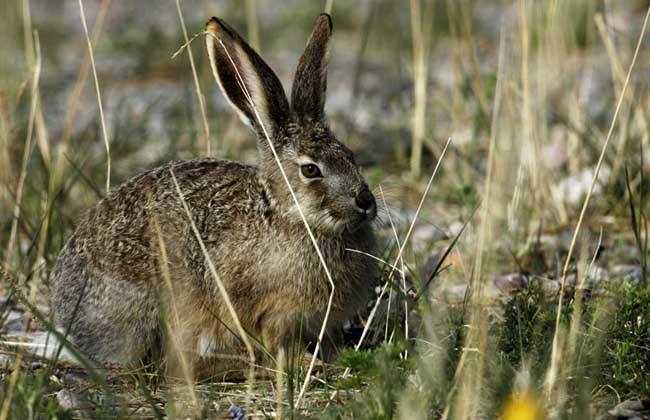
Lepus yarkandensis,Southern Xinjiang rabbit, Shache rabbit, hare
The Tarim rabbit is called Yarkandhare in English and is a typical desert species.After the Himalayas rose, the Kunlun, Altai and ···
 LC
LC
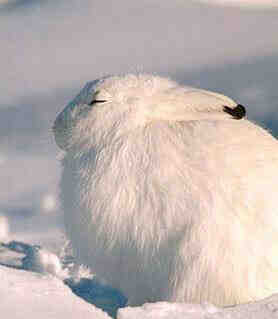
Lepus timidus,Mountain hare,White rabbit, color-changing rabbit, blue rabbit
The snow hare is called Mountain hare in English, and there are 25 subspecies.Snow hares generally act alone except during the est···
 LC
LC
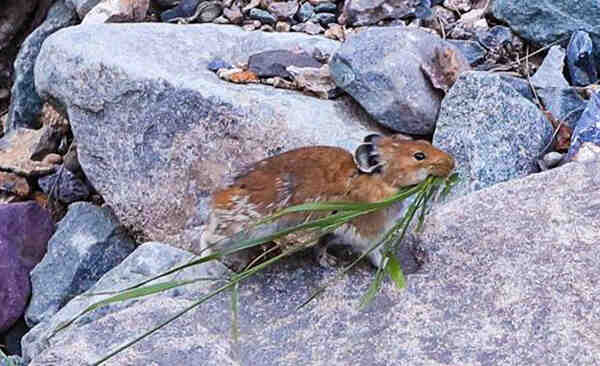
Ochotona argentata,Ningxia pika
Helan Mountain Pika, also known as Ningxia Pika, English name Silver Pika, is a species endemic to China.Helan Mountain Pika is ac···
 LC
LC
Helan Mountain pika, Ningxia pika
Ningxia pika, also known as Helan Mountain pika, belongs to the Leporidae, Lepus species, and Lepus genus. It is a critically enda···
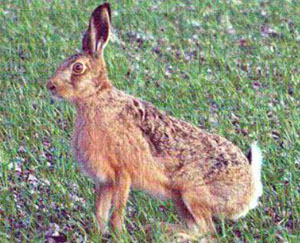 LC
LC
Rough-haired rabbit, Wire-haired rabbit, Assami rabbit
Compared with other rabbits, the shag rabbit has shorter ears and brown-black fur. It usually lives in high-altitude grasslands an···
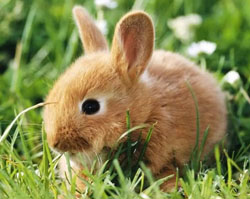 LC
LC
Hainan rabbit, hare, grass rabbit
The Hainan rabbit is a solitary animal that is active mainly at night, and is most active at dusk or dawn. It lives in bushes and ···
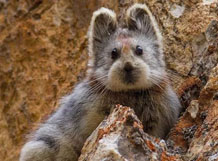 LC
LC
Ili pika, Teddy pika
The Ili pika is a very endangered and rare species. It was discovered very late and was published as a new species by Li Weidong a···
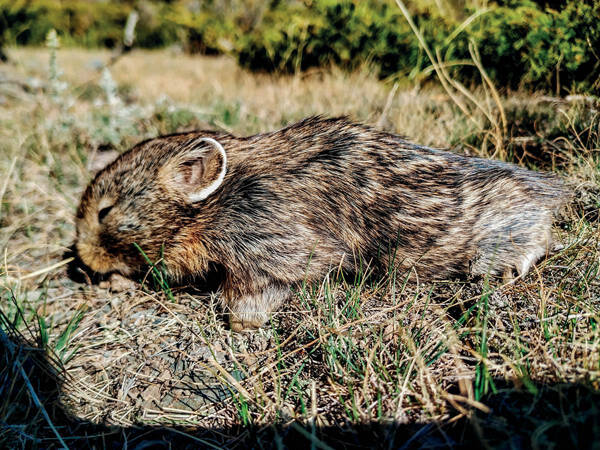 LC
LC
Ochotona pusilla
The steppe pika belongs to the subgenus <Pika>. This species has always been considered not to be distributed in my country.···