The violin spider—also called the recluse spider or corner spider in many Spanish-speaking regions—is a venomous spider from the genus Loxosceles (family Sicariidae). Spiders are arachnids, not insects: they have eight legs, no antennae, and two main body sections.
Most spiders are not dangerous to humans, but Loxosceles species are medically important because their venom can cause skin injury and, in some cases, systemic illness. This guide will help you recognize the violin spider, understand where it lives, what it eats, how it behaves, and what to do if a bite is suspected.
Quick Identification Checklist
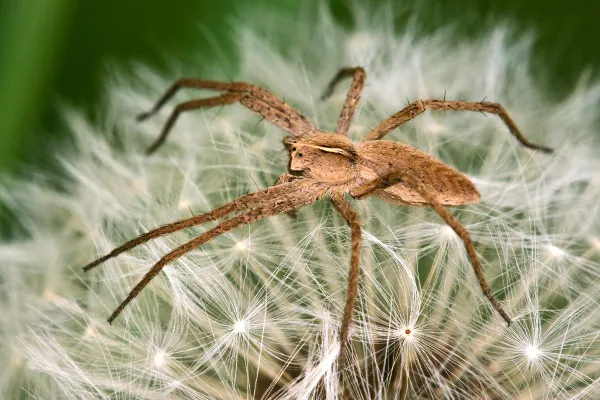
The violin spider is often misidentified. Use multiple traits together:
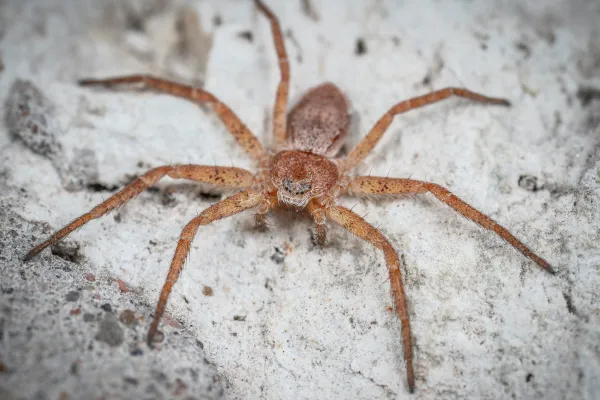
Color: usually light brown to tan, sometimes grayish.
Body shape: rounded abdomen; flatter cephalothorax (front body).
Eyes: 6 eyes (most spiders have 8), typically arranged in three pairs forming a curved “U” pattern.
Legs: long, slender, often uniform in color (not heavily banded).
“Violin” mark: a darker marking that can resemble a violin—but it may be faint, variable, or hard to see without close inspection (and you should not handle the spider to check).
Important: The “violin” marking alone is not a reliable ID feature. Many harmless spiders have similar patterns.
Key Characteristics of the Violin Spider
Size
Violin spiders are usually considered medium-sized. Their body is typically small compared with the leg span.
Leg span (legs spread): commonly described around 5–15 cm in some sources and popular guides.
Body length: smaller than the leg span and varies by species, sex, and age.
Eyes (a major clue)
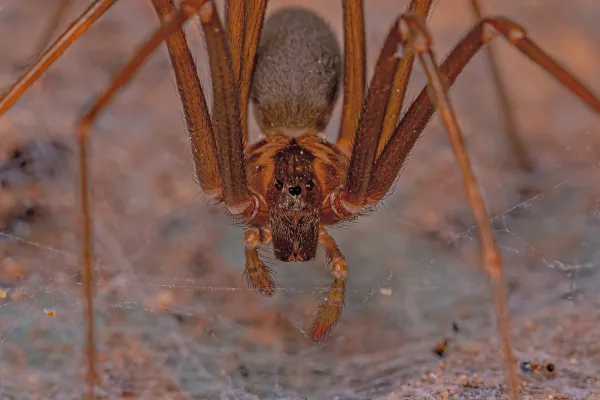
6 eyes arranged in three pairs is one of the most useful identifiers for Loxosceles.
Legs and movement
Legs are thin and fast-moving.
They can move quickly when disturbed, especially at night.
Where Does the Violin Spider Live?
General habitat
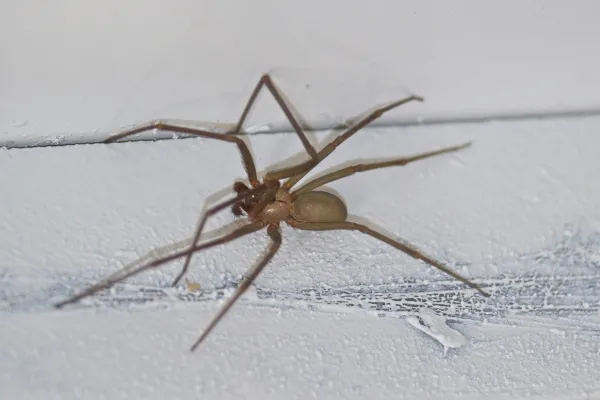
Violin spiders prefer warm climates and protected, undisturbed places, often near or inside human structures. That’s why they’re commonly called “corner spiders.”
Common hiding places include:
Dark corners of rooms, storage areas, basements, sheds
Behind furniture, inside closets
Cardboard boxes, stacks of paper, unused clothing
Under rocks, in cracks, beneath debris outdoors
Dry ground cover, sand, grass edges, rubble
Distribution and species notes
The genus Loxosceles contains many species worldwide with broadly similar venom effects.
Loxosceles laeta: one of the best-known species in South America and associated with more severe envenomation reports in some regions.
Loxosceles reclusa: the “brown recluse” in parts of North America.
Loxosceles rufescens: associated with the Mediterranean region and reported in various areas through transport and trade.
In some places, imported populations are reported but may not establish easily depending on climate and ecology.
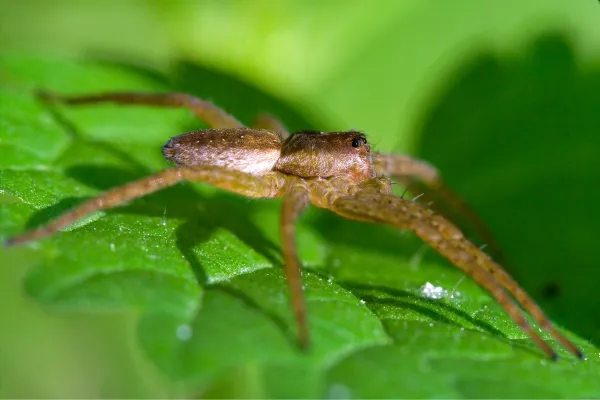
Behavior: Shy, Nocturnal, and Defensive
Violin spiders are generally:
Nocturnal: more active at night.
Non-aggressive: they do not “hunt people.”
Defensive biters: bites usually occur when the spider is pressed against the skin (e.g., inside clothes, shoes, bedding, towels).
They may hunt actively at night, but many are also sit-and-wait predators, using webs more as retreats and trip lines than as large insect-catching nets.
Temperature sensitivity
In cooler conditions they may become sluggish. Activity tends to rise in warmer months, which can increase encounters.
Diet: What Do Violin Spiders Eat?
Violin spiders are carnivorous and feed mostly on:
small insects (cockroaches, crickets, moths, flies)
other arthropods
A key detail: their venom helps break down tissues, allowing them to liquefy prey and consume it more easily. This same tissue-damaging mechanism is why bites can sometimes lead to skin injury in humans.
Reproduction and Life Cycle
Oviparous (egg-laying): females produce egg sacs (silken capsules).
Egg sacs are kept in a protected retreat; the female may remain nearby.
Clutch size varies widely and can be dozens to hundreds across multiple sacs depending on conditions and species.
Lifespan is often described around 1.5–2 years in many general references, though it can vary with temperature, food, and habitat.
Violin Spider Bite: What Happens and Why It Matters
A violin spider bite may be mild at first and not always immediately painful, which can delay treatment. Effects vary a lot—from minimal symptoms to significant tissue damage.
Typical local symptoms (skin-area symptoms)
Redness and swelling
Burning, itching, or increasing pain over hours
Blistering or a “bullseye” appearance in some cases
In more serious cases: tissue damage (necrosis), which can enlarge over days
Possible systemic symptoms (whole-body symptoms)
In some cases, venom effects extend beyond the skin:
fever, chills, nausea, fatigue
rash or widespread itching
breakdown of red blood cells (hemolysis)
dark urine
in severe cases: kidney stress or failure and other complications
The illness caused by Loxosceles venom is commonly referred to as loxoscelism.
Not every suspected bite is truly from a violin spider. Many skin infections, allergic reactions, and other insect bites can look similar.
What To Do If You Suspect a Bite (Practical Safety Steps)
If you think you were bitten by a violin spider:
Seek medical care as soon as possible, especially if pain increases, a blister forms, the area darkens, or you feel unwell (fever, nausea, weakness).
Clean the area gently with soap and water.
Apply a cool compress (not ice directly on skin) to reduce swelling and discomfort.
Avoid squeezing, cutting, or trying to “drain” the wound.
If possible, take a clear photo of the wound progression (helps clinicians).
If you can safely do so, capture the spider in a sealed container for identification—do not handle it directly.
Some regions use antivenom for specific cases, typically administered in medical facilities and time-sensitive. Treatment decisions depend on local protocols and severity.
Prevention: How to Reduce Encounters at Home
Because bites often occur when the spider is trapped against skin, prevention focuses on removing hiding spots and limiting contact:
Shake out shoes, gloves, clothing, towels before use (especially if stored).
Keep beds slightly away from walls; avoid bedding touching the floor.
Reduce clutter (cardboard piles, unused items).
Store items in sealed plastic bins rather than open boxes.
Seal cracks and gaps; improve lighting in storage areas.
Use sticky traps in corners/behind furniture for monitoring.
Wear gloves when moving debris, firewood, or stored materials.
Threats and Conservation Status
Violin spiders as a group are not typically considered endangered. Many species adapt well to human-made environments, which can help them persist and sometimes expand.
Some researchers and public health discussions suggest warmer conditions could increase their suitable habitat in certain regions, potentially raising encounter rates—but local outcomes depend on housing conditions, pest availability, and climate.
Myths and Misunderstandings
“They always bite” — False. They generally avoid people and bite mainly when pressed against skin.
“The violin mark is always obvious” — False. It can be faint or absent-looking under casual viewing.
“Every necrotic wound is a spider bite” — False. Many other medical conditions mimic this appearance.
At-a-Glance Comparison Table (for Readers)
| Feature | Violin Spider (Loxosceles) | Many Common House Spiders |
|---|---|---|
| Eyes | 6 (three pairs) | Usually 8 |
| Activity | Mostly night | Varies |
| Web style | Small retreat/trip lines | Often larger, visible webs |
| Temperament | Shy, defensive | Generally harmless |
| Medical importance | Potentially serious | Rarely serious |
FAQs
1) Are violin spiders aggressive?
No. They typically bite only when trapped against skin or threatened.
2) Can a bite be painless at first?
Yes. Early symptoms can be mild and worsen over hours.
3) Do all bites cause necrosis?
No. Some cases are mild; others can become severe. Severity depends on venom amount, bite location, and individual response.
4) Where are they most often found indoors?
Undisturbed, dark, dry areas—corners, storage boxes, closets, behind furniture, and rarely-used rooms.