
Why Do Cats Like to Eat Fish and Mice?
If you searched “Why do cats like to eat fish and mice?”, you’re not alone. This question shows up everywhere because it mixes two things every cat owner recognizes: cats love fish-flavored foods, and many cats will still hunt mice even when a bowl of kibble is always available.The short version...

Winter Pet Safety: How Cold Is Too Cold for Dogs and Cats?
Snowy parks, frosty mornings, Christmas markets – winter in the US and Europe can be beautiful. But low temperatures, ice, road salt and short daylight also mean extra risks for your dog or cat. Many owners worry:“How cold is too cold for my pet?”The truth is: it depends on your animal’s size, c...

Backyard Toxins: Common Plants, Foods and Chemicals That Are Poisonous to Pets
A garden or backyard should be a safe place for your dog or cat to explore, nap in the sun and sniff everything. But many typical European and North American yards are full of hidden dangers: toxic plants, spilled chemicals, compost, slug pellets, cocoa mulch and more. Most owners never plan to put...

Best Pet Insurance for Older Dogs and Cats (Is It Still Worth It?)
Many owners only start thinking seriously about pet insurance when their dog or cat is already a “senior” – maybe 8, 10 or even 12+ years old. At that point, it’s natural to wonder: “Is it too late? Will any company even cover my pet? And is it still worth the price?”The honest answer is: it d...

Best Cat Litter for Odor Control in Small Apartments
In a small apartment, a smelly litter box can take over the whole home. When you live in a studio or one-bedroom in New York, London, Berlin or Paris, there’s nowhere to “hide” bad odors – the litter box is often just a few steps from your sofa, bed or kitchen.The good news: the right litter + a...

Wet vs Dry Cat Food: Pros, Cons and When to Use Each
Stand in any pet aisle in the US or Europe and you’ll see shelves of shiny cans, pouches and big bags of kibble. Every label insists it’s “complete and balanced”. But for indoor cats who spend most of their life on the sofa and at the food bowl, does it actually matter if you feed wet or dry?The...

Best Cat Food for Indoor Cats: Weight, Hairball and Urinary Health
Indoor cats live a very different life from outdoor hunters. They sleep more, move less, and spend their days between the sofa, the window and the food bowl. That cozy lifestyle is great for safety, but it also means more risk of weight gain, hairballs and urinary problems.The good news: choosing th...

Independent Cat Breeds for Busy Professionals
Long workdays, commutes and business trips don’t mean you can’t share your life with a cat – but they do change which type of cat will be happiest with you. Some cats want endless attention and constant company. Others are more independent: they enjoy affection, but they’re also content to nap,...

Cat Ownership Cost Breakdown: How Much Does a Cat Really Cost Per Year?
Cats are often seen as “easy pets” compared with dogs. They don’t need walks, they sleep a lot, and they can use a litter box instead of going outside. But in the US and Europe, owning a cat is still a long-term financial commitment that can last 15–20 years.Before you bring home a kitten or ado...
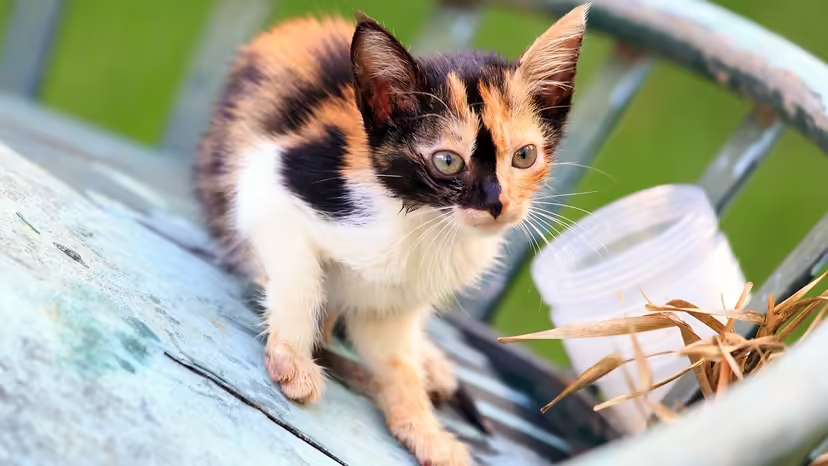
Calico Cats: Why These Tricolor Felines Are So Unique
Many people associate striking fur patterns with wild animals like zebras, leopards or tigers. But one of the most recognizable and genetically fascinating coats actually belongs to a domestic cat—the calico. With its vibrant mix of white, black and orange, the calico cat is not a breed but a color...

9 Detailed Facts About the Persian Cat — The Royal Icon of the Cat World
With their long, silky coats, round expressive eyes, and famously gentle nature, Persian cats have secured their place as one of the most beloved cat breeds across the globe.According to the Cat Fanciers’ Association (CFA), Persians consistently rank among the most registered purebred cats, admired...

Top 9 Biggest Cats in the World (With Size Comparison & Facts)
When we talk about the largest cats on Earth, we are referring to the big wild cat species—not domestic pets. These powerful predators rule jungles, mountains, forests, and grasslands across the globe. Each species has evolved unique hunting strategies, physical traits, and adaptations to survive i...

17 “Hypoallergenic” Cats: What Really Helps Allergy-Sensitive Owners
Quick truth first: no cat is truly hypoallergenic. Most reactions come from Fel d 1, a protein concentrated in saliva, skin oils, and microscopic dander that dries on the coat and becomes airborne. Some breeds tend to produce or spread less Fel d 1, shed less, or trap dander better—so many people e...

Russian Blue Cats: The Silver-Blue Standard of Calm Elegance
TL;DR: In cat fancy, “blue” means a diluted black that reads as slate/steel gray with a cool silvery sheen. The breed most people think of first is the Russian Blue—short, dense double coat with frosted tips, vivid green eyes, and a quiet, devoted temperament.ContentsWhy “blue” isn’t blueLook...
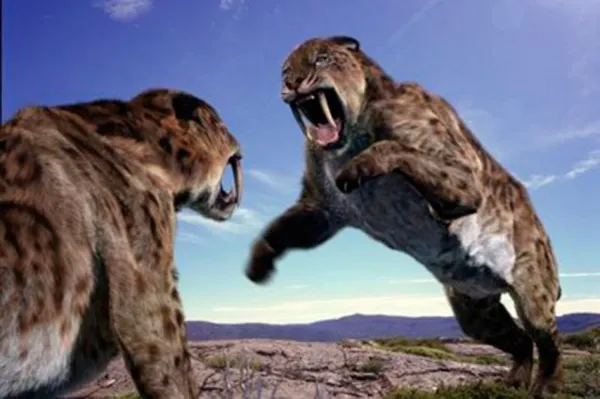
Why Did the Saber-Toothed Cats Go Extinct?
When we hear the name saber-toothed cat (often popularly called the saber-toothed tiger), many of us think of Diego, the friendly predator from Ice Age. In reality, this term does not refer to a single species, but rather to a group of prehistoric felines from the Cenozoic era, the most famous being...

tiger
There are nine species of tigers, namely: Siberian tiger, South China tiger, Bali tiger, Indochinese tiger, Malayan tiger, Javan tiger, Sumatran tiger, Bengal tiger, and Caspian tiger. China has the largest number of tiger species among the 14 tiger-producing countries in the world, and India has the largest number of tigers in the world, although there is only one type of Bengal tiger. In the mid-20th century, due to deforestation and over-hunting, the number of tigers in India was once reduced...

Top 10 noble cats in the world
Cats usually refer to domestic cats, but they can also refer to wild cats. Domestic cats are often called "cats" in modern society, while wild cats were often called "raccoons" or civet cats in ancient times. In southwestern regions such as Sichuan, Yunnan, Chongqing, Guizhou, an...

15 Wild Cats That Swim: A Comprehensive Guide to Swimming Wild Cats
Wild cats, belonging to the Felidae family, are some of the most agile and skilled predators on the planet. While domestic cats are often known for their aversion to water, many wild cat species thrive in aquatic environments. Some wild cats are not only capable swimmers but actually rely on water f...

12 Rare Wild Cats You Probably Didn’t Know Existed
When you think of wild cats, names like lions, tigers, and leopards probably come to mind. But did you know that there are many lesser-known wild cats out there, some of which are incredibly rare and even on the brink of extinction? A recent study estimates that the Scottish Wildcat has fewer than 3...