A garden or backyard should be a safe place for your dog or cat to explore, nap in the sun and sniff everything. But many typical European and North American yards are full of hidden dangers: toxic plants, spilled chemicals, compost, slug pellets, cocoa mulch and more. Most owners never plan to put their pets at risk – they simply don’t realize what’s dangerous.
This guide will help you:
Understand how dogs and cats usually get poisoned in gardens and yards
Recognize common toxic plants, foods and garden products
Pet-proof your outdoor space with simple changes
Know what to do if you think your pet has eaten something harmful
Important: This article is general information only. If you suspect poisoning, contact your veterinarian or an emergency clinic immediately.
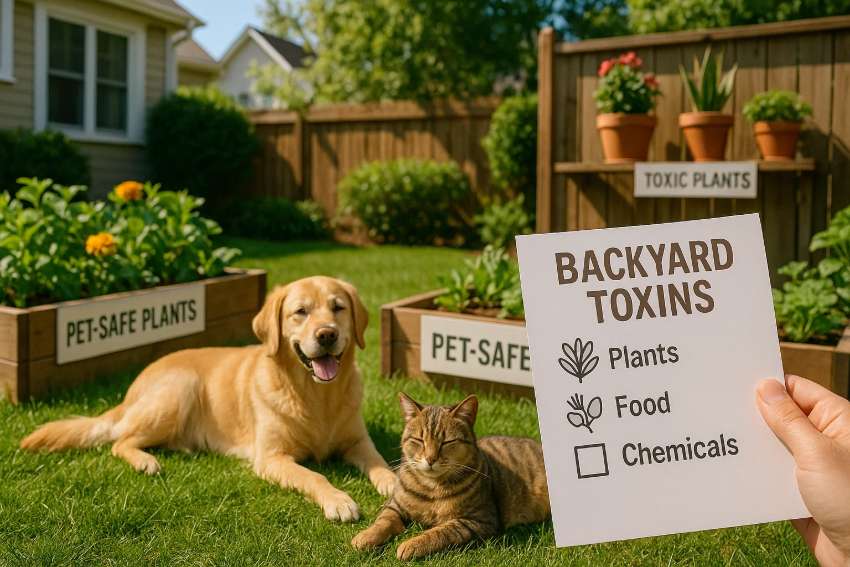
1. How Pets Get Poisoned in the Backyard
Dogs and cats don’t read plant labels or chemical warnings. They explore with their noses and mouths, which means:
Dogs may chew leaves, sticks, bulbs or grass when bored.
Cats may nibble on houseplants on balconies, patios or in small gardens.
Pets can lick paws or fur after walking over recently treated lawns or spills.
They may drink from ponds, puddles or buckets containing fertilizers or algae treatments.
Some dogs love raiding the compost heap or outdoor trash, where moldy food and toxins collect.
Poisoning signs can appear minutes to days after exposure, depending on the toxin. Common symptoms include vomiting, diarrhea, drooling, weakness and behavior changes. Any sudden illness after garden access should make you think “could it be something outside?” and call your vet.
2. Toxic Plants Commonly Found in Gardens
There are hundreds of potentially toxic plants, but a smaller group causes most problems. Here are some that often appear in European and North American gardens and patios.
2.1 Highly dangerous plants to avoid if you have pets
Lilies (especially for cats)
True lilies (Lilium species) and daylilies (Hemerocallis) are extremely toxic to cats.
Even tiny amounts of pollen, water from a vase, or licking the fur after brushing against a lily can damage cat kidneys.
Best rule: if you have cats, do not keep lilies in the house or garden.
Yew (Taxus species)
Evergreen shrubs/trees commonly used for hedges.
All parts are toxic; ingestion can cause serious heart problems and sudden death.
Oleander
Usually grown in warmer climates or in pots/containers.
Highly poisonous to pets and humans; affects the heart.
Sago palm and some cycad species
Often sold as ornamental “palms” for gardens or indoor pots.
Seeds and leaves are very toxic, especially to dogs; can cause liver failure.
Autumn crocus (Colchicum autumnale)
Not the same as spring crocuses.
Ingestion can cause severe vomiting, organ damage and can be fatal.
2.2 Other common garden plants that can make pets sick
Azaleas and rhododendrons
Evergreen shrubs with showy flowers.
Chewing leaves can cause vomiting, drooling, weakness and heart rhythm problems.
Hydrangea
Popular flowering shrubs.
Leaves and buds can irritate the stomach and cause lethargy if eaten in quantity.
Daffodils, tulips and other bulb plants
Bulbs are often more toxic than leaves; dogs sometimes dig them up.
Eating bulbs can cause vomiting, diarrhea and, in large amounts, more serious effects.
Ivy (Hedera species)
Chewing leaves or berries can cause drooling and stomach upset.
Castor bean plant
Decorative plant with large leaves and spiky seed pods.
Seeds contain ricin, a highly toxic compound; even a few seeds can be dangerous.
2.3 Safer plant choices and simple strategies
No plant is 100% safe in all situations, but you can reduce risk by:
Planting potentially toxic species in areas your pet cannot access (front garden instead of back, high planters, fenced-off beds).
Choosing more pet-friendly plants such as many herbs (basil, rosemary, thyme), certain roses, sunflowers and pet-safe grasses.
Keeping climbing or nibbling-prone cats away from balconies or terraces with toxic container plants.
If you move into a new place, do a quick “plant audit” or ask a local garden center or vet which species in your yard might be risky for pets.
3. Human Foods and Compost That Can Poison Pets Outdoors
Many poisonings happen not from plants, but from food waste and compost in the yard.
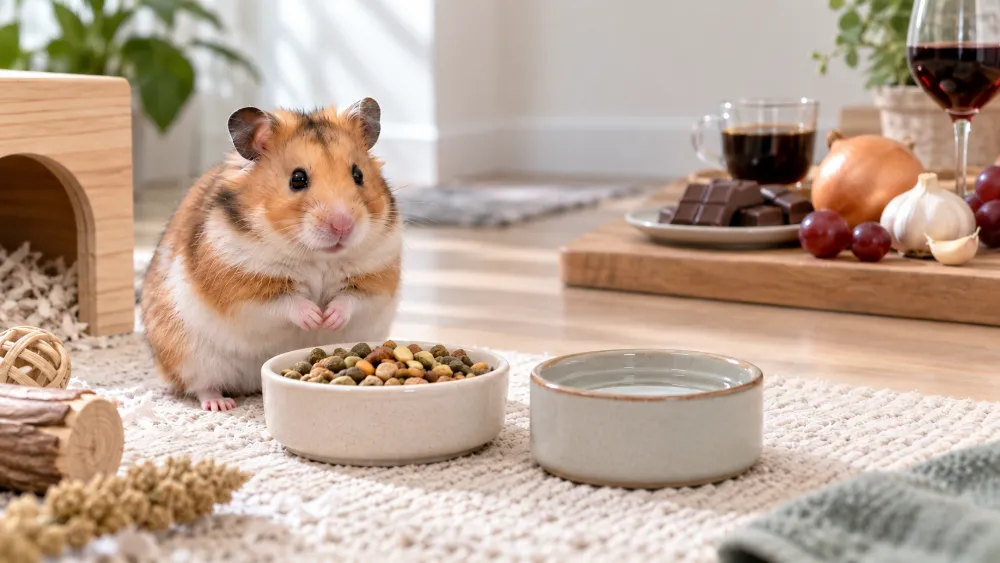
3.1 Dangerous foods often found in gardens and patios
Grapes and raisins
Can cause serious kidney damage in some dogs, even in small amounts.
Fallen grapes from vines, garden parties or children’s snacks are a risk.
Onions, garlic, chives
Scraps in compost or left on the grill can damage red blood cells in dogs and cats.
Chocolate and cocoa mulch
Chocolate contains theobromine; cocoa mulch used in some gardens can also be toxic if ingested.
Alcohol, coffee grounds and caffeine drinks
Leftover drinks or grounds in compost can cause neurological and heart symptoms.
Moldy food from compost or trash
Certain molds produce toxins that can cause tremors, seizures and serious illness.
3.2 Safer compost habits
Keep compost bins securely closed or fenced off from pets.
Don’t leave trash bags accessible on the patio or next to the door.
Clean up after barbecues and outdoor meals – no leftover skewers, bones or scraps.
4. Toxic Garden and Garage Chemicals
Many products designed to kill pests or nourish plants can also harm pets, especially if they’re concentrated or freshly applied.
4.1 Rodent poisons (rat and mouse bait)
Often placed in sheds, garages, under decking or behind bins.
Can cause internal bleeding, neurological signs or organ damage depending on type.
Dogs may eat bait directly or catch poisoned rodents (“secondary poisoning”).
4.2 Slug and snail pellets
Some traditional products contain ingredients that are highly toxic to dogs and cats.
Signs can include drooling, tremors, seizures and rapid deterioration.
Look for pet-safe alternatives and always read labels carefully.
4.3 Fertilizers and lawn treatments
Granular or liquid fertilizers, weed-and-feed products and moss killers can irritate the mouth and gut or contain more serious toxins.
Pets may walk on treated areas, then lick their paws, or chew pellets.
Always follow label instructions about how long to keep pets off the lawn after application.
4.4 Antifreeze and other garage chemicals
Antifreeze (containing ethylene glycol) can be lethal even in tiny amounts and often tastes sweet to animals.
Oil, fuel, paint, solvents, pool chemicals and de-icers can all be hazardous.
Store all chemicals in closed cabinets or high shelves where pets cannot reach.
5. Signs of Possible Poisoning in Dogs and Cats
Symptoms vary depending on what was eaten, how much, and the pet’s size and health. Common warning signs include:
Vomiting or diarrhea (sometimes with blood)
Drooling, pawing at the mouth, bad breath or mouth irritation
Lethargy, weakness or collapse
Unsteady walking, tremors, shaking or seizures
Fast, slow or irregular heartbeat
Unusual thirst or urination
Yellow gums or eyes (jaundice) in some liver toxins
Some toxins cause delayed effects – your pet may seem normal at first and become sick hours or days later. If you know or strongly suspect they ate something dangerous, do not wait for symptoms. Call a vet right away and describe what happened.
6. What to Do in an Emergency
If you think your dog or cat has eaten a toxic plant, chemical, or unknown substance in the yard:
Stay calm but act quickly.
Remove access to the toxin (move your pet away from the plant, spill or compost).
Do not induce vomiting unless your vet explicitly tells you to.
Some substances can cause more damage if vomited.
Collect information:
Take photos of the plant or product.
Bring the packaging or a sample (safely) to the clinic.
Try to estimate how much might have been eaten and when.
Call your veterinarian or emergency clinic immediately.
Describe symptoms and what your pet may have ingested.
Follow their instructions exactly, including whether to come in urgently.
Fast action can make a huge difference, especially for toxins like antifreeze, lilies (in cats), certain rodent poisons and some garden plants.
7. How to Pet-Proof Your Backyard or Garden
You don’t have to turn your yard into a sterile space. Simple adjustments greatly reduce risk.
7.1 Do a “toxin audit” of your outdoor space
Walk around your yard, balcony or shared garden and list:
All plants in beds and pots
Any chemicals stored in sheds or garages
Compost piles, trash storage areas, grills and outdoor kitchens
Identify high-risk plants/products and decide whether to:
Remove them
Move them to an area pets cannot access
Fence or block them off
7.2 Supervise and train
Supervise dogs when they are in the yard, especially young dogs and “chewers”.
Teach “leave it” and “come” so you can redirect them away from plants or spills.
Provide safe chew toys and enrichment so they’re less tempted to eat random vegetation.
7.3 Make safe zones
Designate a pet-safe area with:
No toxic plants
No chemicals or compost access
Shade, water and comfortable resting spots
Use fencing or planters to separate ornamental beds from the dog’s main play area.
7.4 Think about balconies, roof terraces and courtyards
City pets often have access to small outdoor spaces filled with pots and containers.
Keep toxic plants off the floor level where pets walk and lie; use hanging baskets or shelves out of reach.
Ensure there is always a non-toxic grass or herb pot for cats who like to nibble greenery.
8. Quick Safety Checklist for Pet Owners
Know the names of the main plants in your yard or balcony.
Store all garden and garage chemicals in closed cabinets or high shelves.
Keep compost and trash securely covered.
Avoid cocoa mulch and traditional slug pellets; look for pet-safe alternatives.
Keep cats indoors at night and supervise dogs outside, especially in new environments.
Teach “leave it” and reward your pet for ignoring plants and interesting smells.
Keep your vet’s number and local emergency clinic details easily accessible.
With a little planning, your garden can be both beautiful and safe – a place where your dog can roll in the grass, your cat can sunbathe, and you can relax without worrying about every leaf and flower. A pet-safe backyard is not about fear; it’s about smart choices, good supervision and knowing what to do if something goes wrong.