See an orange-beaked bird and want to know what it is? Start with the shape of the bill, the bird’s body colors, and where you saw it. A tiny seed-cracking bill suggests a finch or cardinal, a long red-orange blade suggests an oystercatcher, and an enormous orange bill may belong to a toucan or pelican. Here are 12 real species with photographs and practical identification clues.
12 Orange-Beaked Birds at a Glance
Bill color alone cannot identify a species: lighting, age, sex and breeding season can change its appearance. Use this comparison table as a starting point, then open the matching species section for details.
| Bird | Bill shape and color | Fast visual clue | Usual region |
|---|---|---|---|
| 1. Atlantic Puffin | Short, deep, multicolored | Black back, white underside, pale cheeks; vivid orange-red/yellow bill in the breeding season | North Atlantic coasts |
| 2. Tufted Puffin | Large, deep, orange-red | Dark body, white face, sweeping pale-gold head tufts in breeding season | North Pacific coasts |
| 3. Toco Toucan | Huge, long, orange-yellow | Black body, white throat, oversized orange bill tipped in black | South American woodlands and forest edges |
| 4. Rhinoceros Hornbill | Long, curved, yellow-orange, with casque | Large black bird, white lower body, huge upswept orange-red casque | Southeast Asian forests |
| 5. Northern Cardinal | Short, thick, red-orange cone | Pointed head crest, black facial mask, heavy triangular bill | Eastern and central North America |
| 6. Zebra Finch | Short, pointed cone, orange to red-orange | Tiny finch; adult male has orange cheek patches and barred chest | Australia; also commonly kept in aviaries |
| 7. American Oystercatcher | Very long, straight, orange-red | Black head, yellow eyes, broad white belly, stocky shorebird | American Atlantic and Gulf shores |
| 8. Black Skimmer | Long, red-orange base, black tip; lower half longer | Black upperparts, white underparts, exceptionally long lower mandible | American coasts and coastal wetlands |
| 9. Mute Swan | Medium-long, broad, vivid orange | White body, long curved neck, black knob and black area at bill base | Europe and introduced populations elsewhere |
| 10. Gentoo Penguin | Sturdy, coral orange to reddish-orange | White band across the top of the head; long tail; orange feet | Subantarctic islands and Antarctic Peninsula |
| 11. American White Pelican | Very long, yellow-orange with large pouch | Giant white body, black flight feathers, expandable throat pouch | North American lakes and wetlands |
| 12. Inca Tern | Straight, pointed, red-orange | Slate-gray body, curling white facial plumes, red legs | Pacific coast of Peru and Chile |
Photos and Field Marks: 12 Birds With Orange Beaks
1. Atlantic Puffin (Fratercula arctica)
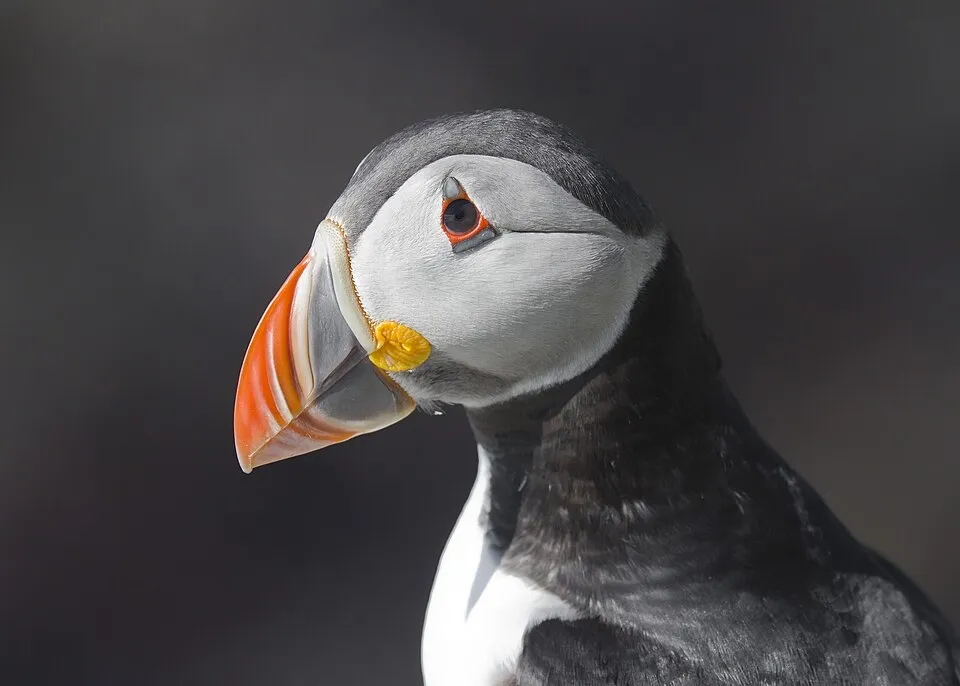
Photo 1: Atlantic Puffin. Credit: Andreas Trepte / Wikimedia Commons · CC BY-SA 2.5. Photo may be cropped/resized when self-hosted; indicate modifications if applicable.
An Atlantic puffin looks like a compact black-and-white seabird wearing a colorful mask. During spring and summer, adults develop an especially striking triangular bill marked with warm orange-red, yellow, and gray. Outside the breeding season, the bill is smaller and much duller, while the face darkens. It dives to catch small fish and nests on rocky North Atlantic islands. Do not confuse it with a penguin: puffins fly, and they breed in the Northern Hemisphere. In a photograph, the compact body and heavily colored triangular bill are the quickest clues.
Fast ID: Black back, white underside, pale cheeks; vivid orange-red/yellow bill in the breeding season. Where: North Atlantic coasts.
Already recognize this species? See our Atlantic puffin profile for more habitat and feeding detail.
2. Tufted Puffin (Fratercula cirrhata)
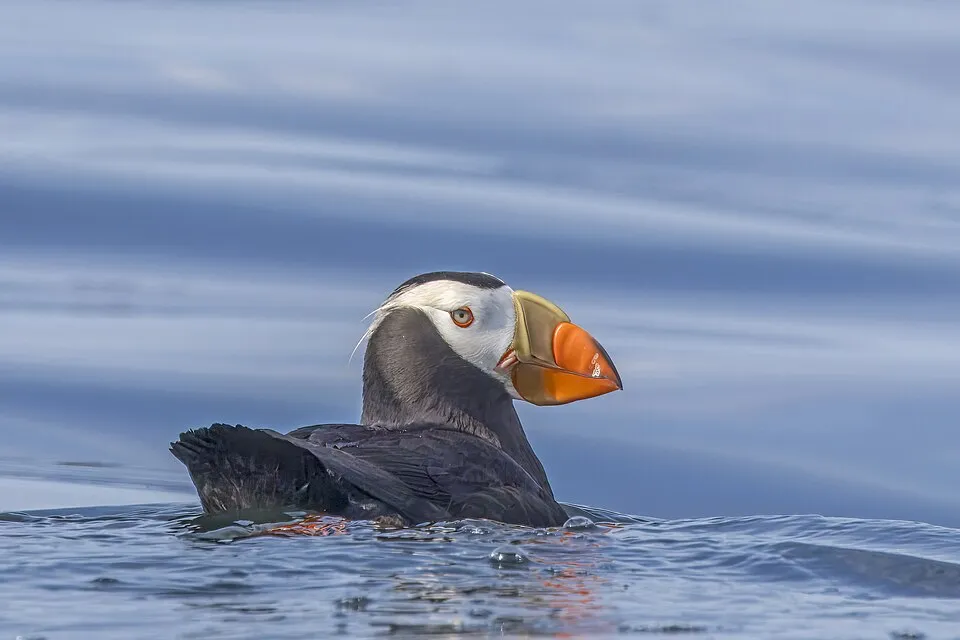
Photo 2: Tufted Puffin. Credit: Charles J. Sharp / Wikimedia Commons · CC BY-SA 4.0.
The tufted puffin has a thicker, bright orange-red bill that stands out against its dark body. Breeding adults grow dramatic blond plumes sweeping behind the head; nonbreeding birds lose much of this ornamental look. Its home is the North Pacific, rather than the Atlantic. If a puffin has an almost black body, pale face, orange bill and long golden head tufts, it is probably this species. The bill is adapted for gripping and carrying fish, not cracking seeds.
Fast ID: Dark body, white face, sweeping pale-gold head tufts in breeding season. Where: North Pacific coasts.
3. Toco Toucan (Ramphastos toco)
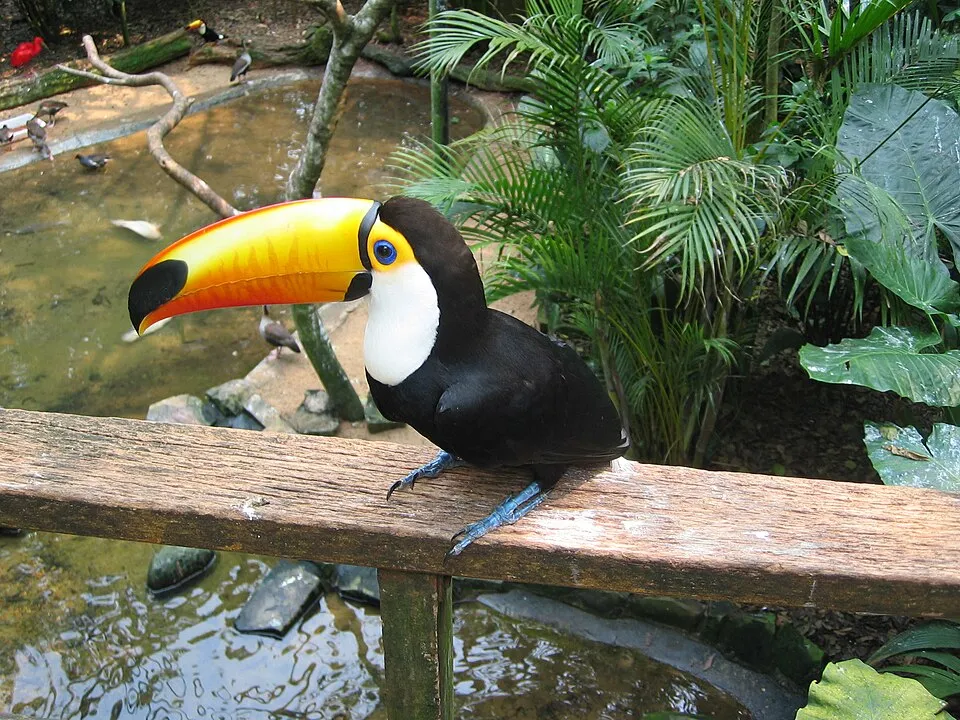
Photo 3: Toco Toucan. Credit: Frank / Wikimedia Commons · CC BY 2.0.
No other bird in this list has quite the bill proportions of the toco toucan. Its huge orange-yellow bill ends in a dark tip and pairs with a black body and white throat. Surprisingly, the bill is not a solid heavy structure: its lightweight construction helps the bird reach fruit on branches that cannot support the whole body. Research also shows that blood flow to a toucan bill can help regulate heat. Look for this species in open woodland, savanna-like habitats and forest edges in South America, rather than only deep rainforest.
Fast ID: Black body, white throat, oversized orange bill tipped in black. Where: South American woodlands and forest edges.
For more bill shapes and look-alikes, browse our 10 types of toucans guide.
4. Rhinoceros Hornbill (Buceros rhinoceros)
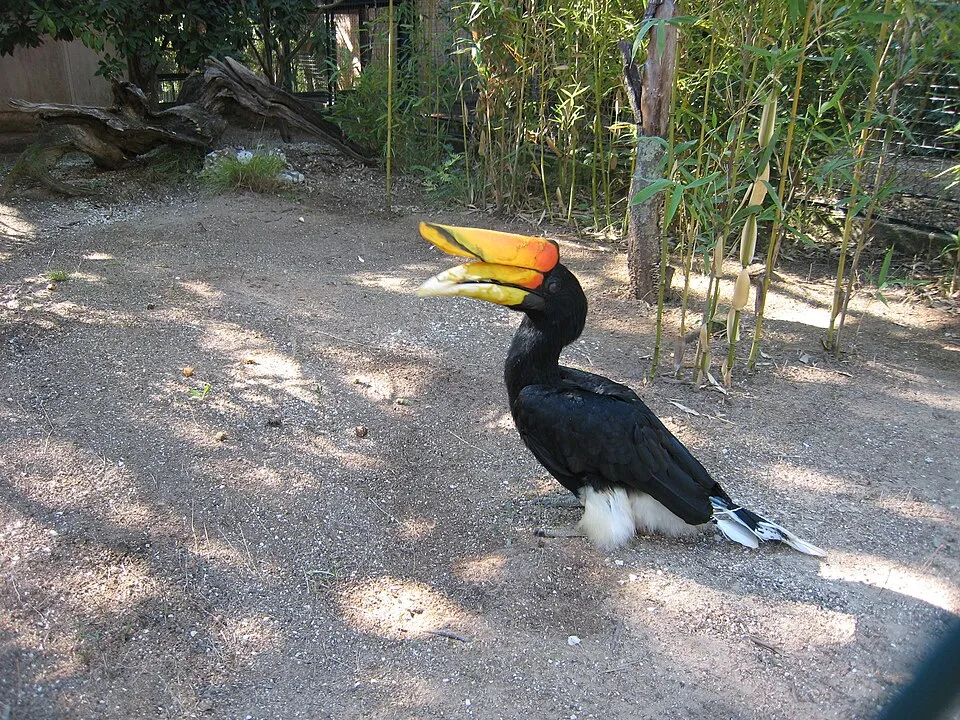
Photo 4: Rhinoceros Hornbill. Credit: Matthieu Sontag / Wikimedia Commons · CC BY-SA 4.0.
A rhinoceros hornbill is often identified before its bill color is even noticed: a giant curved casque sits above the main bill like an extra horn. The bill and casque are mostly yellow with areas that can look orange or red, so it is better described as a partly orange-billed bird than as a completely orange-beaked one. Its large black-and-white body and very long tail help separate it from toucans. Hornbills and toucans have similarly extravagant bills, but they are not close relatives. Wild rhinoceros hornbills inhabit tropical forests in Southeast Asia.
Fast ID: Large black bird, white lower body, huge upswept orange-red casque. Where: Southeast Asian forests.
5. Northern Cardinal (Cardinalis cardinalis)
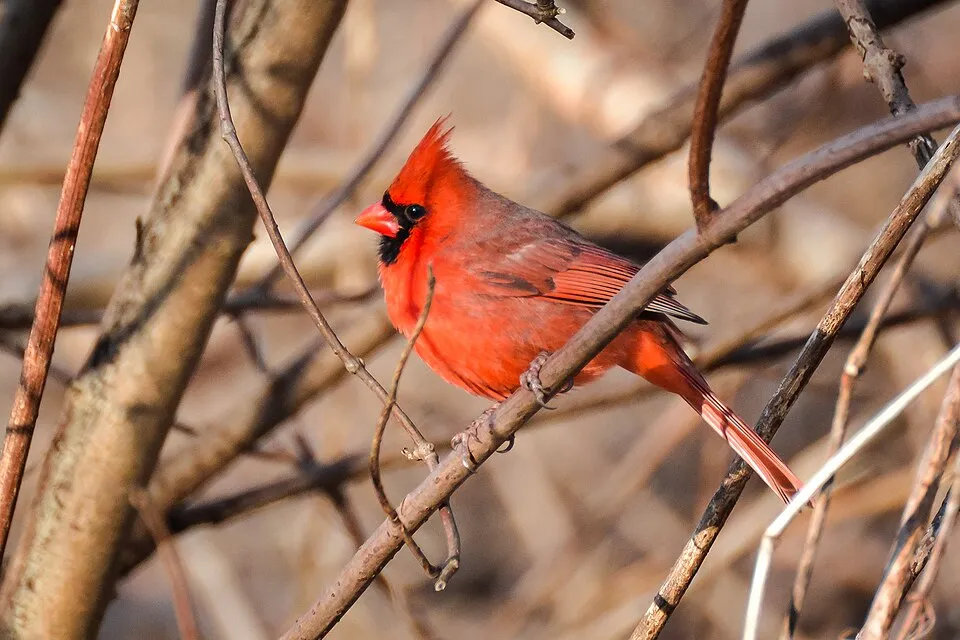
Photo 5: Northern Cardinal. Credit: Hari Krishnan / Wikimedia Commons · CC BY-SA 4.0.
In a North American yard, a crested bird with a red-orange seed-cracking bill is often a northern cardinal. Adult males are bright red; females are brownish with red accents and an equally useful reddish-orange bill. Look for a dark mask around the face and a short, powerful conical bill. Young cardinals can have dark bills, so their mouth color is not always the same as an adult’s. Cardinals visit hedges, woodland edges and feeders, where they use their strong bills to open seeds.
Fast ID: Pointed head crest, black facial mask, heavy triangular bill. Where: Eastern and central North America.
Learn more about the orange-red bill and seed-eating behavior in the Northern Cardinal species profile.
6. Zebra Finch (Taeniopygia guttata)
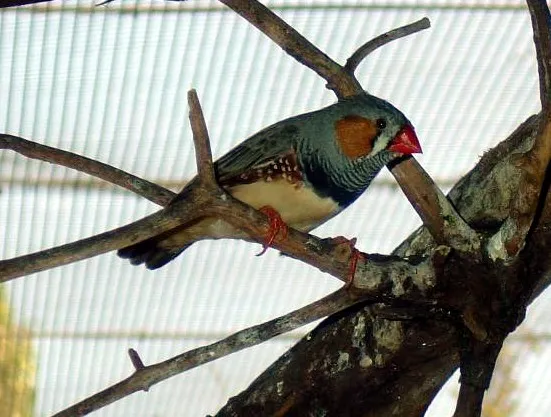
Photo 6: Zebra Finch. Credit: WJMcBride / Wikimedia Commons · CC BY-SA 3.0.
The zebra finch is a tiny, highly social seed-eating bird with an eye-catching orange-to-red bill. Males often show orange cheek patches and fine dark-and-light barring; females lack the orange cheeks, but their beaks also develop bright coloration in adulthood. Because zebra finches are widespread in Australian dry country and popular in aviaries, sightings may be wild or captive depending on location. Its bill is much shorter and more triangular than a shorebird’s long probing beak. Size is the easiest distinction from a northern cardinal.
Fast ID: Tiny finch; adult male has orange cheek patches and barred chest. Where: Australia; also commonly kept in aviaries.
7. American Oystercatcher (Haematopus palliatus)
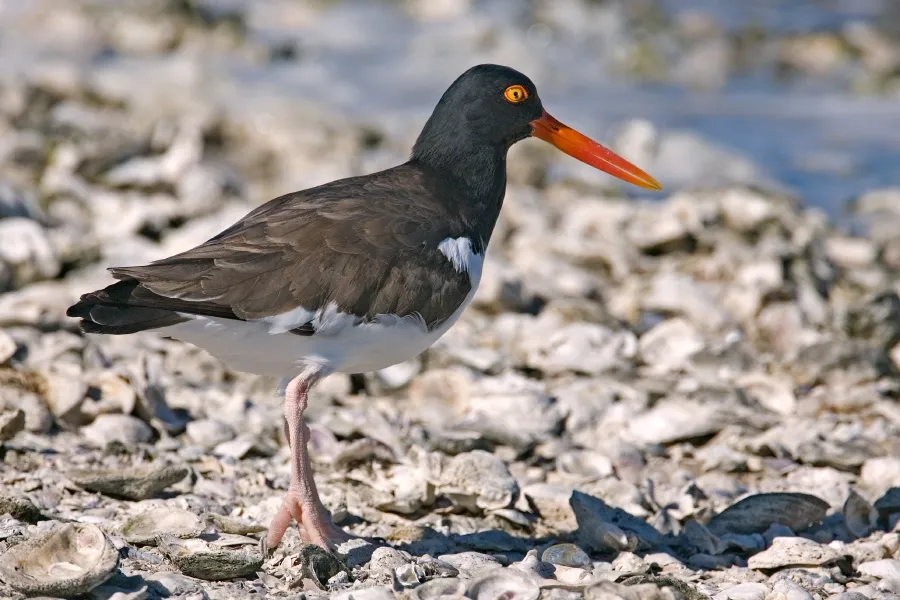
Photo 7: American Oystercatcher. Credit: Al Wilson / Wikimedia Commons · CC BY-SA 2.5.
The American oystercatcher’s bill is a bold red-orange, slender enough to enter gaps between shells but sturdy enough to work around tough mollusks. Look for a black head, dark upperparts, white belly and yellow eyes with reddish eye rings. Its distinctive bill functions as a feeding tool on shellfish-rich coasts. In the United States, it favors Atlantic and Gulf beaches, shell bars and tidal flats. A black skimmer is slimmer and has a dramatically uneven pair of mandibles, whereas the oystercatcher’s bill forms one straight blade.
Fast ID: Black head, yellow eyes, broad white belly, stocky shorebird. Where: American Atlantic and Gulf shores.
8. Black Skimmer (Rynchops niger)
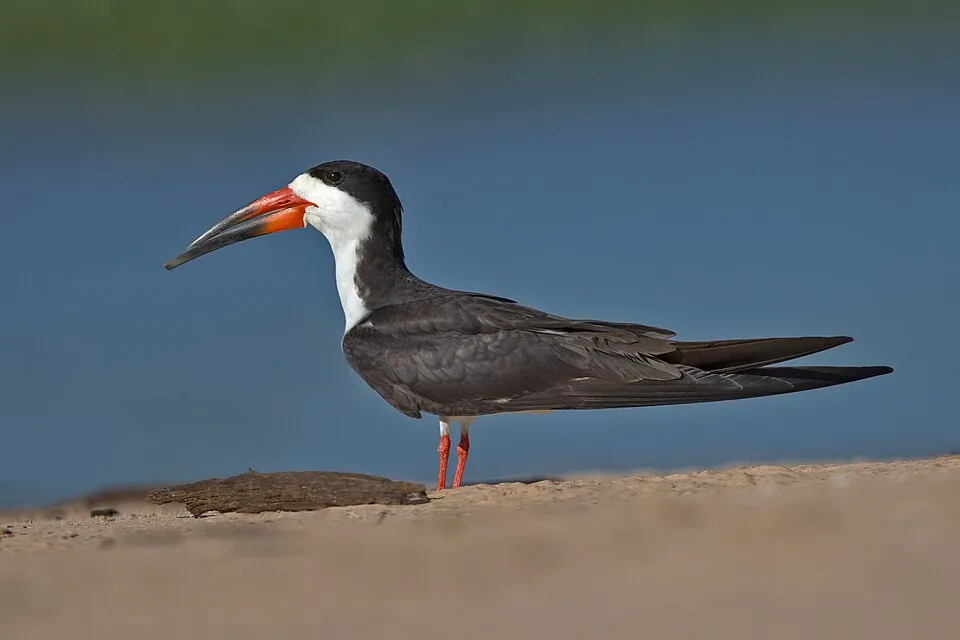
Photo 8: Black Skimmer. Credit: Andreas Trepte / Wikimedia Commons · CC BY-SA 4.0.
A black skimmer has one of the strangest bills among birds: the lower mandible projects farther forward than the upper. The base is reddish or orange-red and the tip is black. It flies very low over calm water with its lower bill slicing the surface, snapping at fish when it makes contact. On a beach, note its long wings, black-and-white body, orange-red legs and angular beak. A quick photo showing the beak in profile can settle the identification even when the bird is otherwise hard to distinguish from terns.
Fast ID: Black upperparts, white underparts, exceptionally long lower mandible. Where: American coasts and coastal wetlands.
9. Mute Swan (Cygnus olor)
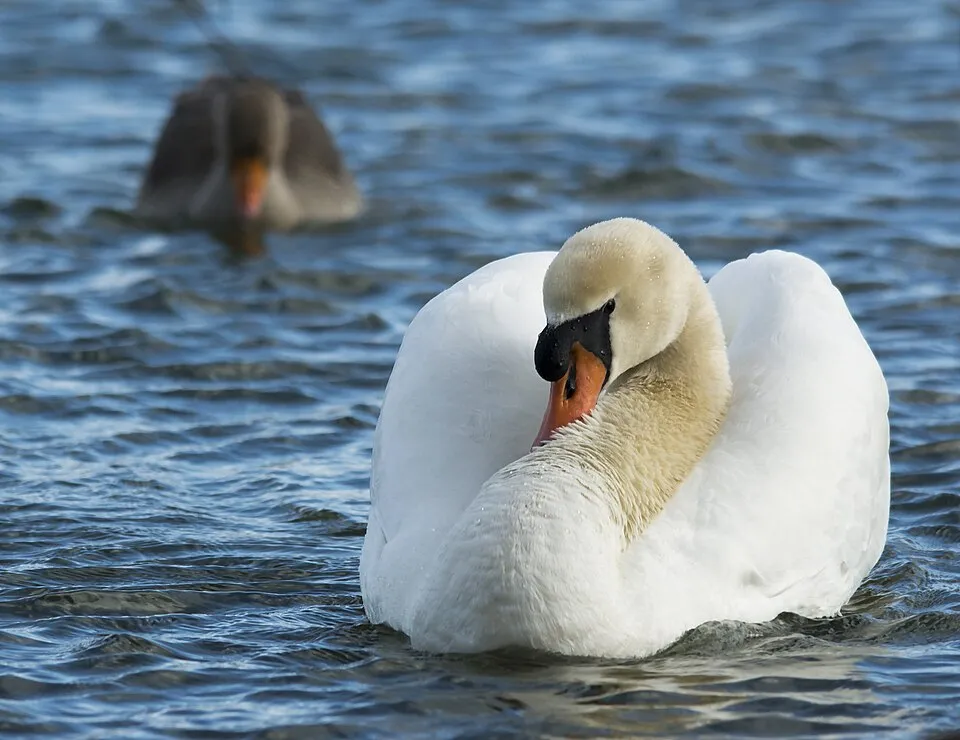
Photo 9: Mute Swan. Credit: Jacob Spinks / Wikimedia Commons · CC BY 2.0.
The mute swan is a very large white waterbird with a rich orange bill bordered by black near the face. Adults have a noticeable black knob at the top of the bill, particularly prominent in males. Younger birds can have grayish bills and gray or brownish feathers, so the familiar bright-orange look is most reliable in adults. Mute swans are native to much of Eurasia and have been introduced to several other regions. They prefer lakes, rivers and sheltered waterways. The orange bill and black basal knob are more useful identification marks than the white plumage alone.
Fast ID: White body, long curved neck, black knob and black area at bill base. Where: Europe and introduced populations elsewhere.
10. Gentoo Penguin (Pygoscelis papua)
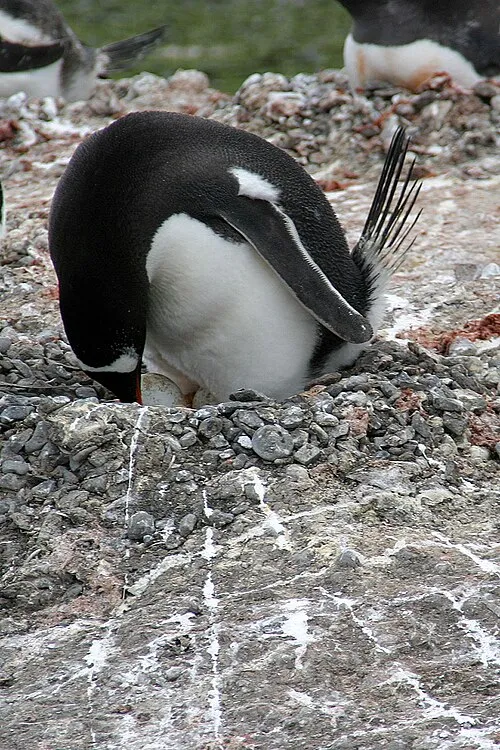
Photo 10: Gentoo Penguin. Credit: W. Bulach / Wikimedia Commons · CC BY-SA 4.0.
Gentoo penguins have relatively stout reddish-orange bills, orange feet and a distinctive white stripe that runs across the top of the head and above the eyes. They live in the Southern Hemisphere and are swift underwater swimmers. The bill is far less swollen than a puffin’s multicolored breeding bill, and gentoos cannot fly. If you are looking at a black-and-white seabird with an orange bill, first check its location and the head markings: puffins belong to northern oceans and have auks’ compact bodies, while gentoos are southern penguins.
Fast ID: White band across the top of the head; long tail; orange feet. Where: Subantarctic islands and Antarctic Peninsula.
Confusing penguins with puffins? This puffin versus penguin comparison explains the differences.
11. American White Pelican (Pelecanus erythrorhynchos)
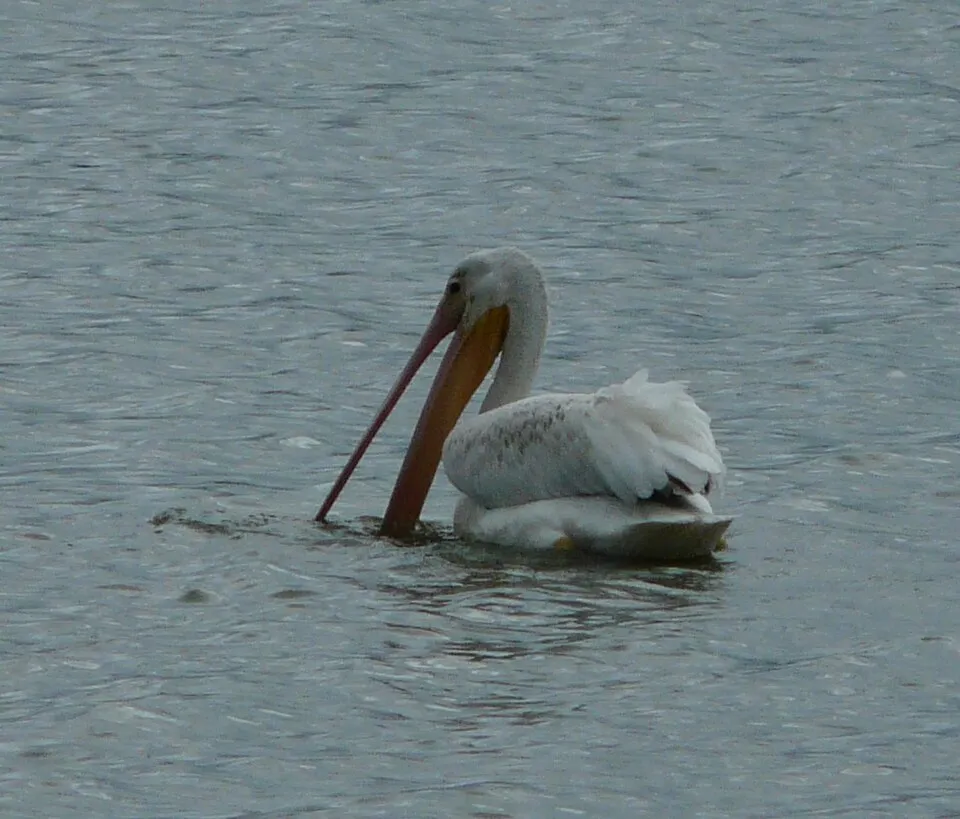
Photo 11: American White Pelican. Credit: The Bushranger / Wikimedia Commons · CC BY-SA 4.0.
Few orange bills are longer than that of the American white pelican. Its pale yellow-orange bill extends over a large expandable pouch used to scoop up fish. During the breeding season, many adults temporarily grow a raised horny plate on the upper bill; that feature is shed later. Unlike brown pelicans, American white pelicans often feed together by dipping their bills from the water’s surface rather than plunge-diving from height. A massive white body, black wing tips in flight and huge bill make identification straightforward at inland lakes and marshes.
Fast ID: Giant white body, black flight feathers, expandable throat pouch. Where: North American lakes and wetlands.
12. Inca Tern (Larosterna inca)
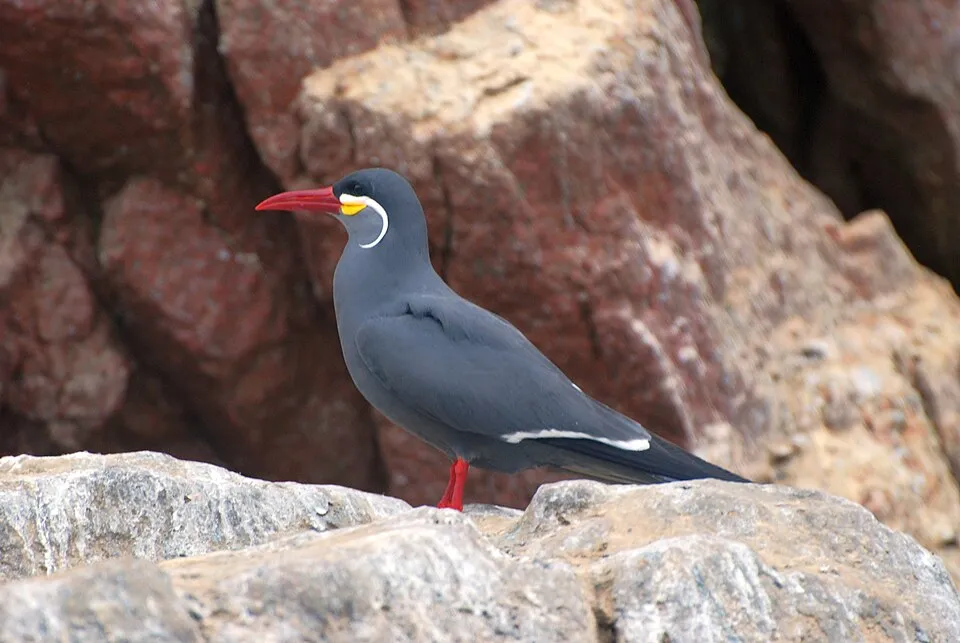
Photo 12: Inca Tern. Credit: Mosmas / Wikimedia Commons · CC BY-SA 4.0.
The Inca tern is impossible to miss at close range: a coral red-orange bill sits beneath a pair of curled white moustache-like feathers. Its body is mostly dark slate gray, while the legs are red. This species lives along the cold, productive Pacific coast of Peru and Chile, where it feeds on small fish. The ornamental feathers are not extra whiskers or antennae but specially shaped plumage. A bird with a pointed red bill and striking white facial curls is much more likely to be an Inca tern than a skimmer or an oystercatcher.
Fast ID: Slate-gray body, curling white facial plumes, red legs. Where: Pacific coast of Peru and Chile.
How to Identify an Orange-Beaked Bird in 30 Seconds
Look at bill shape. A short cone is built for seeds; a long, pointed bill suits probing or catching prey; a giant pouched bill points to a pelican.
Notice body size and colors. A red crested yard bird is not a dark coastal skimmer or a black-and-white puffin.
Check the surroundings. Backyard shrubs, tidal flats, tropical forest and polar waters contain very different candidates.
Look for unusual details. The skimmer’s lower bill is longer, the mute swan has a black basal knob, and the Inca tern has white facial curls.
Allow for seasonal variation. Puffin bills change strongly across breeding and nonbreeding seasons; juveniles of several species have duller bills.
Orange Beaks by Bill Shape: A Practical Comparison
| What you noticed | Good first match | What to check next |
|---|---|---|
| Tiny orange cone-shaped beak | Zebra finch | Small size and male cheek markings |
| Orange-red cone with crest | Northern cardinal | Black facial mask, North America |
| Huge orange bill with black tip | Toco toucan | Black body and white throat |
| Huge bill plus horn-like casque | Rhinoceros hornbill | Black-white body and Southeast Asian origin |
| Long straight orange-red bill | American oystercatcher | Black head, pale belly, yellow eyes |
| Red bill with black tip and long lower half | Black skimmer | Flying low over shallow water |
| Orange bill with black basal knob | Mute swan | Large white body and S-shaped neck |
| Orange bill with throat pouch | American white pelican | Large white flocking waterbird |
| Red bill and white curled whisker-like feathers | Inca tern | Dark gray body, Pacific South America |
| Compact multicolored bill on seabird | Atlantic or tufted puffin | Ocean, body darkness, head tufts |
Why Do Some Birds Have Orange Beaks?
There is no single answer. Orange, red and yellow bill colors can arise from pigments and the physical properties of bill tissues, while their visibility may relate to communication, mate choice or species recognition. These functions vary among bird groups. The shape of a bill usually tells us more directly about feeding: finches crack seeds, oystercatchers work on mollusks, pelicans scoop fish and skimmers feed at the water surface. It would be misleading to say that every orange bill evolved to attract a mate.
Does a Bird’s Beak Change Color With Age or Season?
Yes, in some species. Atlantic puffins shed portions of their ornate breeding bill covering and look duller in winter. Young northern cardinals often have dusky rather than bright red-orange bills. American white pelicans may grow a temporary raised plate on the upper bill during breeding. Do not use an adult breeding photo to identify a young bird without checking those differences.
Common Mix-Ups to Avoid
Orange breast is not the same as orange bill: American robins have orange breasts but generally yellowish bills, so they should not automatically be listed as orange-beaked birds.
Red versus orange: Oystercatchers, skimmers and Inca terns have bills many observers would describe as red or red-orange, not pure orange.
Wild versus captive: A zoo toucan or an aviary zebra finch does not imply the species is native to the country where the photo was taken.
All seasons are not identical: The striking orange-red puffin bill in a spring photograph may be much less colorful in winter.
Frequently Asked Questions
What small bird has a bright orange beak?
An adult zebra finch is a common example: it has a small, orange-to-red conical bill. In North America, a female northern cardinal also has a conspicuous reddish-orange bill, although she is much larger than a finch.
What black bird has an orange beak?
Depending on where you live, an adult male Eurasian blackbird has a yellow-orange bill. A black skimmer has a black-and-white body and a red-orange-and-black bill. A rhinoceros hornbill has a mostly black body with a yellow-orange-and-red bill and casque.
Which white bird has an orange beak?
The adult mute swan is a classic example, identifiable by a white body, orange bill and black basal knob. An American white pelican has a much larger bill with an expandable throat pouch.
Do puffins always have orange beaks?
No. Atlantic puffins display their brightest multicolored bills in breeding season. Nonbreeding bills are duller and have a different shape; younger birds are less colorful as well.
Is a bird with an orange bill always a male?
No. Both adult male and female northern cardinals can have red-orange bills, and many seabirds of both sexes have colorful bills. Age and season can matter as much as sex.
What bird has a red beak and a white moustache?
The Inca tern is famous for curled white facial plumes beside a pointed red-orange beak. Its body is slate gray, and it occurs along the Pacific coast of South America.
How can I tell a skimmer from an oystercatcher?
Look at the bill from the side. The black skimmer has a much longer lower mandible and a black-tipped bill, while the American oystercatcher has a straight bright orange-red probing bill, a heavier body and yellow eyes.
Can I identify a bird from bill color alone?
Usually not with confidence. Take note of bill shape, body markings, size, location and behavior. Juveniles, breeding birds and lighting conditions can change how the same species appears.
Keep Exploring Birds
Orange bills are just one part of bird identification. For related topics, explore our toucan species guide, the northern cardinal, and 13 birds that sing.
Scientific References and Image Credits
All photographs are independently credited underneath their images. Wikimedia Commons file pages list the author, reuse license and any additional conditions. If you resize, crop or edit a photo for this page, indicate modifications in the credit where required. Photo subjects are real species; captivity is disclosed where relevant.