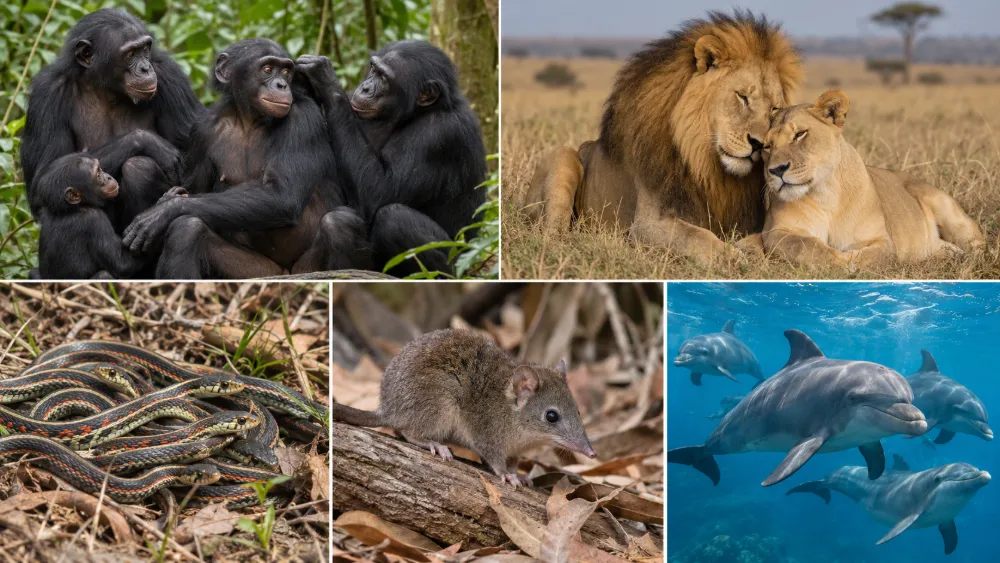
When most people think of mammals, they picture animals that feel familiar: pets, farm animals, wildlife documentaries, and the soft, warm creatures children grow up loving. Mammals are often seen as intelligent, social, and even comforting. But some mammals can also be extremely dangerous.
In truth, most mammals would rather avoid people than fight them. Many are smaller than humans, and even large species often attack only when they feel threatened, hungry, cornered, or provoked. Still, certain mammals are responsible for some of the most serious injuries and deaths involving wildlife, livestock, transport accidents, or direct conflict with people.
Here are nine of the world’s deadliest mammals and the reasons they are so dangerous.
1. Dogs
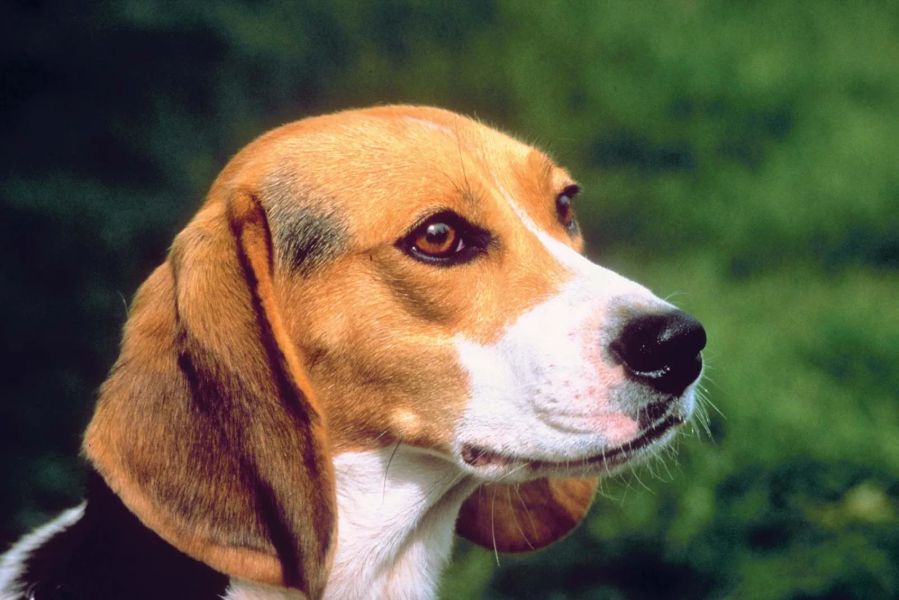
Dogs are among the closest animal companions humans have ever had. They have lived alongside people for thousands of years as hunting partners, guards, herders, workers, and pets. In many countries, dogs are loved like family members.
Yet dogs are also one of the mammals most often involved in serious attacks on humans. Their danger does not come from wild predatory behavior in the same way as lions or tigers, but from their close proximity to people. Because dogs live in human communities, the number of interactions is extremely high, which increases the chance of bites, maulings, and fatal attacks.
Most dogs are not dangerous, but powerful individuals, poorly controlled animals, pack behavior, fear reactions, territorial aggression, or abuse can lead to severe outcomes. In some parts of the world, free-ranging and feral dogs also create public health and safety problems.
2. Lions
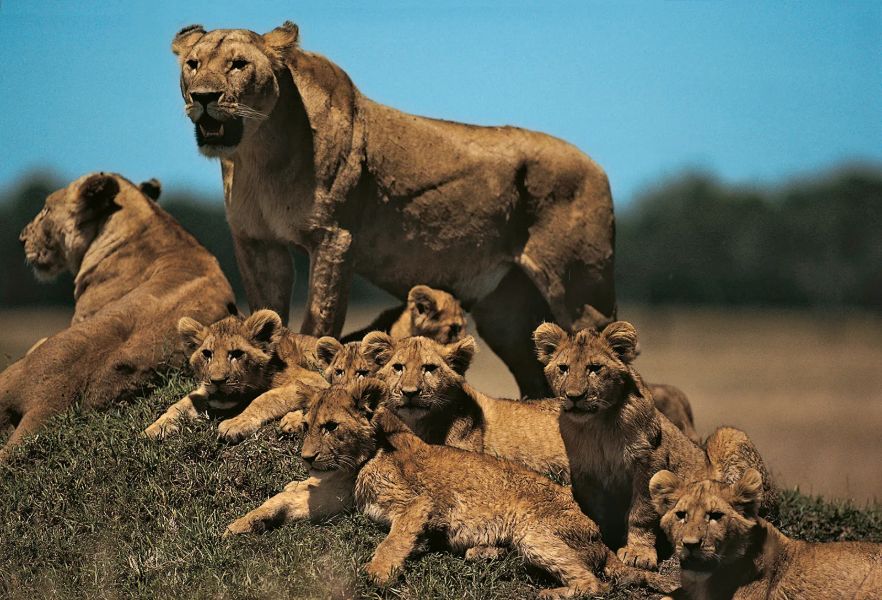
The lion is one of the most feared and respected predators on Earth. As a powerful big cat, it is capable of bringing down prey much larger than itself, including antelope, zebra, buffalo, and other large mammals. Lions are especially dangerous because they combine strength, speed, teamwork, and powerful jaws.
Lionesses usually do most of the hunting, often working together to stalk and surround prey. Males are also formidable hunters and can be highly dangerous when defending territory, carcasses, or pride members. While most lions avoid humans, attacks still happen in some regions, especially where people live close to lion habitat.
Lions become especially dangerous when prey is scarce, when individuals are injured or old, or when they become accustomed to hunting near villages or livestock areas. A single lion attack can be devastating, and some regions have long histories of man-eating lions.
3. Bears
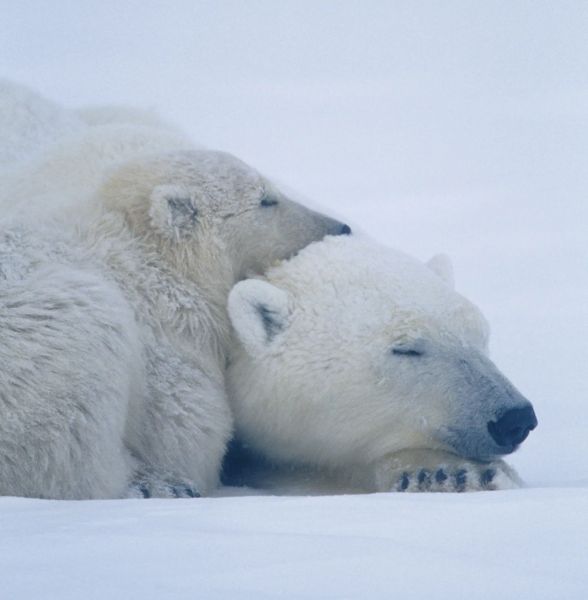
Bears often look heavy and slow, but that impression is misleading. They can run surprisingly fast, swim well, and deliver immense power through their forelimbs and jaws. Different bear species vary greatly in diet and temperament, but large bears are among the most dangerous mammals when surprised or provoked.
Grizzly bears, brown bears, and polar bears are especially feared. A defensive bear, especially a mother with cubs, can attack with little warning if it feels threatened. Polar bears are even more concerning in some situations because they are large carnivores that may view humans as prey.
Many bear attacks happen because people underestimate them. Bears that seem calm can become explosive when approached too closely, especially around food, cubs, or carcasses.
4. Hippopotamuses
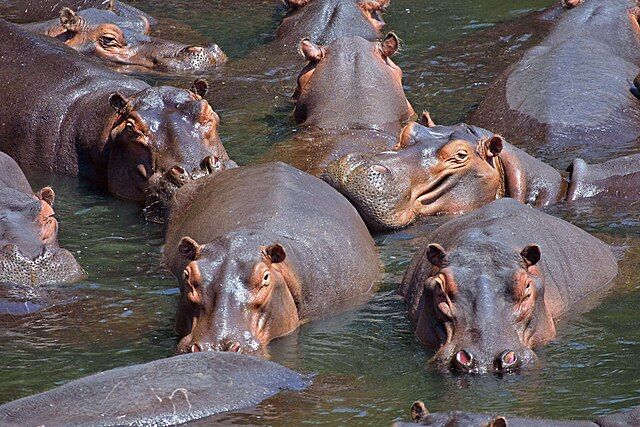
The hippopotamus may not look like a classic predator, but it is widely considered one of the most dangerous large mammals in Africa. Hippos spend much of their time in rivers, lakes, and wetlands, where they rest during the day and come out to graze at night.
Despite being herbivores, hippos are highly aggressive and extremely territorial in the water. They have enormous mouths, huge teeth, and tremendous body mass. A hippo can overturn boats, crush people, or charge with surprising speed on land.
Many dangerous encounters happen because humans underestimate how defensive hippos are. A hippo does not need to bite to kill. Its size and force alone can be fatal. This combination of aggression, strength, and unpredictability makes it one of the deadliest mammals in the world.
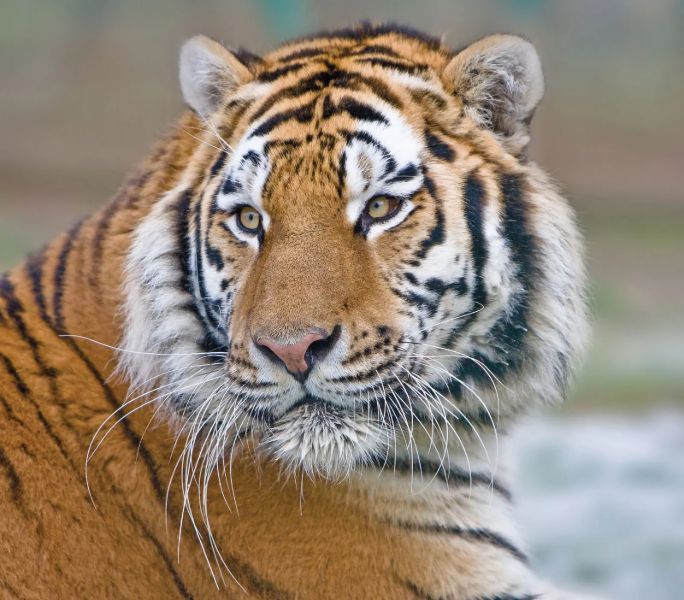
5. Tigers
Tigers are the largest members of the cat family and among the most powerful solitary hunters alive today. They rely on stealth, muscle, and explosive short-distance speed to ambush prey. A tiger can overpower animals much larger than a human, and in some regions tigers have developed a history of attacking people.
Unlike lions, which often hunt in groups, tigers are solitary predators. This makes them quieter and more difficult to detect. They usually hunt deer, wild pigs, and other medium to large mammals, but they may attack people in areas where natural prey is limited or where human activity overlaps with tiger territory.
Some landscapes have become especially famous for tiger attacks, particularly swamp forests and heavily populated edge habitats where people regularly enter tiger range for fishing, wood collection, or farming.
6. Horses
Many people are surprised to see horses on a list of deadly mammals. Horses are not predators, and they are deeply associated with partnership, sport, transport, and agriculture. But they are also very large, powerful animals capable of causing fatal injuries.
Horse-related deaths usually happen through riding accidents, falls, kicks, trampling, or crushing incidents rather than deliberate attacks. A frightened horse can bolt, rear, or kick with tremendous force. Even experienced riders and handlers can be seriously injured if something goes wrong.
The horse’s danger comes less from aggression and more from power, speed, and the risks of close physical contact. Because humans interact so often with horses in sport and work settings, serious accidents continue to happen every year.

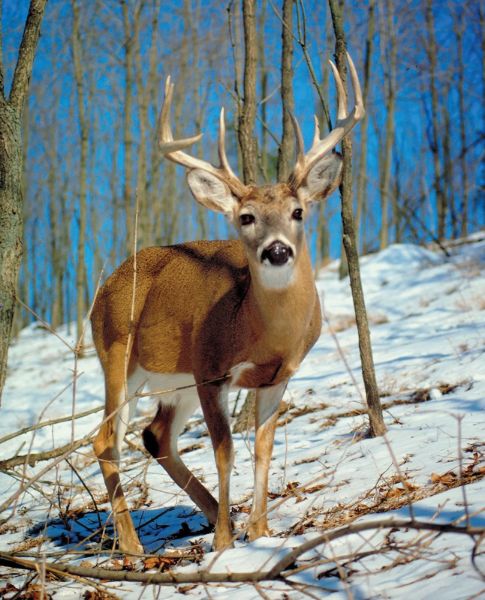
7. Deer
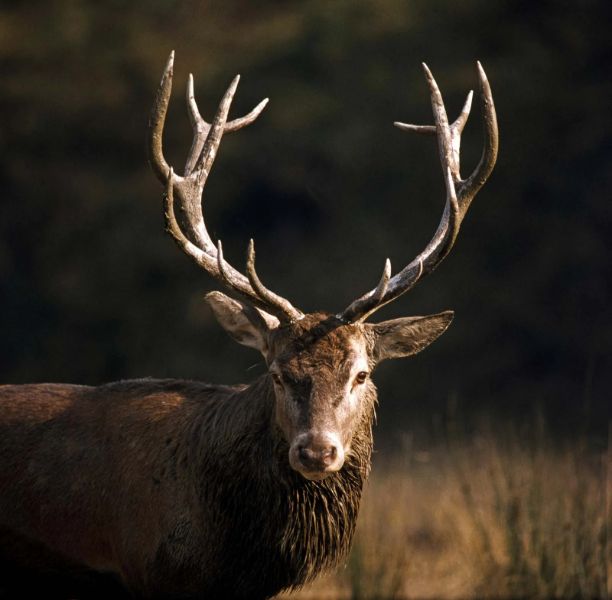
Deer are not usually thought of as deadly animals. They are shy herbivores and are often admired for their beauty. However, deer can be dangerous in two major ways.
First, males of some species can be aggressive during the breeding season, especially when defending territory or competing with rivals. Antlers can inflict severe injuries, and cornered or stressed deer can lash out with hooves as well.
Second, and more importantly, deer are involved in a very large number of vehicle collisions. In many countries, especially where deer populations are high near roads and suburbs, these crashes can cause major injuries and deaths. So while deer rarely kill by direct attack, they are still one of the mammals most associated with fatal human accidents.
8. Elephants
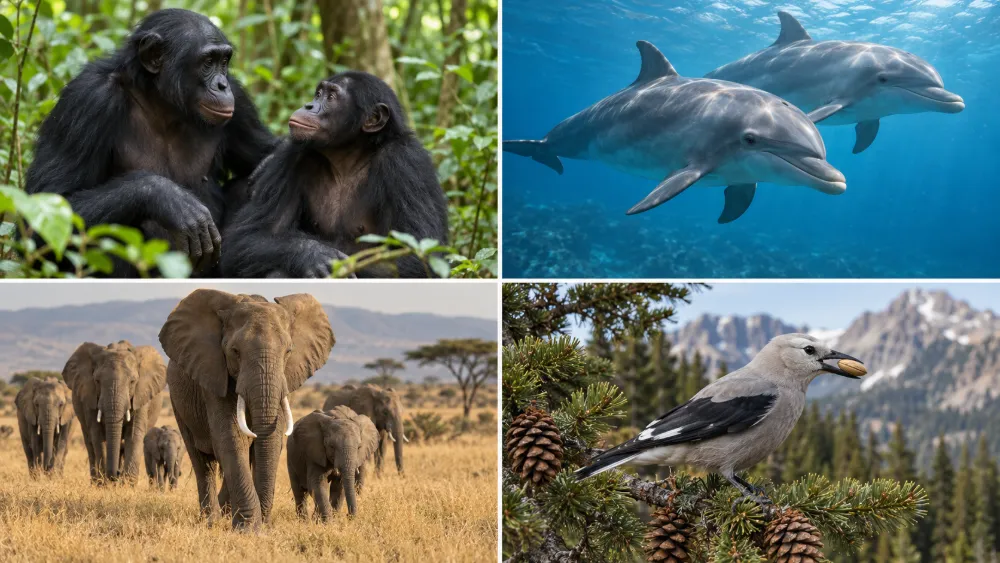
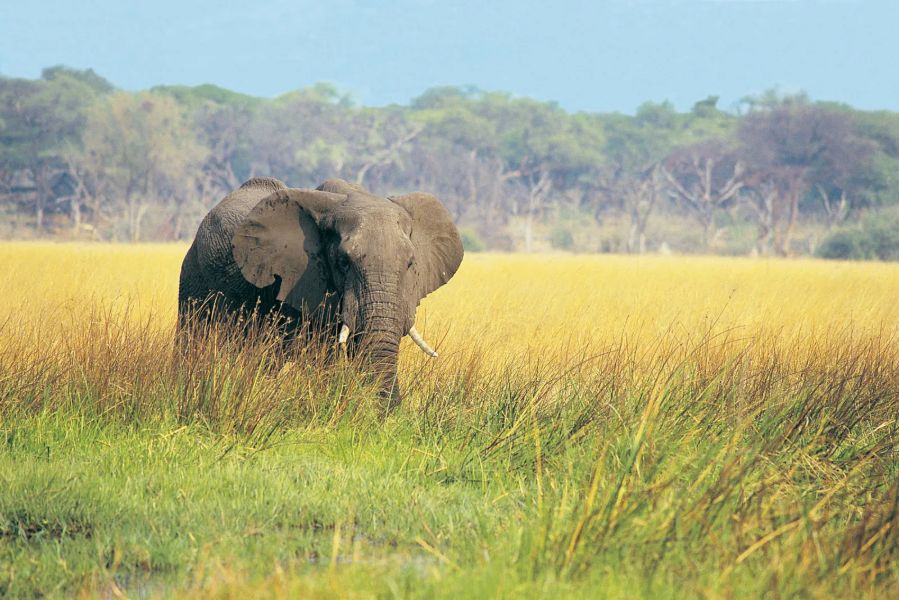
Elephants are the largest land mammals on Earth, and their sheer size makes them incredibly dangerous when conflict occurs. Although elephants are intelligent, social, and often gentle within their herds, they can also be destructive and deadly when threatened, stressed, or provoked.
Human-elephant conflict is a serious problem in some parts of Africa and Asia, especially where farms, villages, and migration routes overlap. Elephants may raid crops, damage property, and sometimes attack people who get too close or try to drive them away.
A charging elephant can kill with tusks, feet, trunk force, or body weight alone. Bulls in particular can be highly dangerous during periods of heightened aggression. Even without predatory intent, an elephant’s strength makes any violent encounter potentially fatal.
9. Humans
The deadliest mammal on Earth is the human being.
No other mammal kills more humans than humans themselves. Through violence, war, homicide, abuse, and large-scale conflict, people are responsible for vast numbers of deaths every year. Humans are also the most efficient killers of other mammals, driving habitat destruction, hunting pressure, pollution, and climate-related ecological damage across the planet.
What makes humans uniquely dangerous is not physical strength alone, but intelligence, coordination, technology, and the ability to kill at a scale no other animal can match. From an ecological and historical perspective, humans are by far the deadliest mammal alive.

Why Are These Mammals So Dangerous?
Not all dangerous mammals are predators. Some kill because they hunt. Others kill because they are territorial, defensive, massive, or deeply entwined with human life.
Large carnivores such as lions and tigers are dangerous because they are built to kill prey. Hippos and elephants are dangerous because of size, strength, and aggressive defense. Dogs, horses, and deer are dangerous largely because of how often they interact with people. And humans are dangerous because of intention, weapons, and organized violence.
In many cases, the deadliest situations happen where human expansion overlaps with wildlife habitat. As settlements, farms, roads, and tourism spread, the risk of conflict increases.
Conclusion
The world’s deadliest mammals are not always the ones people expect. Some are famous predators, while others are familiar domestic or grazing animals that become deadly because of their strength, behavior, or constant contact with humans.
Understanding these mammals is important not just out of curiosity, but for safety and conservation as well. Dangerous animals are not “evil.” Most are simply acting according to instinct, survival needs, or environmental pressure. The more we understand about how and why these mammals become dangerous, the better we can reduce conflict and coexist more safely.
FAQ
What is the deadliest mammal in the world?
Humans are the deadliest mammals in the world because they kill more humans and other mammals than any other species.
Are hippos really more dangerous than lions?
In many parts of Africa, hippos are often considered more dangerous in everyday human encounters because they are highly territorial, extremely strong, and frequently come into conflict with people near water.
Why are dogs on this list?
Dogs live very close to humans, so the number of interactions is extremely high. While most dogs are safe, serious attacks do happen and can be fatal.
Do deer really kill people?
Deer rarely kill by direct attack, but they are involved in many deadly vehicle collisions, which makes them one of the more dangerous mammals in human environments.
Are elephants naturally aggressive?
Not usually, but they can become highly dangerous when threatened, stressed, defending calves, or encountering humans in conflict zones.
Are bears more dangerous than big cats?
It depends on the situation. Bears can be extremely dangerous in surprise encounters or defensive situations, while big cats are more specialized predators.