Most pet owners budget for the obvious stuff: food, vaccines, and maybe grooming. Then real life happens—your dog eats a sock, your cat develops a picky stomach, your landlord adds “pet rent,” or you realize you can’t take a weekend trip without paying for a sitter. These “hidden costs” don’t mean you shouldn’t have a pet. They just mean you need a realistic plan so your finances (and your home) don’t take the hit.
This article covers the most common surprise expenses for dogs and cats in the US and Europe, how to reduce them, and when a problem is serious enough to involve a vet or a behavior professional.
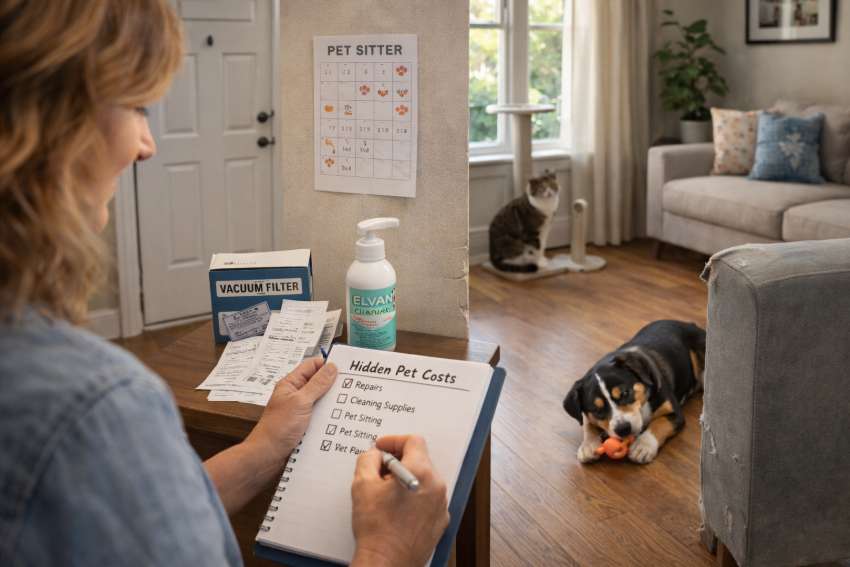
1. The “Setup Trap”: Buying Everything Twice
New owners often overspend on cute gear before they know what actually works for their pet. Then they replace it when it fails, doesn’t fit, or their pet hates it.
Dogs: harness that rubs, crate too small, bed destroyed by chewing, leash too flimsy for pulling.
Cats: litter box that’s too small, scratcher ignored, carrier that’s stressful, water fountain that’s hard to clean.
Both: toys that break, bowls that slide, “premium” gadgets that go unused.
How to avoid it: start with the basics (safe harness/collar, sturdy leash, simple bed, one or two enrichment items), then upgrade based on your pet’s real habits. Keep tags/receipts for returns.
2. Pet-Proofing and Home Damage (It Adds Up Fast)
Pets change how you maintain your home. Even well-trained pets can cause wear—and puppies/kittens are basically tiny demolition crews.
Dogs: chewed cords, scratched doors, urine stains during house-training, carpet replacement, fence repairs.
Cats: scratched furniture, carpet pulling, chewed plants, litter tracking that ruins floors over time.
Shared costs: enzyme cleaners, extra vacuum filters, professional carpet cleaning, odor control, air purifiers.
Cost-control tips: use washable covers, add gates/playpens for young pets, keep chew items and scratchers strategically placed, and clean accidents properly the first time (enzyme cleaner is a real money-saver).
3. Parasites, Prevention, and the “Seasonal Surprise”
Many owners underestimate how much flea/tick prevention, deworming, and parasite testing can cost—especially if you live in a high-risk area or travel with your pet.
Dogs: year-round prevention in many regions, tick checks after hikes, kennel/daycare requirements.
Cats: indoor cats can still get fleas (especially via humans or other pets), and prevention may be needed if you have a multi-pet home.
Hidden factor: treating an infestation (home + pet) is often far more expensive than prevention.
How to avoid the expensive version: ask your vet what’s appropriate for your region and lifestyle and stick to a consistent schedule.
4. Dental Care: The Cost Nobody Plans For
Dental disease is incredibly common, and it’s not just “bad breath.” Once dental problems start, costs can climb quickly due to cleanings, extractions, and anesthesia.
Dogs: small breeds often need dental care earlier; chews aren’t a full solution.
Cats: dental pain can show as picky eating, drooling, or irritability.
Hidden cost: dental work often requires anesthesia, monitoring, and sometimes X-rays.
Money-saving habit: start dental routines early (brushing, vet-approved dental diets/chews if recommended) and don’t ignore early signs like red gums or dropping food.
5. “It’s Just a Sensitive Stomach”… Until It’s a Prescription Diet
Food costs can jump unexpectedly if your pet develops allergies, GI issues, urinary problems, or needs weight management.
Dogs: recurring ear infections or itchy skin can lead to elimination diets and long-term food changes.
Cats: urinary health diets, hairball management, or chronic vomiting can change your food budget.
Extra hidden cost: trial-and-error spending on multiple brands, supplements, and treats that don’t help.
Smarter approach: if symptoms persist, skip the endless food-switch cycle and talk to your vet. A targeted plan can cost less than months of guessing.
6. Emergencies and “Minor” Urgent Visits
You don’t need a dramatic accident for vet costs to spike. Many costly events start as something that looks small at home.
Common dog triggers: vomiting after eating something weird, limping, ear infections, allergic reactions, hot spots.
Common cat triggers: not eating, hiding, litter box changes, urinary issues, sudden vomiting.
Hidden cost: out-of-hours or urgent care pricing can be much higher than a standard appointment.
Protection plan: keep an emergency fund, consider insurance, and learn what constitutes “urgent” for your pet (see the vet section below).
7. Boarding, Pet Sitting, and the “You Can’t Just Leave” Problem
Travel and even long days out can become expensive once you have a pet—especially a dog. Many owners realize too late that their old lifestyle needs a paid support system.
Dogs: daycare, dog walkers, boarding, in-home sitters, holiday surcharges.
Cats: drop-in visits, medication support, extra visits for social cats, premium boarding for anxious cats.
Hidden cost: last-minute bookings are often the most expensive—and hardest to find.
Cost-control tip: build a “care network” early (a trusted sitter + backup option) and budget your annual travel as a monthly sinking fund.
8. Training and Behavior: The Expensive Stuff Happens When You Skip It
Behavior problems are one of the most overlooked costs. Owners often spend money on the symptoms (gadgets, damage repair, extra daycare) instead of the cause (training and behavior support).
Dogs: leash reactivity, separation anxiety, destructive chewing, nuisance barking, fearfulness.
Cats: litter box avoidance, scratching furniture, aggression between cats, stress-related overgrooming.
Hidden cost: repeated replacements (furniture, doors), neighbor complaints, deposits lost, frequent pet sitting because the pet can’t be left alone.
Smart investment: a good training class early (or a few private sessions) often saves money long-term by preventing recurring damage and stress spending.
9. Housing Costs: Pet Rent, Deposits, and “Breed/Size” Restrictions
If you rent, pet ownership can directly raise your monthly costs. Even homeowners face pet-related housing upgrades.
Renters: pet deposits, monthly pet rent, cleaning fees, limited pet-friendly inventory.
Dog owners: restrictions on size or certain types of dogs can force a more expensive housing choice.
Homeowners: fencing, yard repairs, floor upgrades, noise-proofing in some cases.
Budget move: include pet rent and annual fees in your “must-pay” budget, not your “optional” budget. For dogs, also budget for a backup walking plan if your housing doesn’t have easy outdoor access.
10. “Senior Pet Creep”: Costs Rise Slowly, Then Suddenly
As pets age, costs often increase in small increments—until you realize your monthly spend has doubled.
Dogs: arthritis management, more frequent bloodwork, dental needs, mobility support, medications.
Cats: kidney disease monitoring, thyroid issues, joint pain, special diets, more frequent vet visits.
Hidden cost: chronic conditions mean ongoing expenses, not one-time bills.
Best preparation: increase your pet “health buffer” slightly each year instead of waiting for a diagnosis.
11. The “Little Stuff” Category: Small Purchases That Quietly Grow
These expenses are easy to ignore because they’re individually small, but they add up over a year.
Poop bags, litter, wipes, shampoo, paw balm, nail trims
Replacement leashes, collars, ID tags
Extra laundry, lint rollers, vacuum bags/filters
Replacement toys/chews and enrichment refills
Seasonal items (booties, coats, cooling mats, flea/tick tools)
Easy fix: create a “pet supplies” line item in your budget so you’re not surprised by a dozen $10–$20 purchases each month.
12. When You Should See a Vet (Don’t Wait on These)
Hidden costs often become bigger costs when treatment is delayed. Contact a vet promptly if your pet has:
Any pet: trouble breathing, collapse, pale/blue gums, seizures, suspected poisoning, severe lethargy
Dogs: repeated vomiting/diarrhea, bloated abdomen, unproductive retching, sudden severe pain
Cats: not eating for 24 hours (sooner for kittens), straining to urinate, repeated litter box trips with little output
Both: bleeding that won’t stop, eye injuries, sudden inability to walk, extreme swelling or hives
Cost-smart mindset: early vet care is often less expensive than emergency escalation—especially for dehydration, urinary issues, and ingestion concerns.
13. When to Get Professional Behavior Help
Consider a qualified trainer or behavior professional if you notice:
Aggression, snapping, or guarding of food/toys/spaces
Separation anxiety signs (panic, destructive escape attempts)
Severe leash reactivity or fear that doesn’t improve
Litter box avoidance in cats (after ruling out medical issues)
Chronic stress behaviors (overgrooming, inappropriate urination, persistent hiding)
Important note: for cats, sudden behavior changes often have a medical component—rule out health issues with a vet before treating it as “just behavior.”
Final Thoughts: Expect the Hidden Costs and You’ll Enjoy Your Pet More
The hidden costs of pet ownership usually fall into three categories: services (walking/sitting/daycare), health surprises (dental, sensitive stomachs, emergencies), and life ripple effects (housing, travel, home wear-and-tear). The good news is that most of these can be planned for.
Your action step: create three budget lines—monthly essentials, pet supplies, and a health/travel buffer. Even small, consistent savings will turn “nobody warned me” moments into “we’ve got this” moments.