Small pets look “cheap” compared to dogs and cats—but many new owners get surprised by the real costs: a properly sized enclosure, ongoing bedding and hay, and veterinary care that can be just as pricey (or pricier) than a routine dog/cat visit. If you’re choosing between a hamster, guinea pig, or rabbit in the US or UK, the best decision is the one that fits your budget and your daily routine.
This guide breaks down realistic first-year and monthly costs for each pet, highlights the most common budget surprises, and explains when you should contact a vet or an experienced exotic-pet professional.
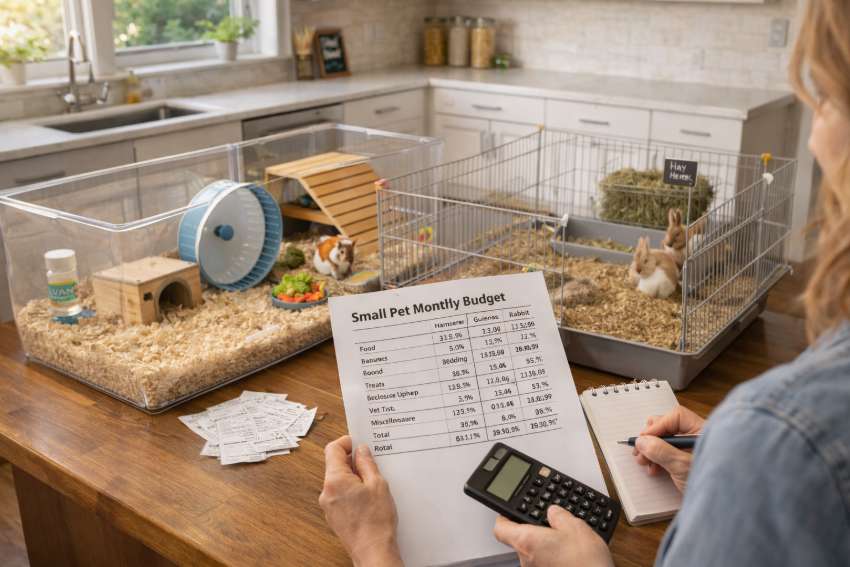
1. Quick Cost Snapshot: Which Small Pet Is Most Expensive?
In general, hamsters have the lowest ongoing costs (if you set up the habitat correctly), guinea pigs cost more month-to-month due to hay and fresh veggies, and rabbits often have the highest overall costs—mainly because they need more space, more hay, and can require higher vet spending.
Typical Cost Ranking (Most to Least Expensive Over Time)
Rabbit: higher space needs + hay-heavy diet + frequent vet sensitivity
Guinea pig: ongoing hay/veg + vitamin C needs + benefits from living as a pair
Hamster: smaller food costs + simpler ongoing supply needs (but enclosure setup still matters)
Important note: the biggest cost swing is often veterinary care. A single illness can quickly exceed months of supplies, so budgeting for health is essential.
2. One-Time Setup Costs (US/UK)
Doing the setup correctly is the best way to prevent stress, behavior problems, and health issues. “Starter kits” sold in stores are often undersized or missing key items, which leads to spending twice.
2.1 Hamster Setup (One-Time)
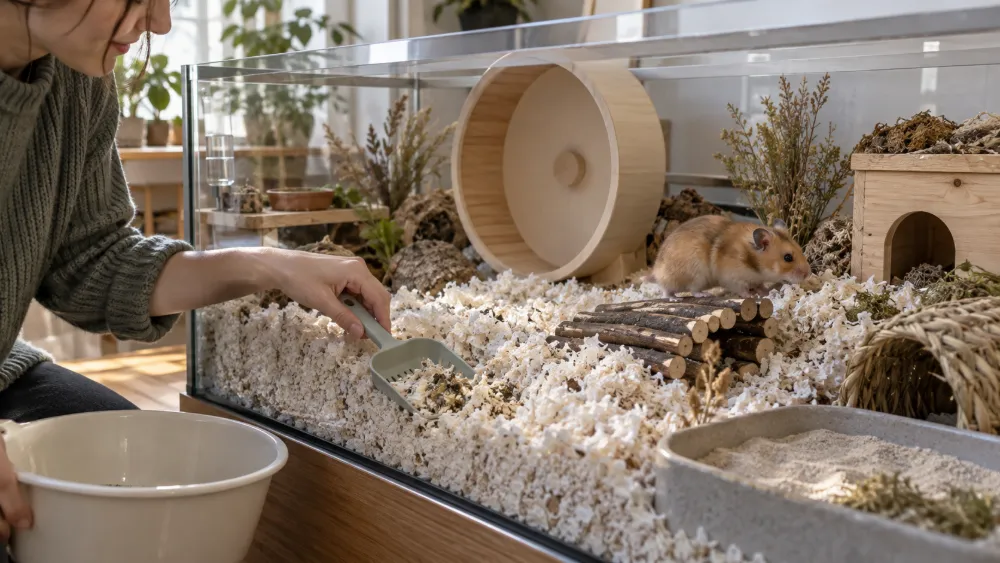
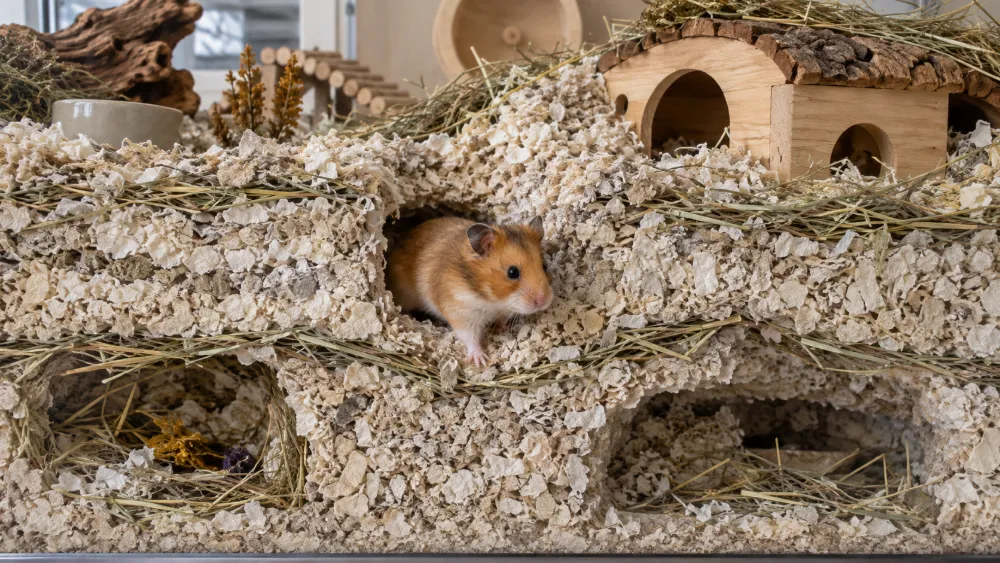
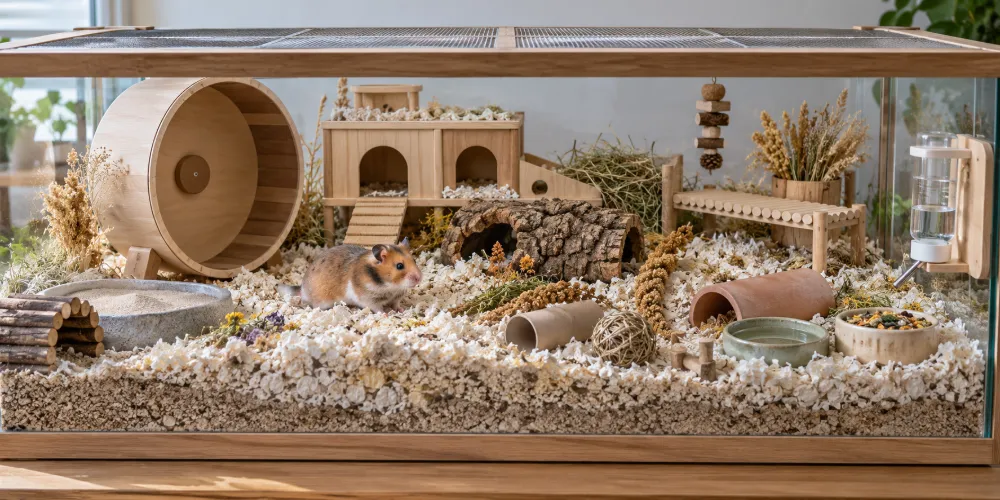
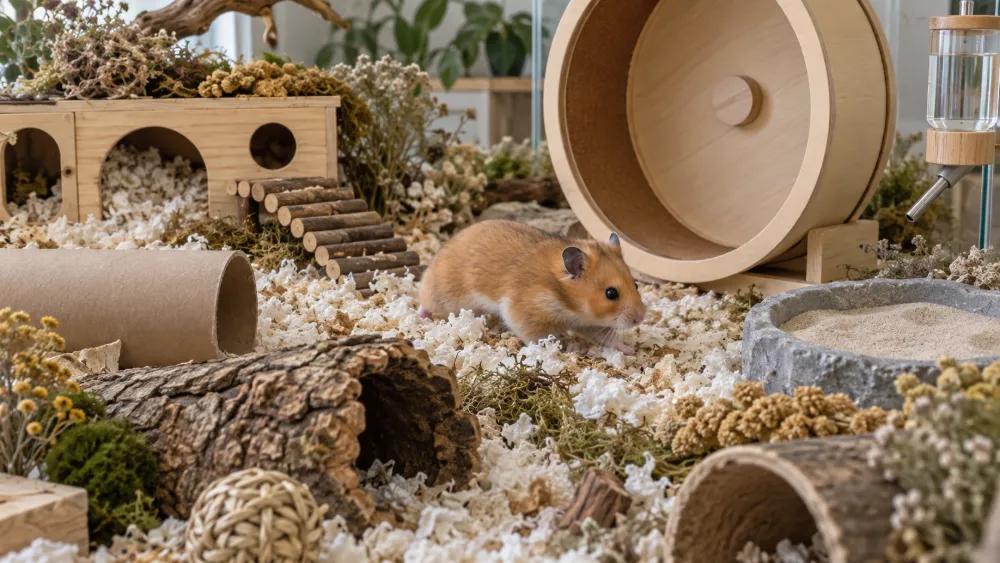
Hamsters thrive with a large, well-ventilated enclosure, deep bedding for burrowing, a properly sized wheel, and enrichment.
Enclosure: a spacious habitat (often the most expensive line item)
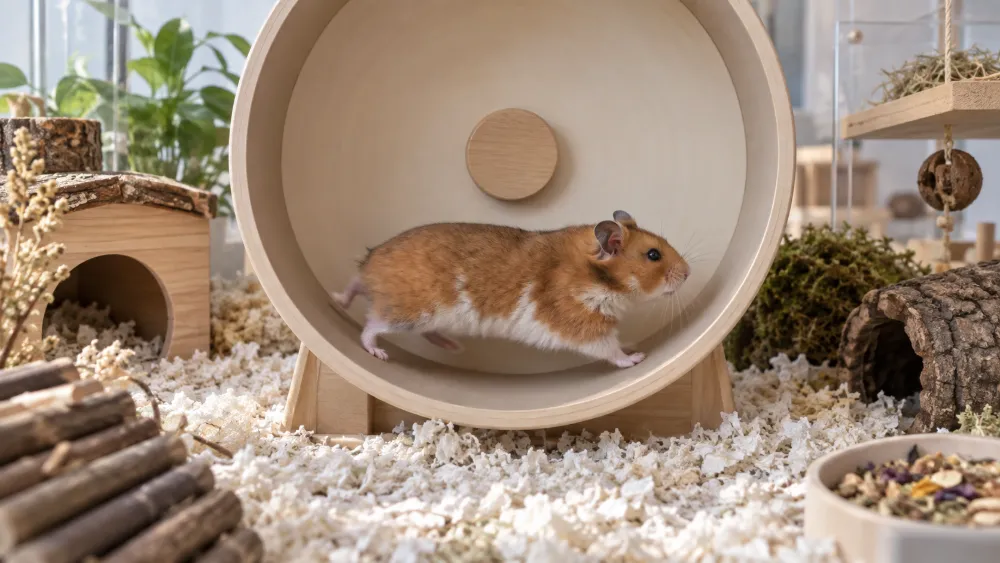
Wheel: correct size matters to prevent back strain
Hideouts + tunnels + chew items: reduces stress and supports natural behaviors
Water bottle or bowl: simple but needs regular cleaning
Initial bedding and sand bath (species-dependent): supports hygiene and digging
Typical one-time setup range: $120–$350 (US) / £100–£280 (UK)
2.2 Guinea Pig Setup (One-Time)
Guinea pigs need more horizontal floor space than many people expect, plus constant access to hay and safe hiding spaces. They also do best socially (many owners keep two), which changes the budget.
Enclosure (large floor space): the biggest upfront cost
Hideouts: at least one per guinea pig
Hay rack + water bottles: sized for daily refills
Food bowls + pellet storage: helps keep diets consistent
Initial bedding/liners: fleece liners can cost more upfront but reduce recurring bedding spend
Nail clippers + brush: routine grooming tools
Typical one-time setup range: $200–$500 (US) / £160–£420 (UK)
2.3 Rabbit Setup (One-Time)
Rabbits are often happiest when treated like “indoor free-roam pets” with a safe pen area, rather than being kept in a small hutch. That requires more home setup and safety-proofing.
Large exercise pen or rabbit-proof room setup: a major upfront cost
Litter box + hay feeder: supports litter training and clean habits
Floor protection: mats/rugs to prevent slipping and protect flooring
Chew-safe enrichment: rabbits chew to manage teeth health
Carrier: for vet visits and travel
Typical one-time setup range: $250–$700 (US) / £200–£600 (UK)
3. Ongoing Monthly Costs (US/UK)
Monthly spending depends on diet, bedding choices, and whether you use specialty products. Fresh food and hay quality matter for health, so this is not the best place to cut corners.
3.1 Hamster Monthly Costs
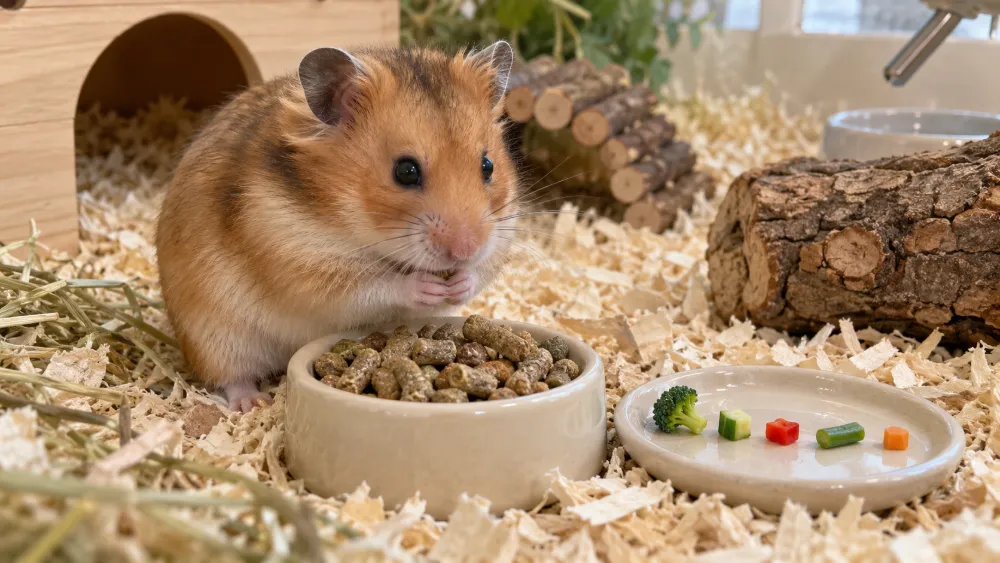
Food + occasional treats: small but consistent
Bedding: varies with enclosure size and how often you replace sections
Chew items/enrichment refills: to prevent boredom and overgrown teeth
Typical monthly range: $15–$45 (US) / £12–£35 (UK)
3.2 Guinea Pig Monthly Costs
Guinea pigs eat a lot of hay, plus daily fresh vegetables and a balanced pellet formulated for their needs (including vitamin C).
Hay: usually the largest monthly expense
Fresh vegetables: ongoing grocery spend
Pellets: consistent but moderate cost
Bedding/liners washing: either bedding purchases or laundry costs
Typical monthly range (one guinea pig): $40–$90 (US) / £30–£70 (UK)
Typical monthly range (pair): $65–$140 (US) / £50–£110 (UK)
3.3 Rabbit Monthly Costs
Rabbits typically need unlimited hay, fresh greens, and pellets in appropriate amounts. They also need frequent chewing enrichment to support dental health.
Hay: often the biggest recurring cost
Fresh greens: ongoing grocery spend
Pellets: usually moderate
Litter/bedding: depends on litter system and litter box habits
Chew toys: helps prevent destructive chewing and supports teeth
Typical monthly range: $50–$120 (US) / £40–£95 (UK)
4. Veterinary Care: The Biggest “Hidden” Cost
Small pets can get sick quickly and may hide symptoms until problems are advanced. Vet care can be expensive because not every clinic sees exotics, and diagnostics and treatments can add up fast.
4.1 Routine and Preventive Care
Hamsters: routine care is often minimal, but you should still budget for at least one vet visit if something changes suddenly.
Guinea pigs: dental issues, respiratory infections, and GI problems can occur; early vet care matters.
Rabbits: spay/neuter is strongly recommended for many rabbits; dental and GI health needs close monitoring.
4.2 Emergency and Illness Costs (Why a Vet Fund Matters)
A single emergency can cost far more than your monthly supply budget. That’s why a small-pet “health fund” is essential even if the pet itself was inexpensive.
Good goal: keep a dedicated vet fund and add to it monthly
Practical approach: treat it like a bill you pay yourself—small amounts add up
5. Common Budget Surprises (And How to Avoid Them)
5.1 “Starter Kits” That Don’t Meet Needs
Undersized cages and poor wheels lead to upgrades, stress behaviors, and sometimes vet issues.
Solution: build your setup around proper space and correct essentials from the start.
5.2 Bedding and Hay Quality Problems
Cheap bedding or dusty hay can cause respiratory irritation and more mess, leading to more frequent replacements.
Solution: choose low-dust bedding and good-quality hay, store it dry, and spot-clean daily.
5.3 Social Needs (Guinea Pigs)
Many guinea pigs do better with a companion, which can meaningfully increase ongoing costs.
Solution: budget as if you’ll have two from the beginning, so you’re not forced into a cost decision that affects welfare.
5.4 Travel and Pet Sitting
Small pets still need daily care, especially guinea pigs and rabbits. If you travel, you may need a sitter who understands their diet and health signals.
Solution: plan a simple care routine and instructions sheet, and budget for sitters during trips.
6. Practical Budget Examples (Simple Starter Budgets)
These are easy planning templates you can adjust based on your local prices and how many pets you keep.
Hamster (First Year)
Setup: $120–$350 / £100–£280
Monthly supplies: $15–$45 / £12–£35
Recommended vet fund: set aside a small monthly amount for illness or emergencies
Guinea Pig Pair (First Year)
Setup: $250–$600 / £200–£500
Monthly supplies: $65–$140 / £50–£110
Recommended vet fund: plan for at least one meaningful vet event per year
Rabbit (First Year)
Setup: $250–$700 / £200–£600
Monthly supplies: $50–$120 / £40–£95
Likely major health expense: spay/neuter if not already done
7. When You Should See a Vet (Small Pets Can Decline Fast)
Contact a vet promptly if you notice any of the following. Waiting can turn a treatable issue into an emergency.
Not eating or drinking: especially in rabbits and guinea pigs, this can become urgent very quickly
Labored breathing, wheezing, or nasal discharge
Diarrhea, very small droppings, or no droppings
Lethargy, hiding more than usual, sudden weakness
Teeth issues: drooling, dropping food, pawing at the mouth
Sudden bloating or obvious pain
Action tip: before you bring a small pet home, locate a local clinic that treats exotics. Having a plan saves time and stress in urgent situations.
8. Choosing the Right Small Pet for Your Budget and Routine
The best pet isn’t just the cheapest—it’s the one you can care for consistently.
If you want the lowest monthly costs: a hamster is often the most budget-friendly, assuming you invest in a proper enclosure.
If you enjoy daily veggie prep and social pets: guinea pigs can be a great fit, but budget like you’ll have a pair.
If you can provide space and want a highly interactive pet: a rabbit can be wonderful, but plan for higher vet risk and more robust home setup.
Final Thoughts: Small Pets Are “Small,” Not “Cheap”
Hamsters, guinea pigs, and rabbits can be amazing companions—but responsible care still has real costs. The most important budgeting move is to separate expenses into proper setup, ongoing supplies, and a vet fund. If you plan those three, small-pet ownership in the US or UK becomes far more predictable and enjoyable.
Your action step: pick your pet, write down your setup list, estimate your monthly hay/bedding/food, and start a small dedicated savings fund for vet care before the first problem appears.