
Dinosaur Day in Poland (“Dzień Dinozaura”): A Science-Based Guide to the Celebration
In Poland, Dzień Dinozaura (Dinosaur Day) is popularly observed on February 26 each year (in 2026 it falls on a Thursday). This “unusual holiday” is especially common in preschools and primary schools, where it’s used to spark children’s curiosity about deep time, fossils, and evolution. At it...

“Hell Heron” Dinosaurs: The River-Stalking Spinosaurs Behind the Nickname
In paleontology, nicknames often emerge when a fossil animal’s ecology feels instantly familiar—but scaled up to nightmare proportions. “Hell heron” is one of those phrases: it’s been used for spinosaurid theropods that likely hunted like modern wading birds—standing in shallow water, striking...
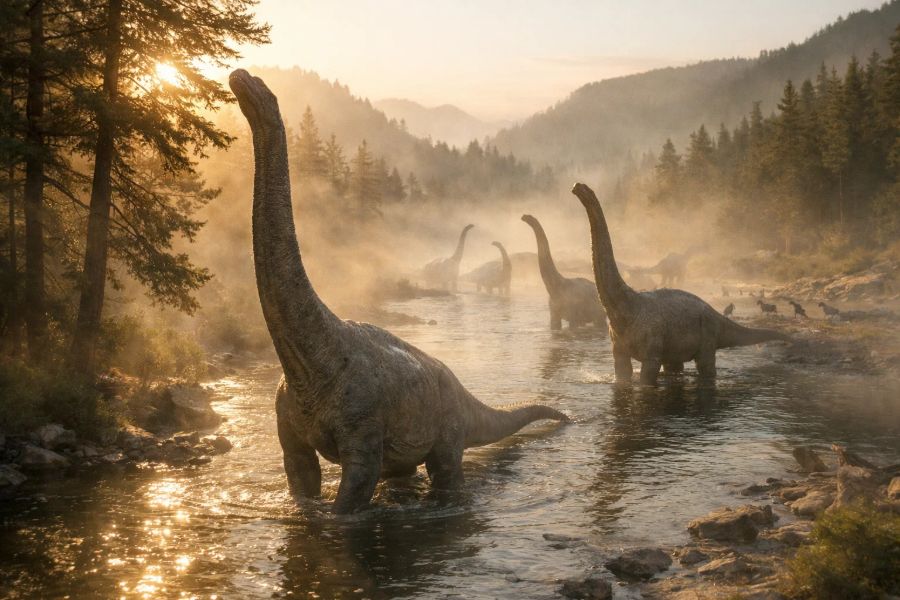
Long-Neck Dinosaurs: How Sauropods Built the Greatest Reaching Machines in Earth’s History
1) What people mean by “long-neck dinosaur”When most people say “long-neck dinosaur,” they’re usually talking about sauropodomorphs—especially sauropods, the giant, four-legged herbivores such as Diplodocus, Apatosaurus, and Brachiosaurus. These animals evolved necks that could exceed 6–9 met...
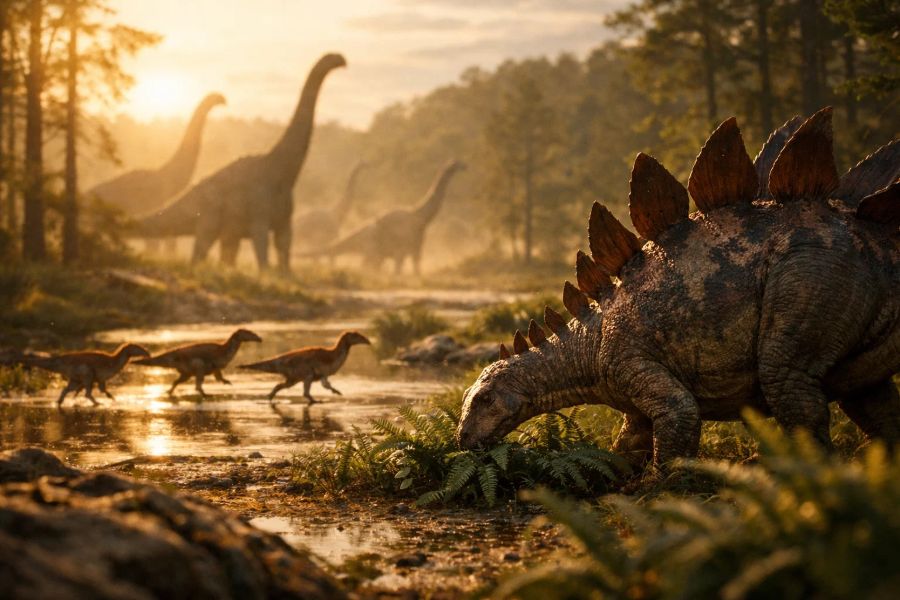
“Types of Dinosaurs”: A Zoologist’s Field Guide to the Major Dinosaur Groups
1) What counts as a dinosaur (and what doesn’t)?“Dinosaur” is not a catch-all word for any big prehistoric reptile. Dinosaurs are a specific branch of archosaurs (the group that also includes crocodilians and birds) with a distinctive body plan—most famously, upright limbs held under the body ra...
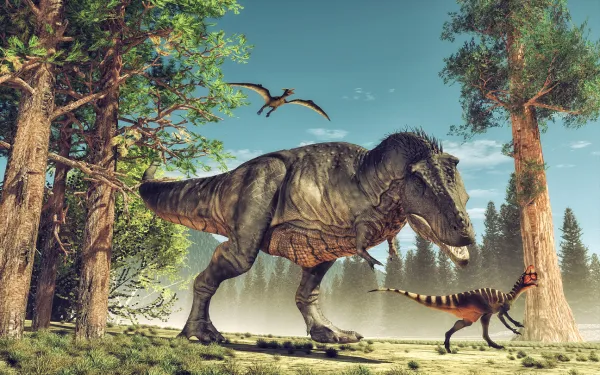
Carnivorous Dinosaurs: Names, Types, Characteristics & Pictures
Thanks to paleontology, we now know a great deal about the fearsome hunters of the Mesozoic. From Late Jurassic rocks in North America to Cretaceous beds in China and Africa, fossils of meat-eating dinosaurs are abundant. These mostly bipedal predators were key to ancient food webs: they regulated p...
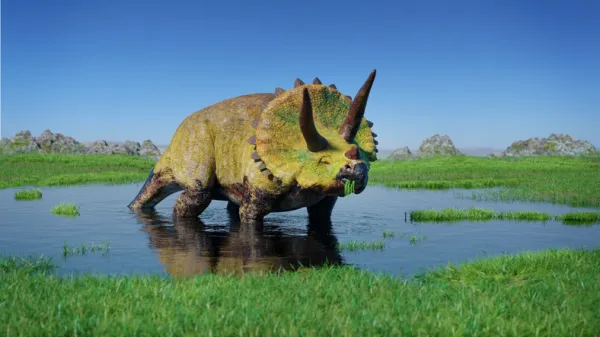
Herbivorous Dinosaurs: Names, Types, Characteristics, and Images
The fascinating world of dinosaurs contains an endless variety of remarkable species, each with its own adaptations and evolutionary strategies. Among them, one of the largest and most diverse groups was undoubtedly the herbivorous dinosaurs. These plant-eating giants roamed the Earth throughout the...
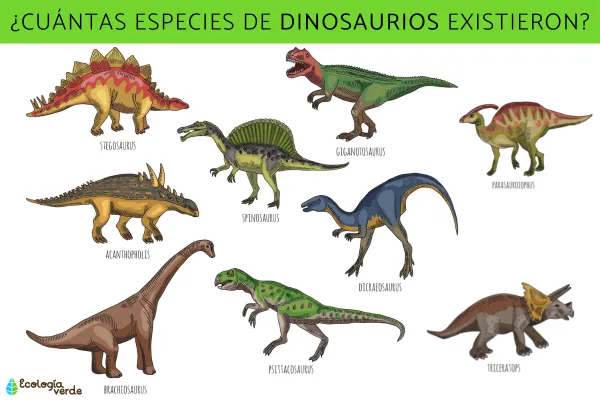
How Many Dinosaur Species Existed?
Dinosaurs—often referred to as "terrible lizards"—are a fascinating group of prehistoric animals that first appeared on Earth around 230 million years ago. For more than 130 million years, they dominated terrestrial ecosystems as the most diverse and successful group of vertebrates. Howe...
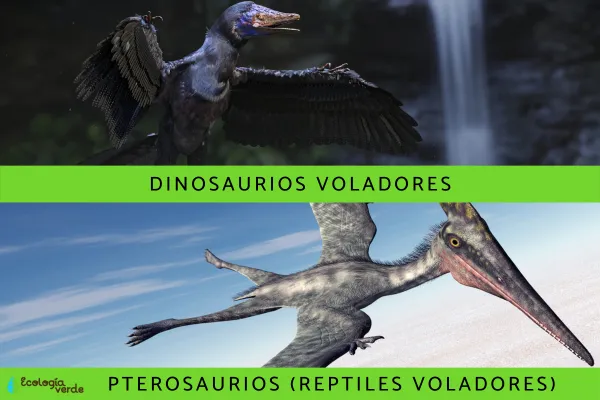
Flying Dinosaurs: Types, Names, and Images
Flying dinosaurs represent a critical link in understanding the evolution and diversification of modern birds. Although these creatures lived hundreds of millions of years ago, their fossilized remains provide paleontologists with invaluable insights—not only about evolutionary patterns, but also a...
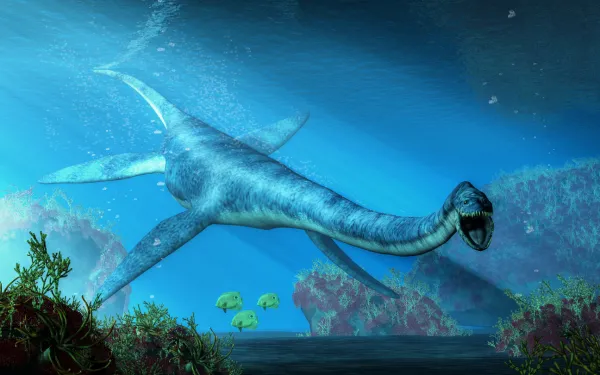
Marine Dinosaurs: Types and Characteristics
Prehistoric animals have long captivated human curiosity. Imagining a world populated by creatures that no longer exist forces us to reflect on the vast age of our planet and the incredible biodiversity it once hosted. Dinosaurs are arguably the most popular of these ancient animals, but many people...
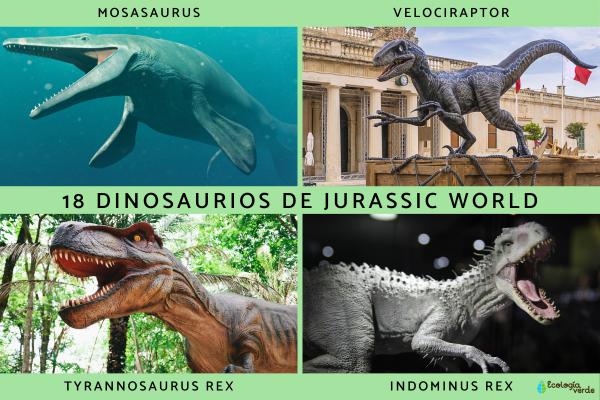
18 Dinosaurs from Jurassic World: Names, Features, and Real-Life Origins
Since the original Jurassic Park (1993), the world has been captivated by the mighty dinosaurs brought to life on the big screen. The Jurassic World series (2015 onward) introduced even more new dinosaur species, with breathtaking special effects that left many wondering: which dinosaurs really exis...
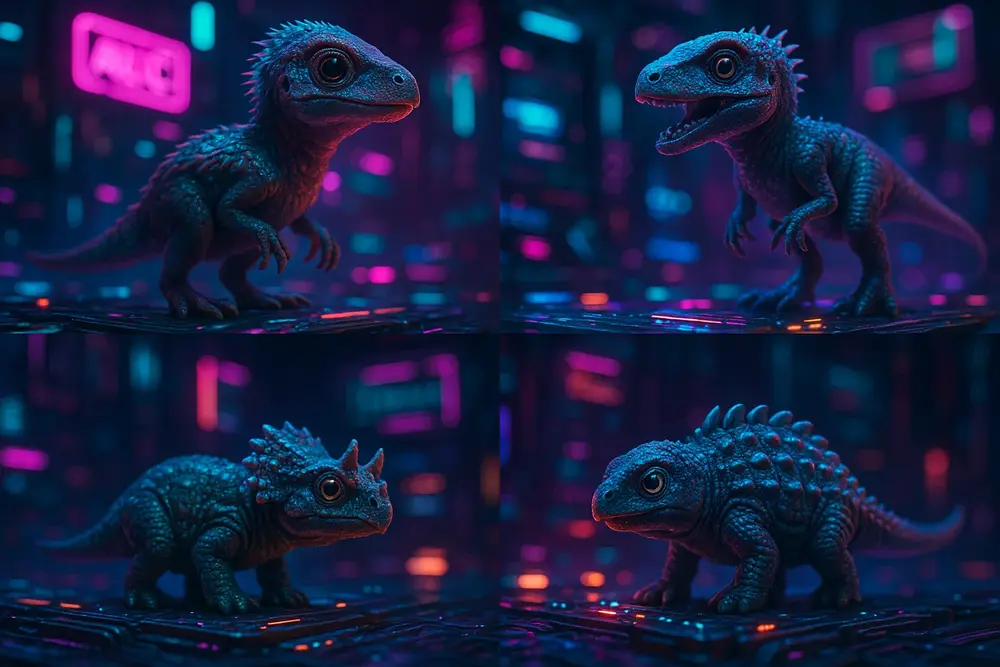
Tiny but Mighty: 19 Smallest Dinosaurs and Prehistoric Creatures That Ruled in Miniature
When we think of prehistoric life, we often picture massive beasts like Tyrannosaurus rex or woolly mammoths towering above us. But did you know that some of the most fascinating prehistoric animals were actually incredibly small?From feathered raptors the size of a chicken to lizard-like mammals ba...
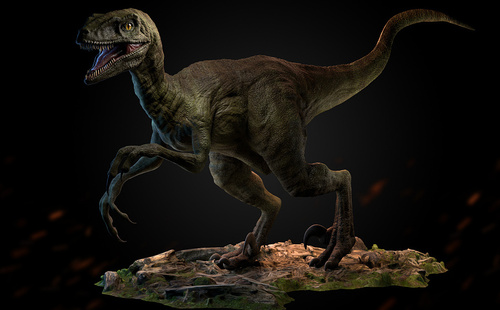
Velociraptor
Chinese name:xùn měng lóngLatin name: VelociraptorOther names: Velociraptor ("agile thief"), Velociraptor, VelociraptorExisting period: Late Cretaceous period 83 million to 70 million years agoDistribution area: Inner Mongolia, China, MongoliaDiet: CarnivoreAggression: Very highLength:...

Styracosaurus
Was Styracosaurus a dinosaur?Yes. Styracosaurus was a true dinosaur, specifically a horned ceratopsian from the Late Cretaceous of North America.How big was Styracosaurus?Styracosaurus was about 5.5 to 5.8 meters long and likely weighed around 2.5 to 3 tonnes, although these figures are still estima...

Achelousaurus
Achelousaurus was a medium-sized horned dinosaur that lived in what is now Montana during the Late Cretaceous. It belonged to the centrosaurine branch of ceratopsians, a group known for deep skull frills, facial ornamentation, and beaked mouths adapted for plant-eating. Unlike some of its more famou...

parasaurolophus
Parasaurolophus (Parasaurolophus walkeri) was a large duck-billed dinosaur from the Cretaceous of North America. It is best known for its long, tube-like crest extending backward from the skull—one of the most iconic head structures in dinosaur history.Time PeriodParasaurolophus lived during the La...

Indominus rex
Indominus rex is a fictional genetically engineered hybrid from the Jurassic World film series. It was created by InGen as a new attraction—designed to be bigger, scarier, and more marketable than the park’s traditional dinosaurs.Not a Real DinosaurIndominus rex did not exist in prehistory and is...
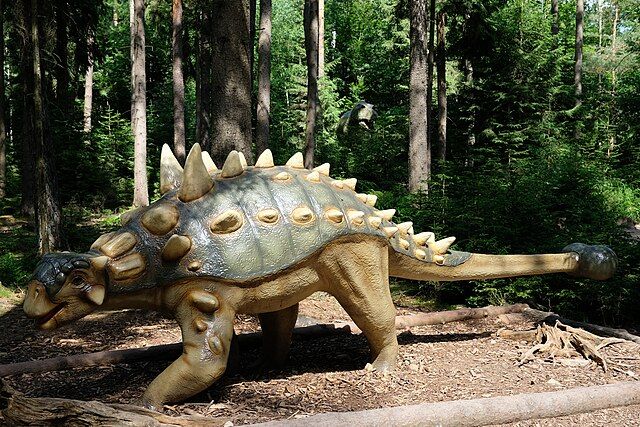
Ankylosaurus
Ankylosaurus was a tank-like armored dinosaur from the Late Cretaceous of North America. Its body was covered in tough armor, and its tail ended in a heavy club.Armor and DefenseArmor plates and spikes protected its back and sides. The tail club could deliver strong defensive blows.DietAnkylosaurus...

Stegosaurus
Stegosaurus is one of the most recognizable dinosaurs thanks to its large back plates and spiked tail. This armored herbivore lived during the Jurassic in North America.AppearanceStegosaurus had a small head, a bulky body, and a double row of plates running down its back. Its tail ended in four long...

Triceratops
Triceratops is one of the most iconic dinosaurs of all time. This large, three-horned herbivore lived in western North America during the Late Cretaceous and is famous for its massive skull, broad frill, and powerful horns.AppearanceTriceratops had a strong body, a parrot-like beak, and a large bony...
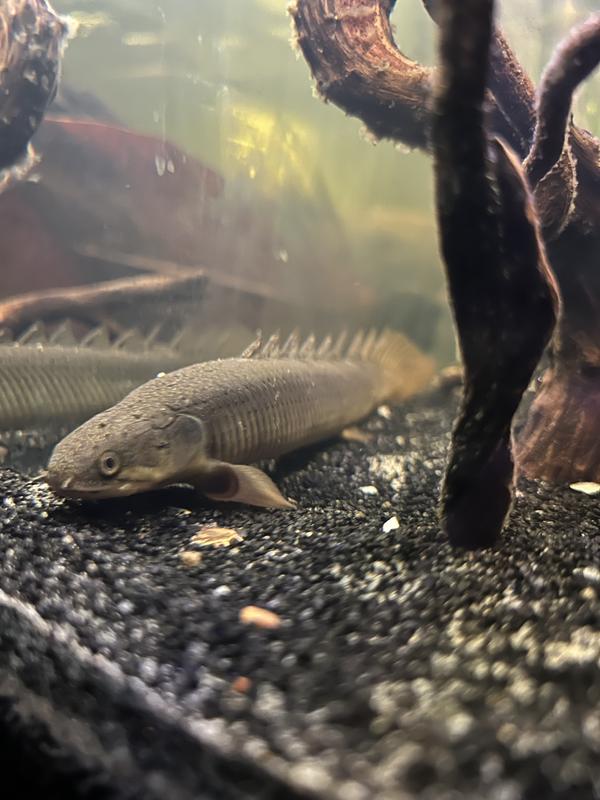
Comprehensive Guide to Dinosaur Fish Care: Tips and Best Practices
The Dinosaur Fish, often known as Bichir (scientific name: Polypterus), is a prehistoric-looking species that fascinates many aquarium enthusiasts due to its ancient lineage, unique appearance, and resilient nature. Native to African freshwater habitats, Bichirs have evolved little over millions of...