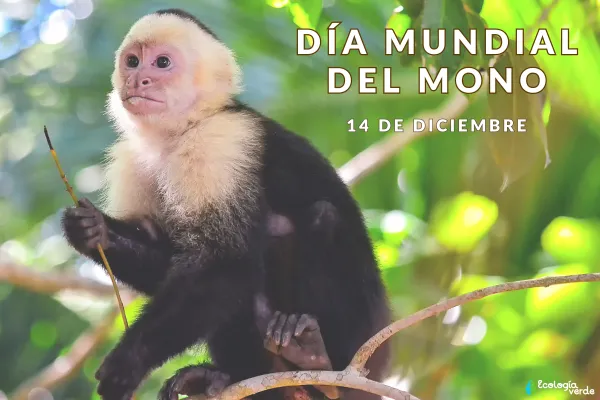
World Monkey Day: When It Is and Why It Matters
World Monkey Day is celebrated every year on 14 December.It’s a date created to raise awareness about monkeys and other primates, highlight the threats they face, and encourage people to protect them and their habitats.From habitat destruction and illegal wildlife trade to being kept as pets or use...
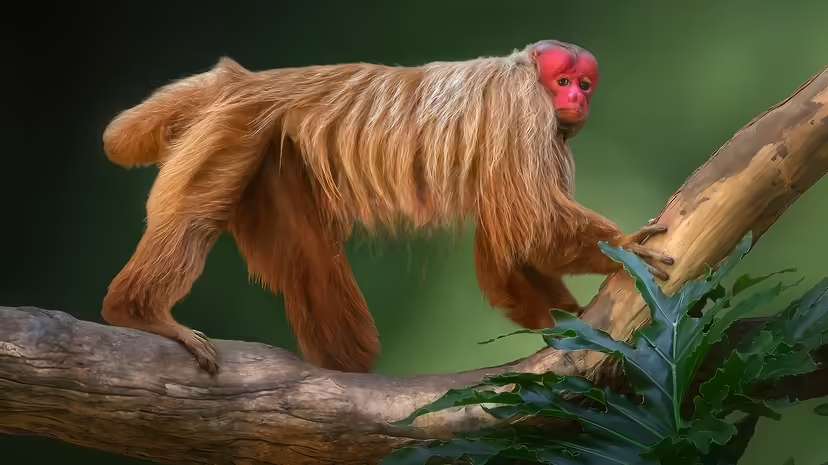
10 “Ugliest” Monkey Species — Unconventional Beauty in the Primate World
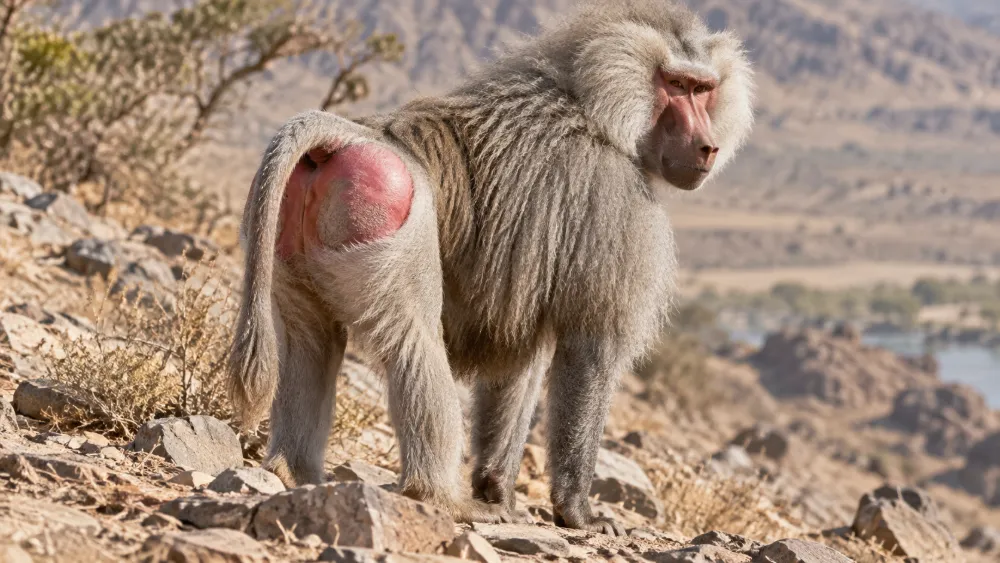
When you picture monkeys, you might imagine expressive eyes, playful movements or charming little faces. But across the primate family tree are species with looks so unusual that they make people stop, stare, and sometimes laugh—or recoil.Yet these monkeys aren’t “ugly” because evolution made mi...
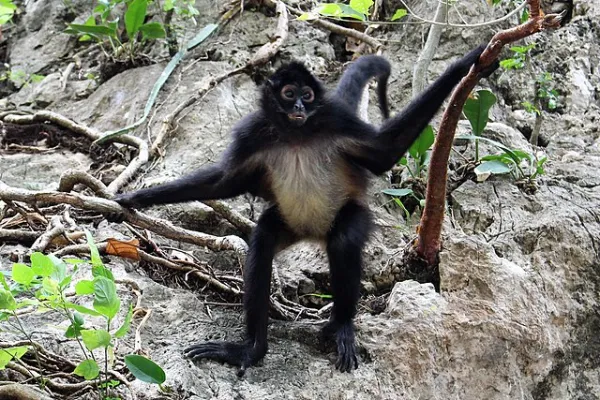
Are Spider Monkeys Endangered? Status, Threats, and How We Can Help
The spider monkey (Ateles geoffroyi) is a highly agile and intelligent primate native to the tropical forests of Central America and northern South America. Known for their long limbs and prehensile tails, these arboreal animals are essential for maintaining forest biodiversity. However, their popul...
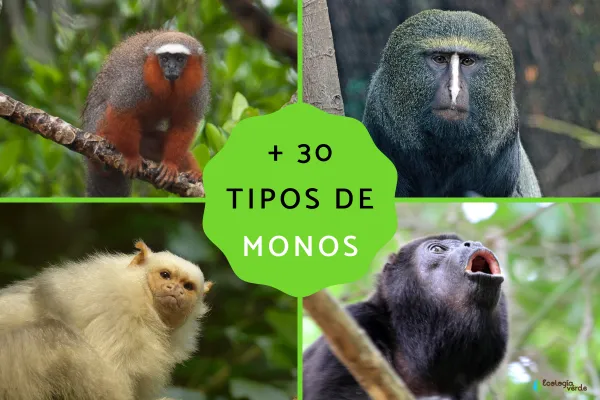
Types of Monkeys: A Complete Guide to 30 Species and Their Characteristics
In zoology, the term “monkey” is commonly used to refer to bothPlatyrrhines(New World monkeys) andCatarrhines(Old World monkeys). In everyday language, the word is often used interchangeably with “ape,” although there are key distinctions in scientific classification.Ther...
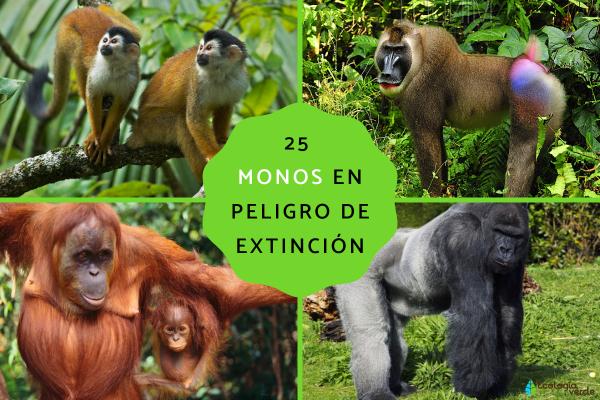
25 Endangered Monkey Species: Habitat, Threats, and Conservation Status
Monkeys, belonging to the order Primates, are primarily arboreal mammals vital to tropical ecosystems. However, many monkey species are now facing extinction due to deforestation, poaching, habitat fragmentation, and climate change. In this article, we explore 25 endangered monkey species, outlining...
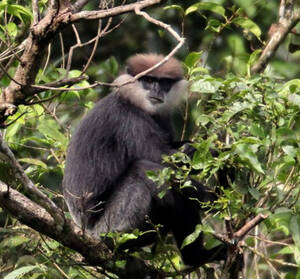
Trachypithecus vetulus
Purple-faced Langur (Trachypithecus vetulus) has four subspecies.Purple-faced Langurs form small groups ranging in size from 3 to 16. The average group size is 8.4, with 8-9 being the most common. This is a diurnal, wooded species that rarely moves on the ground and only stays on the ground for shor...
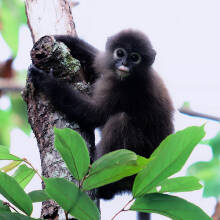
Trachypithecus obscurus
Dusky Leaf-monkey (scientific name: Trachypithecus obscurus) is also known as Dusky Leaf-monkey in English. It has 7 subspecies.The black leaf monkey is a social animal, with 2-12 individuals in each group, usually consisting of one or two mature male monkeys and multiple female monkeys and their of...
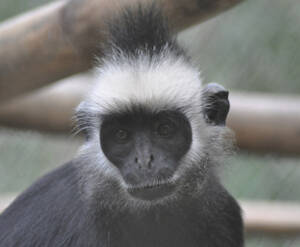
Trachypithecus laotum
Laotian Langur (scientific name: Trachypithecus laotum), also known as Laotian Langur, is distributed in the Lao People's Democratic Republic.The Laotian leaf monkey inhabits forested areas on steep hillsides, living on steep, often nearly vertical cliffs of karst limestone. Such hills can provi...
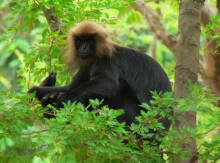
Trachypithecus johnii
Indian black leaf monkey (scientific name: Trachypithecus johnii) foreign name Nilgiri Langur, no subspecies.Little is known about the biology of the Indian black leaf monkey. The young are mainly born between May and November, just after the monsoon brings fresh leaves. The species usually consists...
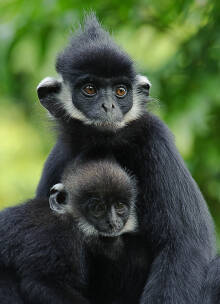
Trachypithecus hatinhensis
The Vietnamese black leaf monkey (scientific name: Trachypithecus hatinhensis) is also known as Hatinh Langur in English. It is a monotypic species with no subspecies differentiation. Some primatologists believe that the Vietnamese black leaf monkey is a subspecies of the Laotian black leaf monkey....
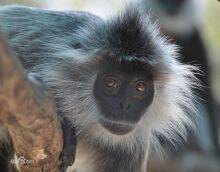
Trachypithecus germaini
Indochinese black leaf monkey (scientific name: Trachypithecus germaini) foreign name Indochinese Lutung, no subspecies.Indochinese black leaf monkey likes to live in groups, in small groups, each group usually has 3-10 individuals. Mainly arboreal, usually active and foraging in the upper layers of...
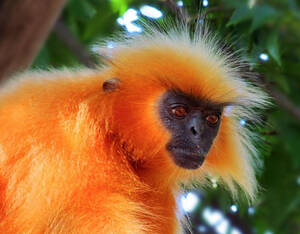
Trachypithecus geei
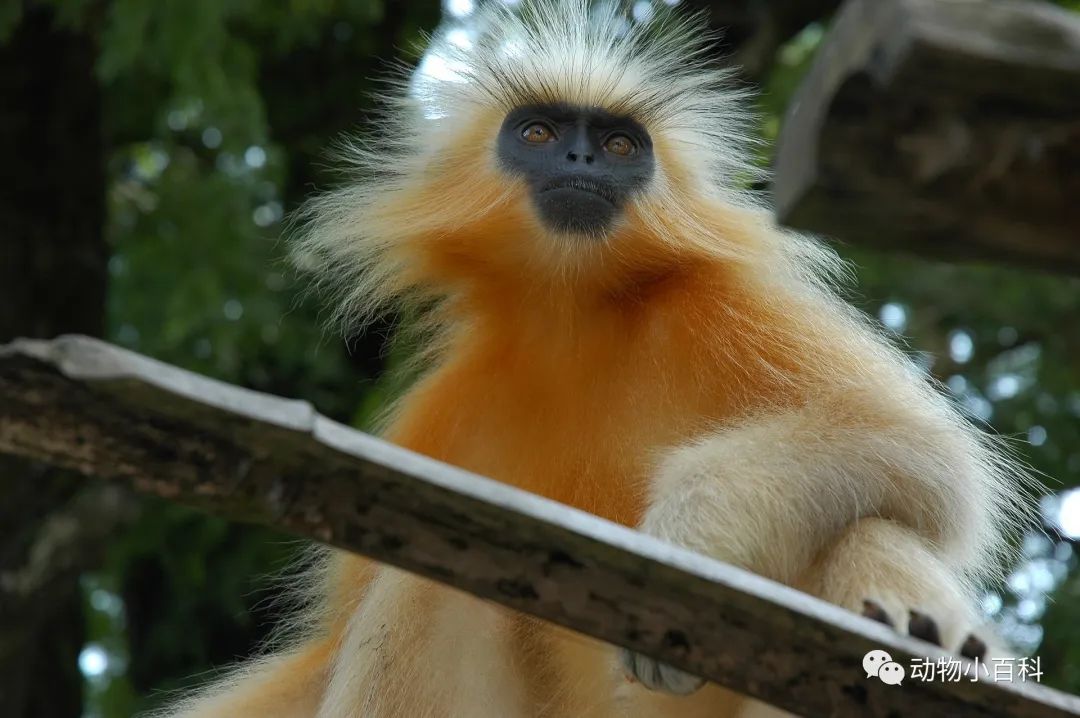
Golden Langur (scientific name: Trachypithecus geei) is also known as Gee’s Golden Langur in English. There are 2 subspecies.Golden Langurs live in groups, with 2-12 in each group, usually consisting of one or two mature male monkeys and multiple female monkeys and their offspring. Active during th...