Mandrills, drills, and large baboons are among the most powerful true monkeys. But there is no scientific “strength ranking” that measures every monkey species in the same way. Body mass, sexual dimorphism, canine size, muscular build, and defensive behavior all matter, so any Top 10 list is necessarily an evidence-based comparison rather than a laboratory leaderboard.
This updated ranking focuses only on true monkeys, not apes. Gorillas, chimpanzees, orangutans, and gibbons are apes and are therefore excluded even though they may be physically stronger than most monkeys. Among true monkeys, the mandrill stands out because adult males can become exceptionally large and powerfully built.
10 Most Powerful Monkeys at a Glance
| Monkey | Scientific name | Typical adult male mass | Why it stands out |
|---|---|---|---|
| Mandrill | Mandrillus sphinx | About 25 kg on average; exceptionally larger | Largest living monkey, robust body, large canines |
| Chacma baboon | Papio ursinus | About 26–31 kg | Large body, long canines, strong predator defense |
| Drill | Mandrillus leucophaeus | About 25 kg | Heavy, muscular forest monkey closely related to mandrills |
| Olive baboon | Papio anubis | About 25 kg | Muscular males, large canines, strong terrestrial build |
| Yellow baboon | Papio cynocephalus | About 23 kg | Large male body size and prominent canine teeth |
| Hamadryas baboon | Papio hamadryas | About 21.5 kg | Powerful males with pronounced sexual dimorphism |
| Guinea baboon | Papio papio | Up to about 26 kg | Strong terrestrial monkey with large male canines |
| Gelada | Theropithecus gelada | About 20 kg | Robust terrestrial monkey with large male canines |
| Tibetan macaque | Macaca thibetana | Large macaque; males much heavier than females | One of the largest macaques, stocky and strongly built |
| Proboscis monkey | Nasalis larvatus | About 16–22 kg | Large-bodied male colobine with strong swimming ability |
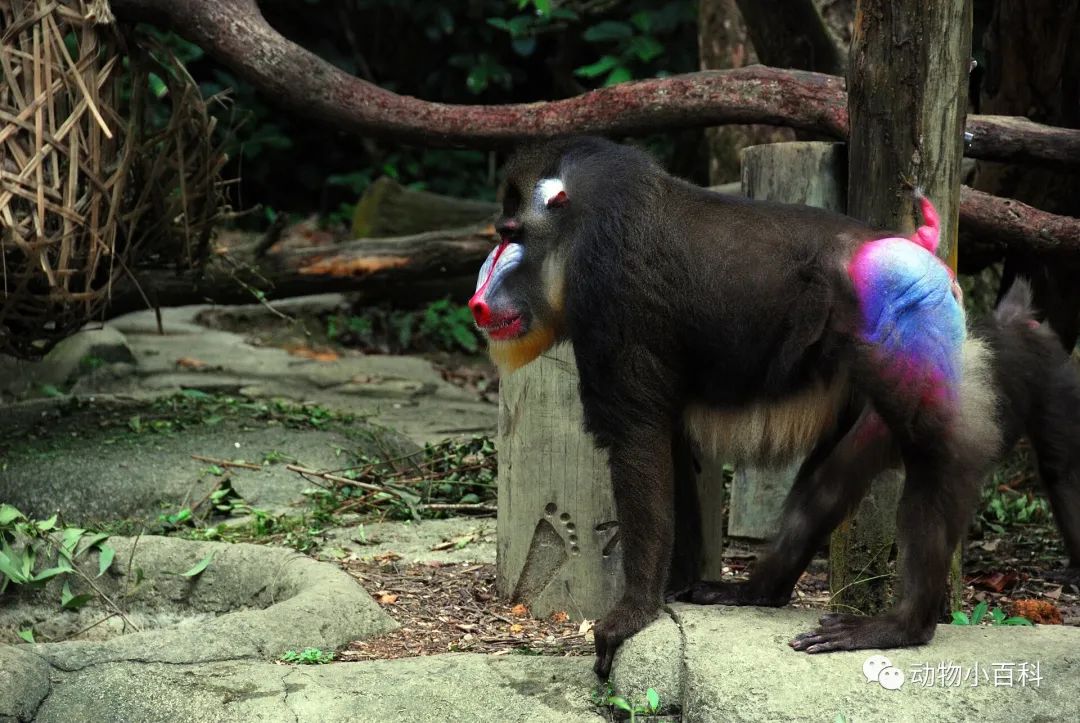
Adult male mandrills are the largest living monkeys and combine large body size with a heavily built skull and prominent canine teeth.
What Does “Strongest Monkey” Actually Mean?
There is no standardized test that compares the maximum pulling, biting, lifting, or fighting strength of all monkey species. Claims such as “this monkey is five times stronger than a human” are usually unsupported unless they come from controlled measurements.
For a realistic comparison, the most useful indicators are:
Adult male body mass: larger males usually have more absolute muscle mass.
Sexual dimorphism: species with much larger males often have intense male competition.
Canine size: large canine teeth are important weapons in many Old World monkeys.
Robust build: thick limbs, shoulders, skulls, and jaws contribute to physical power.
Defensive behavior: some monkeys actively confront predators or rivals.
This list therefore ranks monkeys by a combination of size, anatomy, and documented behavior—not by an imaginary universal “fight score.”
Mandrill
The mandrill is the strongest candidate for the title of most powerful living monkey. Smithsonian material describes male mandrills as the largest monkeys in the world. Animal Diversity Web reports an average male mass around 25 kg, while unusually large males may reach much higher weights.
Mandrills have compact, muscular bodies, long powerful limbs, large heads, and very prominent canine teeth. Males are much larger than females, a pattern associated with strong competition between males.
The old version of this article incorrectly called the mandrill a “drill baboon.” Mandrills and drills are closely related species in the genus Mandrillus, but they are not baboons and they are not the same animal.
Chacma Baboon
The chacma baboon is one of the heaviest true baboons. Adult males commonly weigh about 26–31 kg, making them comparable in body mass to many male mandrills.
Chacma males also have long canine teeth and powerful jaws. Animal Diversity Web notes that baboons have been known to attack leopards and that adult males can inflict serious damage on predators.
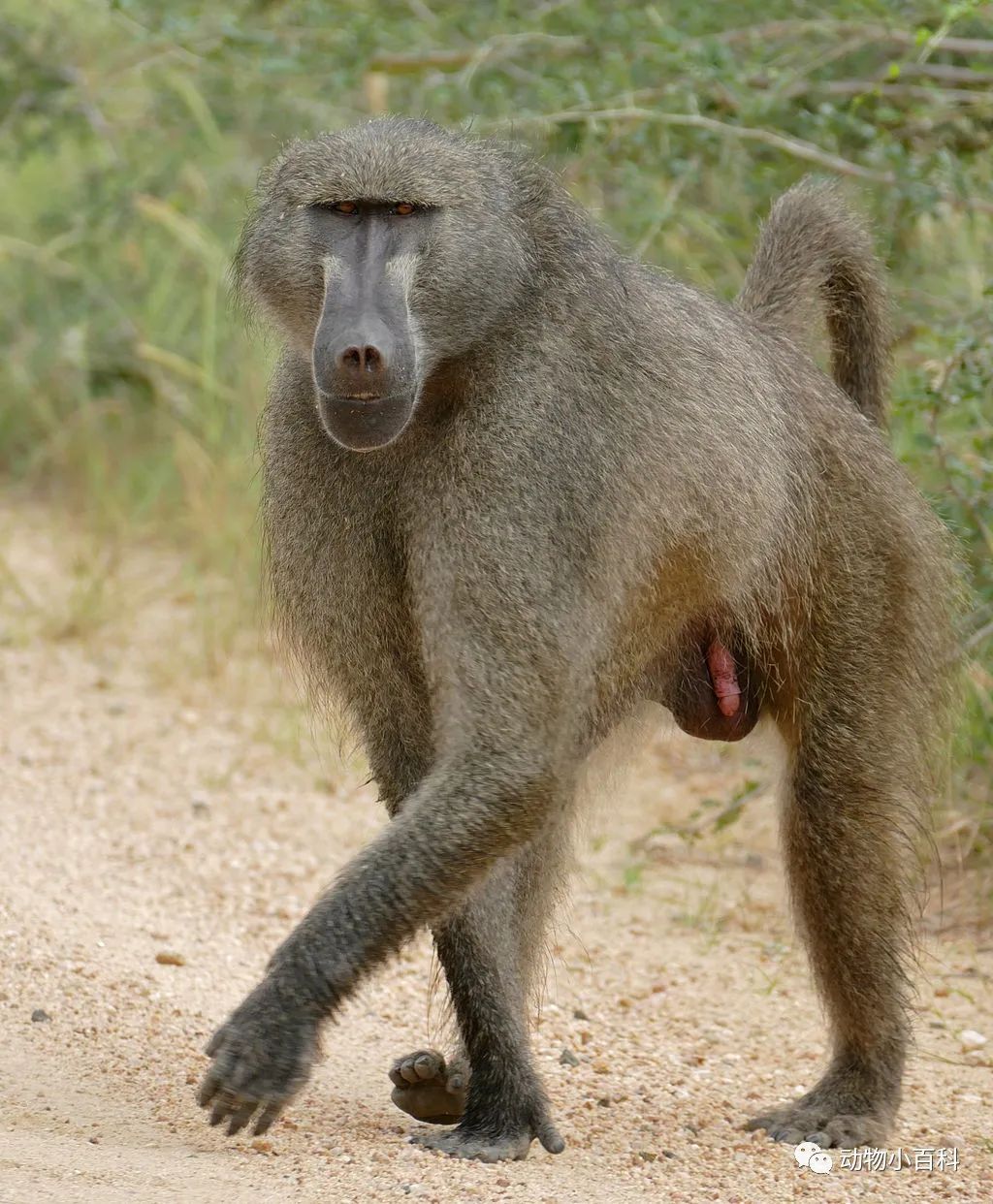
The previous article called this animal a “pig-tailed baboon,” which is not the standard common name for Papio ursinus. The correct name is chacma baboon.
Drill
The drill is a large forest monkey closely related to the mandrill. Adult males average about 25 kg, nearly twice the average mass of females.
Drills have a compact, heavy build, strong limbs, and large canine teeth. Unlike the brightly colored mandrill, an adult male drill has a dark face with a distinctive red lower lip.
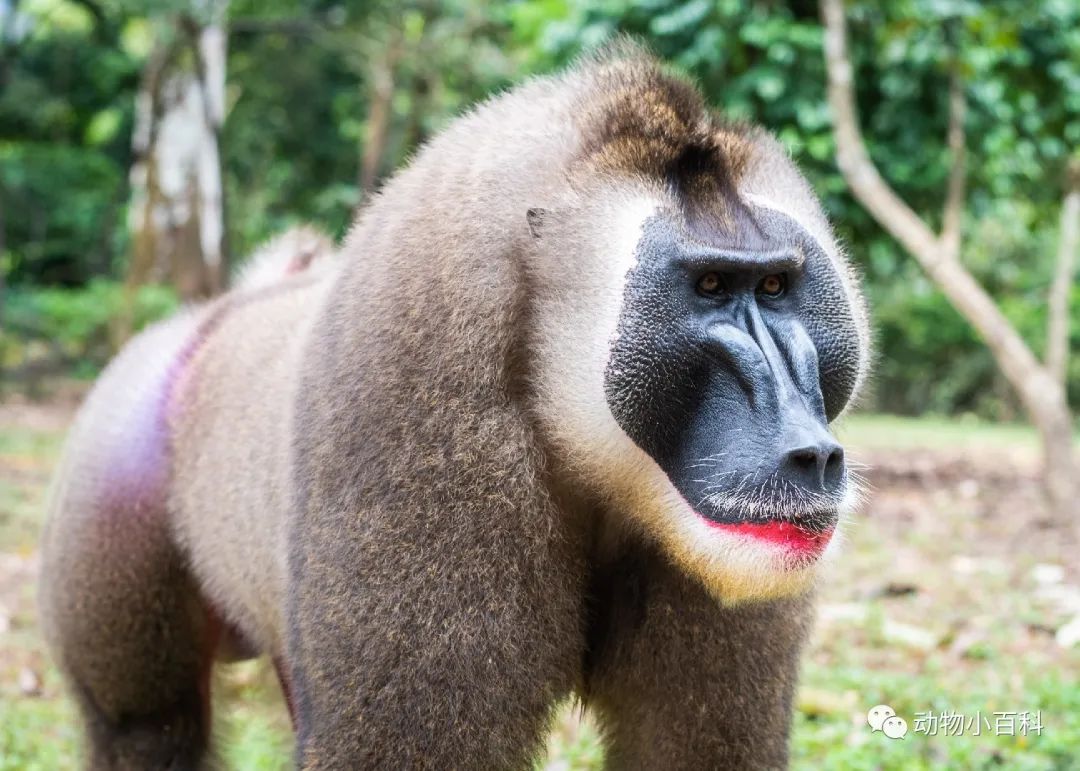
The old page labeled this section “Dracula.” That is not the animal's accepted common name. The correct name is simply drill.
Olive Baboon
The olive baboon, also called the Anubis baboon, is one of the most widespread African baboons. Adult males average around 25 kg, while females are much smaller.
Males develop a broad muscular profile, a large mane around the shoulders, heavy skull ridges, and substantial canine teeth. Those features make adult males formidable in conflicts with rivals and predators.
The previous article called it the “East African baboon.” That description is geographically understandable, but olive baboon or Anubis baboon is the standard common name.
Yellow Baboon
Adult male yellow baboons weigh roughly 23 kg, about twice the mass of many females. They have a long muzzle and large canine teeth sharpened against specialized lower premolars.
Yellow baboons live across parts of eastern and southern Africa and occupy savannas, grasslands, woodland, and forest margins. Their large size and terrestrial lifestyle contribute to their reputation as physically capable monkeys.
The old page used the vague term “grassland baboon.” That should be replaced by the accepted name yellow baboon.
Hamadryas Baboon
Hamadryas baboons are strongly sexually dimorphic. Adult males average about 21.5 kg, compared with roughly 9.4 kg for females. Males also develop a large silver-gray mane that makes the shoulders appear even broader.
Their long canine teeth, large male body size, and terrestrial lifestyle place them among the strongest monkeys, although they are not usually the heaviest baboon species.
Guinea Baboon
Guinea baboons are somewhat smaller than chacma or olive baboons, but adult males can still reach around 26 kg. Males have a long muzzle and large canine teeth.
The older article claimed that Guinea baboons “hunt in large groups” and throw stones at people as a normal defensive behavior. Those statements are too broad and have been removed. Guinea baboons are omnivorous terrestrial primates, and their physical power is better supported by body size and anatomy than by dramatic anecdotes.
Gelada
The gelada is sometimes called the gelada baboon, but it belongs to the genus Theropithecus, not Papio. It is still an Old World monkey.
Adult males average about 20 kg and have a muscular terrestrial build, a long mantle of hair, and large canine teeth. Geladas are unusual because their diet is dominated by grasses and underground plant parts rather than the broad omnivorous diet of most baboons.
The old article's explanation that the name “gelada baboon” comes from a lion-like tail tuft was inaccurate and has been removed.
Tibetan Macaque
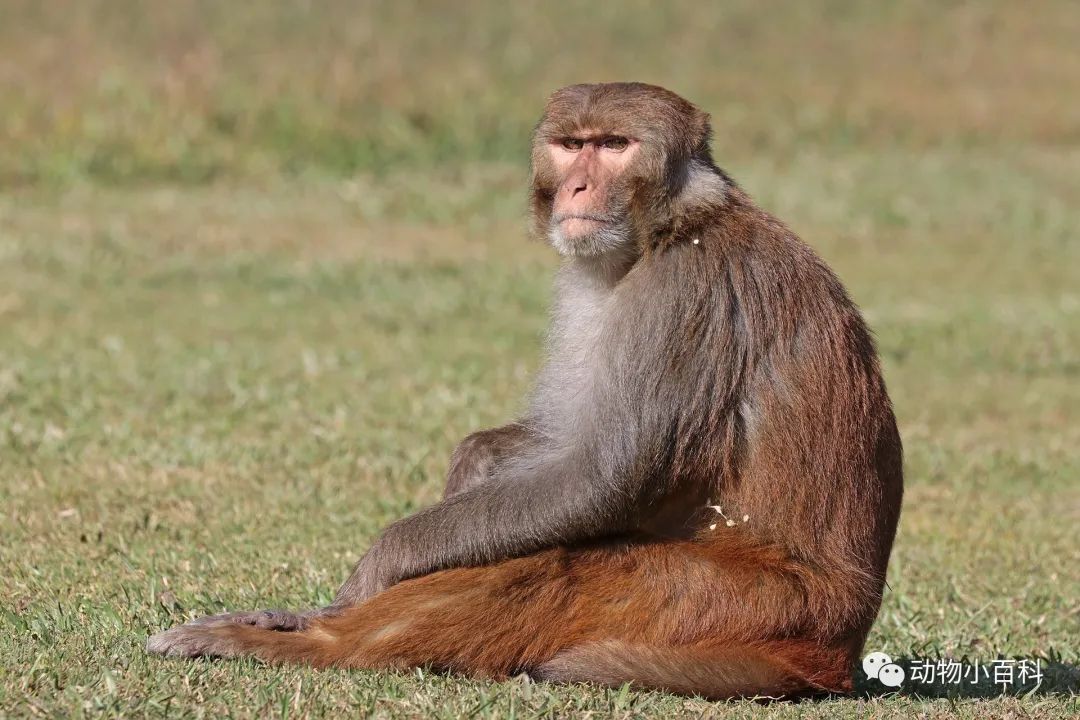
The Tibetan macaque is one of the largest macaques. It has a stocky body, relatively short tail, thick coat, and strong sexual dimorphism, with adult males substantially larger than females.
Its robust build makes it one of the strongest Asian monkeys. However, the old article exaggerated its temperament by describing Tibetan macaques as uniformly irritable and likely to throw stones or attack people. Wild primate behavior depends heavily on context, habituation, food provisioning, and human interaction.
Proboscis Monkey
Adult male proboscis monkeys weigh roughly 16–22 kg, making them large monkeys even though they are not built like baboons. They are endemic to Borneo and are strongly associated with rivers, mangroves, and swamp forests.
The old article described proboscis monkeys as “ferocious” and included the misleading claim that they are the only non-ruminants that chew cud. Proboscis monkeys have specialized multi-chambered stomachs for fermenting leaves, but they are not ruminants in the mammalian order Artiodactyla.
Their inclusion here is based mainly on large adult male body size rather than aggression.
Are Baboons the Strongest Monkeys?
Baboons are among the strongest monkeys because several species combine large body size, powerful jaws, long canine teeth, and terrestrial locomotion. Chacma, olive, yellow, hamadryas, and Guinea baboons all rank highly by those criteria.
Mandrills and drills, however, are not baboons. They belong to the genus Mandrillus. The mandrill is especially notable because it is generally regarded as the world's largest living monkey.
Are Gorillas Stronger Than Monkeys?
Yes, but gorillas are apes, not monkeys. The same is true of chimpanzees, bonobos, orangutans, and gibbons.
Many “strongest monkey” lists incorrectly include gorillas or chimpanzees. This article does not, because the goal is to compare true monkeys only.
For more primate guides, see 10 Rarest Monkeys in the World and Top 10 Smartest Monkeys in the World.
Do Bigger Canines Mean a Stronger Monkey?
Not by themselves. Large canines can make an adult male more dangerous during a bite or display, but overall physical power also depends on body size, skull structure, muscle mass, limb strength, and behavior.
Large canine teeth are particularly conspicuous in mandrills, drills, baboons, and some macaques. In many species, males have much larger canines than females because the teeth are involved in competition and threat displays.
Which Monkey Has the Strongest Bite?
There is not enough standardized comparative data to name one living monkey as the proven bite-force champion. Bite-force estimates found on popular websites are often derived from skull models, indirect calculations, or uncited claims rather than comparable measurements from living animals.
It is therefore safer to say that large mandrills and baboons have powerful jaws and formidable canine teeth without assigning an unsupported bite-force number.
Frequently Asked Questions
What is the strongest monkey in the world?
The mandrill is the strongest candidate among living true monkeys because adult males are the largest living monkeys and combine heavy body mass with robust limbs, jaws, and large canine teeth. However, no scientific study ranks every monkey species by total body strength.
What is the biggest monkey?
The mandrill is generally recognized as the world's largest living monkey. Adult males average around 25 kg, while exceptional individuals can be considerably heavier.
Are baboons monkeys?
Yes. Baboons are Old World monkeys in the family Cercopithecidae and genus Papio.
Is a mandrill a baboon?
No. Mandrills are closely related to baboons but belong to the genus Mandrillus, not Papio.
Is a drill the same as a mandrill?
No. The drill (Mandrillus leucophaeus) and mandrill (Mandrillus sphinx) are separate species in the same genus.
Is a gelada a baboon?
The common name “gelada baboon” is still used, but geladas belong to the genus Theropithecus, not the true baboon genus Papio.
Are gorillas monkeys?
No. Gorillas are apes. Apes and monkeys are both primates, but they belong to different branches of the primate family tree.
Which monkey is most dangerous to humans?
There is no universal answer. Risk depends on species, individual behavior, habituation, food provisioning, and how closely humans interact with the animals. Large baboons, mandrills, and macaques can cause serious injuries if threatened, but they should not be described as naturally seeking conflict with people.
Official and Reference Sources
Final Takeaway
If “powerful” means a combination of adult male size, muscular build, canine weapons, and defensive ability, the mandrill, chacma baboon, drill, and olive baboon are among the strongest living monkeys. The most important point is that there is no scientifically measured universal strength ranking. A useful comparison should rely on verified anatomy and behavior rather than dramatic stories about “fighting power.”