“Low-maintenance” should never mean “little or no care.” Every pet needs a suitable environment, food, health care, opportunities for natural behavior, and the right amount of companionship. For people who work long hours, the better question is: which pets have care routines that can realistically fit around a busy schedule without compromising welfare?
For many busy adults, a calm adult cat, a well-established aquarium, or a properly housed hamster may be easier to manage than a dog, parrot, rabbit, or guinea pig. But even the easier options still need daily checks and regular maintenance. If you are away from home for very long periods every day, travel frequently, or cannot arrange backup care, waiting to get a pet may be the most responsible choice.
Best Low-Maintenance Pet Options for Busy People
| Pet | Daily interaction need | Routine care | Good fit for long workdays? |
|---|---|---|---|
| Adult cat | Moderate | Feeding, litter, play, health check | Often a good fit with a reliable routine |
| Established aquarium | Low handling | Feeding, water testing, filter and water changes | Can work well once properly established |
| Hamster | Low to moderate | Food, water, spot cleaning, enclosure maintenance | Often workable for evening-based schedules |
| Some reptiles | Low handling | Heat, light, humidity, feeding, enclosure checks | Possible, but setup must be precise |
| Guinea pigs | Moderate | Hay, fresh food, social care, frequent cleaning | More work than many people expect |
| Rabbits | Moderate to high | Hay, exercise, companionship, cleaning, enrichment | Usually not a low-maintenance choice |
| Dogs | High | Toilet breaks, exercise, training, companionship | Usually difficult without midday help |
| Parrots and many pet birds | High | Social interaction, enrichment, cleaning, diet | Usually not ideal for very long absences |
The easiest pet to care for is not necessarily the smallest one. Choose an animal whose daily welfare needs match the time, space and budget you can reliably provide.
What “Low-Maintenance” Really Means
A low-maintenance pet is not a pet that can simply be left alone. It is an animal whose daily care is relatively predictable and whose needs can be met consistently around your work schedule.
A useful way to judge suitability is to look at five areas: health, natural behavior, companionship, diet and environment. These are the same broad welfare needs emphasized by animal-welfare organizations such as PDSA. The best pet for a busy person is one whose needs in all five areas can still be met every day.
Before choosing a pet, ask yourself:
How many hours am I usually away from home?
Can I provide care before and after work every day?
Do I travel overnight or work unpredictable shifts?
Can I arrange a pet sitter, dog walker or trusted backup person?
Do I have enough space for the correct enclosure or exercise area?
Can I afford routine veterinary care and unexpected emergencies?
If the answer to several of these is “no,” the lowest-maintenance option may be to postpone pet ownership rather than choose an animal that receives inadequate care.
Adult Cats: Often a Practical Choice, but Not “Leave-All-Day” Pets
Adult cats are often easier to fit around a working schedule than dogs because they do not need outdoor toilet breaks or walks. Their personalities are also more established than those of kittens, which can make it easier to choose an individual cat whose activity level and temperament suit a quieter household.
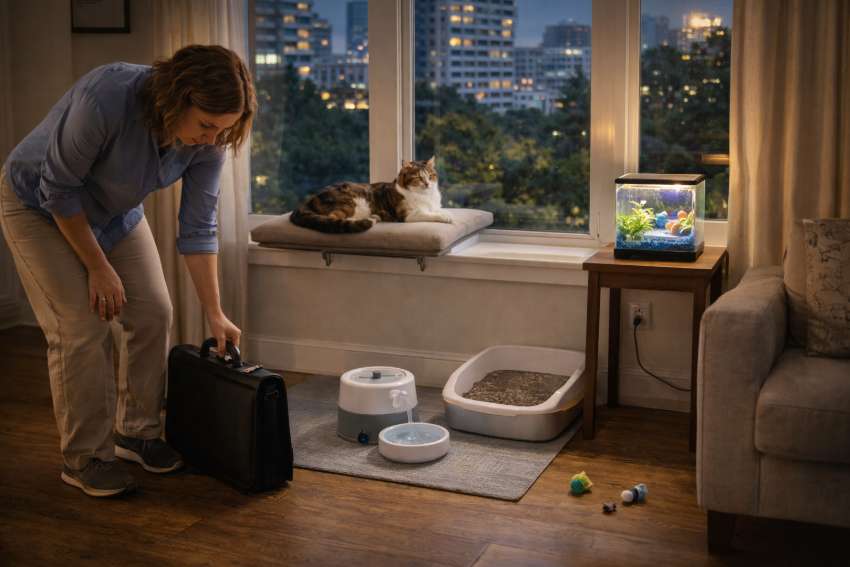
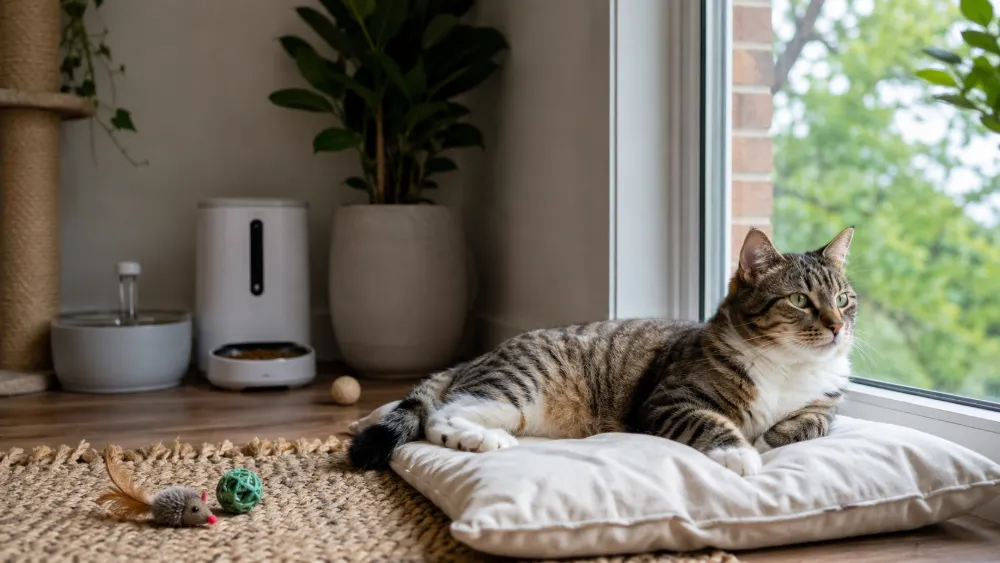
However, cats still need daily interaction, enrichment, litter-box care and health checks. The RSPCA advises that cats should not routinely be left alone for long periods during the day and recommends providing toys and food devices when they are alone.
What a busy cat owner still needs to do
Provide fresh water and an appropriate feeding routine.
Scoop litter boxes every day and clean them regularly.
Spend time playing, grooming or interacting with the cat.
Provide scratching surfaces, hiding places and vertical space.
Watch for changes in appetite, toileting, movement or behavior.
A timed feeder can help keep meal times consistent, but it does not replace human care. Likewise, adopting two cats is not automatically a solution to loneliness; only cats known to be compatible should be housed together.
Fish: Low Interaction Does Not Mean Low Responsibility
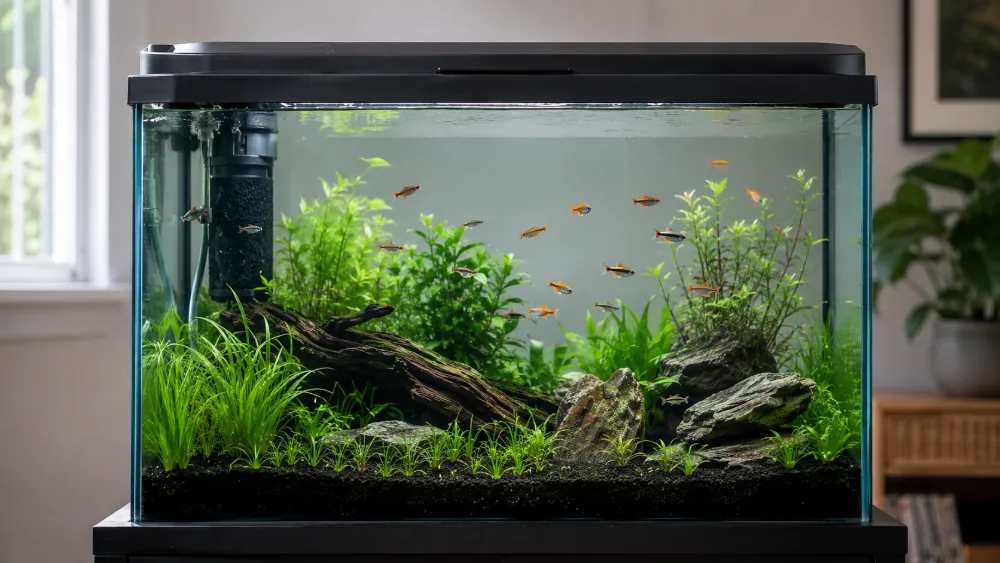
Fish are often described as easy pets because they do not require walks or handling. In reality, an aquarium can be relatively predictable once it is mature and stable, but the setup phase requires careful work.
The RSPCA recommends properly sized aquariums, effective filtration and fishless cycling before fish are introduced. Water quality must be monitored because clear water is not necessarily safe water. Filters, partial water changes and species-appropriate temperature all remain part of routine care.
Why fish can work for busy people
They do not need direct social interaction with humans.
Feeding routines are usually quick.
A stable aquarium has predictable maintenance tasks.
Lighting can be placed on a timer.
Why fish are not “set and forget” pets
Water chemistry must be monitored.
Filters need maintenance.
Partial water changes are necessary.
New tanks need time to cycle before fish are added.
Different species have different temperature and space requirements.
A larger, properly filtered aquarium is generally more stable than a tiny bowl. If you want fish because you work long hours, invest time in correct setup before choosing the animals.
Hamsters: A Better Match for Some Evening Schedules
Hamsters can fit some busy lifestyles because their active period often overlaps with evenings, when many owners return from work. They also do not require walks, and many commonly kept hamsters are housed alone rather than in social groups.
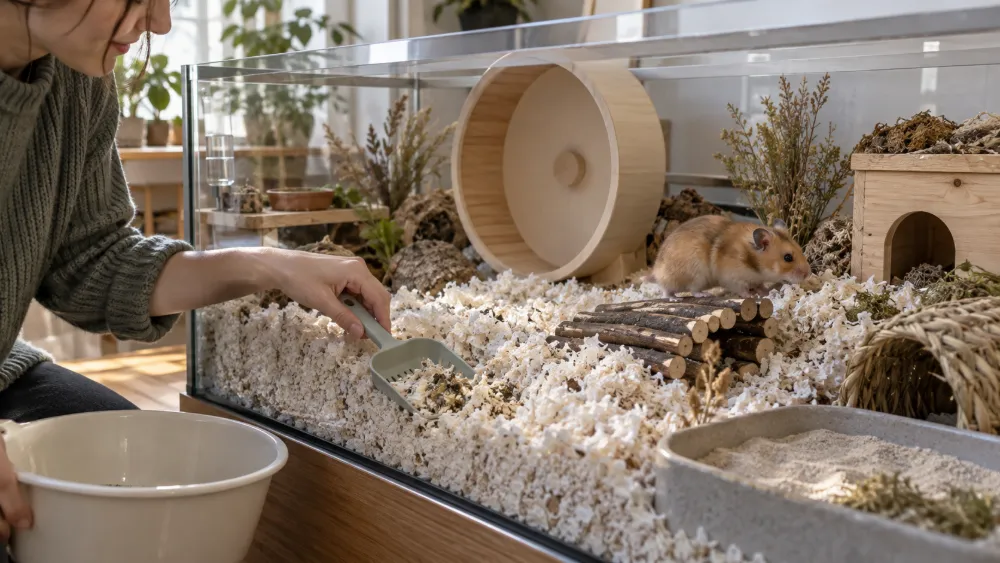
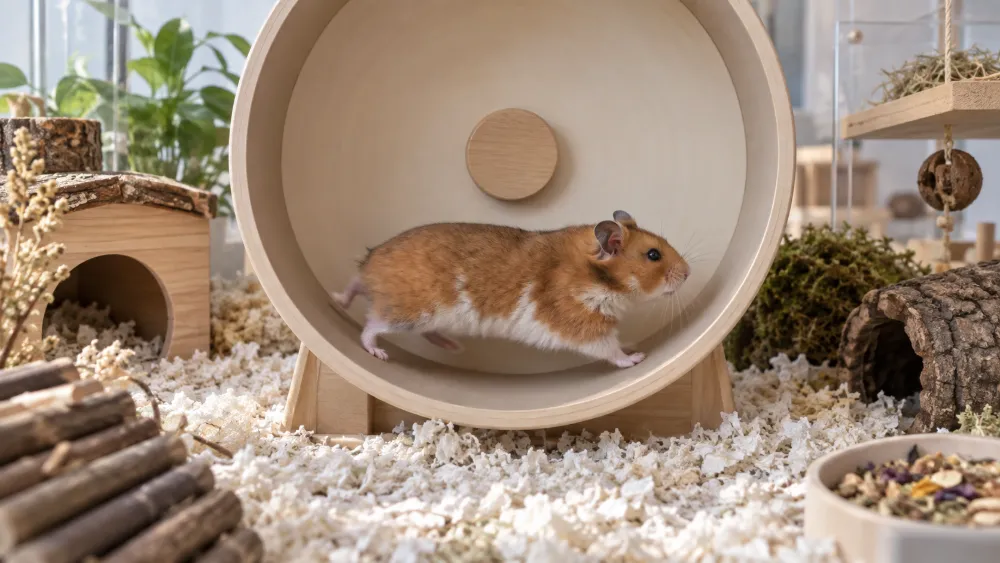
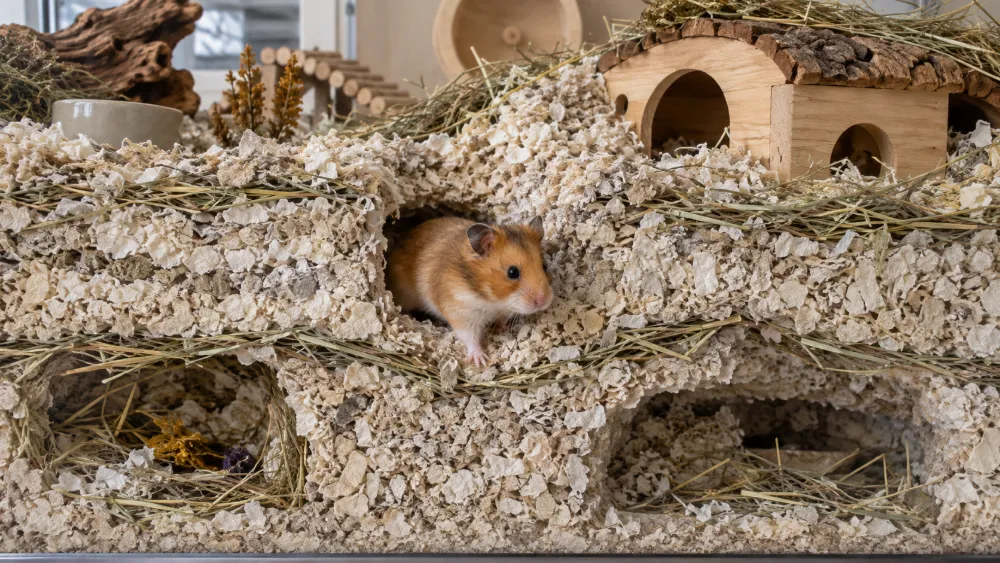
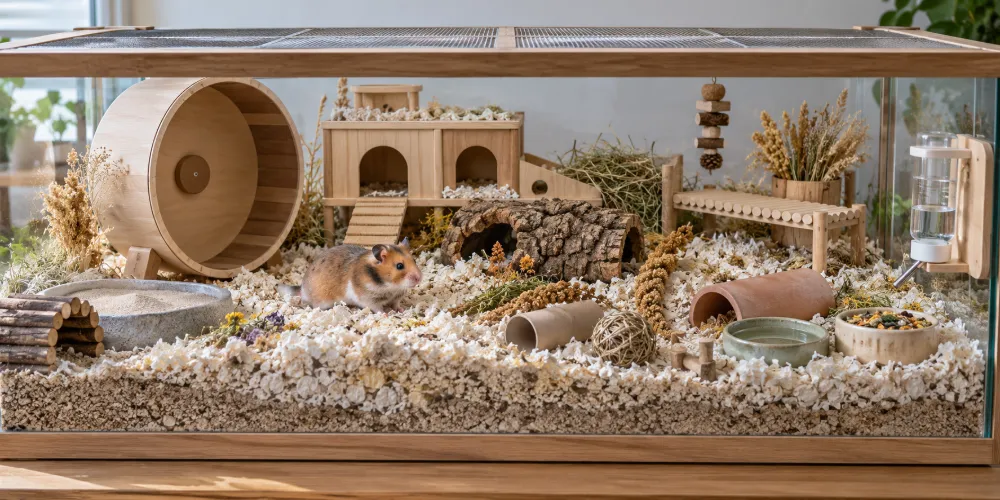
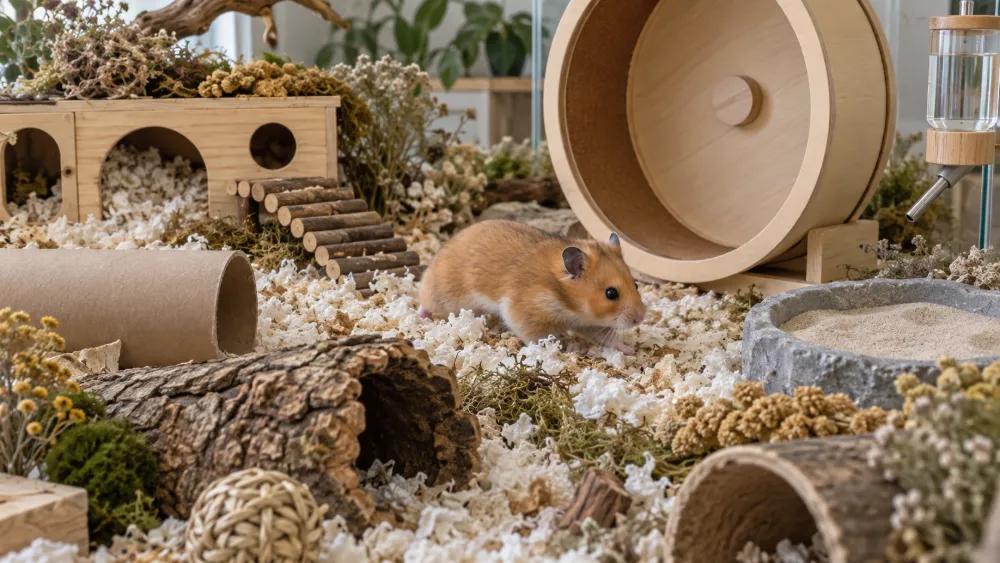
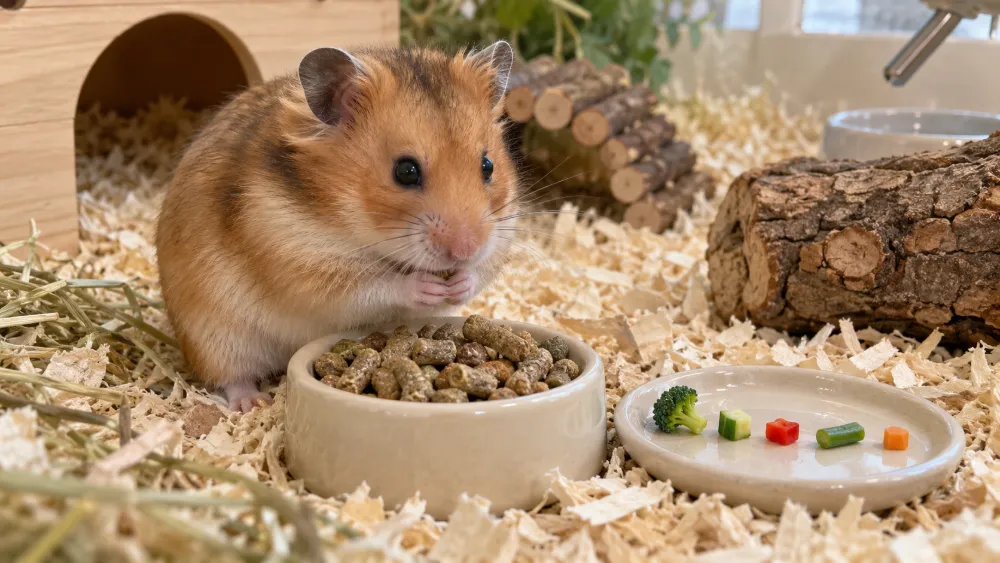
That does not mean a small cage and a bowl of food are enough. Hamsters need a spacious, secure enclosure, deep bedding for digging, places to hide, exercise opportunities, fresh water and regular cleaning.
A hamster may suit you if you can reliably check food and water every day, remove soiled bedding as needed, provide enrichment and perform regular enclosure maintenance.
Guinea Pigs: More Daily Work Than Their Size Suggests
Guinea pigs are often sold as easy starter pets, but their care is more involved than many new owners expect. PDSA emphasizes that guinea pigs are social animals and need companionship from other guinea pigs. They also need constant access to hay or grass, fresh water, appropriate pellets and fresh vegetables.
Their housing requires regular cleaning, and wet bedding or leftover fresh food should be removed frequently. For someone who regularly works very long shifts and wants minimal daily chores, guinea pigs are therefore not usually one of the easiest options.
Rabbits: Usually Not a Low-Maintenance Choice
Rabbits need more space, social care and daily management than their reputation as “cage pets” suggests. PDSA recommends keeping rabbits with a compatible rabbit companion rather than alone. They also require constant access to hay, fresh water, appropriate food, exercise space and enrichment.
Rabbits can chew furniture and cables, need regular cleaning, and may require veterinary care from a practice experienced with rabbits. They can be excellent pets for committed owners, but they should not be chosen simply because they look easier than a dog or cat.
Reptiles: Low Interaction, High Setup Precision
Some reptiles require less direct social interaction than mammals and birds, which can make them appealing to people with busy schedules. The trade-off is that their environment has to be correct.
Depending on the species, a reptile may need carefully controlled temperature gradients, humidity, ultraviolet lighting, secure housing and species-specific feeding. RSPCA care guides for snakes and geckos, for example, emphasize correct humidity, heat and UV lighting.
This means a reptile may be low interaction, but it is not necessarily low responsibility. Timers and thermostats can automate parts of the setup, but equipment still needs checking and specialist veterinary care may be harder to find.
If you are new to reptiles, browse the Reptiles section before choosing a species.
Dogs: Usually the Hardest Fit for Very Long Workdays
Dogs generally need more time-sensitive daily care than the pets above. Toilet breaks, exercise, training, mental stimulation and companionship all have to fit into the day.
If you are away from home for long shifts, a dog may still be possible if you can reliably arrange help, such as a dog walker, daycare or another household member. A calm adult dog with a known temperament may be easier than a puppy, but no breed eliminates the need for daily exercise and interaction.
If you are determined to get a dog, read Best Dog Breeds for First-Time Owners and Best Apartment Dog Breeds for Busy Owners before deciding.
Birds: Social Needs Can Make Long Absences Difficult
Many pet birds are highly intelligent and social. Parrots in particular can require substantial daily interaction, mental stimulation and opportunities to forage, play and exercise.
A bird may be physically small but still have demanding social and environmental needs. If your normal routine means leaving home early and returning late with little time for interaction, many bird species are poor candidates for a “low-maintenance” pet.
Match the Pet to Your Actual Work Schedule
| Your schedule | More realistic options | Options needing extra planning |
|---|---|---|
| Standard workday, home every evening | Adult cat, hamster, established aquarium | Dog with suitable routine, some reptiles |
| Long shifts several days a week | Established aquarium, hamster | Cat with reliable care plan; dog usually needs help |
| Frequent overnight travel | No pet without a dependable sitter or caretaker | All pets require a backup-care plan |
| Unpredictable schedule | Pets with stable, easily delegated routines | Avoid animals needing frequent time-sensitive interaction |
This table is only a planning guide. Individual animals differ, and species-specific welfare requirements always come first.
Hidden Costs Busy Pet Owners Should Budget For
A busy schedule can actually make pet ownership more expensive. Convenience and backup care often cost money.
Pet sitting: needed for travel, late nights or emergencies.
Dog walking or daycare: often essential for long workdays with dogs.
Automatic equipment: feeders, lighting timers, thermostats or water fountains can help but still require monitoring.
Cleaning supplies: litter, bedding, aquarium filters and other consumables add up.
Veterinary care: emergencies do not wait for a convenient work schedule.
For more planning help, see Pet Care on a Budget.
Red Flags That Your Schedule Is Not Working for Your Pet
Whatever pet you choose, changes in behavior or health can signal that its needs are not being met. Examples include:
persistent appetite changes
unexpected weight loss
repeated toileting problems
stereotypic or repetitive behavior
destructive behavior or panic when left alone
poor coat, feather or skin condition
persistent hiding or unusually low activity
These signs can also indicate medical problems, so contact a veterinarian when you notice a significant or persistent change rather than assuming the issue is simply boredom.
Frequently Asked Questions
What is the best low-maintenance pet for someone who works long hours?
There is no single best choice. A calm adult cat, a properly established aquarium or a well-housed hamster can fit some busy schedules better than a dog, parrot, rabbit or guinea pig. The right choice depends on how long you are away, your home, your budget and whether you can provide daily care and backup care.
Can a cat be left alone all day while I work?
Many adult cats cope with a normal working day when they have a suitable environment and consistent care, but cats should not routinely be left alone for excessively long periods. They still need daily interaction, litter care, feeding, enrichment and health checks.
Are fish the easiest pets for busy people?
Fish need little direct interaction, but aquariums require correct setup, filtration, water testing and regular maintenance. Once a tank is mature and stable, the routine can be predictable, but fish are not maintenance-free.
Are hamsters good pets for people who work during the day?
They can be. Hamsters are often more active in the evening and do not require walks, but they still need a large enriched enclosure, fresh food and water, daily checks and regular cleaning.
Are rabbits low-maintenance pets?
No. Rabbits need companionship from other rabbits, plenty of space, constant access to hay, exercise, enrichment and regular cleaning. They are usually more demanding than new owners expect.
What if I travel frequently for work?
Every pet needs a reliable care plan when you are away. If you cannot arrange a knowledgeable sitter or caretaker, frequent overnight travel may be a reason to postpone getting a pet.
Official Sources and Further Reading
Final Takeaway
The best pet for a person who works long hours is not the animal with the fewest chores; it is the animal whose needs you can meet consistently every day. Adult cats, mature aquariums and hamsters can be more compatible with busy schedules than dogs, parrots, rabbits or guinea pigs, but none are maintenance-free. Choose based on your real working hours, travel habits, budget, space and backup-care options—not on the assumption that a small or independent-looking animal can simply be left alone.