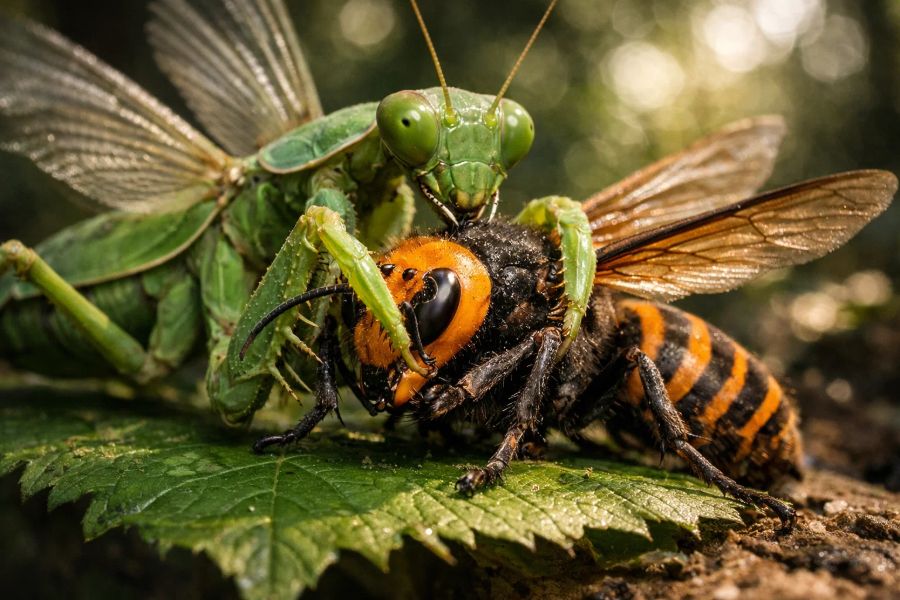
Mantis vs Giant Hornet: Ambush Predator vs Armored Flying Wasp
At first glance, Mantis vs Giant Hornet sounds like a straightforward insect duel: one animal built to grab and crush, the other armed with speed, jaws, and a painful venomous sting. Zoologically, however, this comparison is trickier than it looks. “Mantis” refers to thousands of predatory insects...
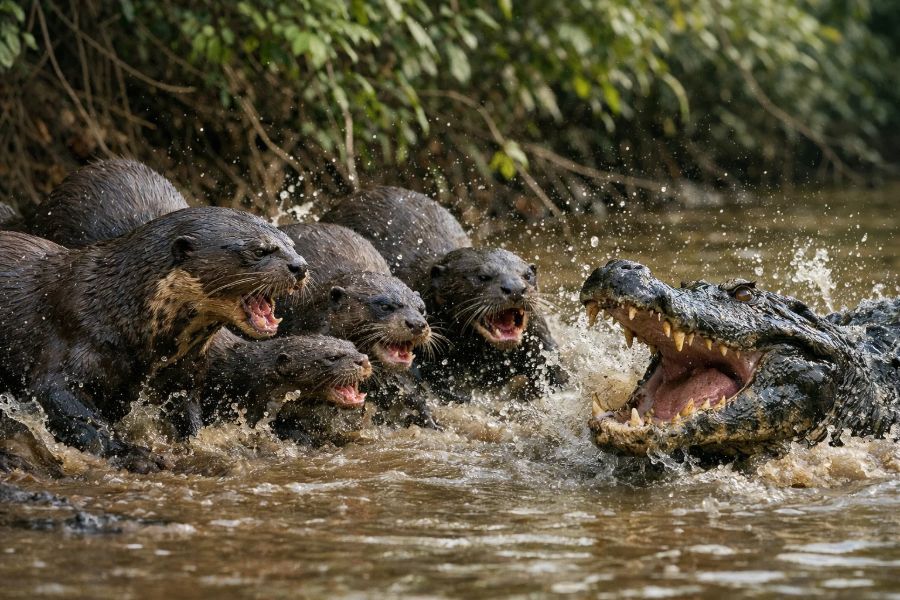
Giant Otter vs Caiman: Teamwork, Teeth, and the Reality of an Amazon Rivalry
At first glance, Giant Otter vs Caiman sounds like a simple matchup between a mammal and a crocodilian. In reality, it is more complicated. A giant otter (Pteronura brasiliensis) is the largest living otter, an endangered, highly social freshwater carnivore that hunts mainly fish in family groups. A...
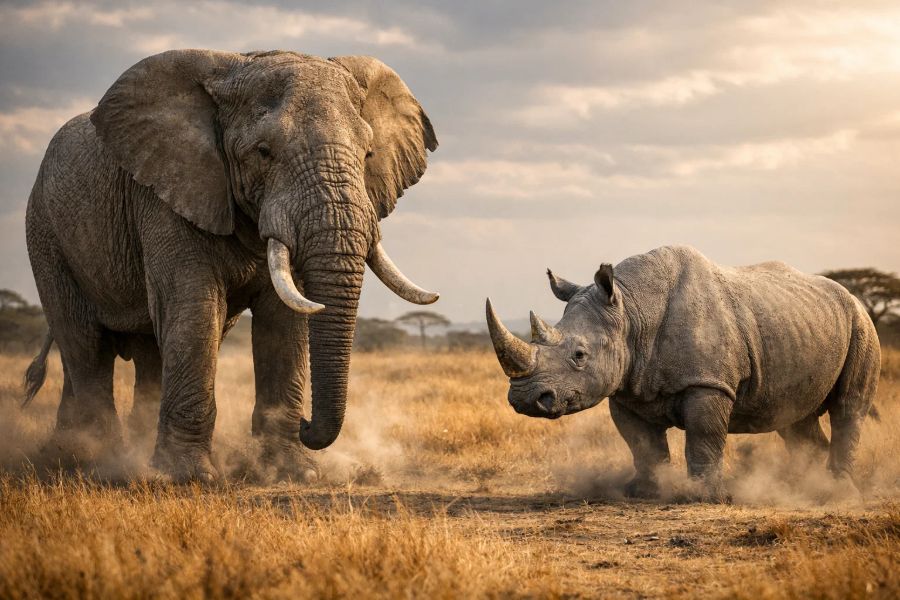
African Elephant vs Rhino: Which African Giant Has the Edge?
When people imagine a clash between an African elephant and a rhino, they usually picture raw power versus armored aggression. It is a compelling matchup—but zoologically, the answer is not as simple as “one always beats the other.” In Africa, “rhino” usually means either the white rhino (Cerat...
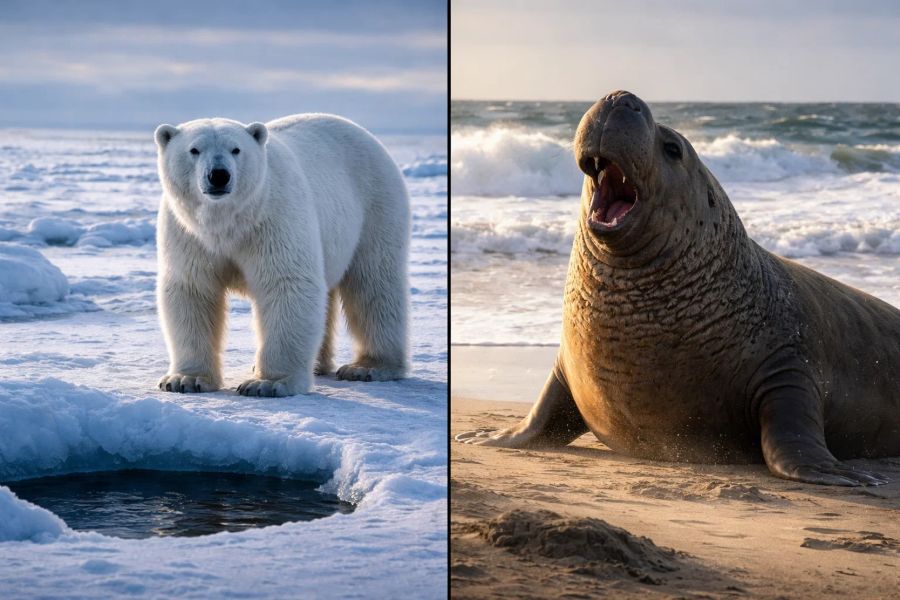
Polar Bear vs. Elephant Seal: A Zoologist’s Reality Check on a “Clash of Titans”
At first glance, Polar Bear vs Elephant Seal sounds like a perfect “who’s the ocean boss?” matchup. But biology starts with geography:Polar bears (Ursus maritimus) are Arctic sea-ice hunters, built to stalk seals from the ice. Elephant seals (Mirounga spp.) are deep-diving pinnipeds—with norther...

Elephant Seal (Mirounga): Size, Weight, Range, and Reproduction
One of the most social marine animals you can see on beaches is the elephant seal, a large pinniped in the genus Mirounga. Pinnipeds are marine mammals with limbs adapted into flippers. Elephant seals are famous for their enormous size—adult males can weigh several tons—and for their dramatic bree...
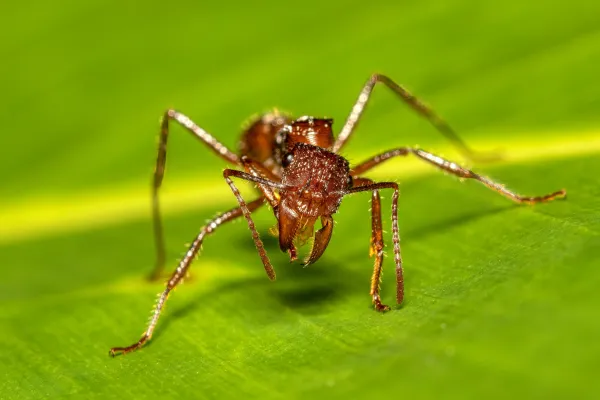
Bullet Ant (Paraponera clavata): Characteristics, Size, Sting, and Habitat
Ants are familiar insects because many species thrive around gardens and homes. But deep in the tropical forests of Central and South America lives a very different kind of ant: the bullet ant (Paraponera clavata). Reaching impressive sizes and armed with one of the most painful stings in the insect...

Chinese Giant Salamander (Andrias davidianus): Characteristics, Size, Diet, and Why It’s Endangered
Amphibians go through a remarkable life cycle: they begin fully dependent on water, then transform through metamorphosis as legs and lungs develop. Salamanders are part of this group, and while many species are small, a few are truly enormous. The Chinese giant salamander is famous for its impressiv...

Winter Pet Safety: How Cold Is Too Cold for Dogs and Cats?
Cold weather can be refreshing for many pets—but “winter-safe” depends on far more than the number on the thermometer. Wind, moisture, time outside, your pet’s coat and body size, and their health all change the risk. Some dogs can happily hike in snow, while others can become dangerously chille...

Eland (Eland Antelope): Size, Types, Habitat, Diet, Behavior, Calves & Conservation
The eland is one of the most iconic hoofed animals of the African savanna—and also one of the most surprising. At first glance it can look like a “cow–antelope hybrid”: a huge, heavy-bodied herbivore with a deep chest, a noticeable dewlap, and long spiral horns. But despite its size, an eland ca...

Why the Saiga Antelope Is Critically Endangered
Have you ever seen this unusual-looking animal? The Saiga antelope (Saiga tatarica) is one of the most distinctive antelopes in the world, easily recognized by its large, downward-facing nose that resembles a short elephant trunk. While this peculiar appearance makes the species stand out, it has no...

25 Animals of Antarctica: Species List, Features, and Conservation Status
Antarctica, the southernmost continent on Earth, spans approximately 14 million square kilometers. It is one of the coldest, most remote, and least inhabited places on the planet. Despite its harsh conditions, this frozen continent is home to a surprising number of unique and resilient animal specie...

The Habitat of the Giant Panda: Where They Live, What They Need, and Whether They're Still Enda
The giant panda (Ailuropoda melanoleuca), commonly known simply as the panda, is a mammal belonging to the order Carnivora. However, its diet is mostly herbivorous. While it occasionally consumes insects, bird eggs, or small mammals, its primary food source is bamboo.A lesser-known fact is that the...

Wood Ant: Characteristics, Habitat, and Reproduction
Among the many species of ants found in nature, wood ants are among the most common. Named for their ability to chew through wood to build their nests, these ants are often mistaken for termites. Although they are important members of many ecosystems, they can become a nuisance in human environments...
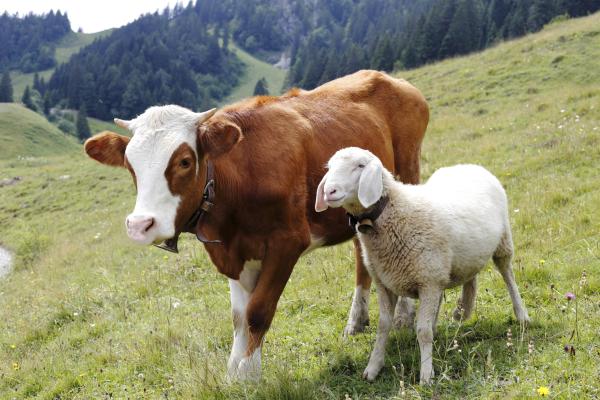
What Are Ruminant Animals? Full Guide to Ruminant Types, Digestive System, and Examples
Ruminant animals are a remarkable group of herbivores able to convert low-nutrient plant matter into body mass and valuable products such as milk, meat, and leather. Thanks to their highly specialized digestive system, ruminants have played a crucial role in agriculture and ecosystems worldwide. Wha...



Xenoperdix udzungwensis
Xenoperdix udzungwensis is Udzungwa Forest-partridge, no subspecies. Specific habits are unknown.Listed on the International Union for Conservation of Nature (IUCN) 2016 Red List of Threatened Species ver 3.1 - Endangered (EN).Protect wild animals and eliminate wild meat.Maintaining ecological balan...
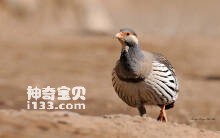
Tetraophasis caucasicus
Tetraophasis caucasicus, Caucasian Snowcock, likes to form groups, usually in small groups of 3-5 birds. In areas with high density, large groups of 10-20 and even up to 100 individuals can be seen. Active during the day, from dawn until dusk, often walking up the mountainside to forage until the to...


