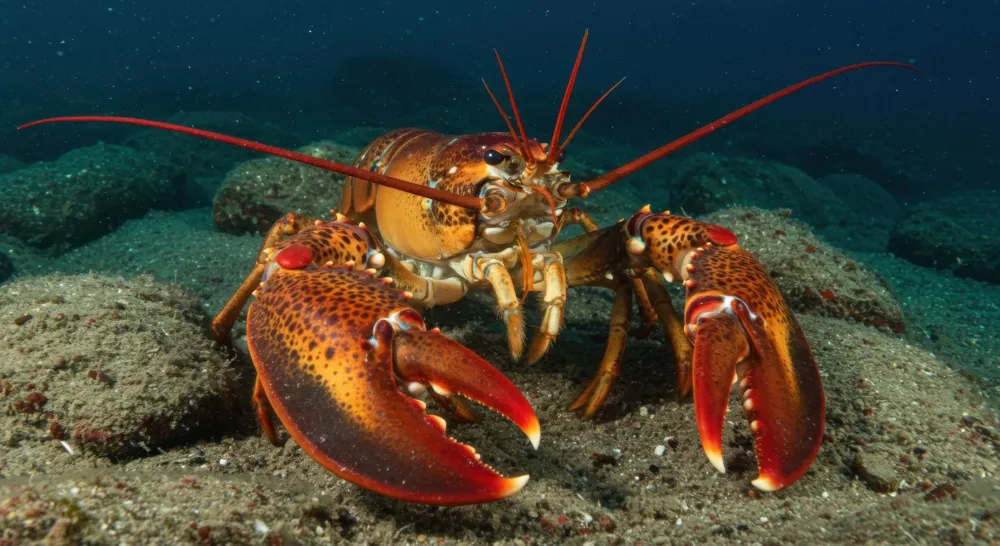
Can Lobsters Regrow Their Claws?
Yes, lobsters can regrow lost claws. After a claw is detached, the animal seals the wound and begins developing replacement tissues. The new claw grows as a regenerating limb bud and becomes externally visible during a later molt, when the lobster sheds its old exoskeleton. The replacement is often...
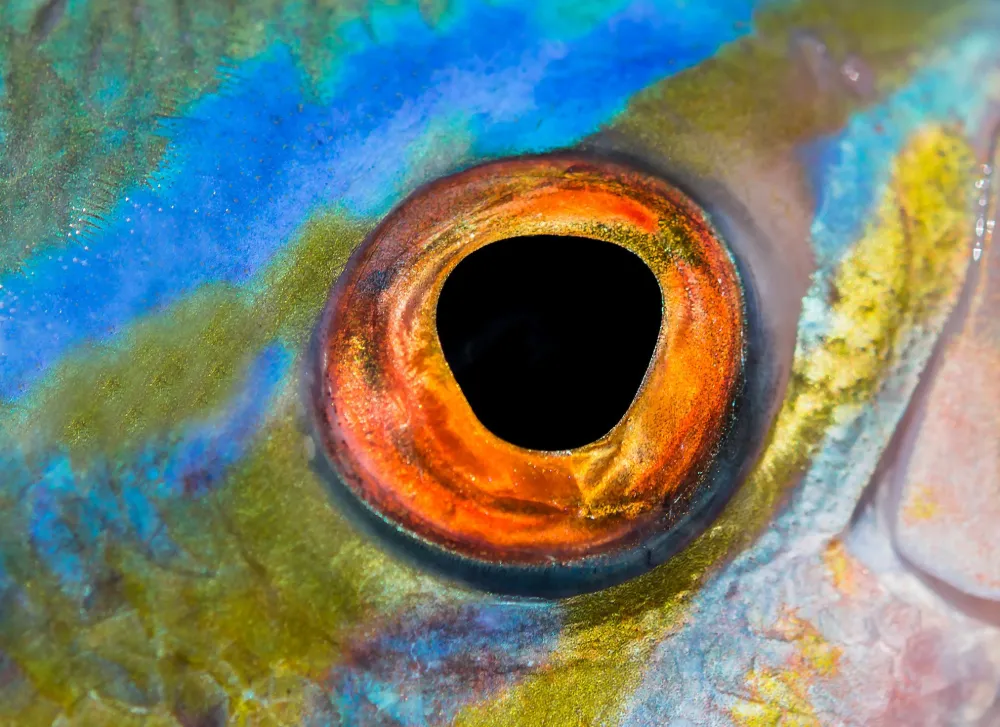
Can Fish See Water? How Fish Vision Really Works
Fish can see objects, particles, bubbles, light patterns, and boundaries in water, but they probably do not perceive uniformly clear water as a separate visible object. Just as humans normally look through clean air without noticing the air itself, fish see their surroundings through the water aroun...
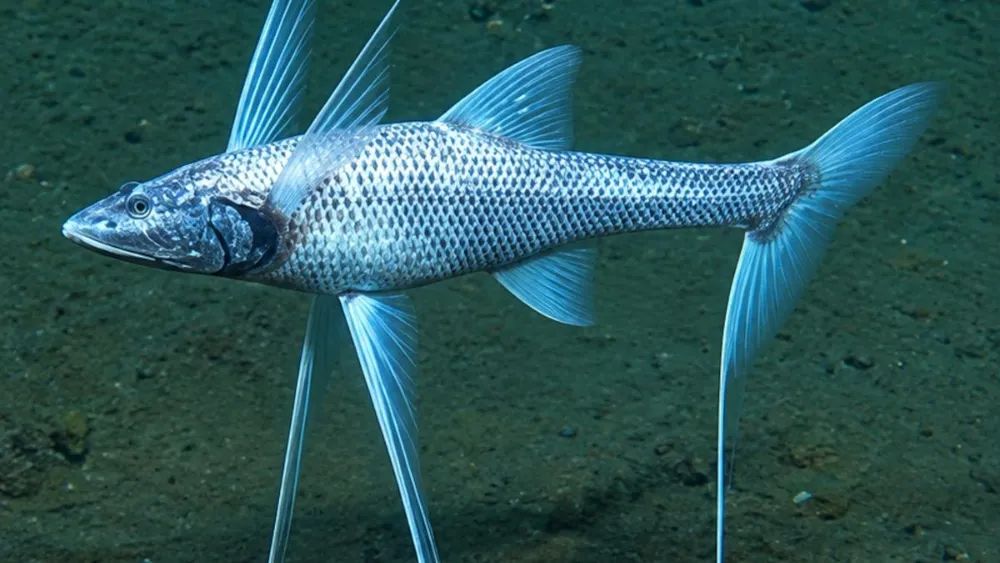
Tripod Fish: The Deep-Sea Fish That Stands on Stilts
The tripod fish is a remarkable deep-sea fish that can stand above the ocean floor using three extraordinarily long fin extensions. One of the best-known species, Bathypterois grallator, rests on two elongated pelvic-fin rays and an extended ray from the lower part of its tail fin. It faces into the...
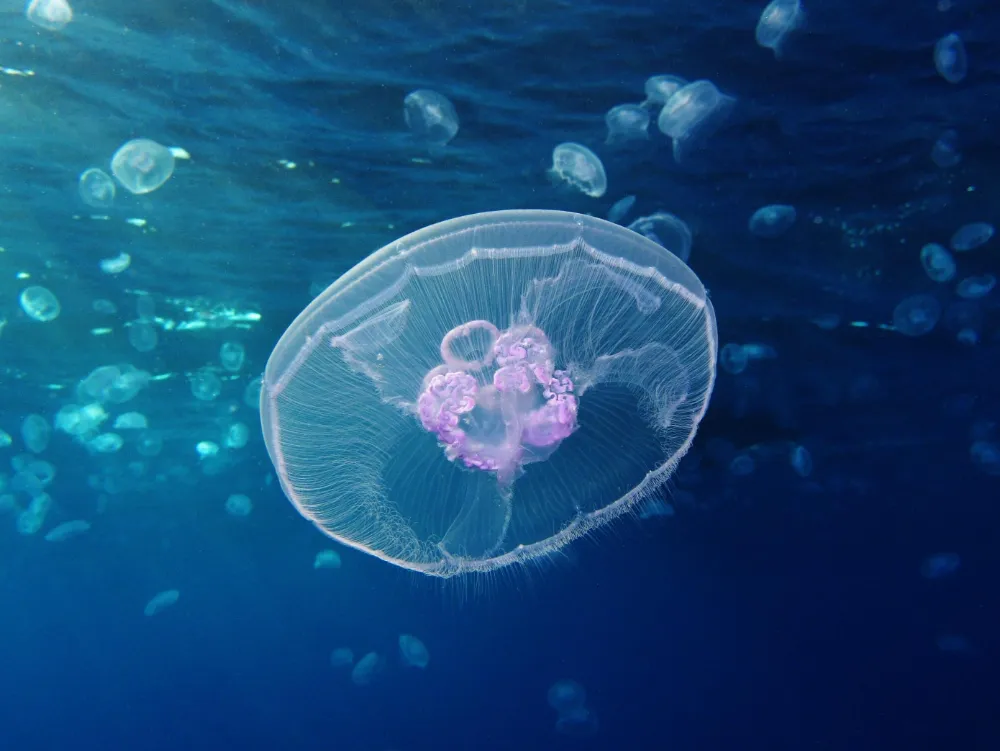
Do Jellyfish Have Brains? How They Survive Without One
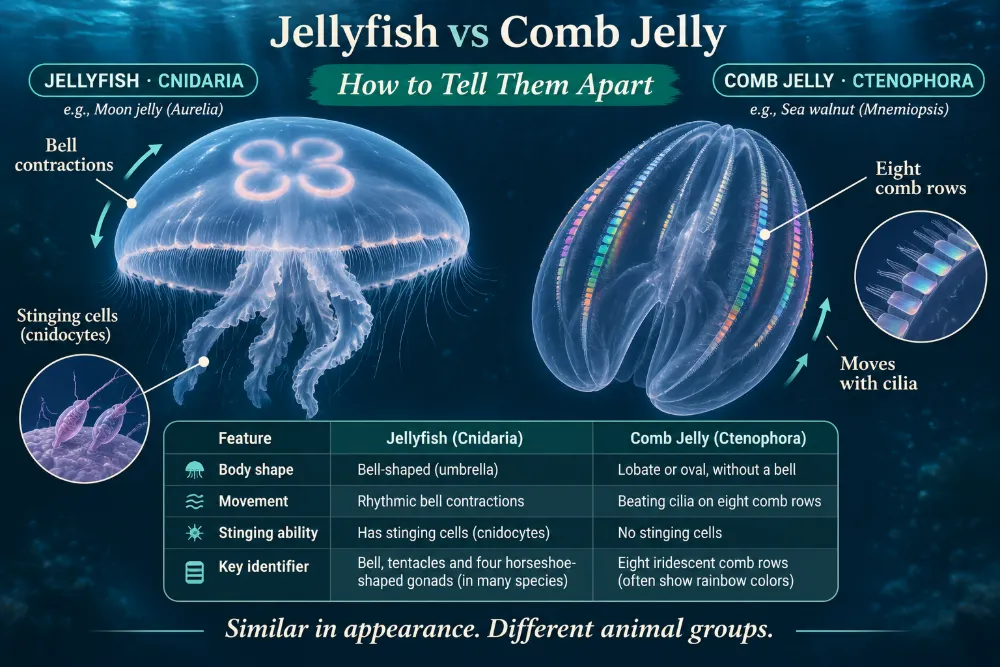
No, jellyfish do not have brains, but they do have nervous systems. Instead of a centralized brain like those found in humans, fish, and many other animals, jellyfish possess networks of nerve cells distributed throughout their bodies. These nerve networks help them sense their surroundings, coordin...
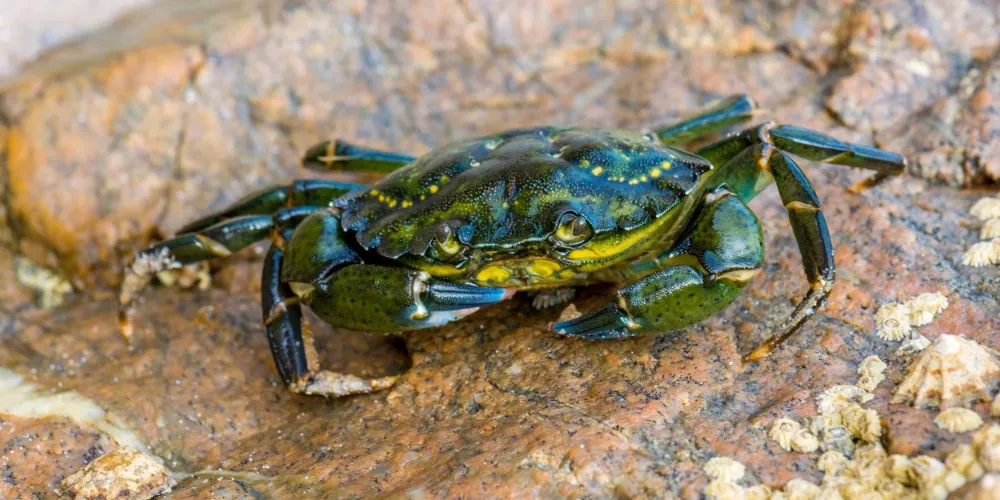
Can Crabs Breathe Out of Water? How Long Can They Survive?
Yes, some crabs can breathe out of water, but their survival depends on the species and environmental conditions. Most aquatic crabs breathe through gills that absorb dissolved oxygen from water. Many shore crabs can also obtain oxygen from air for a limited time, provided their respiratory surfaces...