Skip to content
Animals Top
Home>Animals>Mammal>Ungulata
Mammal Directory

Mammals

Explore mammals from tiny bats and rodents to primates, carnivores, ungulates, whales, and elephants. Each profile connects core facts with habitat, lifespan, traits, and conservation information.

Scientific names IUCN status Lifespan
Numbat
Explore more

Browse Mammal Groups

Use these shortcuts to move into more specific animal groups.

Ungulata

In traditional classification, "Ungulata" is a general term used to refer to mammals with hooves, including Perissodactyla and Artiodactyla. However, with the progress of molecular phylogenetic research, the traditional "ungulates" or "Ungulata" is not a strict monophyletic concept. In modern classification, whales (Cetacea) are included in even-toed ungulates and merged with even-toed ungulates (Artiodactyla) into "Cetartiodactyla". Therefore, when discussing ungulates today, they are usually broken down into two independent major living groups:

  1. Perissodactyla: including horses, rhinos, tapirs, etc., with an odd number of toes (the middle toe bears weight).

  2. Cetartiodactyla: integrates traditional even-toed ungulates (such as pigs, cattle, deer, camels) and cetaceans (whales, dolphins, porpoises) into a natural monophyletic group. Even-toed ungulates are characterized by an even number of toes on each foot (usually 2 or 4), while the evolution of whales shows that they are closely related to hippos.

Historically, "Ungulates" also included some extinct primitive groups (such as Callostomidae and "Obtsodontia" in a broad sense), but here we mainly focus on the two major living groups: Perissodactyla and Cetiformes.

I. Introduction to Hoofed Mammals

1. Traditional vs. Modern Classification:
Traditionally, “Ungulata” was used as a broad term to include all hoofed mammals. This encompassed horses, rhinos, tapirs (odd-toed) as well as pigs, camels, deer, cattle, and others (even-toed). However, with advances in molecular phylogenetics, it became clear that whales (Cetacea) share a close evolutionary relationship with hippopotamuses (Hippopotamidae), which are even-toed ungulates. As a result, whales have been placed within the same clade as even-toed ungulates, creating the order Cetartiodactyla. This modern grouping better reflects their evolutionary origins.

2. The Two Main Orders of “Ungulates”:

  • Perissodactyla (Odd-toed Ungulates): Horses, rhinos, and tapirs—characterized by having an odd number of toes (usually one or three) and bearing weight mainly on the middle toe.

  • Cetartiodactyla (Even-toed Ungulates + Whales): This group combines traditional Artiodactyla (even-toed ungulates like pigs, camels, deer, bovids) with Cetacea (whales, dolphins, porpoises). Even-toed ungulates typically have two or four toes, and whales are highly specialized aquatic descendants of ancient terrestrial ungulate ancestors.


II. Evolutionary History

  • In the Paleogene and Neogene periods (roughly 20–50 million years ago), hoofed mammals underwent extensive adaptive radiations, spreading across the globe.

  • Perissodactyls once included a much greater diversity, but only three families survive today. They dominated certain habitats in the past but declined due to changing climates and the rise of grasslands.

  • Artiodactyls diversified more extensively, giving rise to a broad range of large herbivores on land. Within the even-toed lineage, one group returned to the water, evolving into modern whales and dolphins. Molecular data confirm that whales are nested within the even-toed ungulates, closely related to hippos, leading to the modern concept of Cetartiodactyla.


III. Classification Tables

A. Perissodactyla (Odd-Toed Ungulates)

FamilyExample Genera/SpeciesNotes
Equidae (Horses, Zebras, Donkeys)Equus (horses, zebras, donkeys)Weight-bearing on a single central toe; adapted for running in open habitats.
Rhinocerotidae (Rhinoceroses)Rhinoceros (Indian rhino), Ceratotherium (white rhino)Thick-skinned herbivores with one or two horns, found in Africa and Asia.
Tapiridae (Tapirs)Tapirus (tapirs of Central/South America, Southeast Asia)Short, flexible proboscis; forest dwellers that feed on leaves and fruits.

B. Cetartiodactyla (Even-Toed Ungulates + Whales)

Even-Toed Ungulates (Artiodactyla)

FamilyExample Genera/SpeciesNotes
Suidae (Pigs)Sus (wild boar, domestic pig), Phacochoerus (warthog)Omnivorous, often with prominent canines; Old World distribution.
Hippopotamidae (Hippos)Hippopotamus amphibiusSemi-aquatic, closely related to whales at the molecular level; African.
Camelidae (Camels, Llamas)Camelus (camels), Lama (llamas), Vicugna (vicuñas)Adapted to arid and high-altitude environments in Africa, Asia, and South America.
Cervidae (Deer)Cervus (red deer), Rangifer (reindeer), Muntiacus (muntjacs)Males typically bear antlers (bone structures shed annually); widespread across Eurasia and the Americas.
Giraffidae (Giraffe, Okapi)Giraffa (giraffe), Okapia (okapi)African endemics, the giraffe is adapted to browsing high foliage.
Bovidae (Cattle, Sheep, Goats, Antelopes)Bos (cattle), Ovis (sheep), Capra (goats), various antelopesExtremely successful and diverse herbivores in Africa, Eurasia, and North America.

Whales (Cetacea, included in Cetartiodactyla)

FamilyExample Genera/SpeciesNotes
Balaenopteridae (Rorqual Whales)Balaenoptera (blue whale), Megaptera (humpback whale)Baleen whales filter-feeding on krill and small fish.
Balaenidae (Right Whales)Eubalaena (right whales)Slow-moving baleen whales that feed on zooplankton.
Physeteridae (Sperm Whales)Physeter (sperm whale)Deep-diving predators of squid; have a large, oil-filled head.
Delphinidae (Dolphins, Orcas)Tursiops (bottlenose dolphin), Orcinus (killer whale)Tooth-bearing whales, highly social and widespread.
Phocoenidae (Porpoises)Phocoena (harbor porpoise)Small toothed whales with shorter beaks, found in coastal waters.

(There are many other whale families; the above are representative examples.)


IV. Summary

The concept of “hoofed mammals” as a single order is outdated. Modern evolutionary and molecular studies have clarified their relationships, placing whales within the lineage of even-toed ungulates. Thus, today we speak of:

  • Perissodactyla (Odd-Toed Ungulates): Horses, rhinos, tapirs.

  • Cetartiodactyla (Even-Toed Ungulates + Cetaceans): Pigs, hippos, camels, deer, cattle, antelopes, and whales/dolphins.

This modern classification highlights the incredible evolutionary journey of some terrestrial herbivores that eventually took to the oceans and became fully aquatic cetaceans. By understanding these relationships, users can appreciate how modern taxonomy accurately reflects the deep evolutionary history and adaptation of hoofed mammals.

Advertisement
Species directory

Browse Mammals

Search the animals shown on this page or narrow them by IUCN conservation code.

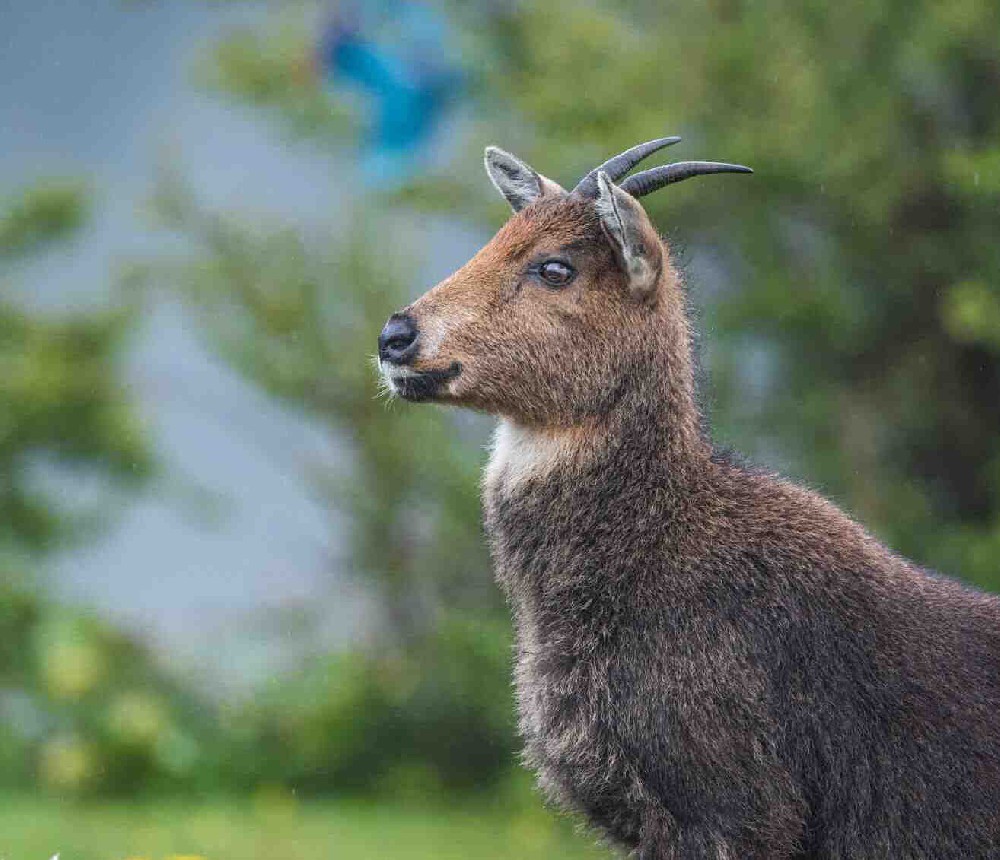
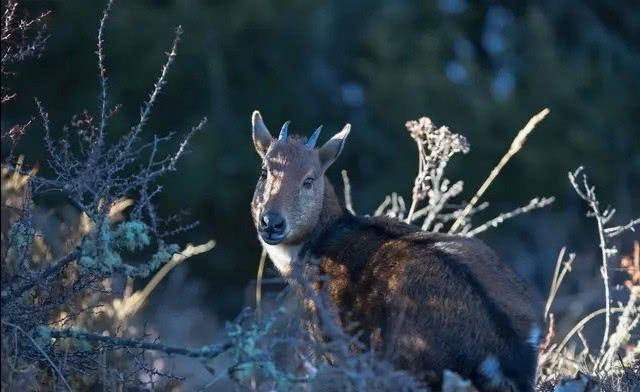
Naemorhedus griseusLC

Naemorhedus griseus

Naemorhedus griseus,Chinese Goral、Long-tailed goral,South China goral, gray goral, North China goral, Siberian goral, Sichuan goral

Ungulata10-15 years, the highest record is 18 years

Chinese Goral, also known as Chinese Goral in English, has two subspecies and is a typical forest-dwelling mammal.From the name, t···

Grey GoralLC

Grey Goral

Grey Goral,Himalayan Goral

Ungulata15-17years

Grey Goral, also known as the Himalayan Goral, has two subspecies and is a typical forest-dwelling mammal.Female and juvenile Hima···

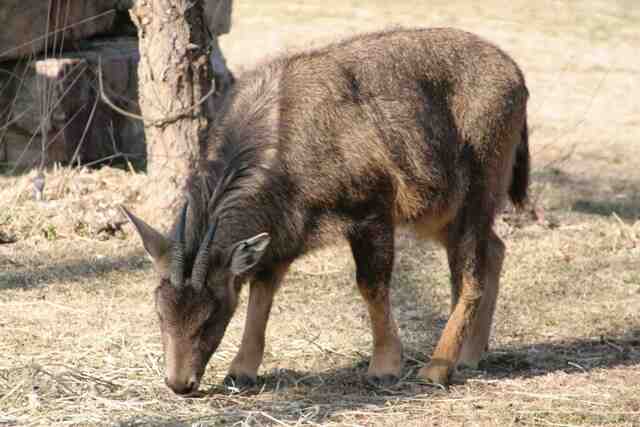
Naemorhedus caudatusLC

Naemorhedus caudatus

Naemorhedus caudatus,Long-Tailed Goral,Naemorhedus caudatus caudatusMilne-Edwards,North China Mountain Antelope

Ungulata15-17years

Long-Tailed Goral, no subspecies.Long-Tailed Gorals spend most of the year in small groups of 12 or less. Females, young gorals an···

Naemorhedus baileyiLC

Naemorhedus baileyi

Naemorhedus baileyi,Red goral,Naemorhedus cranbrooki,Red goat, red goat, red sheep

UngulataAbout 16 years

Red Goral has two subspecies and is a typical forest-dwelling animal.Red Goral's broad hooves are suitable for climbing, and i···

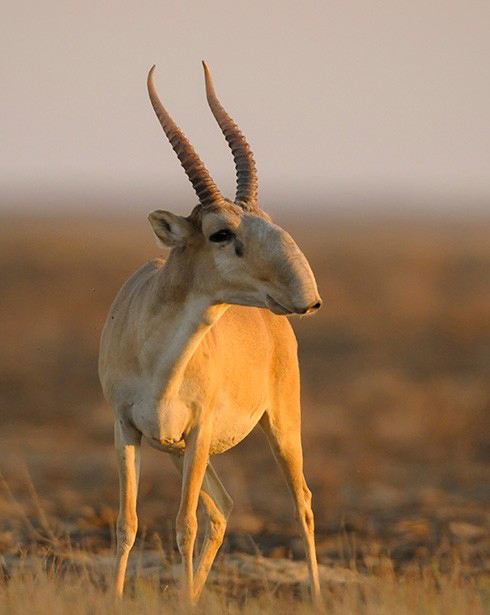
Saiga tataricaLC

Saiga tatarica

Saiga tatarica,Saiga,Saiga, long-nosed antelope

UngulataAbout 10 years

The Saiga antelope has two subspecies. It is named "Saiga" because of its particularly large and bulging nose, which ben···

Procapra picticaudataLC

Procapra picticaudata

Procapra picticaudata,Tibetan Gazelle, Goa,Gazelle Du Tibet,Gecela Del Tibet,Tibetische Gazelle,Tibetan gazelle, gazelle, Tibetan gazelle

UngulataAbout 10 years

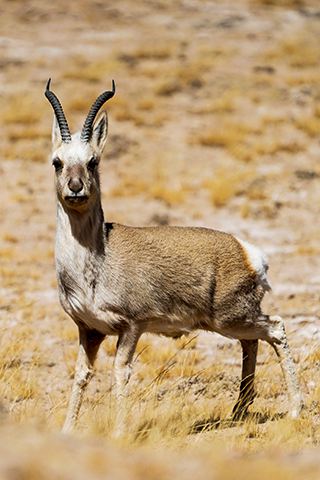
Tibetan Gazelle, also known as Tibetan Gazelle in English, has no subspecies and is a typical high mountain cold desert animal.For···

Procapra gutturosaLC

Procapra gutturosa

Procapra gutturosa,Mongolian Gazelle, Dzeren, Gazelle de la Mongolie,Gacela de Mongolia,Mongoleigazelle,Tsagaan dzeer,Mongolian gazelle, Mongolian gazelle, Mongolian gazelle

Ungulata7-8years

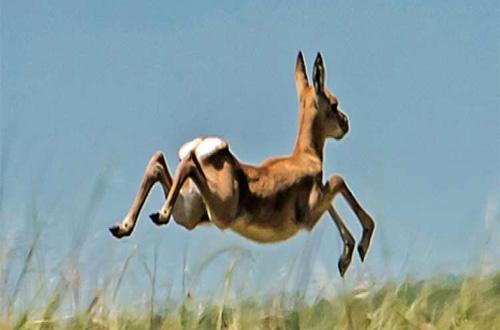
Mongolian Gazelle is called Mongolian Gazelle in foreign language. It has no subspecies.Mongolian Gazelle likes to live in groups.···

Bos javanicusLC

Bos javanicus

Bos javanicus,Banteng,Bali cattle, white-rumped wild cattle

Ungulata20-26years

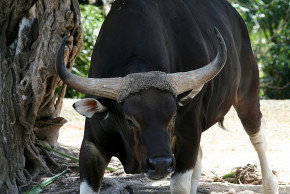
Javan buffalo is called Banteng in foreign language, and there are two subspecies.Javan buffalo usually live alone or 2-3 heads li···

Bos mutusLC

Bos mutus

Bos mutus, Pig sound cattle, Jiyake (Tibetan name transliterated as Yagui)

Ungulata22-25years

Wild yaks are called wild yak in foreign language. They are the wild counterparts of domestic yaks.Wild yaks live on the hillside ···

Bos gaurusLC

Bos gaurus

Bos gaurus,White-limbed bison, wild yellow cattle, white socks, Asian bison, bison, big-headed cattle

Ungulata20-30years

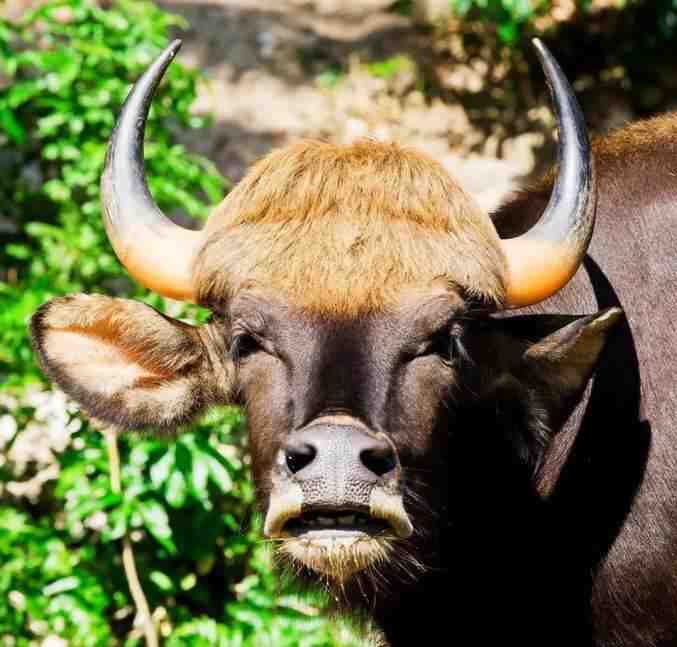
The Gaur is called Gaur in foreign language. There are two subspecies. The hair below the knees of the four limbs is white, so it ···

MooseLC

Moose

Alces alces

UngulataAbout 30 years

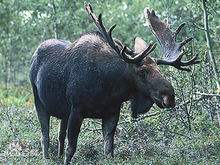
Moose, whose foreign name is Moose, has 8 subspecies and is the tallest deer in the world.The number of prongs in a moose's an···

Elaphodus cephalophusLC

Elaphodus cephalophus

Elaphodus cephalophus,Green deer, black deer

Ungulata10-12years

The Latin name of the tufted deer is Elaphodus cephalophus, which has three subspecies and is a small deer.Tufted deer live in hil···

Elaphurus davidianusLC

Elaphurus davidianus

Elaphurus davidianus,Père David's Deer, Pere David's Deer,Elaphurus davidiensis,Four-in-one, zhǔ (ancient name), Father David's deer

Ungulata25years

Milu [mí lù], also known as Pere David's Deer in foreign languages, is the only deer species in the Cervidae family and the ···

Przewalskium albirostrisLC

Przewalskium albirostris

Przewalskium albirostris, White-lipped Deer, Thorold's Deer, Weißlippenhirsch,Przewalskium albirostris,Rock deer, white-nosed deer, yellow deer, Hama (Tibetan)

UngulataAbout 20 years

White-lipped Deer is a species endemic to the Qinghai-Tibet Plateau, with no subspecies. It is the deer species with the highest a···

Rucervus eldiiLC

Rucervus eldii

Rucervus eldii,Panolia eldii (M'Clelland,Brow-branched deer, brow-horned deer, marsh deer

Ungulata14-19years

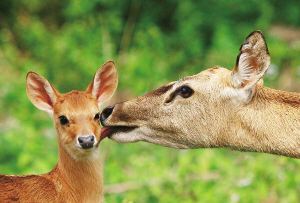
Eld's deer, whose Latin name is Cervus eldii, is a medium-sized deer with three subspecies. It is similar in appearance to sik···

Bactrian DeerLC

Bactrian Deer

Bactrian Deer,Cervus elaphus yarkandensis,Cervus affinis yarkandensis,Cervus yarkandensis,Tarim subspecies of red deer, Tahe red deer, southern Xinjiang red deer, southern Xinjiang small white deer, Y

Ungulata20-25years

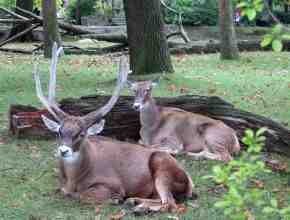
Tarim Red Deer, also known as Bactrian Deer, is of medium size and short body. It is the only subspecies of red deer that lives in···

Cervus elaphus wallichiiLC

Cervus elaphus wallichii

Cervus elaphus wallichii,Cervus wallichi,Cervus elaphus affinis,Cervus canadensis wallichi ,Shou Cervus, Red deer Tibetan subspecies, Red deer Tibetan subspecies, Sikkim red deer

Ungulata16-18years

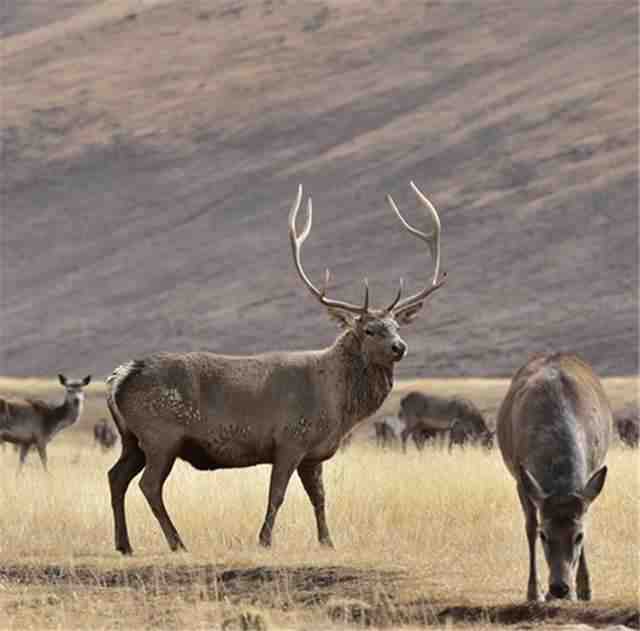
The Tibetan red deer, Shou Cervus in English, is a species endemic to the Tibet Autonomous Region. It was first discovered in Sikk···

Cervus canadensisLC

Cervus canadensis

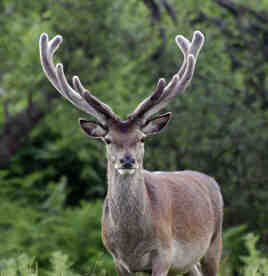
Cervus canadensis,Wapiti, Alashan Wapiti, Izubra/Manchurian Wapiti, McNeill’s Deer, Merriam’s Wapiti, Shou, Siberian Wapiti, Tien Shan Wapiti, Tule Elk,Cerf Wapiti,Uapití,, red deer, eight-forked deer

Ungulata16-18years

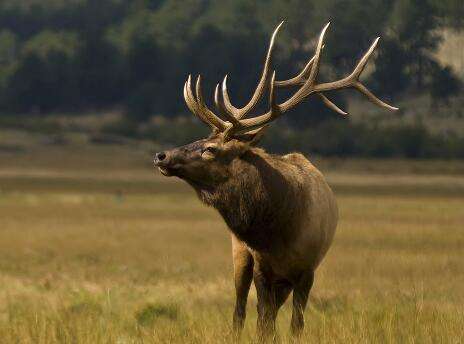
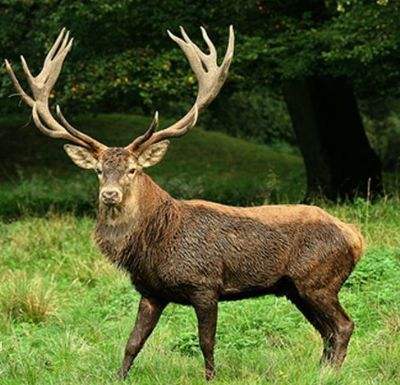
Red deer, also known as Wapiti in English, is a large deer species. Due to different origins, the morphology of red deer also vari···

Cervus nipponLC

Cervus nippon

Cervus nippon,Sika Deer,Flower deer, deer

UngulataAbout 20 years

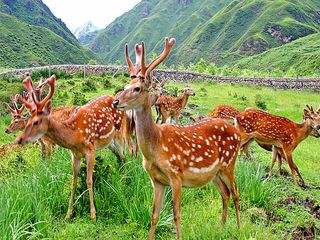
Sika deer, also known as sika deer in English, is a small to medium-sized deer with 16 subspecies.Sika deer are alert, agile, have···

Rusa unicolorLC

Rusa unicolor

Rusa unicolor, Sambar, Indian Sambar, Sambar Deer,Indischer Sambarhirsch, Pferdehirsch, Sambar,Cervus unicolor Kerr,Black deer, spring deer

Ungulata14-16years

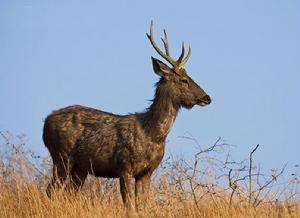
Sambar, also known as the water deer in English, has 8 subspecies and is the largest deer in tropical and subtropical regions.The ···

Axis porcinusLC

Axis porcinus

Axis porcinus, Hog Deer, Indian Hog Deer, Indochina Hog Deer, Indochinese Hog Deer, Thai Hog Deer,Cerf des Marais, Cerf-cochon, Cerf-cochon d'Indochine,Ciervo Porquerizo de Indochina , Indischer

Ungulata12-15 years, up to 20 years

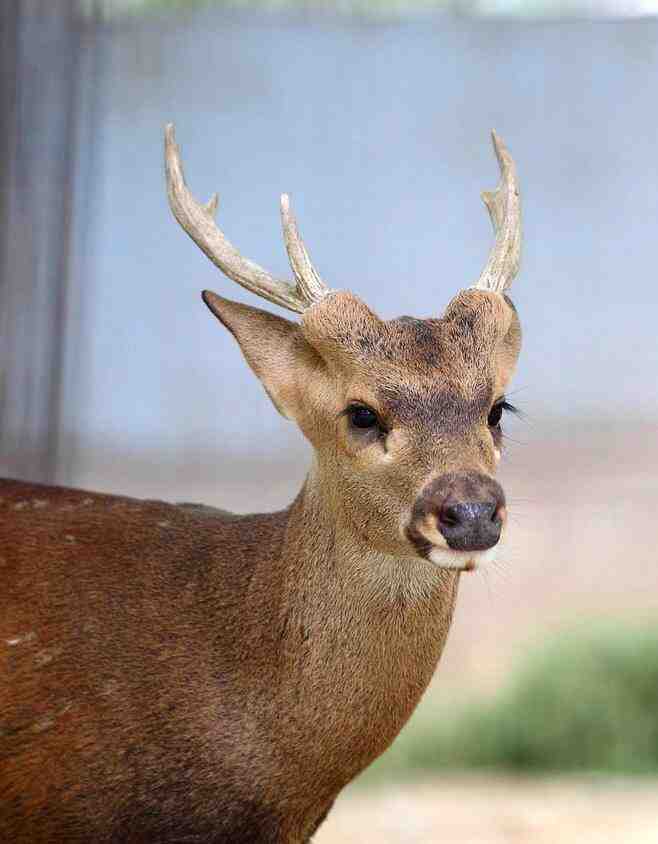
Hog Deer, also known as Hog Deer in English, has 3 subspecies and is a medium-sized deer.Hog Deer like to move alone, occasionally···

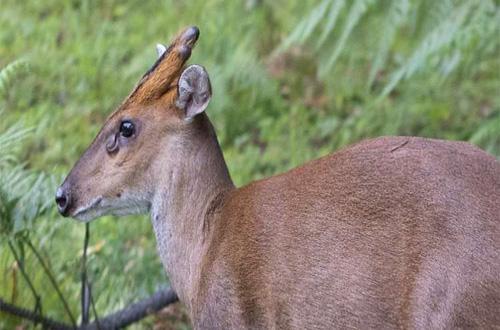
Muntiacus gongshanensisLC

Muntiacus gongshanensis

Muntiacus gongshanensis,Gongshan Muntjac,Muntjac, Green Muntjac, Black Muntjac

Ungulata9years

Gongshan Muntjac has no subspecies and belongs to the medium-sized muntjac.Gongshan Muntjac generally moves alone at night, is mor···

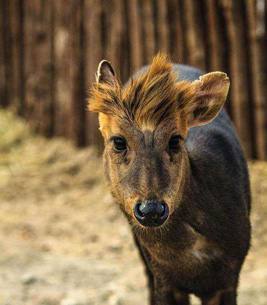
Muntiacus crinifronsLC

Muntiacus crinifrons

Muntiacus crinifrons,Black fronted Muntjac,Black and gold muntjac, shaggy muntjac, red-headed muntjac, muntjac, green muntjac

Ungulata10-11years

Black fronted Muntjac is a larger species of muntjac, and its appearance is very similar to the Gongshan Muntjac distributed in we···

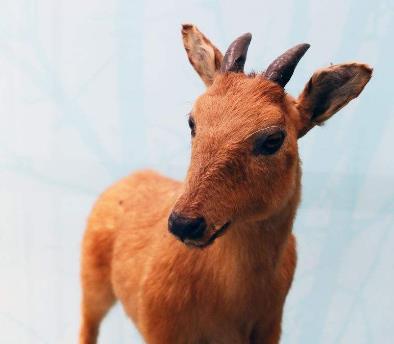
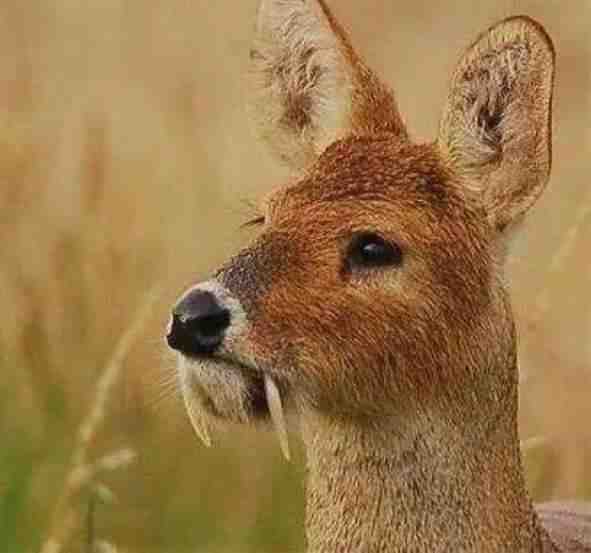
Water deerLC

Water deer

Musk deer, musk deer, horse deer, musk deer, river muntjac

Ungulata10-12year

獐外文名River Deer,有2个亚种,比麝略大。《本草纲目》说注:“獐无香,有香者麝也,俗称土麝,呼为香獐”。獐不结大群,居或成双活动,最···

No matching animals on this page.
Advertisement