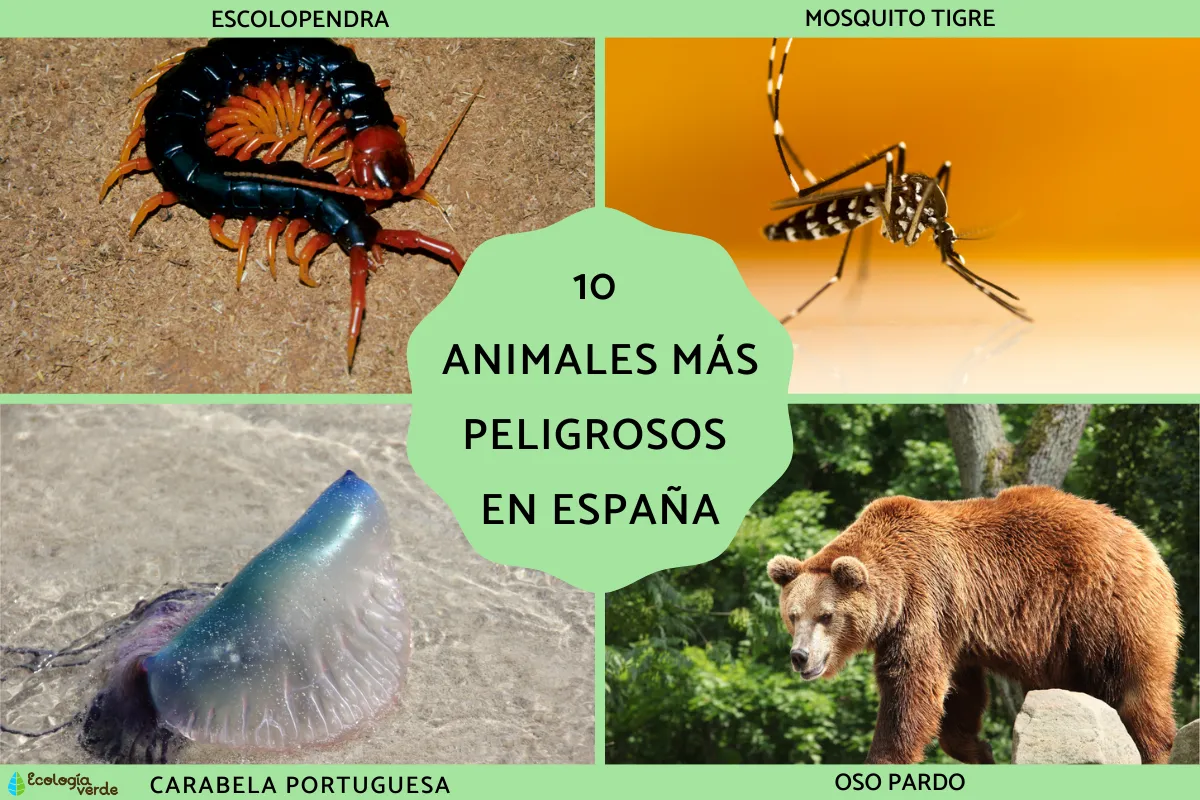
Spain is generally a safe country for wildlife encounters, but a few animals can injure people through venom, stings, bites, disease transmission, electric shocks, or defensive attacks. The most dangerous animals in Spain include vipers, tiger mosquitoes, Portuguese man o’ war, weever fish, scolopendras, black widow spiders, scorpions, wild boars, and brown bears.
Quick Overview of the Most Dangerous Animals in Spain
| Animal | Main Danger | Where You May Encounter It | Risk Level |
|---|---|---|---|
| Scolopendra | Painful venomous bite | Rocky areas, gardens, dry habitats, rural buildings | Moderate |
| Asp viper | Venomous snakebite | Rocky slopes, sunny grasslands, mountain areas | High if bitten |
| Common scorpion | Painful sting | Dry stone walls, warm rural areas, under rocks | Low to moderate |
| Mediterranean black widow | Neurotoxic spider bite | Dry fields, grasslands, rural zones | Moderate to high if symptoms are severe |
| Tiger mosquito | Disease transmission and aggressive biting | Urban gardens, parks, standing water, coastal cities | Public health concern |
| Marbled electric ray | Electric shock | Mediterranean and Atlantic coastal waters | Moderate |
| Portuguese man o’ war | Extremely painful sting | Beaches, surface waters, drifted tentacles on shore | High for swimmers |
| Weever fish | Venomous dorsal spines | Sandy shallow waters and beaches | Moderate to high pain risk |
| Brown bear | Defensive attack | Cantabrian Mountains and Pyrenees | Low chance, high consequence |
| Wild boar | Aggression, tusk wounds, traffic accidents | Forests, farmland, suburbs, roadsides | Moderate |
Are There Dangerous Animals in Spain?
Yes, Spain has dangerous animals, but most are not actively aggressive toward humans. The main risks come from accidental contact, defensive behavior, stepping on hidden marine animals, disturbing venomous species, or being bitten by insects that can transmit disease.
Spain’s biodiversity includes mountain forests, Mediterranean scrubland, wetlands, farmland, beaches, rocky coasts, and warm urban areas. These habitats support many harmless species, but they also provide shelter for venomous snakes, scorpions, spiders, stinging marine animals, and large mammals.
For most travelers and residents, serious wildlife injuries are uncommon. However, knowing which animals require caution can prevent painful or dangerous encounters, especially when hiking, swimming, gardening, camping, or walking in rural areas.
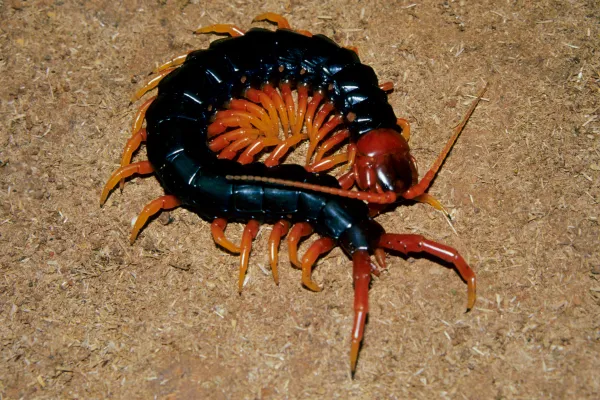
Scolopendra
The scolopendra, often called a giant centipede, is one of the most intimidating arthropods found in Spain. It has a long, segmented body, many legs, and a pair of venom-injecting claws near the head. These claws are not true teeth, but modified front legs used to capture prey and defend itself.
Scolopendras usually hide under stones, logs, bark, leaf litter, and in dark crevices. They are mostly nocturnal and feed on insects, spiders, small lizards, and other small animals. They can move quickly, which makes them especially alarming when uncovered unexpectedly.
A scolopendra bite is rarely life-threatening to a healthy adult, but it can be extremely painful. Symptoms may include burning pain, swelling, redness, local inflammation, weakness, fever, and general discomfort. People who are allergic or sensitive to venom may experience stronger reactions.
To avoid bites, do not handle large centipedes, avoid placing bare hands under rocks or logs, and shake out shoes or clothing if you are camping in rural areas.
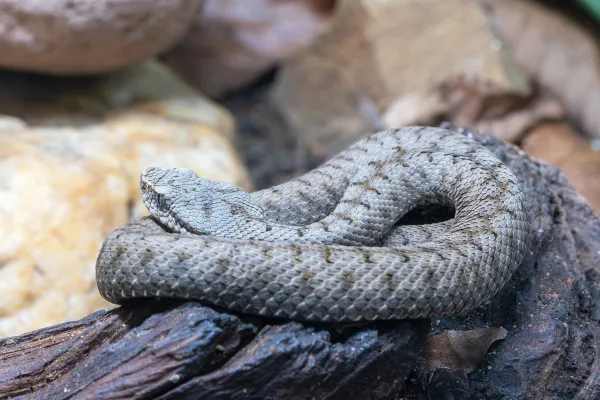
Asp Viper
The asp viper is one of the venomous snakes associated with parts of Spain, especially in the north and northeast. It is a relatively small snake, often around 50 to 70 centimeters long, with a triangular head, vertical pupils, and camouflaged gray, brown, or patterned scales.
This snake prefers sunny, rocky, grassy, and mountainous habitats where it can bask and hunt small mammals, lizards, and birds. Like most snakes, it does not seek out humans. Most bites occur when someone steps too close, tries to pick it up, or accidentally disturbs it.
An asp viper bite can be medically serious. Symptoms may include sharp pain, swelling, bruising, nausea, vomiting, dizziness, weakness, and in severe cases, blood pressure problems, breathing difficulty, kidney complications, or systemic poisoning. Children, elderly people, and people with underlying health conditions face greater risk.
If bitten by a viper, the person should remain calm, avoid running, remove tight jewelry or clothing near the bite area, keep the affected limb still, and seek emergency medical care. Do not cut the wound, suck out venom, apply ice, or use a tight tourniquet.
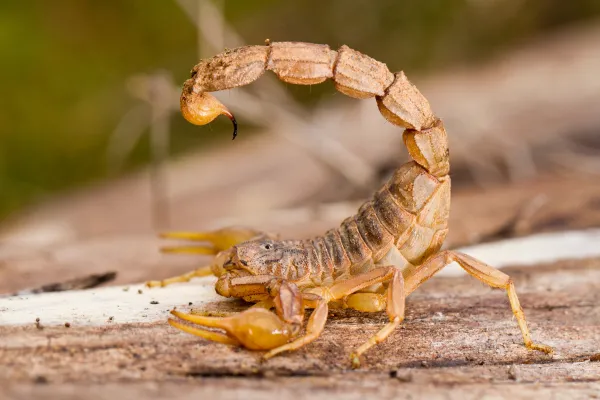
Common Scorpion
Spain is home to several scorpions, including small European scorpions and other Mediterranean species. The common scorpion is usually not deadly, but its sting can be painful and frightening. It has a segmented body, pincers, and a curved tail ending in a venomous stinger.
Scorpions are often found in dry, warm places. They may hide under stones, inside cracks in walls, in firewood piles, or in rural buildings. They are usually active at night and avoid people when left alone.
A sting can cause localized pain, redness, swelling, tingling, and warmth around the sting site. In most cases, symptoms remain local. However, allergic individuals may experience more serious reactions, such as difficulty breathing, dizziness, or widespread swelling.
When walking barefoot in rural houses, campsites, or dry outdoor areas, use caution. Shake out shoes, gloves, sleeping bags, and towels before use, especially in warm regions.
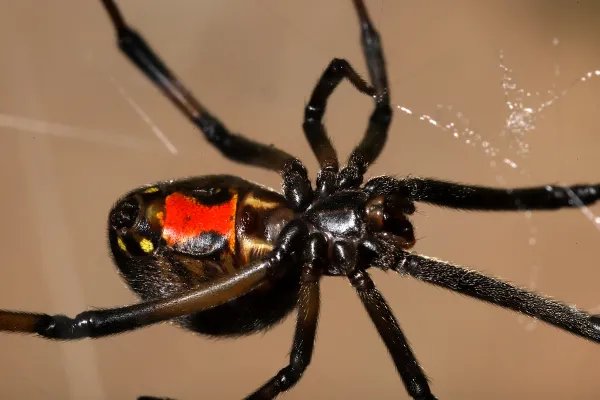
Mediterranean Black Widow
The black widow is one of the best-known venomous spiders in the world. In Spain, the relevant species is usually the Mediterranean black widow, a relative of the better-known American black widow. It has a dark, rounded body and may show red or orange markings.
This spider typically lives in dry fields, grasslands, agricultural edges, stone walls, and low vegetation. It is not aggressive and usually bites only when trapped against the skin or accidentally pressed.
The danger comes from its neurotoxic venom. A bite may begin with local pain, but symptoms can later include muscle cramps, sweating, abdominal pain, back pain, nausea, tremors, and general weakness. Severe cases require medical attention, especially for children, elderly people, or people with heart or respiratory problems.
To reduce risk, wear gloves when moving stones, wood, or old materials outdoors, and avoid putting hands into dark crevices without looking first.
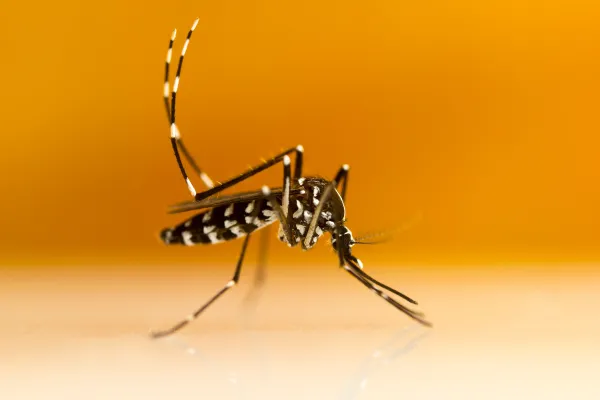
Tiger Mosquito
The tiger mosquito is small, but it is one of the most important dangerous animals in Spain from a public health perspective. It is recognized by its black body with white stripes on the legs and body. Unlike many mosquitoes that bite mainly at dusk, tiger mosquitoes often bite during the day.
This mosquito breeds in small amounts of standing water, including flowerpots, buckets, drains, fountains, pet bowls, old tires, and garden containers. Urban and suburban environments can provide ideal breeding sites.
The tiger mosquito is considered dangerous because it can transmit diseases such as dengue, chikungunya, and Zika in regions where the viruses are present. Even when disease transmission is not occurring, its bites can cause strong itching, swelling, and allergic skin reactions in some people.
Prevention is very important. Remove standing water around homes, use window screens, wear long sleeves in mosquito-heavy areas, and use appropriate repellents when necessary.
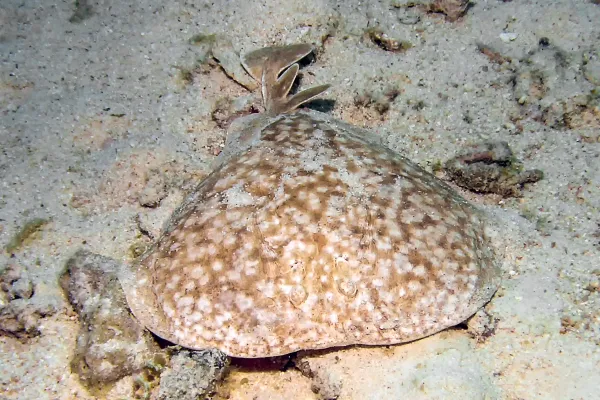
Marbled Electric Ray
The marbled electric ray is a marine fish found in parts of the Mediterranean and Atlantic waters. It has a rounded, flattened body and the ability to generate electric shocks. These shocks are used to stun prey and defend against threats.
Human encounters are uncommon, but they can happen when swimmers, divers, or fishers accidentally touch the animal. The electric shock can cause sudden pain, muscle reaction, shock, disorientation, or even fainting in rare situations. In water, any sudden loss of control can become dangerous.
The marbled electric ray usually rests on the seabed, often partly buried or camouflaged. It is not aggressive, but it should never be handled. Divers and snorkelers should observe rays from a distance and avoid placing hands on the seafloor without checking.
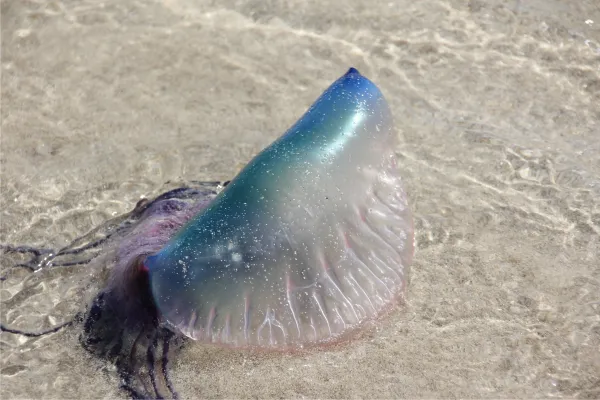
Portuguese Man o’ War
The Portuguese man o’ war is often mistaken for a jellyfish, but it is actually a siphonophore: a colonial organism made up of specialized individuals working together. It floats at the sea surface with a gas-filled blue or purple float and long trailing tentacles.
Its tentacles can extend many meters and are covered in stinging cells. These cells can inject venom even when tentacles are detached or washed onto the beach. This makes the Portuguese man o’ war dangerous both in the water and on the shore.
A sting can cause intense burning pain, red whip-like marks, swelling, nausea, dizziness, breathing difficulty, and in severe cases, cardiovascular symptoms. Although fatal cases are rare, severe reactions are possible and require urgent medical care.
If you see a Portuguese man o’ war on the beach, do not touch it. If stung, leave the water immediately, avoid rubbing the area, remove visible tentacles carefully without bare fingers, and seek lifeguard or medical help.
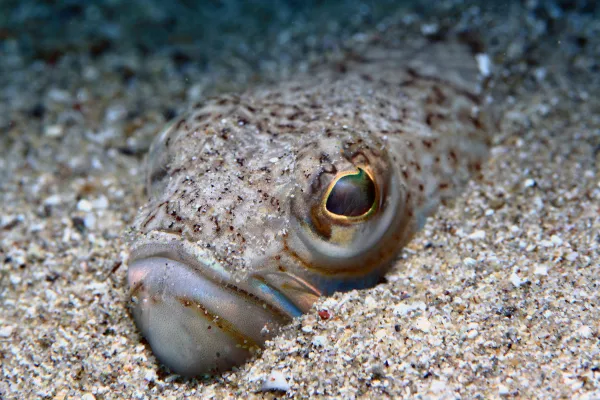
Weever Fish
The weever fish, sometimes called spider fish in parts of Europe, is one of the most common causes of painful marine stings on Spanish beaches. It lives on sandy seabeds and often buries itself with only the eyes and venomous dorsal spines exposed.
People are usually stung when they step on a hidden fish in shallow water. The venomous spines can puncture the skin and cause immediate severe pain. Symptoms may include swelling, redness, throbbing pain, numbness, fever, dizziness, and in rare cases, breathing difficulty or allergic reaction.
The pain can be intense and may spread up the foot or leg. Beachgoers can reduce risk by wearing water shoes in sandy areas where weever fish are known to occur.
If stung, the affected area is often treated with hot water immersion because heat can help reduce pain from some fish venoms. Medical care is recommended if pain is severe, spines remain in the skin, symptoms spread, or the person feels unwell.

Brown Bear
The brown bear is the largest land carnivore in Europe and one of the most powerful wild animals in Spain. Spanish brown bears are mainly found in the Cantabrian Mountains, with a smaller presence associated with the Pyrenees.
Despite their size, brown bears usually avoid humans. Dangerous encounters are rare, but they can happen if a bear is surprised at close range, protecting cubs, feeding on a carcass, or feeling trapped.
A defensive attack from a brown bear can cause severe injuries because of the animal’s strength, claws, and bite force. The best strategy is prevention: make your presence known when hiking in bear habitat, keep dogs under control, never approach cubs, and do not leave food scraps that attract wildlife.
If you see a bear from a distance, stay calm and move away slowly. Do not run, shout aggressively, or try to get closer for photos.
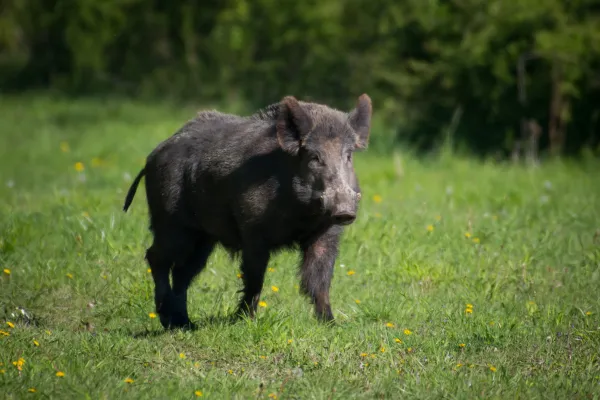
Wild Boar
The wild boar is one of the most widespread large mammals in Spain. It lives in forests, scrublands, farmland, mountain areas, and increasingly near towns and suburbs. Because wild boars adapt well to human-modified environments, encounters with people have become more common in some regions.
Wild boars are strong, fast, and unpredictable. They may become dangerous if cornered, injured, surprised at close range, or protecting piglets. Adult males have sharp tusks that can cause deep wounds, especially to the legs.
Another major danger is traffic. Wild boars often cross roads at night or near dawn and dusk, causing serious vehicle accidents. Their growing presence near urban areas also increases conflicts around garbage, gardens, parks, and agricultural land.
Wild boars may carry parasites and diseases affecting livestock, pets, or wildlife. People should never feed them, approach piglets, or try to chase them away at close range.
Other Animals in Spain That Can Be Dangerous
Besides the best-known species, Spain has other animals that may cause injuries or health problems. Some jellyfish species can sting swimmers. Bees and wasps can be dangerous to people with allergies. Ticks may transmit diseases after attaching to the skin. Large dogs, livestock, and feral animals can also cause injuries in certain situations.
The level of danger depends on the animal, the person’s health, the location, and the type of encounter. In most cases, serious incidents can be avoided by respecting wildlife, using proper footwear, checking local beach warnings, and avoiding unnecessary contact with wild animals.
Safety Tips for Avoiding Dangerous Animals in Spain
Wear sturdy shoes when hiking in rocky or grassy areas.
Do not put your hands under rocks, logs, or old outdoor materials without checking.
Use water shoes on beaches where weever fish are common.
Pay attention to jellyfish and Portuguese man o’ war warnings at beaches.
Do not touch stranded marine animals or tentacles on the sand.
Remove standing water around homes to reduce tiger mosquito breeding.
Use insect repellent in mosquito-heavy areas.
Never approach wild boars, bear cubs, snakes, or unfamiliar animals.
Keep dogs under control in rural and mountain areas.
Seek medical help after venomous bites, severe stings, allergic reactions, or unusual symptoms.
What to Do If You Are Bitten or Stung
If you are bitten by a snake, spider, or scolopendra, or stung by a scorpion or marine animal, stay calm and move away from the animal. Try to remember what it looked like, but do not attempt to capture it.
For snakebites, seek emergency medical care immediately. Keep the affected limb still and avoid harmful first-aid myths such as cutting the wound, sucking venom, using ice, or applying a tight tourniquet.
For marine stings, leave the water to avoid drowning risk. Contact lifeguards if available. Severe pain, breathing difficulty, chest pain, fainting, widespread swelling, or allergic symptoms require urgent medical attention.
For mosquito-borne disease concerns, monitor symptoms such as fever, rash, joint pain, eye pain, or severe headache after travel or heavy mosquito exposure, and consult a healthcare professional if symptoms appear.
Most Dangerous Animals in Spain FAQs
What is the most dangerous animal in Spain?
There is no single answer. For venomous bites, vipers are among the most medically important. For public health, the tiger mosquito is a major concern because it can transmit diseases. For beachgoers, Portuguese man o’ war and weever fish can cause very painful injuries.
Are there venomous snakes in Spain?
Yes. Spain has venomous vipers, including species found in northern, central, and mountainous areas. They are usually shy and avoid people, but bites can be serious and require medical care.
Are scorpions in Spain deadly?
Most scorpion stings in Spain are painful but not deadly to healthy adults. However, allergic reactions and stronger symptoms can occur, so medical advice is recommended if symptoms are severe.
Are there black widow spiders in Spain?
Yes, Spain has black widow relatives, including the Mediterranean black widow. Bites are uncommon but can cause serious symptoms such as muscle cramps, pain, sweating, and weakness.
Is the tiger mosquito dangerous in Spain?
Yes. The tiger mosquito is dangerous because it can bite aggressively and may transmit diseases such as dengue, chikungunya, and Zika under the right conditions.
What should I do if I step on a weever fish?
Leave the water, clean the area, and seek help from a lifeguard or medical professional. Hot water immersion is commonly used to reduce pain, but medical care is important if symptoms are severe or spines remain in the skin.
Can Portuguese man o’ war stings be dangerous?
Yes. Their stings can be extremely painful and may cause serious symptoms in some people. Avoid touching them in the water or on the beach, even if they look dead.
Are wild boars dangerous in Spain?
Wild boars can be dangerous if cornered, injured, fed by people, or protecting young. They also cause road accidents, especially at night and in rural or suburban areas.
Are brown bears common in Spain?
Brown bears are not common across all of Spain. They are mainly found in specific mountain regions. Encounters are rare, but people should keep a safe distance and avoid surprising them.
How can tourists stay safe from dangerous animals in Spain?
Tourists can stay safe by wearing proper footwear, following beach warnings, using mosquito protection, avoiding contact with wild animals, and seeking medical help after serious bites or stings.