Anatomy
Can Birds Smell? How Birds Use Their Sense of Smell
Yes, birds can smell. Most birds possess an olfactory system, although their sensitivity to odors varies widely among species. Turkey vultures can use smell to locate carrion, some···
Understand how animals are built, how they behave, which traits help them survive, what they symbolize in human culture, and the answers to common animal questions.
Browse by topic
Each topic is a focused content hub with practical, readable animal science and reference articles.
Body systems, organs, senses, movement, and how animal structures work.
Explore →Communication, hunting, migration, social systems, sleep, mating, and daily activity.
Explore →Special abilities, survival strategies, defenses, speed, intelligence, and physical traits.
Explore →How animals appear in stories, traditions, symbols, language, and cultural beliefs.
Explore →Clear answers to common questions about wildlife, pets, biology, and animal facts.
Explore →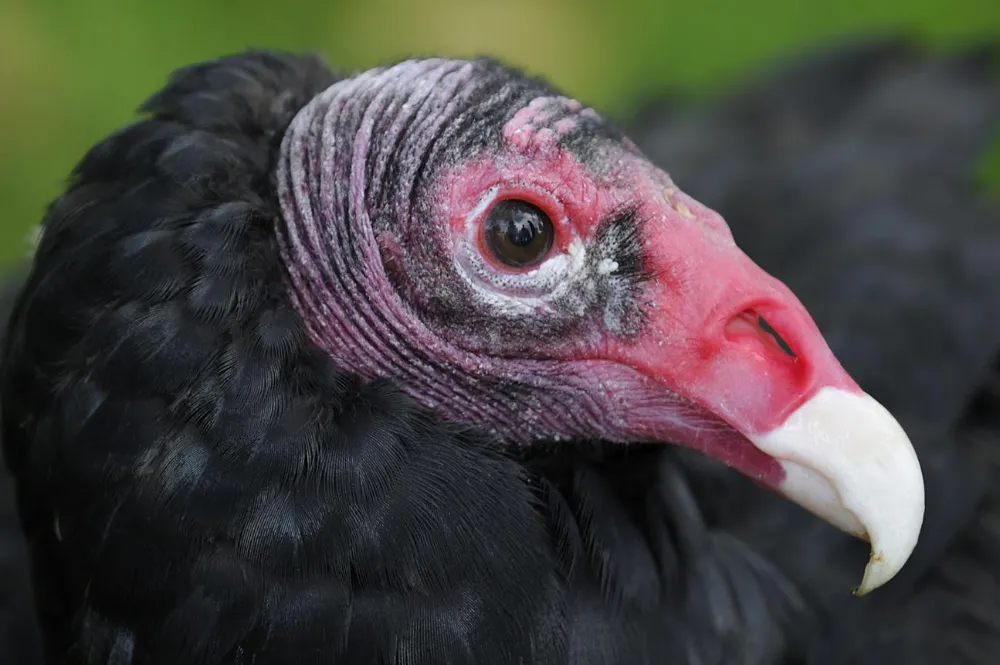
Yes, birds can smell. Most birds possess an olfactory system, although their sensitivity to odors varies widely among species. Turkey vultures can use smell to locate carrion, some···
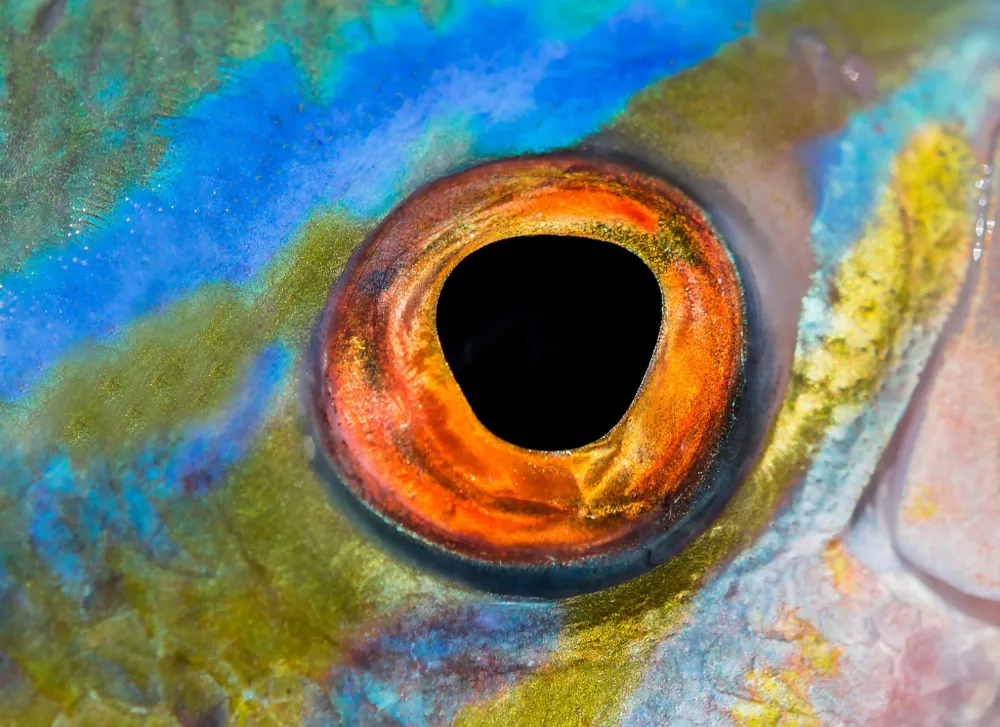
Fish can see objects, particles, bubbles, light patterns, and boundaries in water, but they probably do not perceive uniformly clear water as a separate visible object. Just as hum···
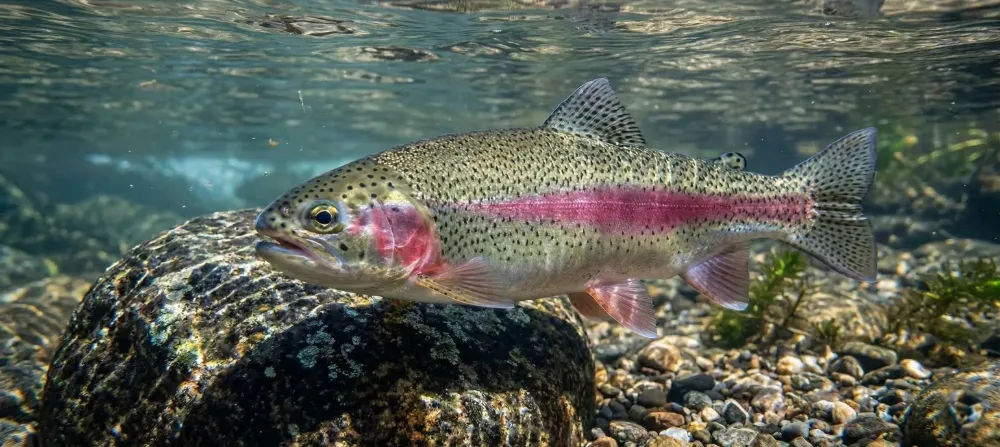
Fish need water to survive, but scientists do not know whether they experience thirst in the same subjective way humans do. Most marine bony fish regularly drink seawater because t···
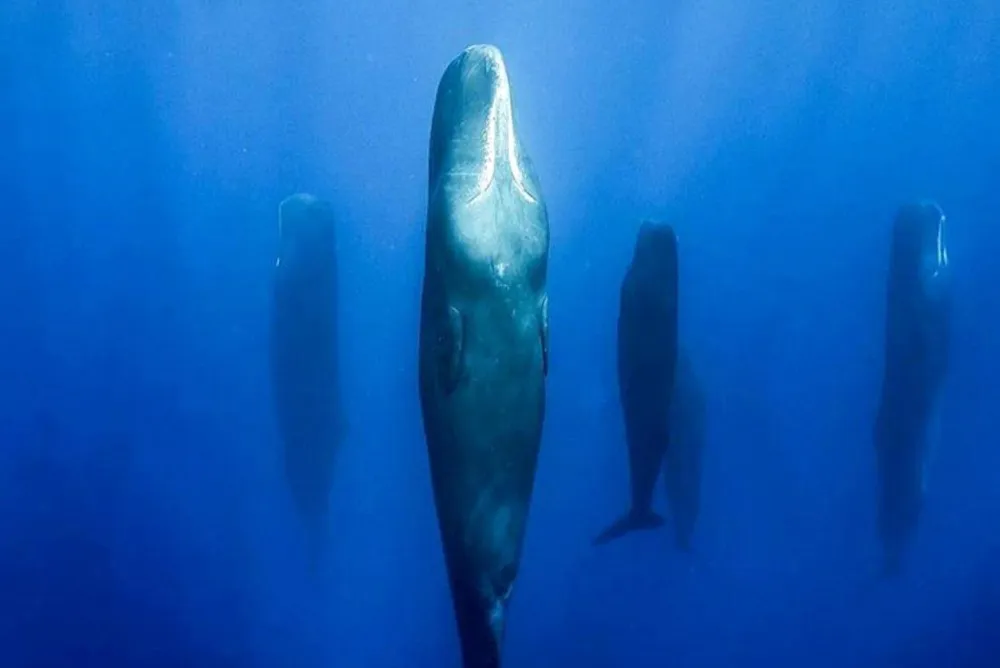
Yes, whales sleep, but they do not sleep exactly like humans. Whales are air-breathing mammals, so they must continue reaching the surface to breathe while resting. Research on dol···
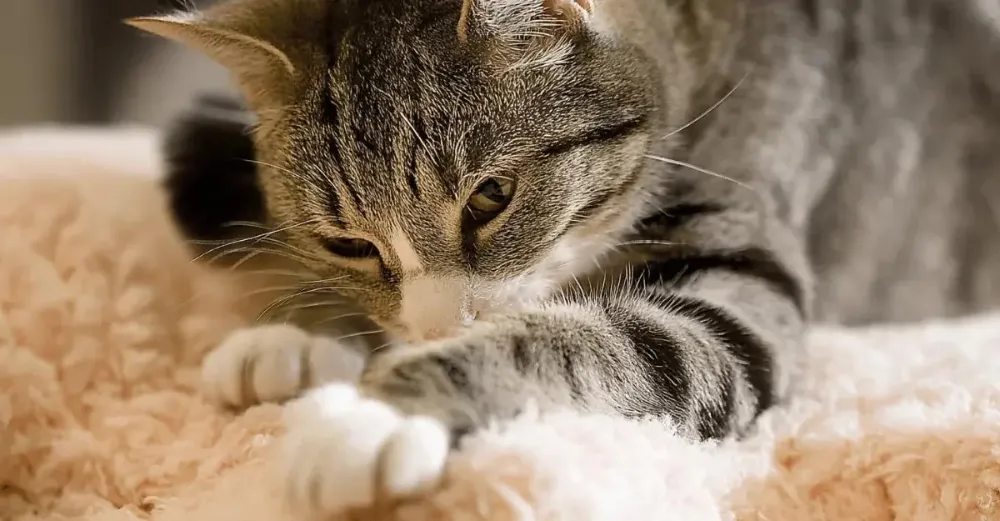
Why do cats knead blankets and people? Learn why cats make biscuits, what it means when they purr, and when kneading might signal stress.
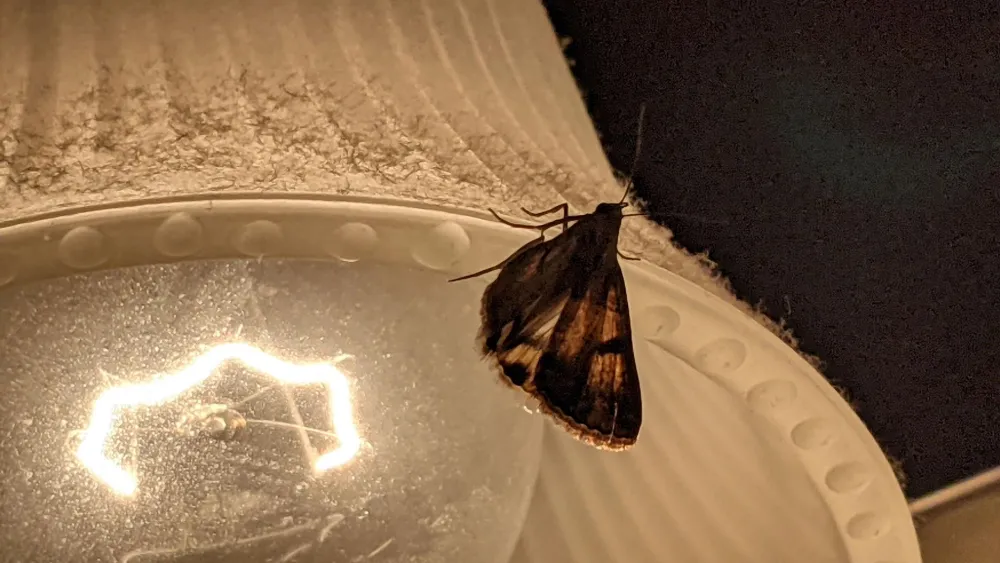
Why do moths fly toward lights? Explore the 2026 discovery about insect flight, why moths circle lamps, and how artificial light affects their survival.
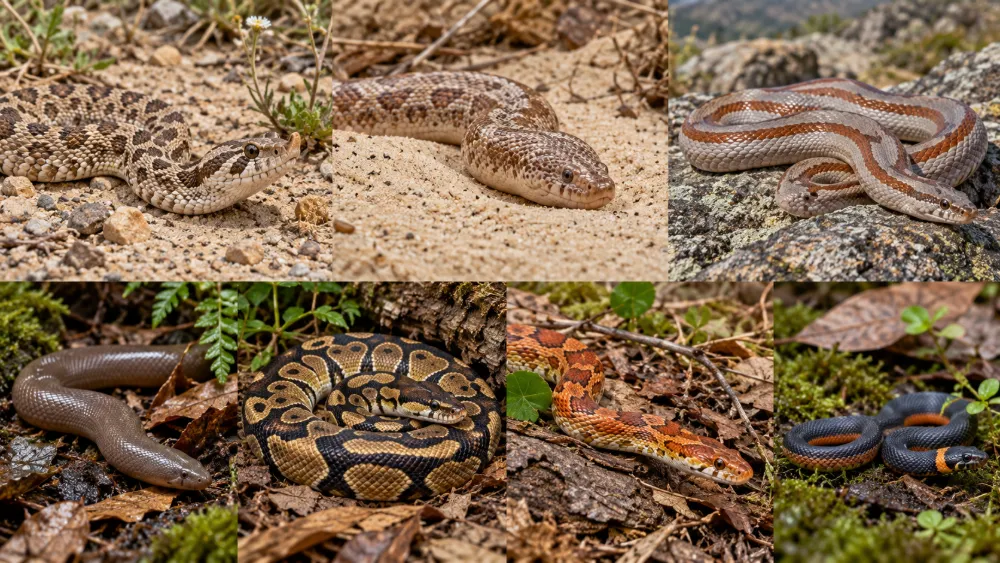
Discover 10 cute snakes, from hognose snakes and sand boas to rubber boas, rosy boas and colorful corn snakes, plus what makes each species look unique.
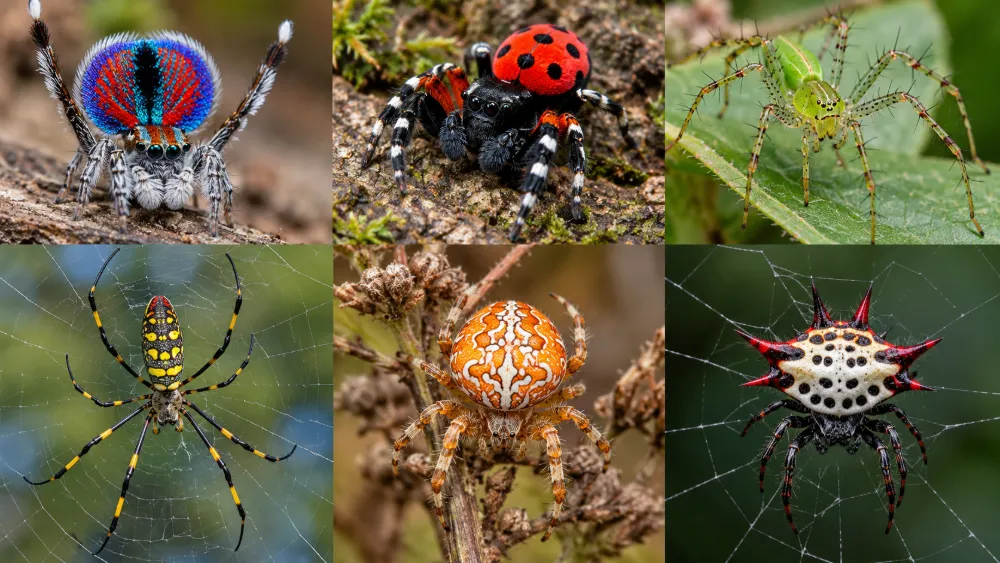
Discover 10 colorful spiders, from rainbow peacock spiders and red ladybird spiders to green lynx spiders, Jorō spiders and bright orbweavers.
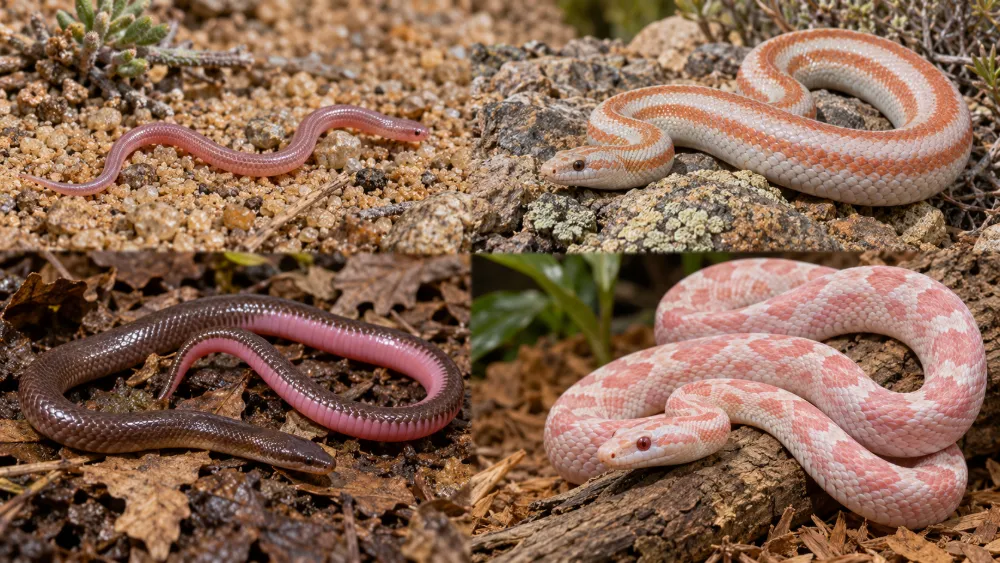
Discover real pink snakes, from rosy boas and western threadsnakes to pink-bellied worm snakes and captive snow corn snake morphs, with identification tips.
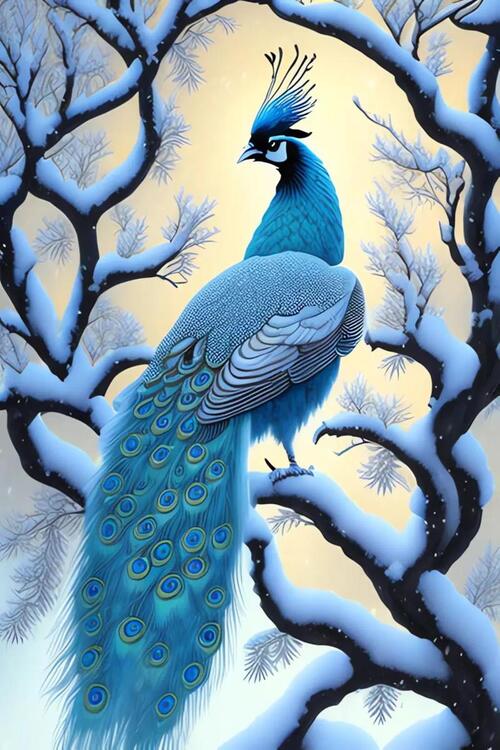
What animal symbolizes beauty? Explore peacocks, butterflies, swans, koi and other animals associated with beauty, grace and transformation across cultures.
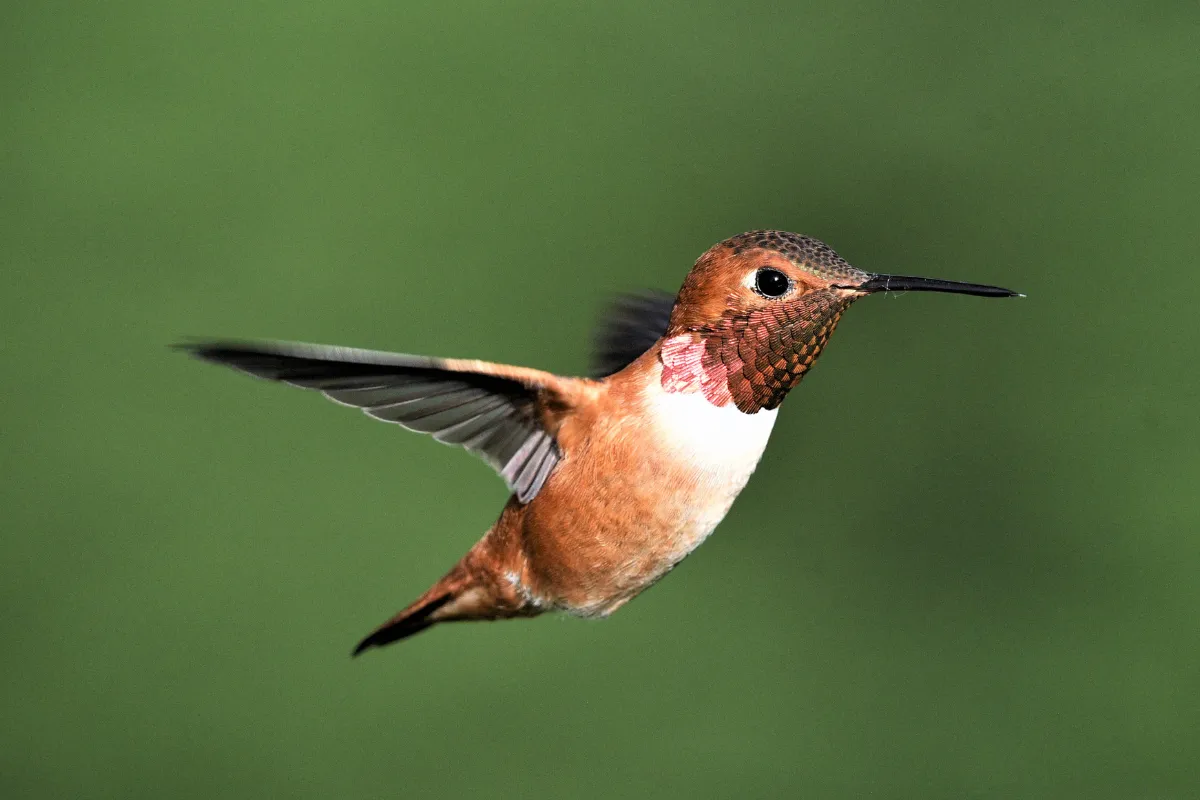
Not all hummingbirds are endangered, but several rare and highly specialized species are at serious risk of disappearing. Many endangered hummingbirds are threatened by habitat los···
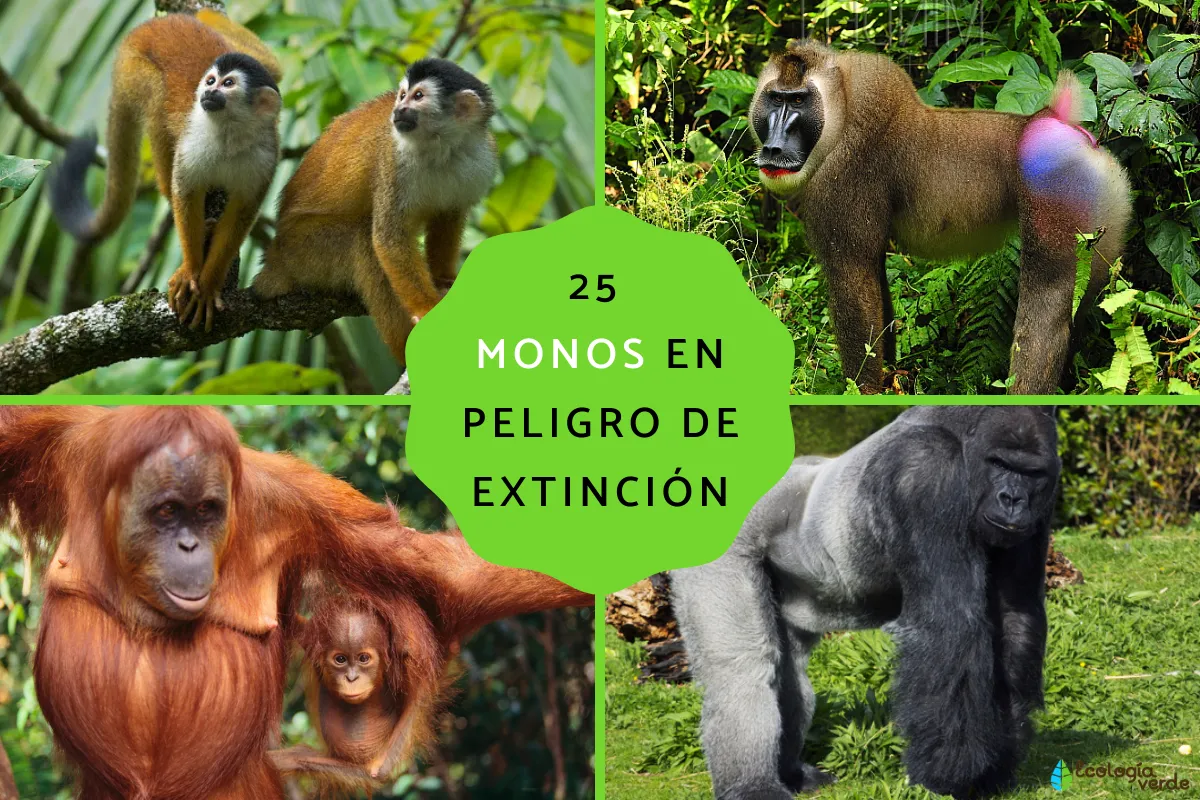
Many monkeys and other primates are endangered because their forests are being destroyed, hunted, fragmented, or converted into farms, roads, mines, and plantations. Although peopl···
Yes, whales sleep, but they do not sleep exactly like humans. Whales are air-breathing mammals, so they must continue reaching the surface to breathe while resting. Research on dol···
Yes, birds can smell. Most birds possess an olfactory system, although their sensitivity to odors varies widely among species. Turkey vultures can use smell to locate carrion, some···
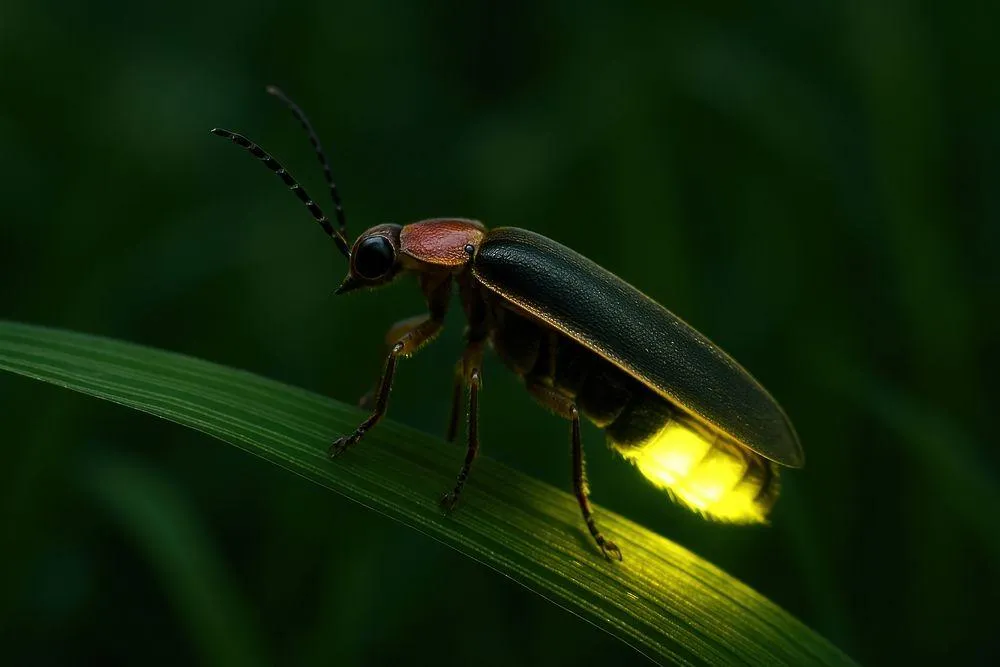
Why do fireflies glow? Learn how luciferin and luciferase produce light, why lightning bugs flash to find mates, and how light pollution affects them.
Keep exploring