What Is the Difference Between Dinosaurs and Reptiles?
Are dinosaurs reptiles? Learn how dinosaur hips, legs and ancestry set them apart, why pterosaurs aren't dinosaurs, and which dinosaurs survive today.
Read article →Dinosaurs are prehistoric reptiles that lived on the earth about 230 million years ago. There are about 10 kinds of familiar dinosaurs that we often see on TV, such as Tyrannosaurus Rex, Diplodocus, Pterosaurus, Stegosaurus, Ichthyosaurus, and Mamen Xisaurus and more, come and get to know these dinosaurs!
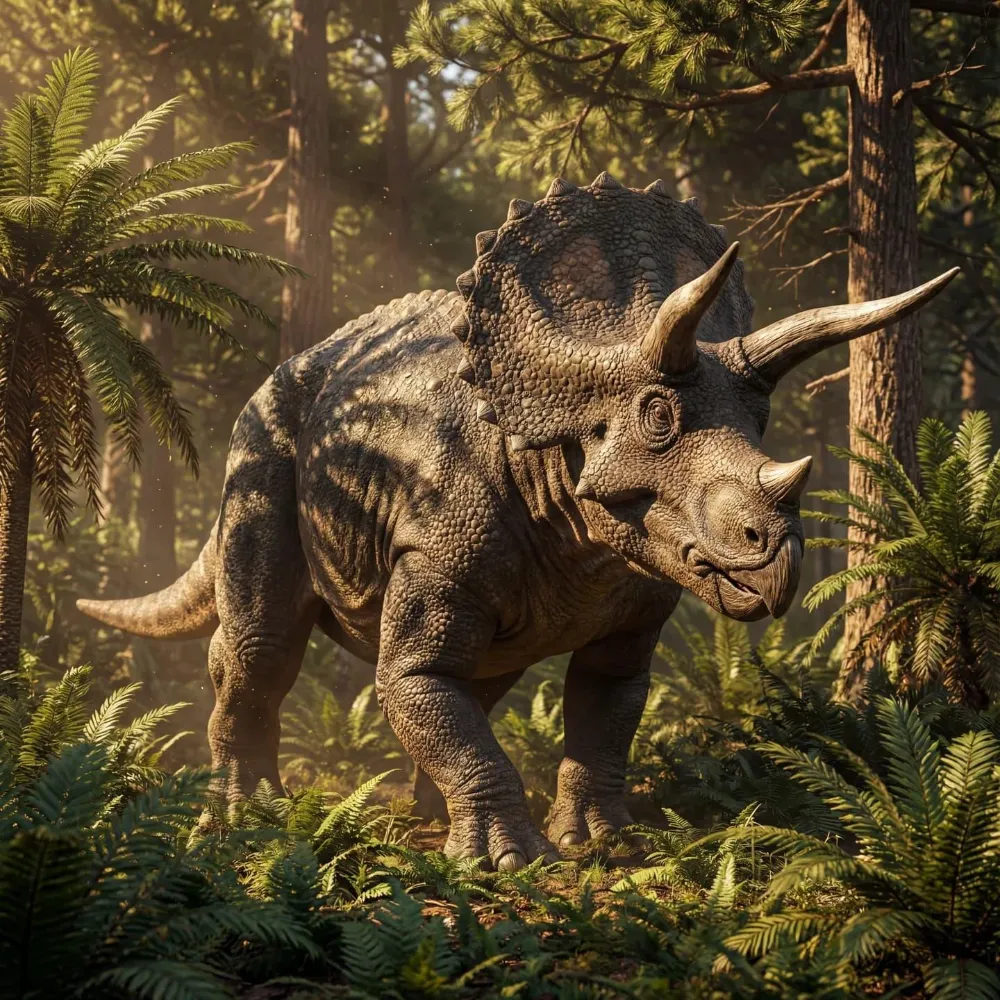
Are dinosaurs reptiles? Learn how dinosaur hips, legs and ancestry set them apart, why pterosaurs aren't dinosaurs, and which dinosaurs survive today.
Read article →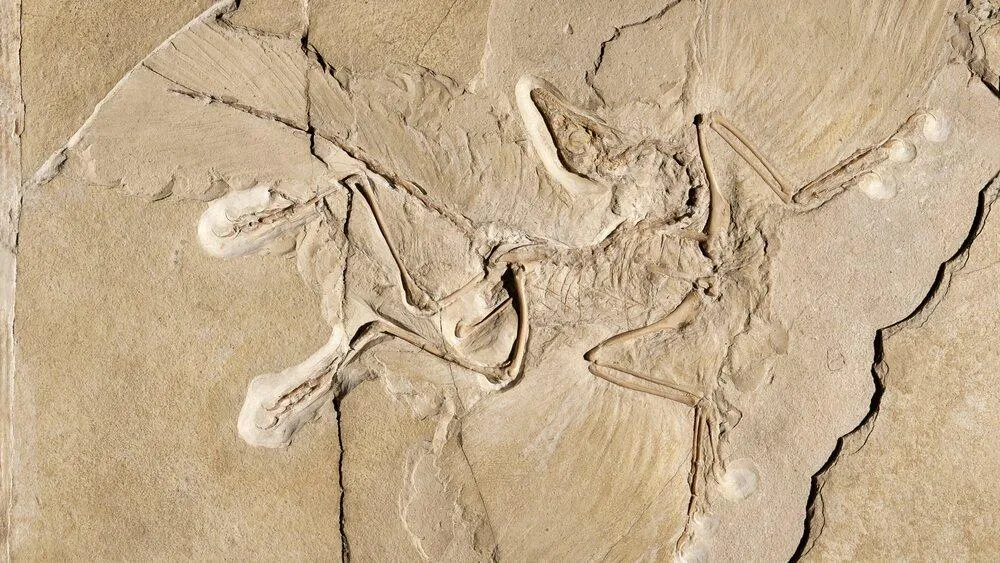
Yes, birds are dinosaurs. Modern birds are the only surviving branch of dinosaurs and evolved from small, feathered theropod ancestors during the Mesozoic Era. Scientific evidence from fossils, skeletal anatomy, feathers···
Read article →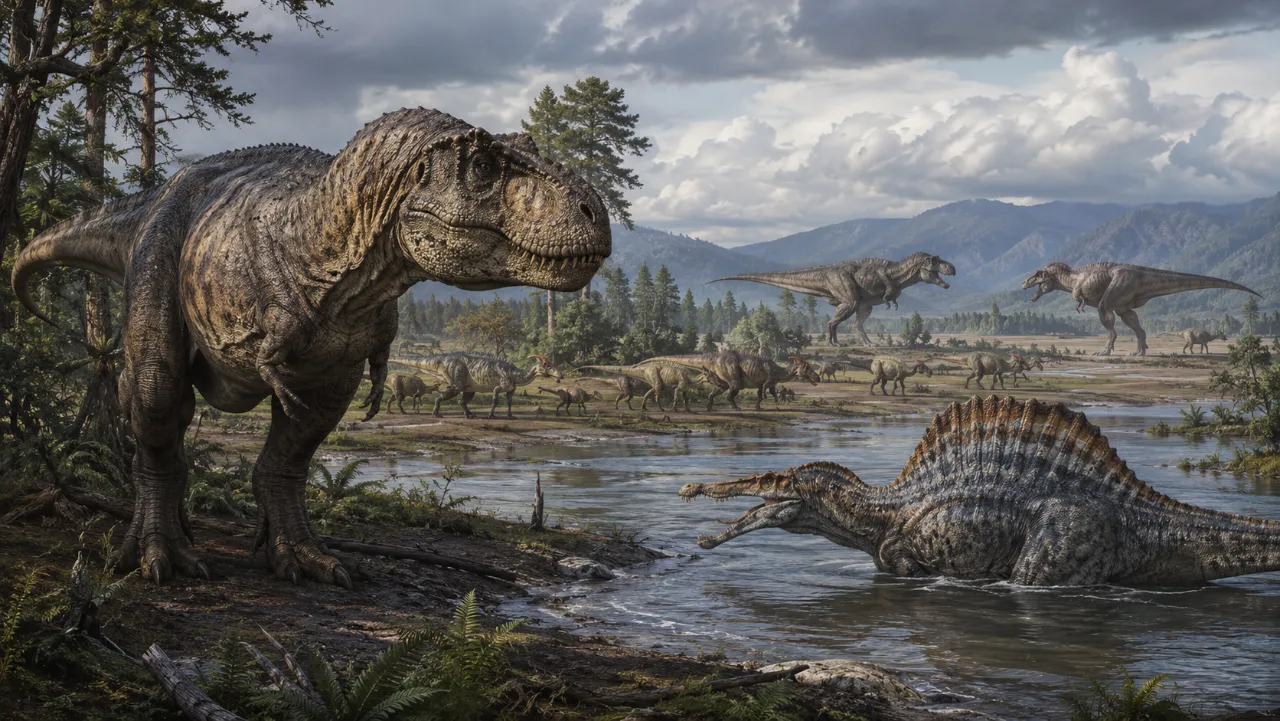
Dinosaurs were not “cruel” in the human sense. They hunted, fought, scavenged, defended territory, and competed for mates because those behaviors helped them survive. Still, some dinosaurs looked terrifying for good re···
Read article →
Giganotosaurus and T. rex were both giant meat-eating dinosaurs, but they never met. Giganotosaurus lived about 99–95 million years ago in South America, while T. rex lived about 68–66 million years ago in North Americ···
Read article →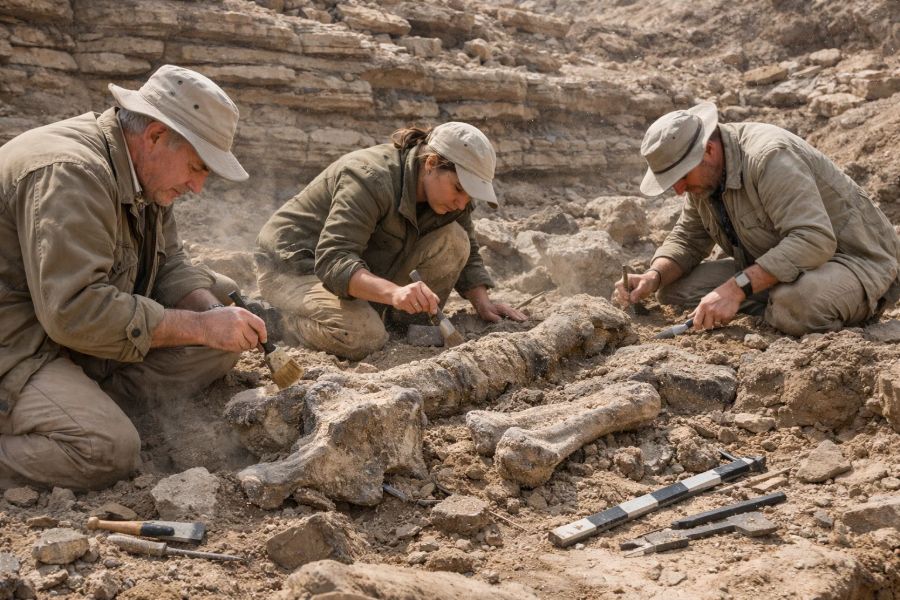
Yes—dinosaurs really existed, and we know this the same way we know extinct whales, mammoths, and ancient humans existed: multiple, independent lines of physical evidence that can be examined, tested, dated, and re-chec···
Read article →
In Poland, Dzień Dinozaura (Dinosaur Day) is popularly observed on February 26 each year (in 2026 it falls on a Thursday). This “unusual holiday” is especially common in preschools and primary schools, where it’s use···
Read article →
In paleontology, nicknames often emerge when a fossil animal’s ecology feels instantly familiar—but scaled up to nightmare proportions. “Hell heron” is one of those phrases: it’s been used for spinosaurid theropods ···
Read article →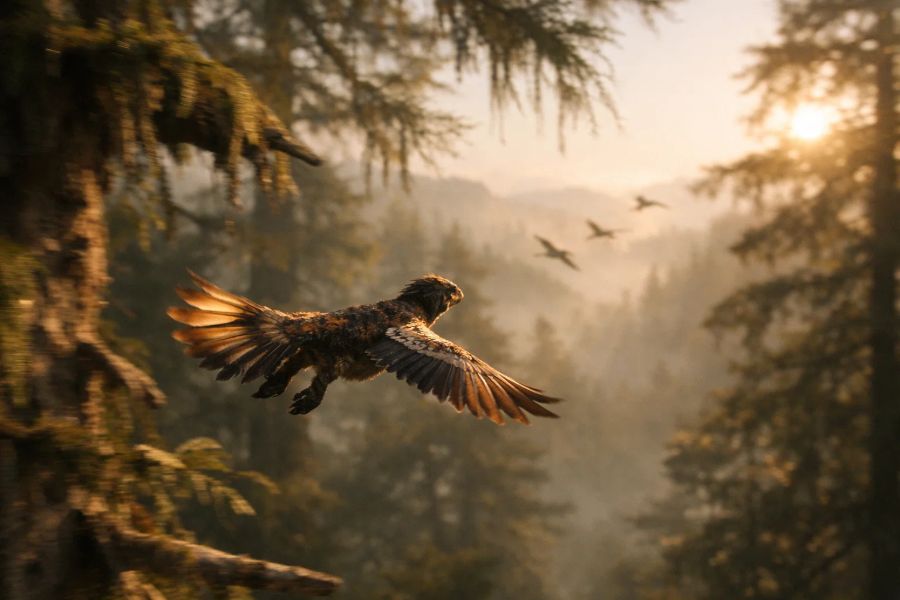
When people say “flying dinosaurs,” they usually mean one of two things:True flying dinosaurs = birds (the only dinosaurs alive today).Dinosaur relatives that flew = pterosaurs (often mislabeled as “flying dinosaurs,”···
Read article →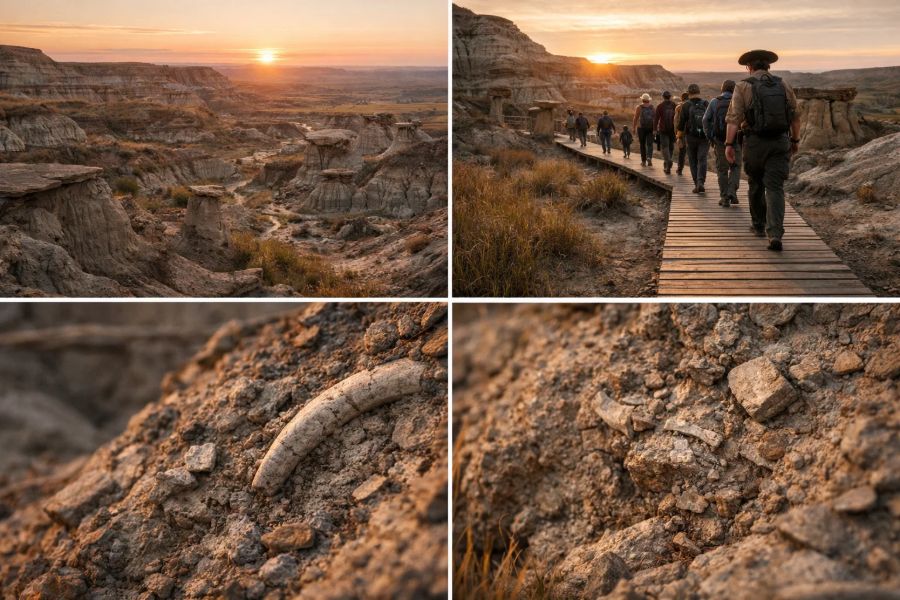
When people hear “dinosaur park,” they may imagine life-size statues and roaring animatronics. But in science and conservation, a dinosaur park can also mean something far more powerful: a protected landscape where din···
Read article →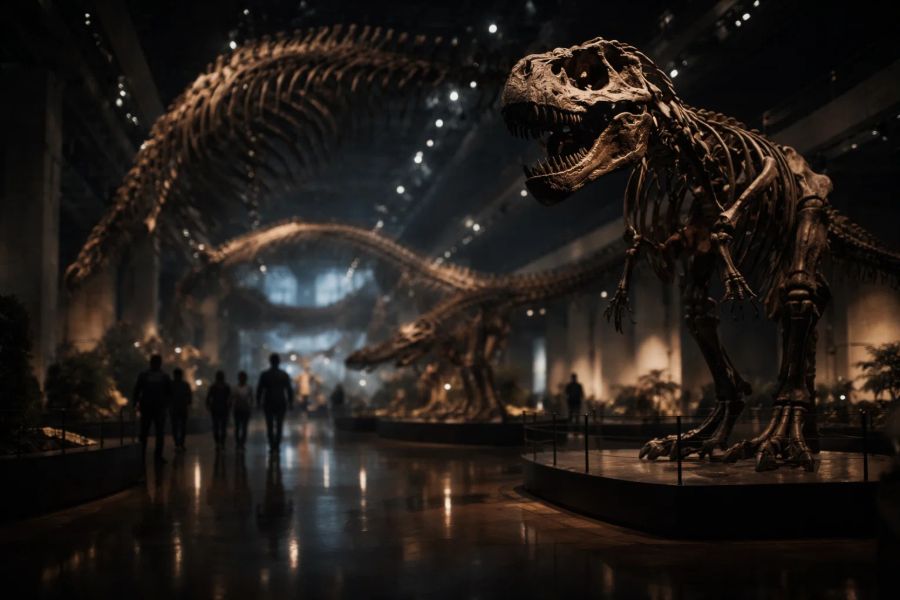
Walk into a dinosaur museum and you’ll see towering skeletons, dramatic dioramas, and fossil bones that look like relics from another planet. But the real story is bigger than spectacle: a dinosaur museum is a working i···
Read article →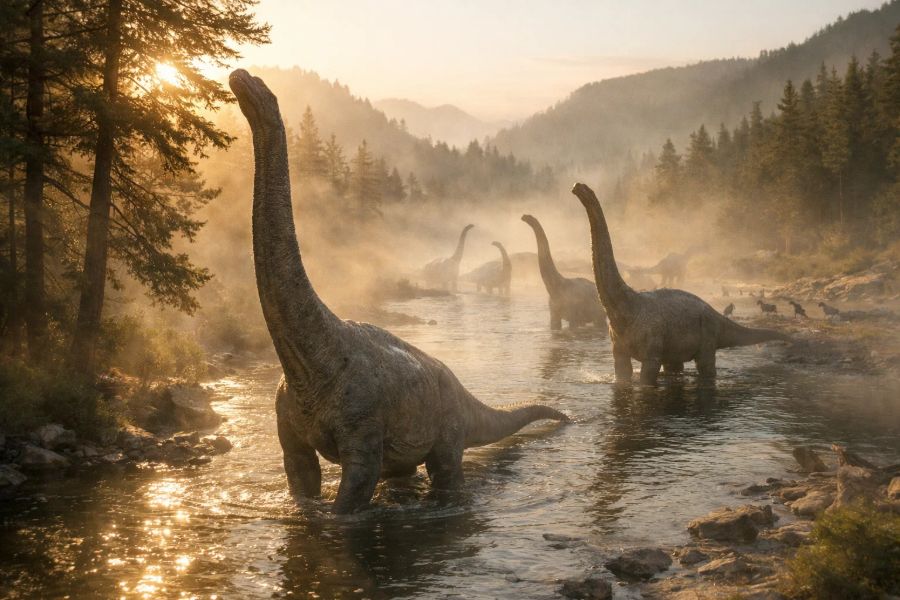
1) What people mean by “long-neck dinosaur”When most people say “long-neck dinosaur,” they’re usually talking about sauropodomorphs—especially sauropods, the giant, four-legged herbivores such as Diplodocus, Apatos···
Read article →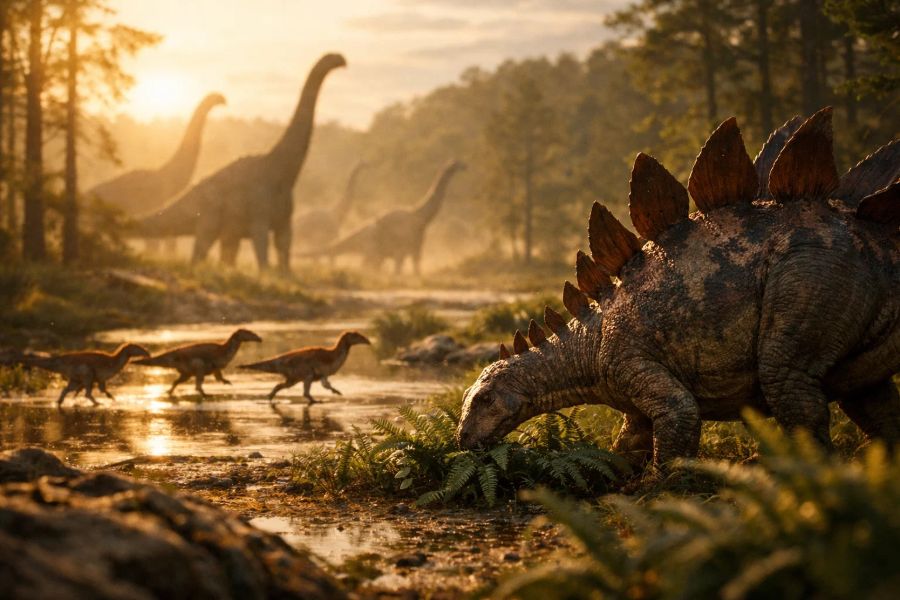
1) What counts as a dinosaur (and what doesn’t)?“Dinosaur” is not a catch-all word for any big prehistoric reptile. Dinosaurs are a specific branch of archosaurs (the group that also includes crocodilians and birds) w···
Read article →
Quick TakeawaysSmall body, big weapons: Velociraptor was about turkey-sized, with a famous sickle-shaped claw on the second toe of each foot used to pierce and pin prey.Feathered, not scaly: Evidence of forearm quill kno···
Read article →
Dinosaurs were the largest reptiles that ever lived on Earth. They are considered prehistoric warm-blooded reptiles, related to both today’s reptiles and even modern birds, but very different in form and behavior. Dinos···
Read article →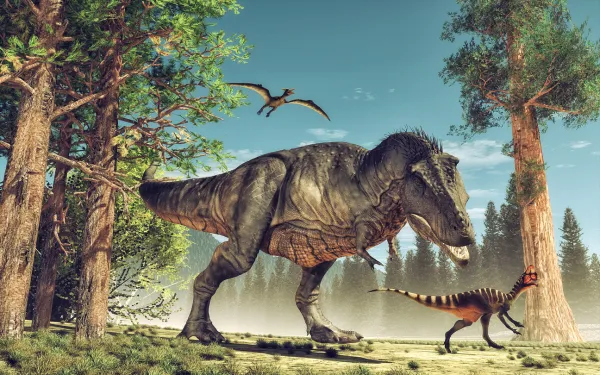
Thanks to paleontology, we now know a great deal about the fearsome hunters of the Mesozoic. From Late Jurassic rocks in North America to Cretaceous beds in China and Africa, fossils of meat-eating dinosaurs are abundant···
Read article →
The fascinating world of dinosaurs contains an endless variety of remarkable species, each with its own adaptations and evolutionary strategies. Among them, one of the largest and most diverse groups was undoubtedly the ···
Read article →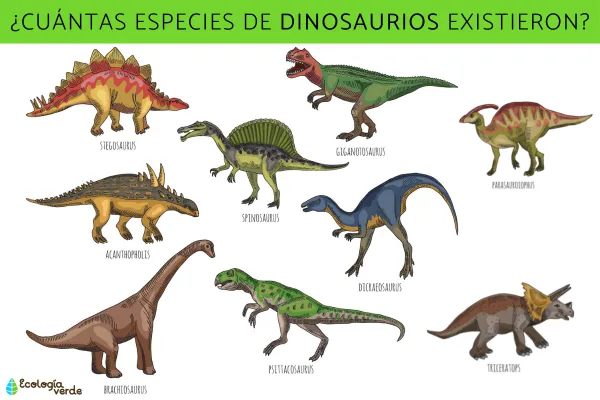
Dinosaurs—often referred to as "terrible lizards"—are a fascinating group of prehistoric animals that first appeared on Earth around 230 million years ago. For more than 130 million years, they dominated terr···
Read article →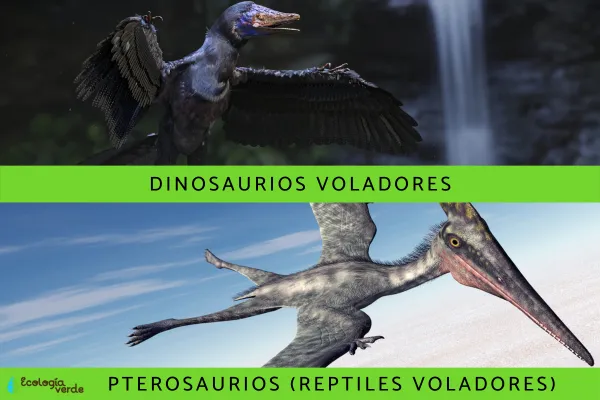
Flying dinosaurs represent a critical link in understanding the evolution and diversification of modern birds. Although these creatures lived hundreds of millions of years ago, their fossilized remains provide paleontolo···
Read article →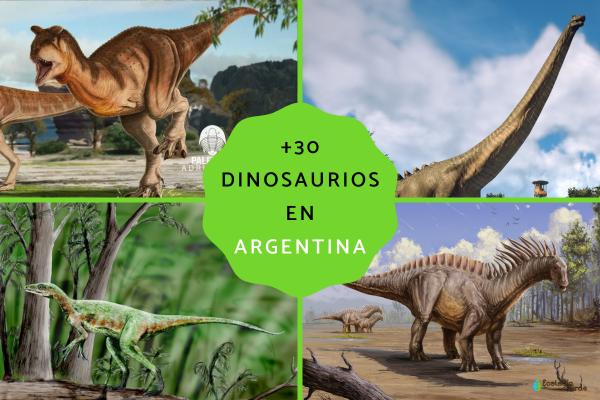
Officially known as the Argentine Republic, Argentina is the eighth-largest country in the world and home to a vast array of flora and fauna. Among its nine natural regions, the Iguazú Falls have even been named one of ···
Read article →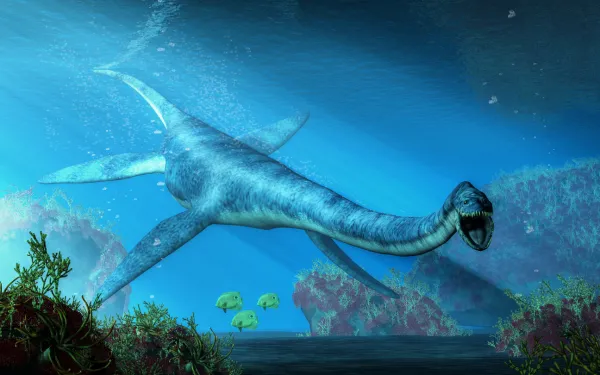
Prehistoric animals have long captivated human curiosity. Imagining a world populated by creatures that no longer exist forces us to reflect on the vast age of our planet and the incredible biodiversity it once hosted. D···
Read article →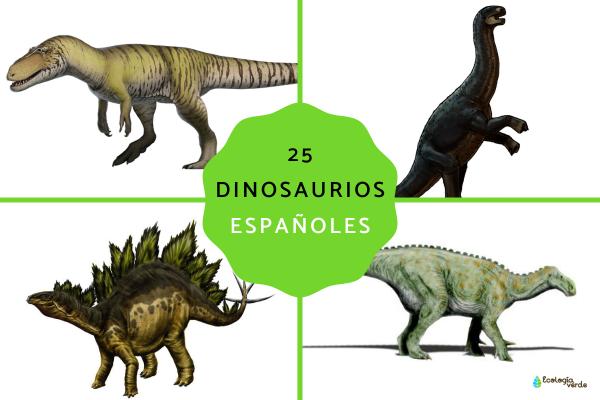
Spain’s Mesozoic strata—especially those in Aragón—have yielded hundreds of skeletal remains, eggs, coprolites, and spectacular trackways (over 200 ichnite sites nationwide). Below is an expanded English adaptation o···
Read article →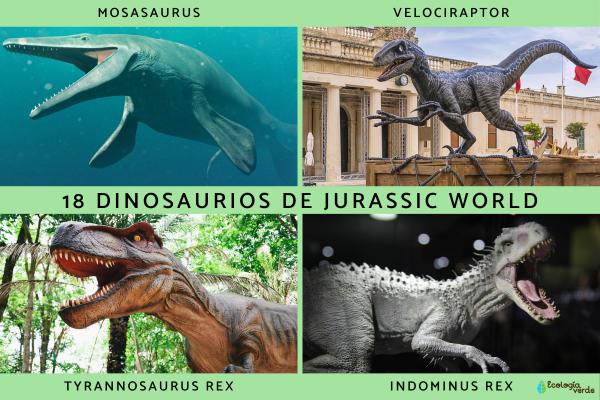
Since the original Jurassic Park (1993), the world has been captivated by the mighty dinosaurs brought to life on the big screen. The Jurassic World series (2015 onward) introduced even more new dinosaur species, with br···
Read article →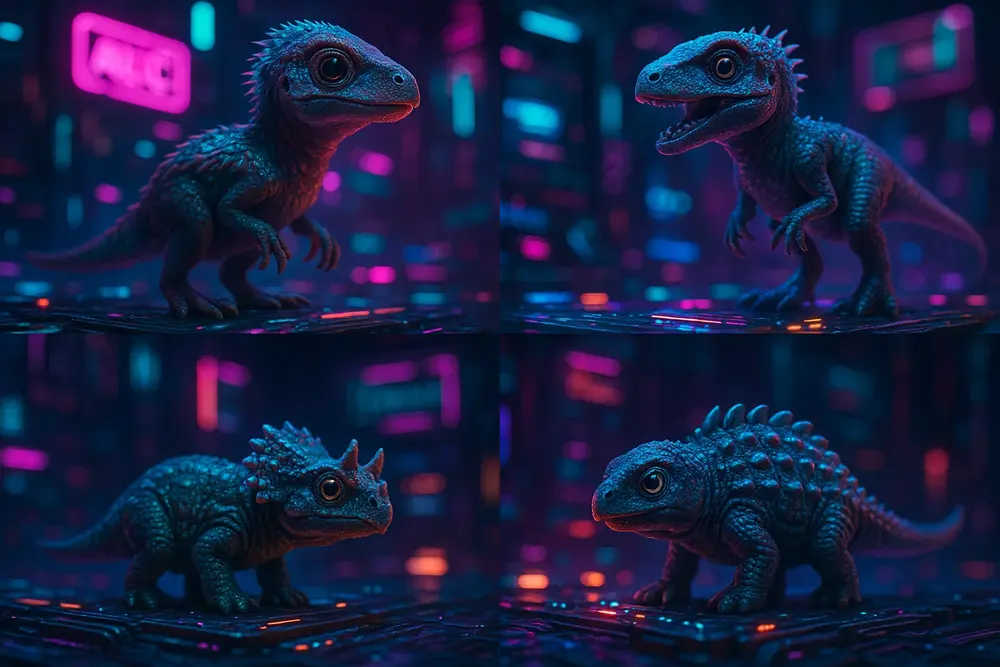
When we think of prehistoric life, we often picture massive beasts like Tyrannosaurus rex or woolly mammoths towering above us. But did you know that some of the most fascinating prehistoric animals were actually incredi···
Read article →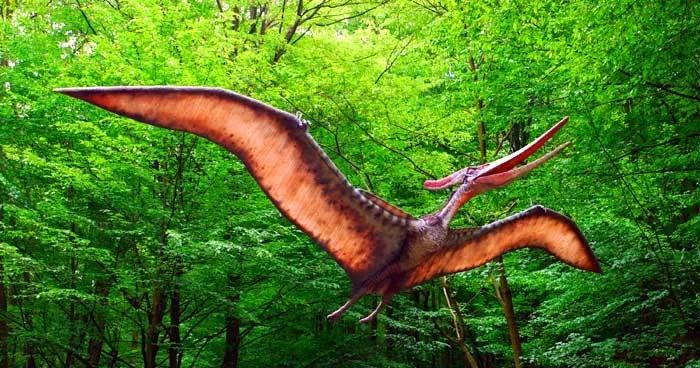
Although dinosaurs are extinct today, they are still considered one of the most amazing creatures that have ever walked the Earth. Are there flying dinosaurs? Do they really exist? Answer: There were no flying dinosaurs.···
Read article →