 LC
LC
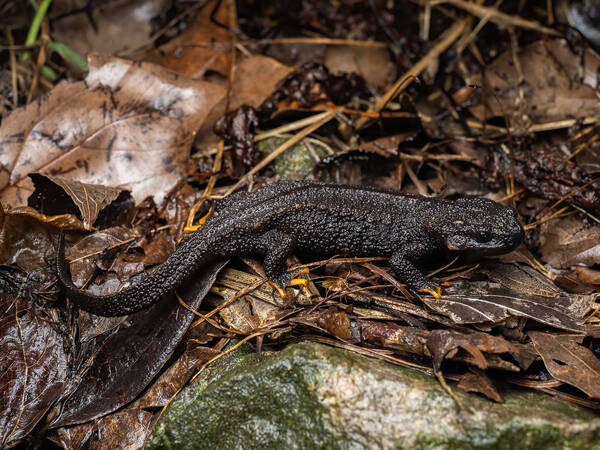
Echinotriton chinhaiensis
Echinotriton chinhaiensis,Zhenhai warty newt
Zhenhai Acanthus is an amphibian of the genus Acanthus of the family Salamandridae. It is endemic to China and has no subspecies. ···
Explore amphibians including salamanders, frogs, toads, and caecilians, with concise species facts and conservation information.

Use these shortcuts to move into more specific animal groups.
There are about 4,000 kinds of amphibians, including anurans, anurans, and anurans. Characteristics: 1. Need to spend its childhood in water. 2. It has a bone structure adapted to living on land, has limbs, moist skin, and many glands. 3. The body has no scales or body hair. 4. The tongue is bifurcated, inverted, and can extend outward. 5. Mating and fertilization occur in water. 6. Larvae breathe through gills, while adults breathe through skin, oral lining and lungs.
Amphibia is a type of vertebrate that can live both in water and on land, and is an important transitional group in the evolution from aquatic animals to terrestrial animals. Their life cycle usually includes two stages: aquatic larvae and terrestrial adults, so they are called "amphibians".
Scientific name: Amphibia
Main features:
Moist skin: The skin is exposed and moist, which helps breathing.
Amphibious: The larvae are mostly aquatic and breathe with gills; the adults are mostly terrestrial and breathe with lungs and skin.
Oviparous: Most of them lay eggs in water, and the larvae develop in water.
Poikilotherms: Body temperature changes with the environment.
Inner ear and vocal organs: Amphibians can usually hear sounds, especially frogs can make sounds.
Ecological role:
Pest control: Prey on small invertebrates such as mosquitoes.
Important link in the food chain: Both predator and prey.
Evolutionary history:
Originated in the Devonian period about 350 million years ago, it is the earliest vertebrate adapted to terrestrial life.
Amphibians are the ancestors of reptiles and are also important links between aquatic and terrestrial environments.
Amphibians are mainly divided into three orders: Anura (frogs), Caudata (salamanders), and Apoda (caecilians).
| Classification level | Order | Family | Genus | Examples |
|---|---|---|---|---|
| Anura | Anura (Anura) | Ranidae (Ranidae) | Rana (Rana) | Frog, Rana |
| Bufonidae | Bufo | American toad, common toad | ||
| Hylidae | Hyla | American green tree frog, red-eyed tree frog | ||
| Dendrobatidae | Poison dart frog (Dendrobates) | Blue poison dart frog, golden poison dart frog | ||
| Caudata | Caudata | Salamandridae | Salamandra | Fire salamander, eastern salamander |
| Cryptobranchidae | Andrias | Chinese giant salamander (baby fish), Japanese giant salamander | ||
| Plethodontidae | Plethodon | Red-backed salamander | ||
| Gymnophiona | Caeciliidae | Caecilia | Caecilia | caecilian |
| water caeciliansFamily (Typhlonectidae) | Genus (Typhlonectes) | Water caecilians |
Moist skin: The skin helps with water balance and gas exchange.
Differentiated limbs: Most amphibians have four limbs, which are suitable for swimming and jumping.
Evolution of the tail: Anura adults have no tail, Caudata adults retain their tail, and Apoda adults are worm-like.
Gill breathing: Larvae absorb oxygen through gills.
Lung and skin breathing: Adults mainly rely on lungs and skin for breathing.
Egg laying in water: eggs are mostly colloid and absorb water easily.
Metamorphosis: larvae undergo metamorphosis (such as tadpoles turning into frogs).
Most amphibians live in humid environments, but a few species are adapted to dry areas or completely aquatic environments.
Early Amphibians:
Amphibians originated in the Devonian period, and the earliest fossil records show that they evolved from lobe-finned fish.
With strong flippers and lungs, these early amphibians entered land life for the first time.
Development and Diversification:
During the Carboniferous and Permian periods, amphibians rapidly diversified and occupied a variety of ecological niches.
The emergence of reptiles gradually replaced the dominance of amphibians.
Modern amphibians:
Existing amphibians are descendants of ancient amphibian groups, including Anura, Caudata and Apoda.
Pest Control:
Prey on insects and small invertebrates, controlling pest populations.
Key Link in the Food Chain:
Provide food for birds, mammals and snakes.
Ecological Health Indicators:
Highly sensitive to habitat changes and environmental pollution, it is an important indicator species of ecosystem health.
Amphibians are one of the oldest and most important vertebrates on Earth. Whether it is beautiful frogs, rare giant salamanders, or mysterious caecilians, they all show the diversity of life.
Search the animals shown on this page or narrow them by IUCN conservation code.
LC
Echinotriton chinhaiensis,Zhenhai warty newt
Zhenhai Acanthus is an amphibian of the genus Acanthus of the family Salamandridae. It is endemic to China and has no subspecies. ···
 LC
LC
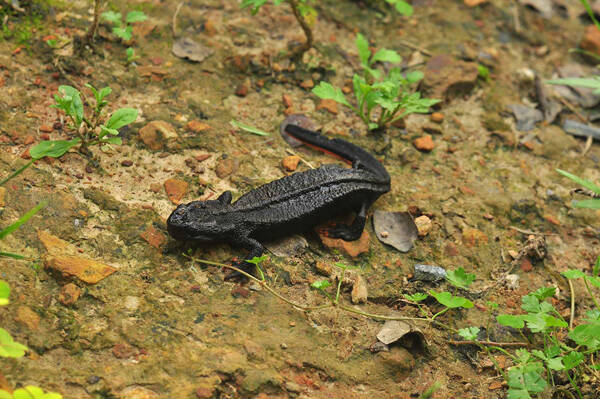
Yaotriton dabienicus
Dabie Yaozhi is an amphibian of the family Salamandridae and genus Yaozhi. It lives in mountainous areas with a moist environment,···
 LC
LC
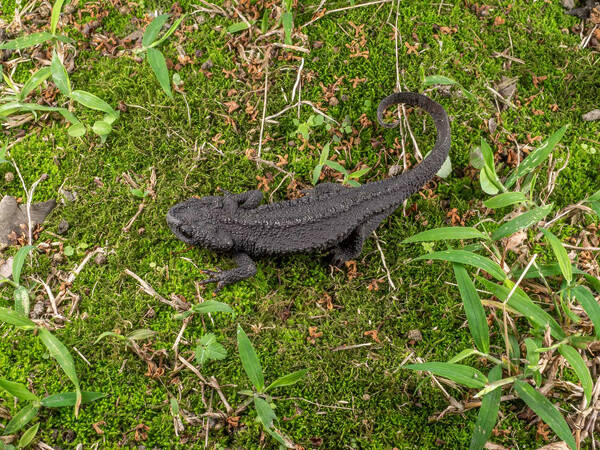
Yaotriton broadoridgus
The broad-spine newt is an amphibian of the family Salamandridae and the genus Salamandridae. It lives in mountainous areas with l···
 LC
LC
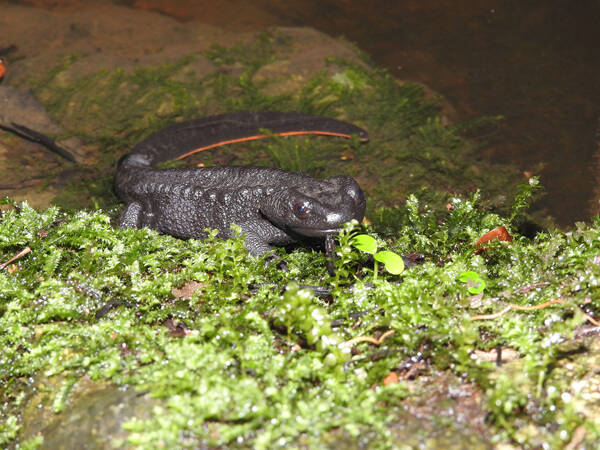
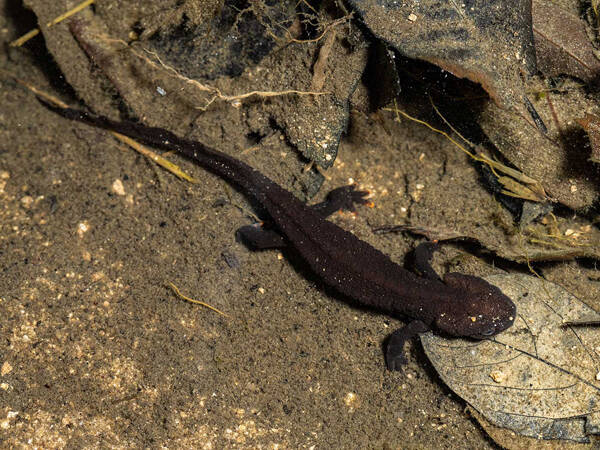
Yaotriton asperrinus
The fine-spotted newt is an amphibian of the family Salamandridae and genus Salamandridae. It lives in and around the mountains at···
 LC
LC
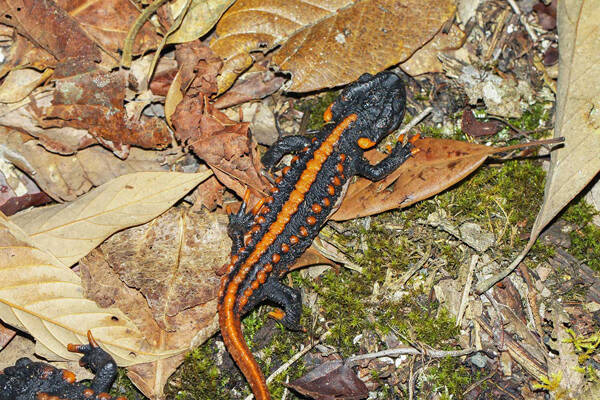
Yaotriton anhuiensis
Anhui Yaozhi is an amphibian of the family Salamandridae and genus Yaozhi. It lives in subtropical mountain forests at an altitude···
 LC
LC
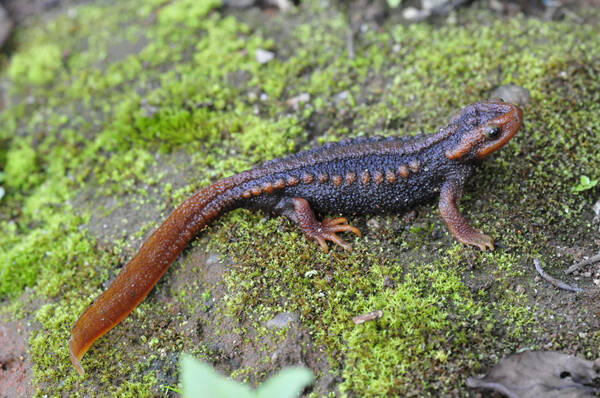
Tylototriton yangi
The Yunnan warty newt is an amphibian of the family Salamandridae and genus Warty Newt. It lives in densely vegetated hilly areas ···
 LC
LC
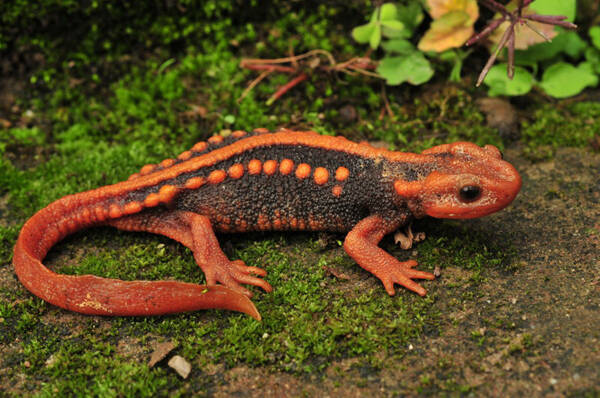
Tylototriton verrucosus,Himalayan salamander
The brown-black warty newt is an amphibian of the family Salamandridae and genus Warty Newt. It is similar to the red warty newt, ···
 LC
LC
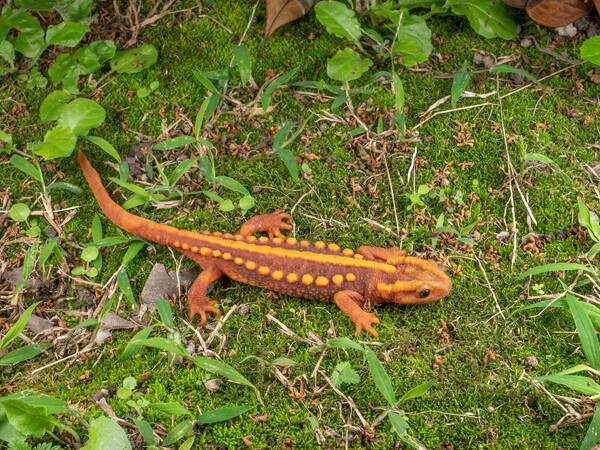
Tylototriton verrucoosus Anderson, fine warty newt, golden unicorn newt, red gecko, water gecko, baby snake
Red warty newt is a tailed amphibian of the family Salamandridae and the genus Warty Newt. It lives in mountainous areas with lush···
 LC
LC
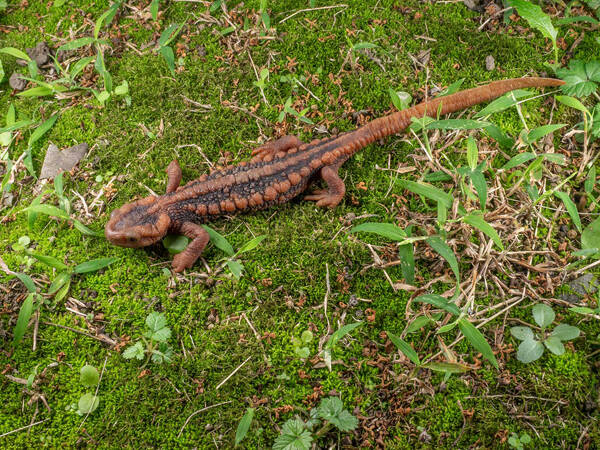
Tylototriton broadoridgus
The beautiful newt is a tailed amphibian of the Salamandridae family and the genus Salamandridae. It lives in the rainforests in t···
 LC
LC
Tylototriton pseudoverrucosus
The southern Sichuan newt is a tailed amphibian of the Salamandridae family and the genus Salamandridae. It lives in mountainous a···
 LC
LC
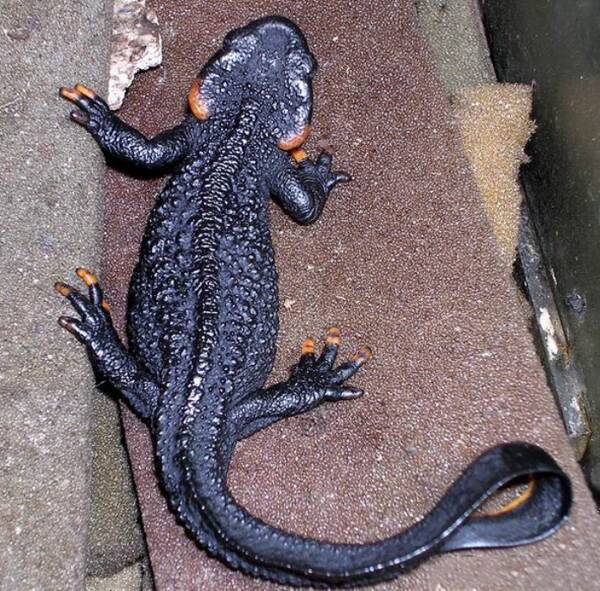
Tylototriton kweichowensis,Miaopo snake, Tuha scale, painted stone
Guizhou wart newt is a tailed amphibian of the family Salamandridae and the genus Wart Newt. It lives in small water pits, slow-fl···
 LC
LC
Liangshantriton taliangensis,Taliang Knobby Newt,Tylototriton taliangensis,Daliang warty newt
The big newt is a tailed amphibian of the family Salamandridae and the genus Salamandridae. It lives in mountain depressions with ···
 LC
LC
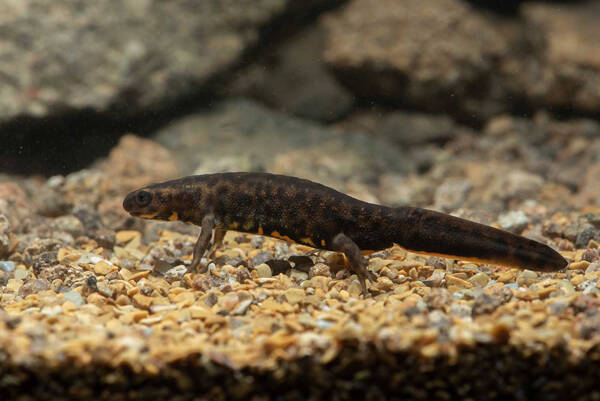
Cynops orphicus,Shantou Salamander
The Chaoshan salamander is a tailed amphibian of the family Salamandridae and the genus Salamandridae. It lives in mountainous are···
 LC
LC
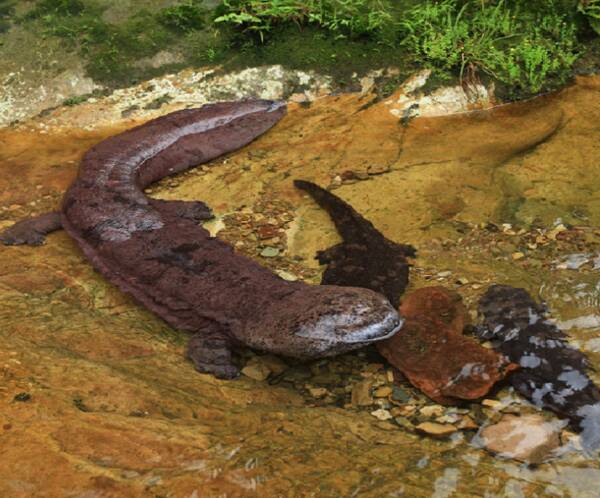
Andrias davidianus,Chinese Giant Salamander,Andrias scheuchzeri davidianus、Megalobatrachus davidianus、Sieboldia davidi,Giant salamander, mermaid, baby fish, foot fish, crying fish, wax dog
The giant salamander is an ancient amphibian that evolved from aquatic fish in the Devonian period of the Paleozoic Era 360 millio···
 LC
LC
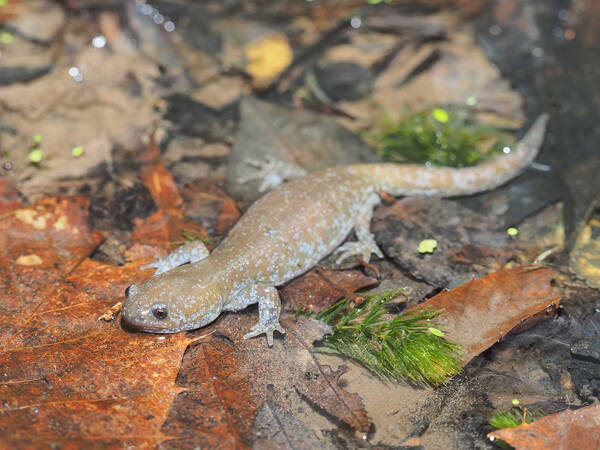
Hynobius yiwuensis
Yiwu small salamander lives in hilly and mountainous areas with an altitude of 100 to 200 meters. Except for the breeding season, ···
 LC
LC
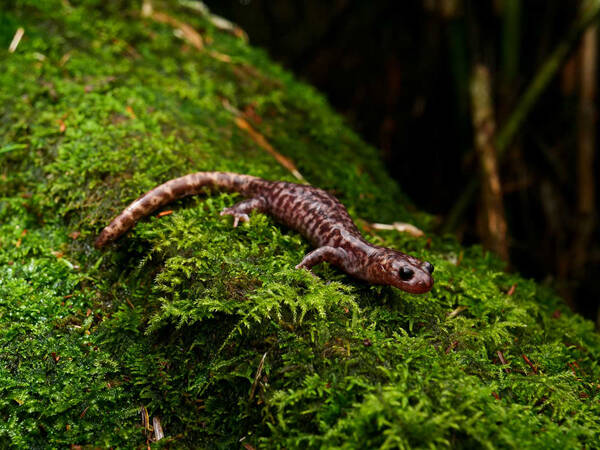
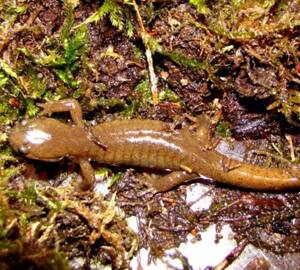
Hynobius sonani,Chunan's Salamander
Chunan Hynobius is a tailed amphibian belonging to the Hynobiidae family and the genus Hynobius. It lives in high and cold mountai···
 LC
LC
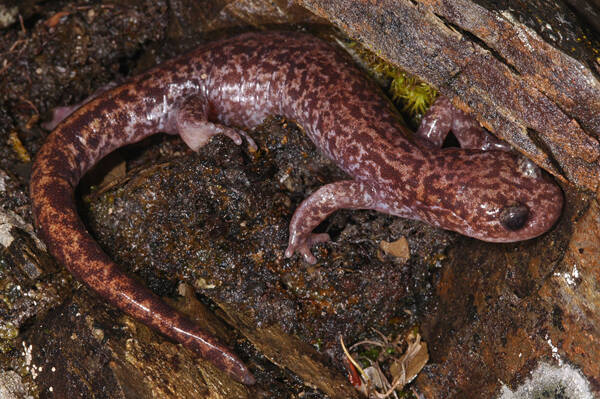
Hynobius leechii,Northeastern China Salamander,Water snake, baby salamander, water snake, mullet
The Northeast Hypsilophis davidianus lives on land during the non-breeding season, hiding during the day and coming out at night, ···
 LC
LC
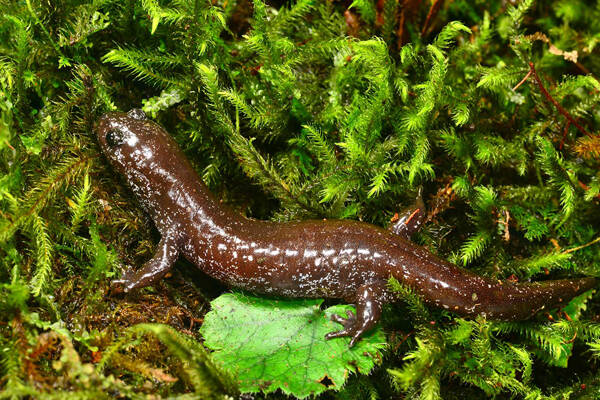
Hynobius nanhuensis
Nanhu Hypsilophis lives in high-altitude mountainous areas with harsh environments. The population is very small and it is endemic···
 LC
LC
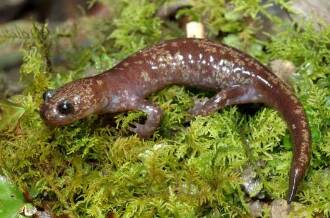
Hynobius fucusLai and Lue, 2008
The Guanwu Small Salamander lives in mountainous areas at an altitude of 1200-2100m, where the vegetation is a mixed forest of man···
 LC
LC
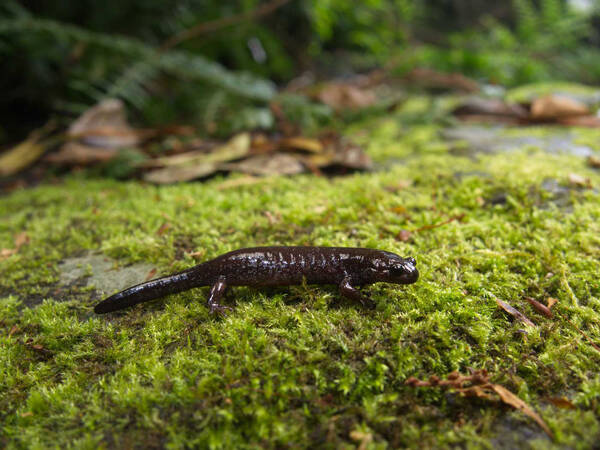
Hynobius formosanus,,Formosan Hynobiid、Taiwan SalamanderTaiwan Salamander
Taiwan's small salamander lives by mountain streams at an altitude of about 2,100 meters, or in the fallen leaves at the botto···
 LC
LC
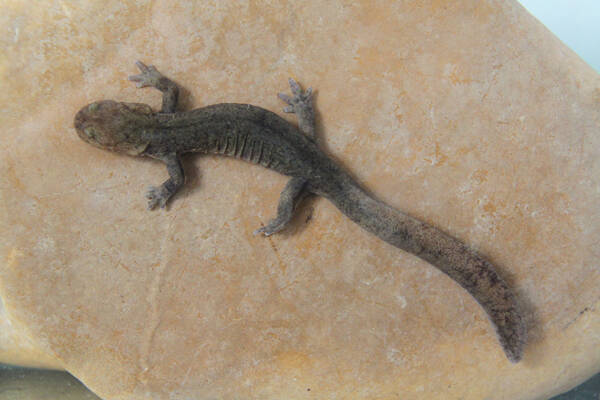
sonani arisanensis Maki,1922,Taiwan small salamander, Alishan small salamander, earth dragon
Alishan Small Salamander is an animal of the genus Small Salamander of the family Small Salamander. It lives in the middle and hig···
 LC
LC
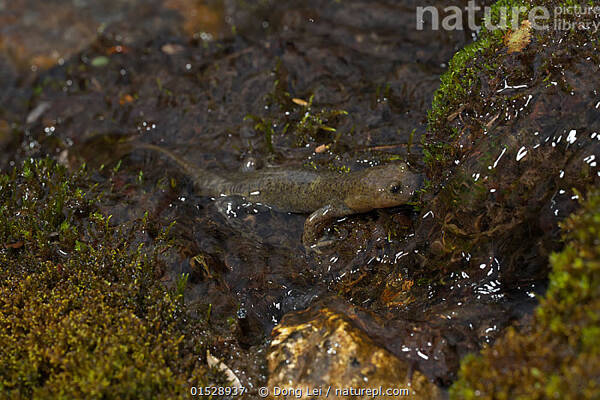
Batrachuperus yenyuanensis,Qianghuo fish
The ecological environment of the Yanyuan Mountain Stream Salamander is generally 1 to 2 meters wide and no more than 1/3 meter de···
 LC
LC
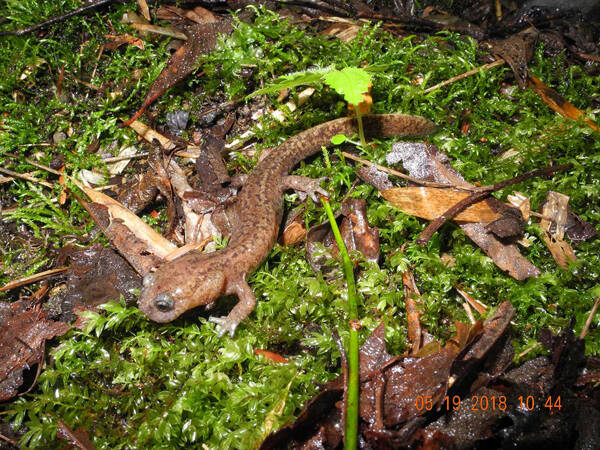
Batrachuperus tibetanus,Giant salamander, Qianghuo fish, mountain pepper, fir fish
The Tibetan stream salamander is a tailed amphibian adapted to plateaus or cold mountain streams. It is distributed at an altitude···
 LC
LC
Batrachuperus pinchonii,Qianghuo fish, fir fish, white dragon
The stream salamander is an amphibian of the genus Hynomaria, family Hynomaria. It lives in mountain streams at an altitude of 150···