 LC
LC
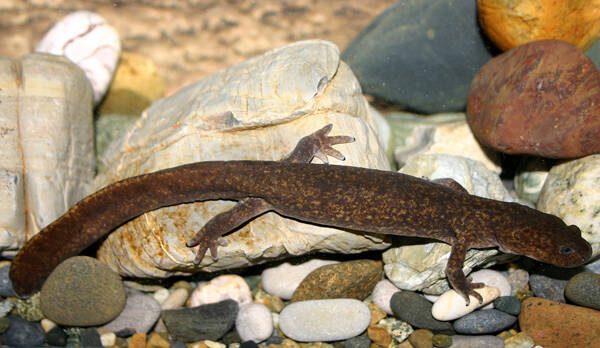
Batrachuperus londongensis
Batrachuperus londongensis,Small giant salamander
Longdong Stream Salamander is a tailed amphibian of the family Hynomidae and the genus Hynomidae. It lives in spring caves at an a···
Explore amphibians including salamanders, frogs, toads, and caecilians, with concise species facts and conservation information.

Use these shortcuts to move into more specific animal groups.
There are about 4,000 kinds of amphibians, including anurans, anurans, and anurans. Characteristics: 1. Need to spend its childhood in water. 2. It has a bone structure adapted to living on land, has limbs, moist skin, and many glands. 3. The body has no scales or body hair. 4. The tongue is bifurcated, inverted, and can extend outward. 5. Mating and fertilization occur in water. 6. Larvae breathe through gills, while adults breathe through skin, oral lining and lungs.
Amphibia is a type of vertebrate that can live both in water and on land, and is an important transitional group in the evolution from aquatic animals to terrestrial animals. Their life cycle usually includes two stages: aquatic larvae and terrestrial adults, so they are called "amphibians".
Scientific name: Amphibia
Main features:
Moist skin: The skin is exposed and moist, which helps breathing.
Amphibious: The larvae are mostly aquatic and breathe with gills; the adults are mostly terrestrial and breathe with lungs and skin.
Oviparous: Most of them lay eggs in water, and the larvae develop in water.
Poikilotherms: Body temperature changes with the environment.
Inner ear and vocal organs: Amphibians can usually hear sounds, especially frogs can make sounds.
Ecological role:
Pest control: Prey on small invertebrates such as mosquitoes.
Important link in the food chain: Both predator and prey.
Evolutionary history:
Originated in the Devonian period about 350 million years ago, it is the earliest vertebrate adapted to terrestrial life.
Amphibians are the ancestors of reptiles and are also important links between aquatic and terrestrial environments.
Amphibians are mainly divided into three orders: Anura (frogs), Caudata (salamanders), and Apoda (caecilians).
| Classification level | Order | Family | Genus | Examples |
|---|---|---|---|---|
| Anura | Anura (Anura) | Ranidae (Ranidae) | Rana (Rana) | Frog, Rana |
| Bufonidae | Bufo | American toad, common toad | ||
| Hylidae | Hyla | American green tree frog, red-eyed tree frog | ||
| Dendrobatidae | Poison dart frog (Dendrobates) | Blue poison dart frog, golden poison dart frog | ||
| Caudata | Caudata | Salamandridae | Salamandra | Fire salamander, eastern salamander |
| Cryptobranchidae | Andrias | Chinese giant salamander (baby fish), Japanese giant salamander | ||
| Plethodontidae | Plethodon | Red-backed salamander | ||
| Gymnophiona | Caeciliidae | Caecilia | Caecilia | caecilian |
| water caeciliansFamily (Typhlonectidae) | Genus (Typhlonectes) | Water caecilians |
Moist skin: The skin helps with water balance and gas exchange.
Differentiated limbs: Most amphibians have four limbs, which are suitable for swimming and jumping.
Evolution of the tail: Anura adults have no tail, Caudata adults retain their tail, and Apoda adults are worm-like.
Gill breathing: Larvae absorb oxygen through gills.
Lung and skin breathing: Adults mainly rely on lungs and skin for breathing.
Egg laying in water: eggs are mostly colloid and absorb water easily.
Metamorphosis: larvae undergo metamorphosis (such as tadpoles turning into frogs).
Most amphibians live in humid environments, but a few species are adapted to dry areas or completely aquatic environments.
Early Amphibians:
Amphibians originated in the Devonian period, and the earliest fossil records show that they evolved from lobe-finned fish.
With strong flippers and lungs, these early amphibians entered land life for the first time.
Development and Diversification:
During the Carboniferous and Permian periods, amphibians rapidly diversified and occupied a variety of ecological niches.
The emergence of reptiles gradually replaced the dominance of amphibians.
Modern amphibians:
Existing amphibians are descendants of ancient amphibian groups, including Anura, Caudata and Apoda.
Pest Control:
Prey on insects and small invertebrates, controlling pest populations.
Key Link in the Food Chain:
Provide food for birds, mammals and snakes.
Ecological Health Indicators:
Highly sensitive to habitat changes and environmental pollution, it is an important indicator species of ecosystem health.
Amphibians are one of the oldest and most important vertebrates on Earth. Whether it is beautiful frogs, rare giant salamanders, or mysterious caecilians, they all show the diversity of life.
Search the animals shown on this page or narrow them by IUCN conservation code.
LC
Batrachuperus londongensis,Small giant salamander
Longdong Stream Salamander is a tailed amphibian of the family Hynomidae and the genus Hynomidae. It lives in spring caves at an a···
 LC
LC
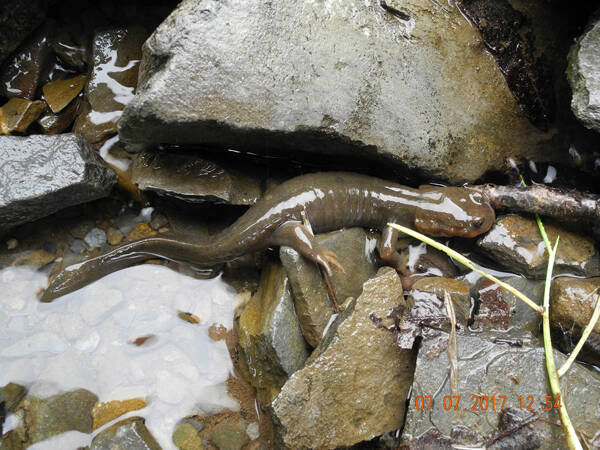
Batrachuperus londongensis,Qianghuo fish, fir fish, white dragon
The spotted stream salamander is a species of the genus Hynomialidae. This species has been included in the "List of Terrestr···
 LC
LC
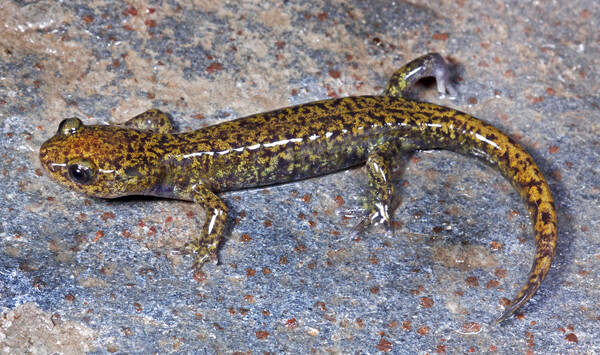
Batrachuperus cochranae,Qianghuo fish, fir fish, white dragon
The weak-lipped stream salamander is a tailed amphibian of the family Hynomidae and the genus Hynomidae. It lives in high mountain···
 LC
LC
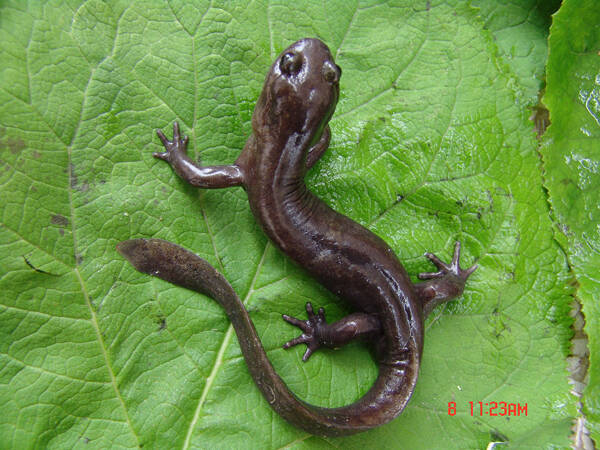
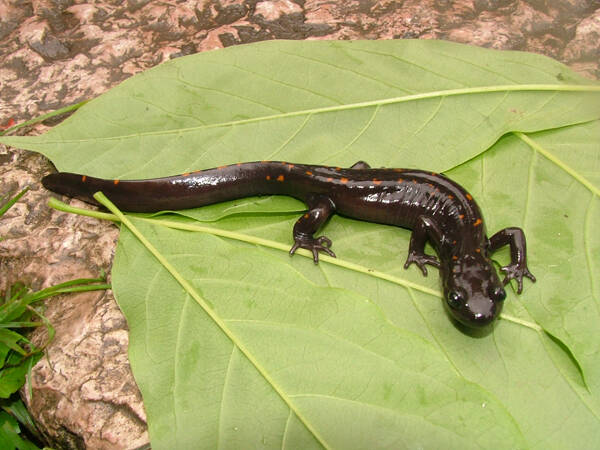
Pseudohynobius shuichengensis
The Shuicheng Salamander is a tailed amphibian of the family Salamanderidae and the genus Salamander. This species is similar to P···
 LC
LC
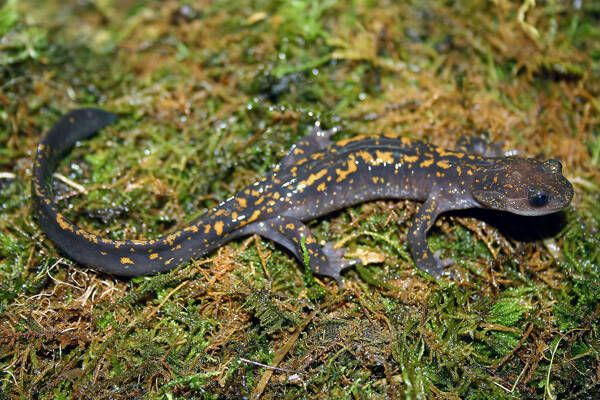
Pseudohynobius kuankuoshuiensis
The broadwater salamander is a tailed amphibian of the family Hynobiidae and the genus Hynobiidae. It is similar to the yellow-spo···
 LC
LC
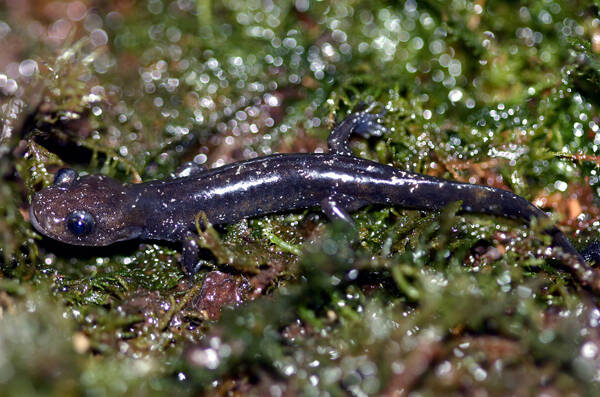
Pseudohynobius jinfo
The Golden Buddha's Pseudohylid Salamander lives in high mountainous areas with an altitude of 1980-2150m, where vegetation is···
 LC
LC
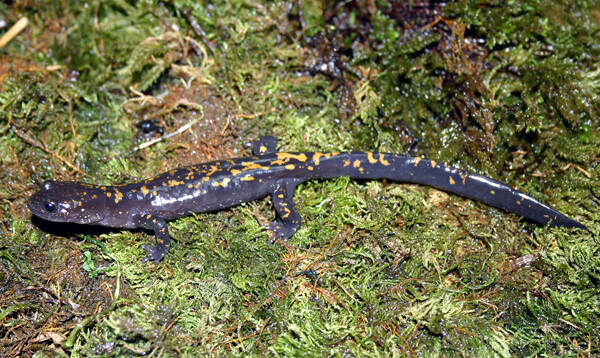
Pseudohynobius guizhouensis
Juveniles live in the backwater of a stream, which is about 2.0m wide. There are dense bamboos and shrubs on the edge of the strea···
 LC
LC
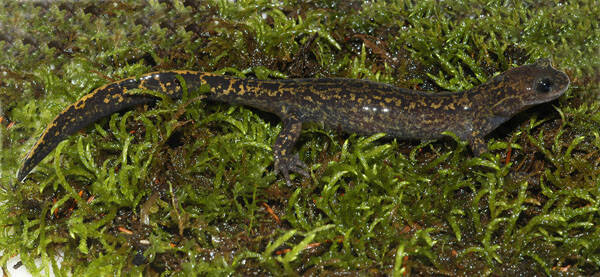
Pseudohynobius flavomaculatus, baby salamander, baby salamander
The yellow-spotted Hypoderma davidiana lives in high mountainous areas with an altitude of 1100 to 1845 meters. The mountains are ···
 LC
LC
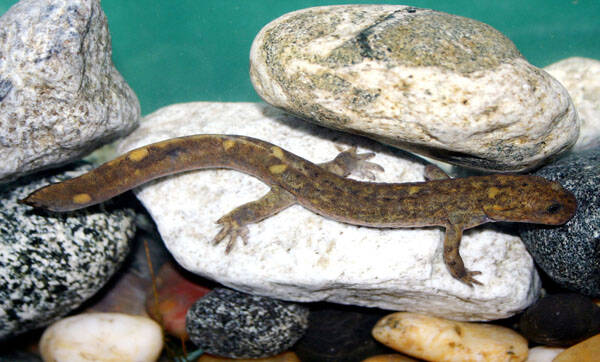
Liua tsinpaensis
Habitat: This salamander lives in and near small mountain streams at an altitude of 1770-1860m. The stream has a small amount of w···
 LC
LC
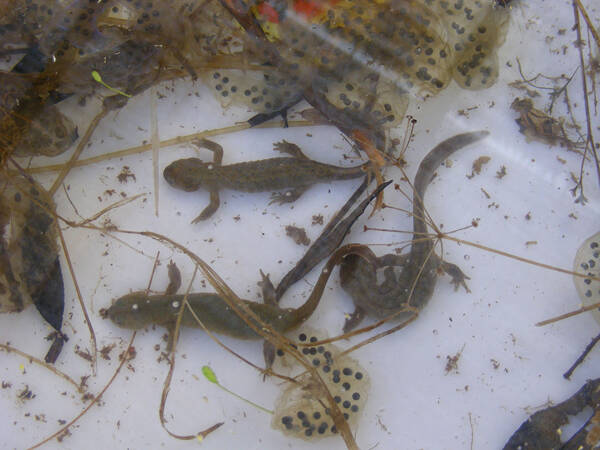
Liua shihi,Babirusa
Habitat: This salamander lives in mountainous areas with an altitude of 900 to 2350m. Adults mostly live in small mountain streams···
 LC
LC
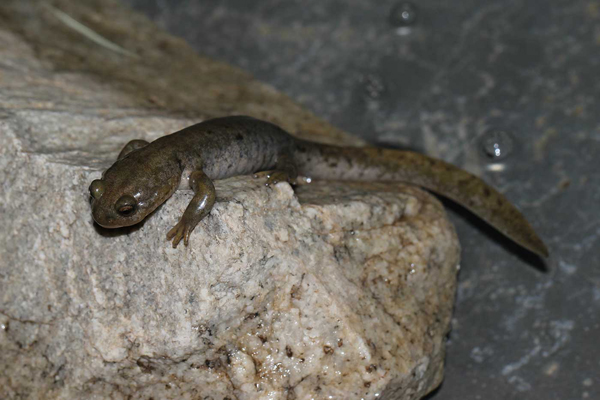
Salamandrella keyserlingii,Water snake
The Arctic salamander, also known as the water snake, can be called a "living fossil". It is an ancient rare animal with···
 LC
LC
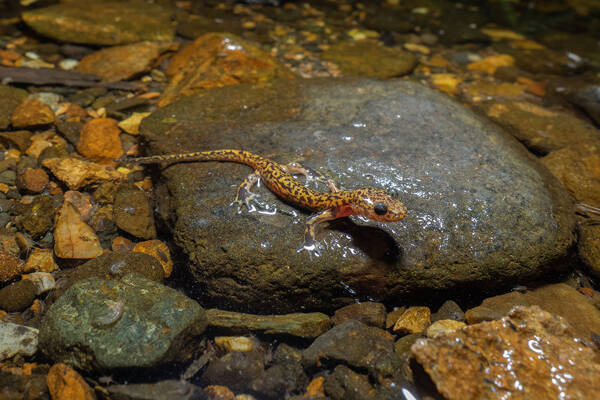
Salamandrella keyserlingii,Giant salamander, water lizard
The Xinjiang giant salamander is commonly known as the giant salamander or the water four-legged snake. It belongs to the class of···
 LC
LC
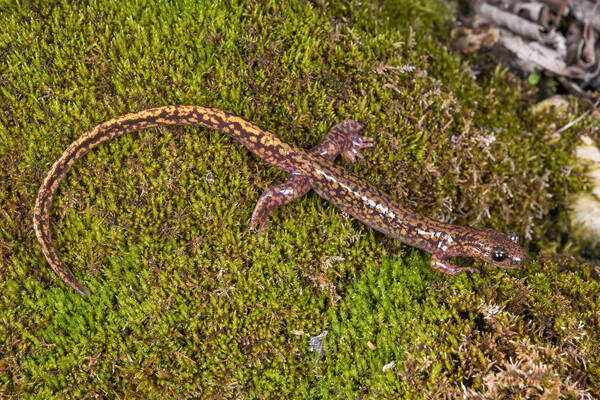
Onychodactylus zhangyapingi,
The Jilin clawed salamander (scientific name Onychodactylus zhangyapingi) is an animal of the genus Onychodactylus of the family H···
 LC
LC
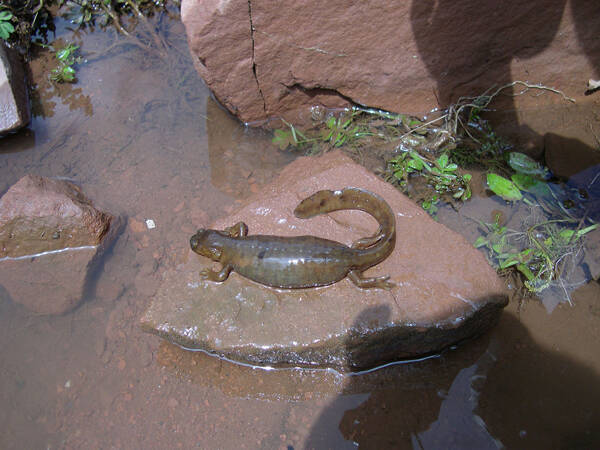
Onychodactylus zhaoermii
Liaoning clawed salamander is endemic to China. It is found in densely vegetated mountainous areas at an altitude of about 600m. I···
 LC
LC
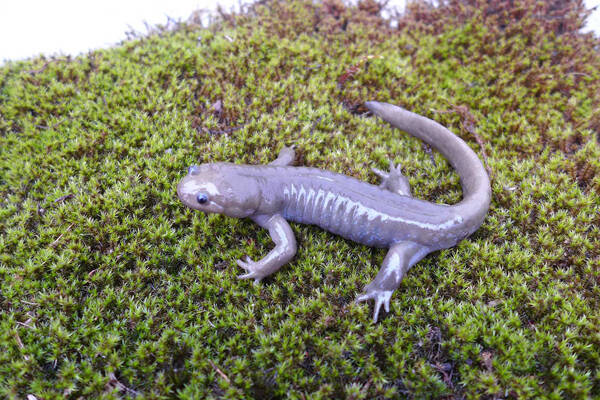
Protohynobius puxiongensis
Puxiong Prosaurus is a tailed amphibian of the family Hynantheidae and genus Prosaurus. In 1965, scholars from the Chengdu Institu···
 LC
LC
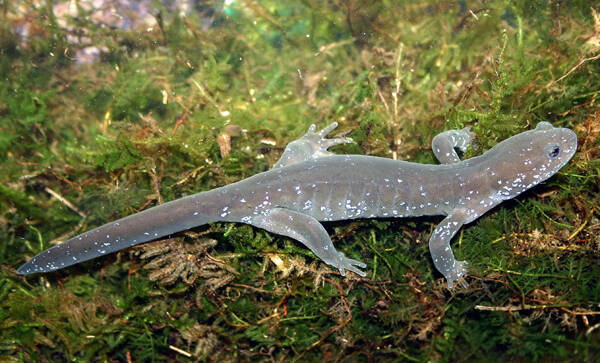
Hynobius maoershanensis,Maoershan Hynobiid
The Maoershan Small Salamander lives in the swamps and surrounding areas of the mountainous areas with an altitude of 1978 to 2015···
 LC
LC
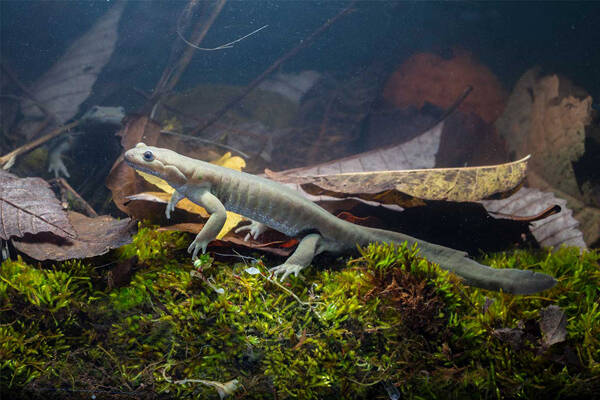
Hynobius guabangshanensis,South Henan Small Salamander, Qishan Little Elf, Qiyang Small Salamander, Giant Salamander
The Guabangshan Small Salamander lives in Guabangshan in Qiyang, Hunan. The highest peak of the mountain is 788 meters above sea l···
 LC
LC
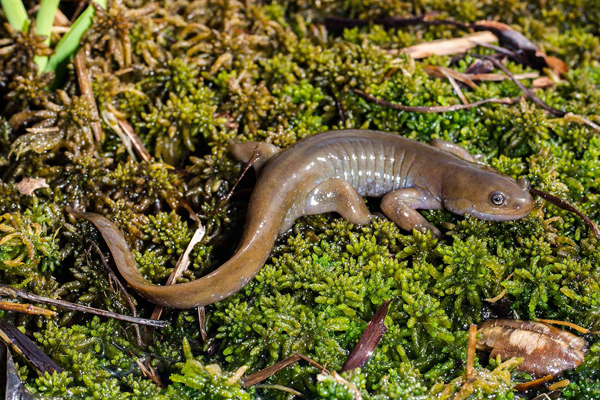
Hynobius chinensis,Chinese Salamander
The Chinese salamander (scientific name: Hynobius chinensis) is an animal of the Hynobiidae family and the genus Hynobius. It is a···
 LC
LC
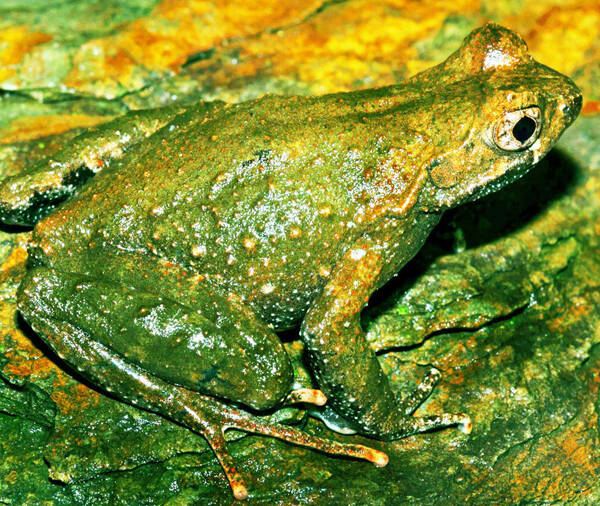
Hynobius amjiensis,anji hynobiid
Anji Hynobius amjiensis is an amphibian of the Hynobiidae family and Hynobius genus, and is endemic to China.Anji Hynobius amjiens···
 LC
LC
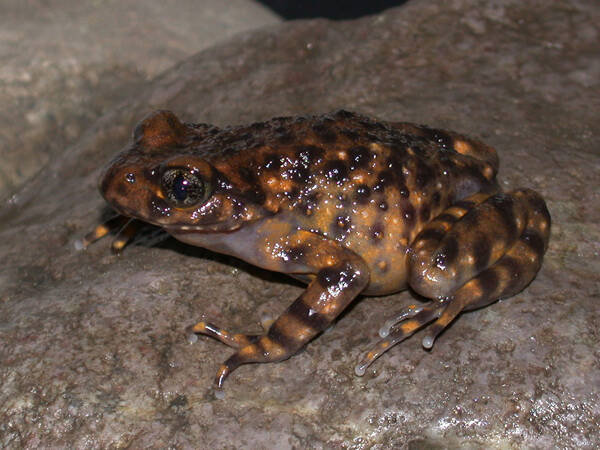
Boulenophrys baolongensis,Baolong Heterohorned Toad
The dragon-horned toad hides under the rocks or in the grass by the stream during the day. At night, the male toads often make chi···
 LC
LC
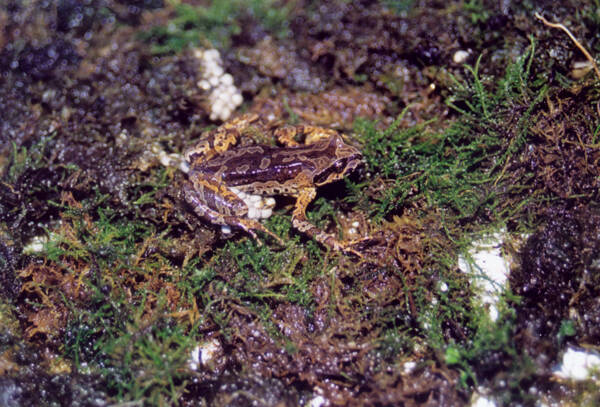
Oreolalax liangbeiensis,Liangbei tooth-shaped toad
The appearance of Liangbei toothed toad is similar to that of Oreolalax major, but the hind limbs of Liangbei toothed toad are sho···
 LC
LC
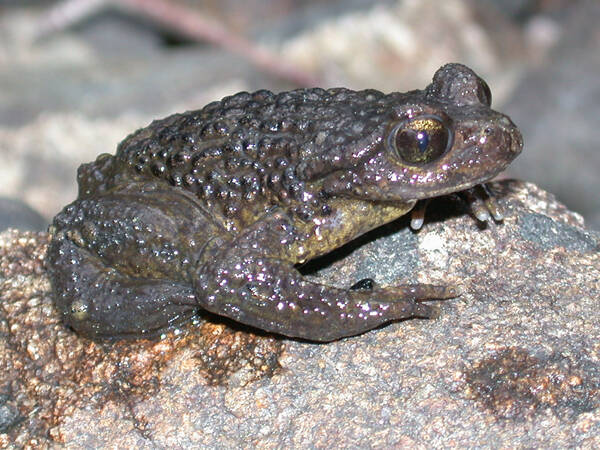
Scutiger chintingensis,Golden-necked Toad
The golden-crowned toothed toad is flat and narrow, with a head that is almost equal in length and width. It lives in the top stre···
 LC
LC
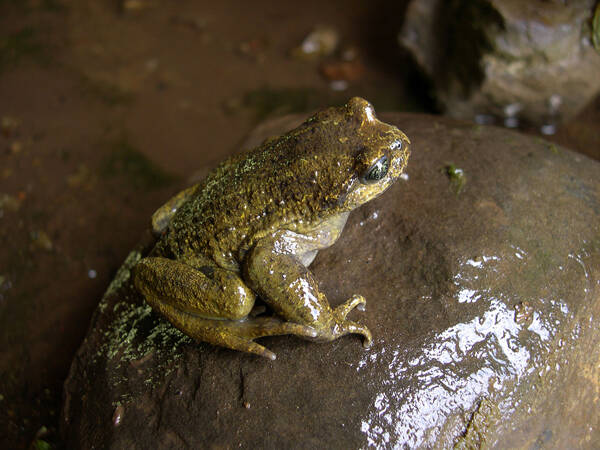
Scutiger jiulongensis,Kowloon Cat's Eye Toad
The dragon-toothed toad is an amphibious wild animal of the Anura order and the Ceratophoridae family. It lives in the spring stre···
 LC
LC
Scutiger muliensis,Muli cat-eyed toad
Muli Toothed Toad is an amphibian of the genus Toothed Toad, with a brown body and a grayish-white belly. It is endemic to China a···