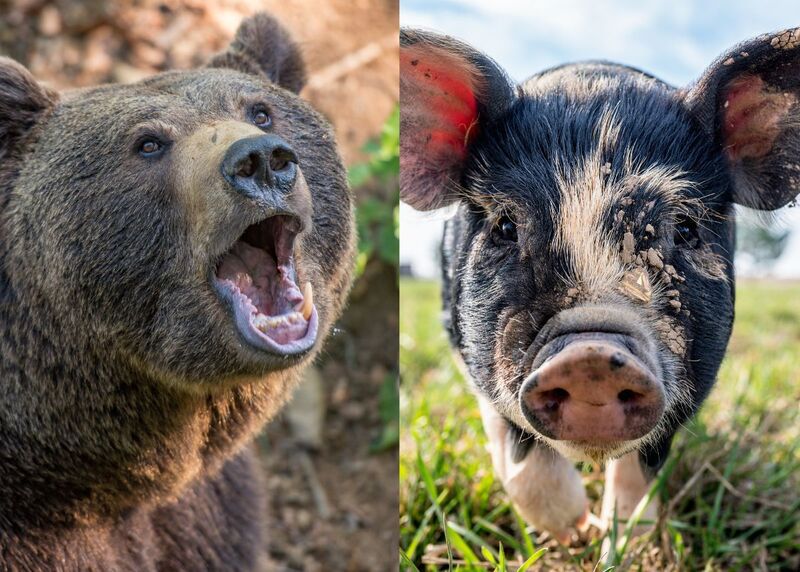
Are Bears Related to Pigs? No—Here’s Their Family Tree
Are bears related to pigs? Only distantly. See how bears and pigs differ in taxonomy, evolutionary history, anatomy, diet, and their closest living relatives.
Find animal profiles, comparisons, pet care guides, dinosaurs, FAQs, and tools.
Are bears related to pigs? Only distantly. See how bears and pigs differ in taxonomy, evolutionary history, anatomy, diet, and their closest living relatives.
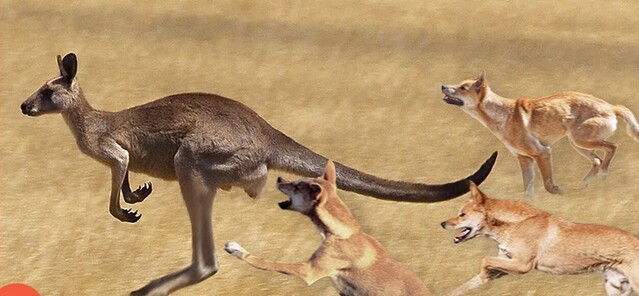
What eats red kangaroos? Learn about dingoes, foxes and eagles, how red kangaroos defend themselves, and how predators influence kangaroo populations.
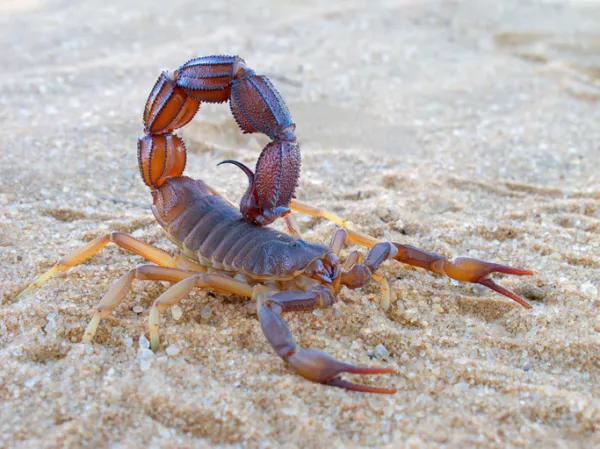
Is an alacrán different from a scorpion? No—alacrán and escorpión are names for the same arachnid. Learn the terminology, venom myths and sting safety.

Learn about the pig-nosed turtle (Carettochelys insculpta), including its habitat, diet, size, behavior, unusual reproduction and endangered conservation status.
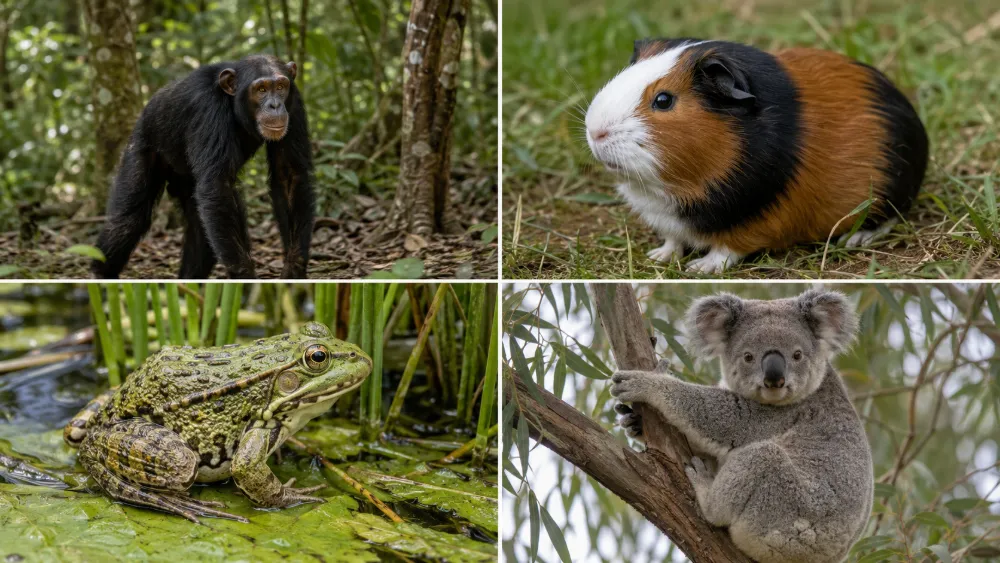
Which animals have no tails? Discover truly tailless and nearly tailless animals including apes, guinea pigs, frogs, koalas and capybaras, plus common myths.
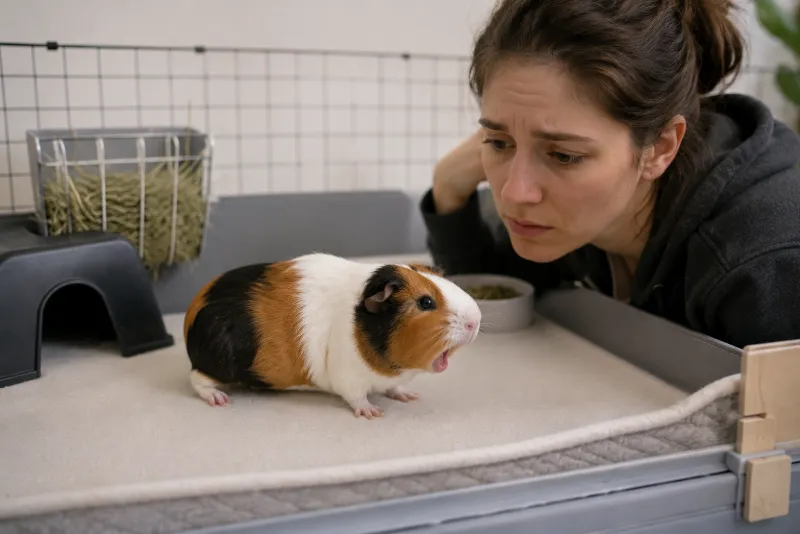
Recognizing the Pain CallGuinea pigs are naturally vocal animals. They may whistle loudly when they hear a food bag, chirp during social interactions, rumble during courtship, or squeak briefly when startled.A pain-related urination call is usually different. It tends to occur at the exact moment th

Why the Chicken Run Floor Is a Major Weak PointMany poultry keepers focus on the walls and roof of a run but overlook the ground beneath it. Unfortunately, digging predators usually search for the easiest route rather than attacking the strongest part of an enclosure.A fox or coyote may begin diggin

The Hidden Danger in Multi-Pet HouseholdsSugar gliders are small prey animals. In the wild, they avoid owls, snakes, monitor lizards, cats, and other predators. Domestic cats and dogs may be affectionate family pets, but their hunting, chasing, and investigative instincts can still be triggered by t
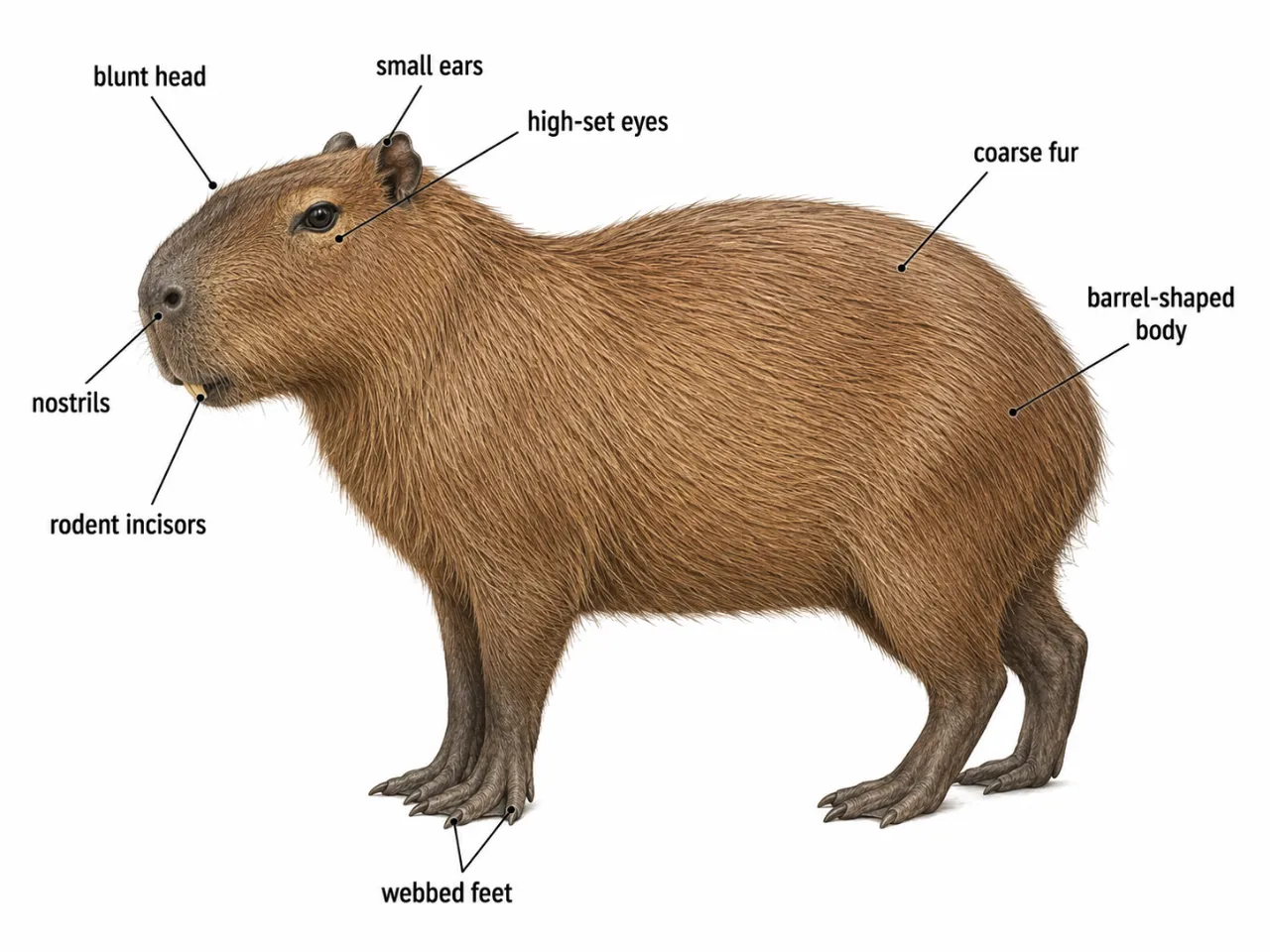
Quick answerThe capybara is a large, semi-aquatic rodent native to South America. Its scientific name is Hydrochoerus hydrochaeris. It is closely related to guinea pigs and rock cavies, but it is much larger. Adult capybaras can weigh as much as a medium-sized dog, and their barrel-shaped bodies, sh
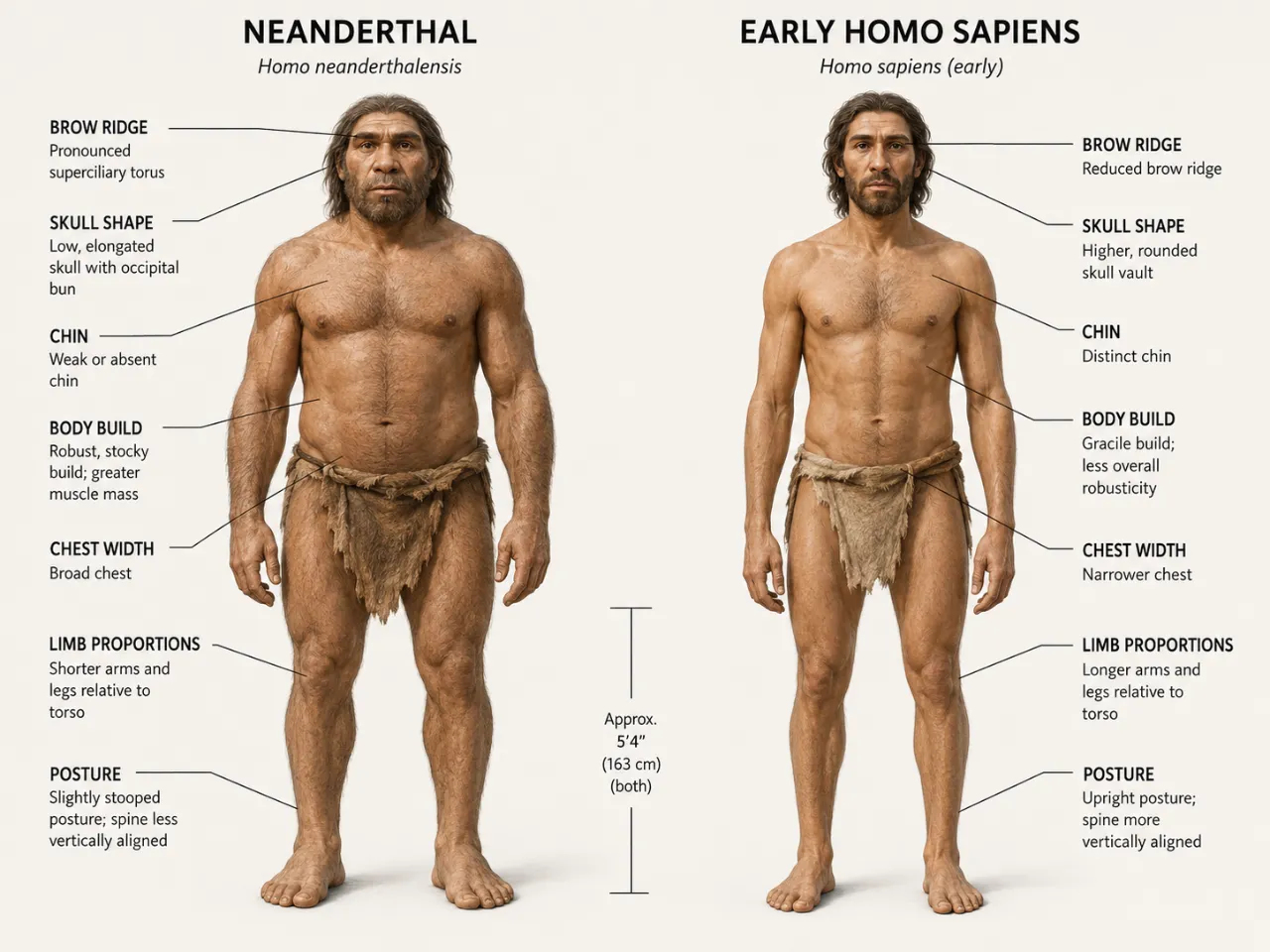
Quick answerNeanderthals and Homo sapiens were close relatives in the human evolutionary tree. Neanderthals, often written as Homo neanderthalensis, lived mainly in Europe and western Asia before disappearing around 40,000 years ago. Homo sapiens, modern humans, evolved in Africa and later expanded
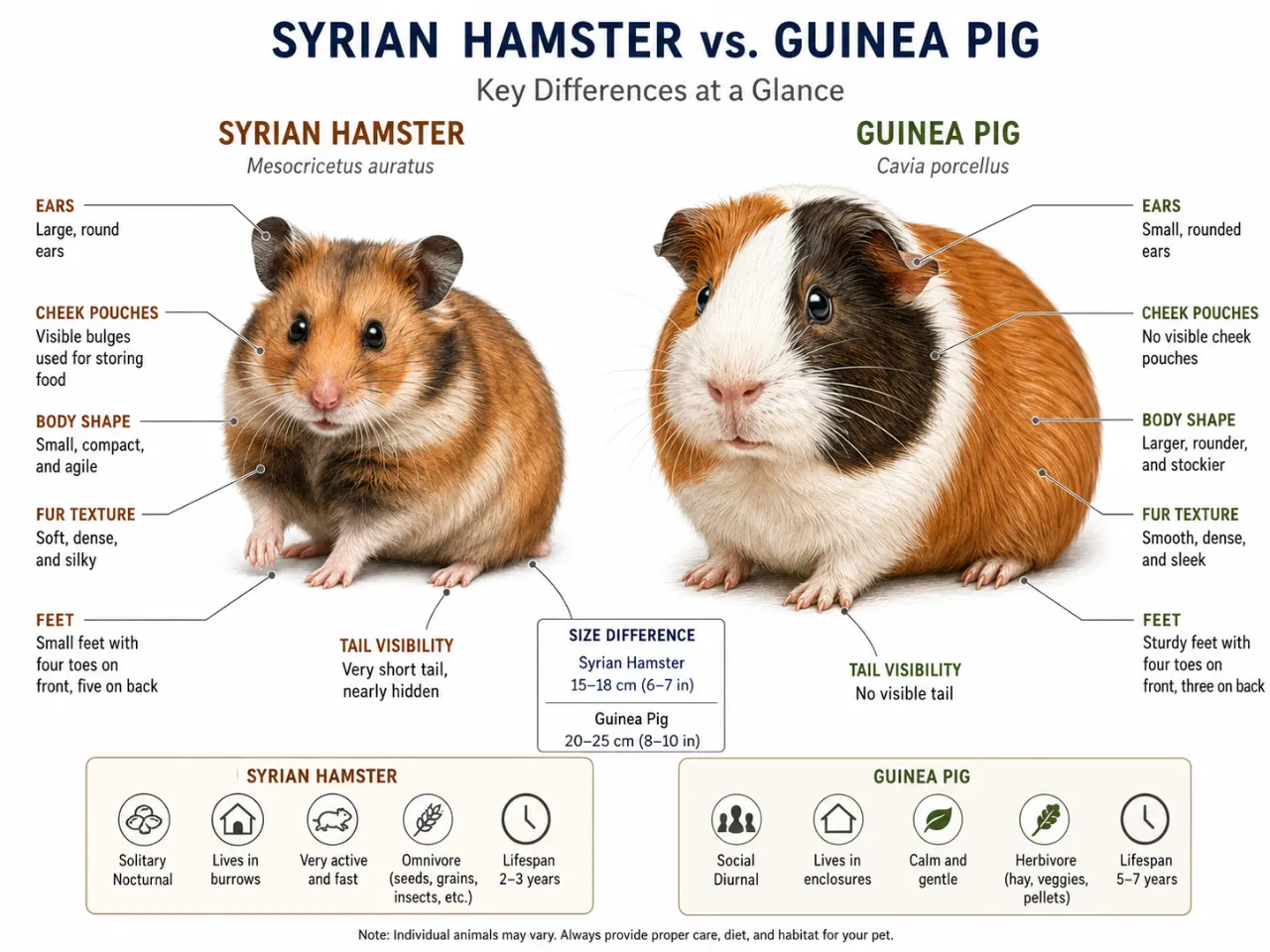
Quick answerHamsters and guinea pigs are both rodents, but they differ greatly in size, behavior, diet, lifespan, and social needs. Hamsters are small, compact animals with short tails, expandable cheek pouches, and mostly solitary habits. Guinea pigs, also called cavies, are much larger, tailless-l
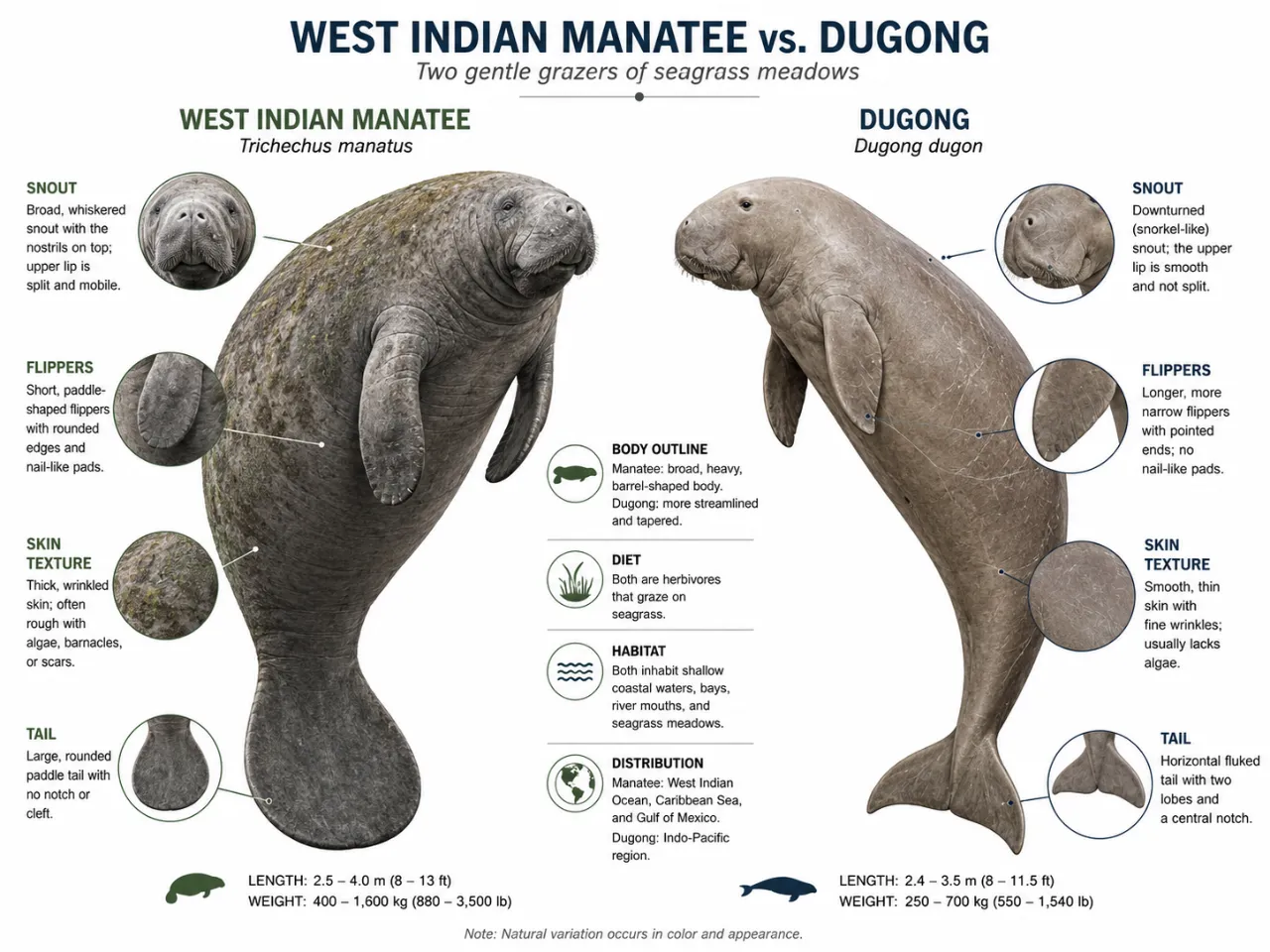
Quick answerManatees and dugongs are both slow-moving, plant-eating aquatic mammals in the order Sirenia. They are related, but they belong to different families and have several clear differences. Manatees are in the family Trichechidae, while the modern dugong is in the family Dugongidae.The faste
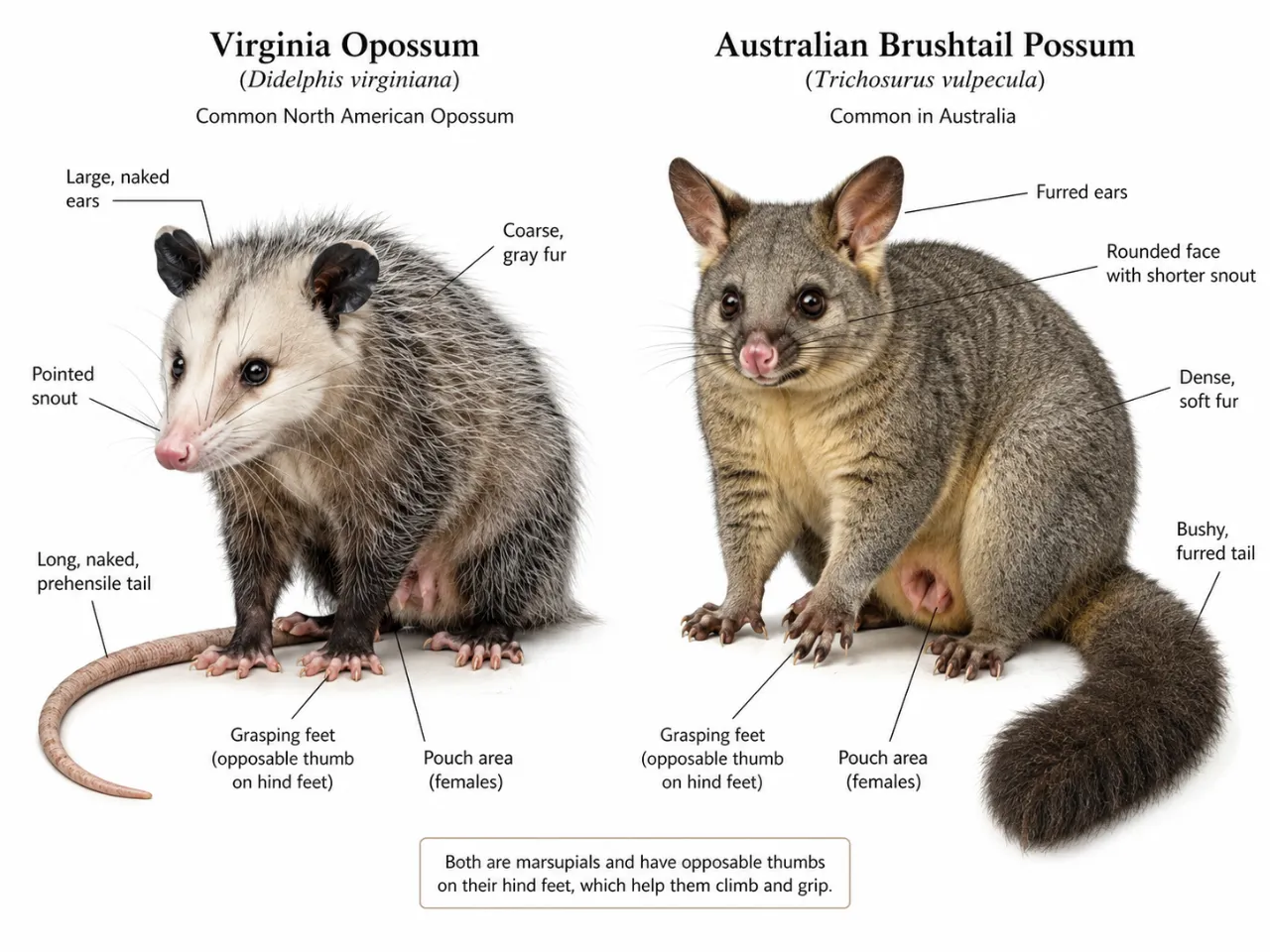
Quick answerIn scientific usage, an opossum is a marsupial from the Americas, while a possum is a marsupial from Australia, New Guinea, and nearby regions. They are related in the broad sense that both are marsupials, but they belong to different evolutionary groups and have different body shapes, b
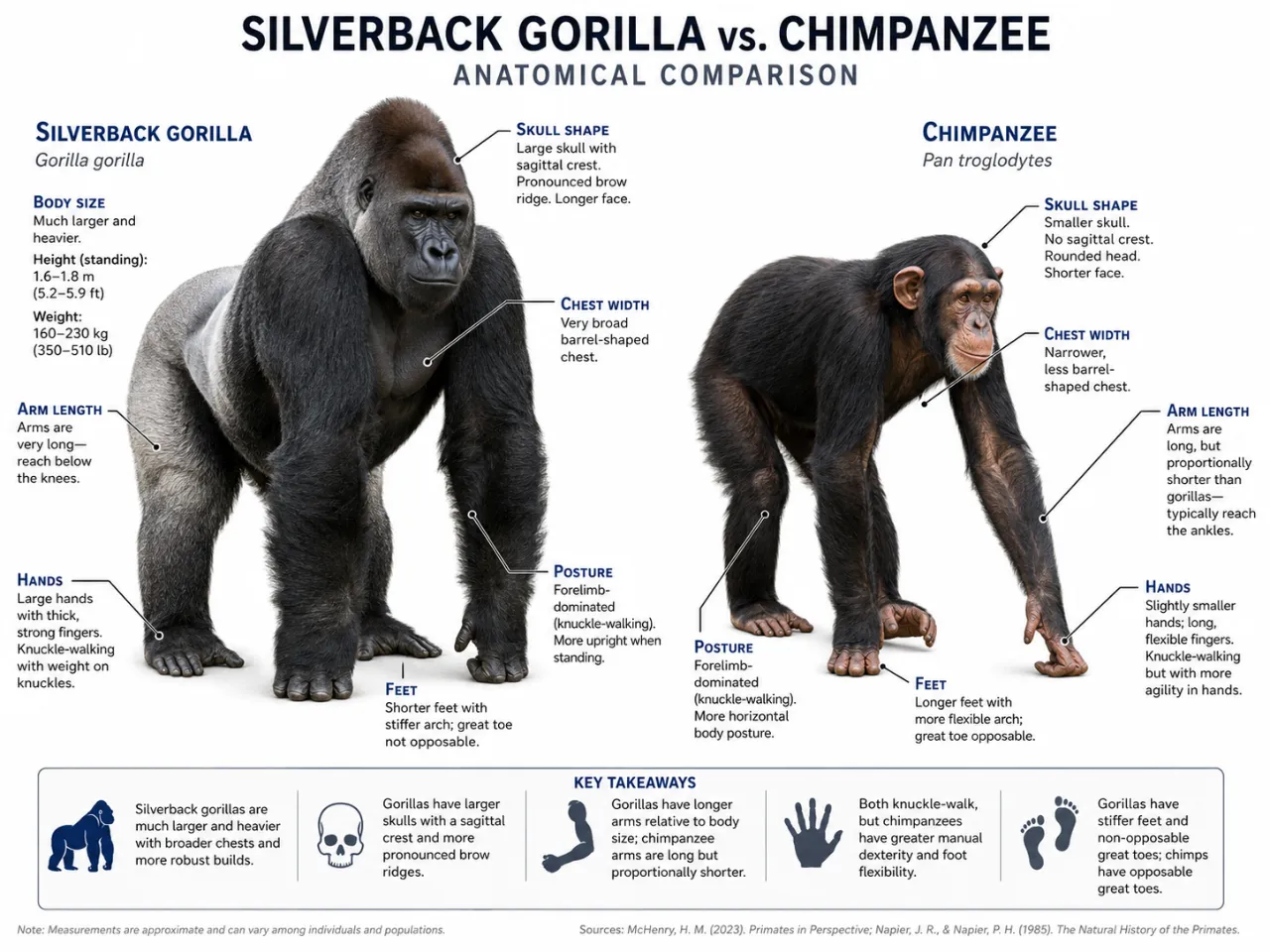
Quick answerGorillas and chimpanzees are both great apes, but they differ strongly in body size, diet, movement, social life, and behavior. Gorillas are the largest living primates. Adult males can be extremely powerful, with broad chests, long arms, and massive heads. Chimps are much smaller but hi
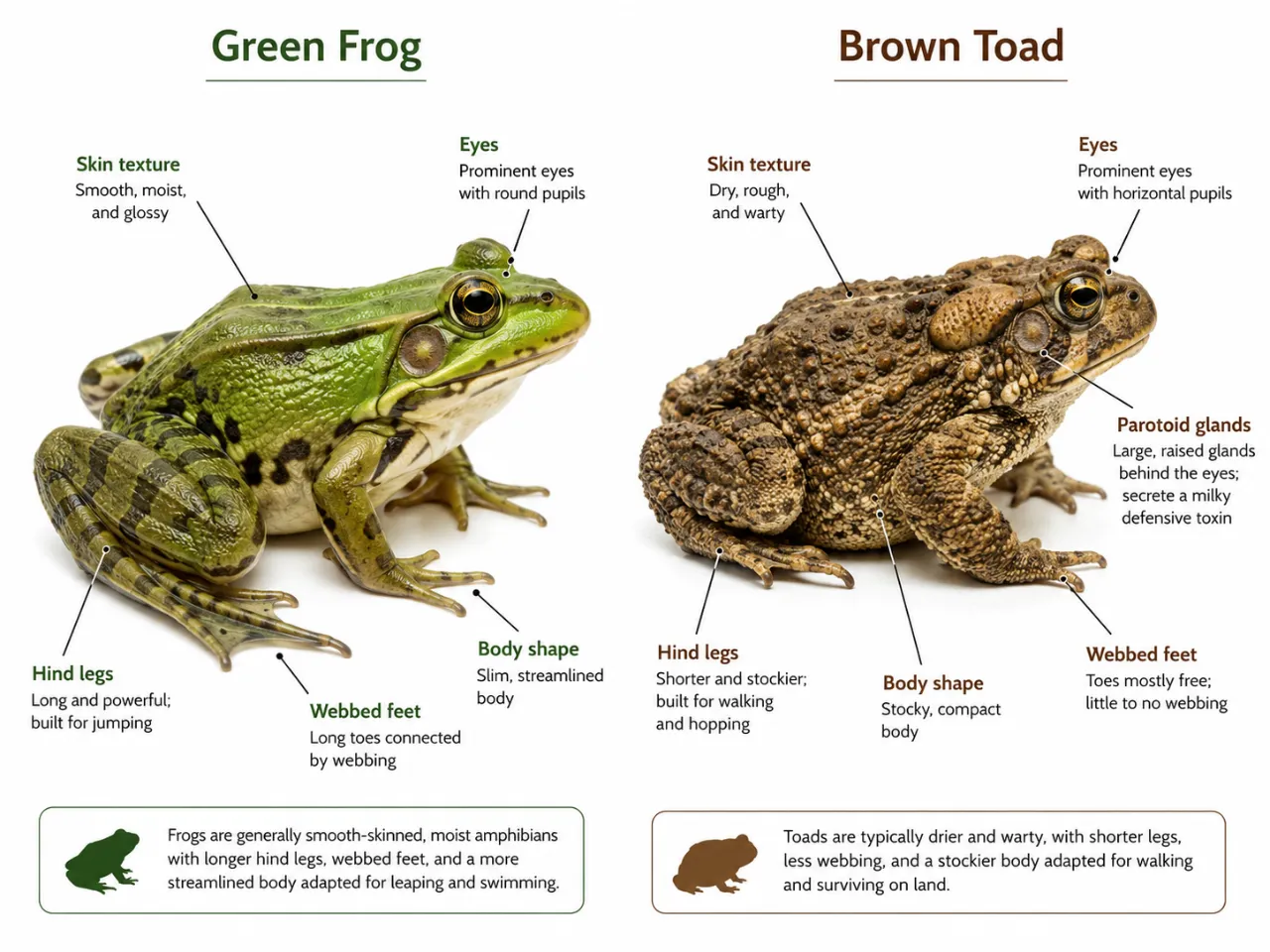
Quick answerFrogs and toads are both amphibians in the order Anura, the group of tailless amphibians. In everyday language, “frog” usually describes a smooth-skinned, long-legged amphibian that jumps well and often lives near water. “Toad” usually describes a drier, bumpier, shorter-legged amphi
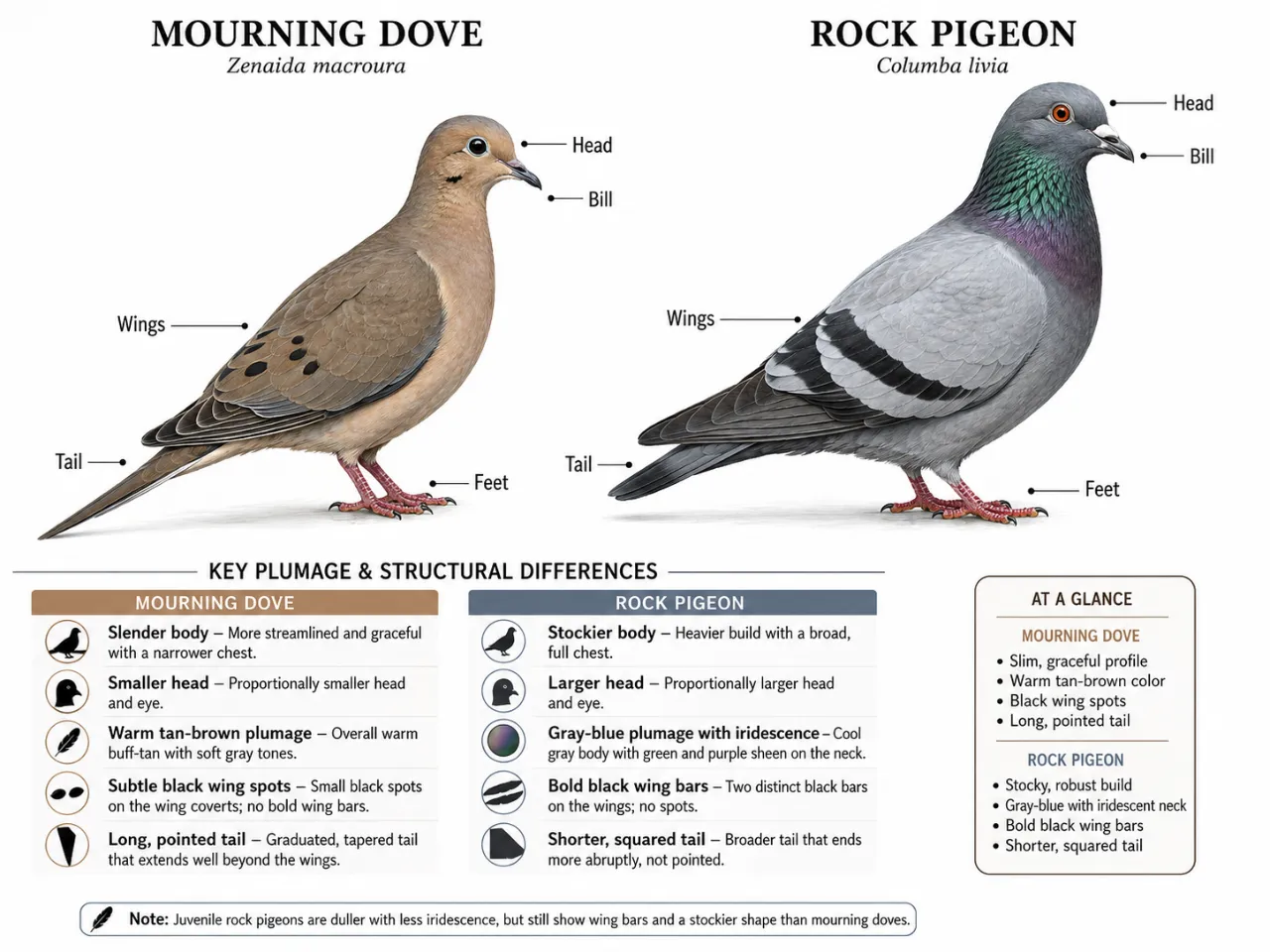
Quick answerDoves and pigeons are closely related birds in the family Columbidae. In everyday English, “dove” often suggests a smaller, gentler-looking bird, while “pigeon” usually refers to a larger, heavier-bodied bird. However, this is not a strict biological division. Many species could reas
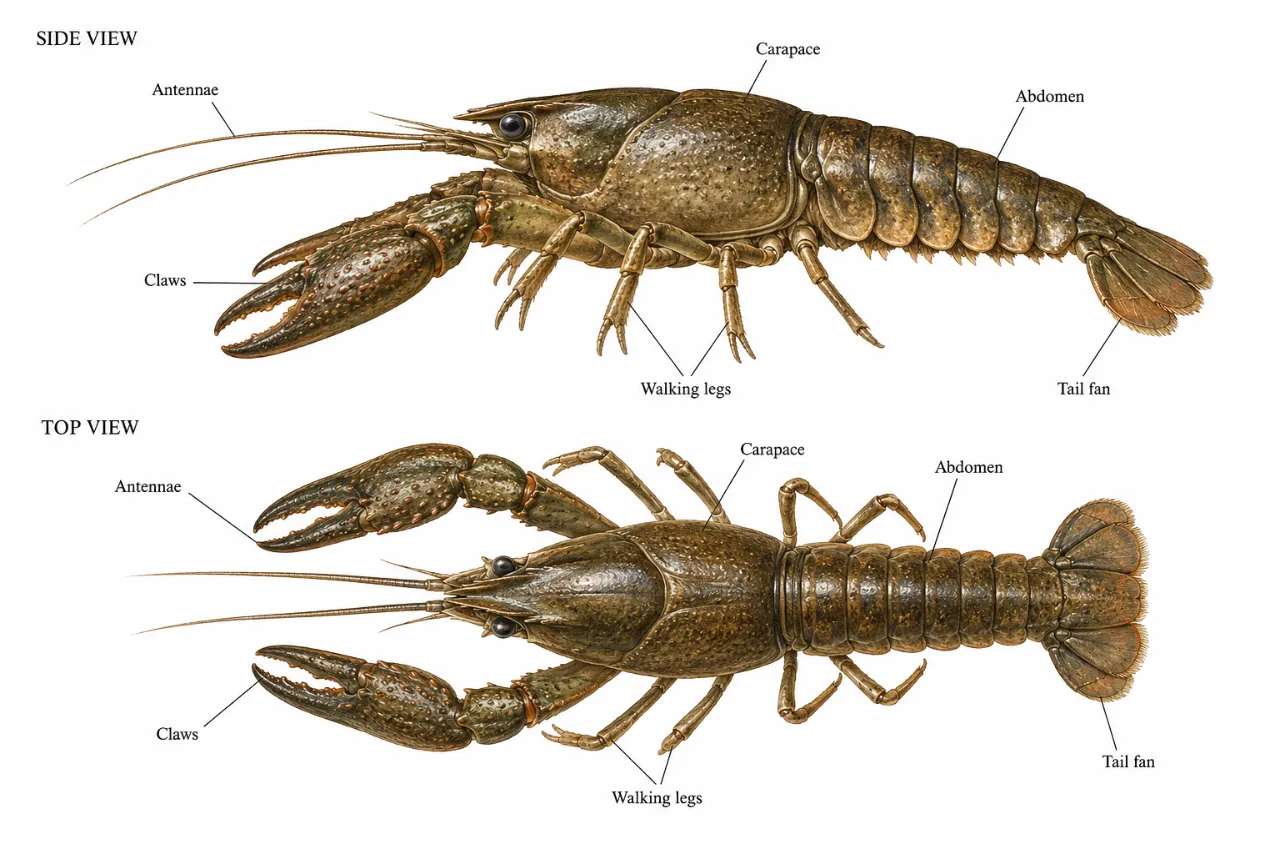
Quick answerCrayfish and crawfish are generally the same animal. Both names refer to freshwater crustaceans in the order Decapoda, most often belonging to groups such as Astacidae, Cambaridae, or Parastacidae. These animals have a hard exoskeleton, two large front claws, a segmented body, and a tail

Akitas and Shiba Inus are both Japanese spitz-type dogs with curled tails, upright ears, thick coats, and independent personalities, but they are very different in size and handling needs. The Akita is much larger, stronger, more protective, and more serious. The Shiba Inu is smaller, fox-like, agil