 LC
LC
Haswell Froglet
Crinia haswelli
The Haswell Froglet (Crinia haswelli) is a tiny, ground-dwelling frog native to eastern Australia.It belongs to a group of small f···
Explore amphibians including salamanders, frogs, toads, and caecilians, with concise species facts and conservation information.

Use these shortcuts to move into more specific animal groups.
Anura is an animal belonging to the class Amphibia. Adults are basically tailless. Eggs are usually laid in water and hatch into tadpoles, which breathe with gills. After evolution, adults mainly breathe with lungs, but most skin also has some respiratory function. There are mainly two types of animals: frogs and toads. There is no strict distinction between these two types of animals, and some families include both types. According to the living habits of adults, anura animals can be divided into different groups such as aquatic, semi-aquatic, terrestrial, arboreal, and burrowing.
Taxonomic Placement
Anura is one of the three orders within the class Amphibia, alongside Caudata (salamanders and newts) and Gymnophiona (caecilians). Anura comprises all modern frogs and toads, with over 7,000 recognized species worldwide. They are found in virtually every terrestrial habitat except the most extreme polar regions, thriving in diverse environments such as forests, grasslands, deserts, wetlands, and urban areas.
Morphological and Physiological Traits
Body Structure: Anurans typically have a robust, compact body with a short neck, broad head, and no tail in the adult stage. Their limbs are well-developed, with hind limbs adapted for jumping and swimming, and smaller forelimbs for maneuvering.
Skin: Their skin is smooth or has small warts, and it is usually moist to facilitate cutaneous respiration. Some species possess specialized glands that secrete toxins as a defense mechanism.
Respiration: Anurans primarily breathe through their skin and lungs. The extent of lung development varies among species, with some relying more heavily on cutaneous respiration.
Vocalization: Males typically possess vocal sacs that amplify their calls, which are used to attract females and establish territories. Vocalizations are highly species-specific.
Lifecycle and Reproduction
Reproduction: Most Anurans are oviparous, laying eggs in water or moist environments. Fertilization is usually external, with males releasing sperm over the eggs as females lay them.
Development: Anurans undergo indirect development, starting as aquatic tadpoles with gills and a tail. Through metamorphosis, they develop limbs, lose their tails, and transition to a more terrestrial or semi-aquatic adult form.
Behavioral Characteristics
Locomotion: Anurans are primarily known for their jumping ability, facilitated by their powerful hind limbs. Many species are also excellent swimmers or climbers.
Feeding: They are predominantly carnivorous, feeding on a variety of invertebrates such as insects, spiders, and worms. Larger species may consume small vertebrates.
Defense Mechanisms: Besides toxin secretion, behaviors such as camouflage, playing dead, and swift escape tactics are common defensive strategies.
Ecological Roles
Predators and Prey: Anurans play dual roles in ecosystems as both predators and prey. They help control insect populations and serve as vital food sources for birds, reptiles, mammals, and other amphibians.
Ecosystem Indicators: Due to their permeable skin and sensitivity to environmental changes, Anurans are excellent bioindicators for assessing ecosystem health and the impacts of pollution and climate change.
Nutrient Cycling: Through their feeding and excretion, Anurans contribute to nutrient cycling within aquatic and terrestrial ecosystems.
Economic and Cultural Value
Scientific Research: Anurans are extensively studied in fields such as developmental biology, ecology, neurobiology, and toxicology. Their diverse reproductive strategies and regenerative abilities make them valuable model organisms.
Pet Trade: Many species, especially brightly colored or uniquely patterned frogs and toads, are popular in the exotic pet market. However, this can lead to issues with invasive species and illegal trade.
Cultural Significance: Frogs and toads appear in various cultural myths, folklore, and art, often symbolizing transformation, fertility, and rebirth.
Economic Uses: In some regions, frogs are harvested for food, and their skins and secretions are used in traditional medicine and artisanal crafts.
Origins and Fossil Record
The earliest Anuran fossils date back to the Late Jurassic period (approximately 160 million years ago). These early frogs exhibited both aquatic and terrestrial adaptations, indicating a versatile evolutionary path.
Throughout the Mesozoic Era, Anurans diversified significantly, developing a range of morphological and ecological specializations that allowed them to occupy various niches.
Modern Diversification and Adaptations
The breakup of the supercontinent Pangaea and subsequent continental drift facilitated the widespread distribution and speciation of Anurans across different continents.
Adaptive radiation led to the evolution of specialized forms, including arboreal tree frogs, burrowing toads, aquatic dart frogs, and highly camouflaged species adapted to diverse environments such as deserts and rainforests.
Some lineages developed unique adaptations, such as the ability to vocalize complex calls, produce potent toxins, or exhibit parental care behaviors like egg guarding and tadpole transportation.
Phylogenetic Insights
Molecular phylogenetics has significantly refined our understanding of Anuran relationships, revealing deep lineages and clarifying the evolutionary pathways that have led to current diversity.
Genetic studies have also shed light on the remarkable evolutionary innovations within Anurans, such as the development of vocal sacs, complex mating calls, and diverse reproductive strategies.
The following table outlines the primary families within the Order Anura, along with representative genera and example species. Note that ongoing research may lead to revisions in family and genus classifications.
| Genus | Example Species | Distribution & Notes |
|---|---|---|
| Rana | Common Frog (Rana temporaria), Bullfrog (Lithobates catesbeianus) | Widely distributed across Europe, Asia, and North America. Known for their strong jumping abilities and aquatic lifestyles. |
| Lithobates | American Bullfrog (Lithobates catesbeianus), Pickerel Frog (Lithobates palustris) | Predominantly found in North America. Some species are invasive in other continents due to their adaptability and high reproductive rates. |
| Genus | Example Species | Distribution & Notes |
|---|---|---|
| Bufo | Common Toad (Bufo bufo), American Toad (Anaxyrus americanus) | Found globally, especially in temperate regions. Characterized by warty skin and parotoid glands that secrete toxins. |
| Anaxyrus | Eastern Narrow-mouthed Toad (Anaxyrus fowleri), Giant Toad (Anaxyrus giganteus) | Primarily distributed in North America. Known for their robust bodies and toxin production as a defense mechanism. |
| Genus | Example Species | Distribution & Notes |
|---|---|---|
| Hyla | European Tree Frog (Hyla arborea), Gray Tree Frog (Hyla versicolor) | Widely distributed across Europe, Asia, and North America. Adapted for arboreal life with adhesive toe pads for climbing. |
| Litoria | Green Tree Frog (Litoria caerulea), Red-eyed Tree Frog (Litoria rubella) | Native to Australia and New Guinea. Known for their bright colors and vocalizations used in mating displays. |
| Genus | Example Species | Distribution & Notes |
|---|---|---|
| Mantella | Golden Mantella (Mantella aurantiaca), Baron's Mantella (Mantella baroni) | Endemic to Madagascar. Highly colorful and often toxic, adapted to a variety of habitats from rainforests to dry regions. |
| Boophis | Blue-eyed Frog (Boophis albolineatus), Rainbow Frog (Boophis rondoensis) | Also endemic to Madagascar. Arboreal and nocturnal, with distinctive vocalizations and vibrant coloration. |
| Genus | Example Species | Distribution & Notes |
|---|---|---|
| Leptodactylus | Striped Frog (Leptodactylus pentadactylus), Common Toad (Leptodactylus fallax) | Found throughout Central and South America. Exhibit diverse reproductive strategies, including foam nesting. |
| Eleutherodactylus | Coquí (Eleutherodactylus coqui), Common Burrowing Frog (Eleutherodactylus johnstonei) | Native to Central America and the Caribbean. Known for direct development, bypassing the tadpole stage. |
| Genus | Example Species | Distribution & Notes |
|---|---|---|
| Dendrobates | Strawberry Poison Dart Frog (Dendrobates pumilio), Dyeing Poison Dart Frog (Dendrobates tinctorius) | Native to Central and South America. Renowned for their bright colors and toxic skin secretions used by indigenous peoples for poison darts. |
| Phyllobates | Golden Poison Frog (Phyllobates terribilis), Black-legged Poison Dart Frog (Phyllobates bicolor) | Found in Colombia and Ecuador. Among the most toxic frogs in the world, utilized in traditional blowgun poisons. |
| Genus | Example Species | Distribution & Notes |
|---|---|---|
| Xenopus | African Clawed Frog (Xenopus laevis), Xenopus tropicalis | Fully aquatic, found in sub-Saharan Africa. Lacks a tongue and relies on suction feeding in water. |
| Pipa | Surinam Toad (Pipa pipa), Amazonian Surinam Toad (Pipa myersi) | Notable for their flat bodies and unique reproductive behavior, where eggs are embedded in the female's back skin until they hatch. |
| Genus | Example Species | Distribution & Notes |
|---|---|---|
| Hyperolius | Common Reed Frog (Hyperolius viridiflavus), Painted Reed Frog (Hyperolius marmoratus) | Predominantly found in Sub-Saharan Africa. Small, brightly colored, and highly arboreal, often found in reeds and vegetation near water bodies. |
| Genus | Example Species | Distribution & Notes |
|---|---|---|
| Bufo | European Common Toad (Bufo bufo), American Toad (Anaxyrus americanus) | Wide distribution across temperate regions. Known for their warty skin and powerful hind legs adapted for hopping. |
| Anaxyrus | Western Toad (Anaxyrus boreas), Eastern Narrow-mouthed Toad (Anaxyrus fowleri) | Found primarily in North America. Exhibit a range of colors and patterns, with varying habitat preferences from forests to grasslands. |
(Note: The above classification is based on current systematic research. Some genera and families may be subject to revision as molecular studies advance.)
Origins and Fossil Record
Anura first appeared in the Late Jurassic period, around 160 million years ago, evolving from early amphibian ancestors that possessed both aquatic and terrestrial adaptations.
The fossil record includes transitional forms that exhibit a mix of primitive and derived traits, such as varying limb structures and respiratory systems, highlighting the group's adaptive versatility.
Diversification and Adaptive Radiation
During the Cretaceous period, Anura underwent significant diversification, adapting to a wide range of ecological niches across different continents.
The breakup of the supercontinent Pangaea facilitated geographic isolation and subsequent speciation, leading to the rich diversity seen in modern frogs and toads.
Adaptive radiation events led to the evolution of specialized forms, such as arboreal tree frogs, burrowing toads, and highly camouflaged species adapted to diverse environments like deserts and rainforests.
Phylogenetic Developments
Molecular studies have refined the phylogenetic relationships within Anura, uncovering deep lineages and resolving previously unclear taxonomic groupings.
Genetic research has also shed light on the evolutionary innovations within Anurans, such as the development of vocal sacs, complex mating calls, and diverse reproductive strategies like direct development.
| Genus | Example Species | Distribution & Notes |
|---|---|---|
| Rana | Common Frog (Rana temporaria), Bullfrog (Lithobates catesbeianus) | Widely distributed across Europe, Asia, and North America. Known for their strong jumping abilities and aquatic lifestyles. |
| Lithobates | American Bullfrog (Lithobates catesbeianus), Pickerel Frog (Lithobates palustris) | Predominantly found in North America. Some species are invasive in other continents due to their adaptability and high reproductive rates. |
| Genus | Example Species | Distribution & Notes |
|---|---|---|
| Bufo | Common Toad (Bufo bufo), American Toad (Anaxyrus americanus) | Found globally, especially in temperate regions. Characterized by warty skin and parotoid glands that secrete toxins. |
| Anaxyrus | Eastern Narrow-mouthed Toad (Anaxyrus fowleri), Giant Toad (Anaxyrus giganteus) | Primarily distributed in North America. Known for their robust bodies and toxin production as a defense mechanism. |
| Genus | Example Species | Distribution & Notes |
|---|---|---|
| Hyla | European Tree Frog (Hyla arborea), Gray Tree Frog (Hyla versicolor) | Widely distributed across Europe, Asia, and North America. Adapted for arboreal life with adhesive toe pads for climbing. |
| Litoria | Green Tree Frog (Litoria caerulea), Red-eyed Tree Frog (Litoria rubella) | Native to Australia and New Guinea. Known for their bright colors and vocalizations used in mating displays. |
| Genus | Example Species | Distribution & Notes |
|---|---|---|
| Mantella | Golden Mantella (Mantella aurantiaca), Baron's Mantella (Mantella baroni) | Endemic to Madagascar. Highly colorful and often toxic, adapted to a variety of habitats from rainforests to dry regions. |
| Boophis | Blue-eyed Frog (Boophis albolineatus), Rainbow Frog (Boophis rondoensis) | Also endemic to Madagascar. Arboreal and nocturnal, with distinctive vocalizations and vibrant coloration. |
| Genus | Example Species | Distribution & Notes |
|---|---|---|
| Leptodactylus | Striped Frog (Leptodactylus pentadactylus), Common Toad (Leptodactylus fallax) | Found throughout Central and South America. Exhibit diverse reproductive strategies, including foam nesting. |
| Eleutherodactylus | Coquí (Eleutherodactylus coqui), Common Burrowing Frog (Eleutherodactylus johnstonei) | Native to Central America and the Caribbean. Known for direct development, bypassing the tadpole stage. |
| Genus | Example Species | Distribution & Notes |
|---|---|---|
| Dendrobates | Strawberry Poison Dart Frog (Dendrobates pumilio), Dyeing Poison Dart Frog (Dendrobates tinctorius) | Native to Central and South America. Renowned for their bright colors and toxic skin secretions used by indigenous peoples for poison darts. |
| Phyllobates | Golden Poison Frog (Phyllobates terribilis), Black-legged Poison Dart Frog (Phyllobates bicolor) | Found in Colombia and Ecuador. Among the most toxic frogs in the world, utilized in traditional blowgun poisons. |
| Genus | Example Species | Distribution & Notes |
|---|---|---|
| Xenopus | African Clawed Frog (Xenopus laevis), Xenopus tropicalis | Fully aquatic, found in sub-Saharan Africa. Lacks a tongue and relies on suction feeding in water. |
| Pipa | Surinam Toad (Pipa pipa), Amazonian Surinam Toad (Pipa myersi) | Notable for their flat bodies and unique reproductive behavior, where eggs are embedded in the female's back skin until they hatch. |
| Genus | Example Species | Distribution & Notes |
|---|---|---|
| Hyperolius | Common Reed Frog (Hyperolius viridiflavus), Painted Reed Frog (Hyperolius marmoratus) | Predominantly found in Sub-Saharan Africa. Small, brightly colored, and highly arboreal, often found in reeds and vegetation near water bodies. |
| Genus | Example Species | Distribution & Notes |
|---|---|---|
| Indirana | Indian Leptodactylidae (Indirana leptodactyla) | Endemic to the Western Ghats of India. Adapted to moist forest environments with specific breeding behaviors. |
| Minervarya | Minervarya mukhii | Found in South Asia, particularly in India and Sri Lanka. Known for their small size and terrestrial habits. |
| Genus | Example Species | Distribution & Notes |
|---|---|---|
| Pyxicephalus | African Bullfrog (Pyxicephalus adspersus), Natal Ghost Frog (Ceratophrys ornata) | Found in Sub-Saharan Africa. Includes some of the largest frog species, known for their aggressive behavior and powerful jumps. |
| Amietia | Natal Ghost Frog (Amietia natalensis) | Native to Sub-Saharan Africa. Adapted to a variety of habitats, from forests to savannas. |
(Note: The above classification is based on current systematic research. Some genera and families may be subject to revision as molecular studies advance.)
Origins and Fossil Record
Anura first appeared in the Late Jurassic period, around 160 million years ago, evolving from early amphibian ancestors that possessed both aquatic and terrestrial adaptations.
The fossil record includes transitional forms that exhibit a mix of primitive and derived traits, such as varying limb structures and respiratory systems, highlighting the group's adaptive versatility.
Diversification and Adaptive Radiation
During the Cretaceous period, Anura underwent significant diversification, adapting to a wide range of ecological niches across different continents.
The breakup of the supercontinent Pangaea facilitated geographic isolation and subsequent speciation, leading to the rich diversity seen in modern frogs and toads.
Adaptive radiation events led to the evolution of specialized forms, such as arboreal tree frogs, burrowing toads, and highly camouflaged species adapted to diverse environments like deserts and rainforests.
Phylogenetic Developments
Molecular phylogenetics has significantly refined our understanding of Anuran relationships, revealing deep lineages and clarifying the evolutionary pathways that have led to current diversity.
Genetic research has also shed light on the evolutionary innovations within Anurans, such as the development of vocal sacs, complex mating calls, and diverse reproductive strategies like direct development.
Diversity and Global Distribution
The Order Anura is highly diverse, encompassing over 7,000 species that occupy a wide array of habitats worldwide. They are predominantly found in the Northern Hemisphere but are also present in parts of Central and South America, Asia, and Europe.
Their morphological and physiological adaptations have enabled Anurans to thrive in aquatic, semi-aquatic, and terrestrial environments, showcasing a remarkable evolutionary success.
Ecological and Human Interactions
Anurans play critical roles in maintaining ecological balance as both predators and prey within their respective ecosystems.
Due to their permeable skin and sensitivity to environmental changes, they are excellent bioindicators for ecosystem health and the impacts of pollution and climate change.
Economically, they are significant in scientific research, the pet trade, and, in some regions, as sources of food and traditional medicine. However, invasive species introductions and illegal trade pose conservation challenges.
Conservation Challenges
Many Anuran species face threats from habitat destruction, pollution, climate change, disease (such as chytridiomycosis), and overharvesting, leading to declines and extinctions.
Conservation efforts include habitat protection, captive breeding programs, legal protections, and initiatives to mitigate human-wildlife conflicts.
Continued research and public education are essential to promote the conservation and sustainable management of Anuran populations.
This "Anuran Classification" details the definition, main characteristics, evolutionary history and main classification system of anurans, aiming to provide you with detailed and easy-to-understand popular science information. For further information on specific families, genera or species (such as morphological characteristics, geographical distribution, and conservation status), it is recommended to refer to professional amphibian information, regional wildlife conservation organization reports, and the latest molecular systematic research literature. I hope this resource will help readers better understand and cherish these colorful and ecologically important amphibians.
Search the animals shown on this page or narrow them by IUCN conservation code.
LC
Crinia haswelli
The Haswell Froglet (Crinia haswelli) is a tiny, ground-dwelling frog native to eastern Australia.It belongs to a group of small f···
 LC
LC
Litoria caerulea
The Green Tree Frog (Litoria caerulea) is one of Australia's best-known frogs and is often foundliving close to people. A···
 LC
LC
Litoria phyllochroa (Green Stream Frog)
The Green Stream Frog (Litoria phyllochroa) is a small to medium-sized frog from eastern Australiathat is closely associated with ···
 LC
LC
Litoria aurea
The Green and Golden Bell Frog (Litoria aurea) is a medium-sized, brightly coloured tree frognative to south-eastern Australia. On···
 LC
LC
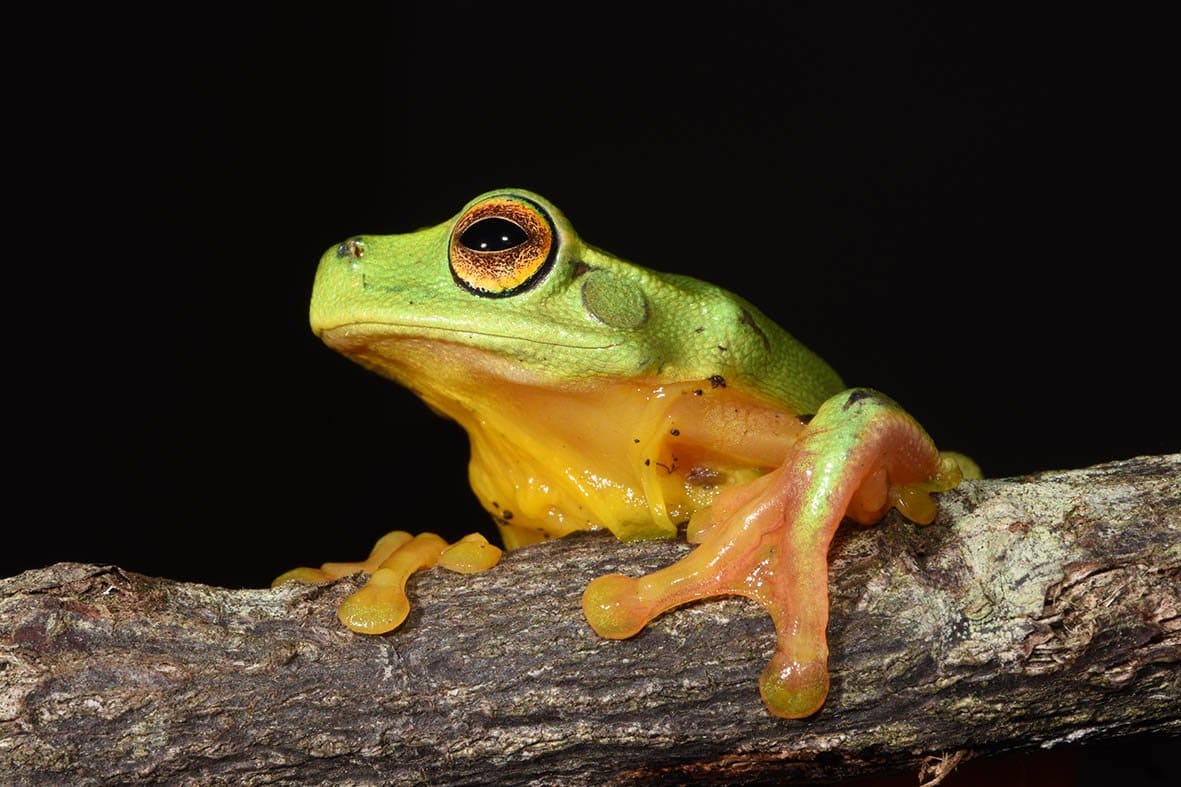
Mixophyes fasciolatus
The Great Barred Frog (Mixophyes fasciolatus) is a large, robust ground-dwelling frog native toeastern Australia. It is closely as···
 LC
LC
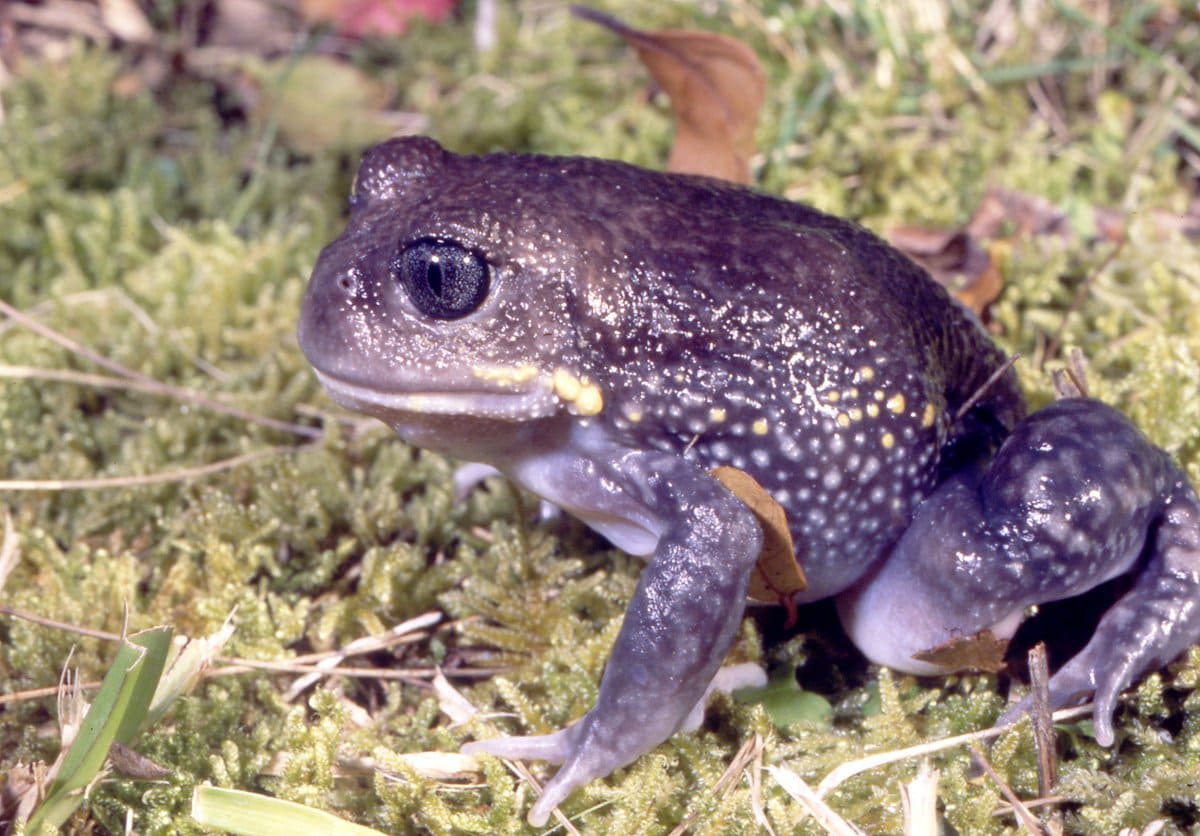
Litoria gracilenta
The Graceful Tree Frog (Litoria gracilenta), also widely known as the Dainty Tree Frog,is a small, bright green tree frog native t···
 LC
LC
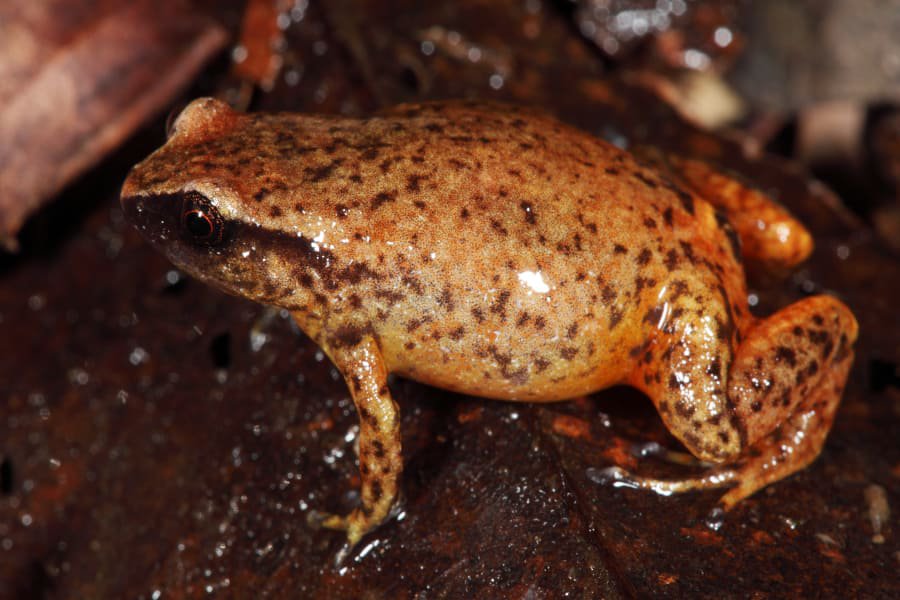
Heleioporus australiacus
The Giant Burrowing Frog (Heleioporus australiacus) is a large, robust ground-dwelling frogendemic to south-eastern Australia. As ···
 LC
LC
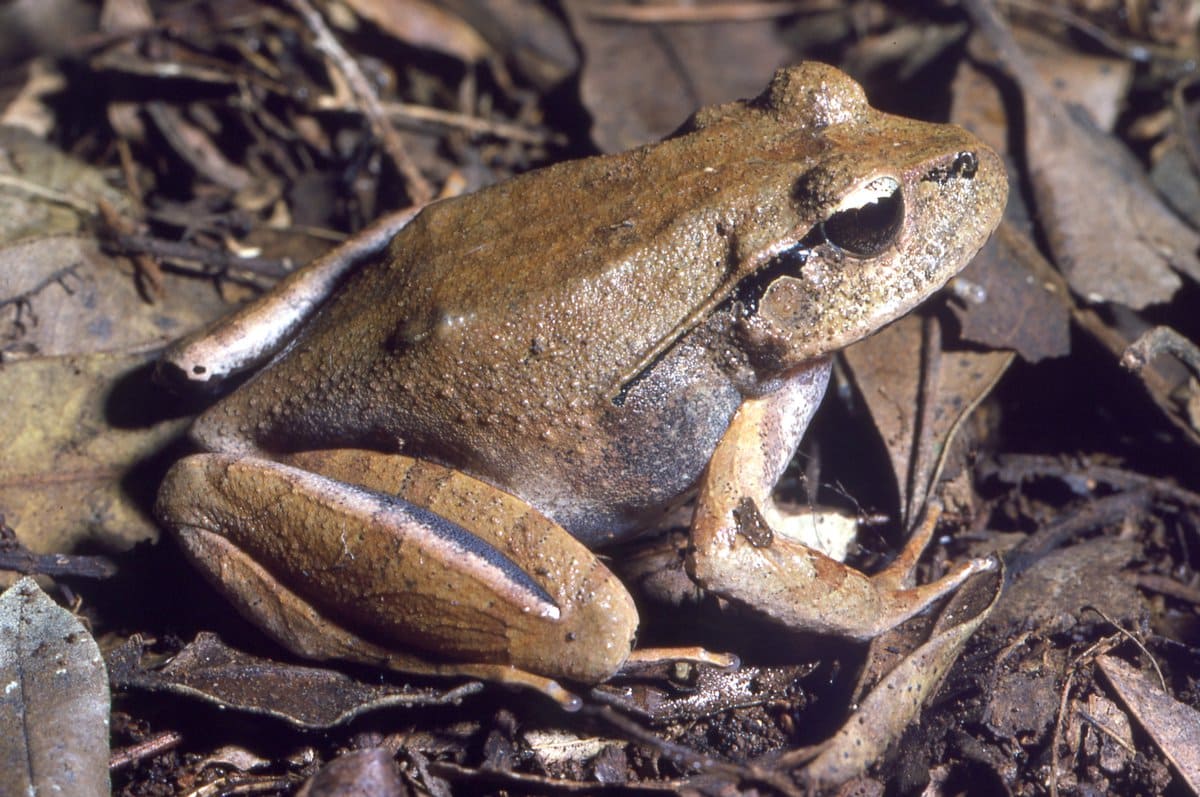
Austrochaperina fryi
Fry’s Frog (Austrochaperina fryi), sometimes written as Fry Frog, is a small,ground-dwelling frog in the family Microhylidae. It ···
 LC
LC
Lechriodus fletcheri
The Fletcher Frog (Lechriodus fletcheri), also widely known as the Sandpaper Frog,is a medium-sized burrowing frog native to easte···
 LC
LC
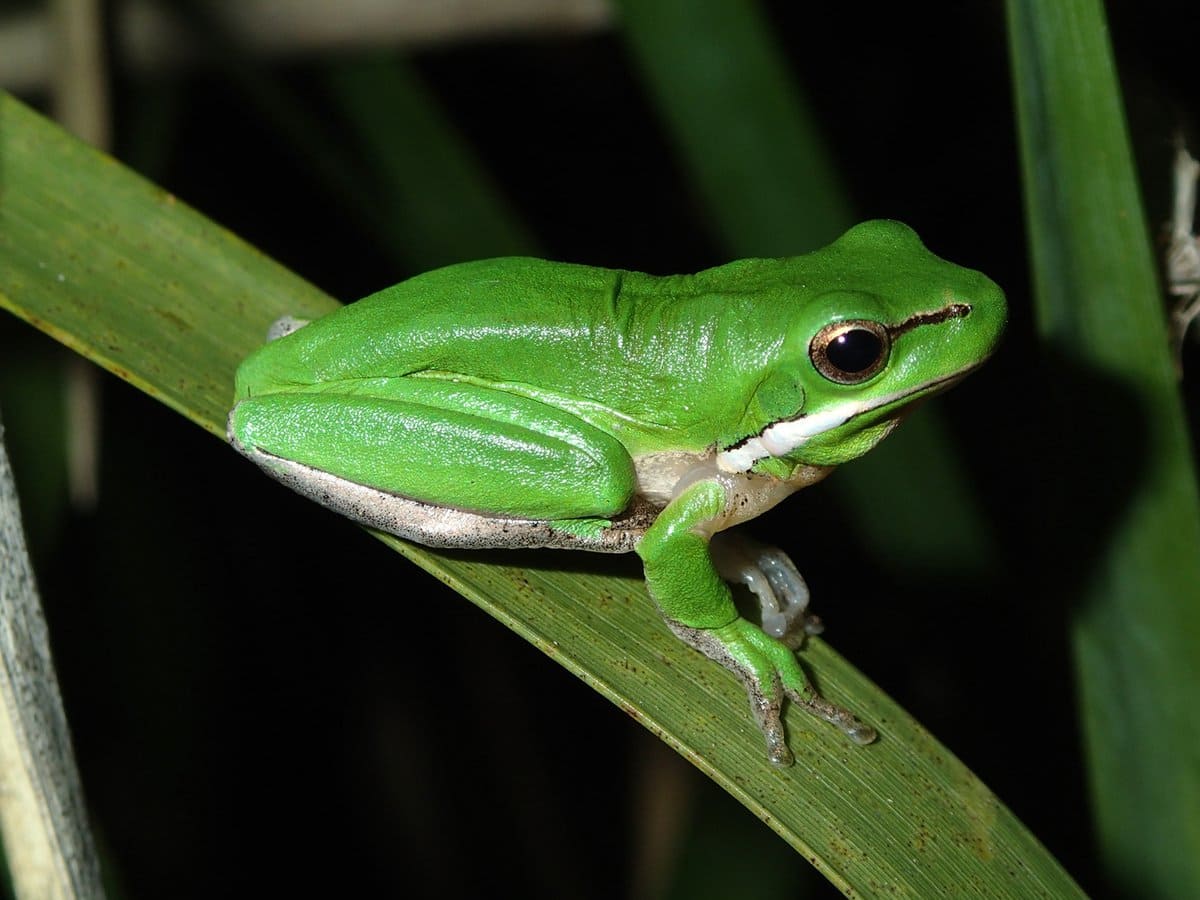
Litoria fallax
The Eastern Dwarf Tree Frog (Litoria fallax, also referred to as Ranoidea fallax in somesources) is a tiny, bright green tree frog···
 LC
LC
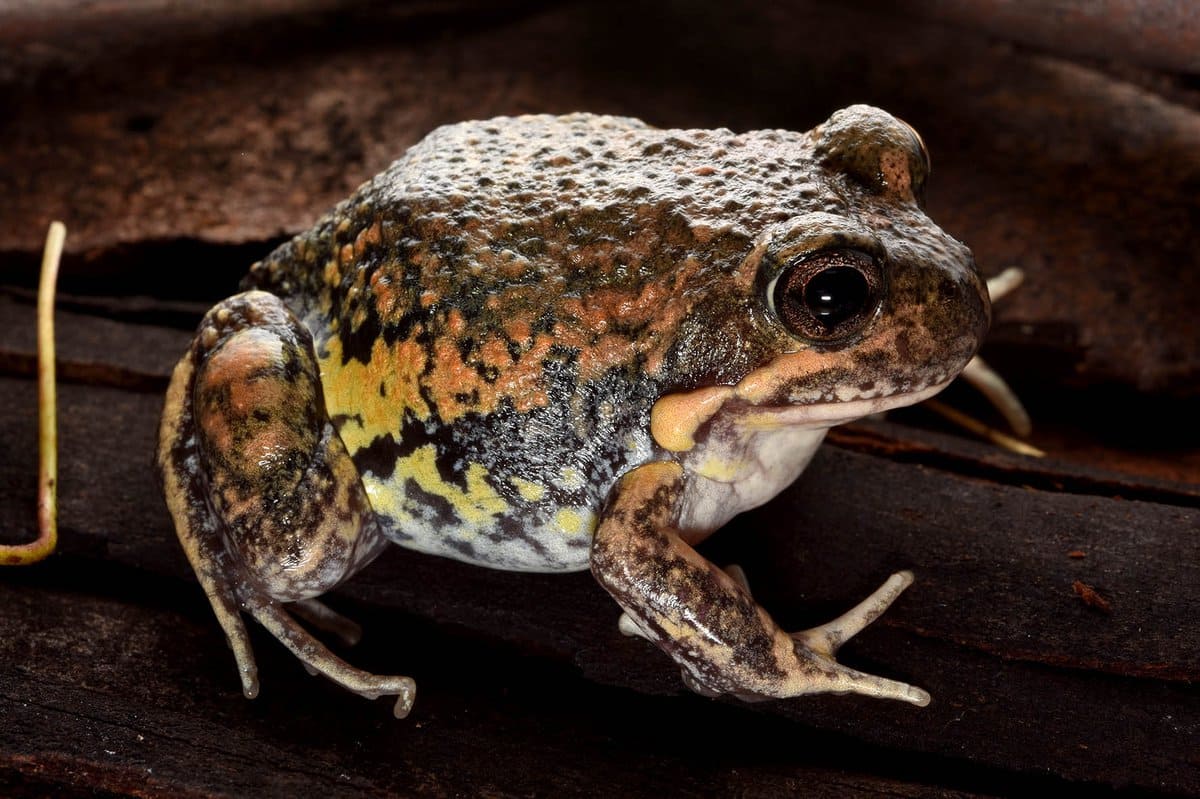
Limnodynastes dumerilii
The Eastern Banjo Frog (Limnodynastes dumerilii) is a medium-sized, burrowing frog native tosouth-eastern Australia. It is famous ···
 LC
LC
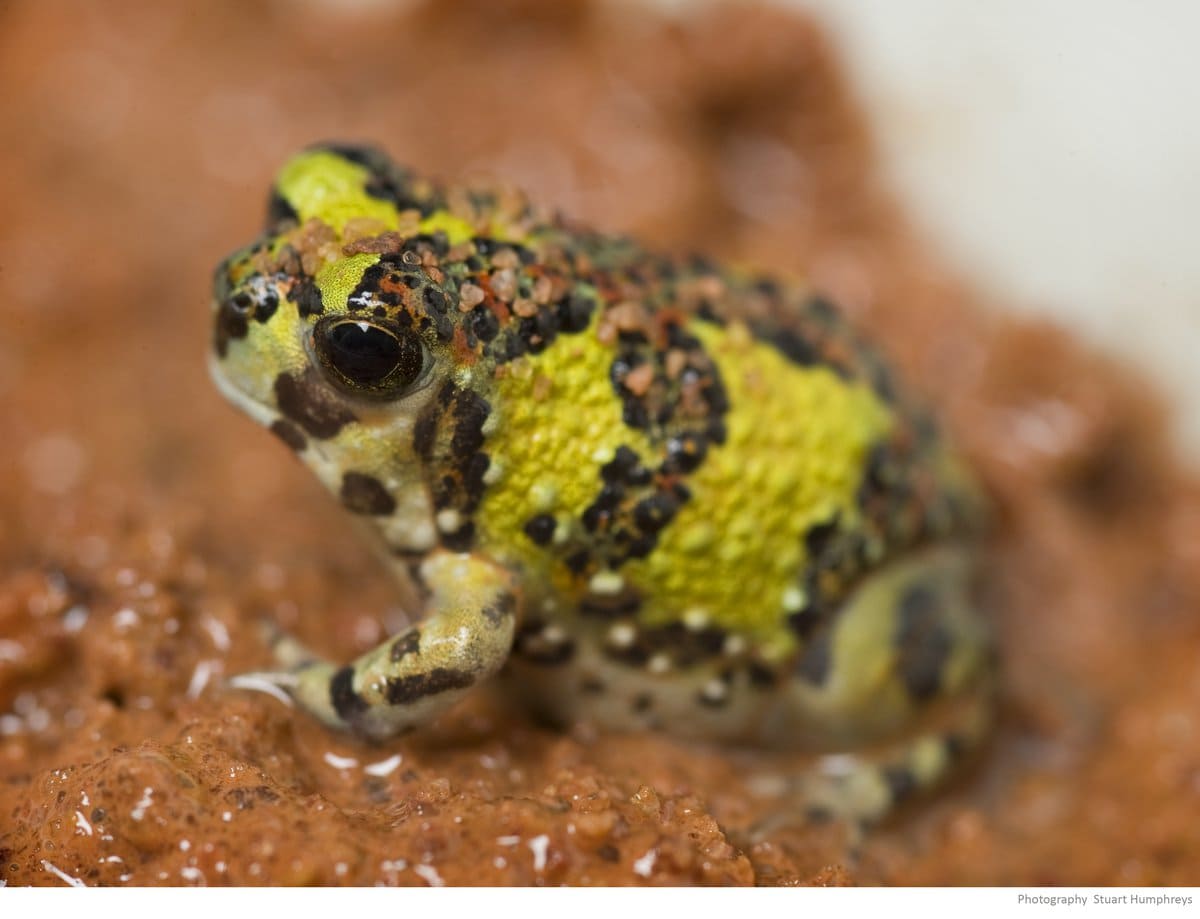
Notaden bennettii (Crucifix Frog)
The Crucifix Frog (Notaden bennettii) is a small but strikingly colourful frog native to aridand semi-arid parts of Australia. It ···
 LC
LC
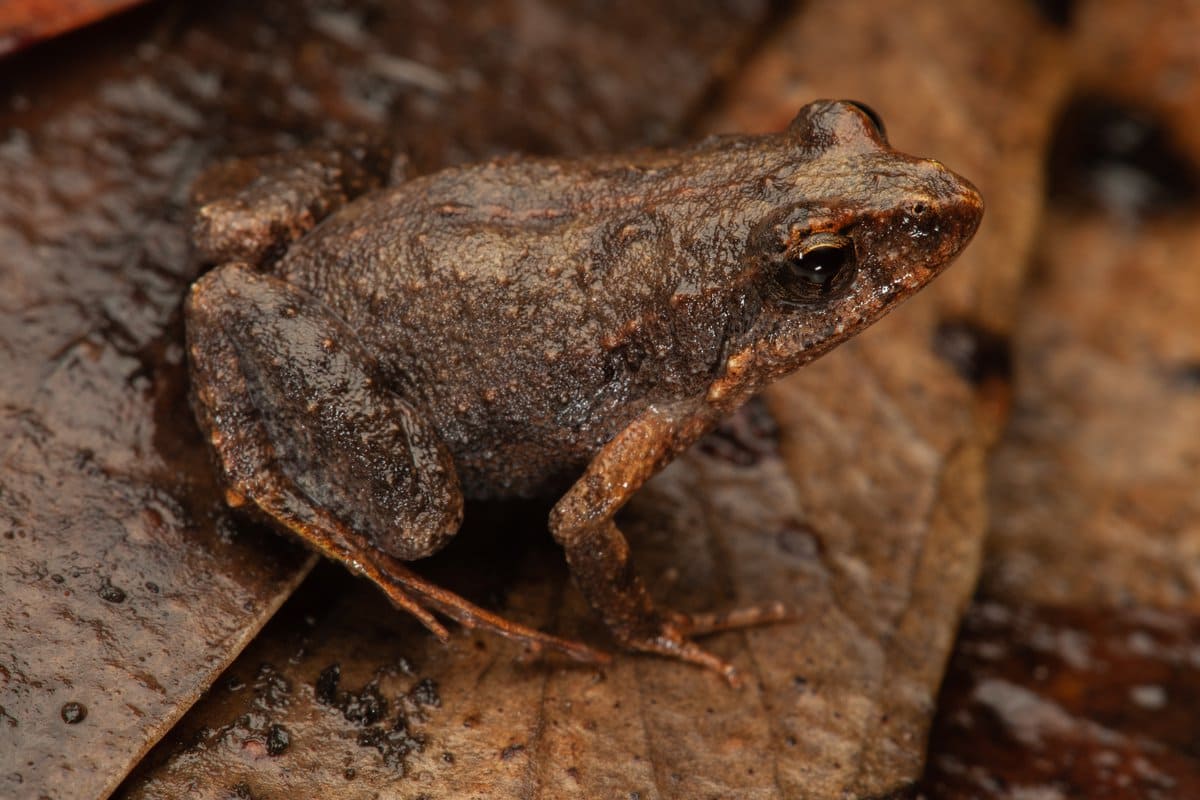
Crinia signifera
The Common Eastern Froglet (Crinia signifera) is a tiny ground-dwelling frog in the familyMyobatrachidae. It is one of the most wi···
 LC
LC
Rhinella marina
The Cane Toad (Rhinella marina, formerly Bufo marinus) is a large, heavy-bodied toadin the family Bufonidae. It is native to tropi···
 LC
LC
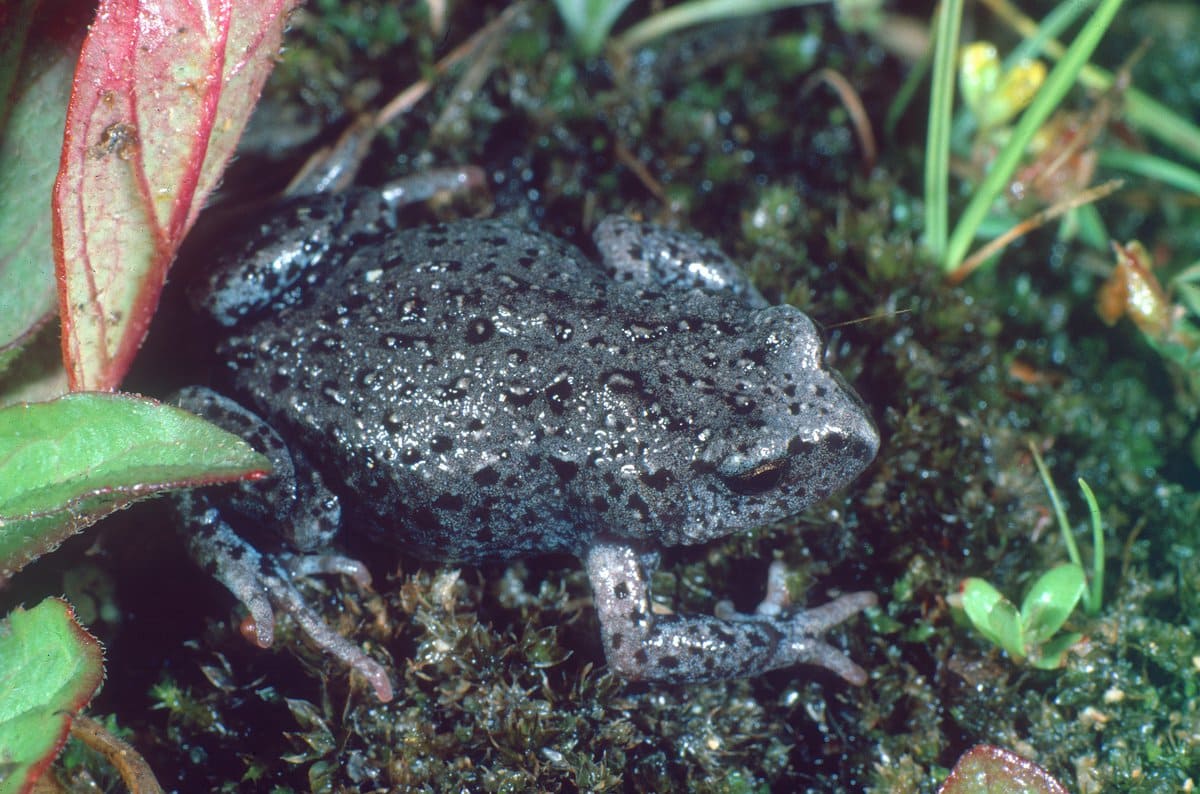
Cophixalus bombiens
The Buzzing Nursery Frog is a tiny ground-dwelling frog from north-eastern Queensland, Australia.Its scientific name is Cophixalus···
 LC
LC
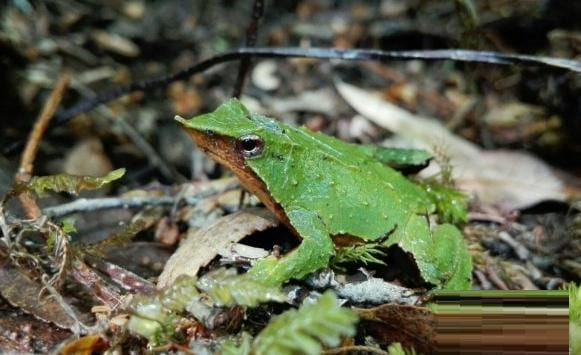
Pseudophryne bibronii
Bibron's Toadlet is a small ground-dwelling frog native to eastern and south-eastern Australia.Despite the name, it is not a t···
 EN
EN
Rhinoderma darwinii
Darwin’s frog (Rhinoderma darwinii) is a tiny terrestrial frog of temperate forests in southernChile and southwestern Argentina, ···
 LC
LC
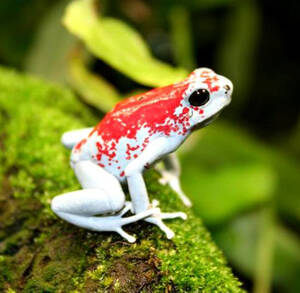
poisondartfrog,poison dart frog, poison dart frog, poison javelin frog
The scientific name of the poison dart frog is poisondartfrog. It is the most beautiful frog in the world and also one of the most···
 LC
LC
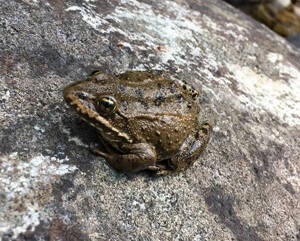
Rana luteiventris ,Columbia spotted frog
Columbia spotted frog is a species of North American frog.Columbia spotted frog is also known for some of its physical features. I···
 LC
LC
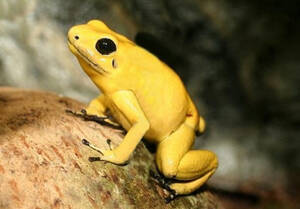
Poison-Dart Frog
The Latin name of the golden poison dart frog is Poison-Dart Frog. The English name of this frog comes from the blow darts of the ···
 LC
LC
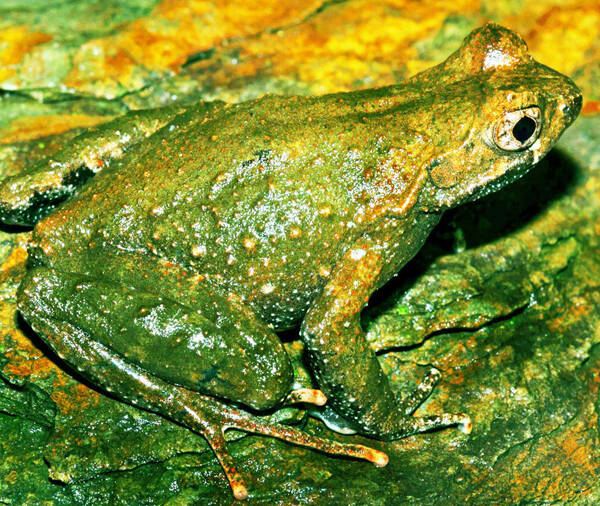
Boulenophrys baolongensis,Baolong Heterohorned Toad
The dragon-horned toad hides under the rocks or in the grass by the stream during the day. At night, the male toads often make chi···
 LC
LC
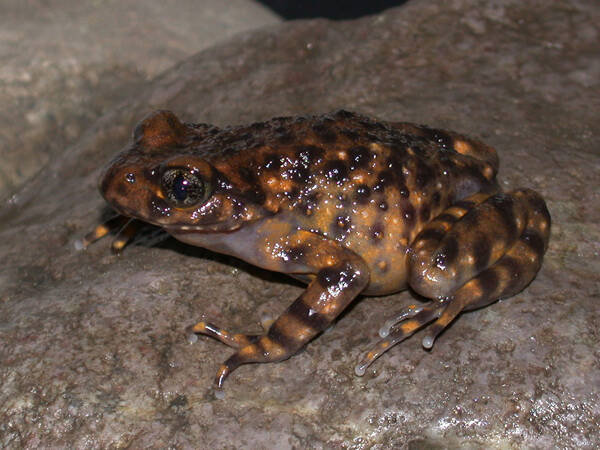
Oreolalax liangbeiensis,Liangbei tooth-shaped toad
The appearance of Liangbei toothed toad is similar to that of Oreolalax major, but the hind limbs of Liangbei toothed toad are sho···
 LC
LC
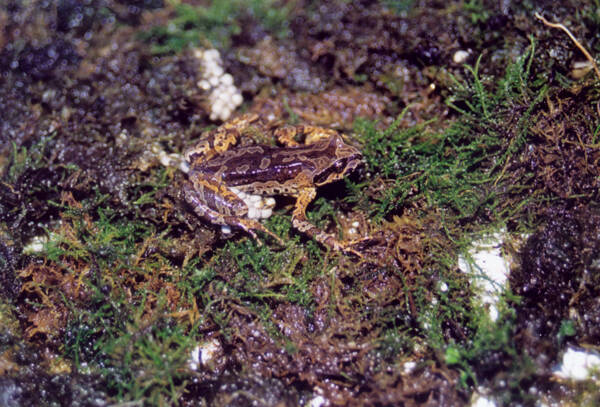
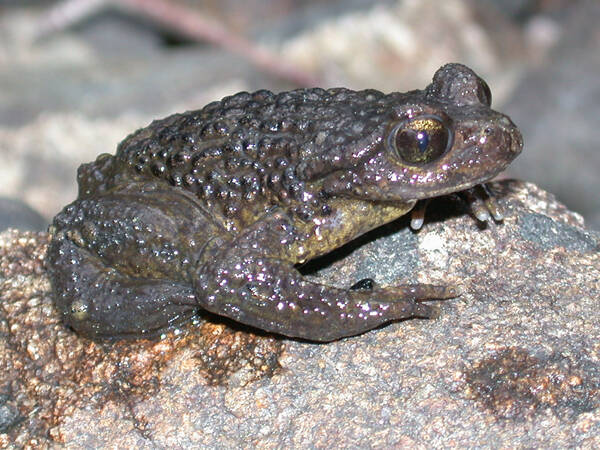
Scutiger chintingensis,Golden-necked Toad
The golden-crowned toothed toad is flat and narrow, with a head that is almost equal in length and width. It lives in the top stre···
 LC
LC
Scutiger jiulongensis,Kowloon Cat's Eye Toad
The dragon-toothed toad is an amphibious wild animal of the Anura order and the Ceratophoridae family. It lives in the spring stre···