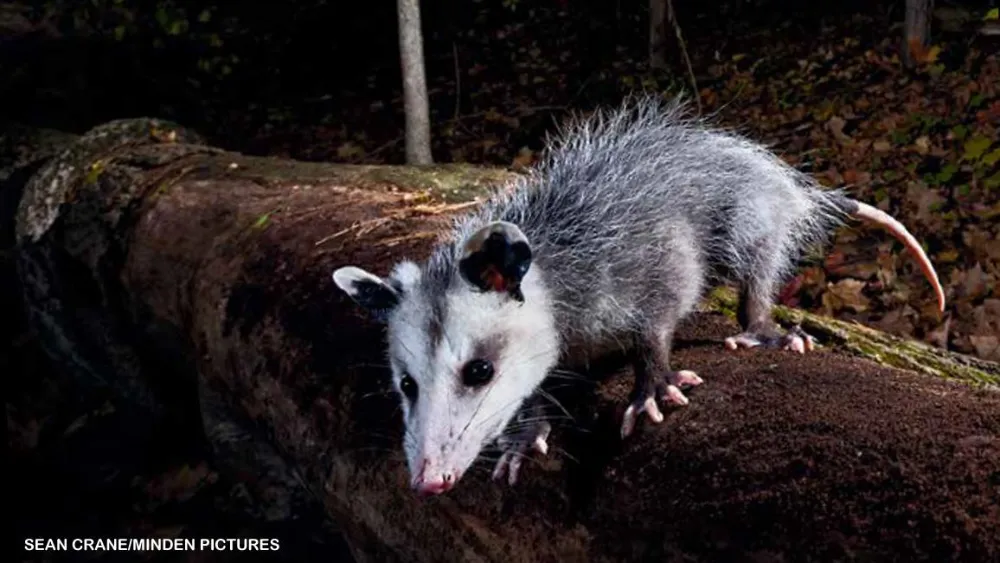
Why Do Opossums Play Dead? The Science Explained
Why do opossums play dead? Learn whether it's voluntary, how long it lasts, why they smell bad, and how this unusual defense works.
Find animal profiles, comparisons, pet care guides, dinosaurs, FAQs, and tools.
Why do opossums play dead? Learn whether it's voluntary, how long it lasts, why they smell bad, and how this unusual defense works.
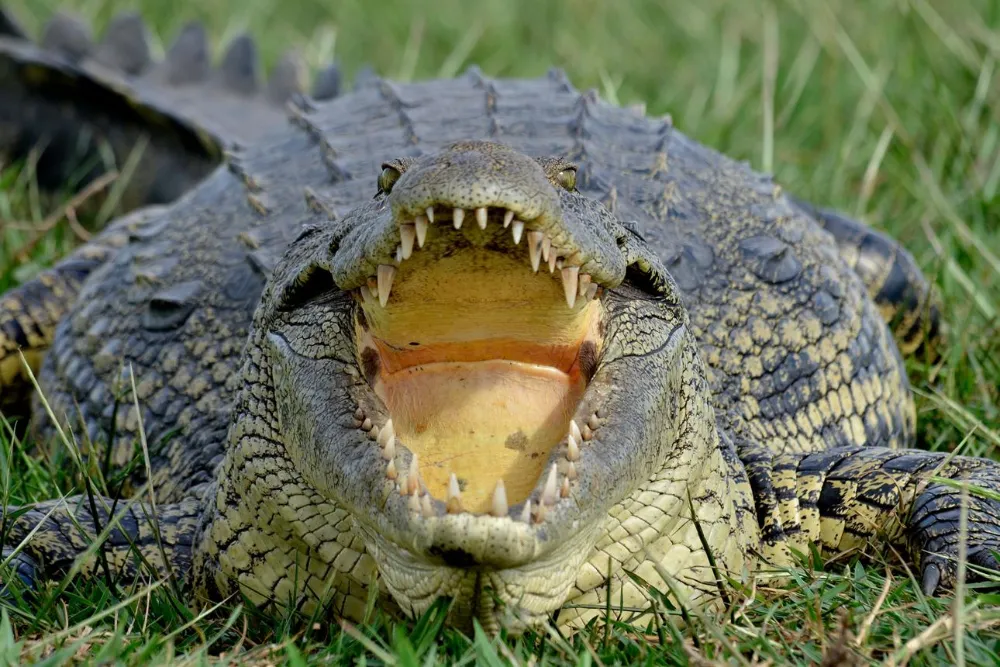
Do crocodiles have tongues? Learn why they cannot stick them out, how their throat valves keep water away, and why some crocodiles have salt glands.
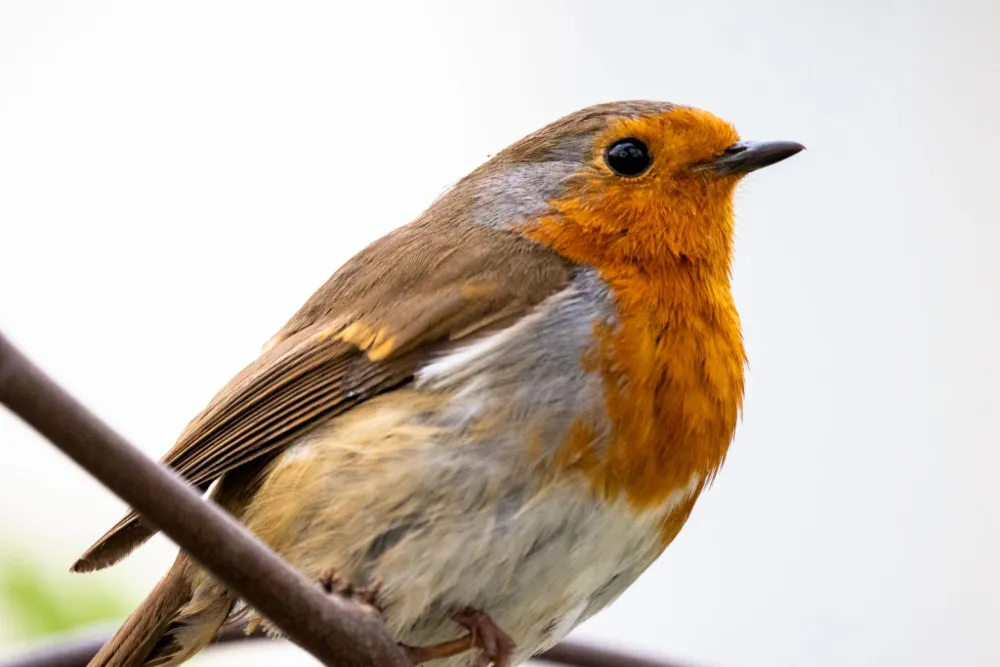
Do birds have ears? Discover where bird ears are hidden, how birds hear without external ear flaps, and why owl hearing is so remarkable.
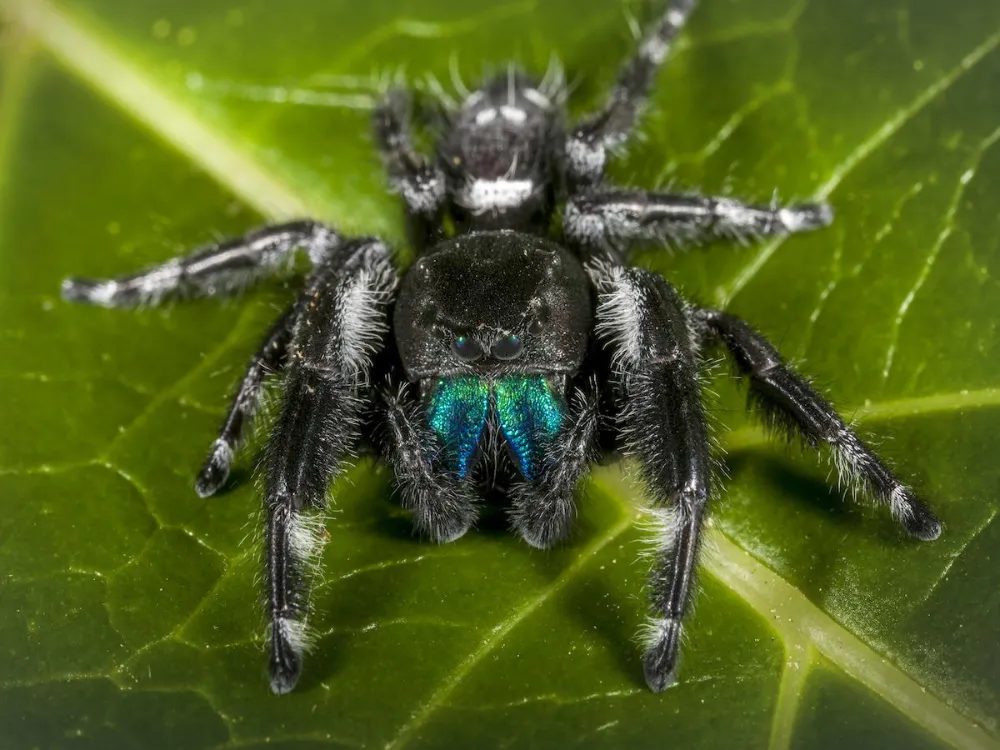
Do spiders have blood? Learn why spider hemolymph can look blue, how their hearts and open circulatory systems work, and how blood helps move their legs.
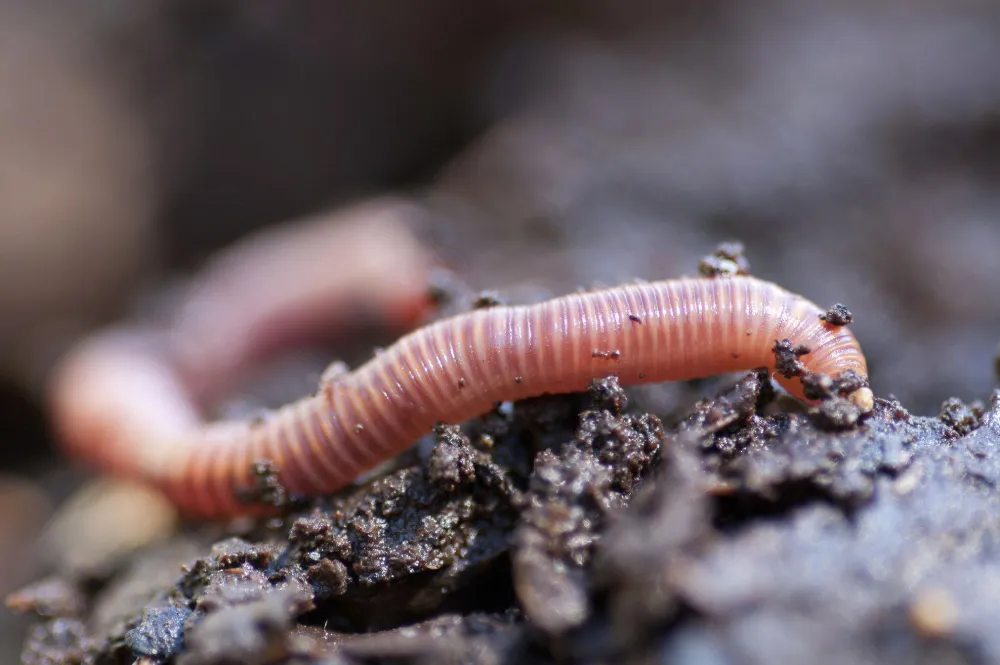
Do earthworms have eyes? Learn how worms detect light through their skin, why they avoid sunlight, and how they navigate underground without seeing.
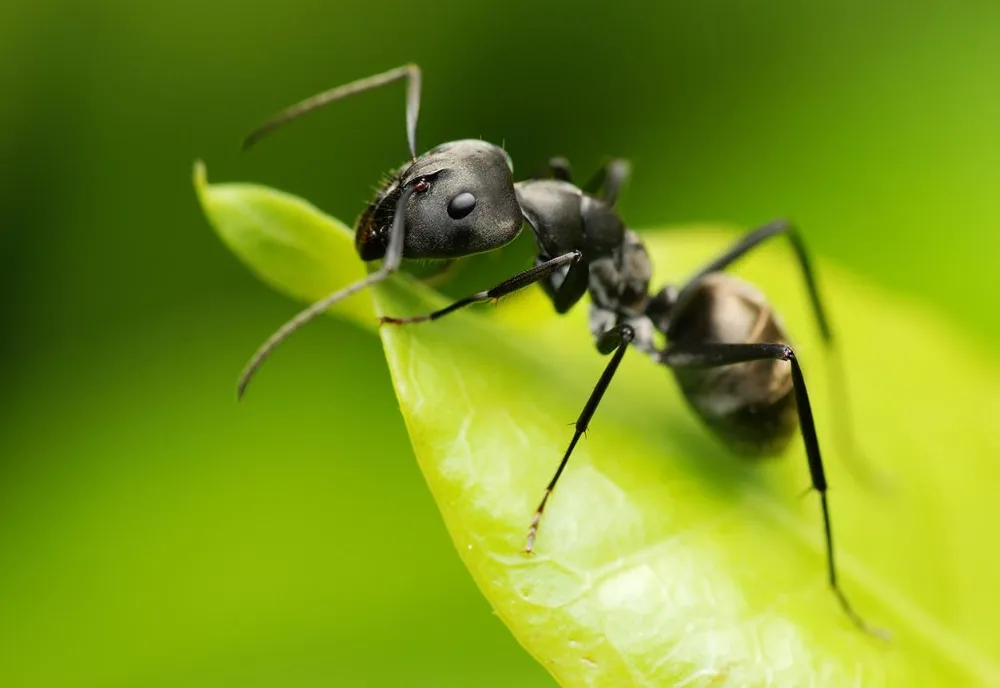
Do ants have lungs? Learn how ants breathe through spiracles and tracheal tubes, why they don't breathe through their mouths, and whether ants can drown.
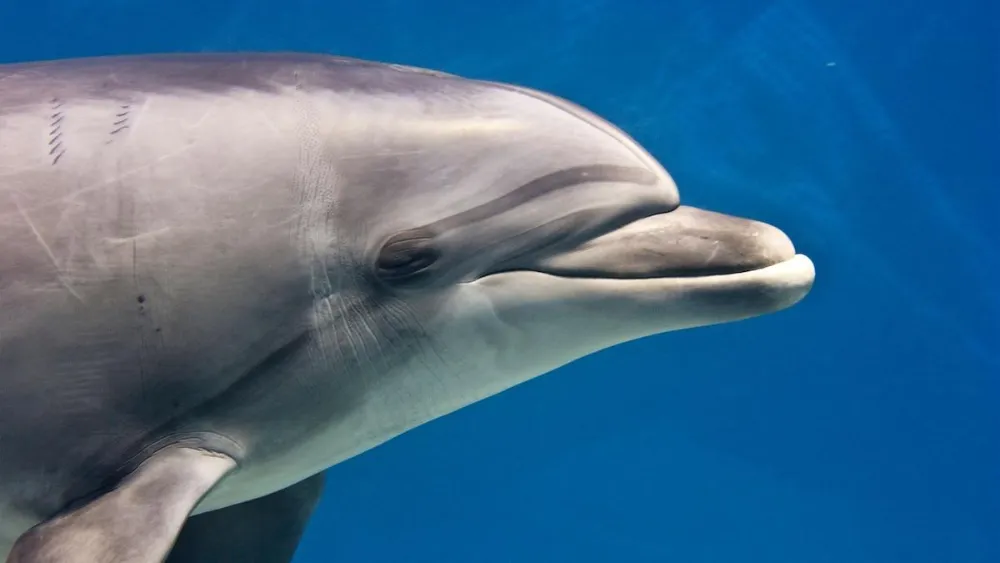
Do dolphins have hair? Discover why newborn dolphins have whiskers, how their skin stays smooth, and what their whisker pits can sense.
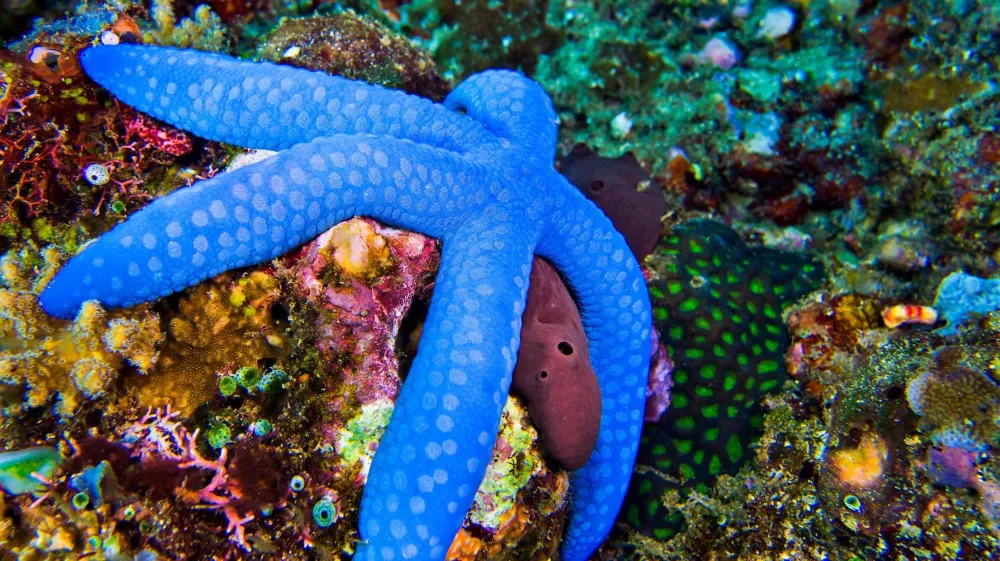
Do starfish have eyes? Discover where their eyes are located, how many eyes they have, what they can see, and how they navigate without a brain.
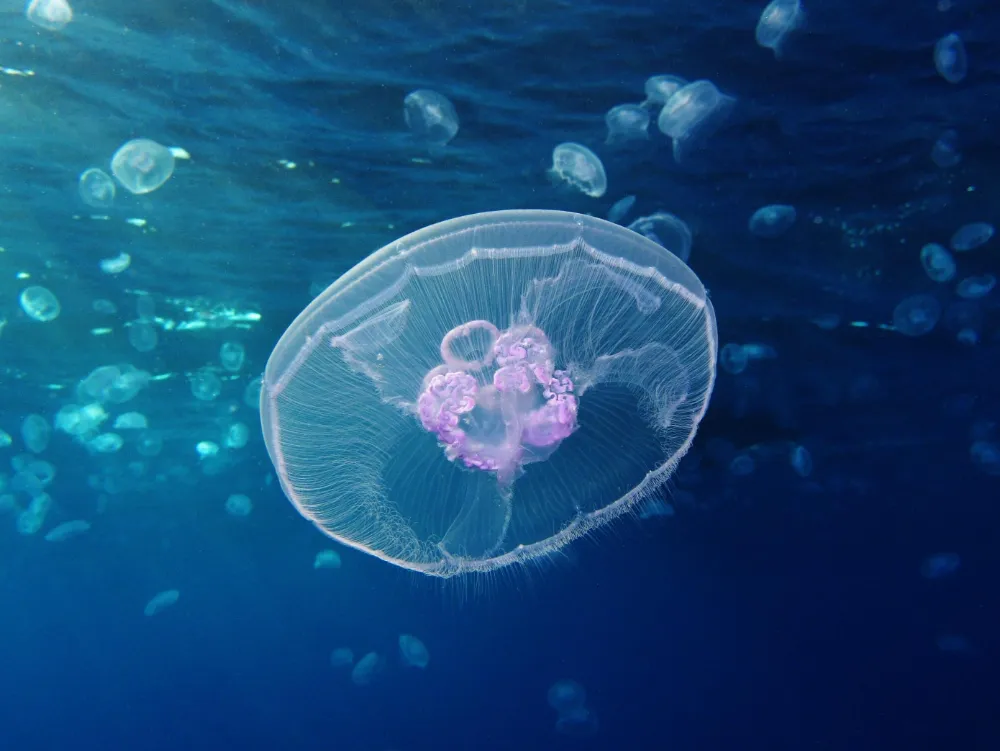
No, jellyfish do not have brains, but they do have nervous systems. Instead of a centralized brain like those found in humans, fish, and many other animals, jellyfish possess networks of nerve cells distributed throughout their bodies. These nerve networks help them sense their surroundings, coordin
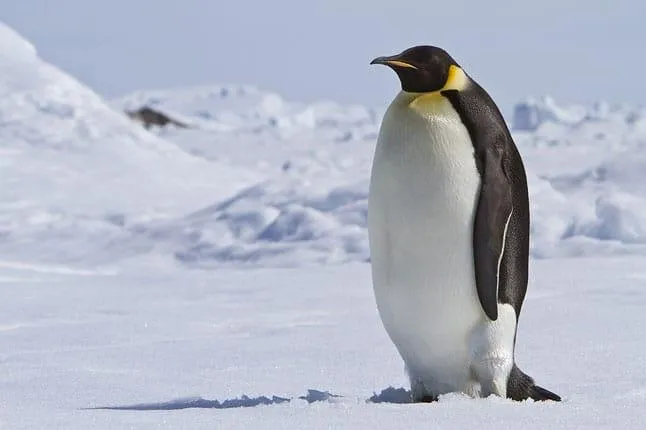
Yes, penguins have knees, even though you cannot normally see them. Like other birds, penguins have thighbones, knee joints, lower-leg bones, ankles, and feet. Their knees are positioned high on their bodies and are hidden beneath feathers, skin, and surrounding tissues. The short legs visible benea
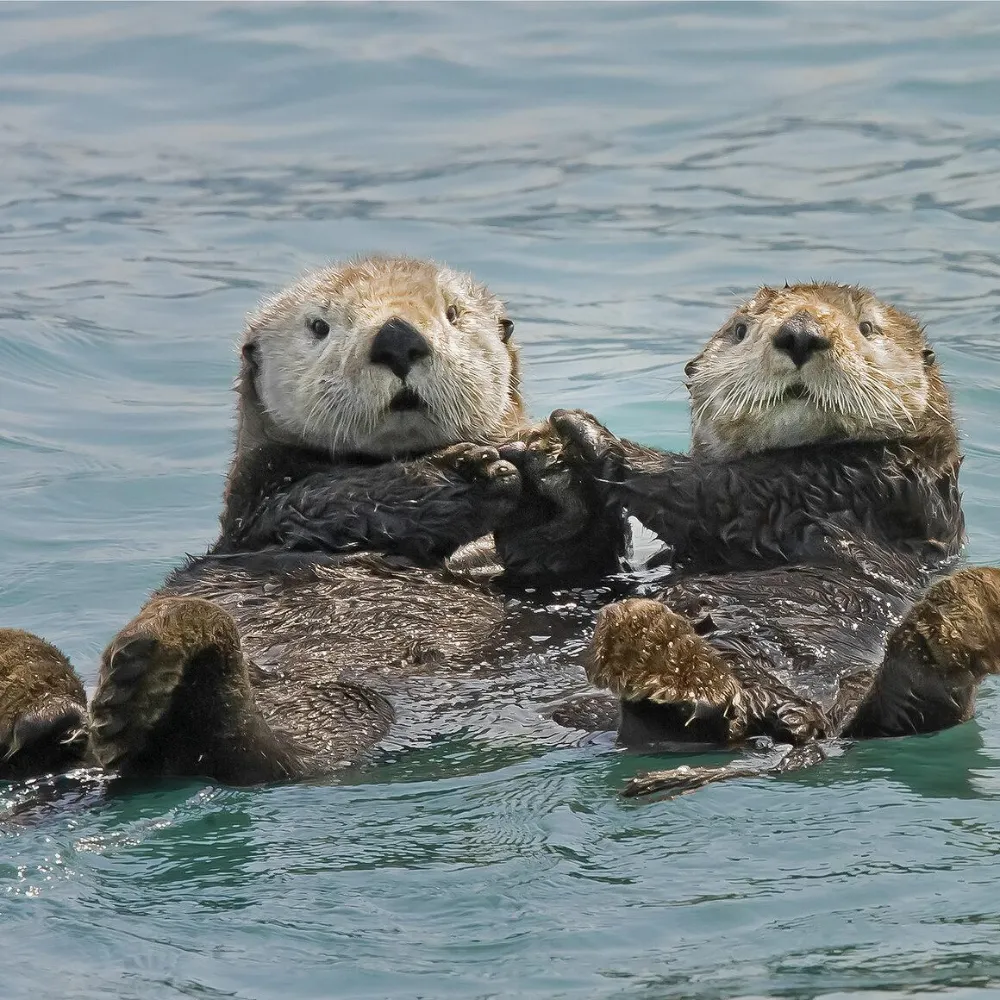
Sea otters sometimes hold hands, or more accurately paws, while resting on the ocean surface to help prevent themselves from drifting apart. However, this behavior is much less common in the wild than popular photographs and videos suggest. Sea otters often rest together in floating groups called ra
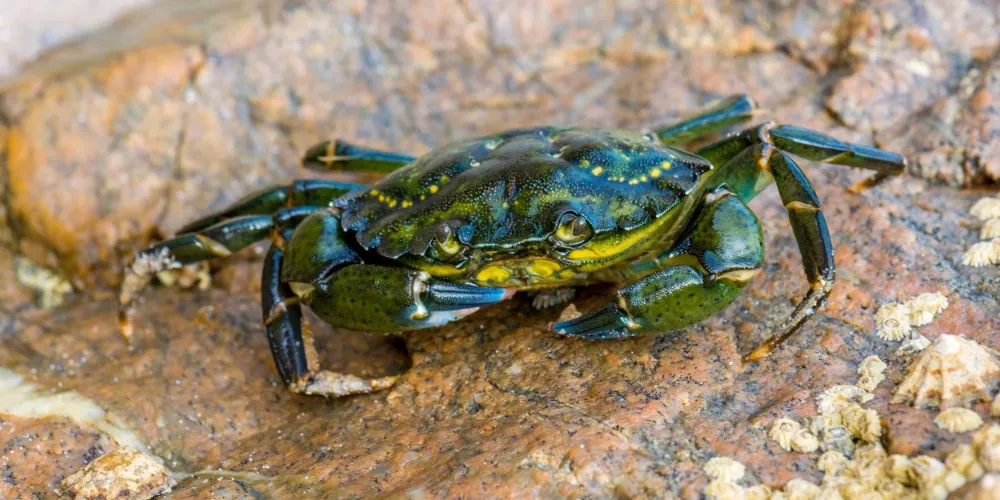
Yes, some crabs can breathe out of water, but their survival depends on the species and environmental conditions. Most aquatic crabs breathe through gills that absorb dissolved oxygen from water. Many shore crabs can also obtain oxygen from air for a limited time, provided their respiratory surfaces
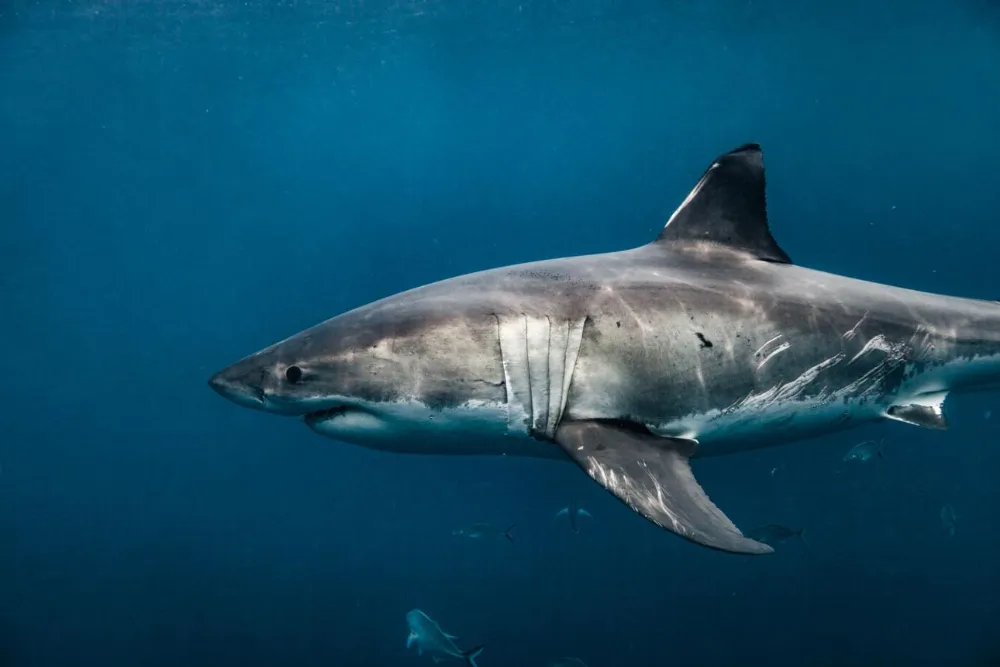
Do sharks have bones? Learn why shark skeletons are made of cartilage, whether sharks have backbones and ribs, and how shark fossils form.
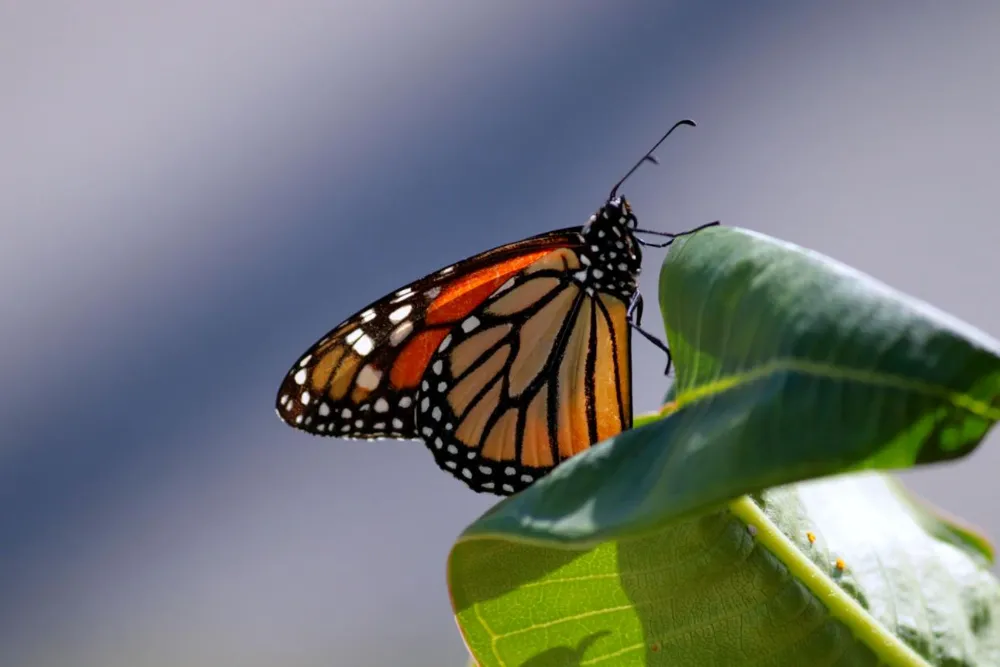
Do butterflies sleep at night? Discover where butterflies rest, how they sleep with their eyes open, and why some butterflies roost in groups.
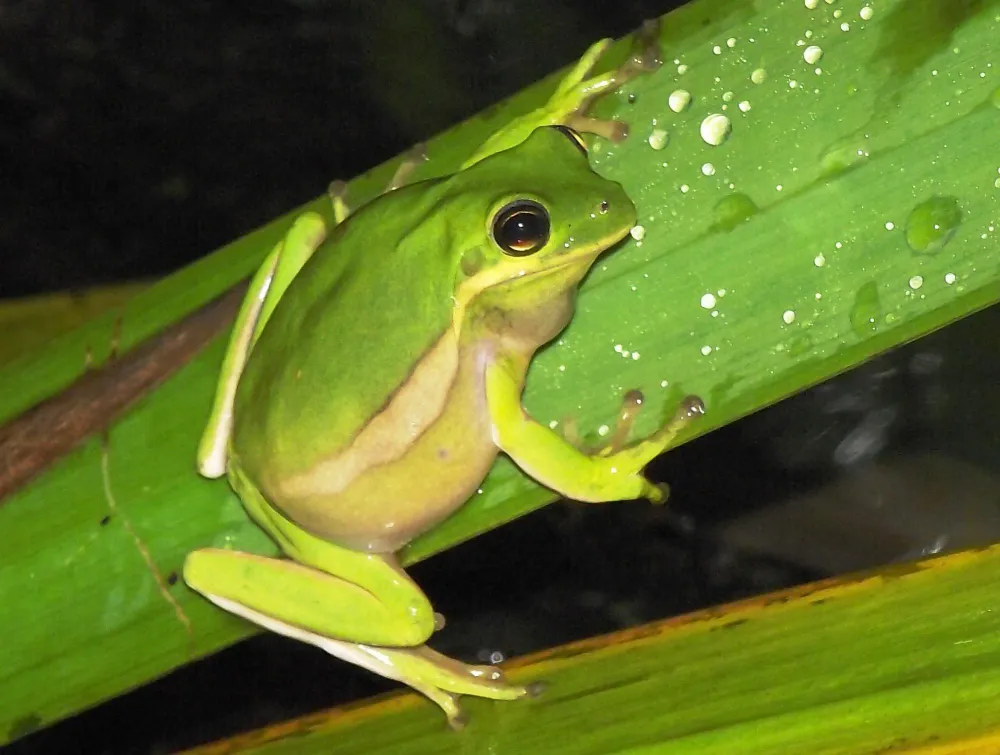
Do frogs drink water through their mouths? Discover how frogs absorb water through their skin, what the drinking patch does, and how they stay hydrated.
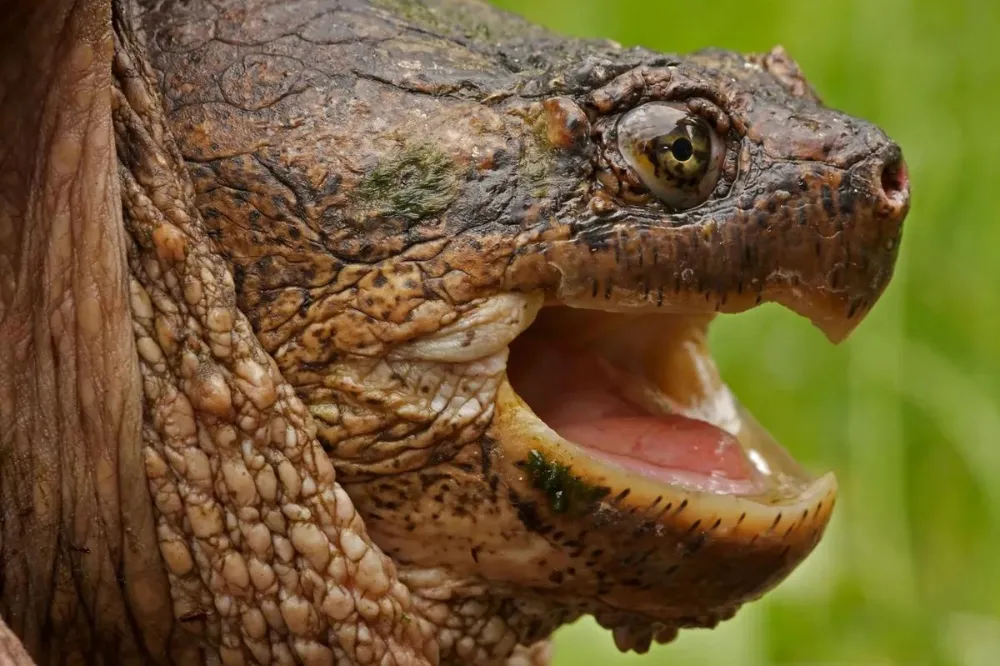
Do turtles have teeth? Discover how turtles bite, eat, and crush food with their beaks, plus why baby turtles have a temporary egg tooth.
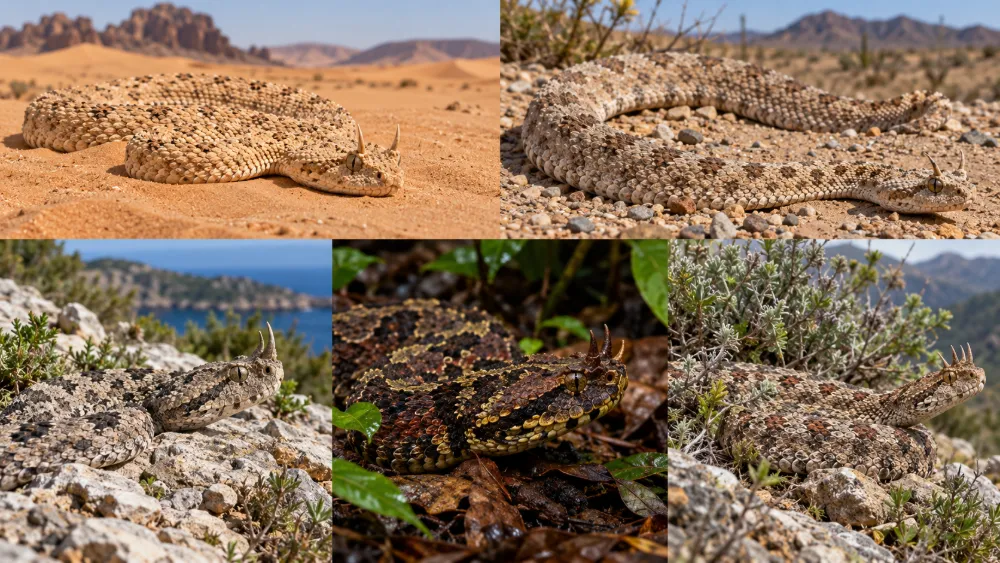
Some snakes look as though they have grown tiny horns over their eyes or on the tip of the nose.But these structures are not horns like those of cattle, antelope or goats.Snake “horns” are usually enlarged, modified scales that project from the head.They have evolved independently in several snake
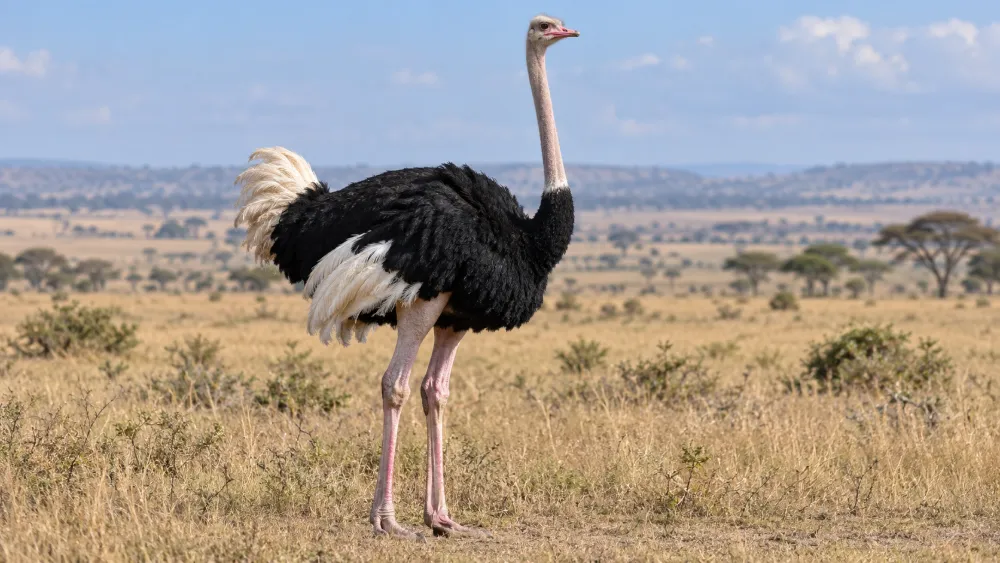
The ostrich is the biggest living bird, reaching about 9 feet tall. Discover the largest flying bird, biggest wingspan and enormous extinct elephant birds.