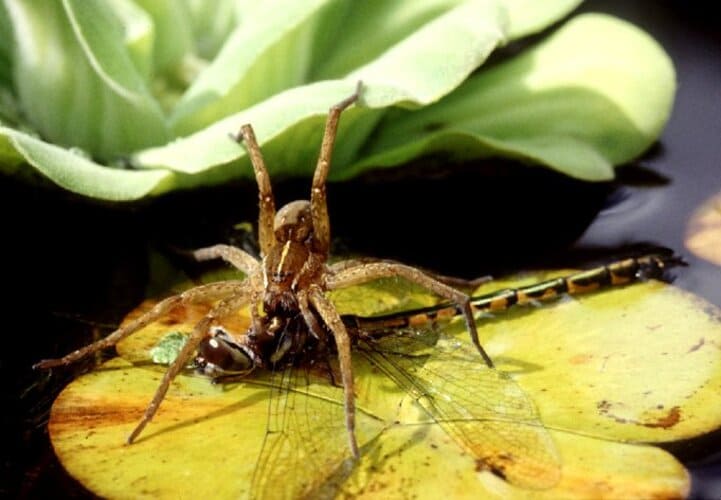
Water Spider
The Water Spider, more precisely the Diving Bell Spider,refers to the species Argyroneta aquatica. It is the only known spider thatspends its entire life underwater. This remarkable arachnid lives in still or slow-movingfreshwater and is famous for the silken “diving bell” it builds and fills...
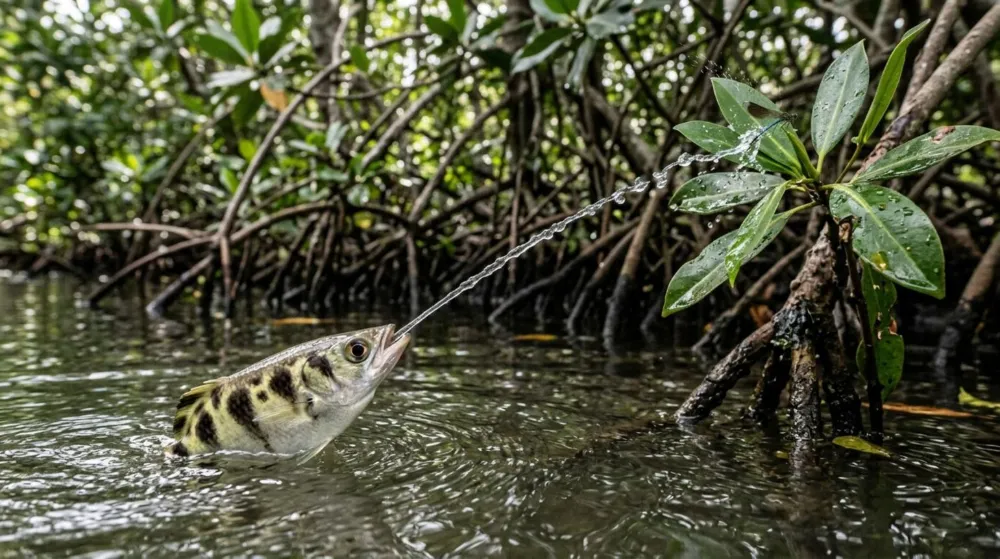
How Do Archerfish Shoot Water?
Archerfish shoot water by using a specialized groove in the roof of their mouth, their tongue, and pressure generated inside the mouth and gill chambers. Together, these structures help form a narrow water jet that can knock insects from vegetation above the water. Archerfish do more than simply squ...
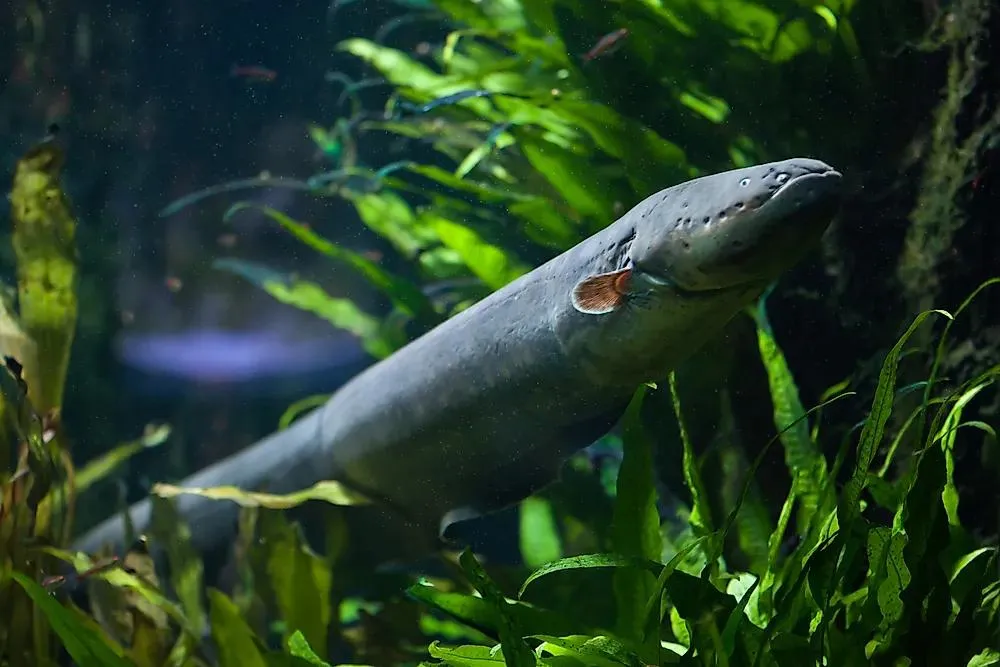
How Do Electric Eels Produce Electricity?
Electric eels produce electricity using specialized cells called electrocytes, which are arranged in large stacks inside their electric organs. When nerve signals activate these cells, charged ions move across their membranes, creating small electrical differences. Thousands of electrocytes working...
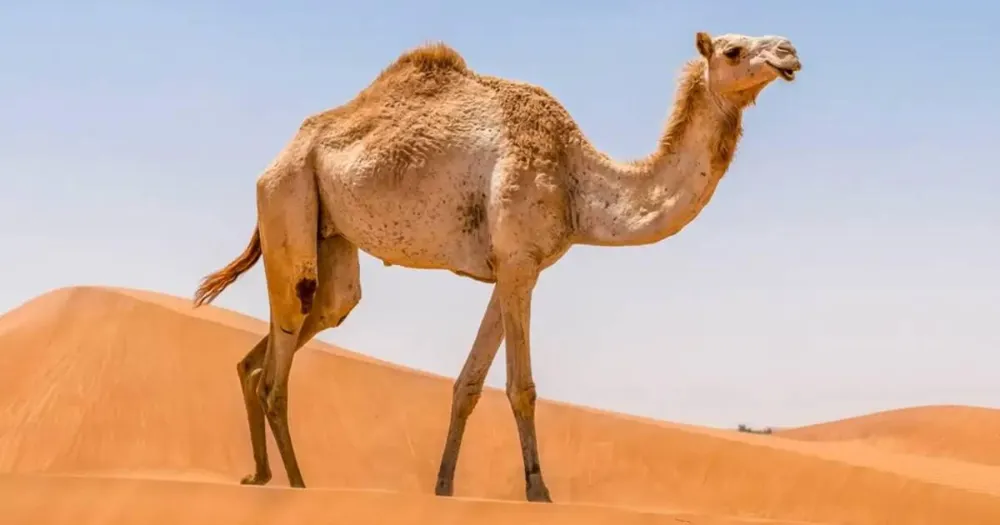
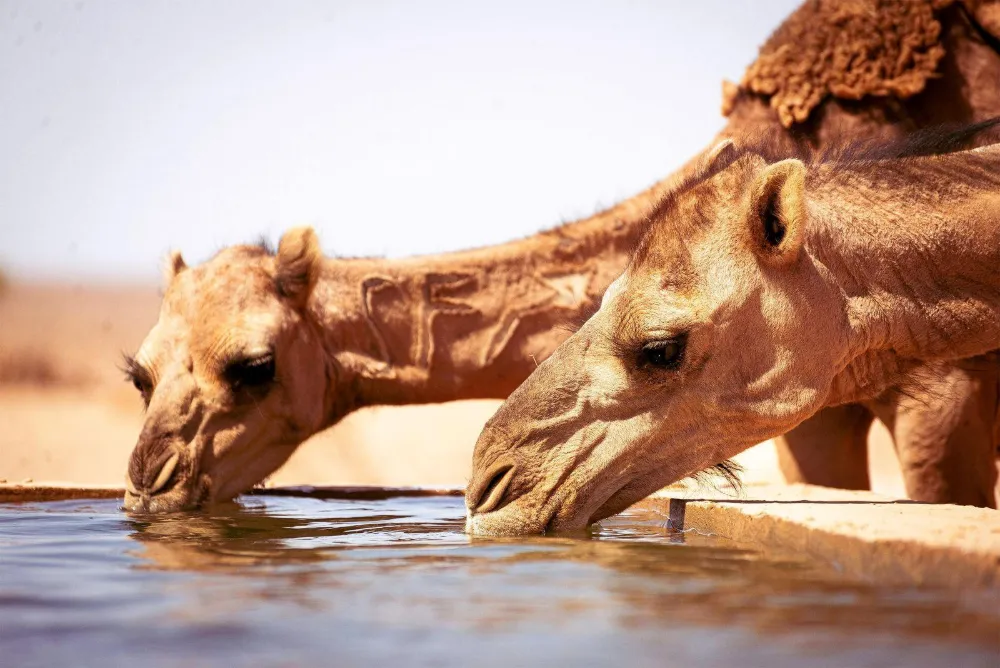
Why Do Camels Have Humps? Fat vs. Water
Camels have humps because the humps store fat, providing a concentrated reserve of energy when food is scarce. Contrary to a widespread myth, camel humps do not store water. When a camel uses its fat reserves, its hump may become smaller or droop. Camels survive dry environments not because they car...
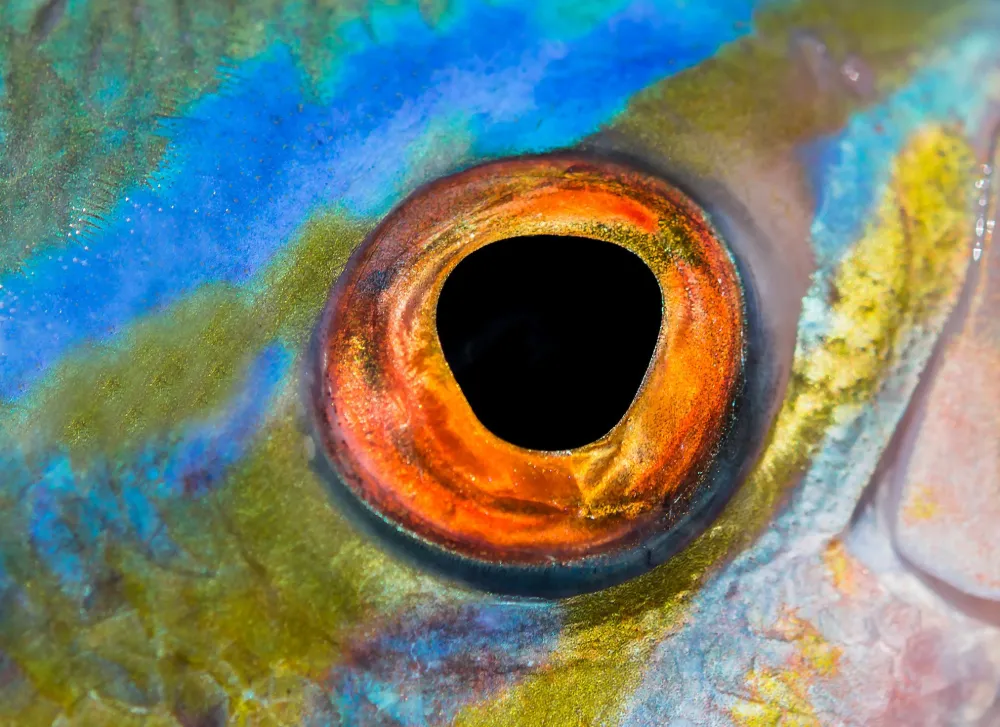
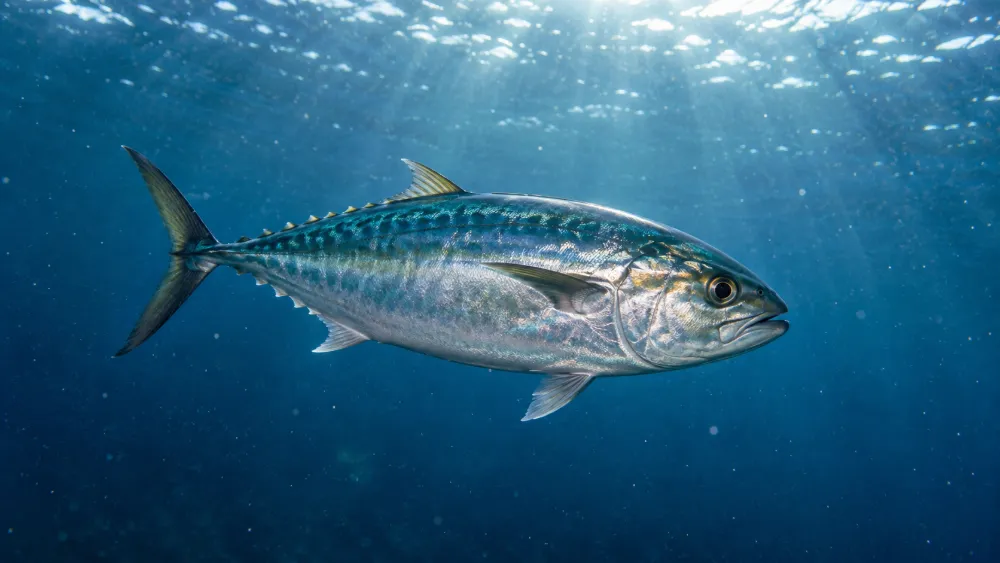
Can Fish See Water? How Fish Vision Really Works
Fish can see objects, particles, bubbles, light patterns, and boundaries in water, but they probably do not perceive uniformly clear water as a separate visible object. Just as humans normally look through clean air without noticing the air itself, fish see their surroundings through the water aroun...
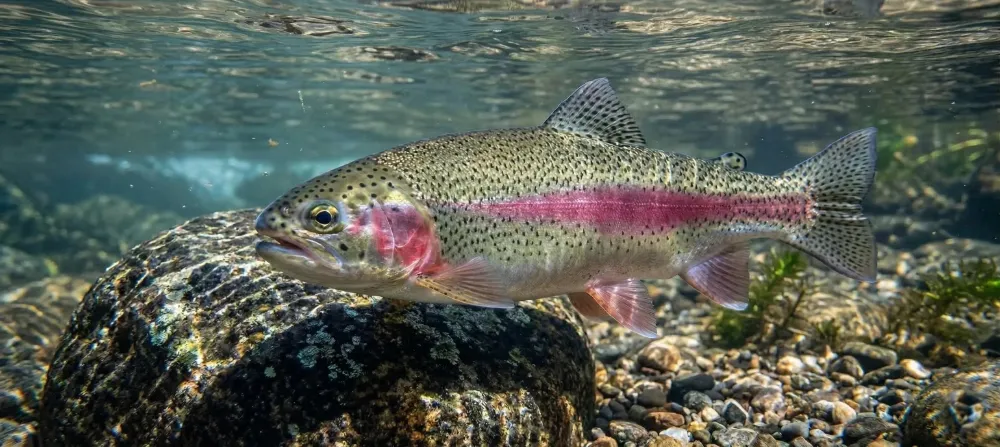
Do Fish Get Thirsty? How Fish Drink Water
Fish need water to survive, but scientists do not know whether they experience thirst in the same subjective way humans do. Most marine bony fish regularly drink seawater because they lose water to their salty surroundings. Freshwater bony fish face the opposite problem: water continually enters the...
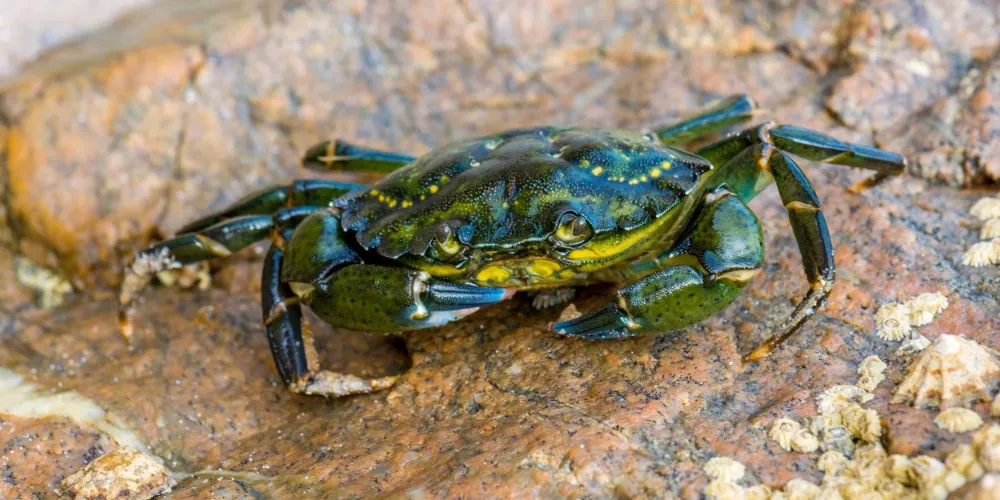
Can Crabs Breathe Out of Water? How Long Can They Survive?
Yes, some crabs can breathe out of water, but their survival depends on the species and environmental conditions. Most aquatic crabs breathe through gills that absorb dissolved oxygen from water. Many shore crabs can also obtain oxygen from air for a limited time, provided their respiratory surfaces...
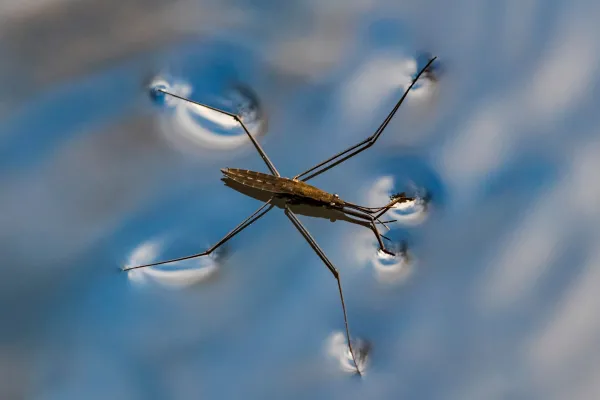
Water Strider: Characteristics, Habitat, Behavior, and Diet
The water strider—often called a pond skater or river skater—is a common insect in freshwater habitats. Many species belong to the family Gerridae, famous for their ability to glide across the surface of water using long legs and the physics of surface tension. In this article, you’ll learn what...
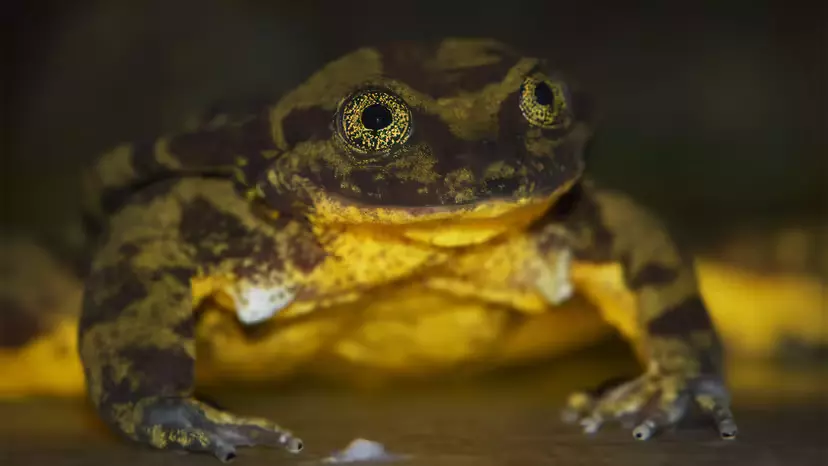
Romeo the Lonely Frog Finds Juliet — and Hope for a Species
Headline factsThe protagonist is the Sehuencas water frog (Telmatobius yuracare), a Bolivian stream frog once feared down to a single captive male nicknamed Romeo.In January 2019, researchers found five wild frogs (2 females, 3 males) in a cloud-forest stream — including “Juliet.”The crisis mirro...
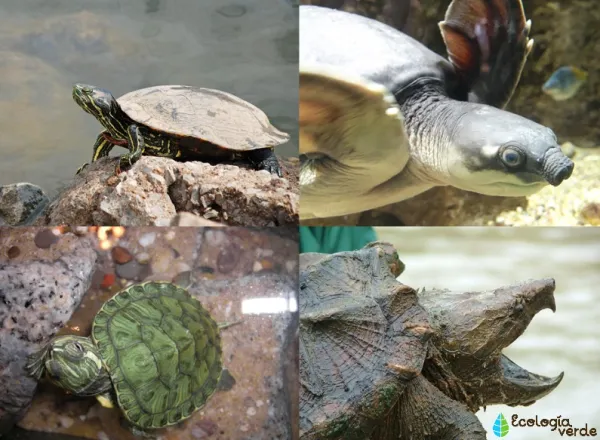
Names of Freshwater Turtle Species and Their Characteristics
Are you curious about freshwater turtles or considering keeping one as a pet? If so, you’ve probably realized that there is an enormous variety of freshwater turtles, and without some knowledge, it can be difficult—even impossible—to distinguish between them. This article introduces some of the m...

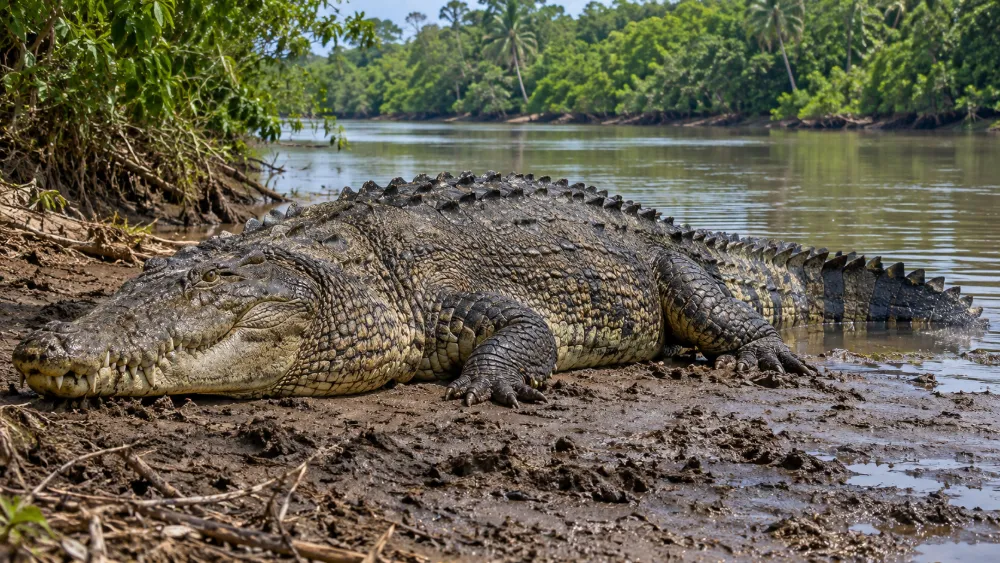
Saltwater Crocodile: Characteristics and Habitat Explained
In parts of Asia and Oceania, the murky waters formed by the mixing of seawater and river estuaries hide the largest reptile in the world: the saltwater crocodile. Once numbering in the thousands in some regions, this species has suffered greatly due to habitat degradation and hunting, leading to lo...

Wetland Waterbirds (Wading Birds): What They Are and Examples
Waders are a group of birds that share common features such as elongated legs, long toes and necks, habitats, etc. Some of these birds are: White Ibis (Eudocimus albus), Glossy Ibis (Plegadis falcinellus), Jabiru (Jabiru mycteria), and Wood Stork (Ciconia ma...
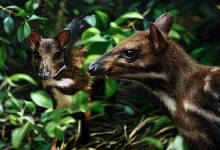
Hyemoschus aquaticus
Water Chevrotain [shuǐ xī lù] (scientific name: Hyemoschus aquaticus) English: Water Chevrotain, French: Chevrotain Aquatique, Spanish: Antilope Amizclero Enano de Agua, German: Hirschferkel, no subspecies, is the largest member of the family Hyemoschus.Water deer females are sedentary, occupying...
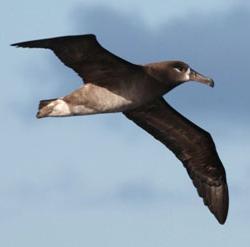
Phoebastria nigripes
The Black-footed Albatross (footed Albatross) is a large seabird of the family Albatross of the order Petrel, footed.The black-footed albatross is very similar to the short-tailed albatross subadult, but the short-tailed albatross subadult beak and feet are not black, there are obvious white spots o...