Sea Urchin Facts at a Glance
| Feature | Fact |
|---|---|
| Animal Group | Echinoderms |
| Scientific Class | Echinoidea |
| Number of Living Species | About 950–1,000 species |
| Habitat | All major oceans |
| Main Diet | Algae, kelp, seaweed |
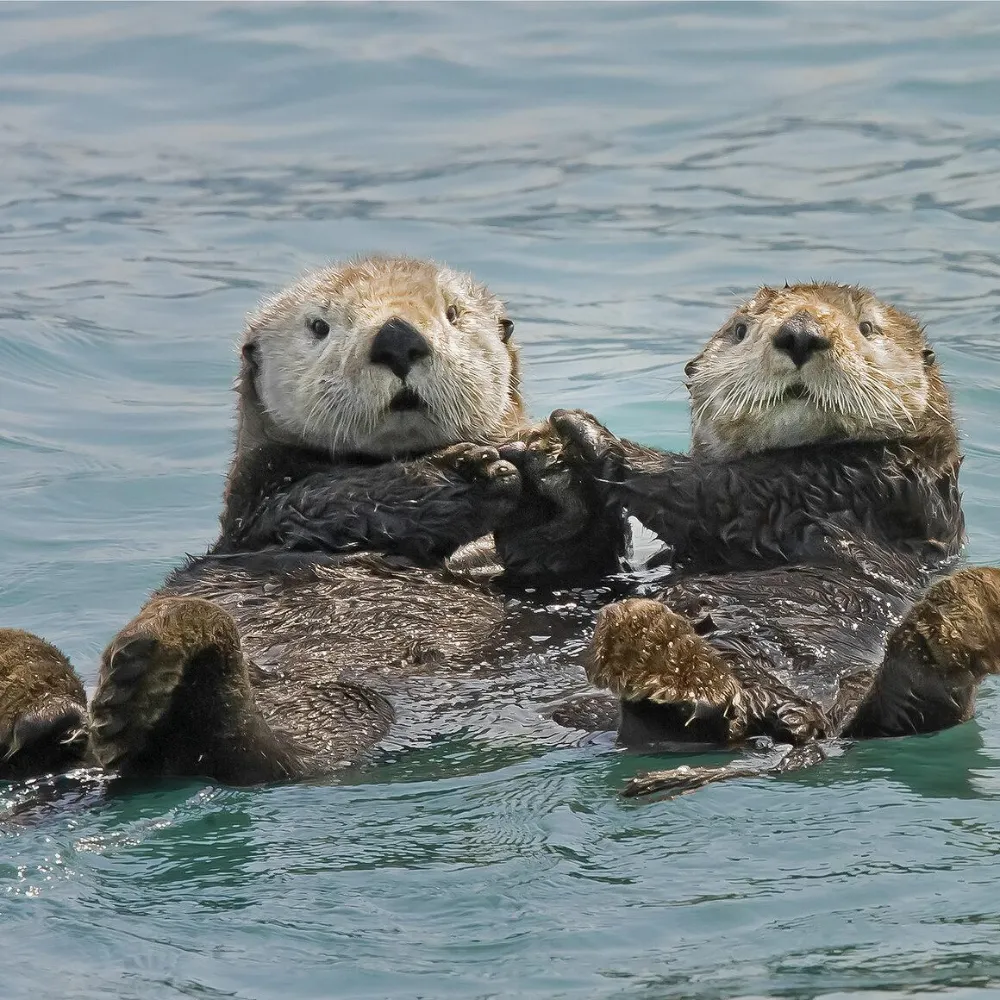
| Main Predators | Sea otters, fish, crabs, lobsters, sea stars |
| Largest Known Species | Red sea urchin (among the largest) |
| Typical Lifespan | Several years to more than 100 years, depending on the species |
Sea Urchins Have Hundreds of Movable Spines
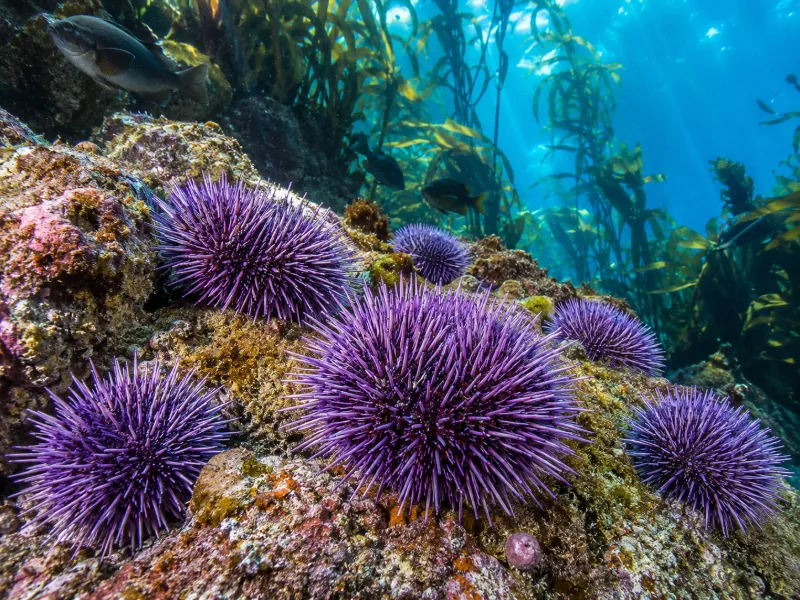
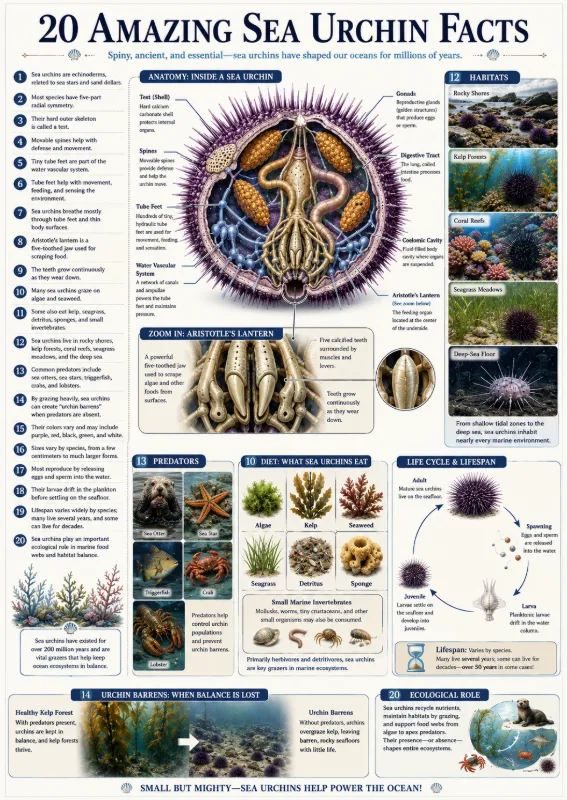
Sea urchins are covered with movable spines attached to a rigid shell called a test. These spines help protect against predators, assist with movement, and sometimes even collect objects for camouflage.
They Belong to the Same Group as Sea Stars
Despite looking very different, sea urchins are close relatives of sea stars, sand dollars, brittle stars, and sea cucumbers. All belong to the phylum Echinodermata and share a water vascular system and five-part body symmetry.
They Have No Brain
Sea urchins do not possess a centralized brain. Instead, they rely on a nerve ring surrounding the mouth and a network of radial nerves that coordinate movement and feeding.
Sea Urchins Use Hundreds of Tube Feet
Between their spines are hundreds of tiny tube feet powered by a hydraulic water vascular system. These flexible structures allow sea urchins to walk, cling to rocks, gather food, and sense their surroundings.
They Have a Remarkable Mouth Called Aristotle's Lantern
Sea urchins possess one of the most unusual feeding structures in the animal kingdom. Aristotle's lantern contains five continuously growing teeth that scrape algae from rocks and grind food into smaller pieces.
Some Species Live for More Than a Century
The red sea urchin is one of the longest-lived marine invertebrates. Individuals are estimated to survive well over 100 years, and some may live for more than 150 years under favorable conditions.
They Live in Nearly Every Ocean
Sea urchins occur in tropical coral reefs, temperate kelp forests, rocky coastlines, polar seas, and even the deep ocean thousands of meters below the surface.
Most Sea Urchins Eat Algae
Although many species are mainly herbivorous, some also consume sponges, small invertebrates, dead animals, and organic debris when algae become scarce.
Sea Otters Depend on Them
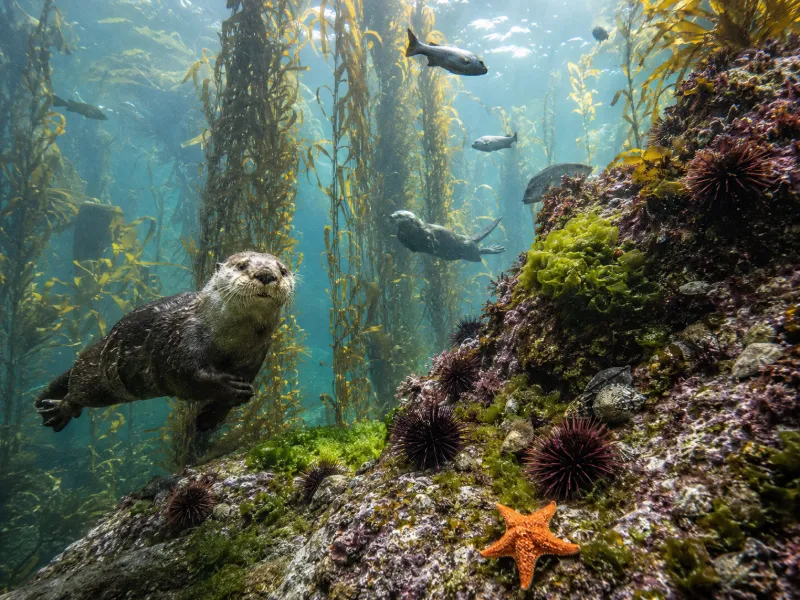
Sea otters are among the best-known sea urchin predators. By feeding on large numbers of sea urchins, they help protect kelp forests from overgrazing.
Too Many Sea Urchins Can Create "Urchin Barrens"
When predator populations decline, sea urchin numbers may increase dramatically. Large groups can consume so much kelp that productive underwater forests become nearly barren rocky landscapes.
Sea Urchins Can Detect Light Without Eyes
Although they lack true eyes, sea urchins can sense changes in light using specialized light-sensitive cells distributed across their bodies. This ability helps them respond to shadows and avoid potential threats.
Some Species Cover Themselves with Objects
Collector sea urchins often place shells, pebbles, pieces of coral, or seagrass on top of their bodies using tube feet. This behavior may provide camouflage, protection from sunlight, and defense against predators.
Their Skeleton Is Made of Calcium Carbonate
The rigid test is composed of interlocking calcium carbonate plates. After a sea urchin dies, the spines fall away, leaving behind the beautiful shell often found on beaches.
Sea Urchins Grow New Spines
If a spine breaks or is lost, many species can regenerate it over time, although the speed of regrowth varies depending on age, species, and environmental conditions.
They Reproduce by Spawning
Most sea urchins reproduce through external fertilization. Males and females release sperm and eggs into the water, where fertilization occurs before larvae begin drifting with ocean currents.
The Edible Part Is Called Uni
The delicacy known as uni consists primarily of the sea urchin's gonads rather than loose eggs. It is highly valued in Japanese cuisine and many other coastal food cultures.
They Have Existed for Hundreds of Millions of Years
Ancestors of modern sea urchins appeared more than 450 million years ago, making them one of the oldest surviving groups of marine animals.
Scientists Frequently Study Sea Urchins
Sea urchins have long served as important model organisms in developmental biology because their embryos are relatively easy to observe and develop rapidly.
They Help Maintain Healthy Marine Ecosystems
By grazing on algae, sea urchins influence the balance of coral reefs and kelp forests. Their ecological role depends on maintaining healthy populations alongside their natural predators.
Not All Sea Urchins Look the Same
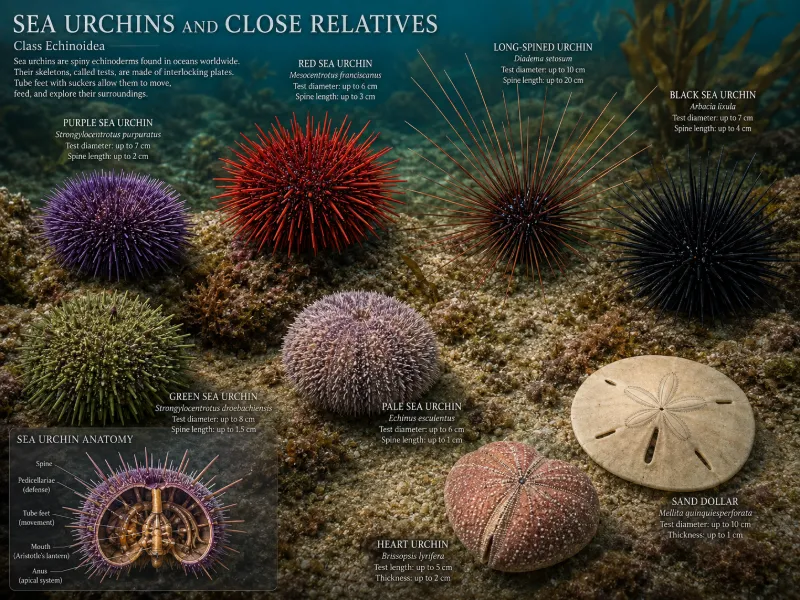
Although many people imagine a round, black sea urchin, species vary greatly in color, spine length, body shape, and size. Some are bright purple, green, red, white, or even vividly patterned, while sand dollars and heart urchins are highly specialized relatives with very different appearances.
Why Sea Urchins Matter
Sea urchins are much more than spiny ocean animals. They influence marine food webs, shape underwater habitats, support scientific research, and even contribute to human cuisine. Their remarkable adaptations have allowed them to survive changing oceans for hundreds of millions of years, making them one of the most successful groups of marine invertebrates alive today.
FAQs
What is the most interesting fact about sea urchins?
One of the most fascinating facts is that sea urchins have a specialized five-toothed jaw called Aristotle's lantern, which continuously grows throughout their lives and allows them to scrape algae from rocks.
Can sea urchins really live for over 100 years?
Yes. Some species, especially the red sea urchin, are estimated to live for more than a century under suitable environmental conditions.
Do sea urchins have eyes?
No. Sea urchins do not have true eyes, but they can detect light using light-sensitive cells distributed across their bodies.
Are sea urchins important to ocean ecosystems?
Yes. Sea urchins help regulate algae growth, influence kelp forests and coral reefs, and serve as prey for many marine animals.
What is the closest relative of a sea urchin?
Sand dollars and heart urchins are the closest living relatives because they belong to the same class, Echinoidea. Sea stars, brittle stars, sea cucumbers, and feather stars are also members of the echinoderm group.
What is the habitat of sea urchins?
What ocean animals eat sea urchins?
What is inside the sea urchin?
What organism is close to a sea urchin?