
Top 20 Trendiest Dog Breeds in the US and UK in 2025
“Trendy” doesn’t just mean “popular.” In 2025, the breeds getting the most attention in the US and UK share a few things: they fit modern living (apartments, hybrid work, smaller yards), they look great on social media, and they match what many families want right now—companionship, manageable...
What to Expect When Adopting a Dog from a Shelter or Rescue in the US/UK
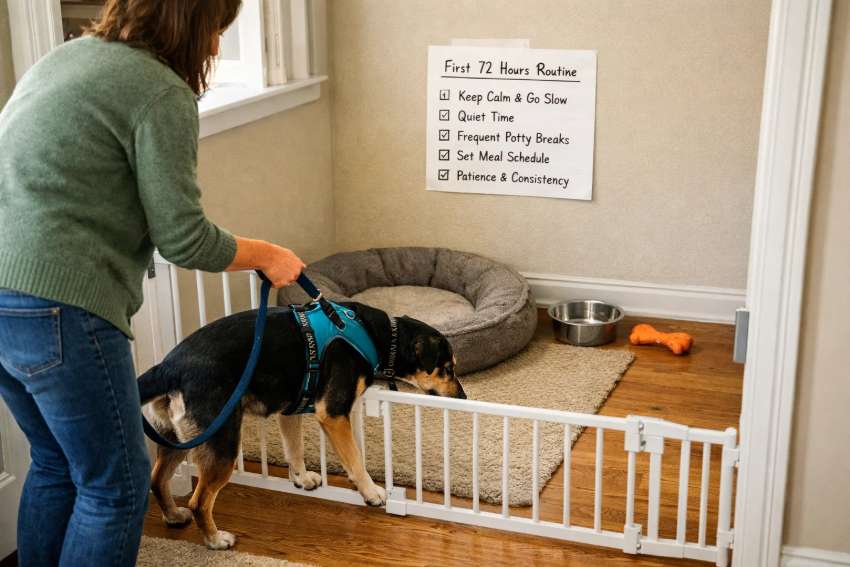
Adopting a dog is exciting—and it can also feel overwhelming once the reality hits: paperwork, meet-and-greets, new routines, unexpected nerves, and a dog who may behave differently at home than they did in the shelter. That doesn’t mean you made a mistake. It means adoption comes with an adjustme...
Leash Reactivity: Why Your Dog Lunges on Walks and How to Fix It
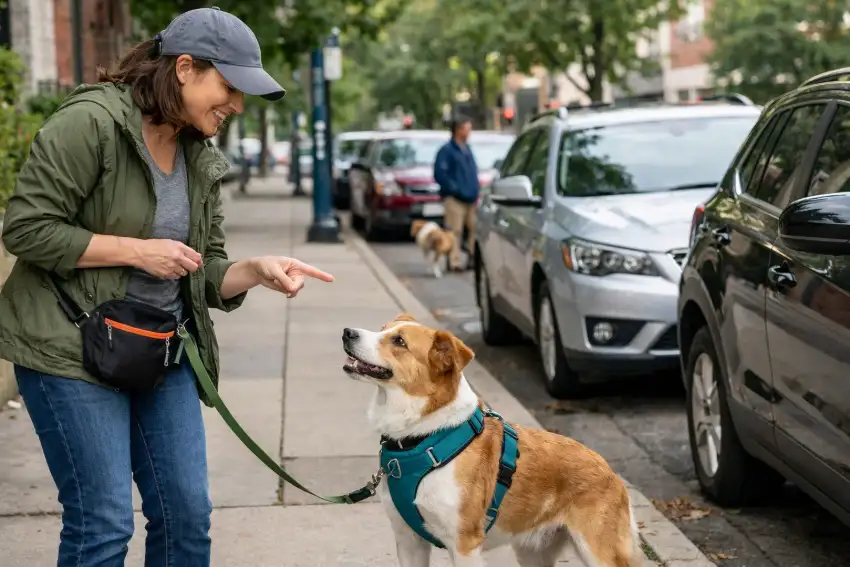
If your dog lunges, barks, or growls on walks, you’re not alone. Leash reactivity is one of the most common (and most stressful) behavior challenges for dog owners—especially in cities and apartment neighborhoods where you can’t avoid other dogs, scooters, strollers, and surprise corners. The goo...

How to Introduce a New Cat or Dog to Your Existing Pets Safely
Bringing home a new cat or dog is exciting—but the first introductions can make or break the relationship between your pets. Rushing the process is the most common reason introductions go wrong. The safest approach is to control space, manage stress, and let your pets build positive associations in...
How to Stop a Dog from Barking at Neighbors, Delivery Drivers and Other Dogs
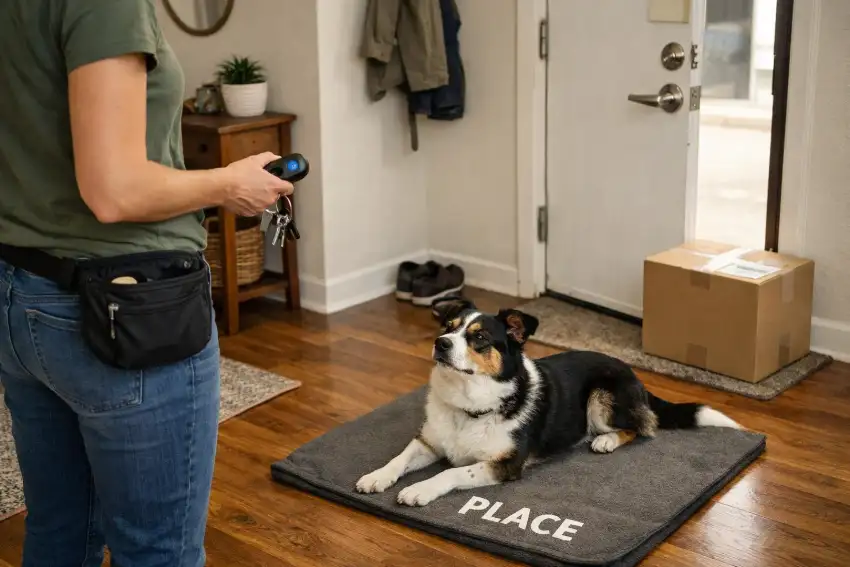
Barking is normal dog communication—but barking at every neighbor, delivery driver, or passing dog can quickly become stressful (and in apartments, it can become a real problem). The key is to figure out why your dog is barking—alerting, fear, frustration, territorial behavior, or boredom—then us...

Separation Anxiety in Dogs: Causes, Symptoms and Home Treatment Tips
Separation anxiety is more than a dog “being naughty” when you leave. It’s a real panic response to being alone (or being separated from a specific person), and it can show up as barking, destruction, accidents, drooling, or frantic attempts to escape. The good news: many dogs improve dramaticall...
How to Potty Train a Puppy in an Apartment (Step-by-Step Plan)
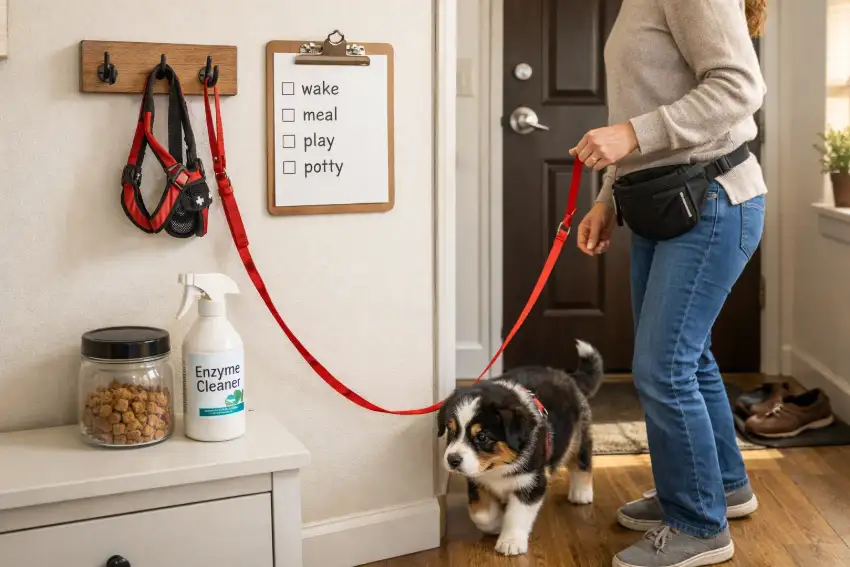
Potty training a puppy is challenging anywhere—but apartments add extra hurdles: elevators, long hallways, cold weather, noisy streets, and the reality that you can’t always sprint outside in time. The good news is that apartment potty training can be very successful when you use a clear routine,...
Quiet Dog Breeds for Apartments and Noise-Sensitive Neighbors
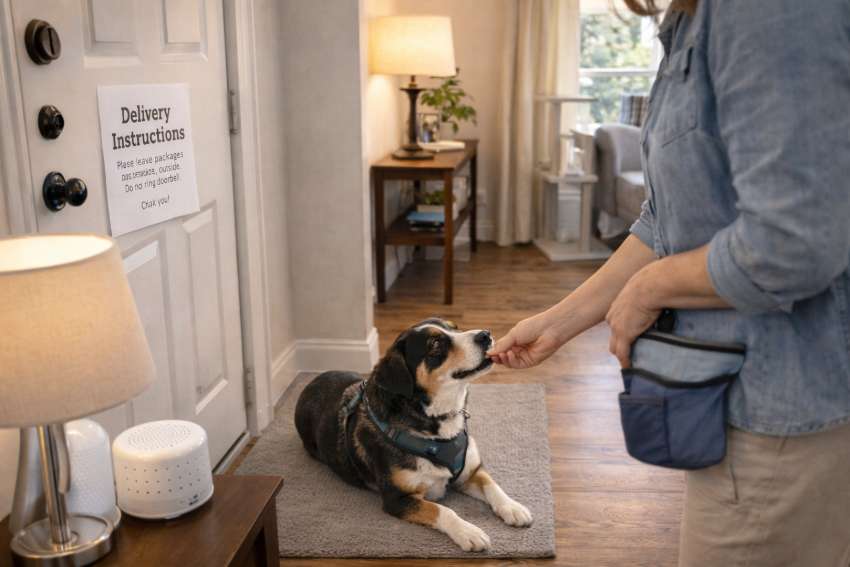
Apartment living with a dog can be wonderful—until barking becomes a daily stressor for you and your neighbors. The truth is: “quiet breed” doesn’t mean “never barks.” Dogs bark to communicate, and in an apartment there are more triggers (hallway footsteps, elevators, door buzzers, delivery kn...

Best Dog Breeds for Families with Young Children (Real-Life Temperament Guide)
When you have babies, toddlers, or young kids in the house, “cute” isn’t the same as “family-friendly.” The best family dog is usually the one with a steady temperament, high tolerance for normal kid chaos, and an exercise level your family can realistically meet. Breed can help predict tendenc...
Destructive Chewing in Puppies and Adult Dogs: What Works and What Doesn’t
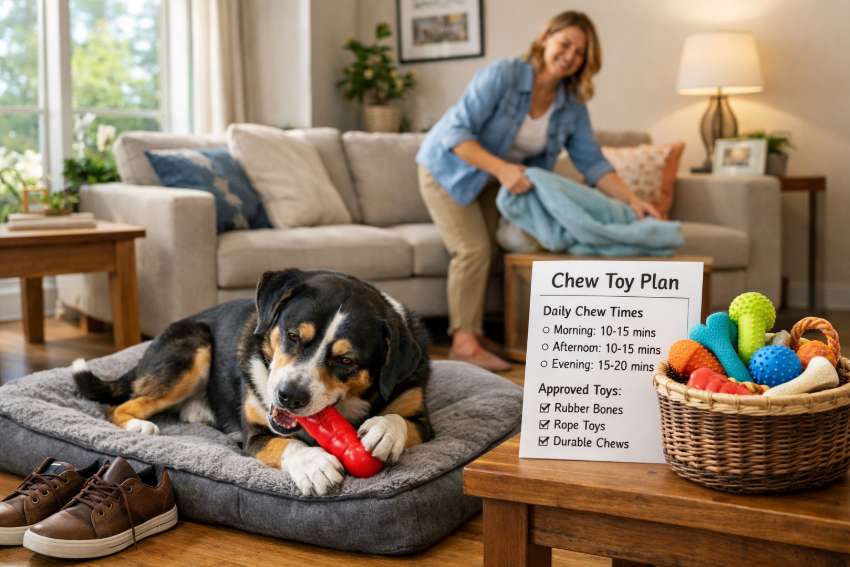
Chewing is a normal dog behaviour – but when your puppy destroys every shoe or your adult dog eats the sofa, it becomes a serious problem. Many owners in the US and Europe feel frustrated and embarrassed when guests see shredded cushions or chewed door frames.The good news: with the right mix of ma...

Leash Reactivity: Why Your Dog Lunges on Walks and How to Fix It
If your dog barks, lunges or growls when they see other dogs or people on walks, you’re not alone. Many dog owners in the US and Europe struggle with leash reactivity – and it can make every walk stressful and embarrassing.The good news: leash reactivity is common and, with patience and training,...

How to Introduce a New Cat or Dog to Your Existing Pets Safely
Bringing a new pet into your home can be exciting, but it can also be a source of stress for both you and your existing pets. Whether you're introducing a new dog or a new cat, it’s important to take the time to ensure that the introduction goes smoothly.In this guide, you’ll learn:The right w...
How to Stop a Dog from Barking at Neighbors, Delivery Drivers and Other Dogs
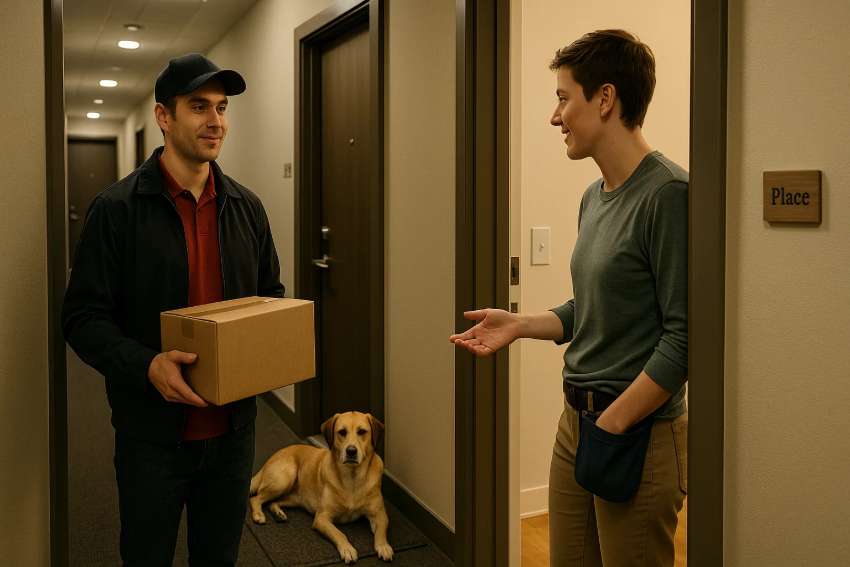
Many dogs in the US and Europe bark at every sound or movement: neighbors in the hallway, people outside the window, delivery drivers, other dogs on the street. A few warning barks are normal – but constant, explosive barking is stressful for you, your neighbours and sometimes even for your dog.Thi...
Separation Anxiety in Dogs: Causes, Symptoms and Home Treatment Tips
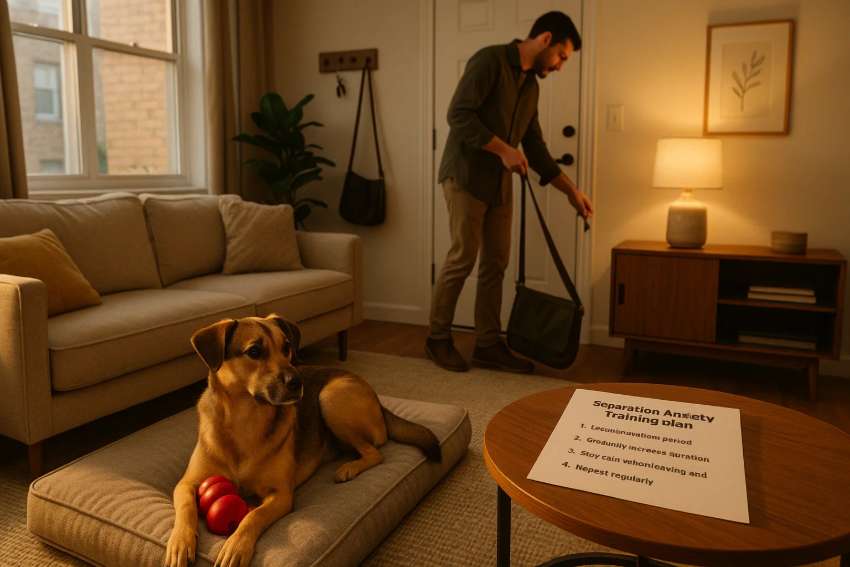
Many dogs in the US and Europe struggle when left alone. Some bark non-stop, some destroy furniture, and some even try to escape through doors or windows. If this only happens when you are gone (or getting ready to go), your dog may not be “naughty” – they may have separation anxiety.This guide e...

How to Potty Train a Puppy in an Apartment (Step-by-Step Plan)
Potty training a puppy is challenging in any home – but in an apartment, you don’t have a private garden, you may have elevators or stairs, and neighbours can hear every excited bark. The good news: with a clear plan and consistency, apartment puppies can be house-trained just as well as dogs in b...
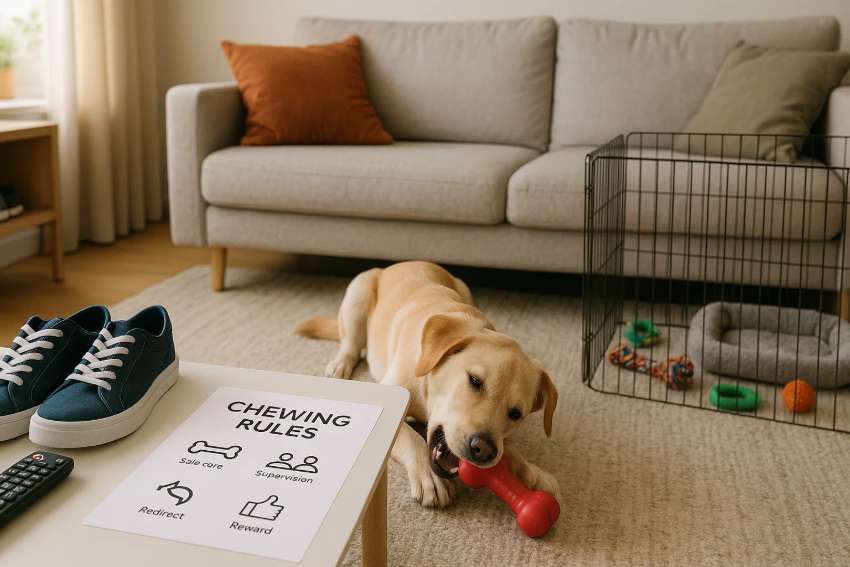
Destructive Chewing in Puppies and Adult Dogs: What Works and What Doesn’t
Chewing is a completely normal dog behavior – puppies explore the world with their mouths, and many adult dogs enjoy chewing for relaxation. But when your dog destroys shoes, furniture, remote controls, door frames or walls, it stops being “normal” and becomes a serious problem, especially in apa...
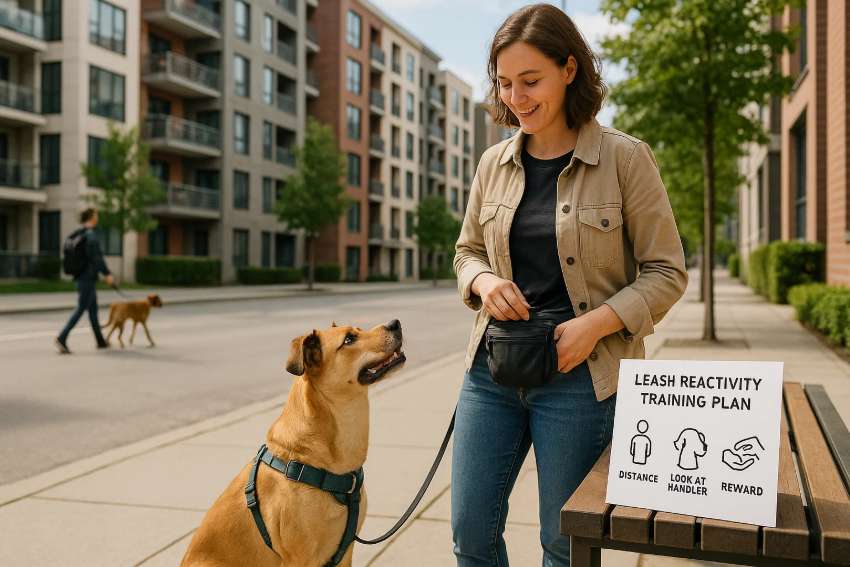
Leash Reactivity: Why Your Dog Lunges on Walks and How to Fix It
You step out of your apartment in New York, London, Berlin or Paris for a relaxing walk… and then it happens. Another dog appears, or a jogger, or a cyclist – and your dog explodes at the end of the leash. Barking, lunging, growling, pulling like crazy. Neighbors stare. You feel embarrassed, frust...
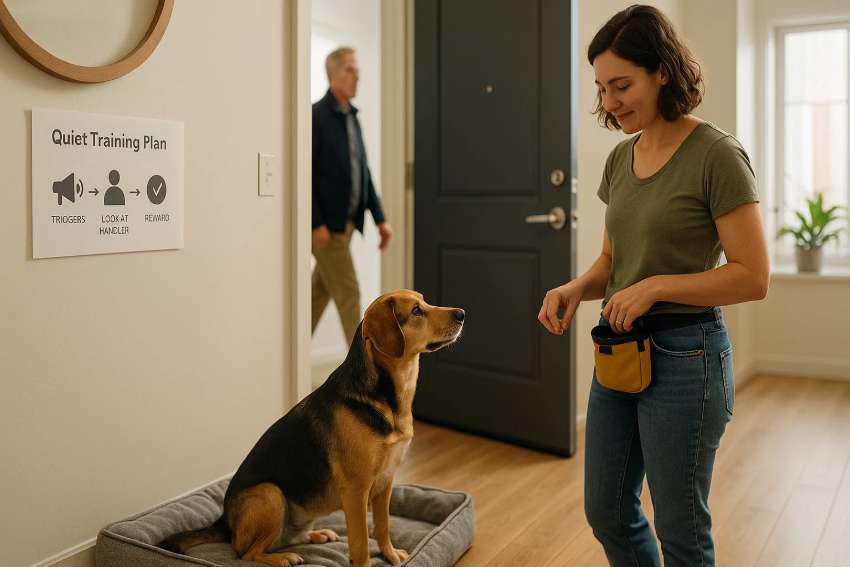
How to Stop a Dog from Barking at Neighbors, Delivery Drivers and Other Dogs
A quick “woof!” when someone passes your door is normal. But if your dog explodes into non-stop barking every time neighbors walk in the hallway, delivery drivers ring the bell, or another dog passes the window, life in a US or European apartment can get stressful very fast – for you, your dog an...
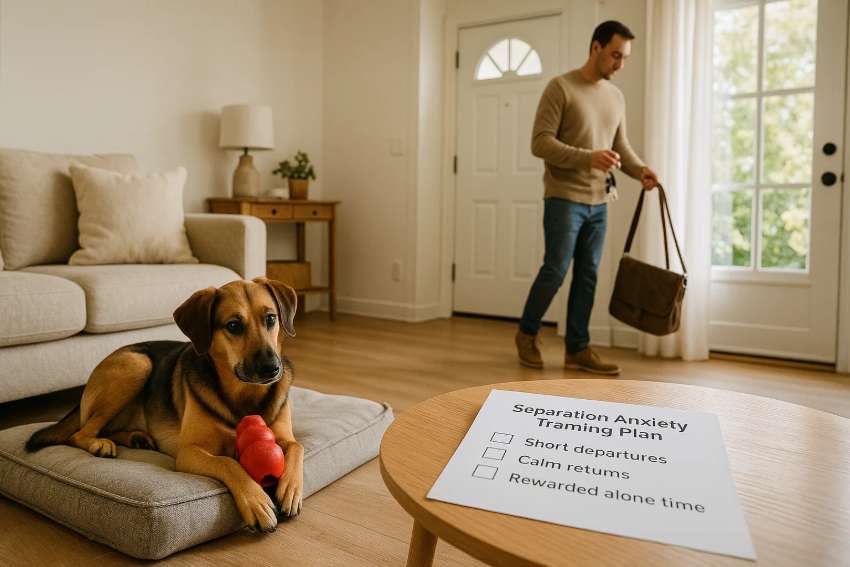
Separation Anxiety in Dogs: Causes, Symptoms and Home Treatment Tips
Many dogs can relax when their owners leave for work or errands. They might nap, chew a toy and greet you calmly when you come home. Dogs with separation anxiety are different. For them, being left alone feels like a real crisis – they panic, vocalize, destroy things or even hurt themselves.Separat...