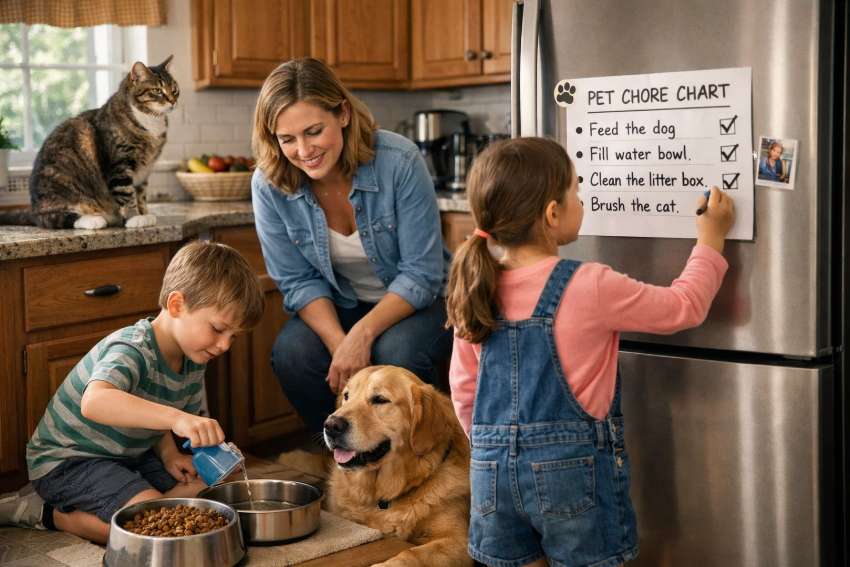
Teaching Kids to Respect Animals: Age-Appropriate Pet Chores
Kids can learn empathy, patience, and responsibility through pets—but only if the “responsibility” is realistic. Many families start with good intentions (“my child will feed the dog every day!”) and then end up frustrated when tasks are forgotten or done unsafely. The key is to match pet chore...

Best Small Pets for Kids (Realistic Expectations for Parents)
A “small pet” can be a wonderful way for kids to learn empathy and responsibility—but it can also become a stressful, short-lived experiment if expectations don’t match reality. Many small animals don’t like being handled, some are nocturnal, and most require more cleaning, space, and vet plann...

Best Holiday Gifts for Pet Lovers (US & UK Gift Guide)
Holiday shopping is easier when you know what truly makes a pet lover smile: gifts that improve daily life with their dog or cat, feel thoughtful (not generic), and actually get used. The tricky part is that “pet gifts” can accidentally become clutter—or worse, unsafe toys and treats that don’t...

How to Prepare Your Pets for Fireworks on New Year’s Eve and Independence Day
For many dogs and cats, fireworks aren’t “just loud noises”—they can feel like unpredictable danger. New Year’s Eve and Independence Day are especially tough because fireworks often start earlier than expected, last for hours, and can happen multiple nights in a row. The result can be shaking,...
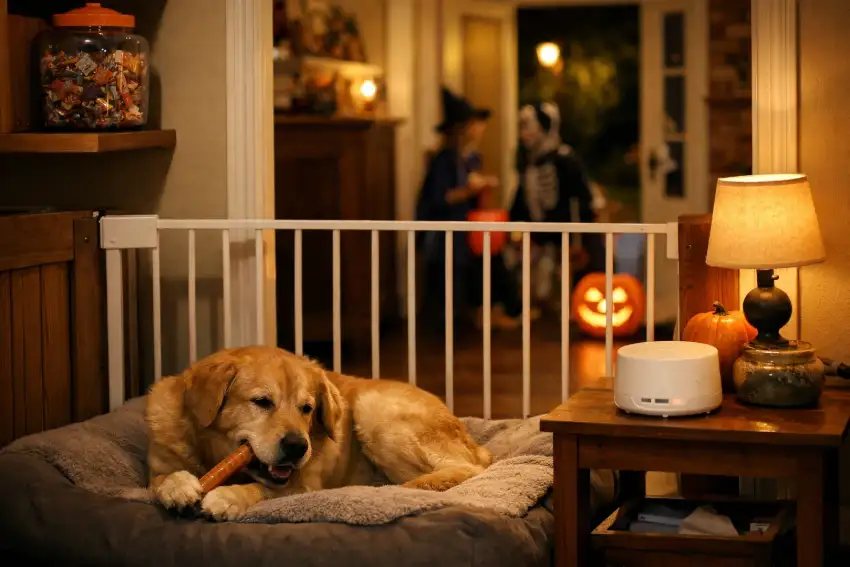
Halloween Pet Safety Tips: Costumes, Candy and Doorbell Stress
Halloween is fun for people—but for many pets it’s a perfect storm of stress and hazards: doorbells ringing nonstop, strangers in masks, excited kids running through the house, open doors, and candy everywhere. Add costumes that can irritate skin or restrict breathing, and Halloween can quickly tu...

Winter Pet Safety: How Cold Is Too Cold for Dogs and Cats?
Cold weather can be refreshing for many pets—but “winter-safe” depends on far more than the number on the thermometer. Wind, moisture, time outside, your pet’s coat and body size, and their health all change the risk. Some dogs can happily hike in snow, while others can become dangerously chille...

Summer Pet Safety: Heatstroke, Hot Pavement and Beach Rules for Dogs
Summer is one of the best times to be a dog owner—longer days, more outdoor time, beach trips, and patio life. It’s also the season when preventable emergencies spike: heatstroke, burned paw pads, dehydration, saltwater stomach upset, and drowning risk. The tricky part is that dogs don’t sweat li...
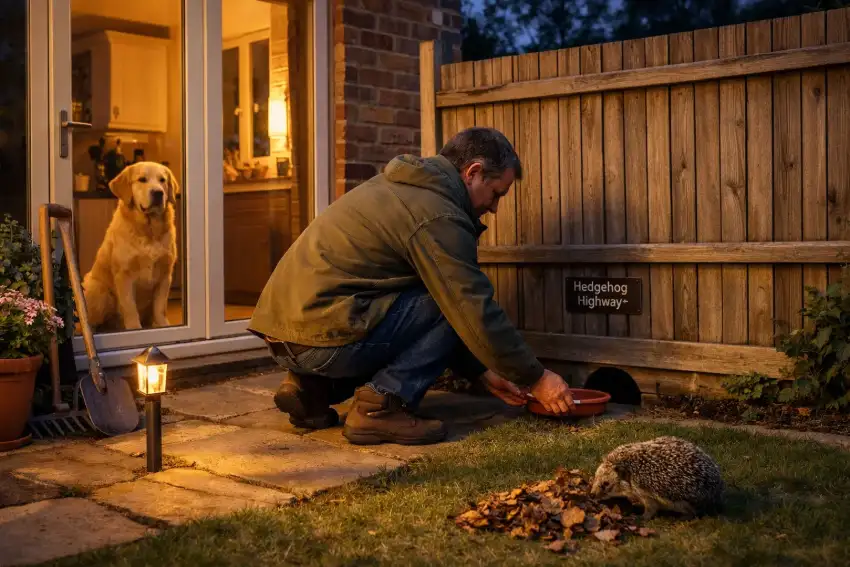
Keeping Hedgehogs as Pets vs Leaving Them Wild in the UK/Europe
Hedgehogs have a special place in UK and European gardens—but that also creates confusion. If you find a hedgehog outside, should you “rescue” it and keep it? And if you’ve seen pet hedgehogs online, is it the same animal you see in your garden?In most of the UK and Europe, the hedgehogs you enc...

How to Build a Safe Outdoor Enclosure for Rabbits, Guinea Pigs or Tortoises
An outdoor enclosure can be a fantastic quality-of-life upgrade for rabbits, guinea pigs, and tortoises—more space, fresh air, and natural enrichment. But “letting them out in a pen” is also one of the easiest ways for small pets to get injured, stressed, overheated, or attacked by predators. A t...
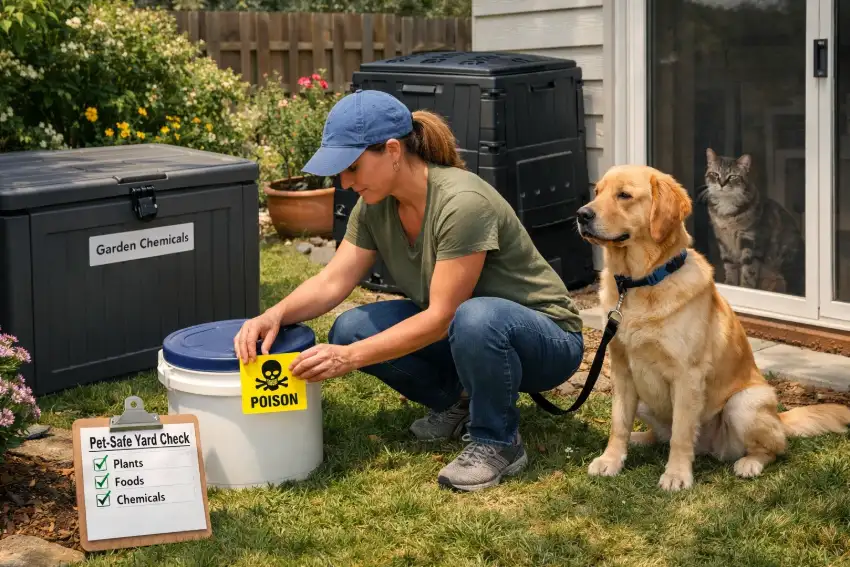
Backyard Toxins: Common Plants, Foods and Chemicals That Are Poisonous to Pets
Your backyard should be a safe place for your dog or cat to explore—but it can also hide surprising risks. Many common garden plants, “natural” pest products, compost piles, and everyday household chemicals can cause poisoning. The tricky part is that some toxins cause immediate symptoms (vomitin...

Foxes in European Cities: How to Protect Chickens, Rabbits and Small Pets
Urban foxes are now a normal part of life in many European cities. They’re smart, adaptable, and incredibly persistent when food is available. For most households, foxes are not a day-to-day danger to adult dogs, but they can be a serious threat to chickens, rabbits, guinea pigs, and other small pe...
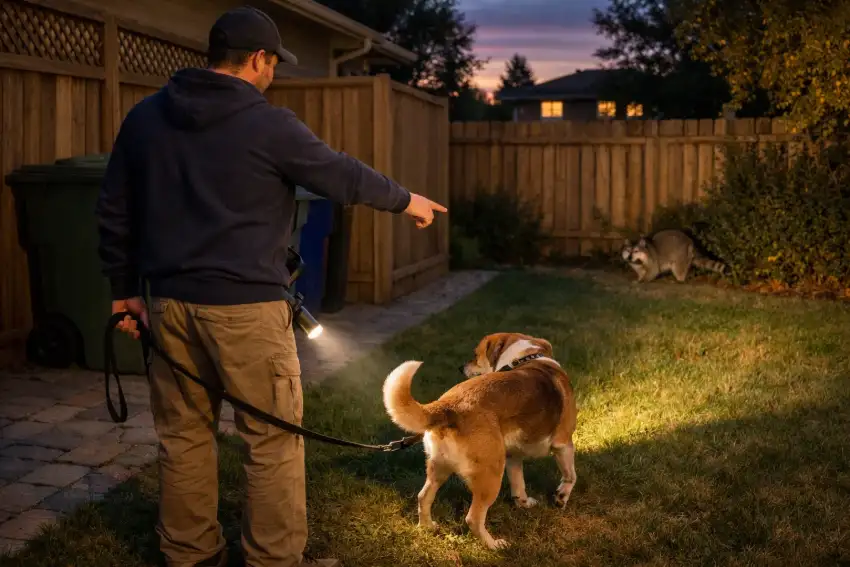
Are Raccoons Dangerous to Pets? How to Keep Your Dog or Cat Safe
Raccoons are common in many neighborhoods across the US and parts of Europe, especially anywhere there’s easy food—trash bins, outdoor pet bowls, compost piles, fruit trees, or even bird feeders. Most of the time raccoons avoid people, but they can be dangerous to pets in the right (or wrong) situ...

Destructive Chewing in Puppies and Adult Dogs: What Works and What Doesn’t
Chewing is normal dog behavior. Puppies chew to explore the world and relieve teething discomfort. Adult dogs chew to relax, relieve stress, and keep their jaws busy. The problem isn’t chewing itself—it’s destructive chewing: baseboards, shoes, couches, remote controls, door frames, and anything...

Leash Reactivity: Why Your Dog Lunges on Walks and How to Fix It
If your dog lunges, barks, or growls on walks, you’re not alone. Leash reactivity is one of the most common (and most stressful) behavior challenges for dog owners—especially in cities and apartment neighborhoods where you can’t avoid other dogs, scooters, strollers, and surprise corners. The goo...
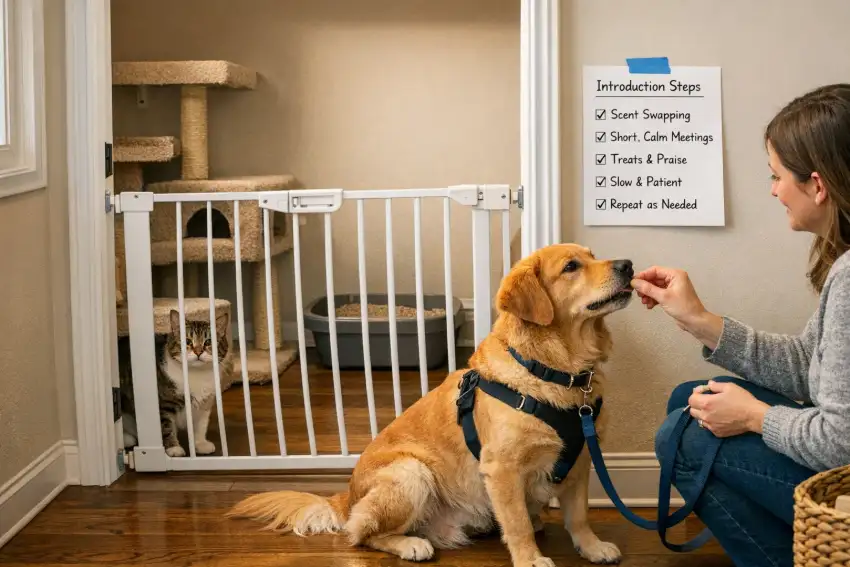
How to Introduce a New Cat or Dog to Your Existing Pets Safely
Bringing home a new cat or dog is exciting—but the first introductions can make or break the relationship between your pets. Rushing the process is the most common reason introductions go wrong. The safest approach is to control space, manage stress, and let your pets build positive associations in...
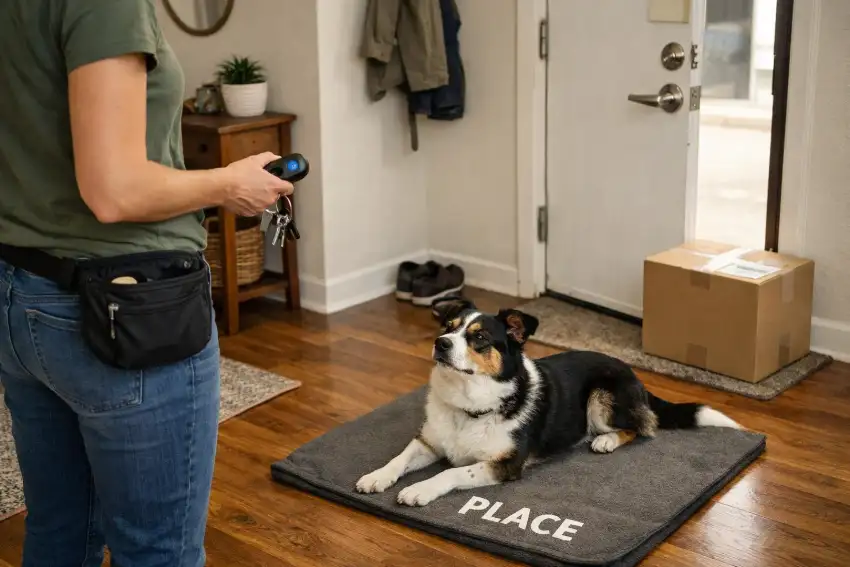
How to Stop a Dog from Barking at Neighbors, Delivery Drivers and Other Dogs
Barking is normal dog communication—but barking at every neighbor, delivery driver, or passing dog can quickly become stressful (and in apartments, it can become a real problem). The key is to figure out why your dog is barking—alerting, fear, frustration, territorial behavior, or boredom—then us...

Separation Anxiety in Dogs: Causes, Symptoms and Home Treatment Tips
Separation anxiety is more than a dog “being naughty” when you leave. It’s a real panic response to being alone (or being separated from a specific person), and it can show up as barking, destruction, accidents, drooling, or frantic attempts to escape. The good news: many dogs improve dramaticall...
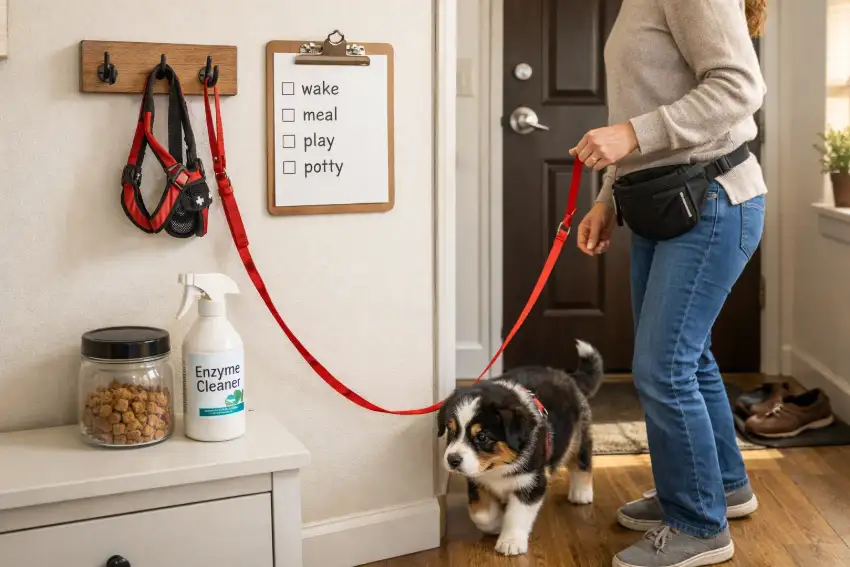
How to Potty Train a Puppy in an Apartment (Step-by-Step Plan)
Potty training a puppy is challenging anywhere—but apartments add extra hurdles: elevators, long hallways, cold weather, noisy streets, and the reality that you can’t always sprint outside in time. The good news is that apartment potty training can be very successful when you use a clear routine,...
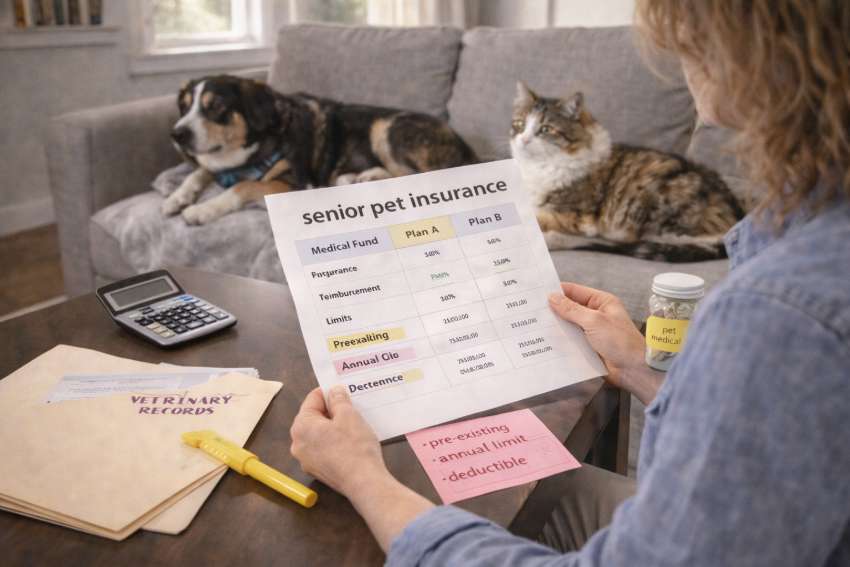
Best Pet Insurance for Older Dogs and Cats (Is It Still Worth It?)
If your dog or cat is already a senior, pet insurance can feel like a tough call. Premiums are higher than they were when your pet was young, and you might worry that “everything will be excluded as pre-existing anyway.” At the same time, this is the life stage when chronic conditions, dental dise...

Pet Insurance Comparison: Accident-Only vs Comprehensive Plans
Pet insurance can feel like a simple question—“Should I get it or not?”—until you see your first emergency vet bill, a chronic allergy diagnosis, or a surprise knee injury. Then the real question becomes: Which type of plan actually fits my pet and my budget? The two most common options are acci...