Anatomy
Yacare Caiman Facts: Size, Habitat and Diet
Learn yacare caiman facts, including size, habitat, diet, range, behavior, and how this South American crocodilian differs from other caimans.
Explore animal anatomy, body systems, senses, movement and the physical structures that help different species survive.
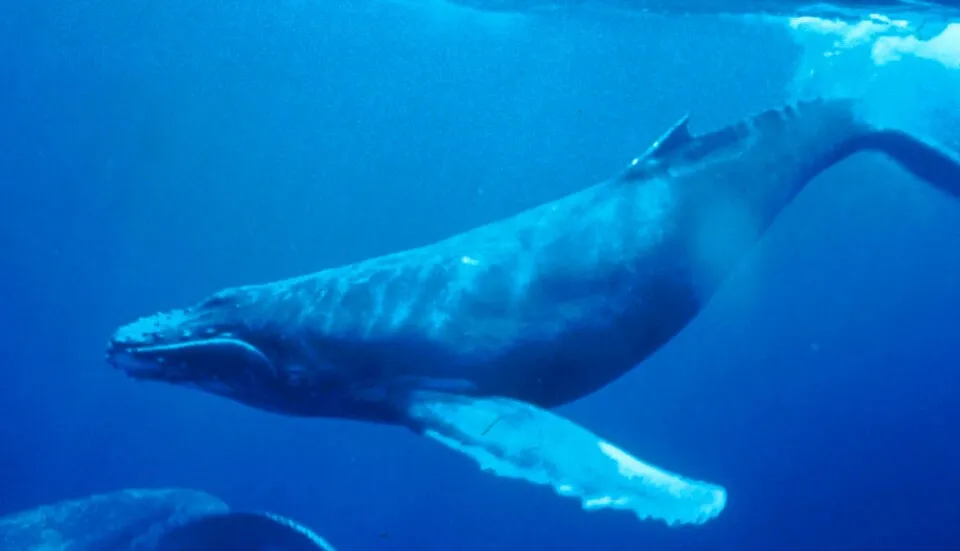
Why are humpback whale flippers so long? Discover how their giant fins, bumps and surprising turning ability help them hunt and navigate.
Follow a question from one animal to another with these handpicked science guides.
How different animals detect light, track movement and see their surroundings.
Explore specialized body structures, from protective quills to tiny teeth and tentacles.
Discover extraordinary locomotion and the ability to regrow missing body parts.
Latest guides
Articles listed here belong to this section. Use the filter to search the current page.
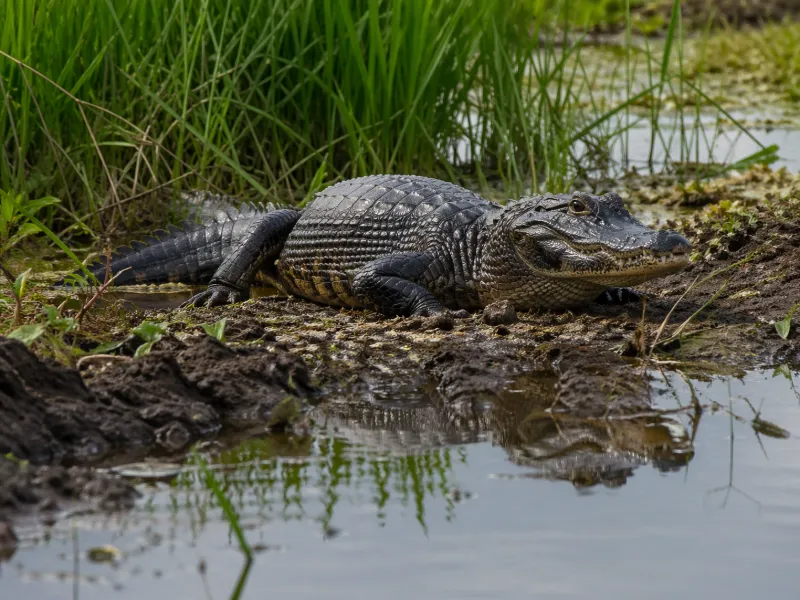
Learn yacare caiman facts, including size, habitat, diet, range, behavior, and how this South American crocodilian differs from other caimans.

Learn spectacled caiman facts, including size, habitat, diet, range, behavior, and how this adaptable crocodilian lives in Central and South America.
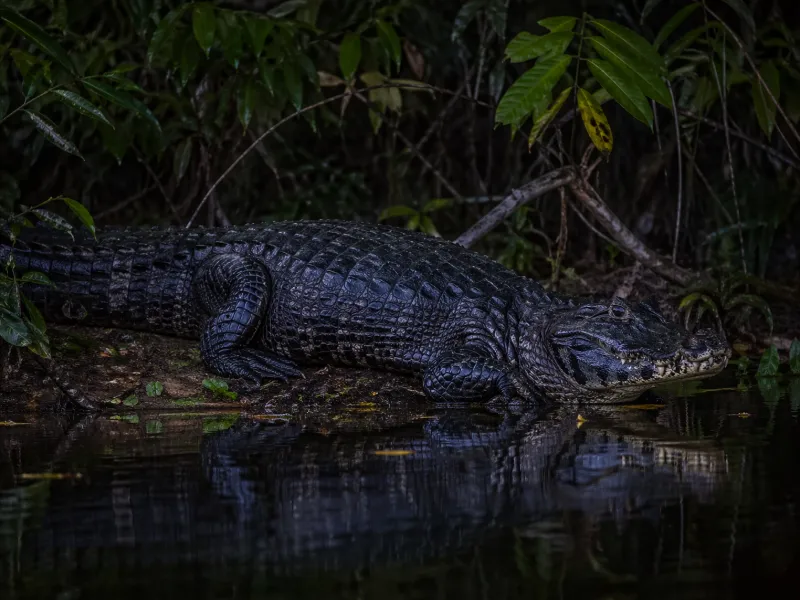
Learn black caiman facts, including size, habitat, diet, behavior, range, and how this large South American predator differs from other caimans.
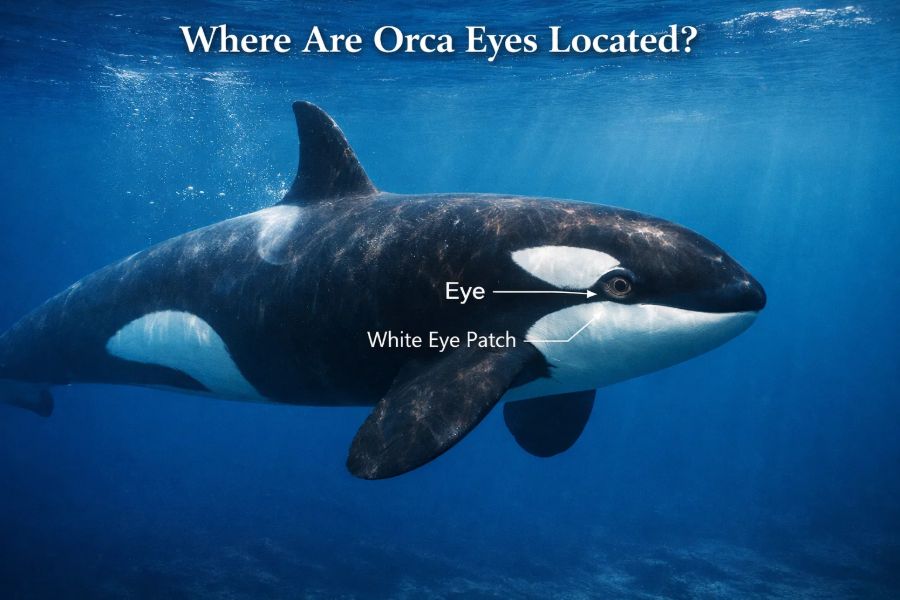
At first glance, many people assume the large white patch on each side of an orca’s head is the eye. It is not. An orca’s actual eye is a small dark eye located on each side of the head, just in front of the white eyes···

Octopuses have three hearts: two pump blood through the gills and one pumps oxygenated blood to the body. Squid and cuttlefish also have three hearts.
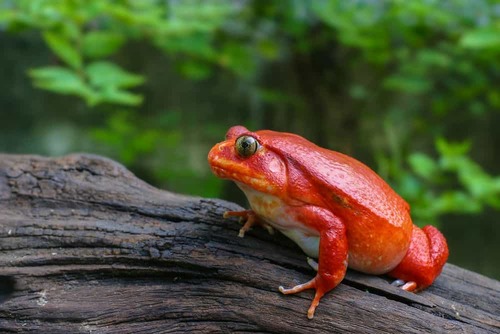
Which animals have short noses? Meet snub-nosed monkeys, short-snouted seahorses, shortnose fish, Pugs and animals that smell without an external nose.
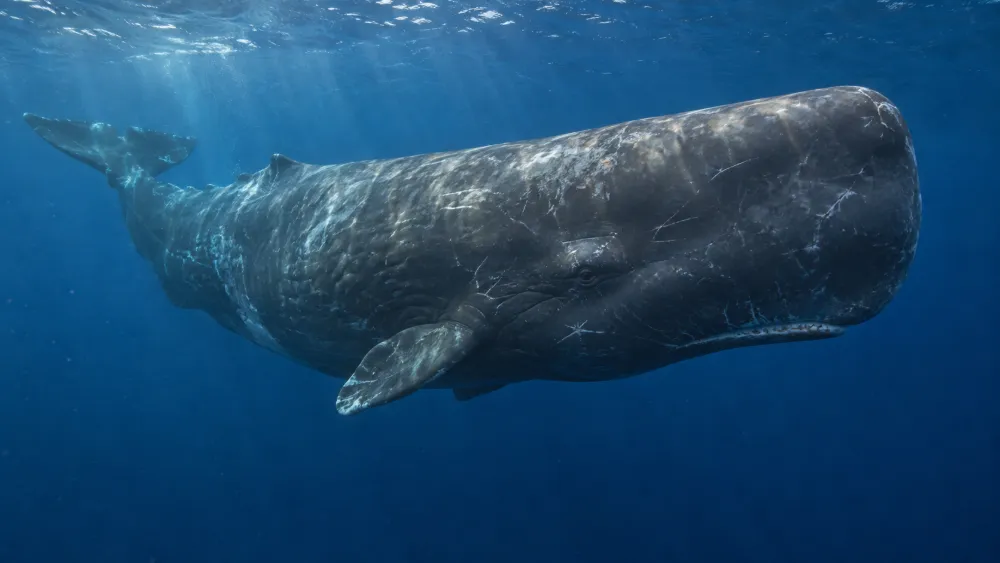
Which animal has the biggest brain? Compare sperm whales, orcas, elephants and other animals with the largest brains, plus why brain size does not equal intelligence.

What animal has the most legs? Eumillipes persephone holds the record with 1,306. Compare millipedes, centipedes, woodlice, lobsters and more.
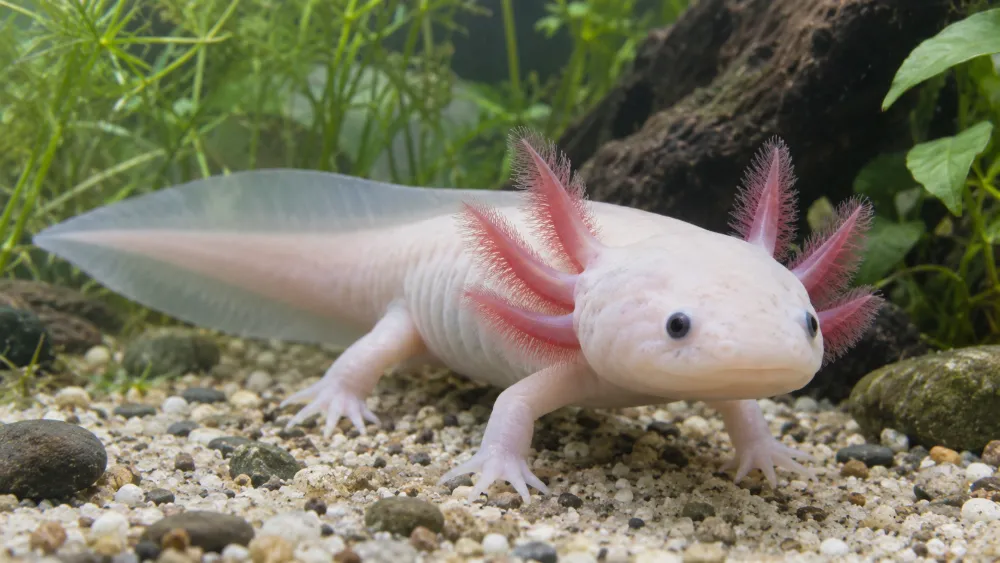
A “hexagonal dinosaur” is actually an axolotl, a Mexican aquatic salamander. Learn why it has six gill stalks, its color morphs, regeneration and wild status.