




Pitbull vs Dogo Argentino: A Scientific Comparison of Two Powerful Dog Types
From a zoological and canine-behavior perspective, “Pitbull vs Dogo Argentino” should not be treated as a fight question. A more responsible and scientifically useful comparison looks at origin, body structure, working purpose, temperament, trainability, management, and welfare risk. That matters...

9 of the World’s Deadliest Mammals: Dangerous Species and Why They Kill
When most people think of mammals, they picture animals that feel familiar: pets, farm animals, wildlife documentaries, and the soft, warm creatures children grow up loving. Mammals are often seen as intelligent, social, and even comforting. But some mammals can also be extremely dangerous.In truth,...

AI Dog Collars in 2026: Can the New Health Trackers Really Predict Heart Failure?
If “predict” means diagnose heart failure before a vet can, the honest answer is not yet.If “predict” means spot early warning patterns (especially rising resting breathing rate) and nudge you to see a vet sooner, then yes—some collars can genuinely help, and the supporting science is getting s...

The Best Low-Protein Raw Food Diets for Dogs with IRIS Stage 2 Kidney Disease
2026 expert review (what works, what’s risky, and what to check)Important medical note: This is educational information, not a prescription. Stage 2 CKD dogs vary a lot (proteinuria, blood pressure, body condition, appetite, phosphorus levels). Work with your veterinarian—ideally with a board-cert...

Is Pet Insurance for Senior French Bulldogs Worth It in 2026? Cost vs. Common Genetic Issues
French Bulldogs are lovable, people-focused dogs—but biologically, they’re also one of the highest-risk popular breeds for expensive medical problems, especially as they enter their senior years (often ~7+). Large datasets and veterinary reports consistently flag the breed’s heavy burden of breat...

Top 15 Most Expensive Dog Breeds to Buy and Maintain
Some dogs are expensive the moment you bring them home—and keep costing more every year after that. The “true cost” of a breed isn’t just the purchase price. It’s also grooming, insurance, common health issues, training needs, travel/boarding costs, and even how quickly a dog can destroy your f...

Top 20 Trendiest Dog Breeds in the US and UK in 2025
“Trendy” doesn’t just mean “popular.” In 2025, the breeds getting the most attention in the US and UK share a few things: they fit modern living (apartments, hybrid work, smaller yards), they look great on social media, and they match what many families want right now—companionship, manageable...

Senior Pets: Why Adopting an Older Dog or Cat Can Be Amazing (and Cheaper)
If you love the idea of a pet but dread the chaos of puppy or kitten life, a senior dog or cat might be your perfect match. Older pets are often overlooked in shelters, yet they can be some of the easiest, sweetest companions—calmer at home, more predictable in temperament, and frequently already t...

What to Expect When Adopting a Dog from a Shelter or Rescue in the US/UK
Adopting a dog is exciting—and it can also feel overwhelming once the reality hits: paperwork, meet-and-greets, new routines, unexpected nerves, and a dog who may behave differently at home than they did in the shelter. That doesn’t mean you made a mistake. It means adoption comes with an adjustme...

Adopt vs Shop: What Americans and Europeans Should Know Before Getting a Pet
Getting a dog or cat is one of the most meaningful decisions a family can make—and one of the easiest to rush. “Adopt vs shop” often gets framed as a moral debate, but most future pet owners need something more practical: how to choose a pet that fits your life, how to avoid scams or unethical br...

Best Holiday Gifts for Pet Lovers (US & UK Gift Guide)
Holiday shopping is easier when you know what truly makes a pet lover smile: gifts that improve daily life with their dog or cat, feel thoughtful (not generic), and actually get used. The tricky part is that “pet gifts” can accidentally become clutter—or worse, unsafe toys and treats that don’t...

How to Prepare Your Pets for Fireworks on New Year’s Eve and Independence Day
For many dogs and cats, fireworks aren’t “just loud noises”—they can feel like unpredictable danger. New Year’s Eve and Independence Day are especially tough because fireworks often start earlier than expected, last for hours, and can happen multiple nights in a row. The result can be shaking,...

Halloween Pet Safety Tips: Costumes, Candy and Doorbell Stress
Halloween is fun for people—but for many pets it’s a perfect storm of stress and hazards: doorbells ringing nonstop, strangers in masks, excited kids running through the house, open doors, and candy everywhere. Add costumes that can irritate skin or restrict breathing, and Halloween can quickly tu...

Winter Pet Safety: How Cold Is Too Cold for Dogs and Cats?
Cold weather can be refreshing for many pets—but “winter-safe” depends on far more than the number on the thermometer. Wind, moisture, time outside, your pet’s coat and body size, and their health all change the risk. Some dogs can happily hike in snow, while others can become dangerously chille...

Summer Pet Safety: Heatstroke, Hot Pavement and Beach Rules for Dogs
Summer is one of the best times to be a dog owner—longer days, more outdoor time, beach trips, and patio life. It’s also the season when preventable emergencies spike: heatstroke, burned paw pads, dehydration, saltwater stomach upset, and drowning risk. The tricky part is that dogs don’t sweat li...
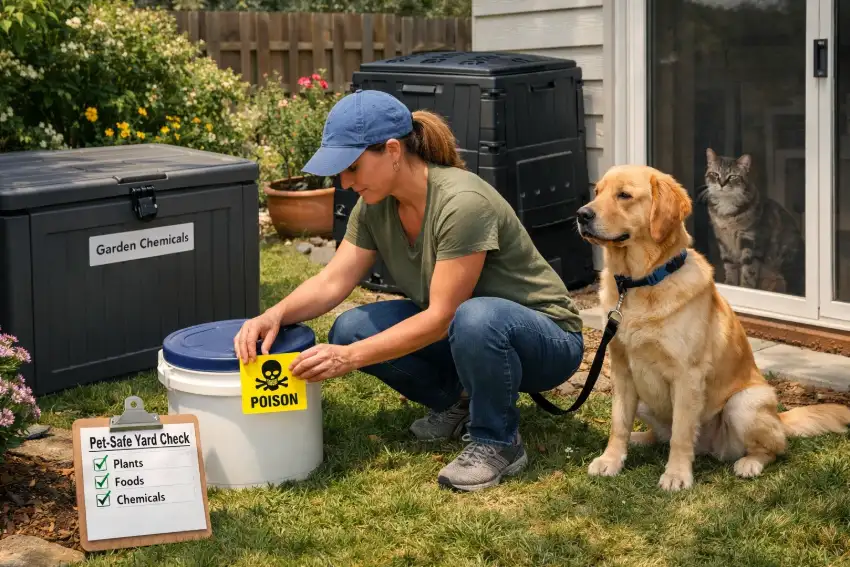
Backyard Toxins: Common Plants, Foods and Chemicals That Are Poisonous to Pets
Your backyard should be a safe place for your dog or cat to explore—but it can also hide surprising risks. Many common garden plants, “natural” pest products, compost piles, and everyday household chemicals can cause poisoning. The tricky part is that some toxins cause immediate symptoms (vomitin...