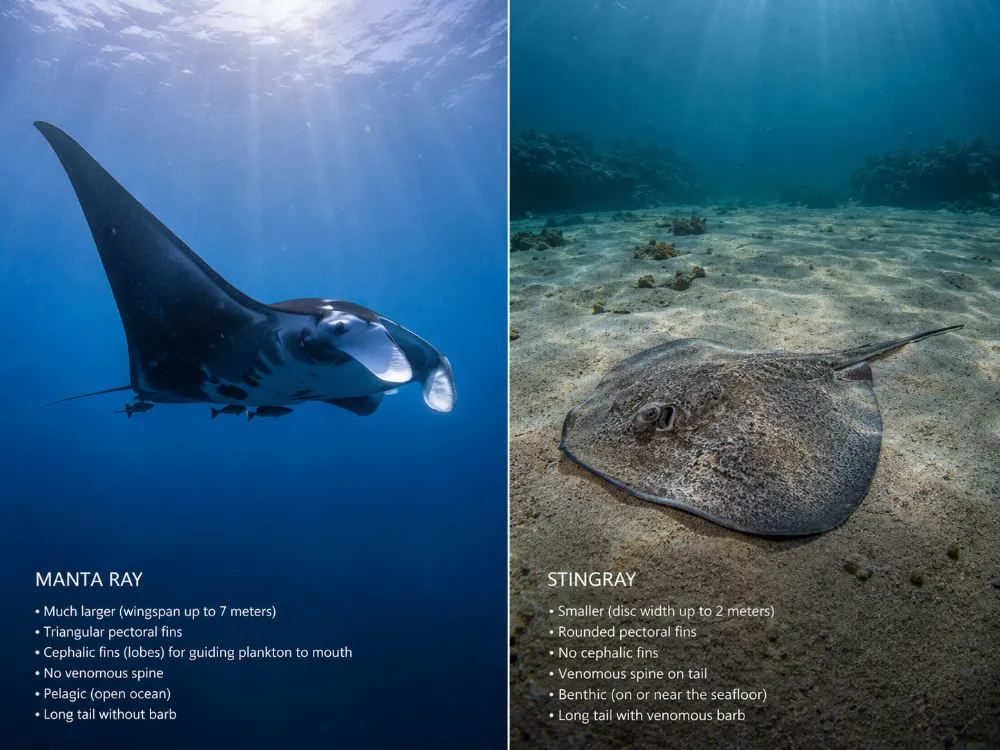
Manta Ray vs Stingray: Main Differences Explained
Manta ray vs stingray explained by an animal scientist. Compare size, tail barbs, diet, habitat, swimming style, danger to humans, and behavior.
Find animal profiles, comparisons, pet care guides, dinosaurs, FAQs, and tools.
Manta ray vs stingray explained by an animal scientist. Compare size, tail barbs, diet, habitat, swimming style, danger to humans, and behavior.
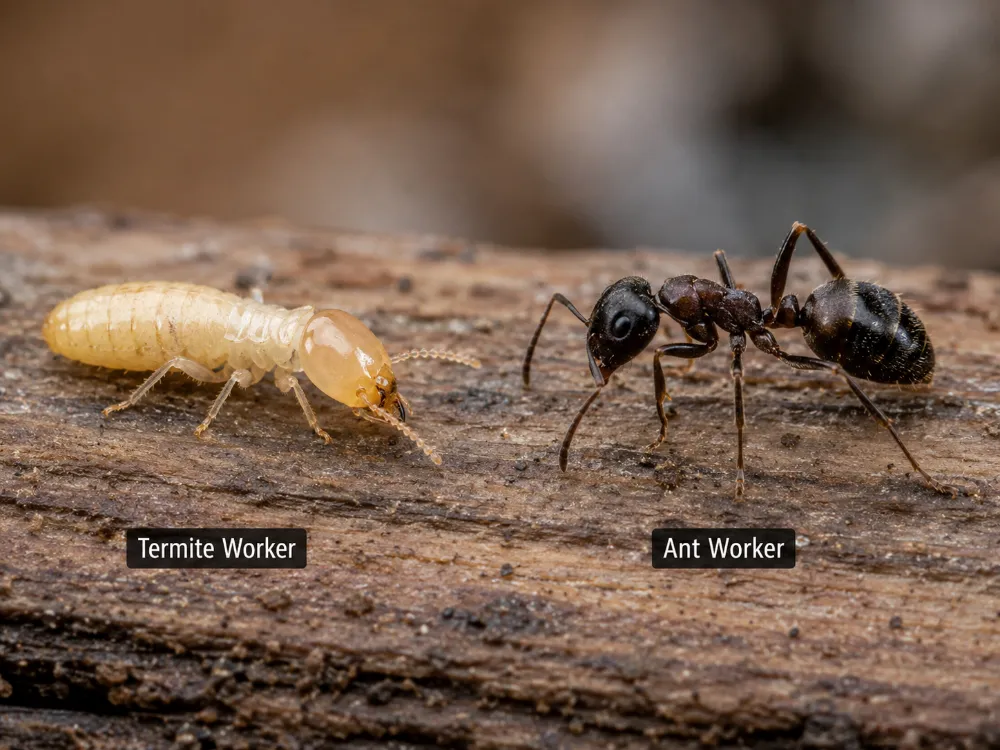
Termites vs ants explained by an animal scientist. Learn how to compare body shape, antennae, wings, diet, colonies, behavior, and wood damage.
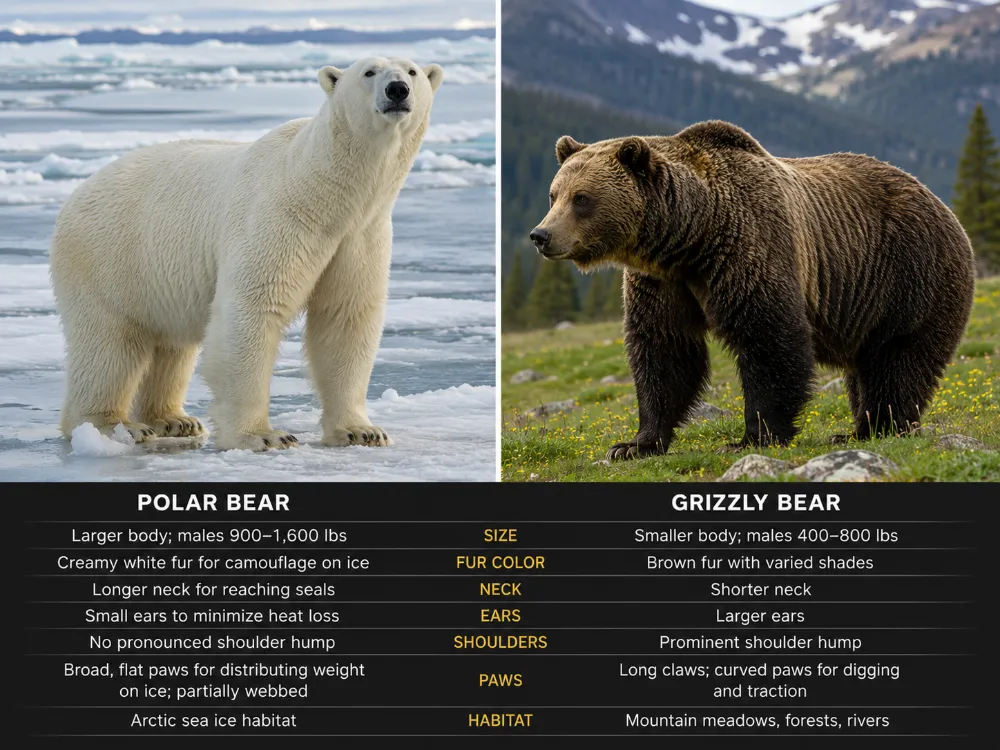
Polar bear vs grizzly bear: compare size, strength, habitat, diet, body shape, behavior, and survival adaptations in this detailed bear guide.
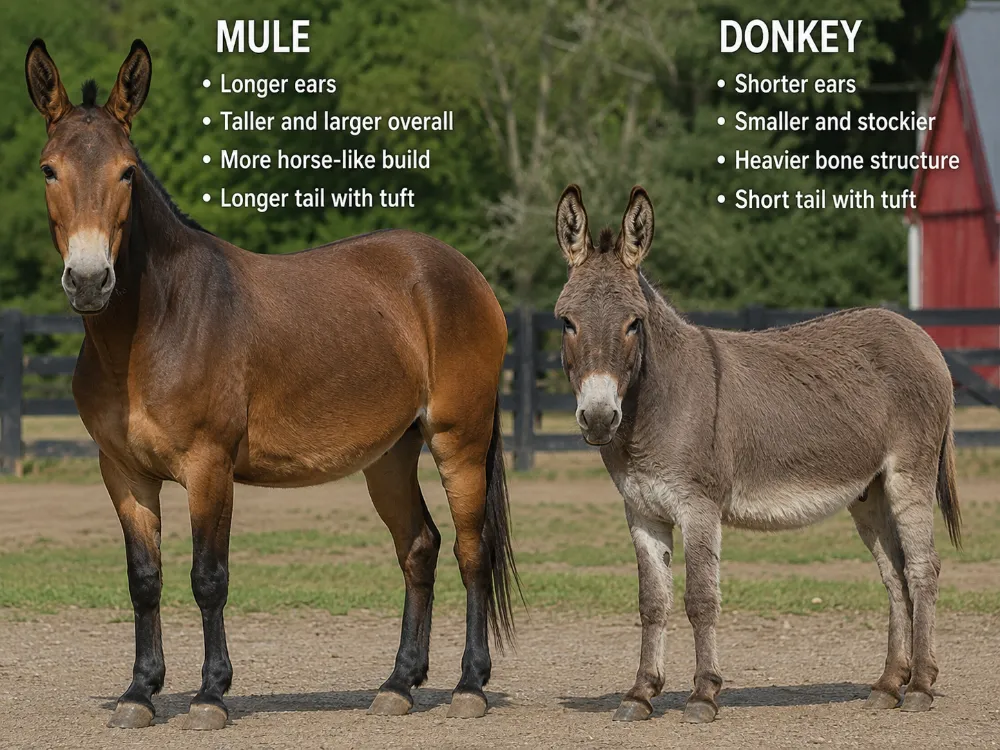
The short answer is that a donkey is a real animal species, while a mule is a hybrid. A donkey is the domesticated form of the African wild ass, but a mule is produced by crossing a male donkey with a female horse. Because of that, mules often look like a blend of both parents: they usually have don
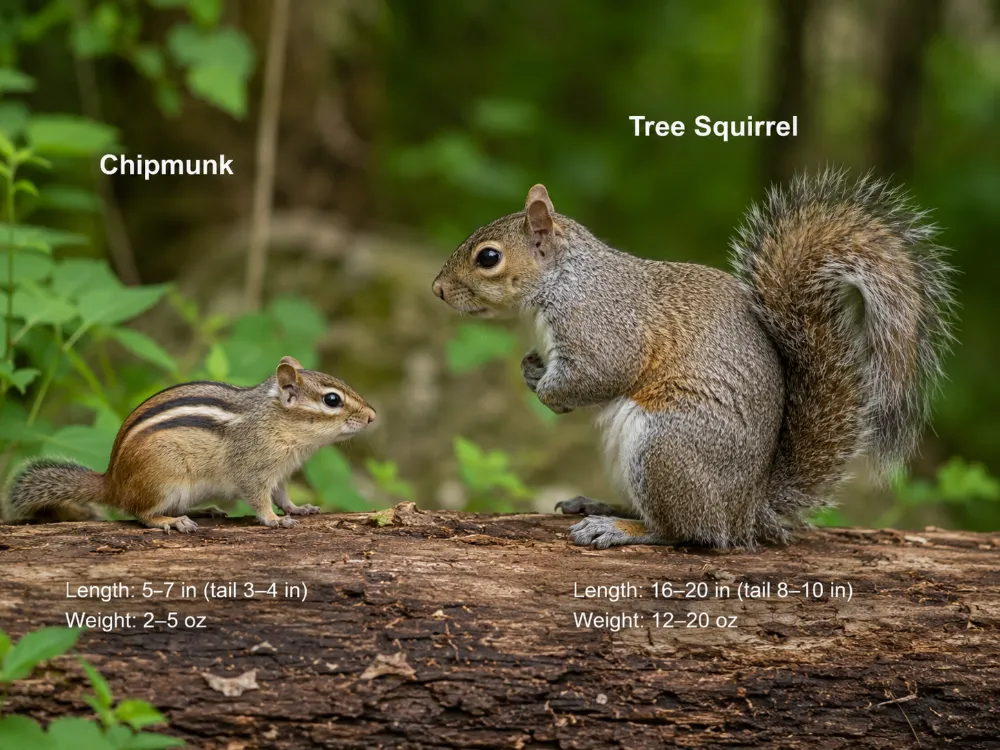
The short answer is that a chipmunk is a type of squirrel, but not every squirrel is a chipmunk. In everyday language, people usually compare chipmunks with the larger tree squirrels they see in parks and yards. Chipmunks are smaller, striped, more ground-oriented, and famous for cheek pouches and q
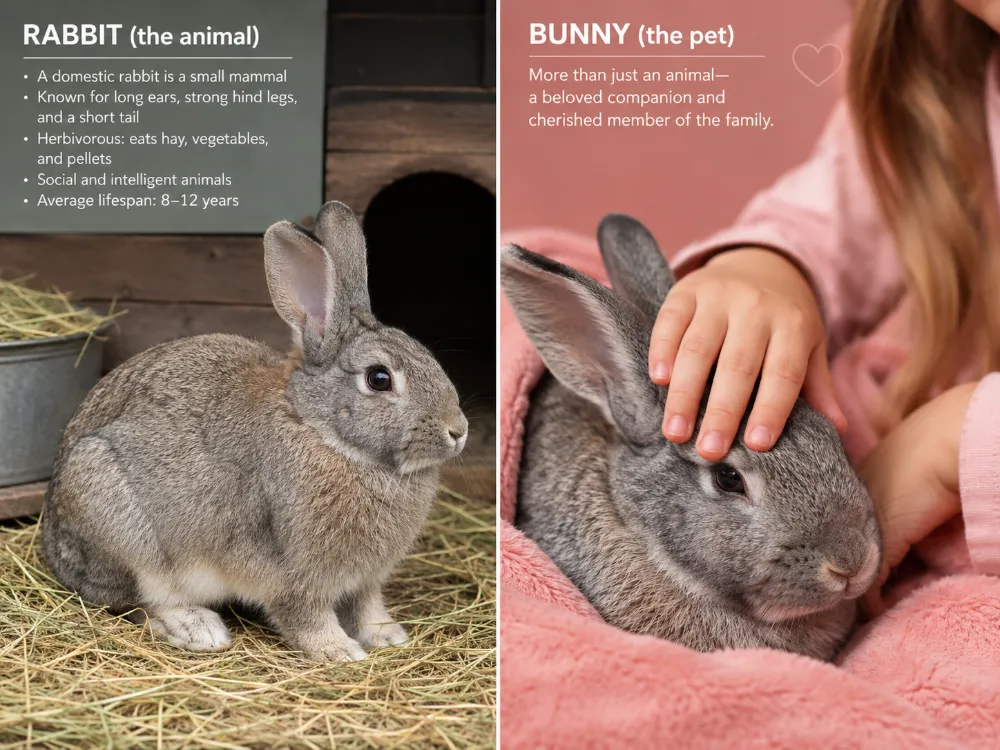
Learn the difference between bunny and rabbit, including meaning, age, scientific usage, common language, and whether bunny is a baby rabbit.
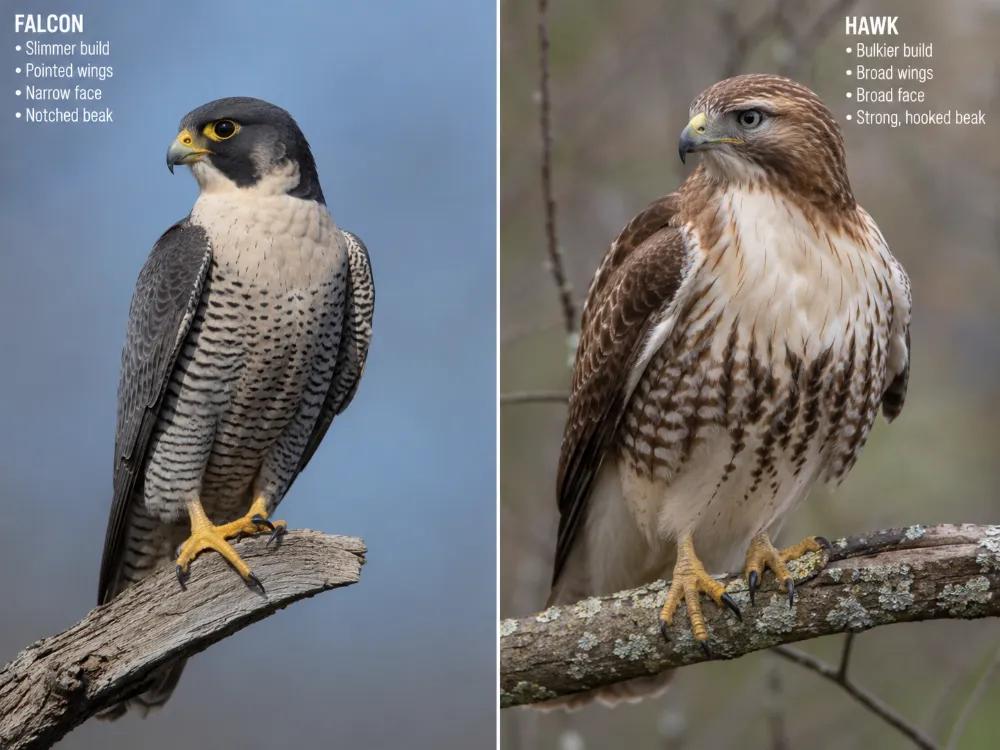
The easiest way to tell a falcon from a hawk is to look at the wings, face, and hunting style. Falcons usually have long, narrow, pointed wings built for speed, while hawks usually have broader wings and a sturdier build suited to soaring, gliding, or maneuvering through woods. Falcons also kill pre
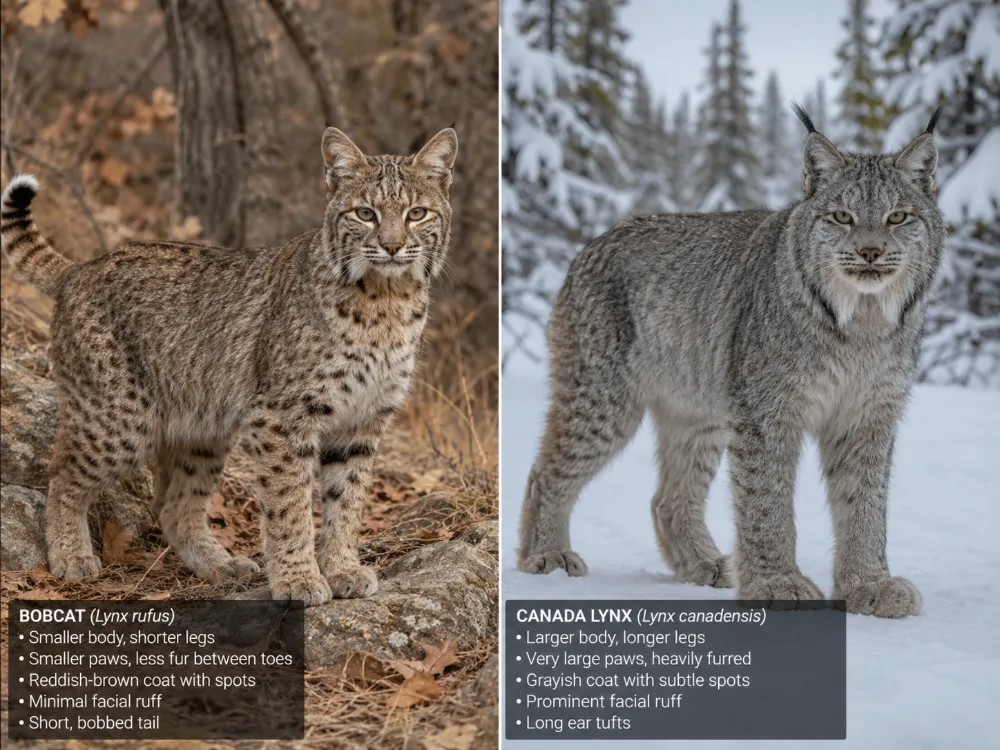
Learn the difference between bobcats and lynx, including size, paws, tail, ear tufts, habitat, snow adaptation, range, and why a bobcat is actually a type of lynx.
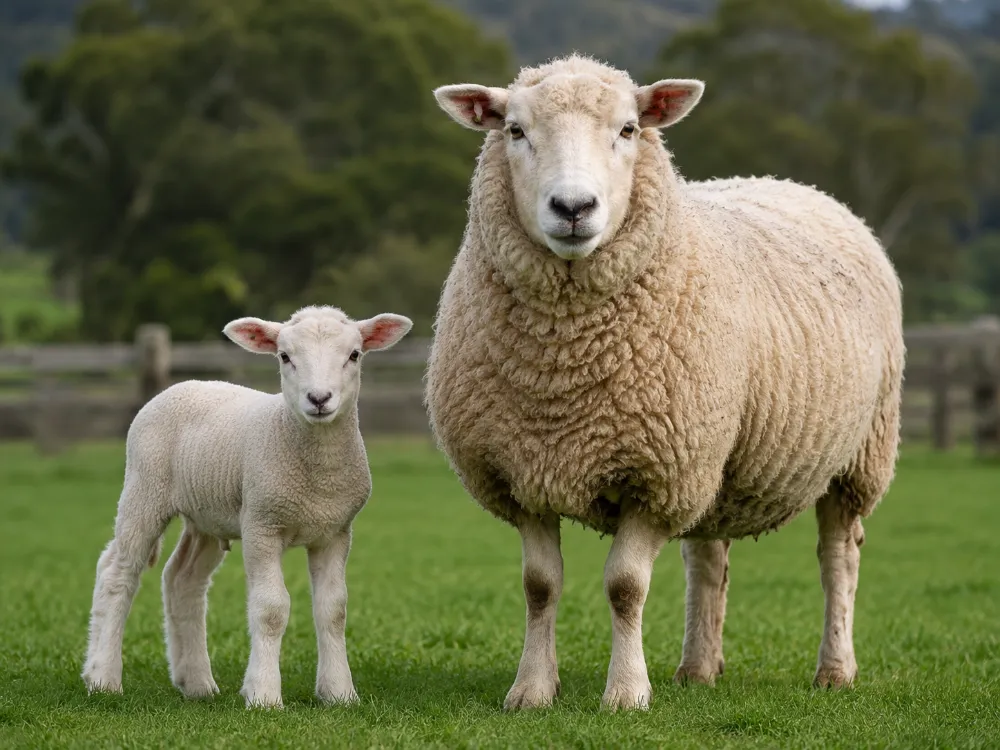
Learn the difference between lamb and sheep, including age, life stage, wool, behavior, growth, and why a lamb is not a separate species.
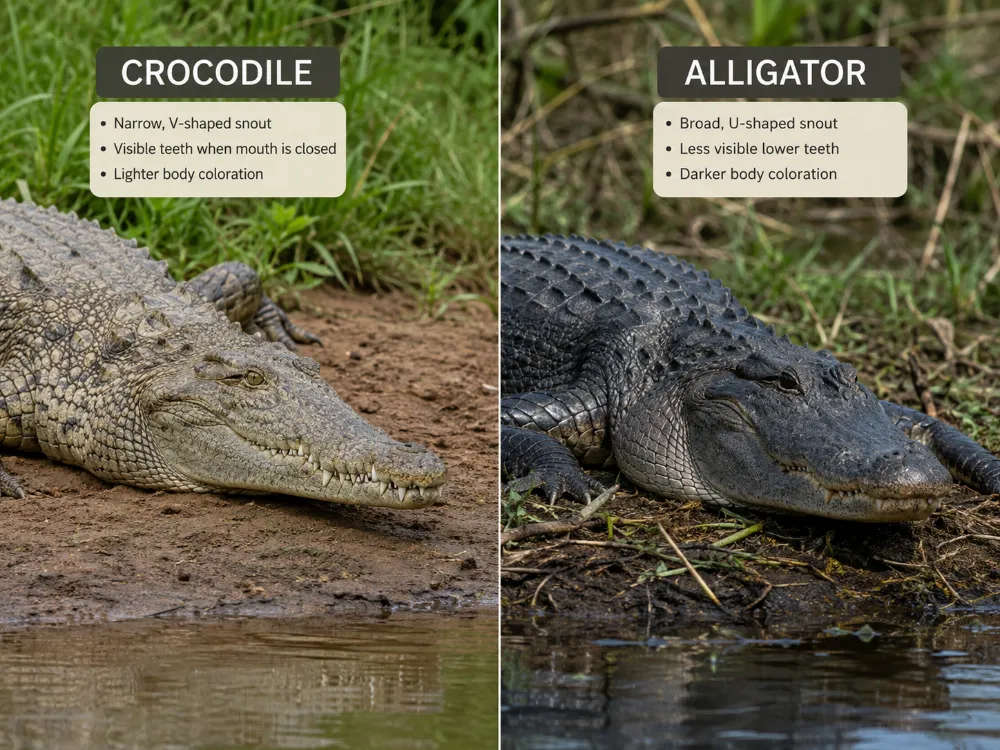
Learn the difference between crocs and alligators, including snout shape, teeth, habitat, color, size, range, and behavior.
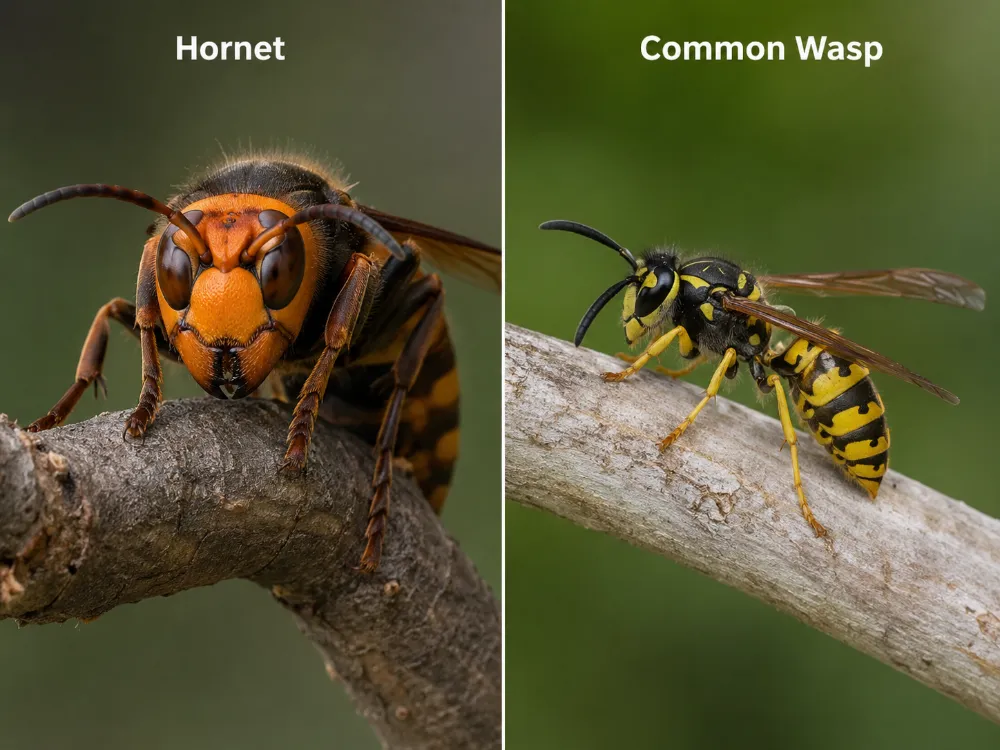
Learn the difference between hornets and wasps, including size, body shape, nest type, behavior, sting, and why all hornets are wasps but not all wasps are hornets.
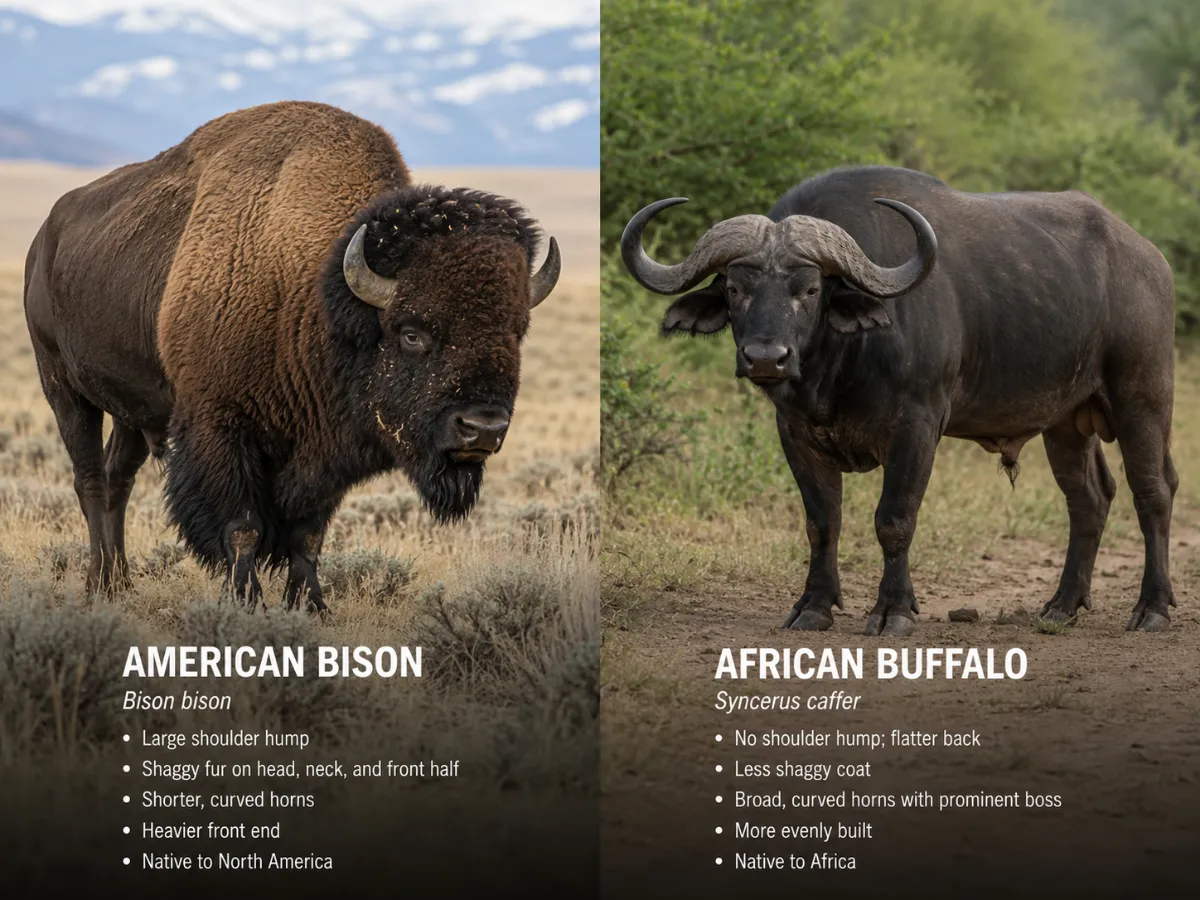
Learn the difference between buffalo and bison, including species, appearance, hump, horns, range, habitat, and why the names are often confused.
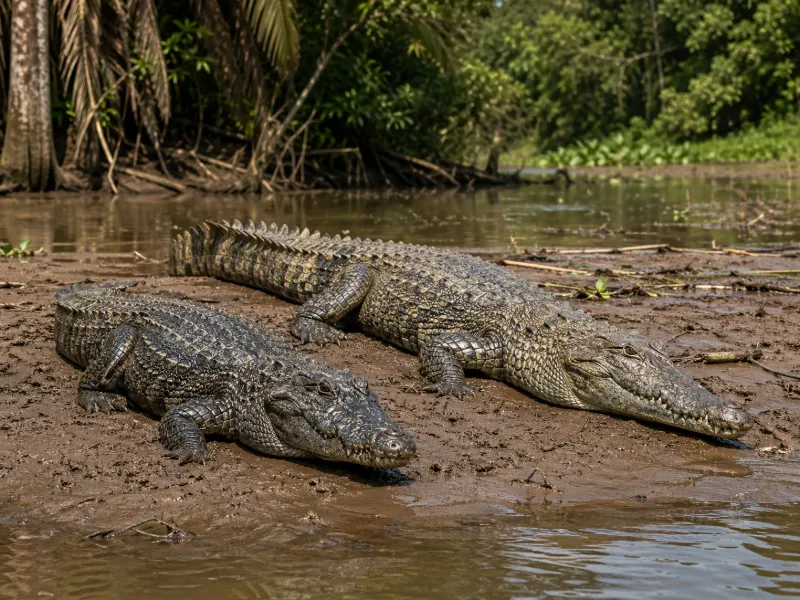
Learn the difference between a caiman and a crocodile, including size, snout shape, range, habitat, skin texture, and behavior.
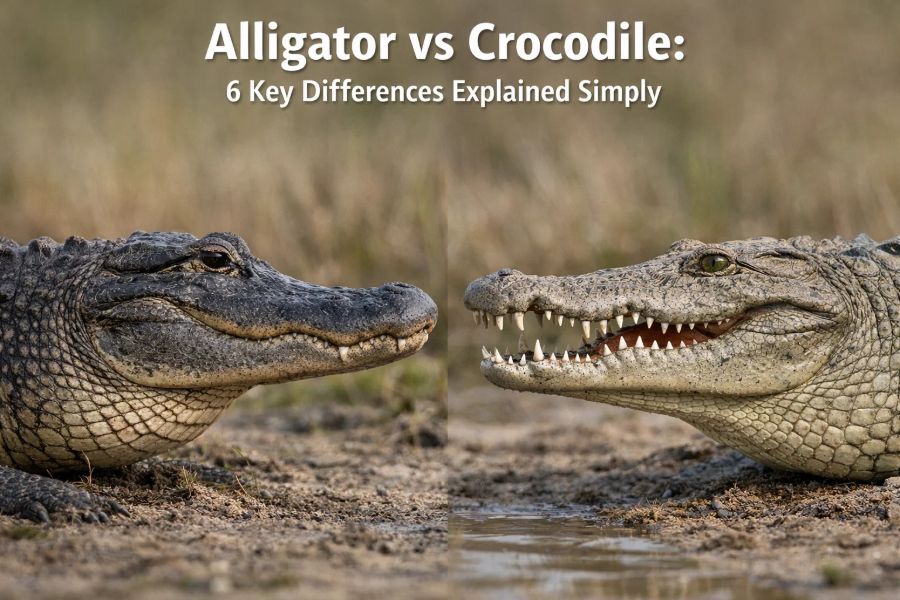
Alligators and crocodiles look so similar that many people mix them up. That is understandable: both belong to the reptile order Crocodylia, both have armored bodies, powerful tails, and long snouts, and both spend much of their lives in water. But they are not the same animal. Alligators belong to
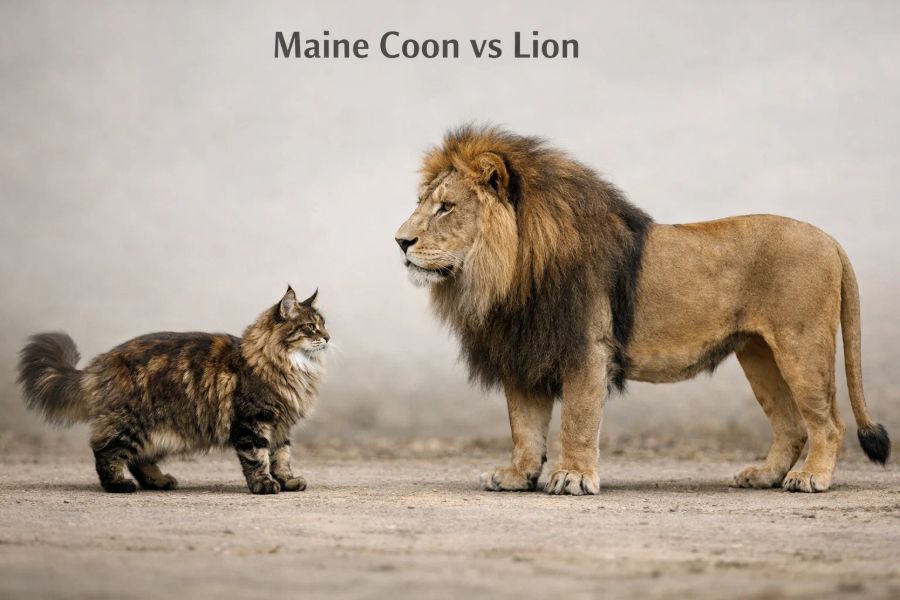
A zoologist would begin with the obvious but important point: a Maine Coon and a lion are both cats, but they live at completely different biological scales. The Maine Coon is one of the largest domestic cat breeds within the species Felis catus, while the lion is a true big cat, Panthera leo, and o
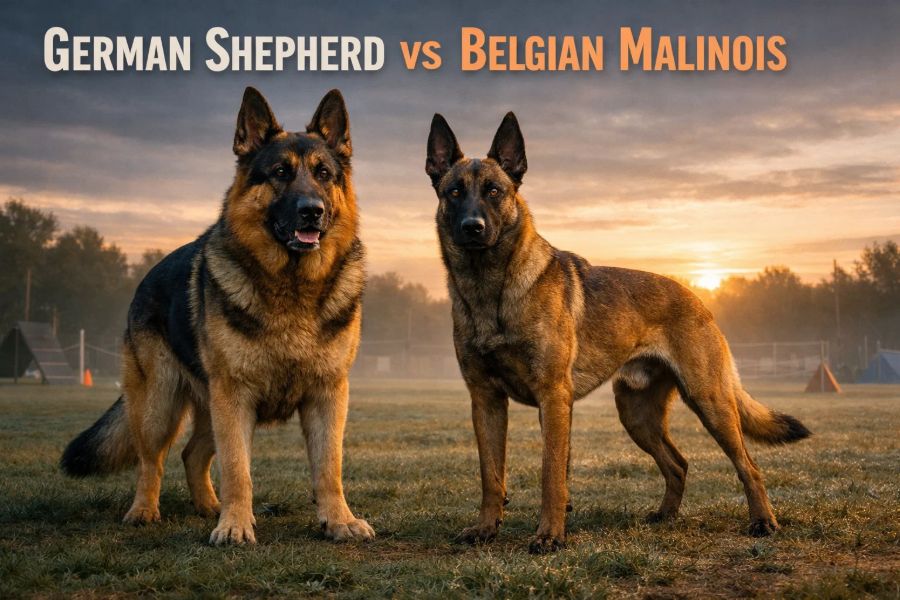
From a zoological and working-dog perspective, German Shepherds and Belgian Malinois are often grouped together because both are herding-derived, highly trainable service dogs with strong guarding instincts. But they are not interchangeable dogs in different coats. The German Shepherd Dog was develo
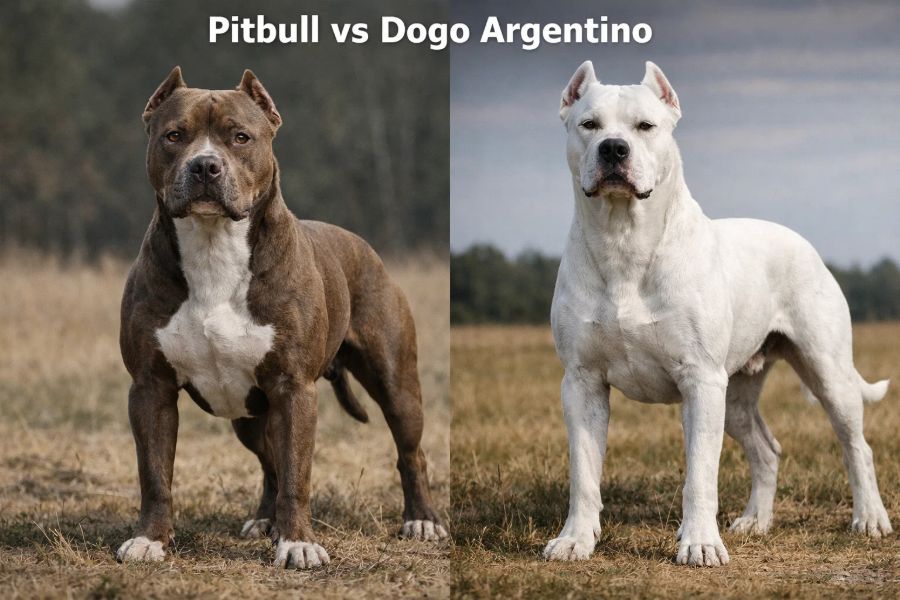
From a zoological and canine-behavior perspective, “Pitbull vs Dogo Argentino” should not be treated as a fight question. A more responsible and scientifically useful comparison looks at origin, body structure, working purpose, temperament, trainability, management, and welfare risk. That matters
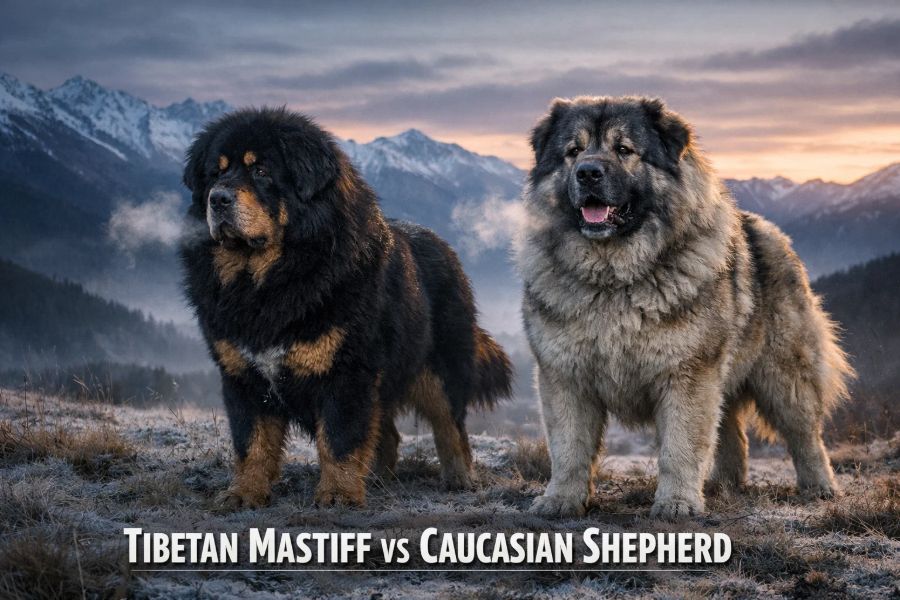
At a zoological and working-dog level, Tibetan Mastiffs and Caucasian Shepherd Dogs are not simply “two giant fluffy guard dogs.” They are both livestock-and-property guardians, but they come from different mountain systems, were shaped by different human cultures, and tend to express protection i