
Best Holiday Gifts for Pet Lovers (US & UK Gift Guide)
Holiday shopping is easier when you know what truly makes a pet lover smile: gifts that improve daily life with their dog or cat, feel thoughtful (not generic), and actually get used. The tricky part is that “pet gifts” can accidentally become clutter—or worse, unsafe toys and treats that don’t...

How to Prepare Your Pets for Fireworks on New Year’s Eve and Independence Day
For many dogs and cats, fireworks aren’t “just loud noises”—they can feel like unpredictable danger. New Year’s Eve and Independence Day are especially tough because fireworks often start earlier than expected, last for hours, and can happen multiple nights in a row. The result can be shaking,...

Halloween Pet Safety Tips: Costumes, Candy and Doorbell Stress
Halloween is fun for people—but for many pets it’s a perfect storm of stress and hazards: doorbells ringing nonstop, strangers in masks, excited kids running through the house, open doors, and candy everywhere. Add costumes that can irritate skin or restrict breathing, and Halloween can quickly tu...
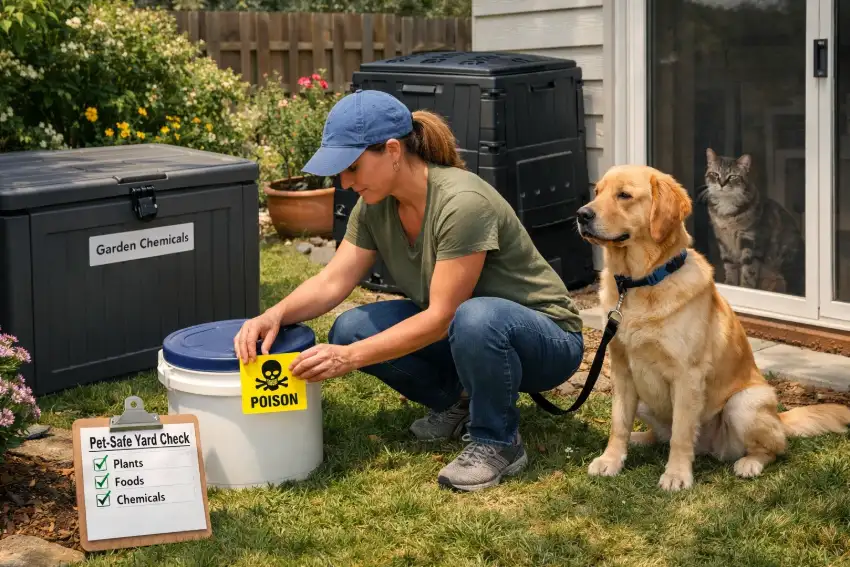
Backyard Toxins: Common Plants, Foods and Chemicals That Are Poisonous to Pets
Your backyard should be a safe place for your dog or cat to explore—but it can also hide surprising risks. Many common garden plants, “natural” pest products, compost piles, and everyday household chemicals can cause poisoning. The tricky part is that some toxins cause immediate symptoms (vomitin...
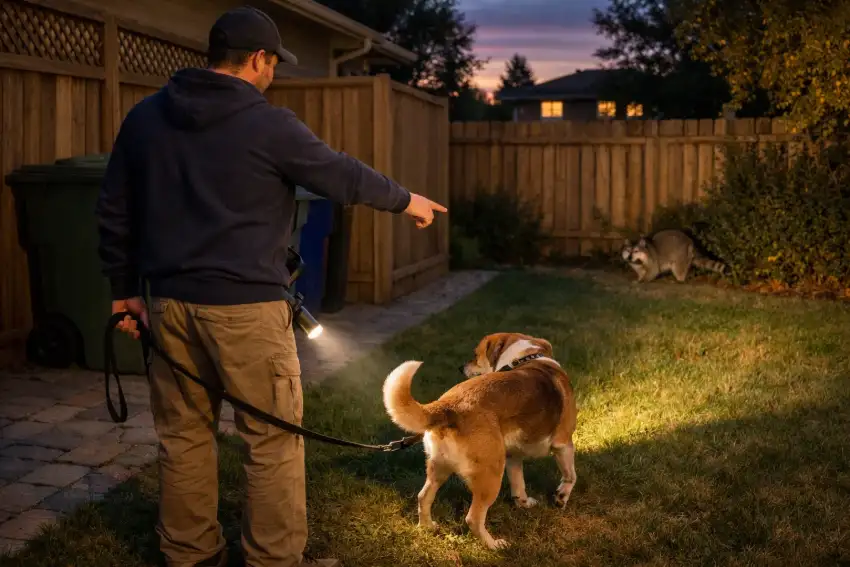
Are Raccoons Dangerous to Pets? How to Keep Your Dog or Cat Safe
Raccoons are common in many neighborhoods across the US and parts of Europe, especially anywhere there’s easy food—trash bins, outdoor pet bowls, compost piles, fruit trees, or even bird feeders. Most of the time raccoons avoid people, but they can be dangerous to pets in the right (or wrong) situ...

How to Introduce a New Cat or Dog to Your Existing Pets Safely
Bringing home a new cat or dog is exciting—but the first introductions can make or break the relationship between your pets. Rushing the process is the most common reason introductions go wrong. The safest approach is to control space, manage stress, and let your pets build positive associations in...

Pet Insurance Comparison: Accident-Only vs Comprehensive Plans
Pet insurance can feel like a simple question—“Should I get it or not?”—until you see your first emergency vet bill, a chronic allergy diagnosis, or a surprise knee injury. Then the real question becomes: Which type of plan actually fits my pet and my budget? The two most common options are acci...
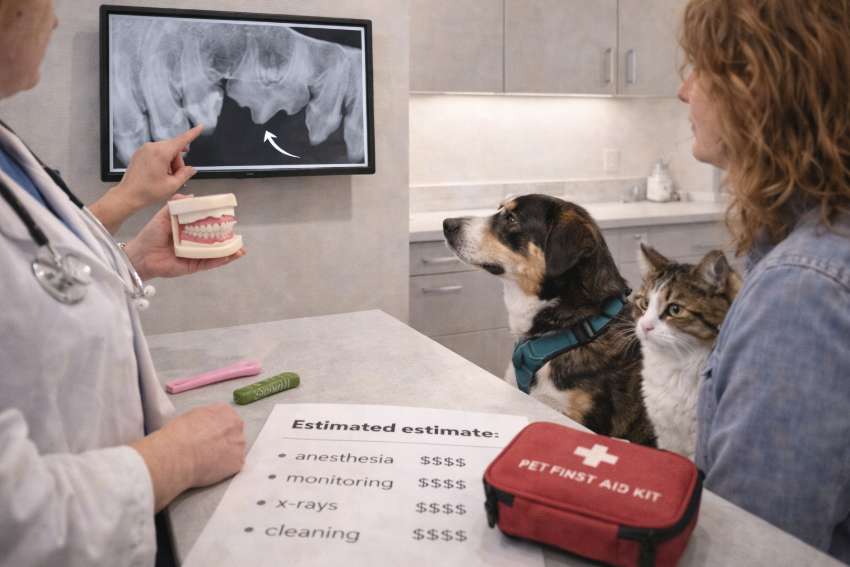
Pet Dental Care: Why Teeth Cleaning Is So Expensive and How to Prevent Problems
If you’ve ever been quoted hundreds (or even thousands) for a dog or cat dental cleaning, you’re not alone. Many pet owners feel shocked—especially when the pet seems fine and “still eats normally.” The hard truth is that dental disease is extremely common, and professional cleanings are expens...
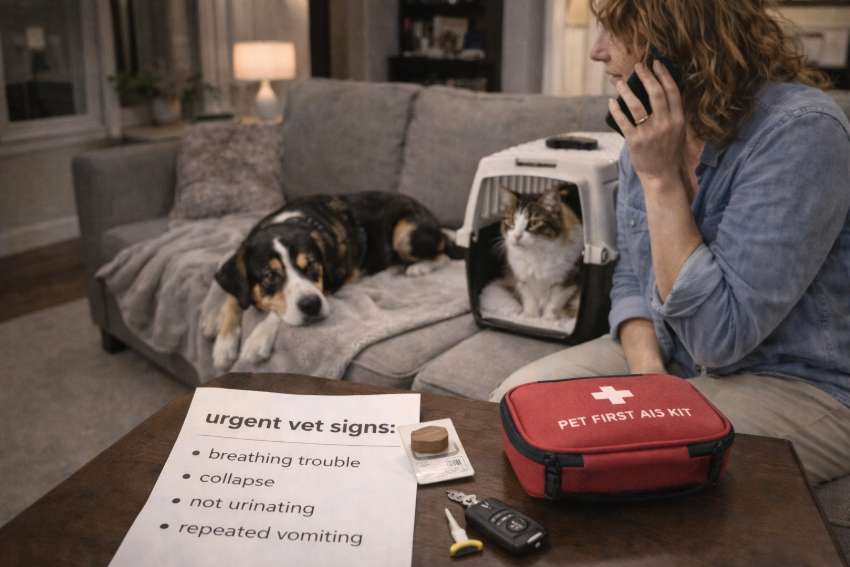
Signs Your Dog or Cat Needs to See a Vet Immediately
Most pet owners worry about “overreacting.” But when it comes to urgent health problems, waiting too long is usually the bigger risk. Dogs and cats are experts at hiding pain, and some conditions become emergencies faster than you’d expect—especially in small pets, kittens/puppies, seniors, and...
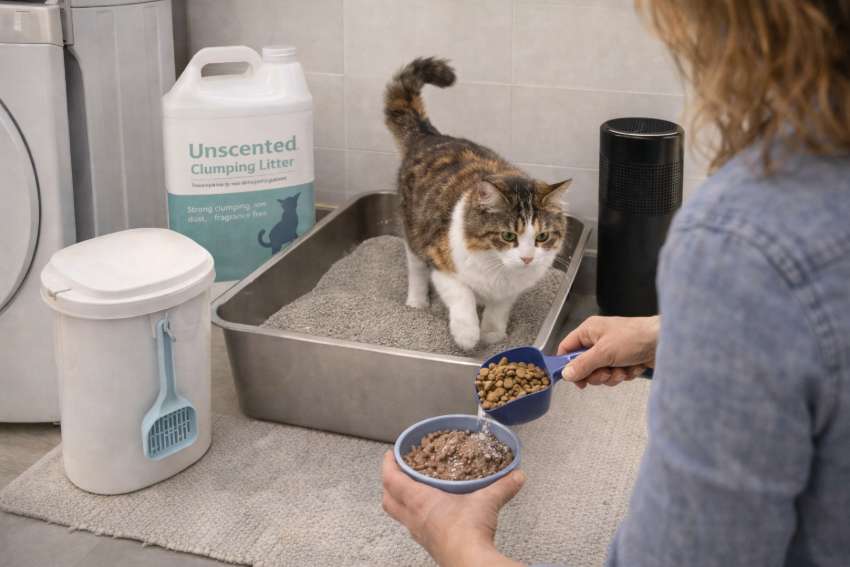
Best Litter for Odor Control in Small Apartments
In a small apartment, litter box odor can feel like it takes over your entire home—especially if your litter box is near the bathroom, laundry area, or a corner of the living room. The good news is that odor control is usually less about finding a “miracle” litter and more about choosing the righ...

Wet vs Dry Cat Food: Pros, Cons and When to Use Each
Choosing between wet and dry cat food can feel like a never-ending debate—especially when you’re trying to balance budget, convenience, your cat’s preferences, and long-term health. The truth is that both wet and dry foods can work well when they’re complete and balanced and fed in the right por...

Best Cat Food for Indoor Cats: Weight, Hairball and Urinary Health
Indoor cats often live longer, safer lives—but they also face a different set of nutrition challenges. With fewer daily calories burned, it’s easy for weight to creep up. Grooming can lead to more hairballs. And urinary issues can show up quietly until they become urgent. The “best” indoor cat f...

Independent Cat Breeds for Busy Professionals
If you love cats but don’t have the time for constant attention, you’re not alone. Many busy professionals want a cat that’s affectionate on their terms, comfortable with alone time, and less likely to develop clingy behaviors when your schedule gets hectic. The good news: some cat breeds (and ma...
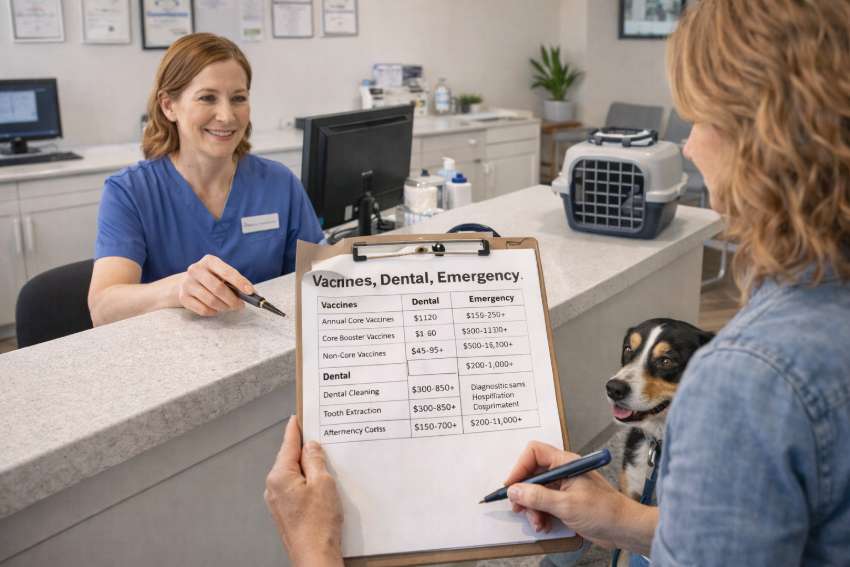
How Much Does a Vet Visit Cost in the US and Europe? (Vaccines, Emergencies, Dental)
Vet costs can feel unpredictable because you’re rarely paying for just “a visit.” You’re paying for a professional exam plus whatever your pet needs next: vaccines, tests, medications, imaging, anesthesia, monitoring, or emergency stabilization. The same symptom (like vomiting) might cost a litt...
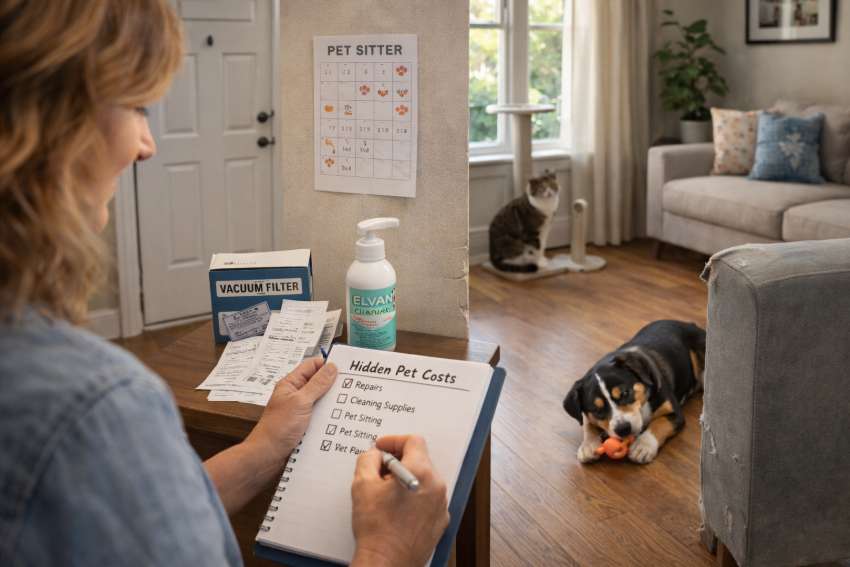
Hidden Costs of Pet Ownership Nobody Warns You About
Most pet owners budget for the obvious stuff: food, vaccines, and maybe grooming. Then real life happens—your dog eats a sock, your cat develops a picky stomach, your landlord adds “pet rent,” or you realize you can’t take a weekend trip without paying for a sitter. These “hidden costs” don’t...
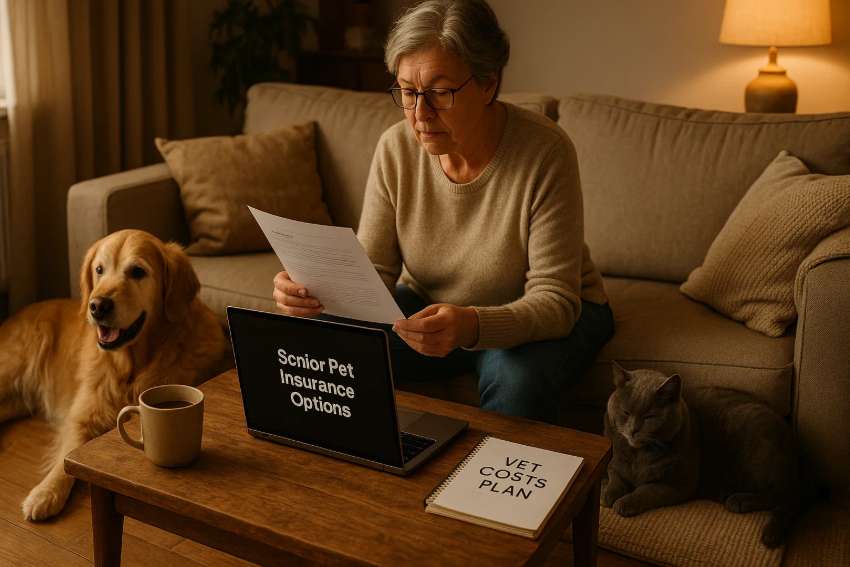
Best Pet Insurance for Older Dogs and Cats (Is It Still Worth It?)
Many people only start thinking seriously about pet insurance when their dog or cat is already a “senior”. By then, you may already be seeing:Higher vet bills for check-ups, blood tests and medicationsEarly signs of arthritis, kidney disease, heart problems or dental issuesMore frequent trips to t...

Pet Insurance Comparison: Accident-Only vs Comprehensive Plans (US & UK Owners Guide)
Vet bills in the US and Europe keep going up. A simple emergency can cost hundreds or even thousands of dollars or pounds – which is why more dog and cat owners are looking at pet insurance.But when you start comparing policies, you quickly see two big categories:Accident-only pet insuranceComprehe...

Senior Pets: Why Adopting an Older Dog or Cat Can Be Amazing (and Cheaper)
When people in the US or Europe think about adopting a pet, they often picture tiny puppies and kittens. Senior dogs and cats are frequently overlooked – even though they can be some of the best companions you’ll ever have.If you’re open-minded about age, adopting an older animal can be:Emotional...

Adopt vs Shop: What Americans and Europeans Should Know Before Getting a Pet
You’ve decided you’re ready for a dog or cat – now comes the big question:“Should I adopt from a shelter or rescue, or buy from a breeder or pet shop?”In the US and across Europe, this decision affects not only your future pet, but also:Animal shelters and rescue organisationsEthical breeders v...

How to Prepare Your Pets for Fireworks on New Year’s Eve and Independence Day
New Year’s Eve, Independence Day in the US, and other firework-heavy holidays in Europe can be exciting for humans – but for many dogs and cats, they are terrifying. Sudden bangs, flashes of light, burning smells and crowds of shouting people can trigger:Shaking and hidingPacing and pantingDestruc...