9 of the World’s Deadliest Mammals: Dangerous Species and Why They Kill
When most people think of mammals, they picture animals that feel familiar: pets, farm animals, wildlife documentaries, and the soft, warm creatures children grow up loving. Mammals are often seen as intelligent, social, and even comforting. But some mammals can also be extremely dangerous.In truth,...
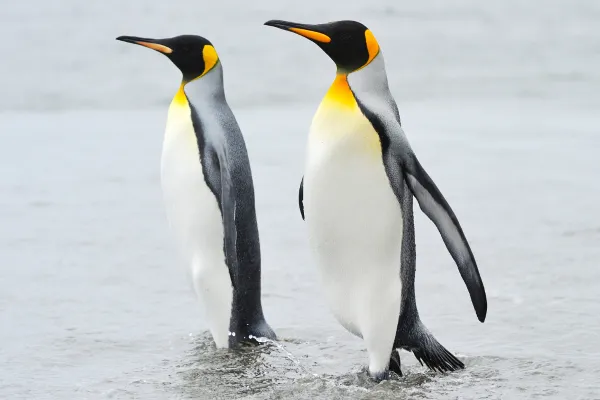
King Penguin: Facts, Habitat, Diet, Breeding, and Conservation
The king penguin (Aptenodytes patagonicus) is one of the most elegant and recognizable penguins in the world. It is the second-largest penguin species, smaller only than the emperor penguin, and is famous for its tall posture, sleek body, and bright orange markings on the head and upper chest. Unlik...

10 Animals of Brazil: Names, Key Traits, and Photo Ideas
Brazil is one of the world’s most biodiverse countries, thanks to the Amazon rainforest, the Atlantic Forest (Mata Atlântica), the Pantanal wetlands, and the Cerrado savanna. From powerful predators to colorful birds and strange rainforest invertebrates, Brazilian wildlife is incredibly varied. Be...

Animals That Are Illegal to Keep as Pets in Europe (But People Still Try)
Across Europe, exotic pet ownership is heavily regulated—and for good reasons: public safety, animal welfare, and the risk of invasive species or disease. Still, people continue trying to keep illegal animals at home, often because of social media trends, misinformation (“it’s legal if it’s capt...

10 Exotic Pets That Are Legal in Some US States but Not Others
If you’ve ever seen someone online keeping a “legal exotic pet,” you’ve probably noticed the fine print: what’s legal in one US state (or even one city) can be banned just over the border. That’s because exotic pet rules are shaped by a mix of public safety, disease control, invasive species r...

Keeping Hedgehogs as Pets vs Leaving Them Wild in the UK/Europe
Hedgehogs have a special place in UK and European gardens—but that also creates confusion. If you find a hedgehog outside, should you “rescue” it and keep it? And if you’ve seen pet hedgehogs online, is it the same animal you see in your garden?In most of the UK and Europe, the hedgehogs you enc...

Are Raccoons Dangerous to Pets? How to Keep Your Dog or Cat Safe
Raccoons are common in many neighborhoods across the US and parts of Europe, especially anywhere there’s easy food—trash bins, outdoor pet bowls, compost piles, fruit trees, or even bird feeders. Most of the time raccoons avoid people, but they can be dangerous to pets in the right (or wrong) situ...

Are Raccoons Dangerous to Pets? How to Keep Your Dog or Cat Safe
For many pet owners in the US and parts of Europe, raccoons are regular night-time visitors. They look cute with their “bandit” masks and fluffy tails – but for dogs and cats, raccoons can be dangerous neighbors.This guide explains:When raccoons are a real threat to dogs and catsDiseases and para...

Are Raccoons Dangerous to Pets? How to Keep Your Dog or Cat Safe
If you live in North America, raccoons are almost part of everyday life – rummaging through trash, walking along fences, or staring at your dog through the window at 2 a.m. They look cute, but they are still wild animals, and they can be dangerous to dogs and cats if they feel cornered, threatened...
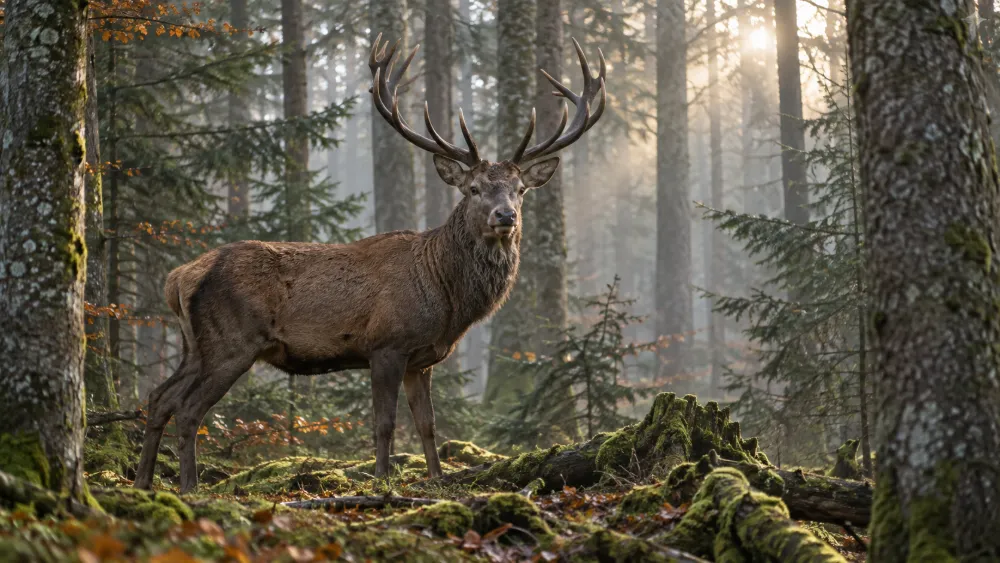
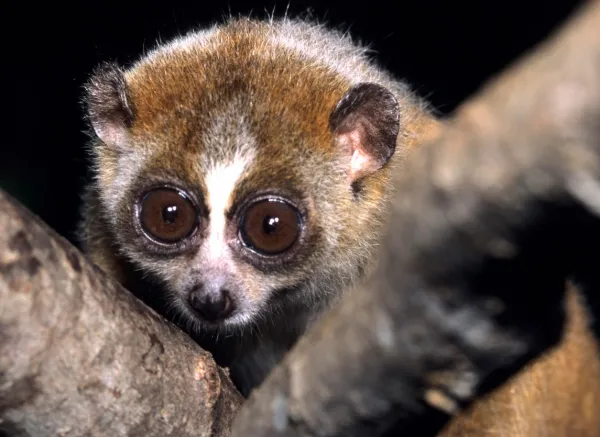
How to Prevent the Illegal Wildlife Trade
Today, countless organizations around the world are fighting to defend animal rights and ensure their well-being. Unfortunately, many species are still being traded illegally — for their skins in the fur industry, for private collectors and exhibitions, for circuses and entertainment, and in some d...
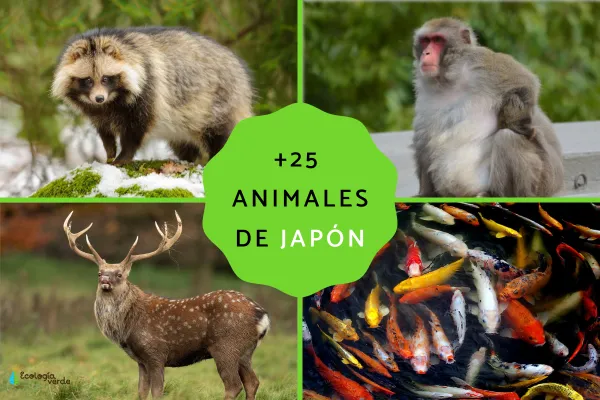
Japan Wildlife Guide: 10+ Signature Species (Names, Traits, Range & Viewing Tips)
Stretching from sub-Arctic Hokkaidō to the subtropical Nansei (Ryukyu) Islands, Japan’s four main islands and 6,000+ smaller ones create a mosaic of climates and habitats—and an astonishing variety of wildlife. This guide highlights 10+ emblematic Japanese animals with the common name + scientifi...
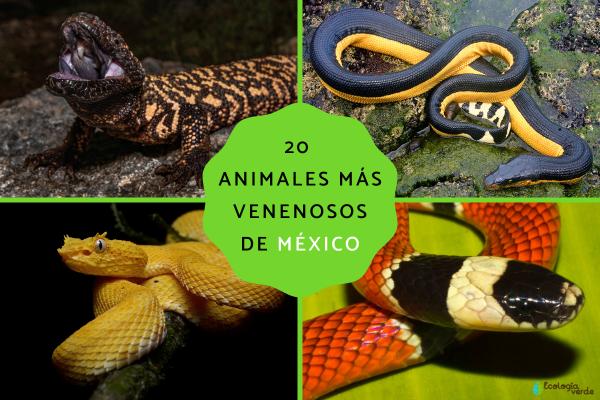
20 Most Venomous Animals in Mexico (With Photos & Detailed Facts)
Mexico is one of the most biodiverse countries in the world, and it's famously home to a wide variety of venomous animals. In fact, Mexico has the highest number of venomous snake species globally and leads the world in scorpion sting incidents. Some of these creatures even share habitats with h...
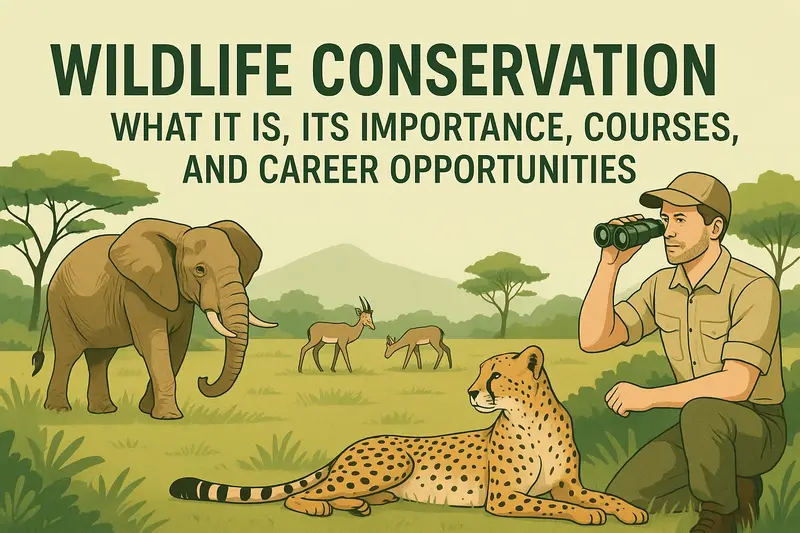
Wildlife Conservation – Definition, Importance, Courses, and Career Paths
Wildlife conservation is a critical element for maintaining the planet’s ecological balance. Protecting animal species in their natural habitats helps preserve biodiversity and promotes human well-being. If you are passionate about animals and want to take part in securing the survival of species,...
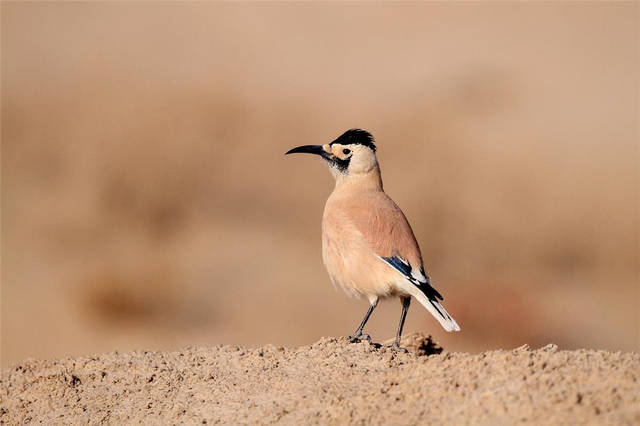
What wild animals live in the Taklamakan Desert?
The Taklimakan Desert is the largest desert in China and the second largest mobile desert in the world. It is located in the Tarim Basin in Xinjiang Uygur Autonomous Region. Despite the extreme environment and dry climate, many wild animals still survive tenaciously. They have adapted to the extreme...