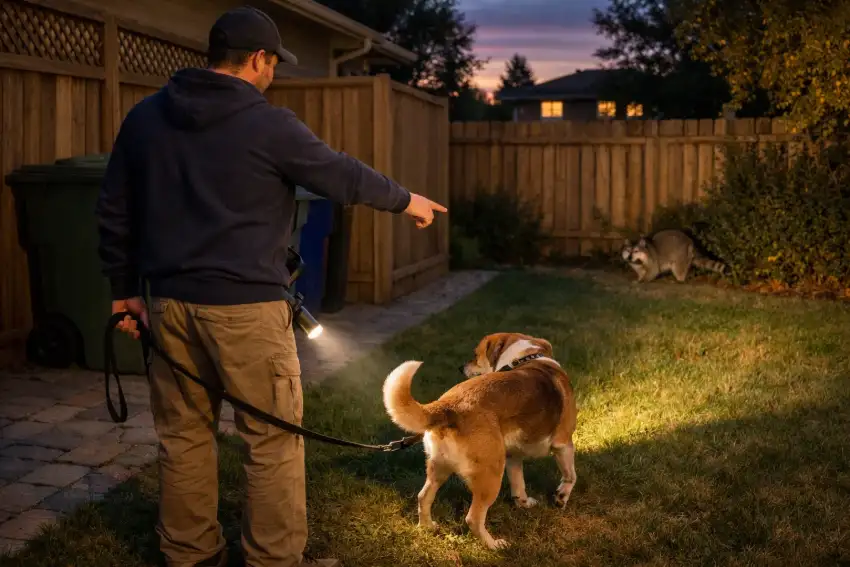
Are Raccoons Dangerous to Pets? How to Keep Your Dog or Cat Safe
Raccoons are common in many neighborhoods across the US and parts of Europe, especially anywhere there’s easy food—trash bins, outdoor pet bowls, compost piles, fruit trees, or even bird feeders. Most of the time raccoons avoid people, but they can be dangerous to pets in the right (or wrong) situ...

Destructive Chewing in Puppies and Adult Dogs: What Works and What Doesn’t
Chewing is normal dog behavior. Puppies chew to explore the world and relieve teething discomfort. Adult dogs chew to relax, relieve stress, and keep their jaws busy. The problem isn’t chewing itself—it’s destructive chewing: baseboards, shoes, couches, remote controls, door frames, and anything...

Leash Reactivity: Why Your Dog Lunges on Walks and How to Fix It
If your dog lunges, barks, or growls on walks, you’re not alone. Leash reactivity is one of the most common (and most stressful) behavior challenges for dog owners—especially in cities and apartment neighborhoods where you can’t avoid other dogs, scooters, strollers, and surprise corners. The goo...

How to Introduce a New Cat or Dog to Your Existing Pets Safely
Bringing home a new cat or dog is exciting—but the first introductions can make or break the relationship between your pets. Rushing the process is the most common reason introductions go wrong. The safest approach is to control space, manage stress, and let your pets build positive associations in...
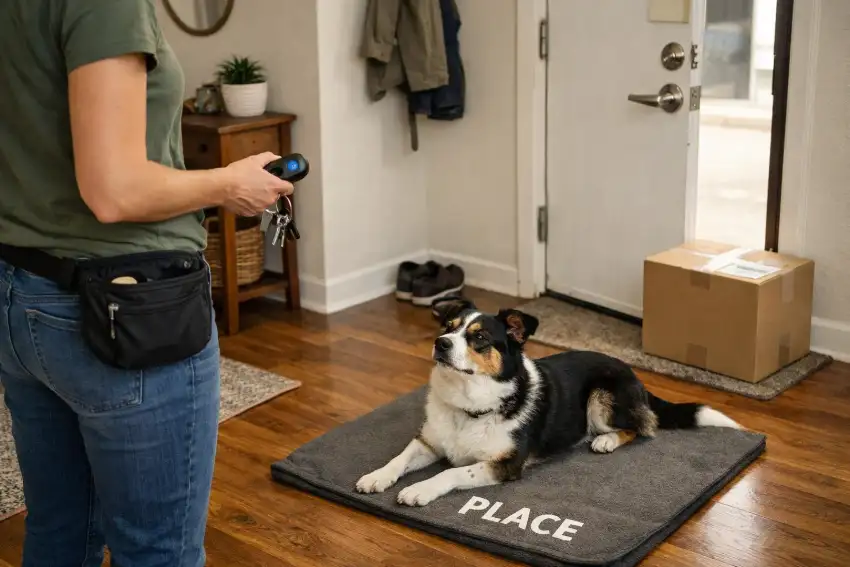
How to Stop a Dog from Barking at Neighbors, Delivery Drivers and Other Dogs
Barking is normal dog communication—but barking at every neighbor, delivery driver, or passing dog can quickly become stressful (and in apartments, it can become a real problem). The key is to figure out why your dog is barking—alerting, fear, frustration, territorial behavior, or boredom—then us...

Separation Anxiety in Dogs: Causes, Symptoms and Home Treatment Tips
Separation anxiety is more than a dog “being naughty” when you leave. It’s a real panic response to being alone (or being separated from a specific person), and it can show up as barking, destruction, accidents, drooling, or frantic attempts to escape. The good news: many dogs improve dramaticall...

How to Potty Train a Puppy in an Apartment (Step-by-Step Plan)
Potty training a puppy is challenging anywhere—but apartments add extra hurdles: elevators, long hallways, cold weather, noisy streets, and the reality that you can’t always sprint outside in time. The good news is that apartment potty training can be very successful when you use a clear routine,...

Pet Insurance Comparison: Accident-Only vs Comprehensive Plans
Pet insurance can feel like a simple question—“Should I get it or not?”—until you see your first emergency vet bill, a chronic allergy diagnosis, or a surprise knee injury. Then the real question becomes: Which type of plan actually fits my pet and my budget? The two most common options are acci...
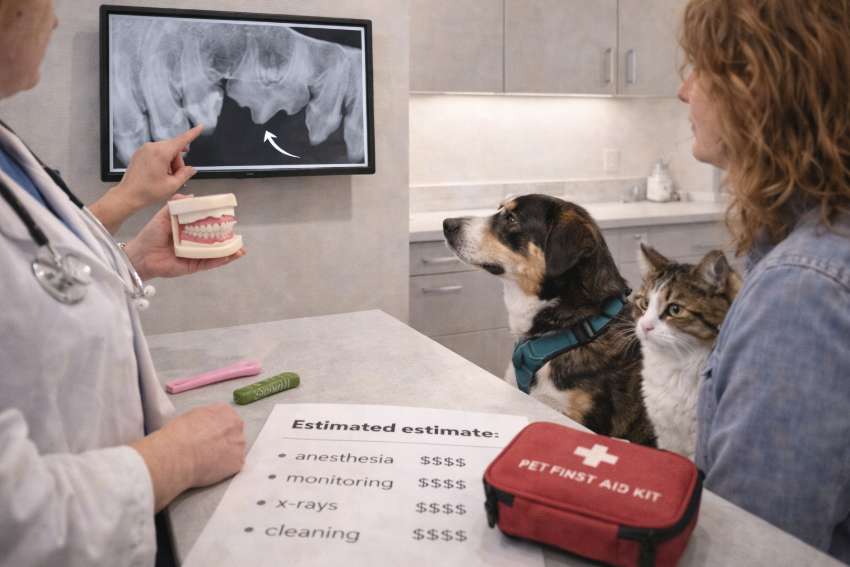
Pet Dental Care: Why Teeth Cleaning Is So Expensive and How to Prevent Problems
If you’ve ever been quoted hundreds (or even thousands) for a dog or cat dental cleaning, you’re not alone. Many pet owners feel shocked—especially when the pet seems fine and “still eats normally.” The hard truth is that dental disease is extremely common, and professional cleanings are expens...
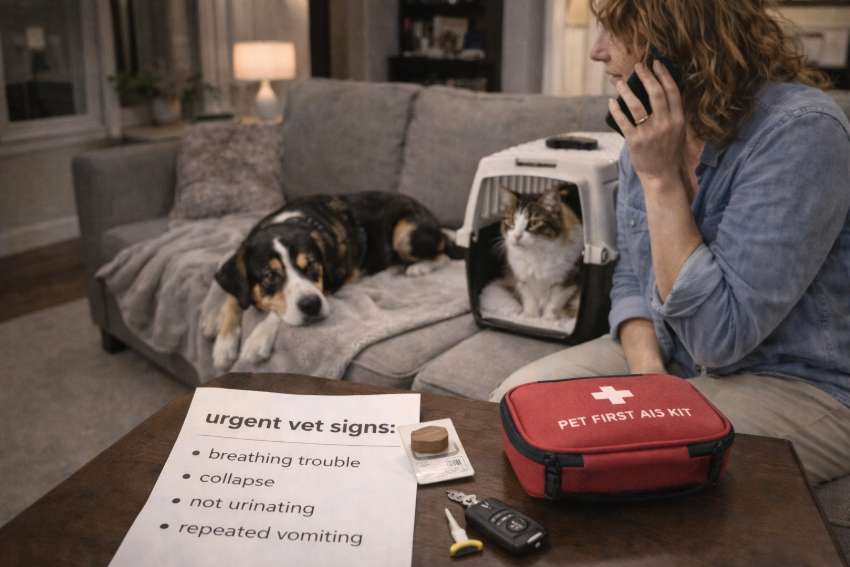
Signs Your Dog or Cat Needs to See a Vet Immediately
Most pet owners worry about “overreacting.” But when it comes to urgent health problems, waiting too long is usually the bigger risk. Dogs and cats are experts at hiding pain, and some conditions become emergencies faster than you’d expect—especially in small pets, kittens/puppies, seniors, and...
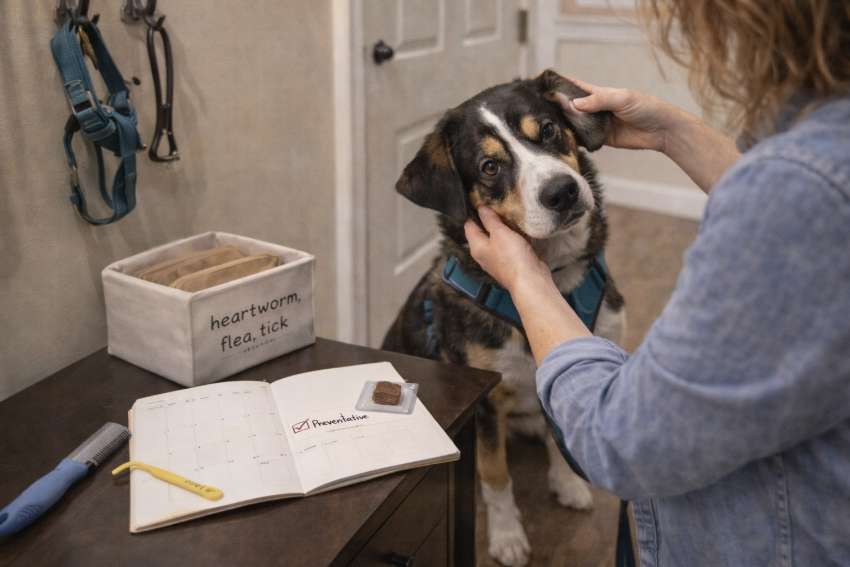
Heartworm, Fleas and Ticks: Protection Guide for Dogs in the US and Europe
Parasite prevention is one of the most important (and most confusing) parts of dog ownership. Heartworm, fleas, and ticks don’t just cause itchiness—they can lead to serious disease, expensive vet bills, and long-term health issues. To make it harder, risk varies a lot depending on where you live,...

Best Eco-Friendly Pet Products (Biodegradable Poop Bags, Recycled Beds, Natural Shampoos)
Going eco-friendly with your pet doesn’t have to mean buying the most expensive “green” product on the shelf. The best sustainable swaps are the ones that actually work in daily life—reduce waste, avoid misleading claims, and keep your pet safe and comfortable. For most dog and cat owners, the b...

Must-Have Dog Walking Gear: Harnesses, Collars, Leashes and Poop Bags
A great walk isn’t about fancy accessories—it’s about safety, comfort, and control. The right gear can prevent pulling injuries, reduce escape risk, keep your hands free, and make daily walks smoother for both you and your dog. The wrong gear can cause chafing, worsen pulling, or even lead to dan...
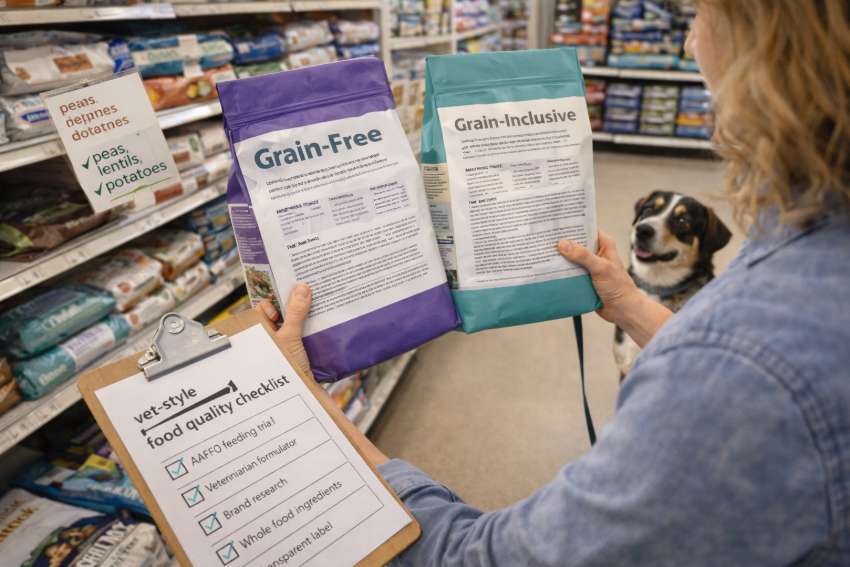
Best Grain-Free vs Grain-Inclusive Dog Foods: What Do Vets Really Say?
“Grain-free” dog food sounds like a healthier, cleaner choice—but many owners (and plenty of vets) have mixed feelings about it. Some dogs do great on grain-free diets. Others don’t need them at all. And there’s a very real reason vets have become more cautious over the last few years: concerns...
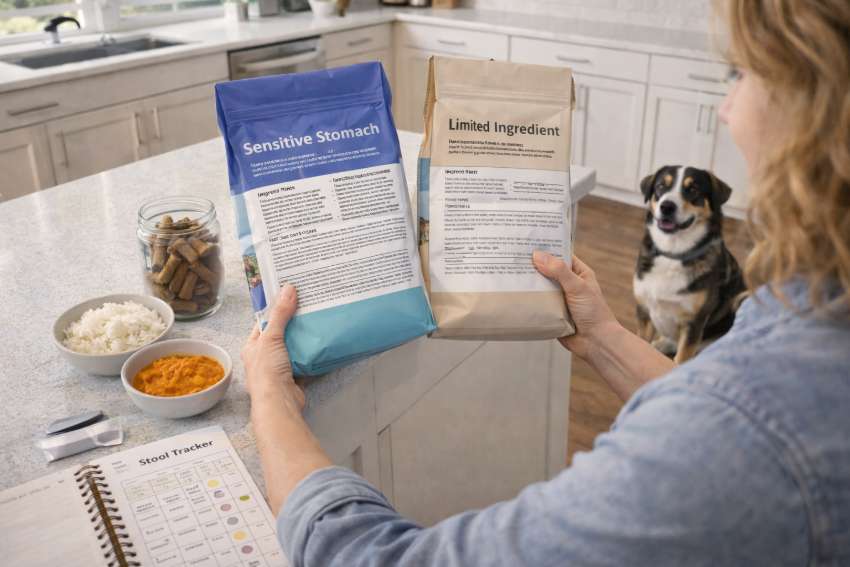
Best Dog Food for Sensitive Stomachs (With Common Ingredients to Avoid)
If your dog has a “sensitive stomach,” you’re probably living with some mix of loose stools, gassiness, occasional vomiting, or unpredictable appetite. It’s frustrating—especially because the pet food aisle (and the internet) makes it sound like there’s one perfect brand that fixes everything....
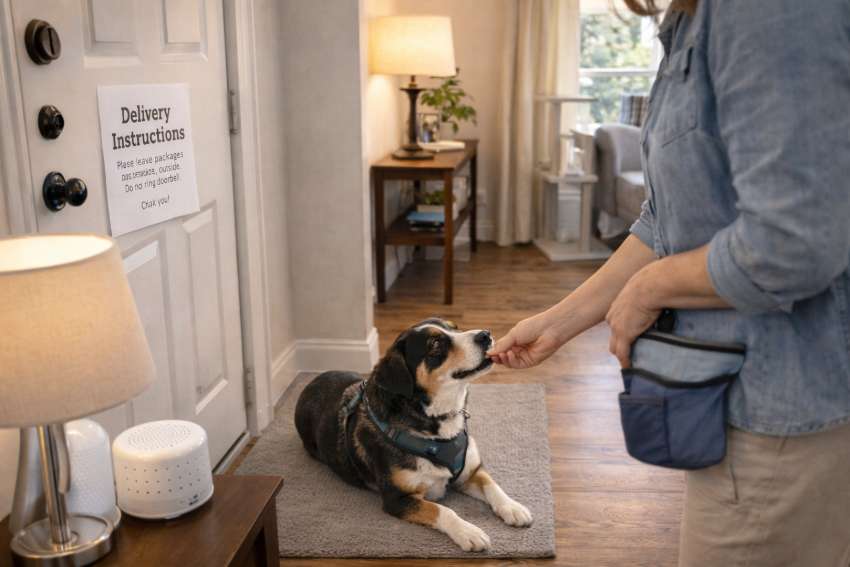
Quiet Dog Breeds for Apartments and Noise-Sensitive Neighbors
Apartment living with a dog can be wonderful—until barking becomes a daily stressor for you and your neighbors. The truth is: “quiet breed” doesn’t mean “never barks.” Dogs bark to communicate, and in an apartment there are more triggers (hallway footsteps, elevators, door buzzers, delivery kn...

Dog Breeds That Can Handle Cold Weather vs Heat (Climate-Specific Guide)
Not every dog is built for your weather. A fluffy double coat can be amazing in a snowy winter and miserable in a hot summer. A short-nosed (flat-faced) dog may struggle the moment the temperature climbs. And “my dog loves the snow” doesn’t always mean they’re safe in it for long.This climate-sp...

Best Dog Breeds for Seniors and Retirees
A dog can be an incredible companion in retirement—bringing routine, purpose, and daily joy. But the “best” dog for seniors isn’t about what’s popular. It’s about finding a dog that matches your energy, mobility, home setup, and budget. The wrong match can lead to pulling on the leash, falls,...

Best Dog Breeds for Families with Young Children (Real-Life Temperament Guide)
When you have babies, toddlers, or young kids in the house, “cute” isn’t the same as “family-friendly.” The best family dog is usually the one with a steady temperament, high tolerance for normal kid chaos, and an exercise level your family can realistically meet. Breed can help predict tendenc...
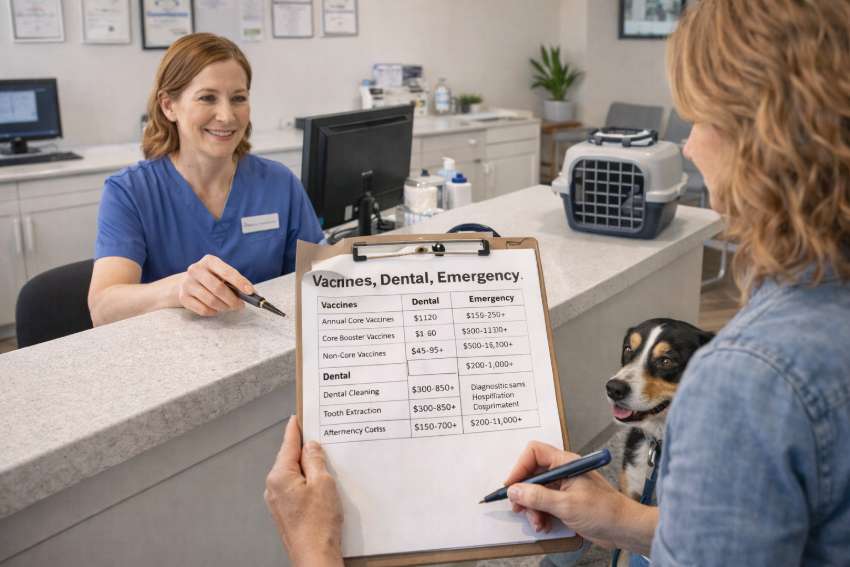
How Much Does a Vet Visit Cost in the US and Europe? (Vaccines, Emergencies, Dental)
Vet costs can feel unpredictable because you’re rarely paying for just “a visit.” You’re paying for a professional exam plus whatever your pet needs next: vaccines, tests, medications, imaging, anesthesia, monitoring, or emergency stabilization. The same symptom (like vomiting) might cost a litt...