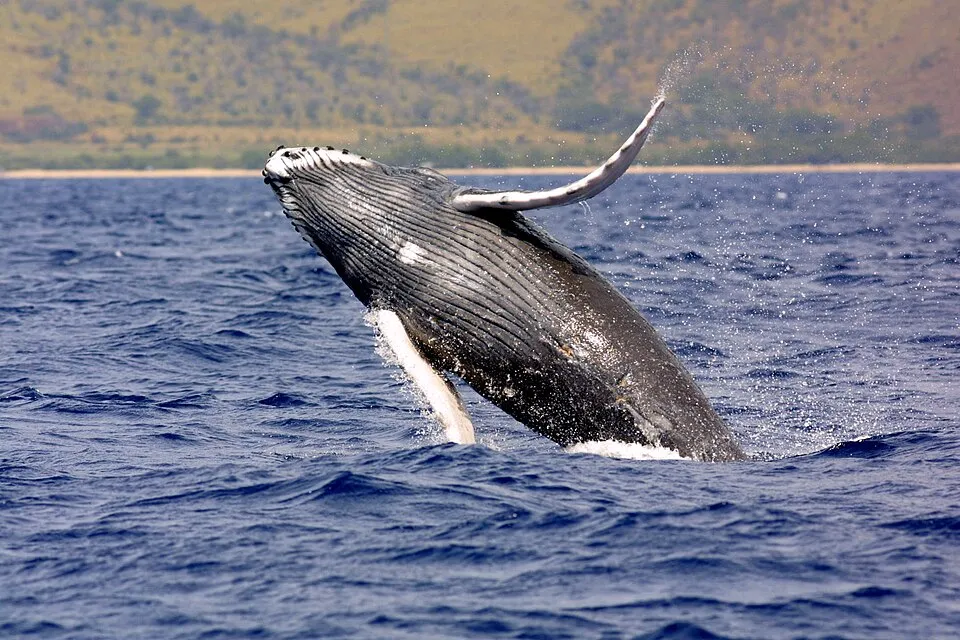
Do Humpback Whales Really Save Seals From Orcas?
Do humpback whales really save seals from orcas? Explore the science behind 115 whale encounters, surprising rescues, and why scientists remain cautious.
Find animal profiles, comparisons, pet care guides, dinosaurs, FAQs, and tools.
Do humpback whales really save seals from orcas? Explore the science behind 115 whale encounters, surprising rescues, and why scientists remain cautious.
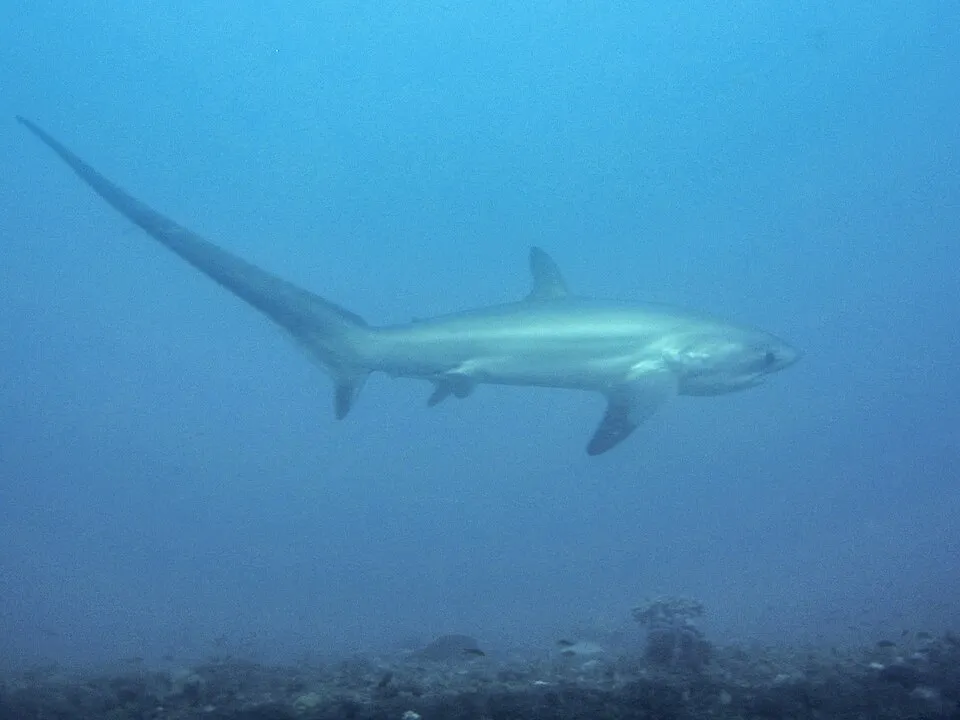
Why do thresher sharks have such long tails? Discover how they whip their tails to stun fish, what scientists observed, and why this hunting technique works.
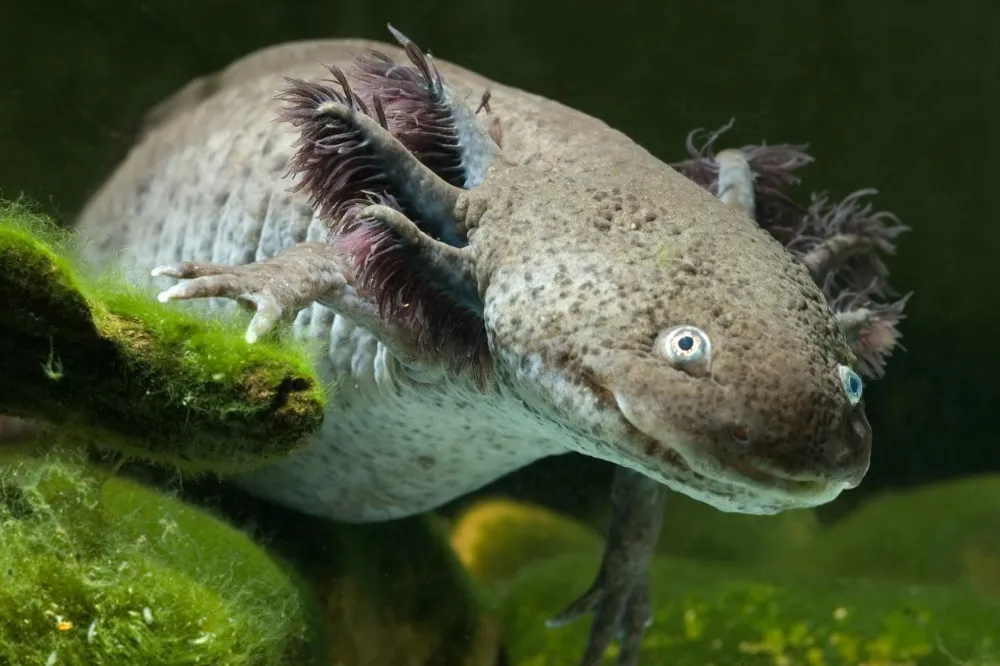
Can axolotls regrow their limbs? Learn how the blastema rebuilds bones, muscles and nerves, how long regeneration takes, and what limits it.
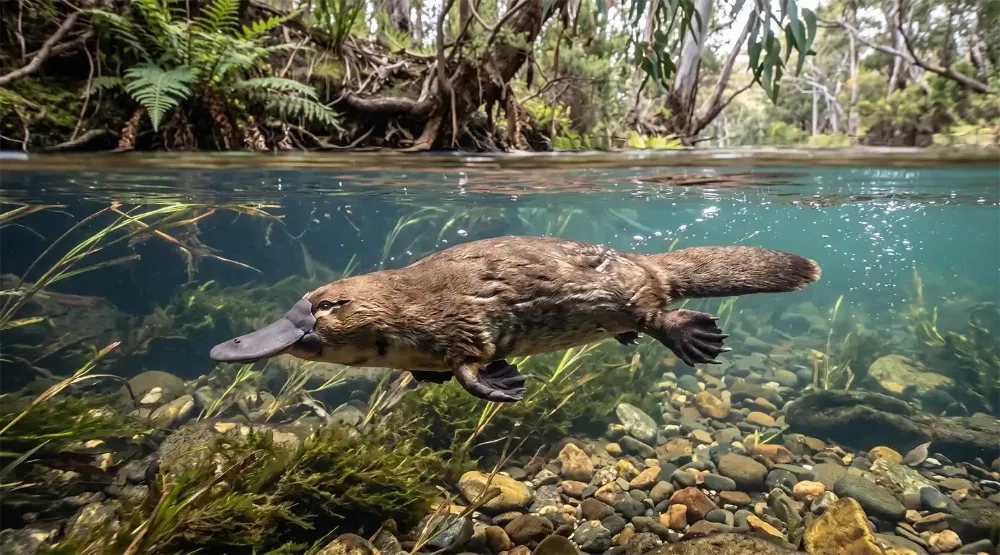
Why do platypuses lay eggs if they are mammals? Learn about monotreme evolution, leathery eggs, hatching, milk without nipples, and echidnas.
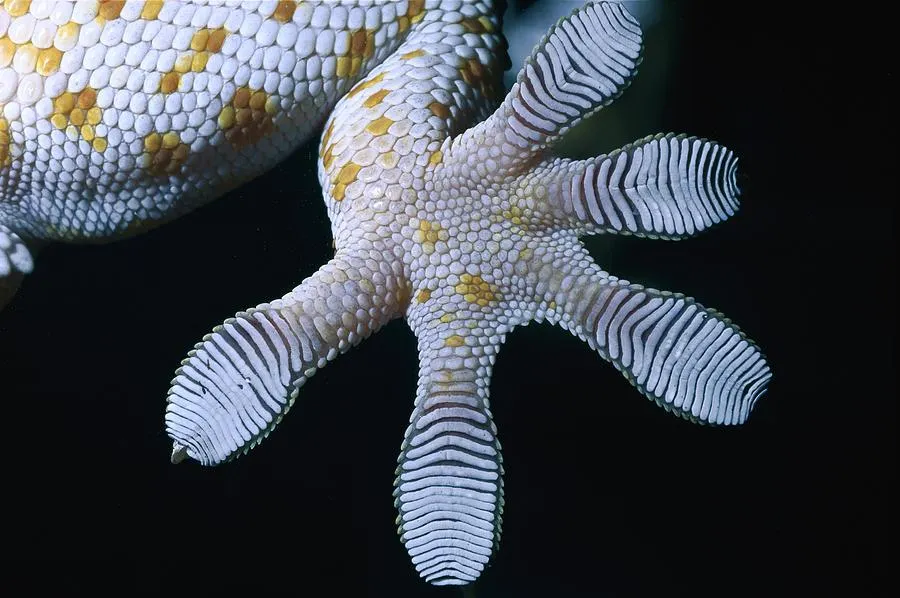
Geckos stick to walls using millions of microscopic hair-like structures called setae on specialized toe pads. Each seta branches into much smaller flattened tips called spatulae. When these tips make close contact with a surface, weak intermolecular attractions known as van der Waals forces combine
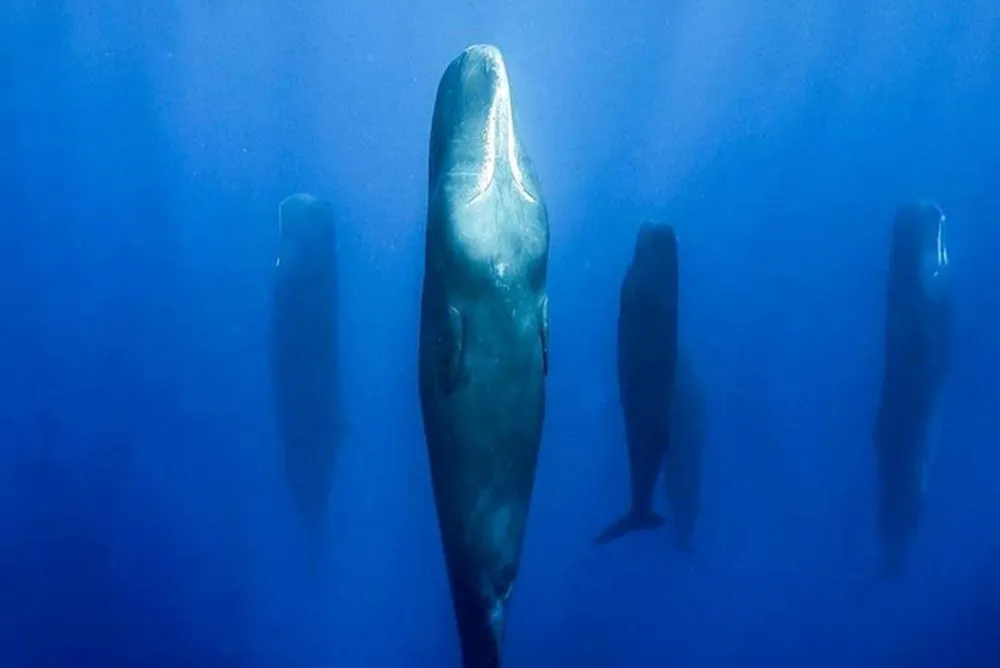
Yes, whales sleep, but they do not sleep exactly like humans. Whales are air-breathing mammals, so they must continue reaching the surface to breathe while resting. Research on dolphins and other cetaceans has revealed an unusual pattern called unihemispheric slow-wave sleep, in which one side of th
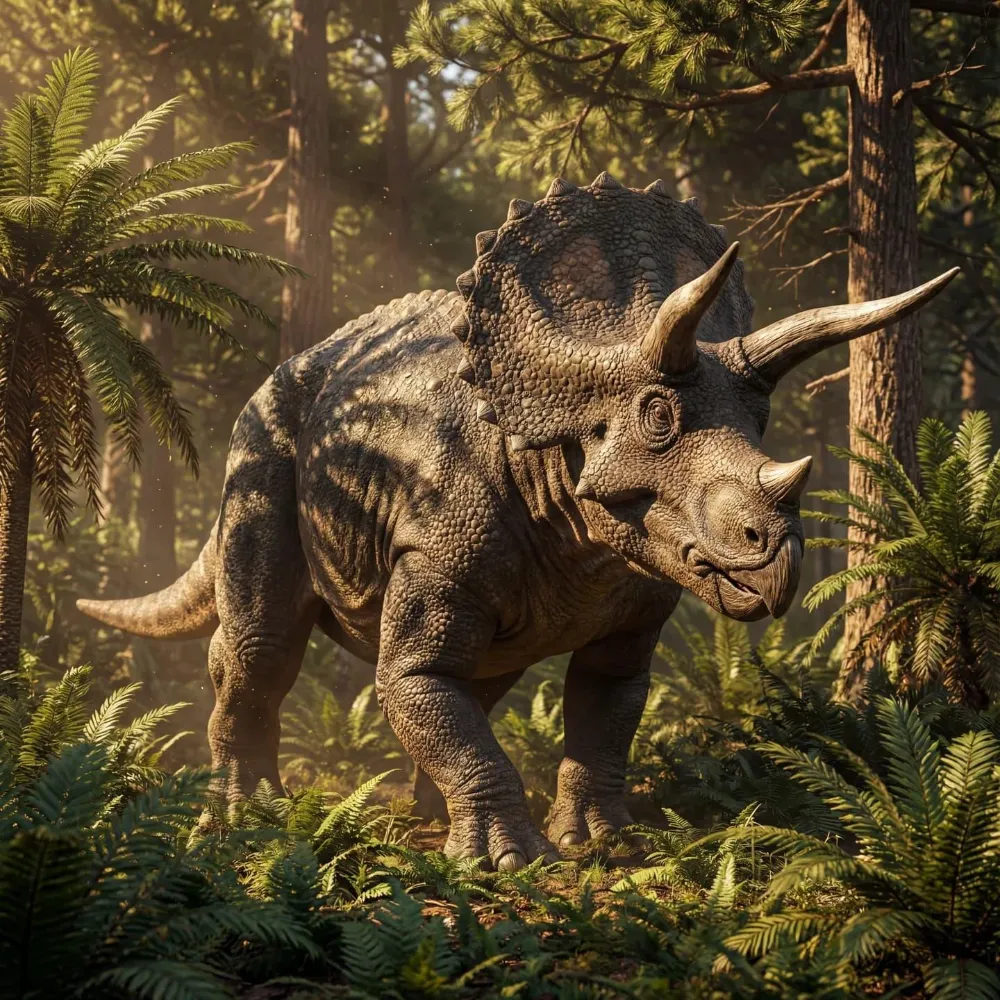
Are dinosaurs reptiles? Learn how dinosaur hips, legs and ancestry set them apart, why pterosaurs aren't dinosaurs, and which dinosaurs survive today.
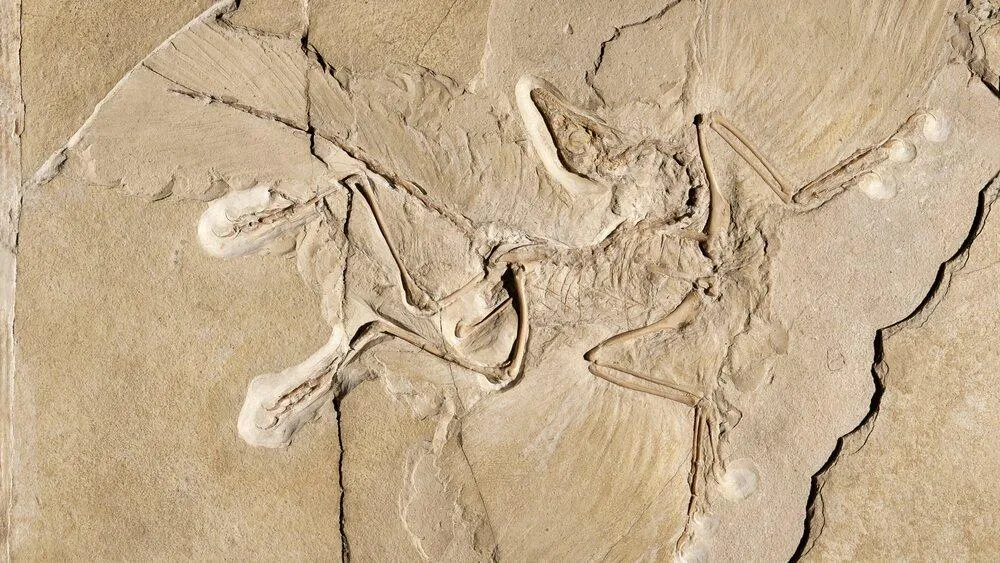
Yes, birds are dinosaurs. Modern birds are the only surviving branch of dinosaurs and evolved from small, feathered theropod ancestors during the Mesozoic Era. Scientific evidence from fossils, skeletal anatomy, feathers, eggs, and evolutionary relationships establishes that birds belong within the
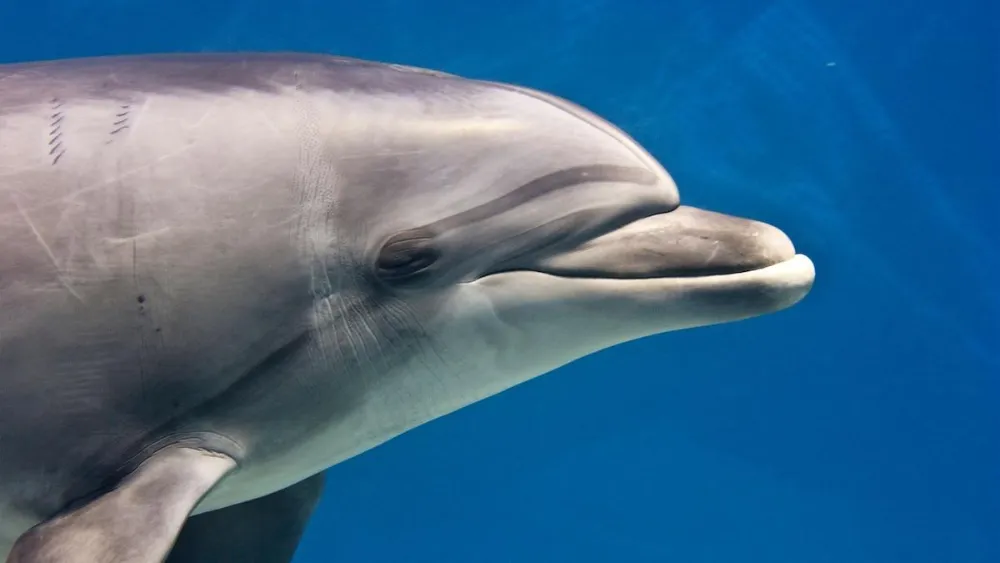
Do dolphins have hair? Discover why newborn dolphins have whiskers, how their skin stays smooth, and what their whisker pits can sense.
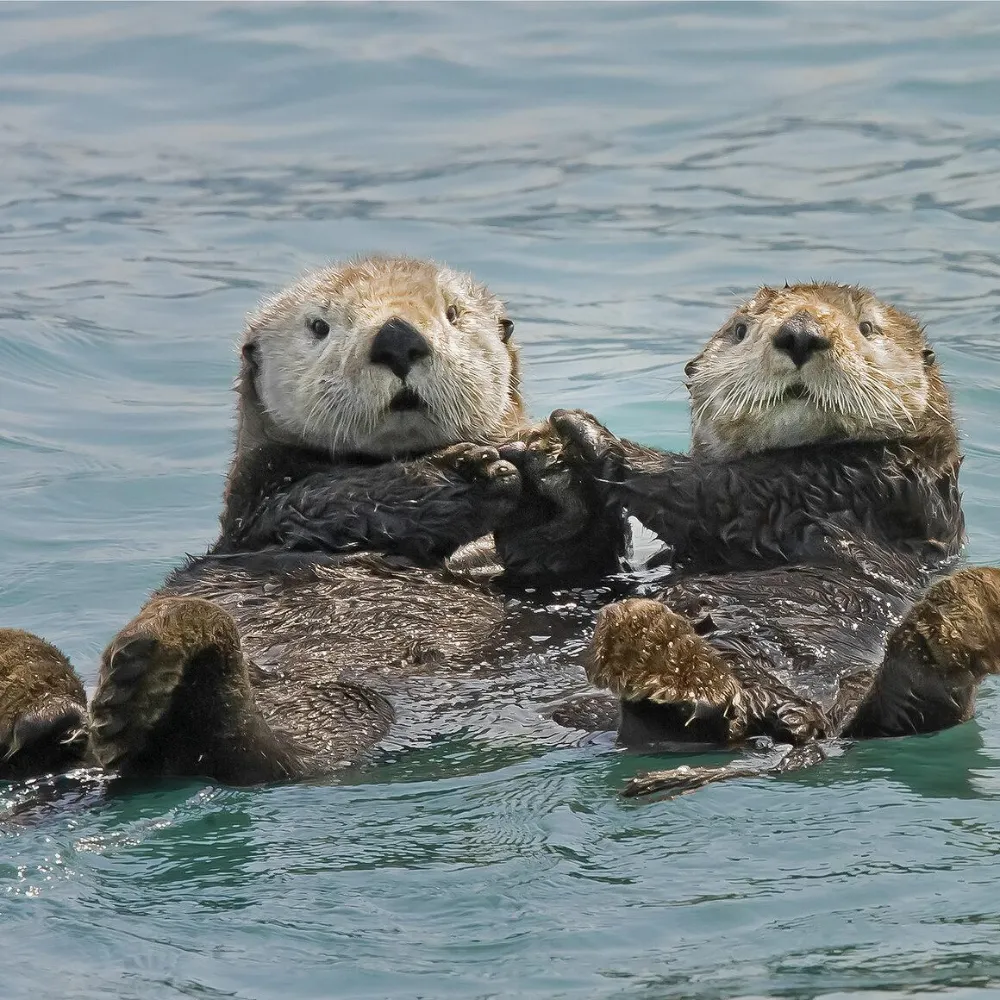
Sea otters sometimes hold hands, or more accurately paws, while resting on the ocean surface to help prevent themselves from drifting apart. However, this behavior is much less common in the wild than popular photographs and videos suggest. Sea otters often rest together in floating groups called ra
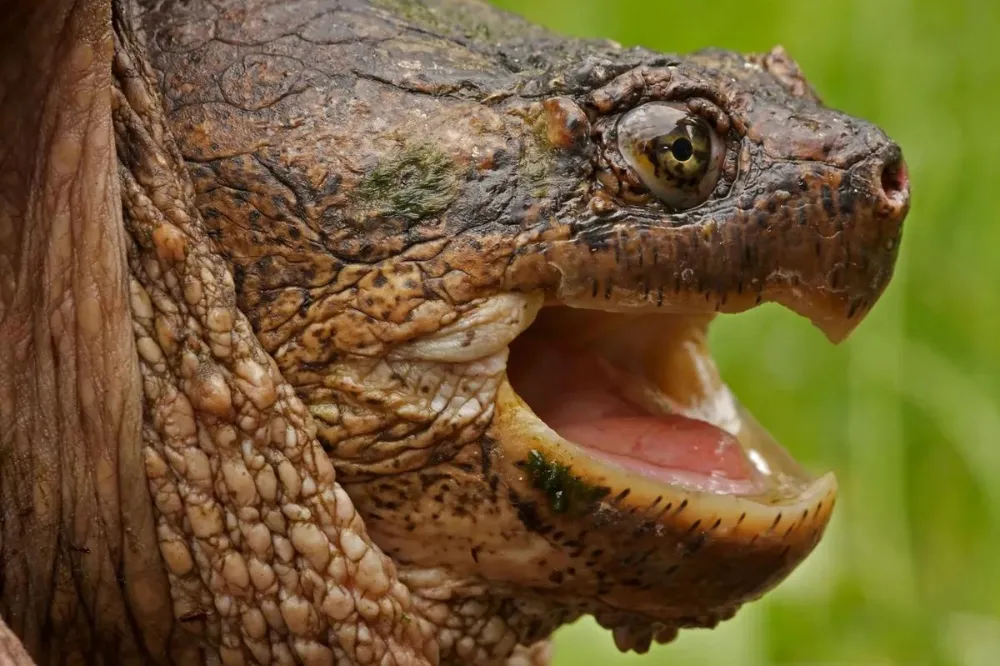
Do turtles have teeth? Discover how turtles bite, eat, and crush food with their beaks, plus why baby turtles have a temporary egg tooth.
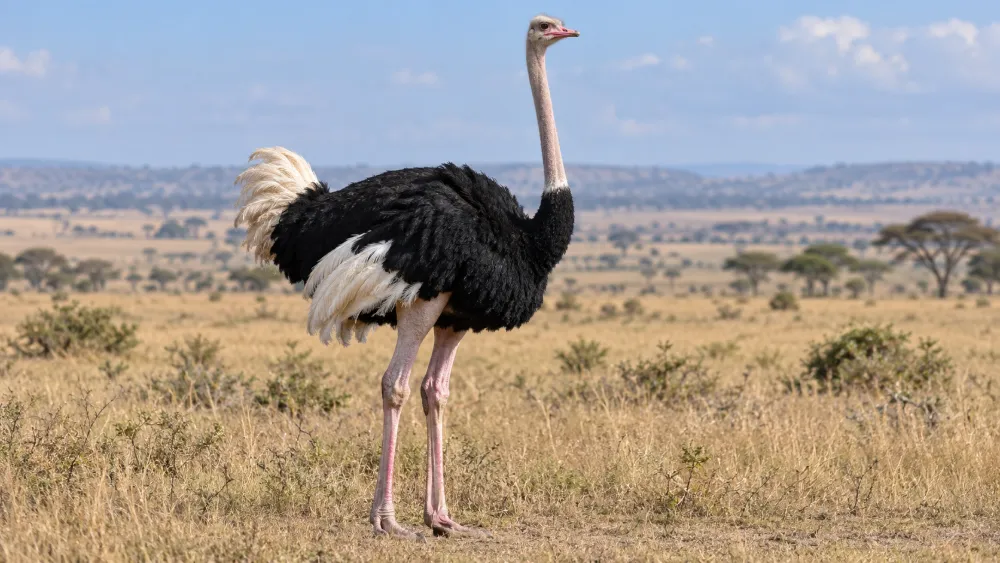
The ostrich is the biggest living bird, reaching about 9 feet tall. Discover the largest flying bird, biggest wingspan and enormous extinct elephant birds.
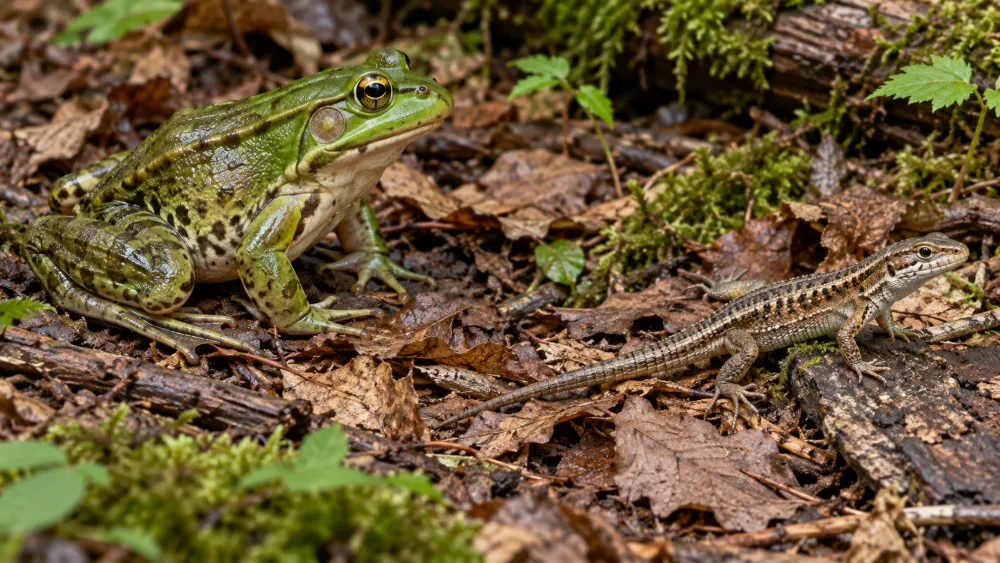
Frogs are amphibians, not reptiles. Learn the key differences in skin, eggs, reproduction, breathing and life cycle between frogs and reptiles.
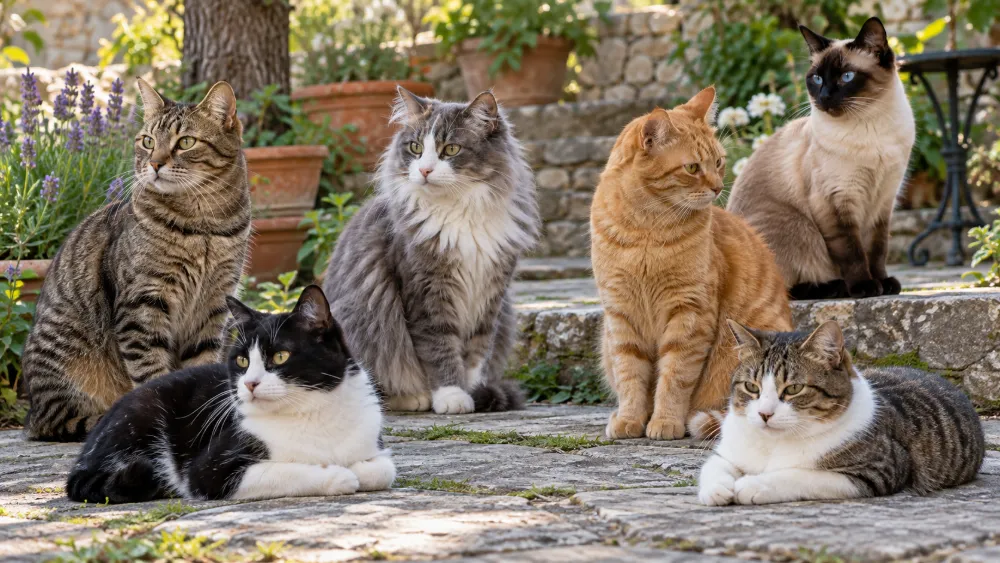
A group of cats is called a clowder. Learn the difference between a clowder, colony, glaring, litter and kindle, plus how cats actually live in social groups.
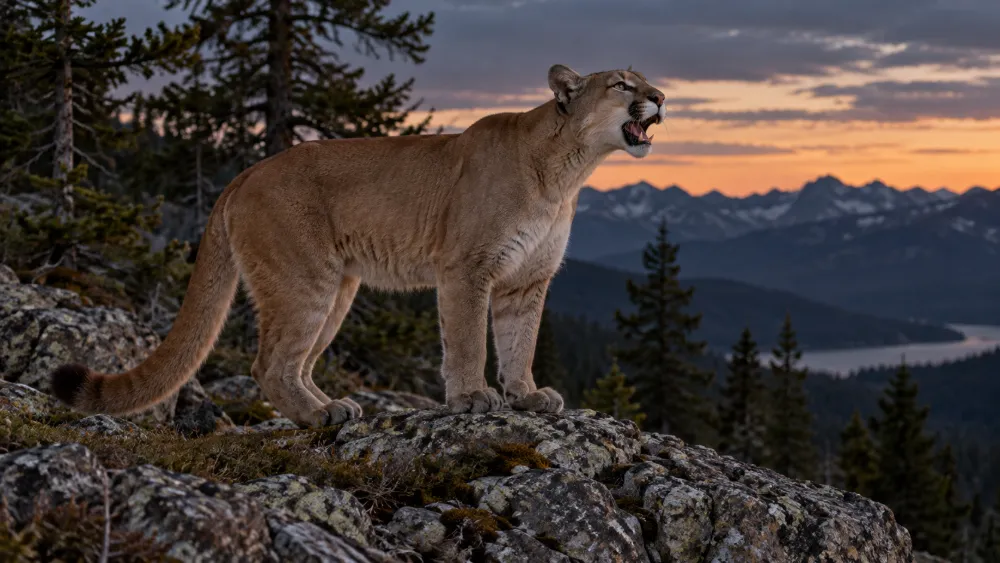
Mountain lions can make eerie screams and caterwauls, especially during mating communication. Learn what cougar screams mean and what other sounds they make.
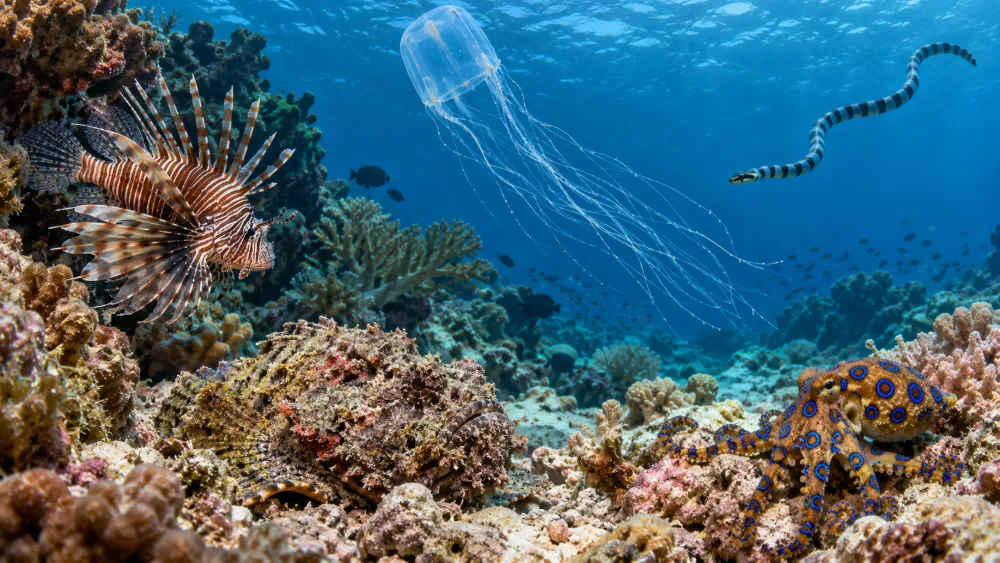
Discover 10 dangerous sea creatures, from box jellyfish and stonefish to blue-ringed octopuses, sea snakes and sharks, and learn what makes each risky.
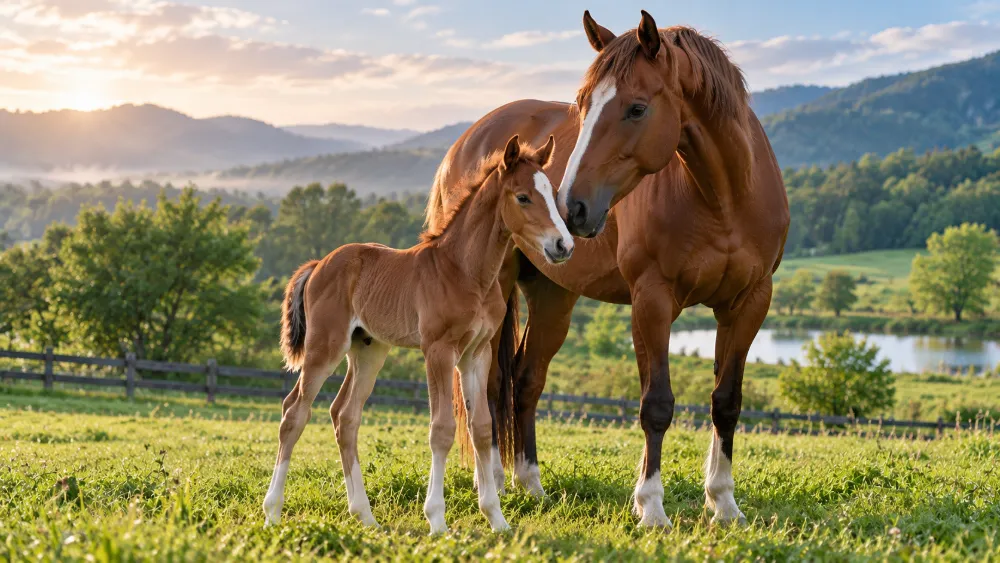
A baby horse is called a foal. Learn the difference between a foal, colt, filly, yearling and weanling, plus the names for adult male and female horses.

A group of pandas is commonly called an embarrassment. Learn why the name is unusual, whether pandas actually live in groups, and what baby pandas are called.