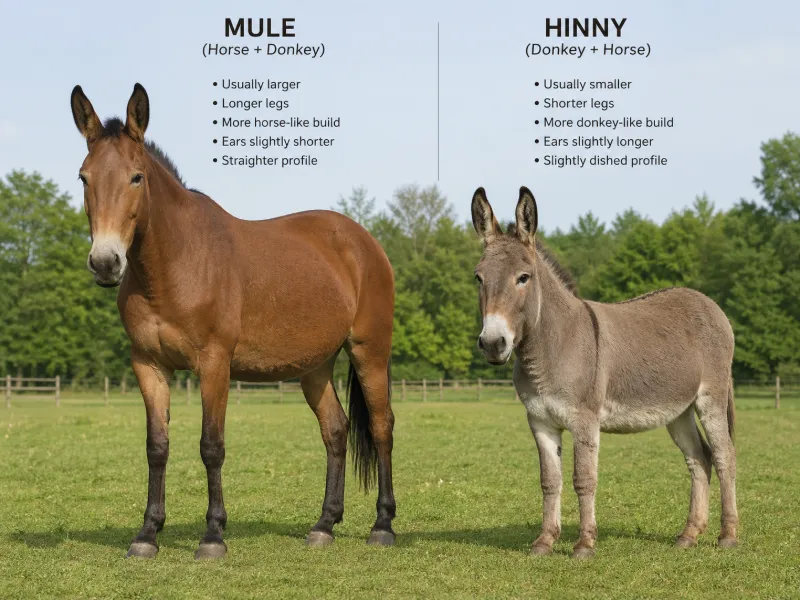
Hinny vs. Mule: How These Different Donkey-Horse Hybrids Compare
Learn the difference between a hinny and a mule, including parentage, size, appearance, behavior, fertility, and why mule-donkey hybrids are more common.
Find animal profiles, comparisons, pet care guides, dinosaurs, FAQs, and tools.
Learn the difference between a hinny and a mule, including parentage, size, appearance, behavior, fertility, and why mule-donkey hybrids are more common.
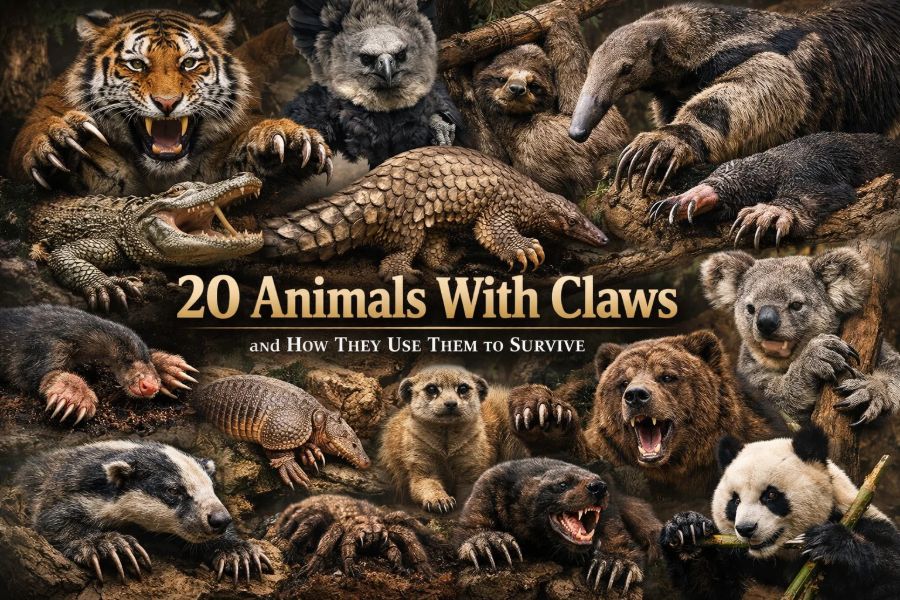
Claws are one of evolution’s most versatile tools. In zoology, a claw is a narrow, downward-curving, keratinized structure at the end of a digit, and across birds, reptiles, many mammals, and some amphibians, claws have been adapted for scratching, clutching, digging, or climbing. In other words, c
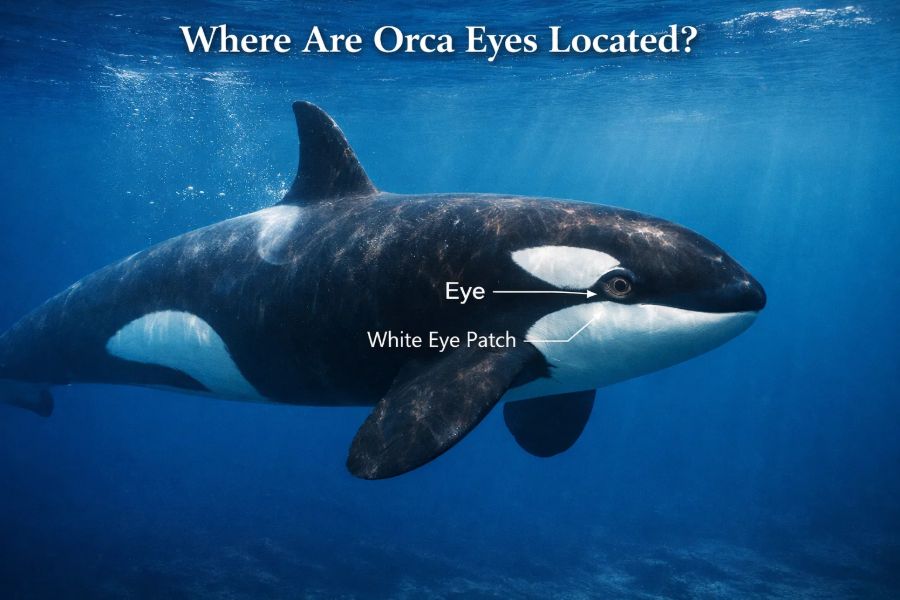
At first glance, many people assume the large white patch on each side of an orca’s head is the eye. It is not. An orca’s actual eye is a small dark eye located on each side of the head, just in front of the white eyespot and close to the corner of the mouth. NOAA states that the eye sits just bel
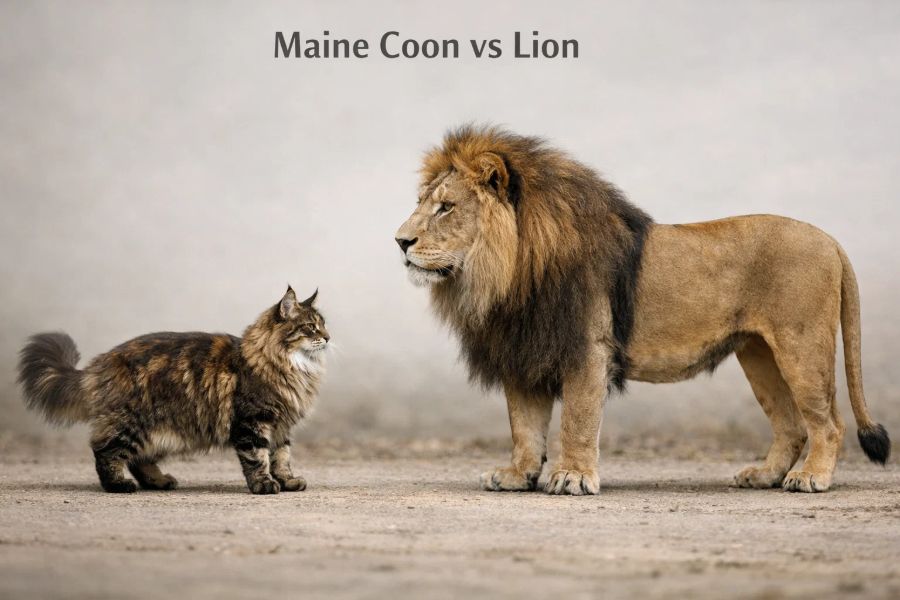
A zoologist would begin with the obvious but important point: a Maine Coon and a lion are both cats, but they live at completely different biological scales. The Maine Coon is one of the largest domestic cat breeds within the species Felis catus, while the lion is a true big cat, Panthera leo, and o
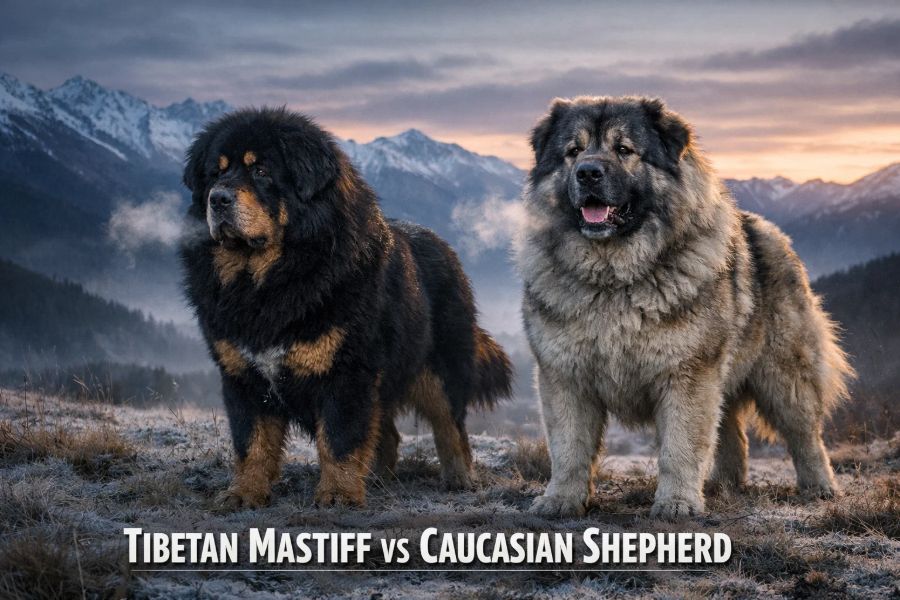
At a zoological and working-dog level, Tibetan Mastiffs and Caucasian Shepherd Dogs are not simply “two giant fluffy guard dogs.” They are both livestock-and-property guardians, but they come from different mountain systems, were shaped by different human cultures, and tend to express protection i

Compsognathus was a small, slender carnivorous dinosaur that lived during the Late Jurassic in Europe. It is one of the best-known tiny theropods and is often remembered for its graceful build, long legs, and lightweight body. Even though it was much smaller than famous predators such as Allosaurus

Megalosaurus was a large meat-eating theropod dinosaur from Jurassic England. Today it is known as one of the earliest named dinosaurs and one of the most important animals in the history of dinosaur science. Although it is not as famous in popular culture as Tyrannosaurus or Velociraptor, Megalosau

Pachycephalosaurus was one of the most unusual plant-eating dinosaurs of the Late Cretaceous. It is famous for its thick, rounded skull dome, which made it look very different from horned dinosaurs, duck-billed dinosaurs, or armored dinosaurs living at the same time. Although it is often shown charg

Argentinosaurus was a gigantic long-necked plant-eating dinosaur from the Late Cretaceous of South America. It is usually classified as a titanosaur, a group of sauropods that included some of the largest land animals ever to live. Although its fossil remains are incomplete, Argentinosaurus has beco

When people ask, “Which animal has the strongest bite?”, they are usually expecting one dramatic winner. But a zoologist would answer with a clarification first: it depends on what kind of “strongest” you mean. Are we talking about the highest bite force ever directly measured in a living animal

Achelousaurus was a medium-sized horned dinosaur that lived in what is now Montana during the Late Cretaceous. It belonged to the centrosaurine branch of ceratopsians, a group known for deep skull frills, facial ornamentation, and beaked mouths adapted for plant-eating. Unlike some of its more famou
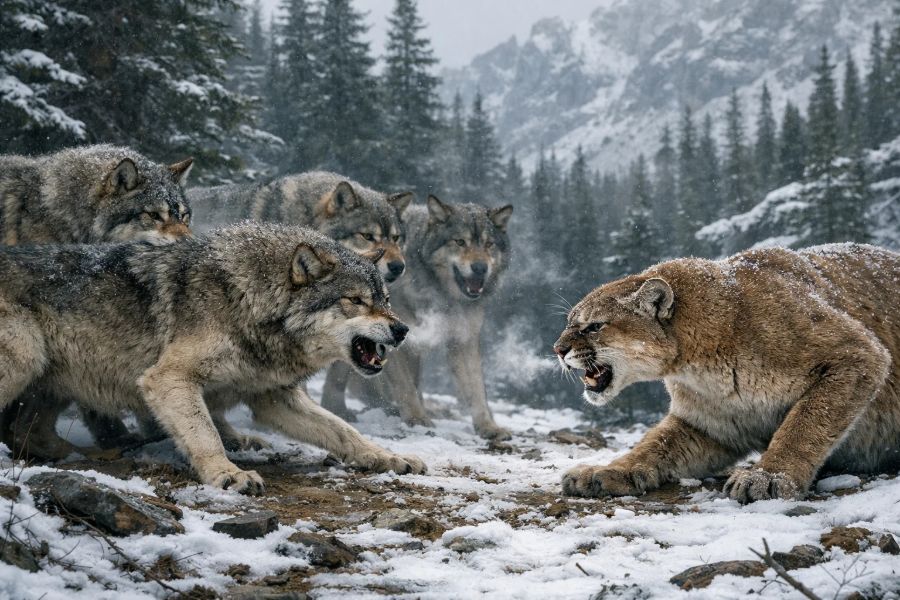
A zoologist would frame wolf pack vs cougar as a comparison between two very different predatory systems, not simply “dogs versus cat.” Gray wolves (Canis lupus) are highly social carnivores that often hunt and defend space as family-based packs, while cougars (Puma concolor) are solitary ambush p
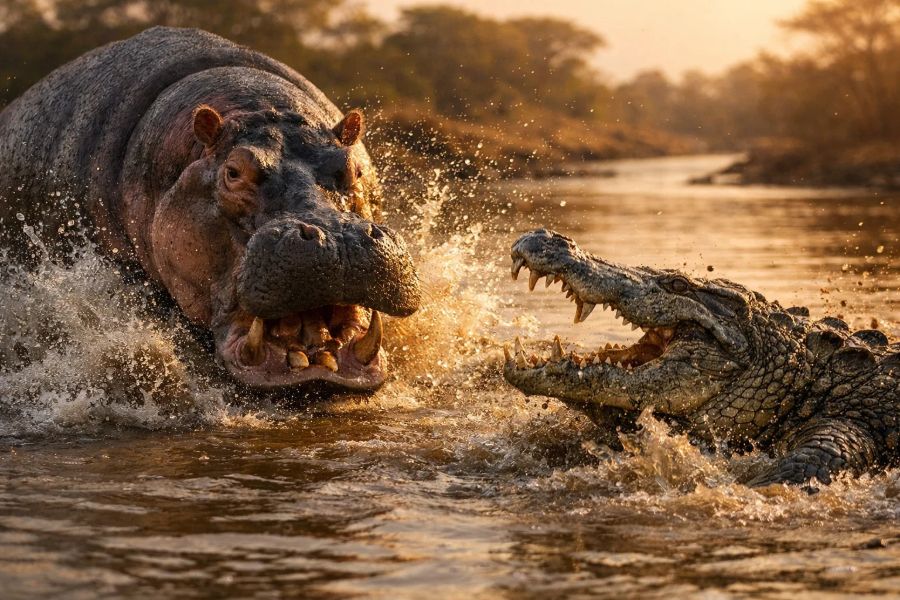
Few wildlife matchups are more dramatic than Hippo vs Crocodile. Both animals dominate African rivers, both are dangerous, and both spend much of their lives in or near water. But from a zoological perspective, this is not a simple “monster versus monster” fight. It is a comparison between two ver
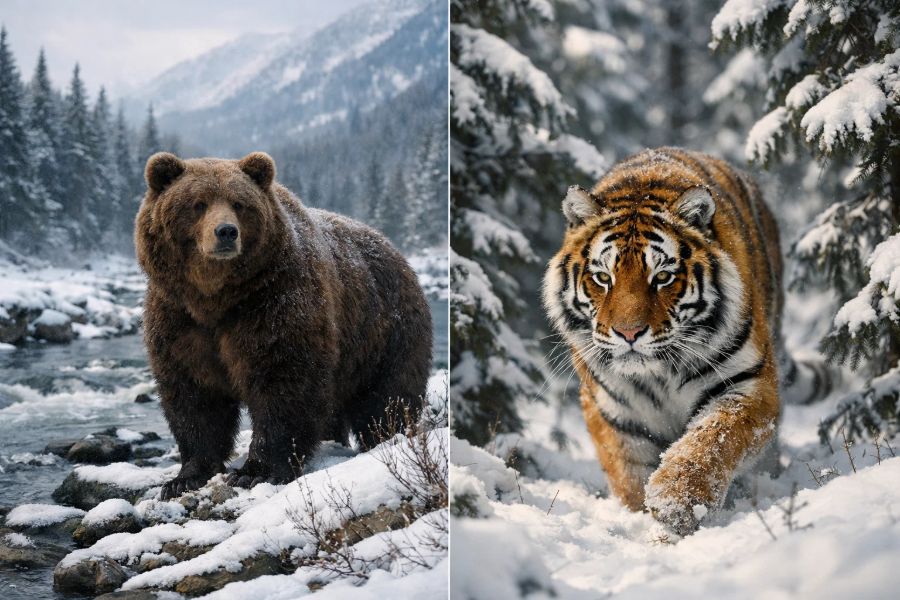
A zoologist’s field-guide to “who rules” when two apex mammals share the same forest“Brown bear vs Siberian tiger” sounds like a heavyweight title fight, but in real ecology it’s closer to a negotiation between two top-tier strategies:the tiger (Panthera tigris altaica) as a stealthy, speciali
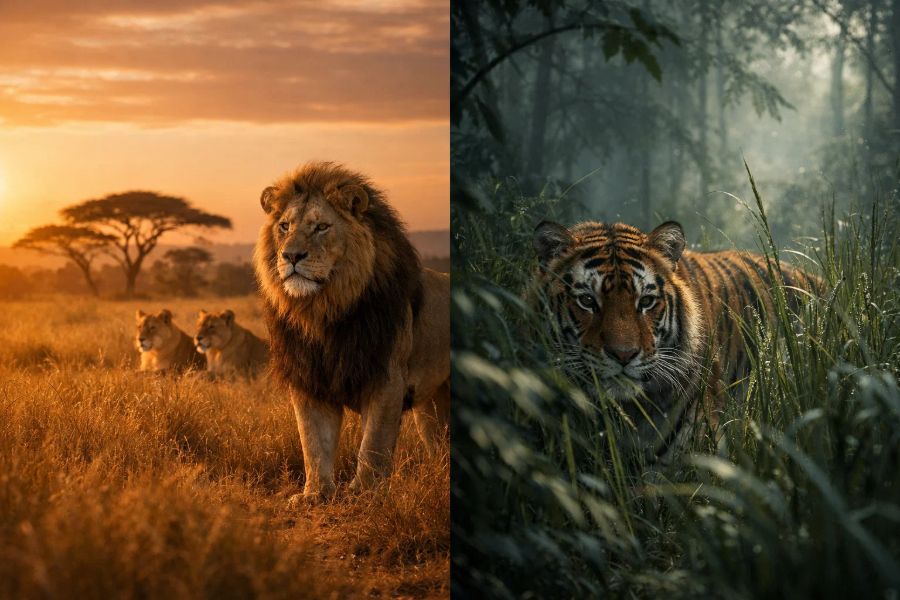
Calling any animal the “king” is a human story, not a biological rank. In nature, there isn’t one universal champion—there are specialists shaped by different habitats, hunting styles, and social systems. Lions (Panthera leo) and tigers (Panthera tigris) are both apex predators, but they “rule”
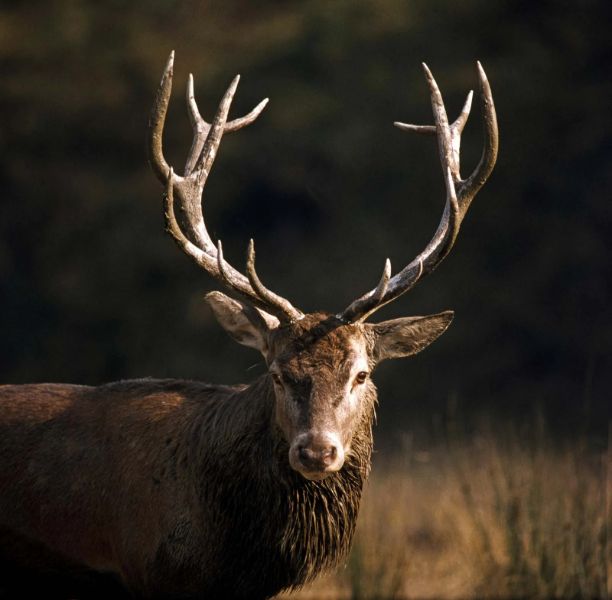
When most people think of mammals, they picture animals that feel familiar: pets, farm animals, wildlife documentaries, and the soft, warm creatures children grow up loving. Mammals are often seen as intelligent, social, and even comforting. But some mammals can also be extremely dangerous.In truth,
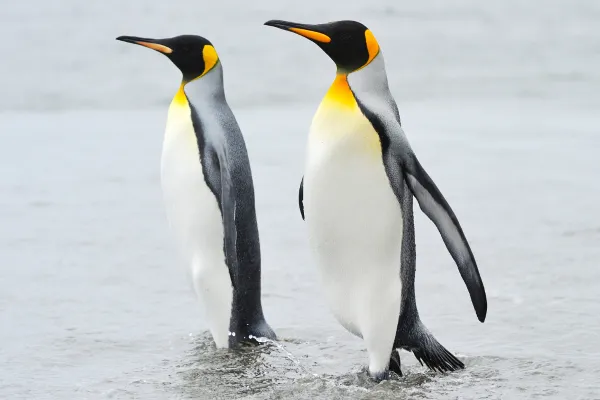
The king penguin (Aptenodytes patagonicus) is one of the most elegant and recognizable penguins in the world. It is the second-largest penguin species, smaller only than the emperor penguin, and is famous for its tall posture, sleek body, and bright orange markings on the head and upper chest. Unlik
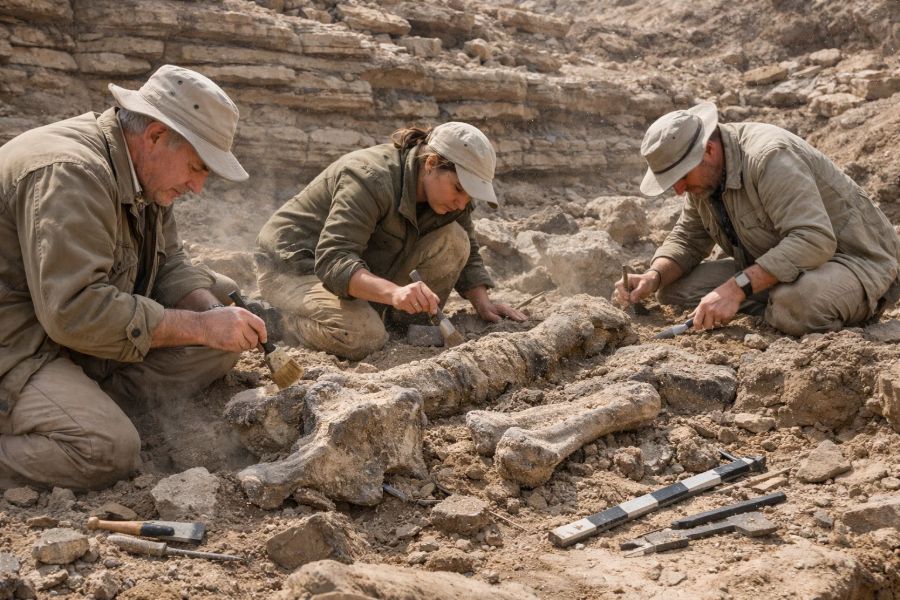
Yes—dinosaurs really existed, and we know this the same way we know extinct whales, mammoths, and ancient humans existed: multiple, independent lines of physical evidence that can be examined, tested, dated, and re-checked by different researchers across the world.What makes dinosaurs special isn’