FAQs
Why Do Mountain Lions Scream? Cougar Sounds Explained
Mountain lions can make eerie screams and caterwauls, especially during mating communication. Learn what cougar screams mean and what other sounds they make.
Get concise answers to common questions about animals, their behavior, biology and everyday wildlife misconceptions, with helpful context.
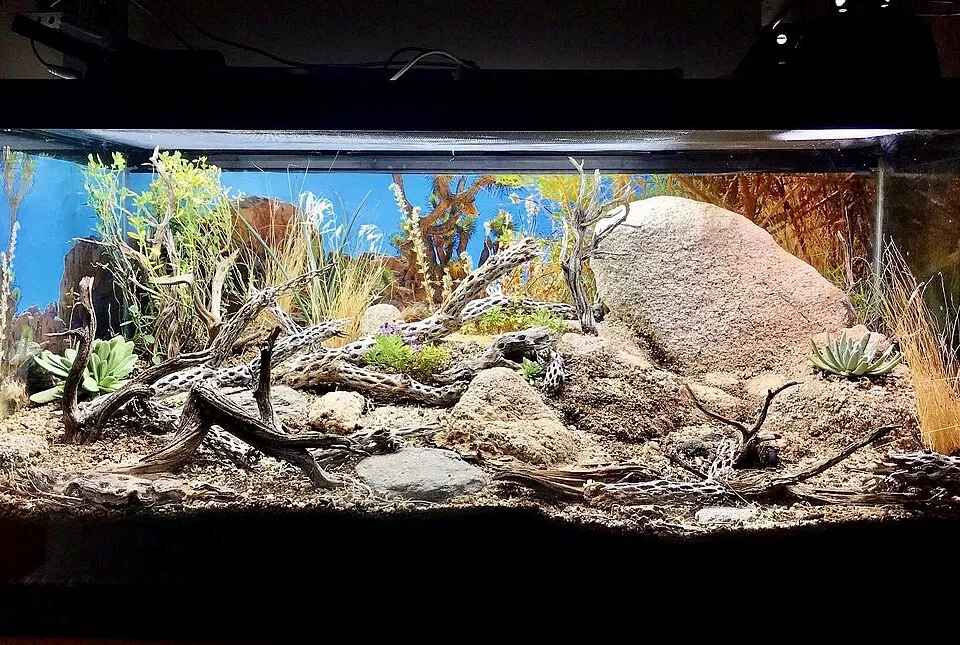
What is a bioactive terrarium, and does it really clean itself? Learn how springtails, isopods, live plants and substrate work together—and what maintenance is still required.
Latest guides
Articles listed here belong to this section. Use the filter to search the current page.
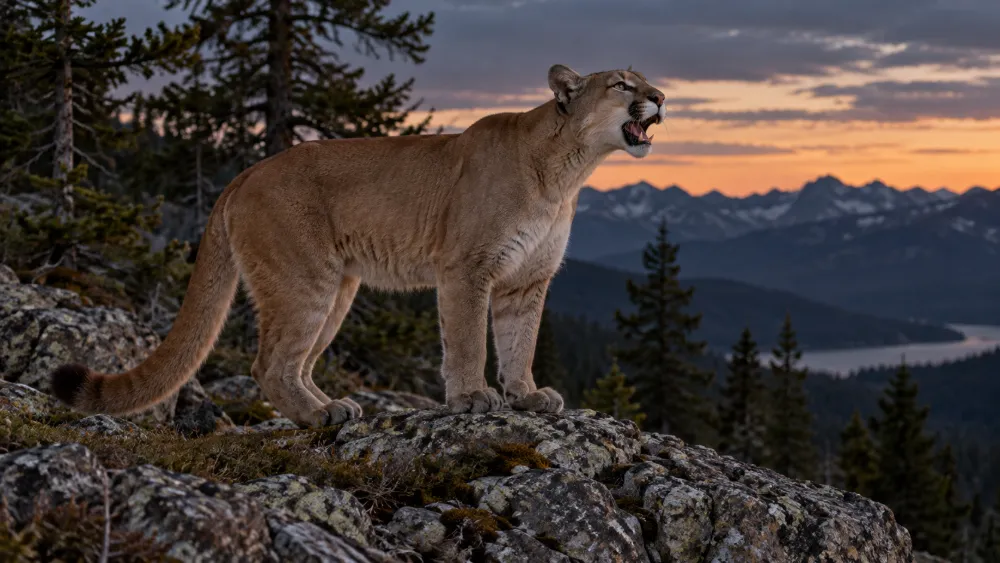
Mountain lions can make eerie screams and caterwauls, especially during mating communication. Learn what cougar screams mean and what other sounds they make.
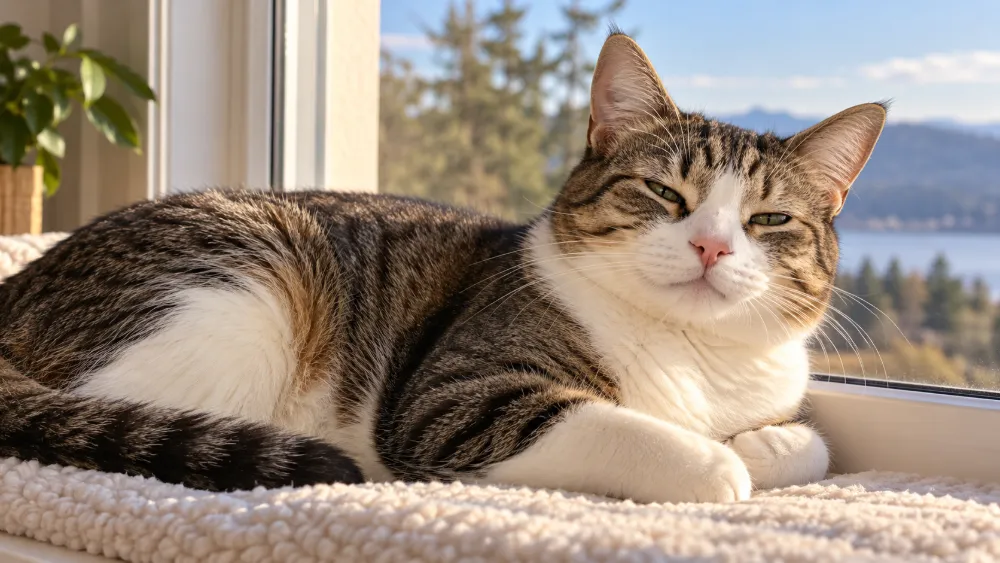
Cats don't smile exactly like humans, but they use slow blinks, relaxed faces, ears, whiskers and body language to communicate comfort and positive emotion.
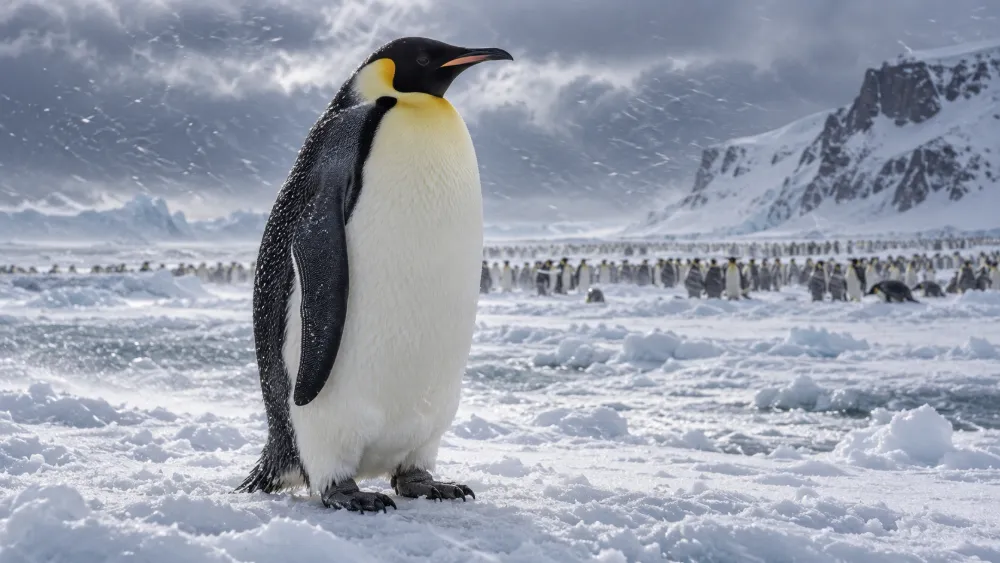
Penguins keep their feet just above freezing using restricted blood flow, countercurrent heat exchange and cold-adapted tissues. Learn how they stand on Antarctic ice safely.
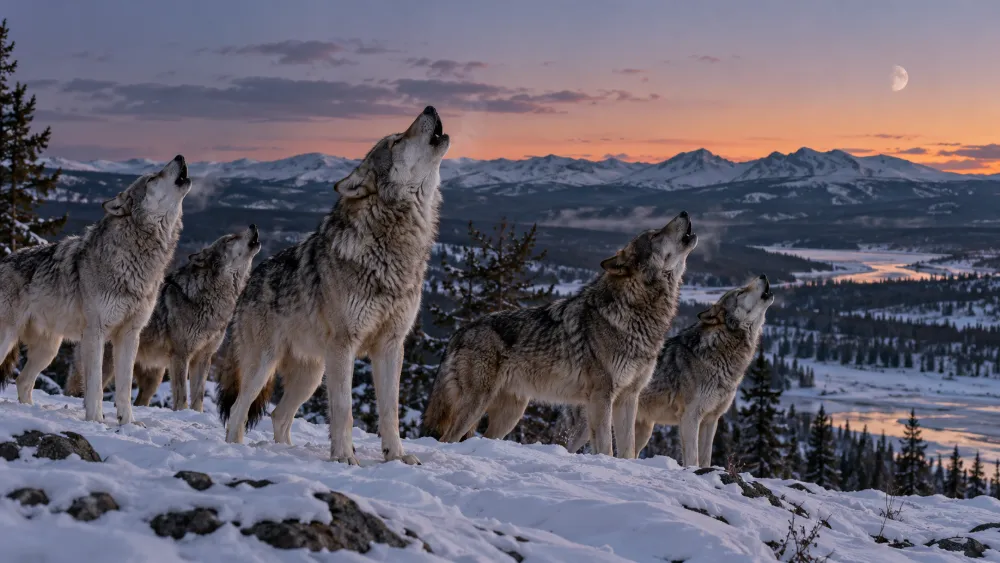
Wolves do not actually howl at the moon. Learn why wolves howl, how far their calls travel, what pack howls mean and why we hear them more often at night.
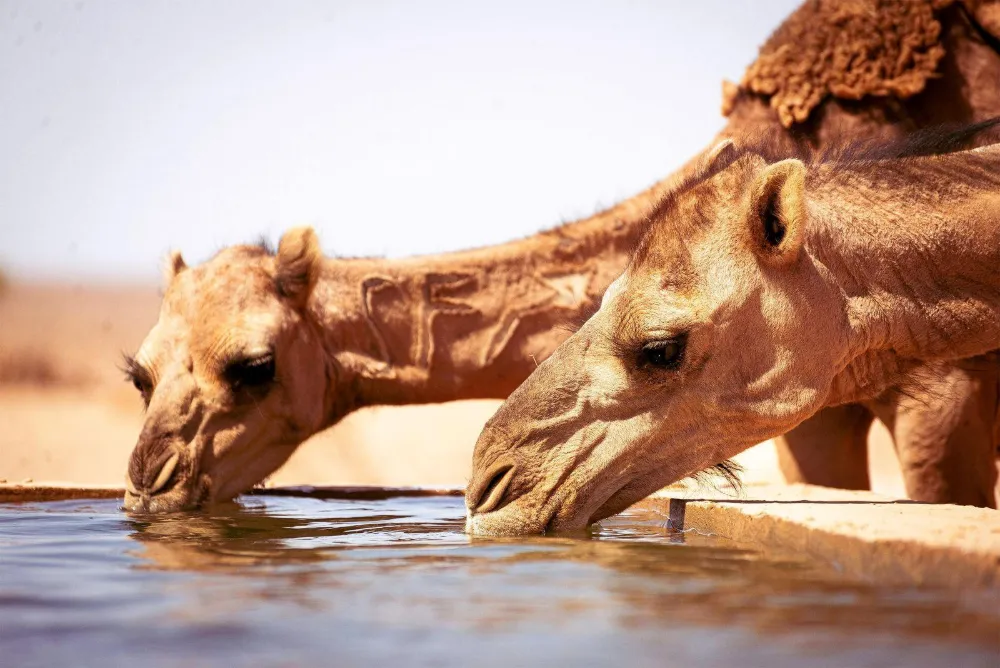
Camels can often go about 7–10 days without drinking in hot conditions and sometimes longer. Learn how humps, kidneys, body temperature and rapid rehydration help them survive.
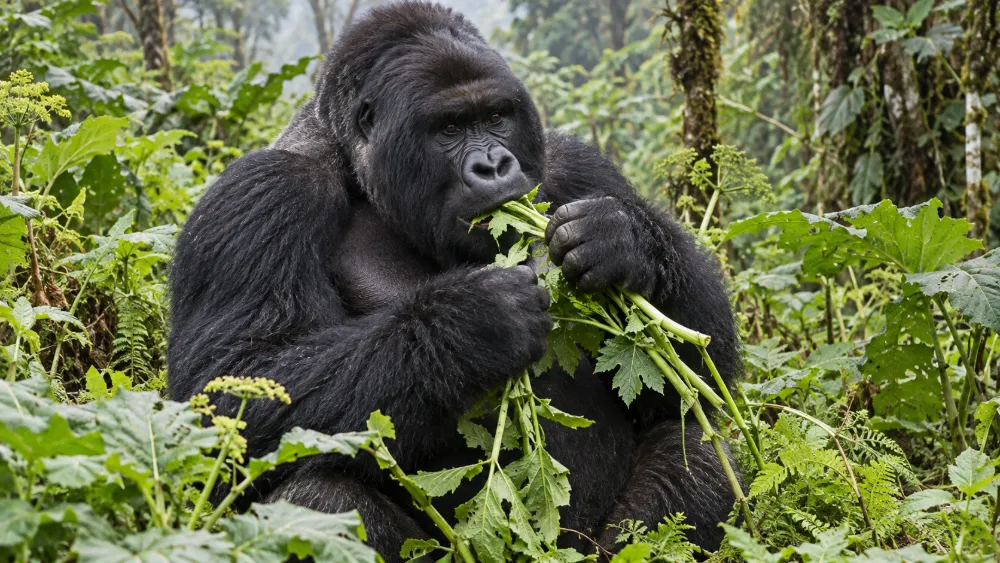
Gorillas are primarily herbivores, eating leaves, stems, shoots and fruit, but some also consume ants and termites. Learn what mountain and lowland gorillas eat.
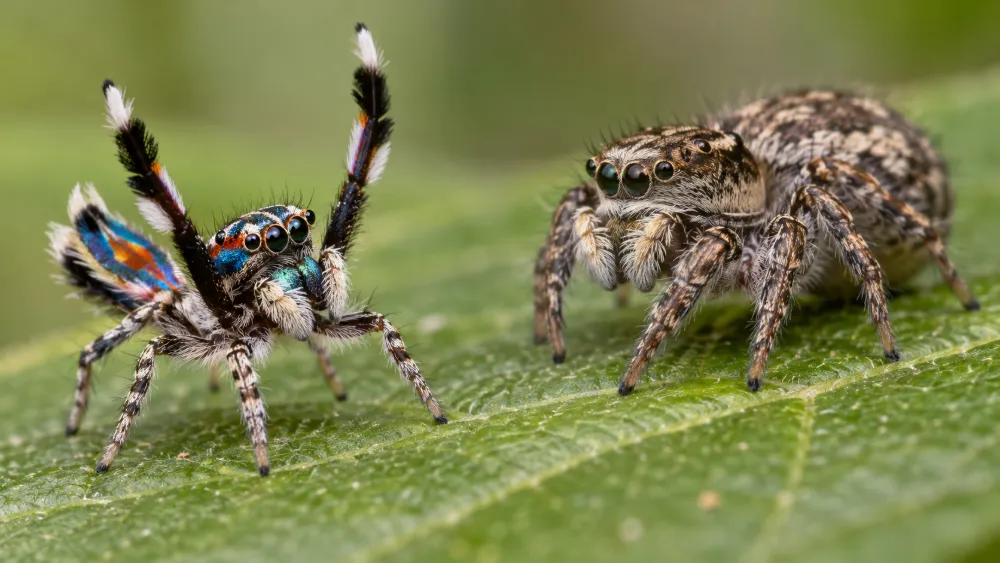
Learn how spiders mate, why males use pedipalps instead of direct sperm transfer, how courtship works, and whether female spiders really eat males.
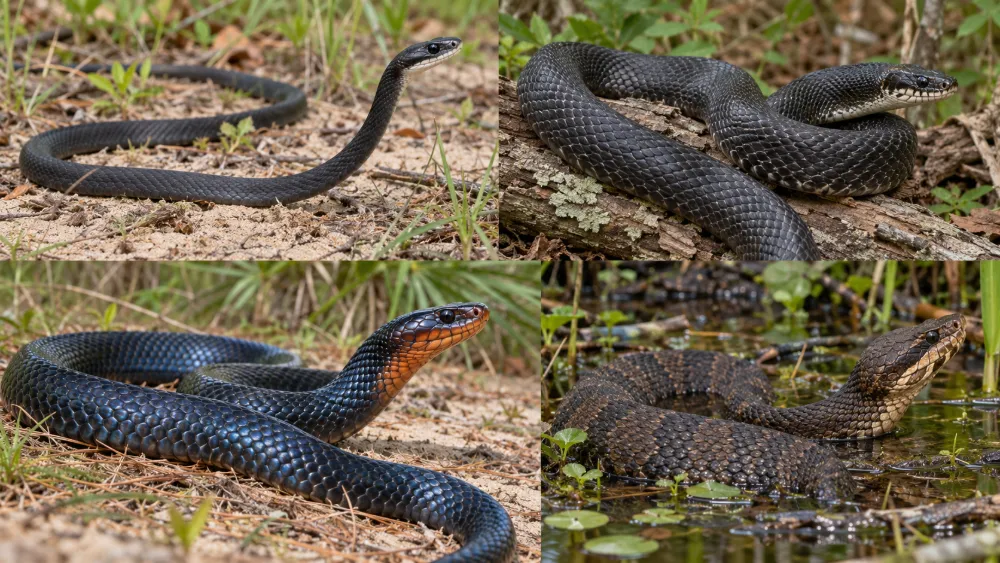
Most black snakes in the U.S. are non-venomous, but some venomous cottonmouths can appear black. Learn how to identify racers, rat snakes, indigo snakes and other dark snakes safely.
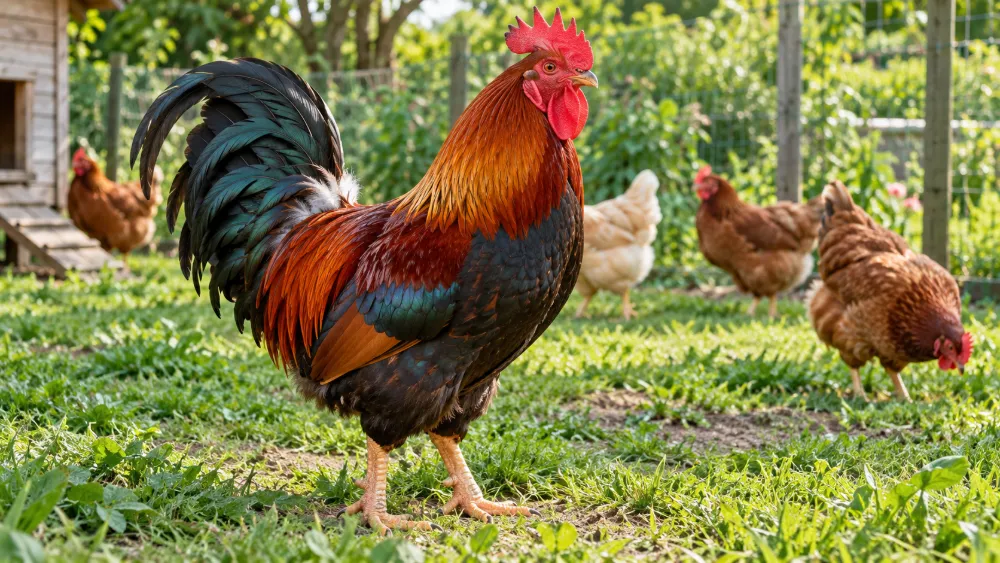
Most backyard roosters can live 5–10 years. Learn how breed, predators, disease, housing and flock management affect a rooster's lifespan.
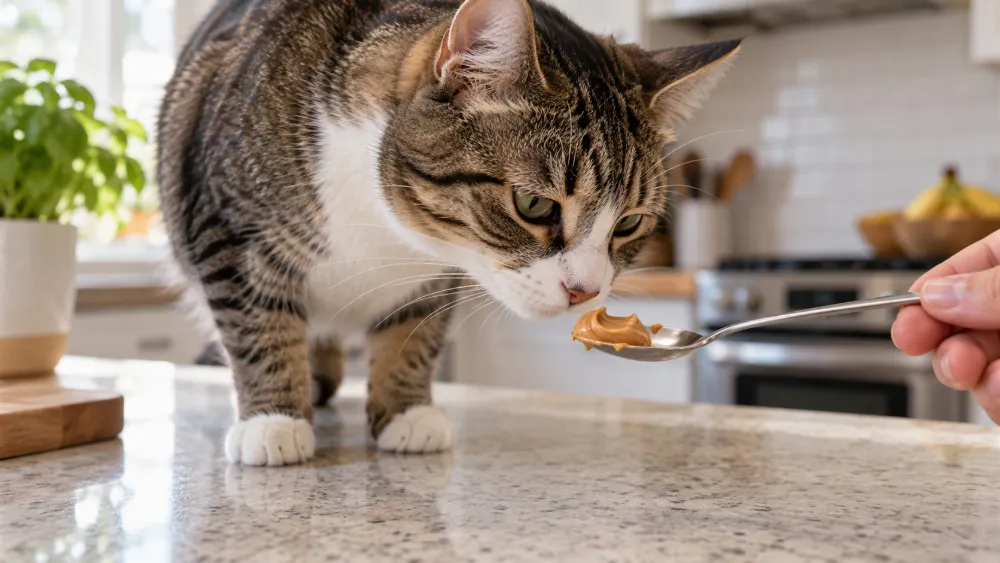
Can cats eat peanut butter? Learn whether a small lick is safe, why peanut butter isn't a good regular treat, what ingredients to avoid and what to do after accidental ingestion.
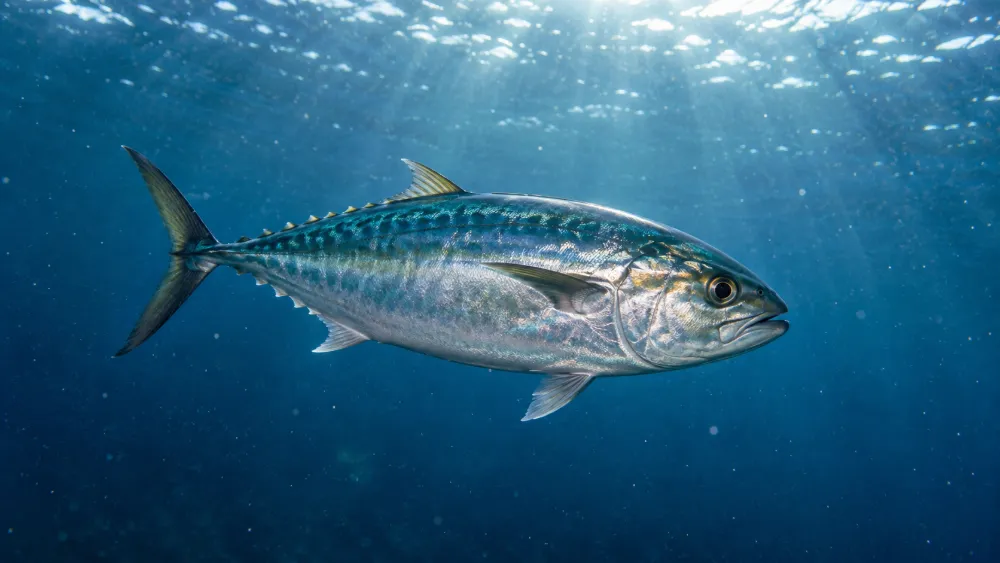
Do fish get thirsty underwater? Learn why saltwater fish drink seawater, why freshwater fish usually don't, and how fish control water and salt balance.
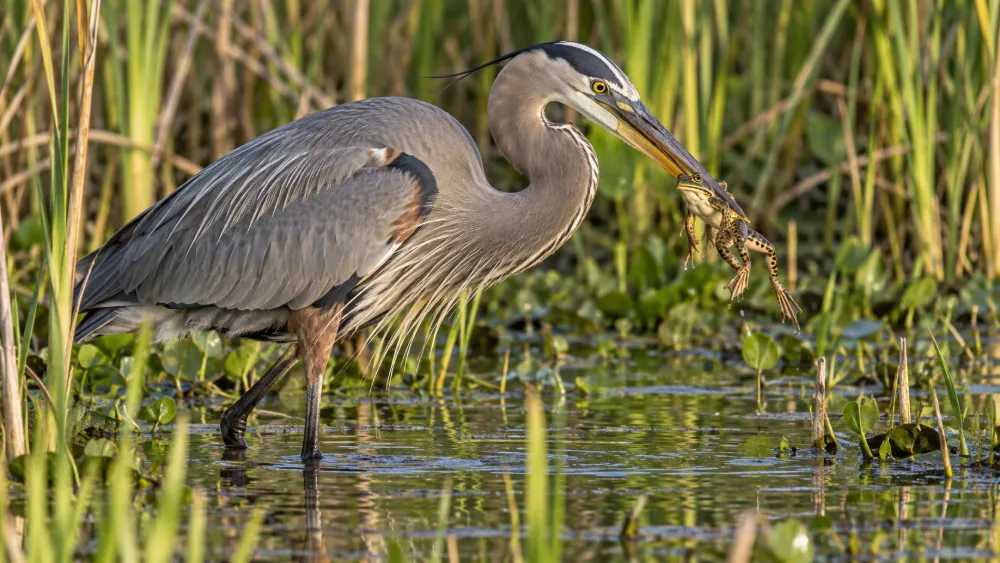
Frogs are eaten by snakes, birds, fish, turtles, mammals, larger frogs and aquatic insects. Learn what eats adult frogs, tadpoles and frog eggs.
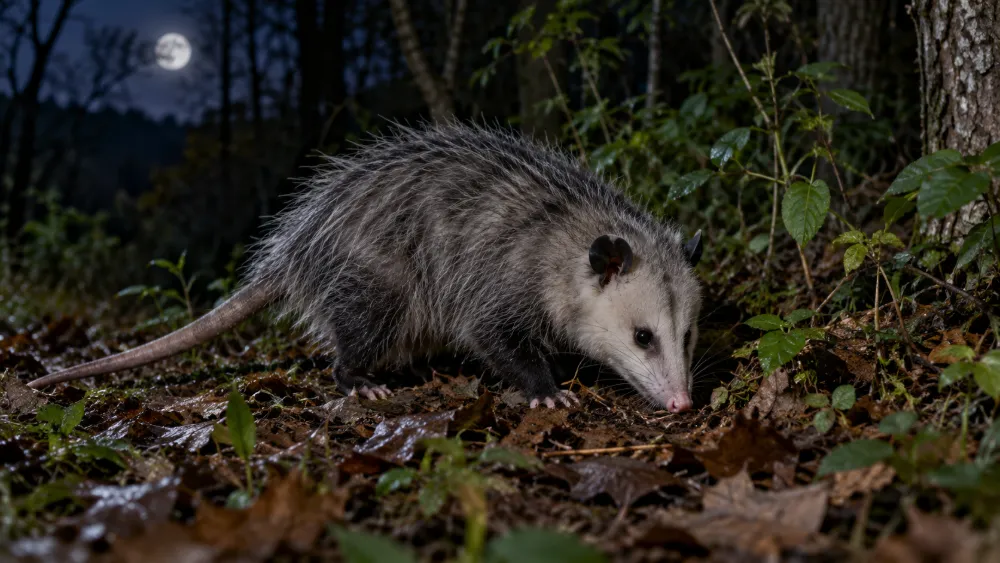
Opossums eat insects, fruit, worms, small animals, eggs and carrion. Learn what wild opossums eat, whether they eat ticks, snakes, chickens and pet food.
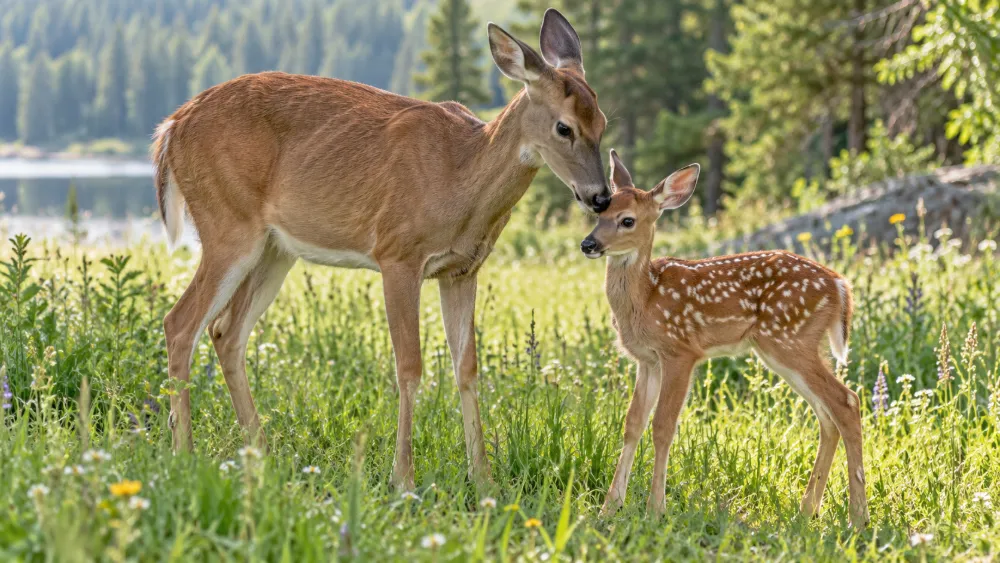
A baby deer is usually called a fawn.The word is commonly used for young deer such as white-tailed deer, mule deer and roe deer, especially during their first year of life.However, there is one useful complication: the d···
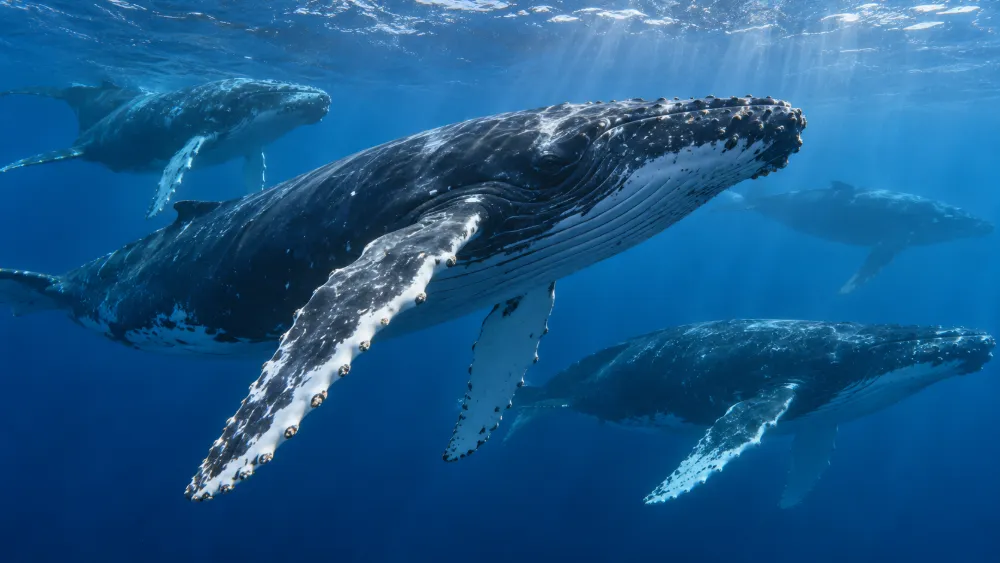
A group of whales is commonly called a pod, but not all whales live in permanent pods. Learn about pods, gams, herds, social groups and whale families.
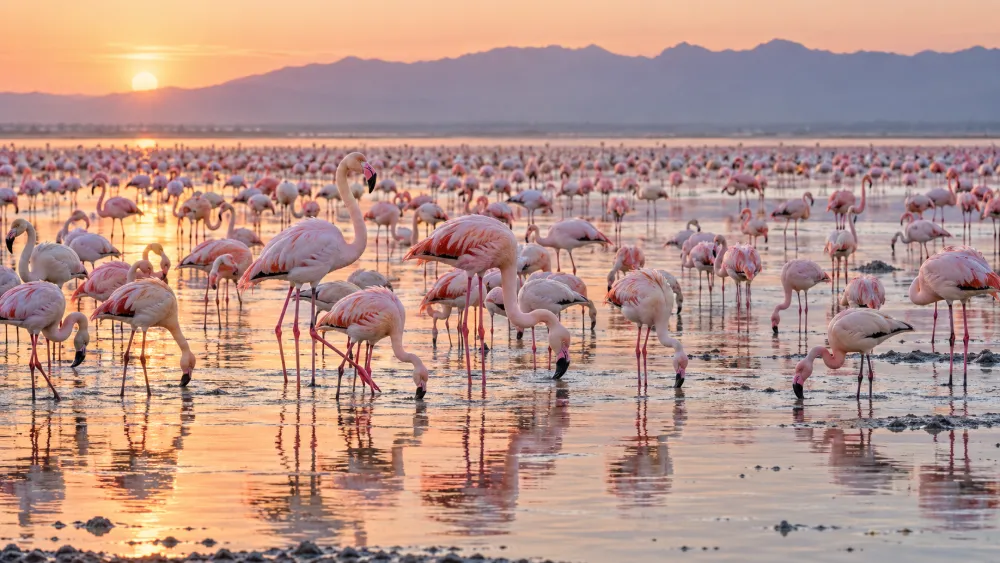
A group of flamingos is called a flamboyance. Learn about flock, colony and stand, why flamingos gather in huge groups, and what baby groups are called.
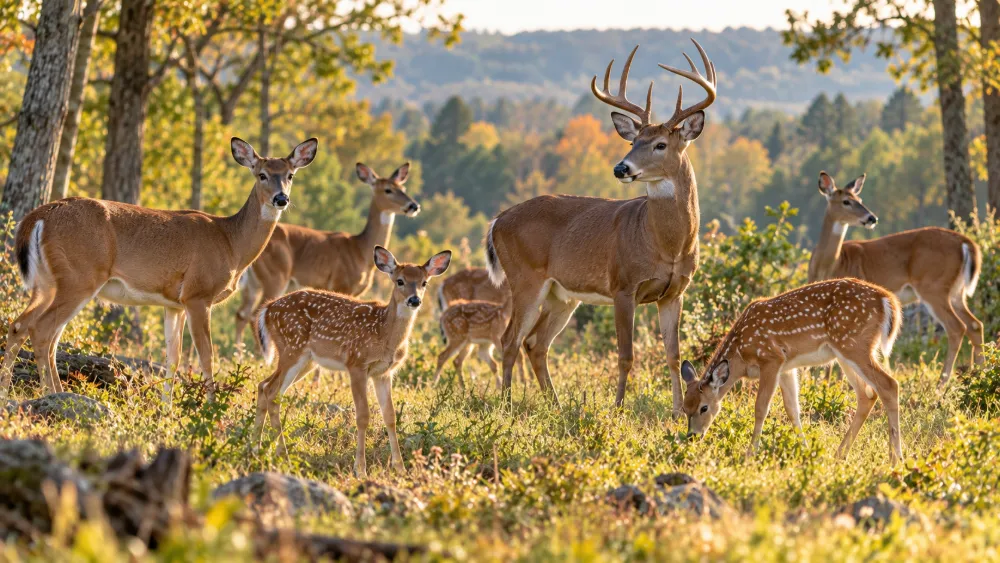
A group of deer is called a herd. Learn about older names such as parcel and bevy, plus how doe groups, bachelor groups and deer herds change by season.
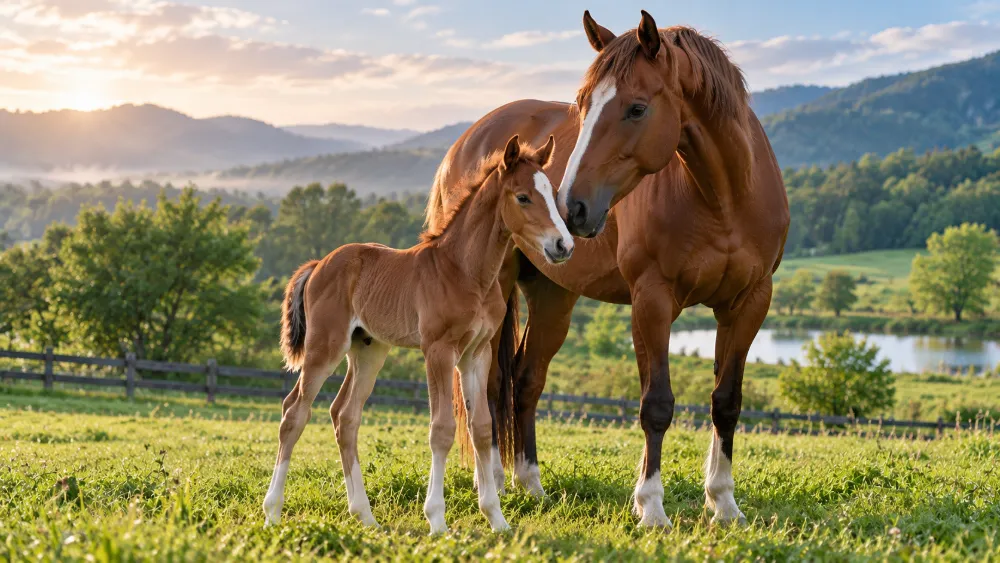
A baby horse is called a foal. Learn the difference between a foal, colt, filly, yearling and weanling, plus the names for adult male and female horses.
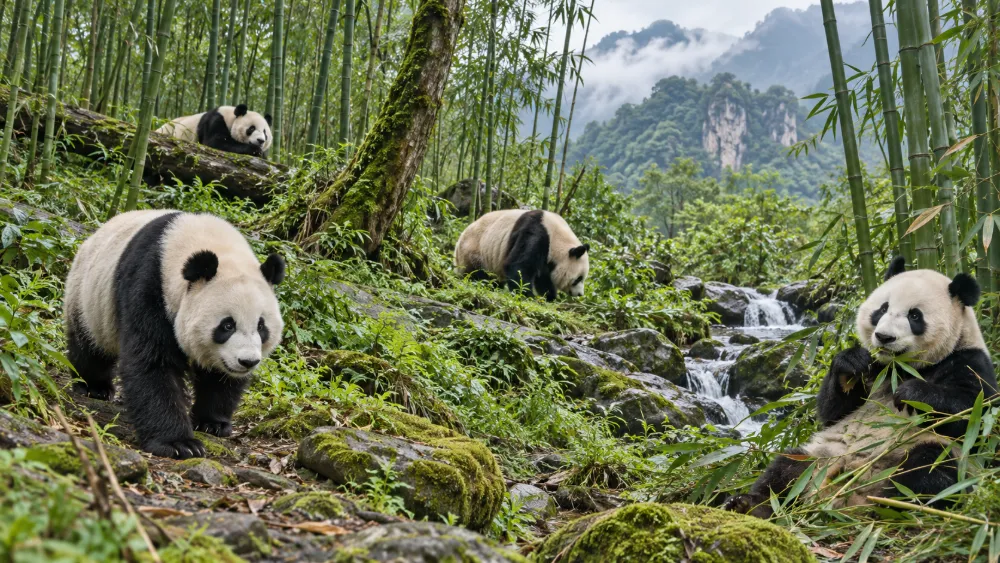
A group of pandas is commonly called an embarrassment. Learn why the name is unusual, whether pandas actually live in groups, and what baby pandas are called.
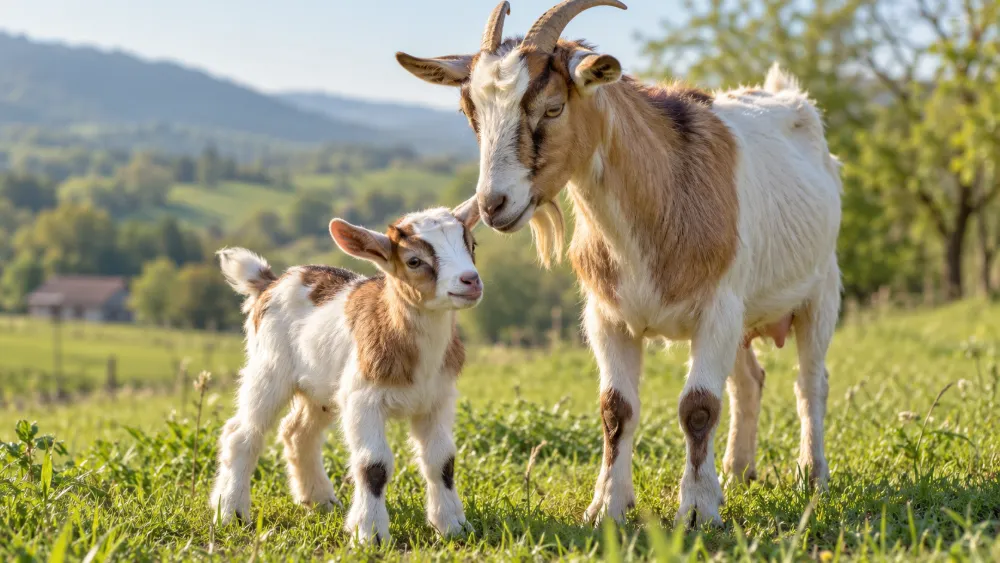
A baby goat is called a kid. Learn what male and female baby goats are called, what kidding means, and how a kid differs from a lamb.
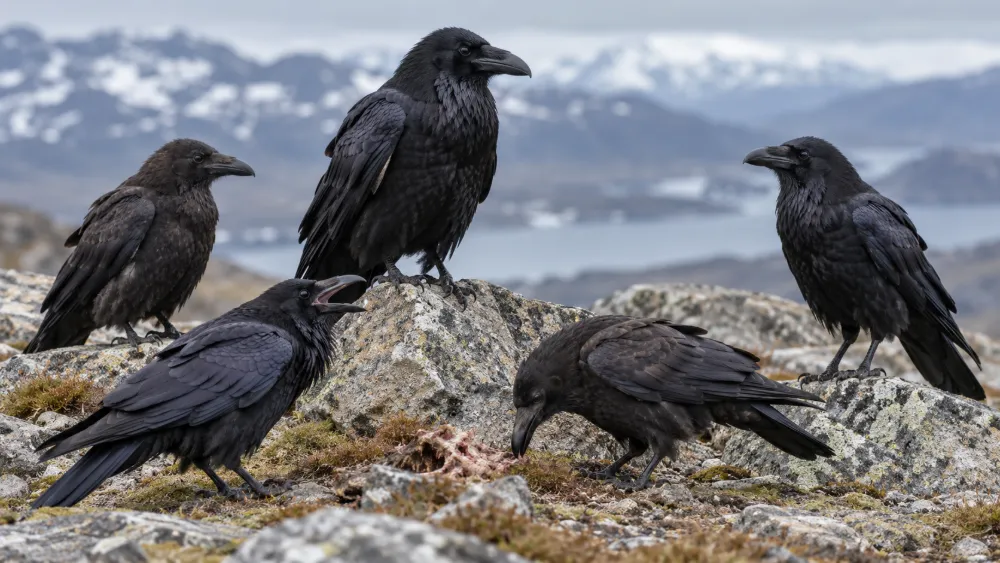
A group of ravens can be called an unkindness, conspiracy or flock. Learn which term is traditional, which is used by bird experts, and why ravens gather.
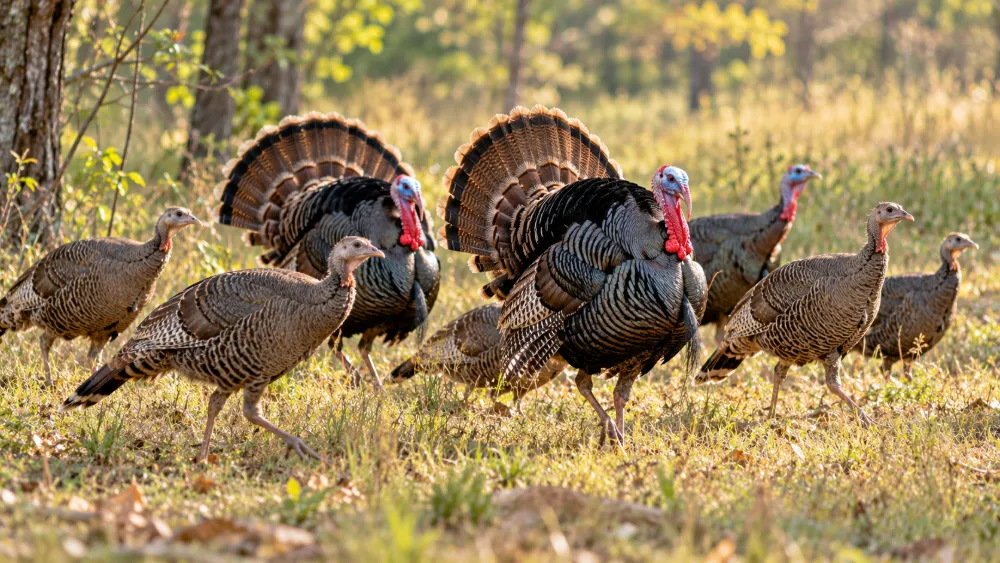
A group of turkeys can be called a rafter or a flock. Learn which term is traditional, which is used in real wildlife writing, and how turkey groups change by season.
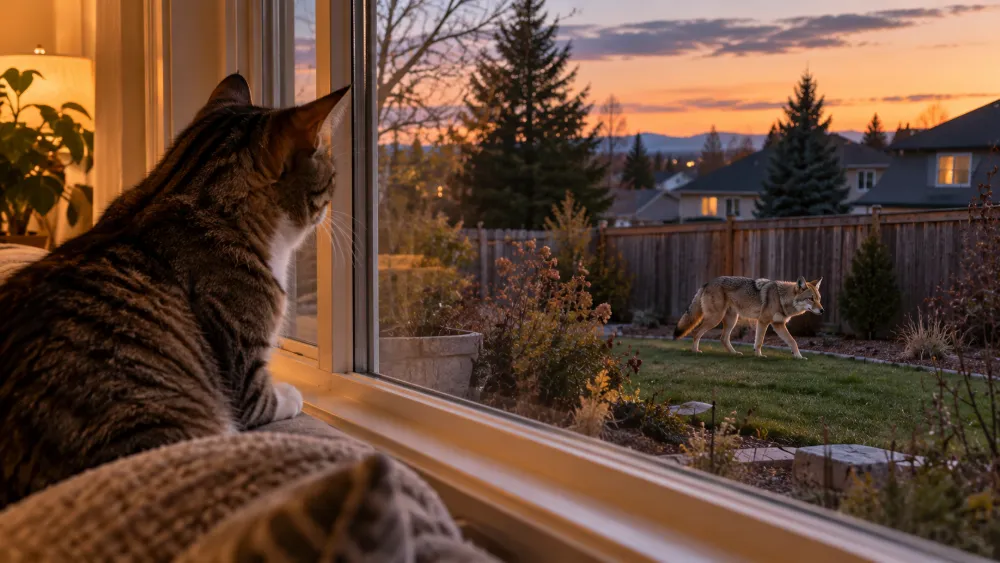
Coyotes, bobcats, owls and other predators can sometimes prey on outdoor cats. Learn which animals pose real risks and how to keep cats safer.
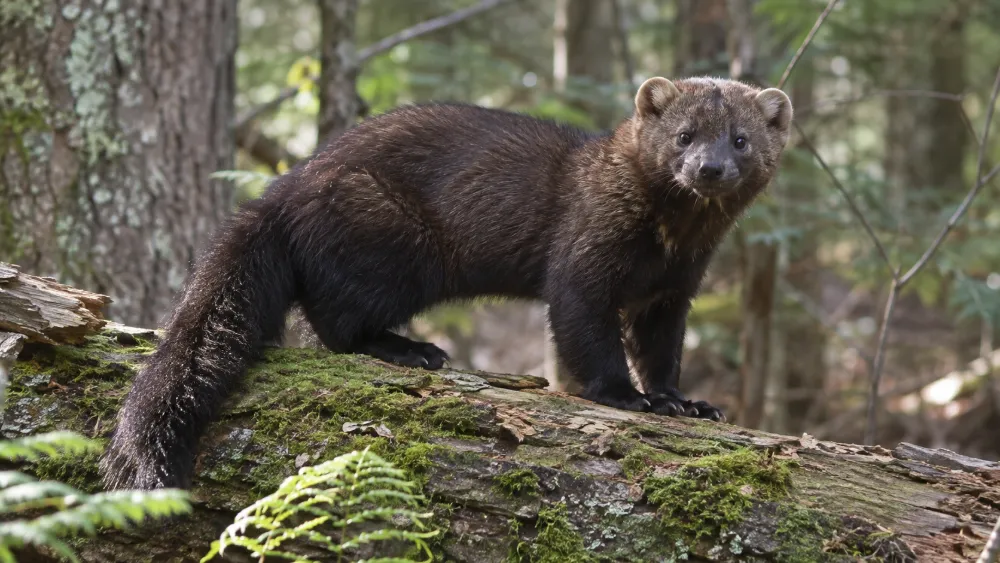
What is a fisher cat? Learn whether a fisher cat is really a cat, where fishers live, what they eat, how big they get, and why this North American predator is so often misunderstood.