Behavior
How Do Bats Navigate in the Dark?
How do bats navigate in darkness? Discover how echolocation works, why bats use ultrasonic calls, how they catch insects, and whether bats can see.
Explore clear, practical articles about animals and the way they live.
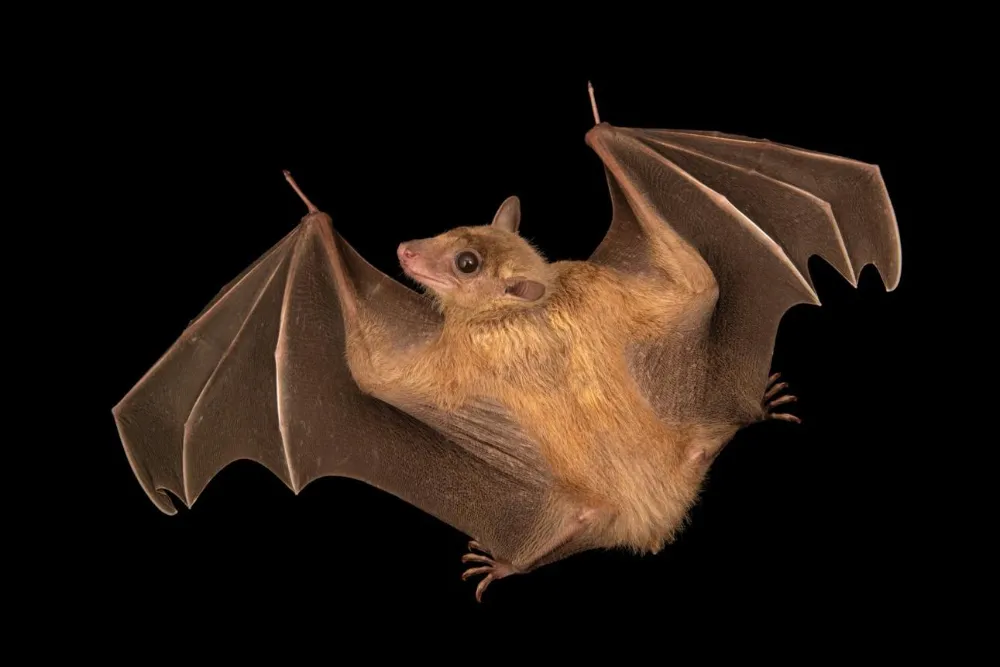
How do bats navigate in darkness? Discover how echolocation works, why bats use ultrasonic calls, how they catch insects, and whether bats can see.
Latest guides
Search the articles currently shown on this page.
How do bats navigate in darkness? Discover how echolocation works, why bats use ultrasonic calls, how they catch insects, and whether bats can see.
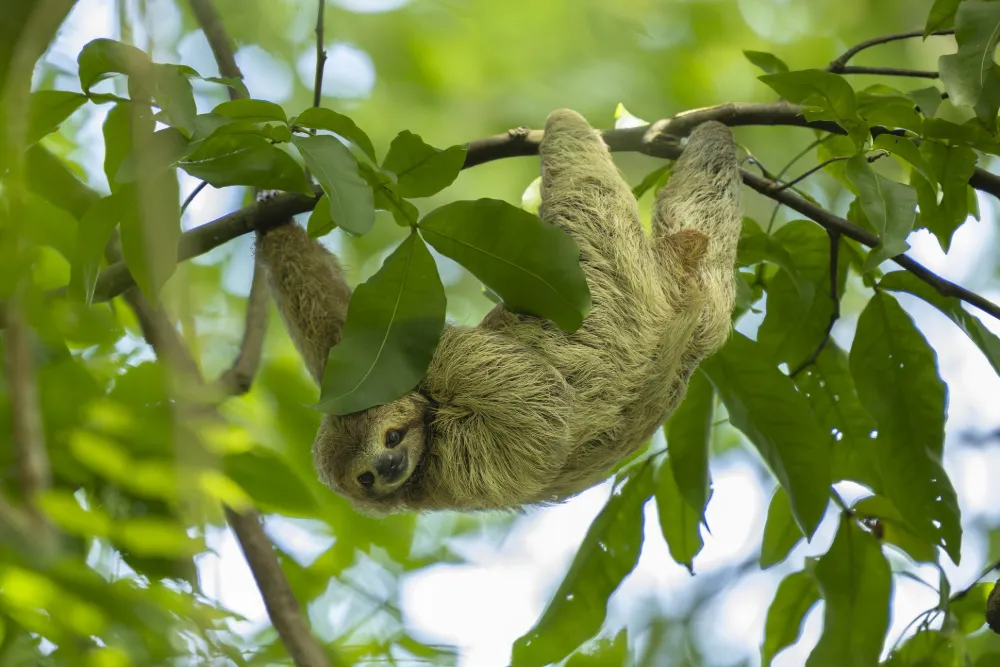
Sloths move so slowly because their bodies are adapted to conserve energy. Their low-energy diets, unusually low metabolic rates, slow digestion, and economical methods of regulating body temperature all favor a lifestyl···
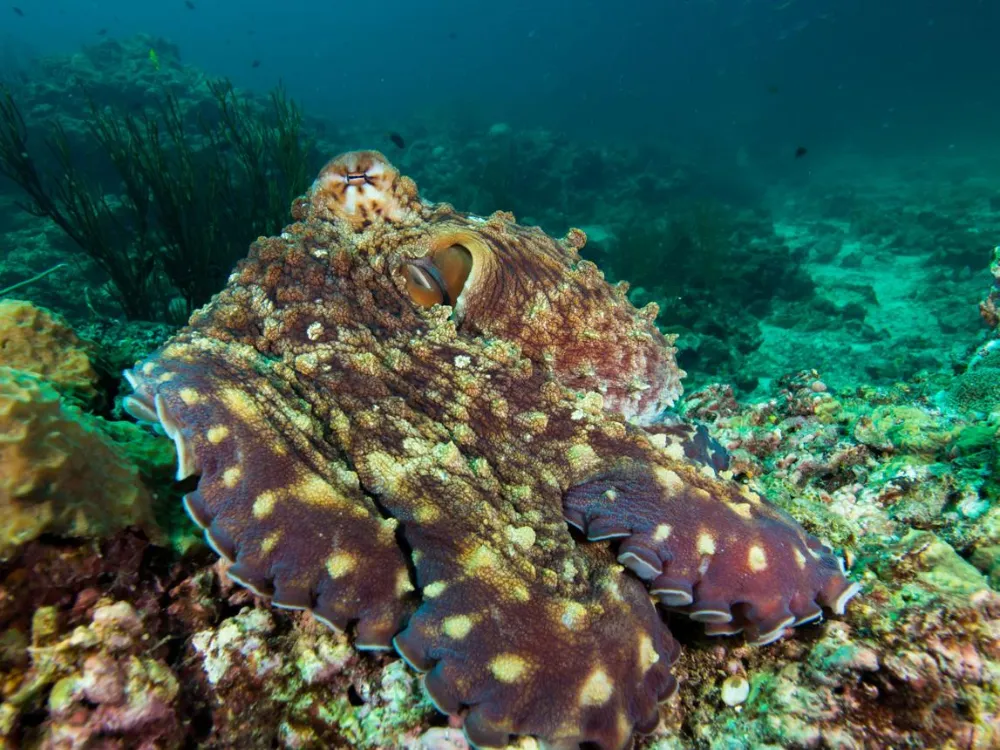
How do octopuses change color? Discover how chromatophores, reflective cells and skin papillae help octopuses camouflage and communicate.
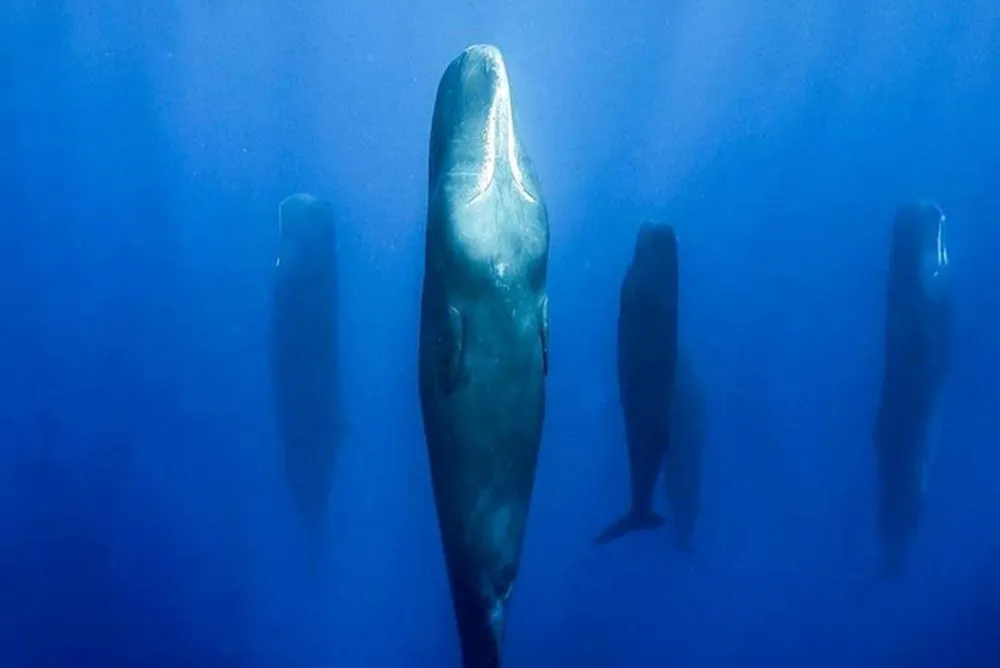
Yes, whales sleep, but they do not sleep exactly like humans. Whales are air-breathing mammals, so they must continue reaching the surface to breathe while resting. Research on dolphins and other cetaceans has revealed a···
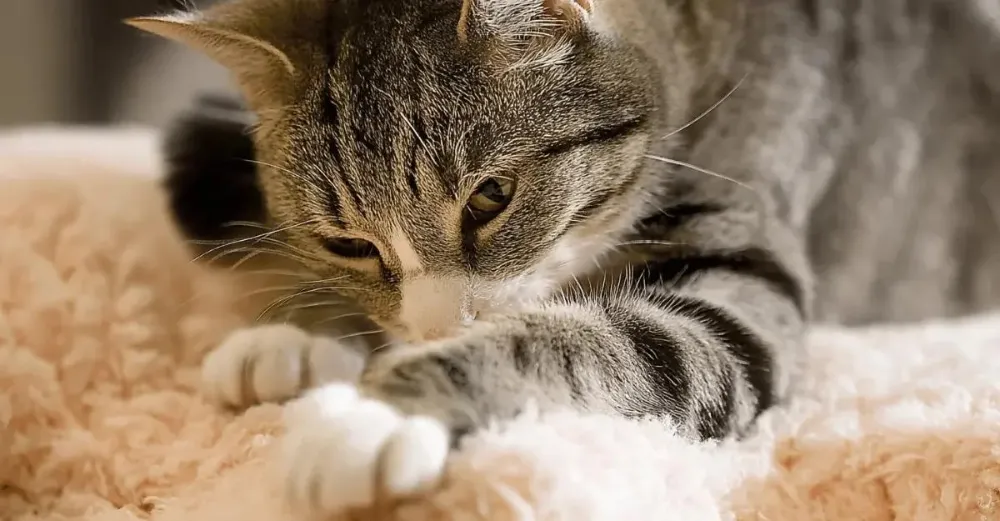
Why do cats knead blankets and people? Learn why cats make biscuits, what it means when they purr, and when kneading might signal stress.
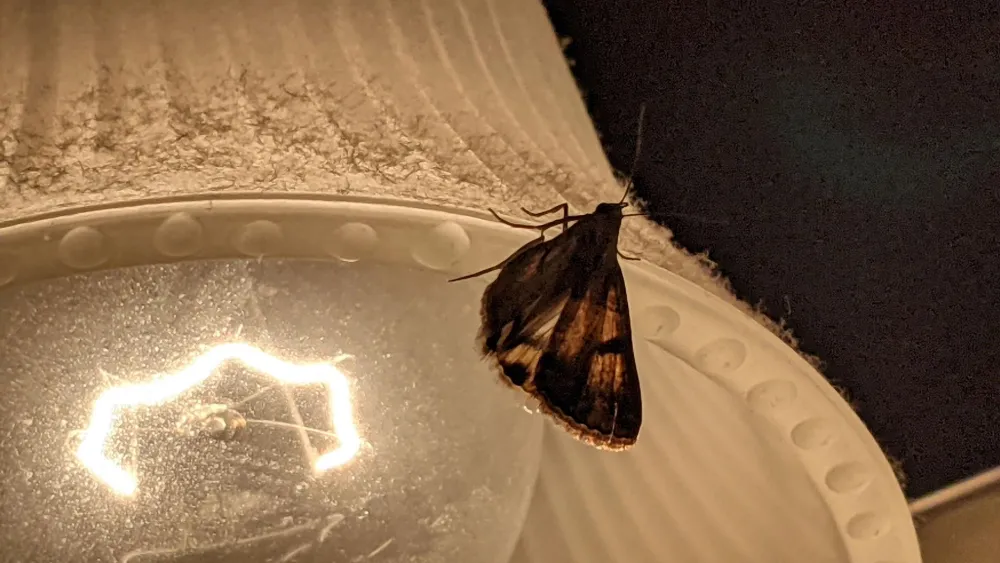
Why do moths fly toward lights? Explore the 2026 discovery about insect flight, why moths circle lamps, and how artificial light affects their survival.
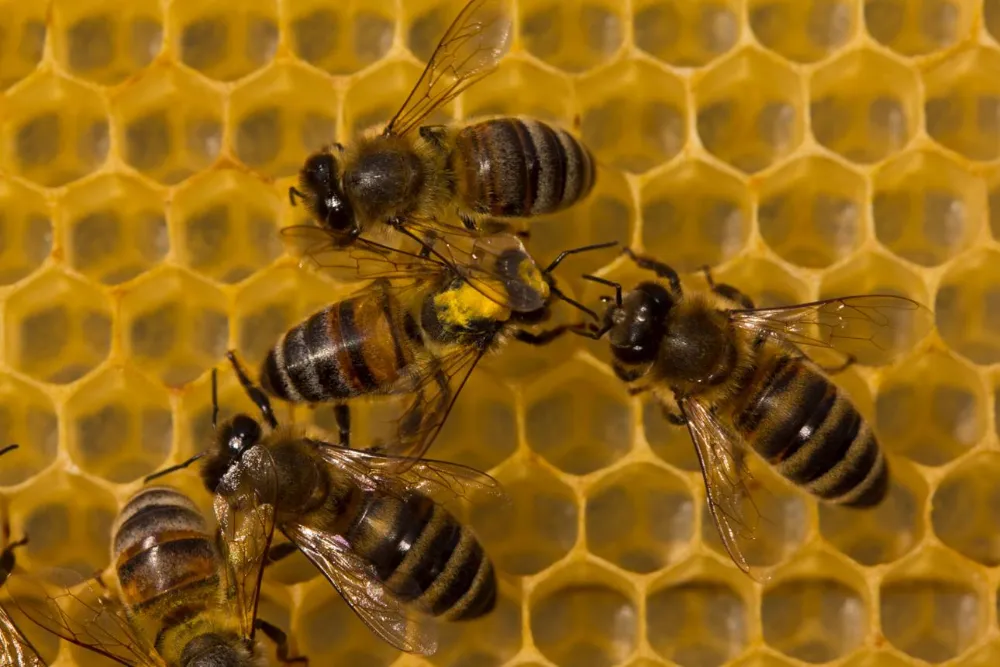
Why do bees dance? Discover how honeybees use the waggle dance to communicate food direction and distance, and what young bees must learn.
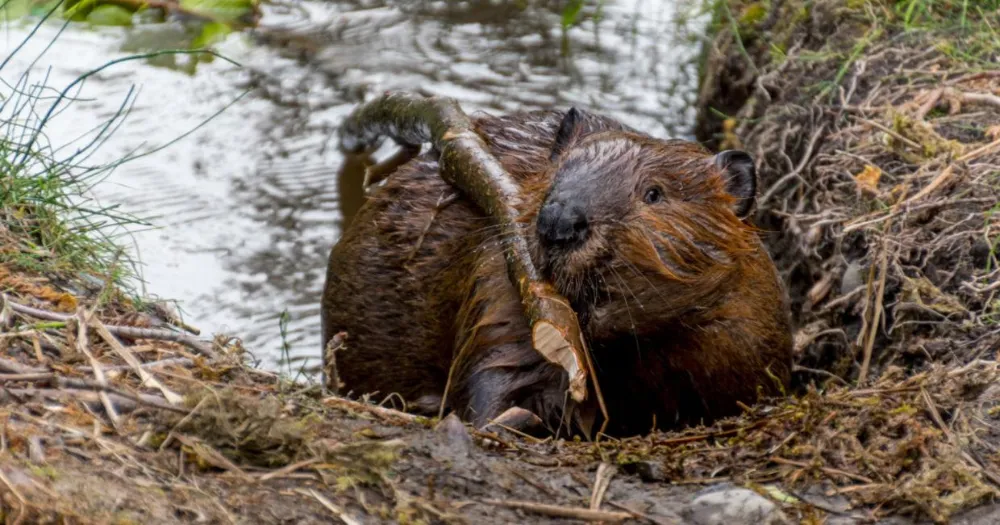
Why do beavers build dams? Learn how dams provide protection, create deep ponds, support beaver lodges, and transform streams into wetlands.
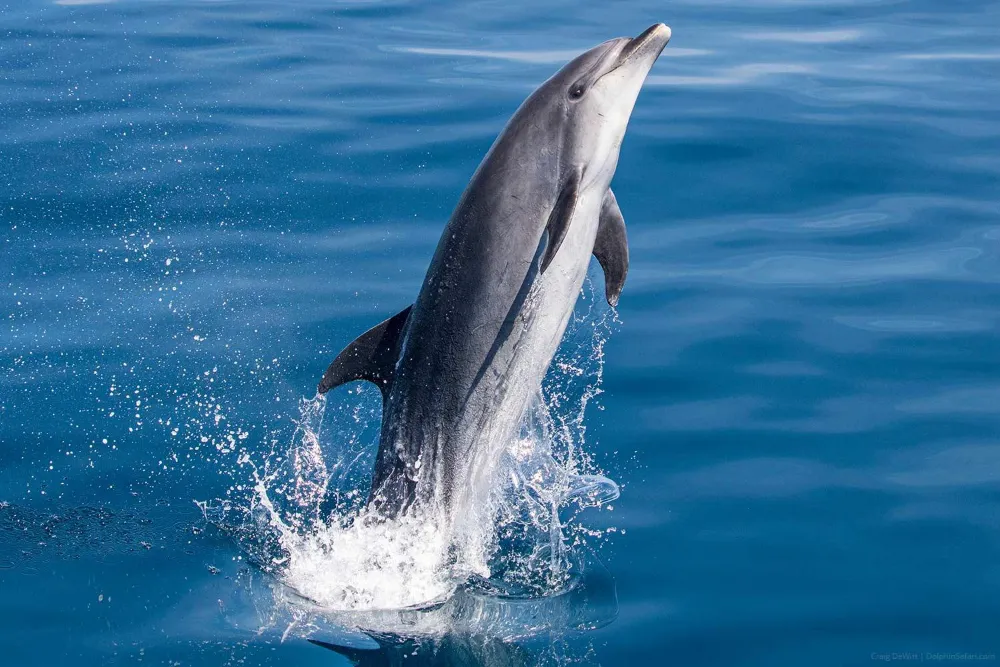
Why do dolphins jump out of the water? Explore how leaping helps with movement, communication, play, and why spinner dolphins spin in the air.
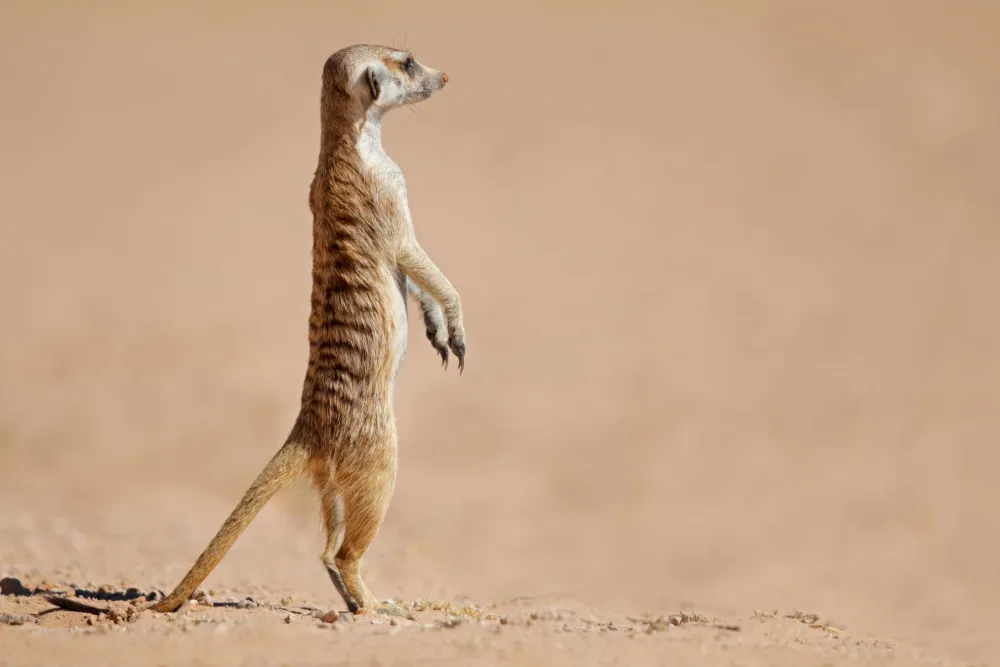
Why do meerkats stand on their hind legs? Discover how sentinels watch for predators, use warning calls, and protect their groups while others forage.
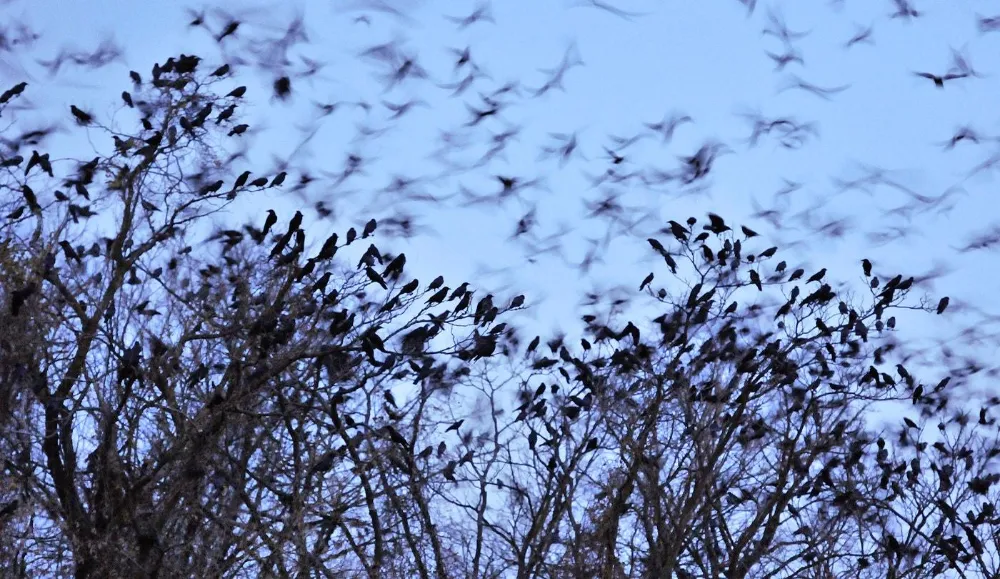
Why do crows gather in huge groups at dusk? Discover communal roosting, predator protection, food information, and why winter crow flocks grow so large.
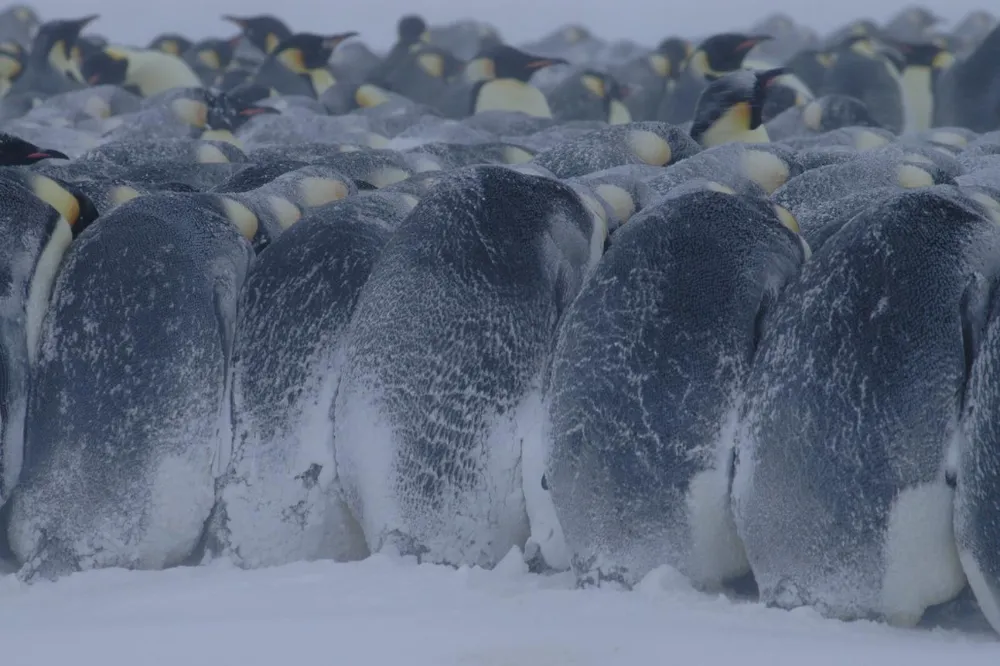
Why do penguins huddle together? Discover how emperor penguins save heat, move in coordinated waves, and survive Antarctica's winter.
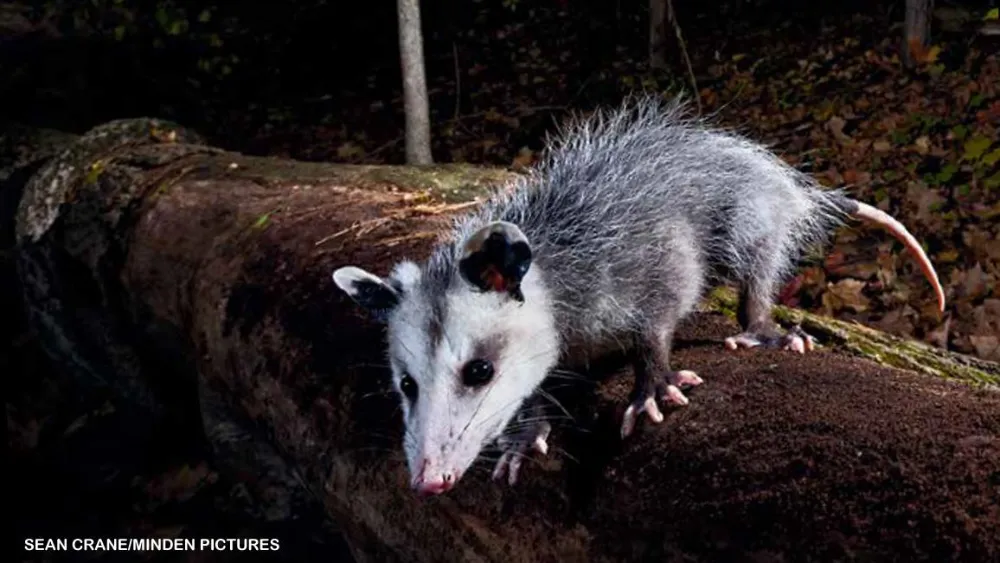
Why do opossums play dead? Learn whether it's voluntary, how long it lasts, why they smell bad, and how this unusual defense works.
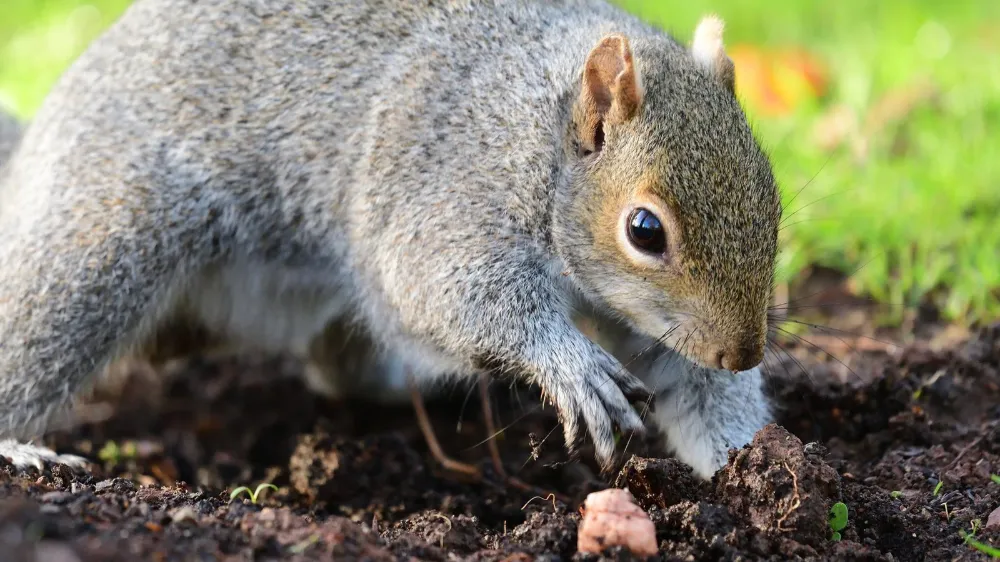
Why do squirrels bury nuts? Learn how they store food for winter, remember hidden caches, trick other squirrels, and help new trees grow.
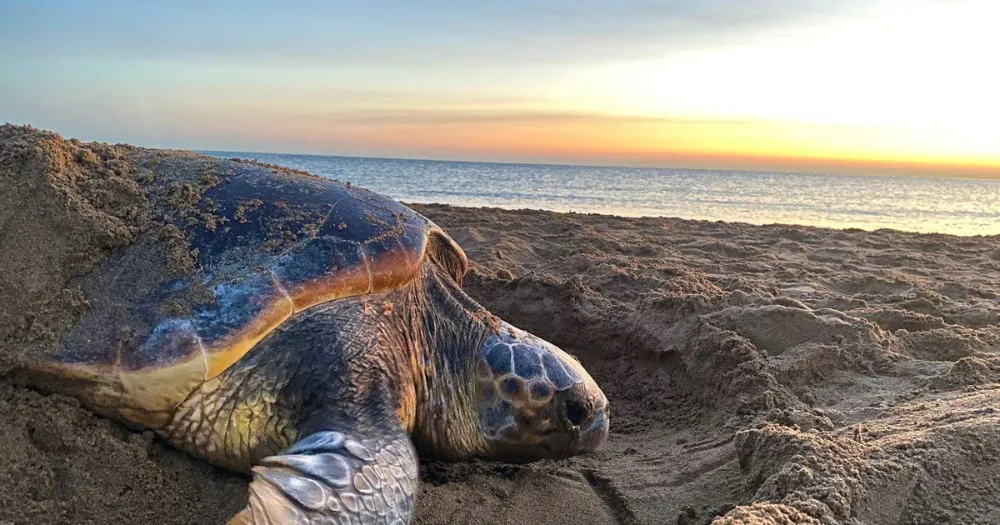
Why do sea turtles return to their birth beaches? Discover how Earth's magnetic field helps guide them home to nest after decades at sea.
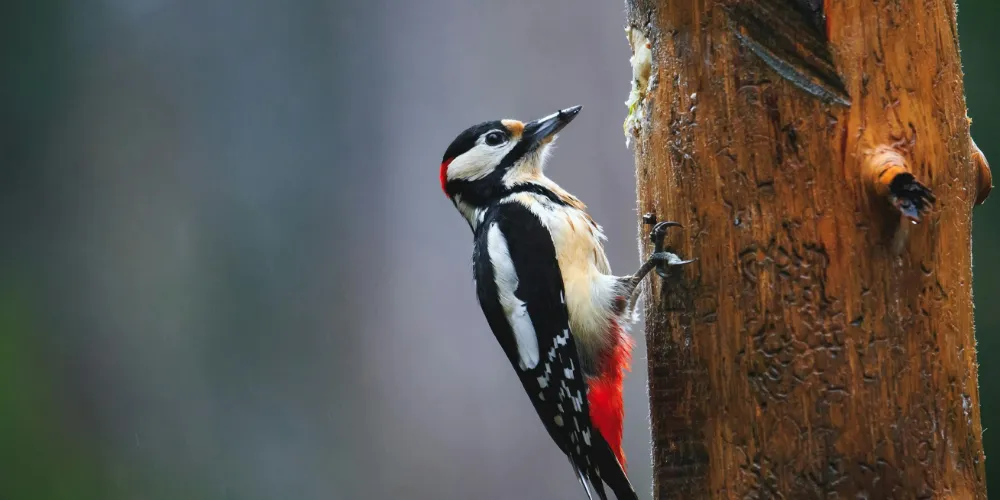
Why do woodpeckers peck trees? Discover how they find insects, build nests, communicate by drumming, and withstand repeated impacts.
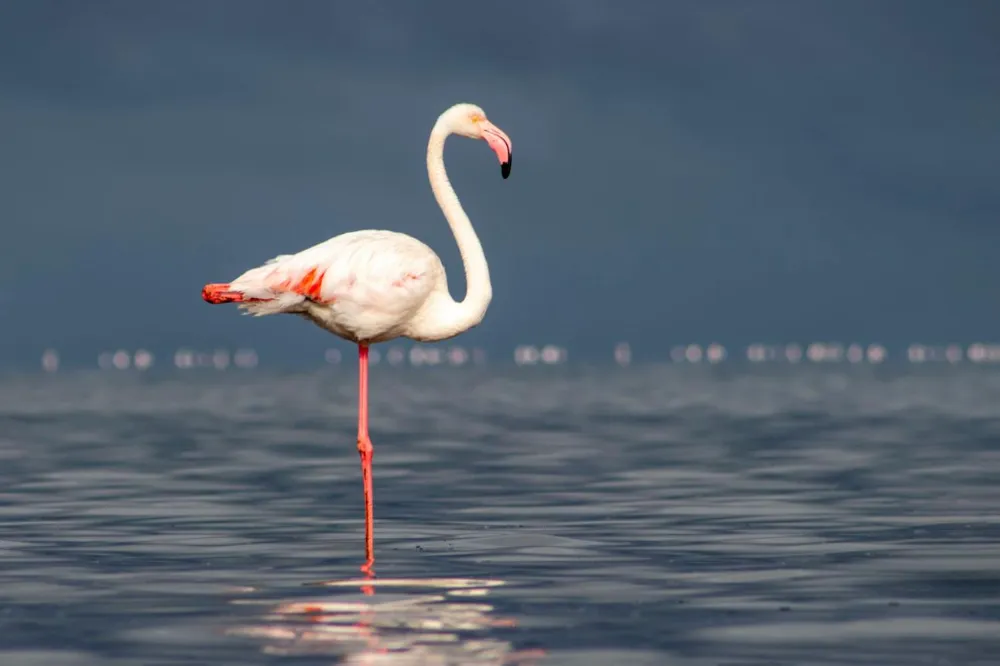
Why do flamingos stand on one leg? Discover how the posture saves heat, reduces muscle effort, and lets flamingos balance while sleeping.
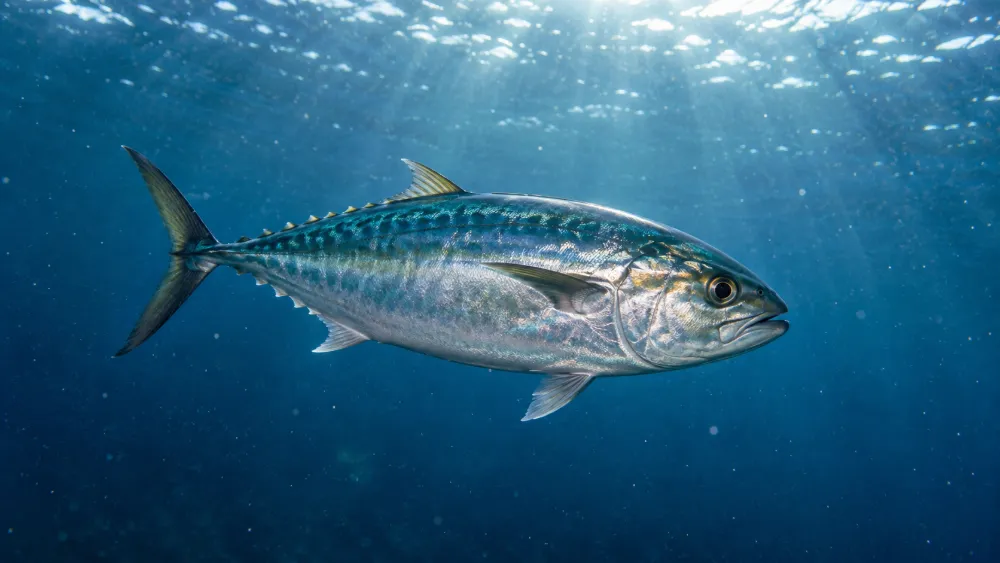
Do fish get thirsty underwater? Learn why saltwater fish drink seawater, why freshwater fish usually don't, and how fish control water and salt balance.
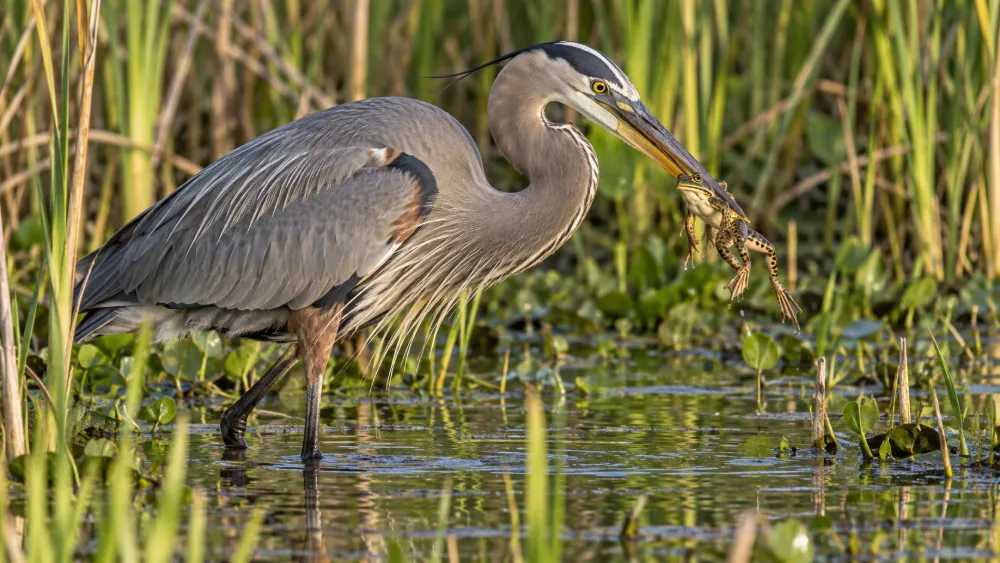
Frogs are eaten by snakes, birds, fish, turtles, mammals, larger frogs and aquatic insects. Learn what eats adult frogs, tadpoles and frog eggs.
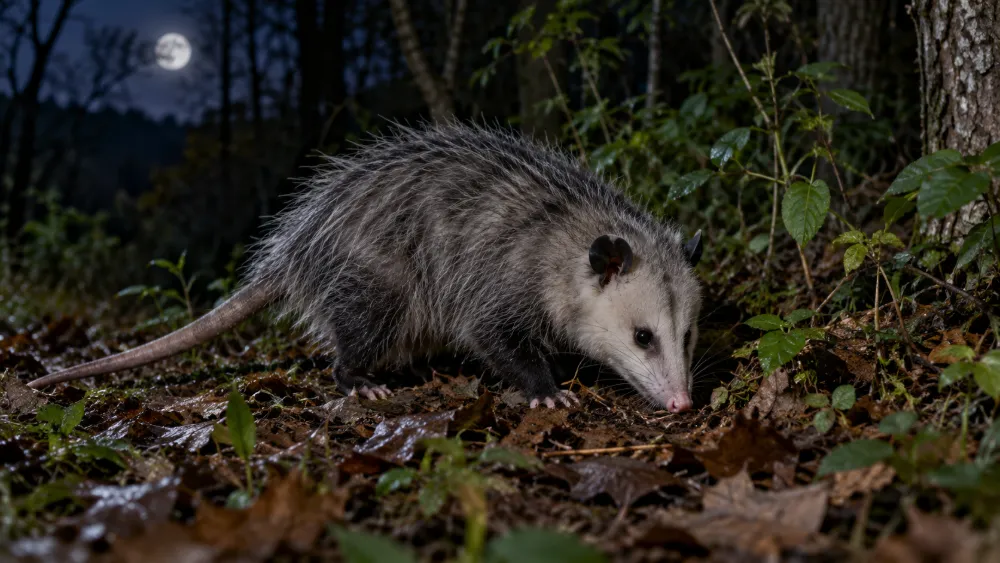
Opossums eat insects, fruit, worms, small animals, eggs and carrion. Learn what wild opossums eat, whether they eat ticks, snakes, chickens and pet food.
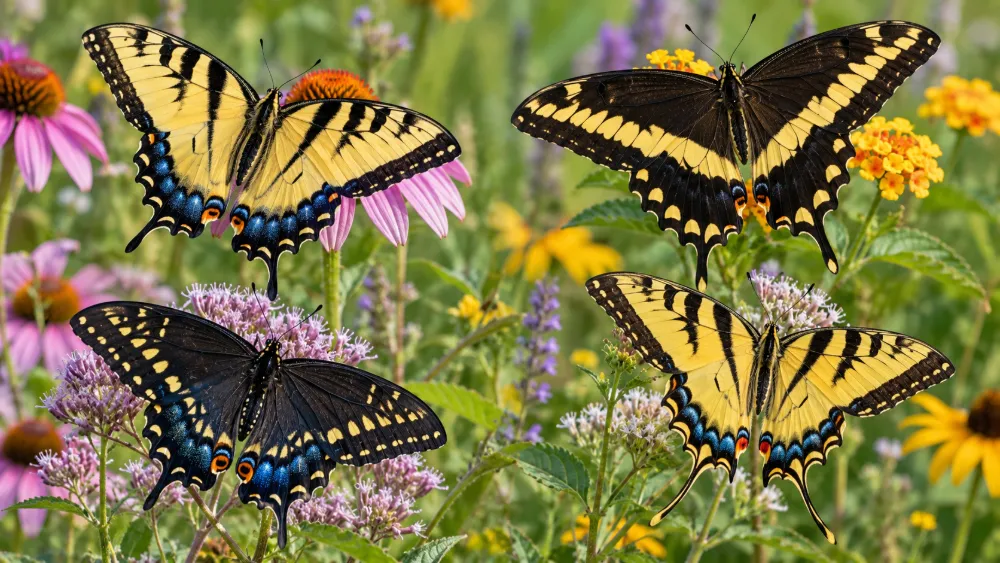
If you have spotted a large yellow and black butterfly, there is a good chance you are looking at a swallowtail—but several North American species can appear surprisingly similar at first glance.The fastest way to ident···
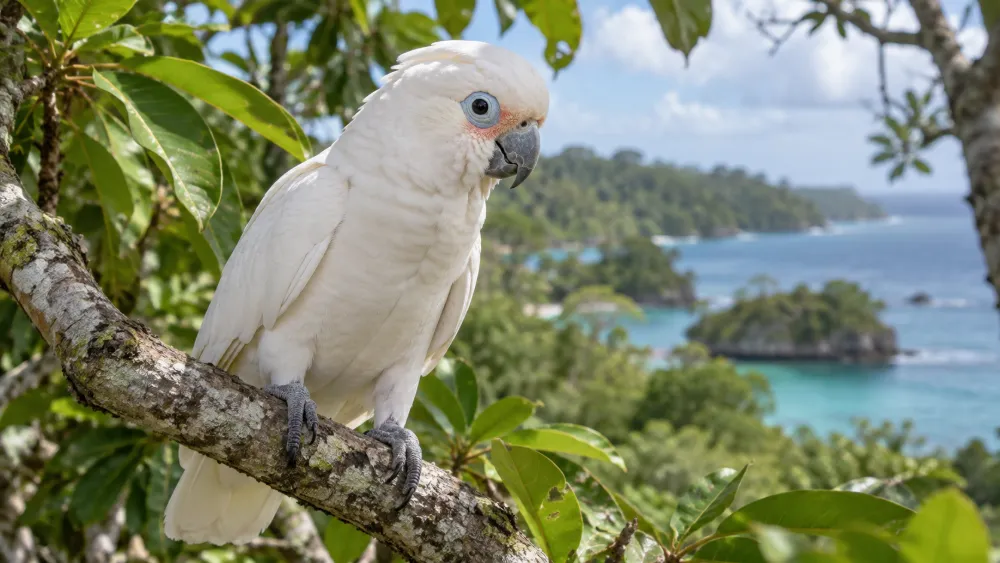
A 2026 study found Goffin’s cockatoos can recognize when their own bodies block a task. Does that mean cockatoos are self-aware? Here’s what the research shows.
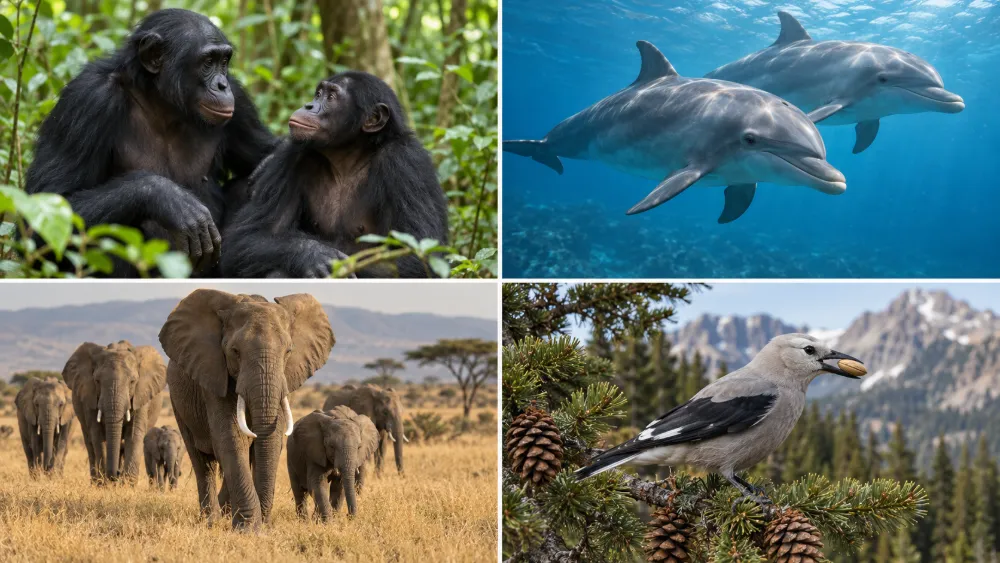
What animal has the best memory? Compare dolphins, elephants, bonobos, crows and other animals by long-term, social, spatial and episodic-like memory.
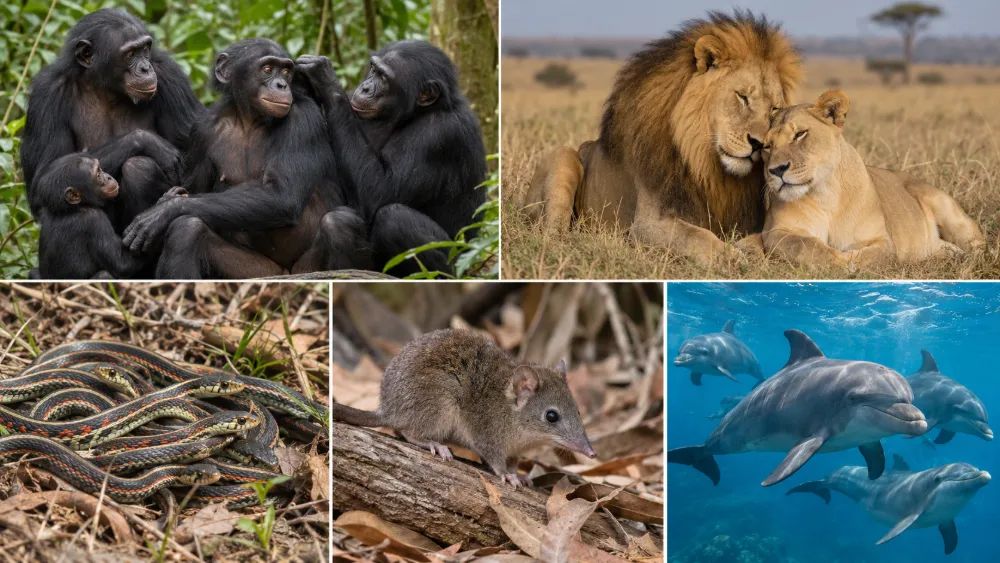
Which animals are the most sexually active? Compare bonobos, lions, cats, dolphins, macaques and more, and learn why animal “sex drive” cannot be ranked by one number.