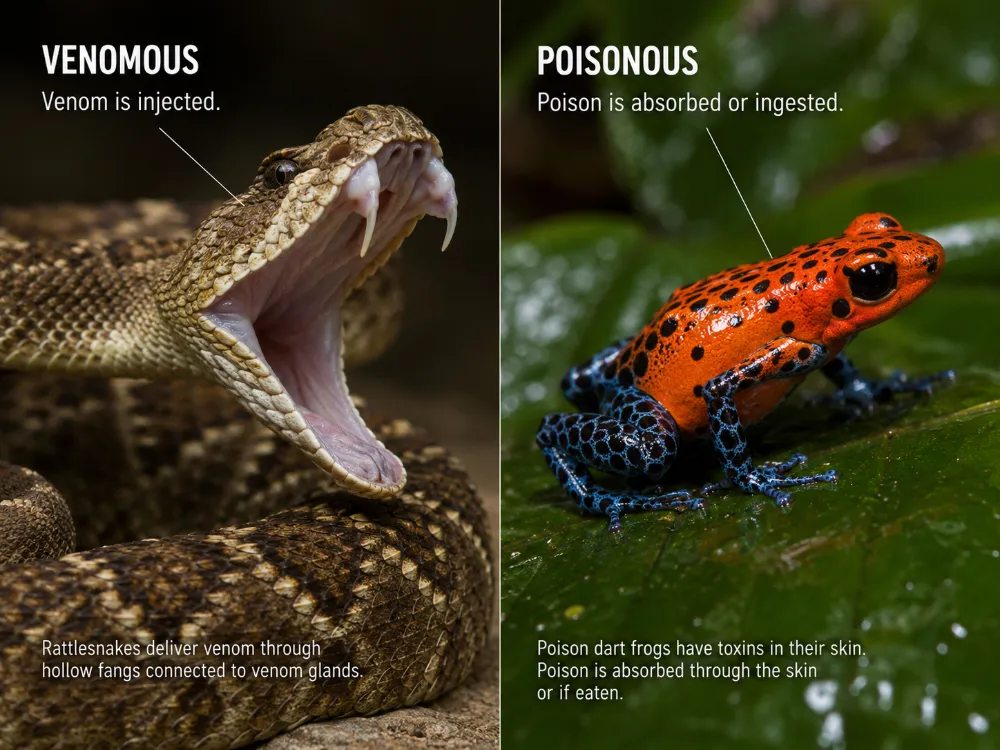
VSVenomous vs Poisonous: What Is the Difference?
Venomous vs poisonous explained by an animal scientist. Learn the difference between venom, poison, toxins, bites, stings, poisonous animals, and venomous animals.
CompareCompare animals side by side and quickly understand the differences in size, appearance, behavior, habitat, diet, speed, lifespan, and other key traits.
VSVenomous vs poisonous explained by an animal scientist. Learn the difference between venom, poison, toxins, bites, stings, poisonous animals, and venomous animals.
Compare
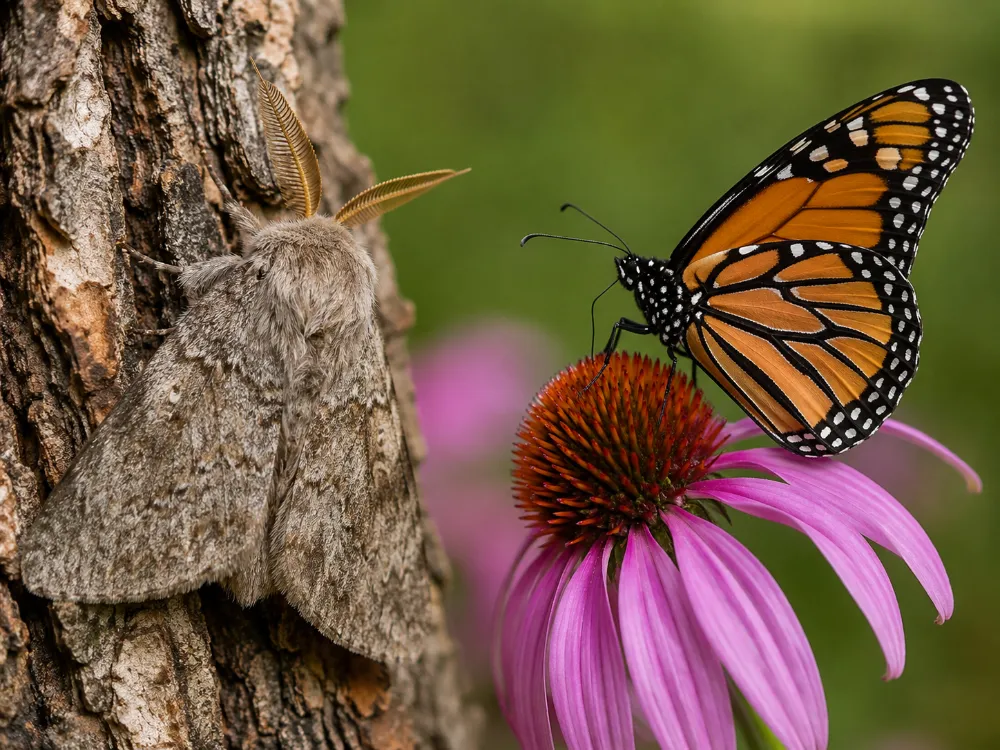
VSMoth vs butterfly explained by an animal scientist. Compare antennae, wings, body shape, activity time, caterpillars, cocoons, chrysalis, diet, and behavior.
Compare
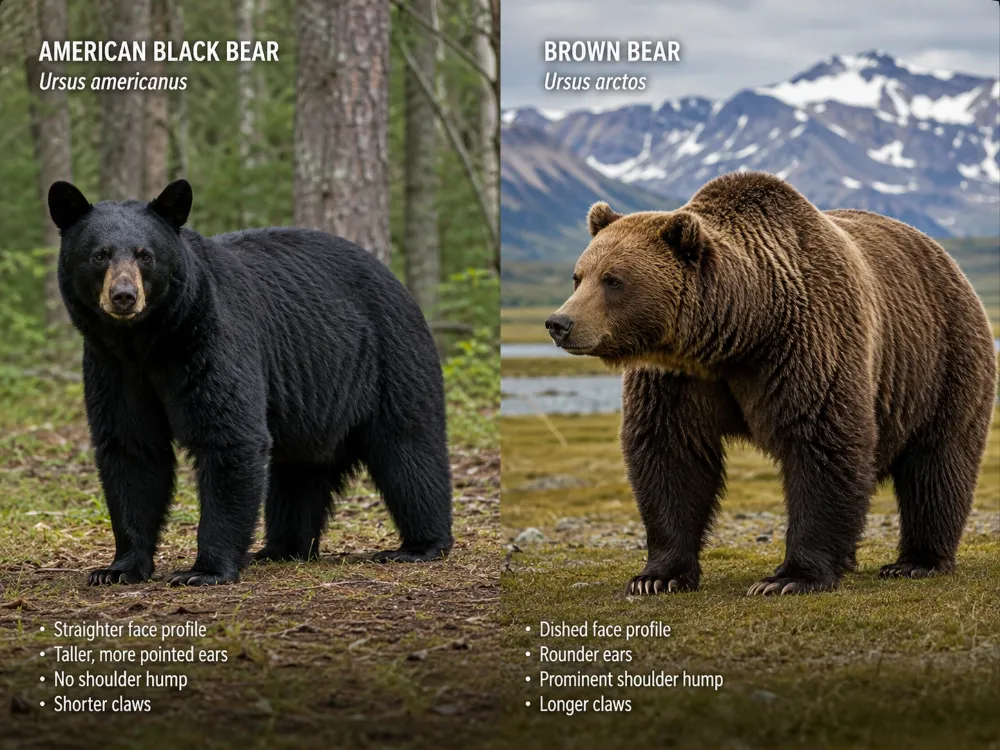
VSBlack bear vs brown bear explained by an animal scientist. Compare size, shoulder hump, face shape, claws, color, habitat, diet, behavior, and safety.
Compare
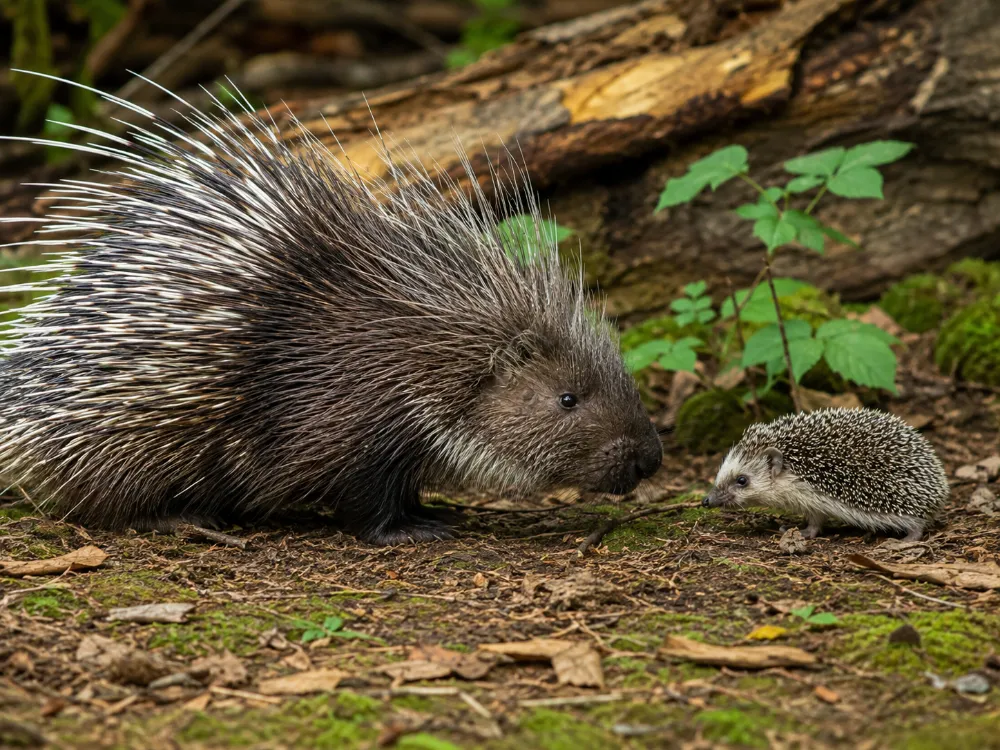
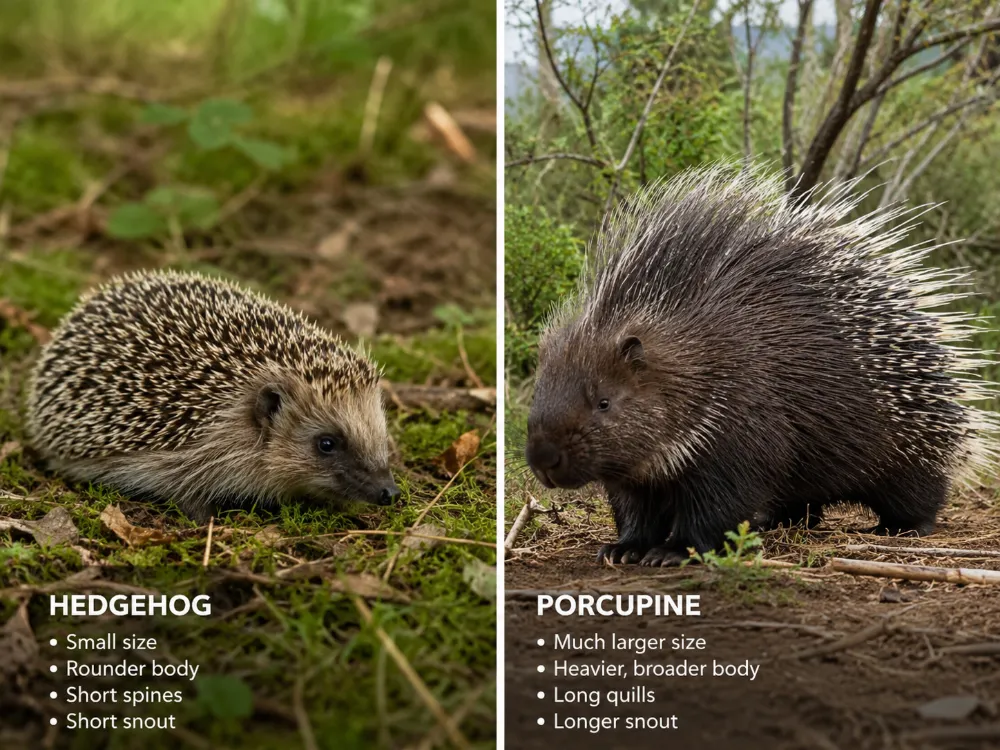
VSPorcupine vs hedgehog explained by an animal scientist. Compare quills, body size, diet, habitat, defense behavior, pets, predators, and key identification traits.
Compare
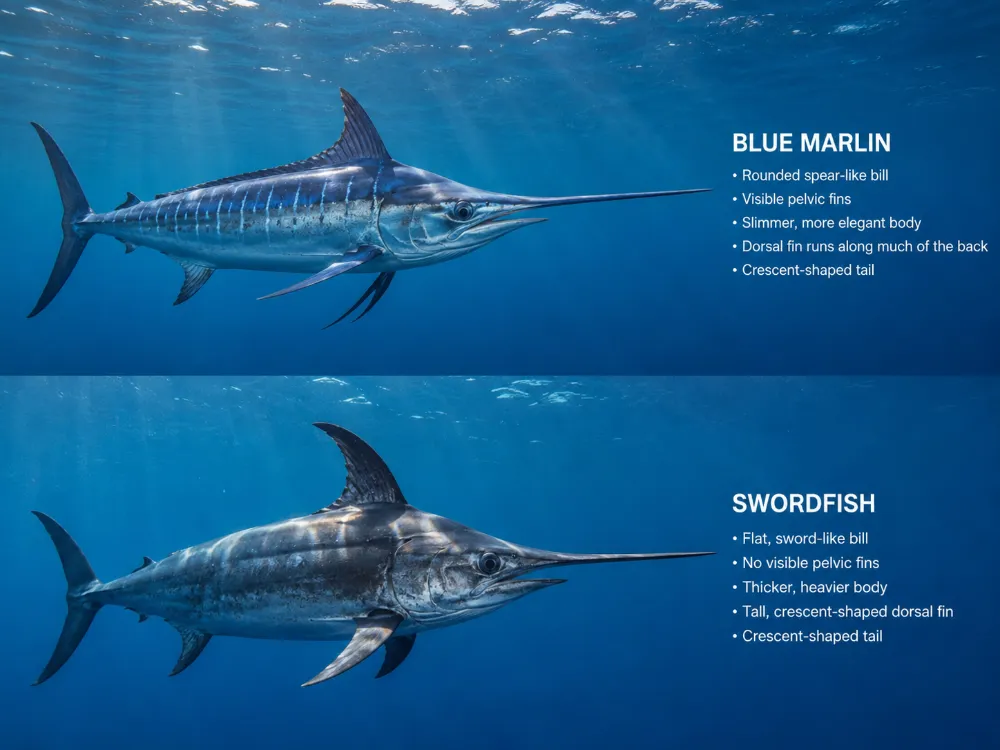
VSMarlin vs swordfish explained by an animal scientist. Compare bill shape, fins, size, speed, habitat, hunting style, diet, and key identification traits.
Compare
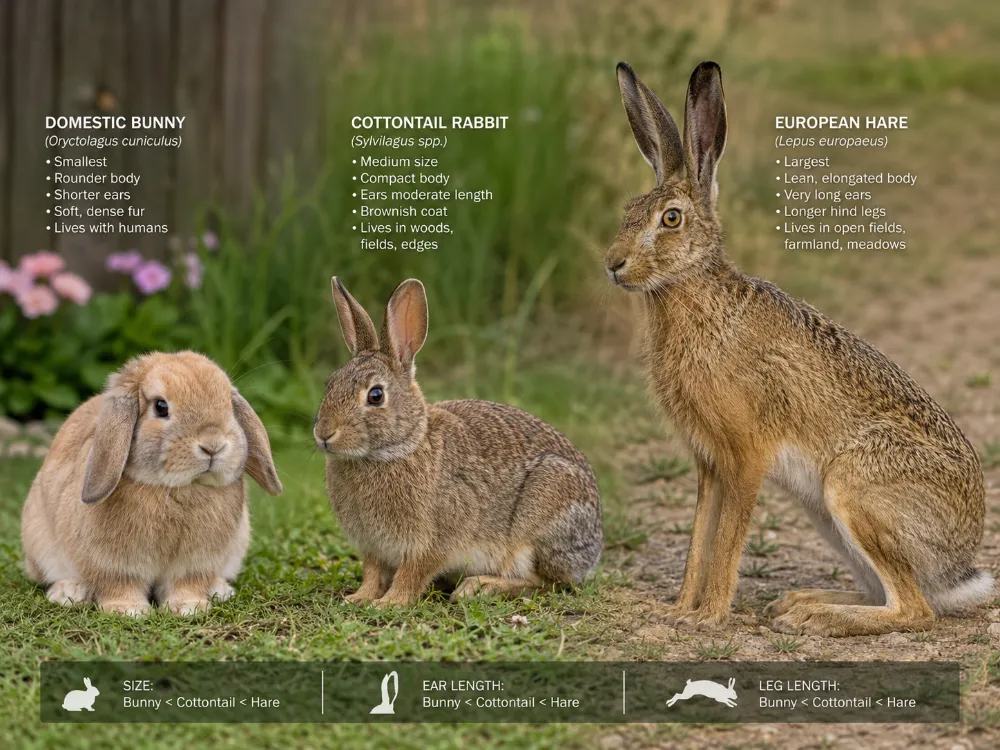
VSBunny vs rabbit vs hare explained by an animal scientist. Learn the differences in meaning, body shape, babies, habitat, behavior, speed, and wild vs pet use.
Compare
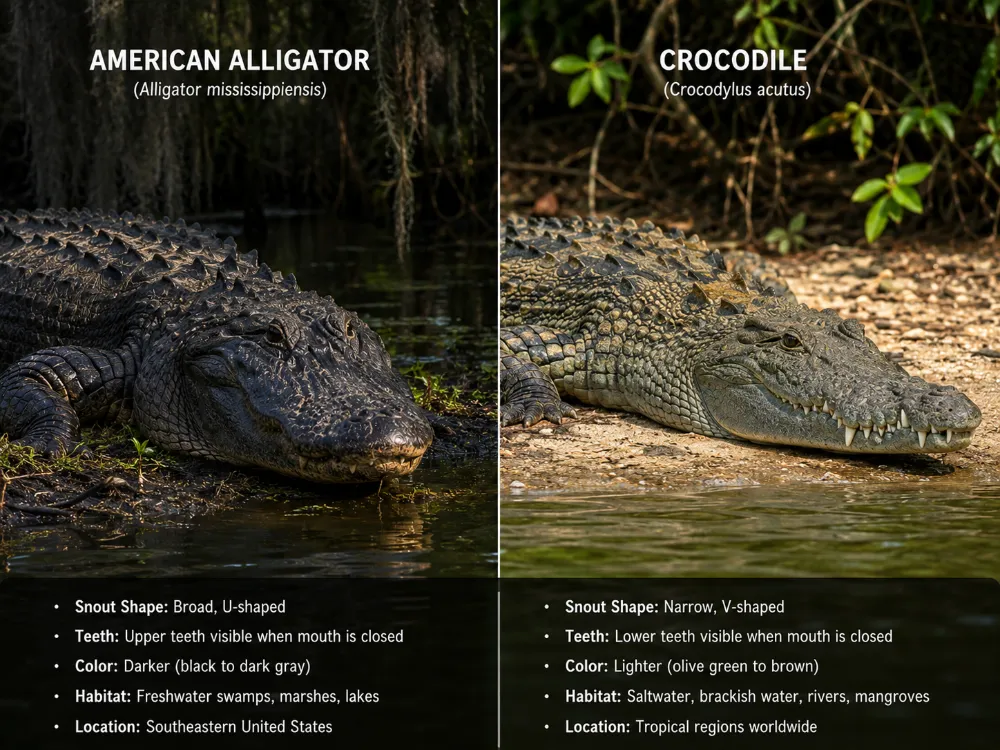
VSAlligators vs crocodiles explained by an animal scientist. Compare snout shape, teeth, size, habitat, color, behavior, range, and danger to humans.
Compare
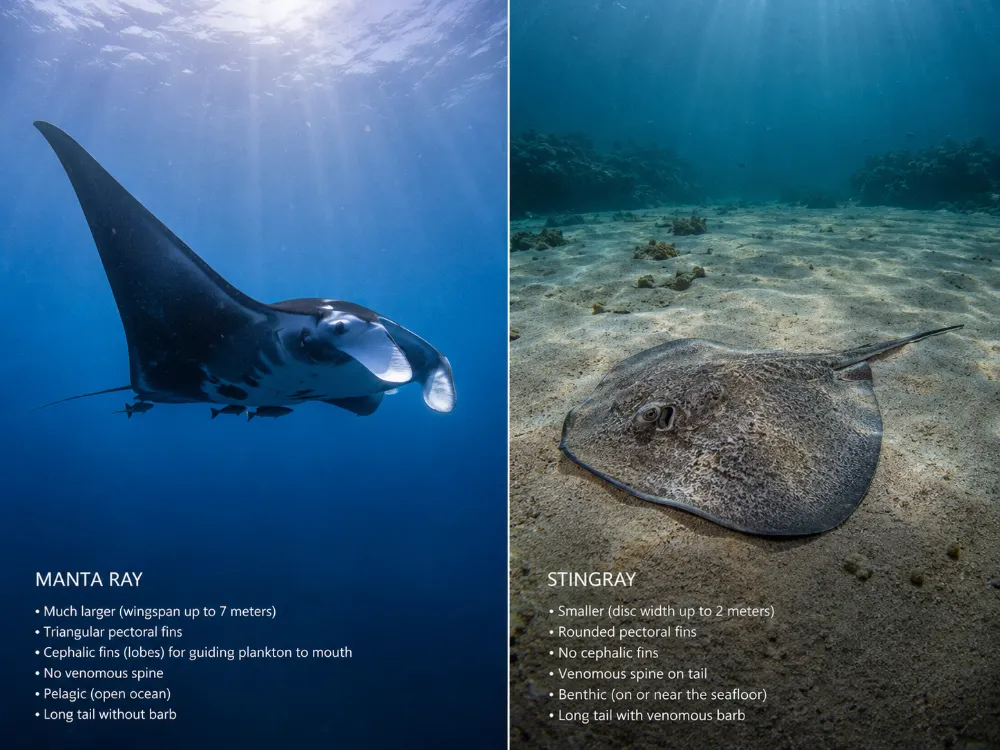
VSManta ray vs stingray explained by an animal scientist. Compare size, tail barbs, diet, habitat, swimming style, danger to humans, and behavior.
Compare
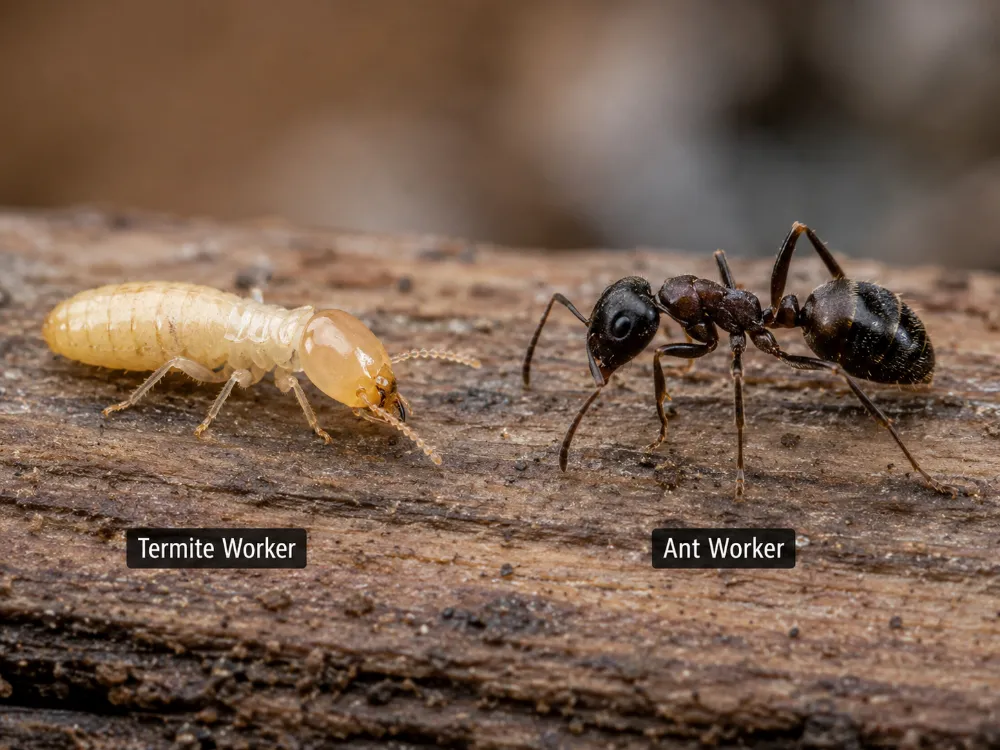
VSTermites vs ants explained by an animal scientist. Learn how to compare body shape, antennae, wings, diet, colonies, behavior, and wood damage.
Compare
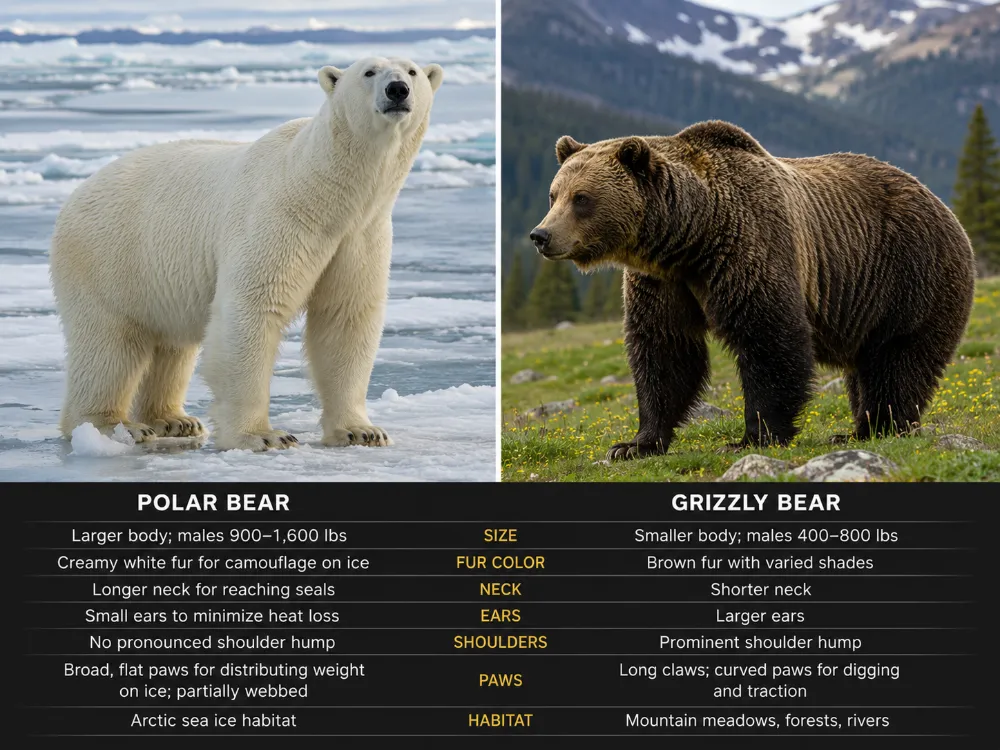
VSPolar bear vs grizzly bear: compare size, strength, habitat, diet, body shape, behavior, and survival adaptations in this detailed bear guide.
Compare
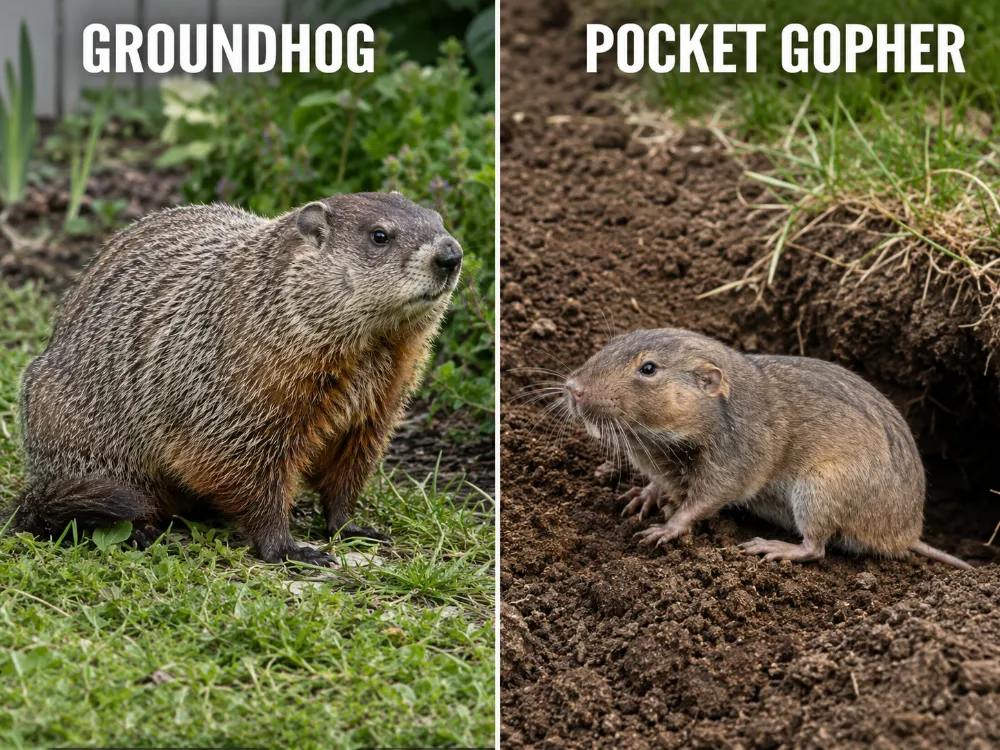
VSThe short answer is that a groundhog and a gopher are not the same animal. A groundhog is a large marmot, also called a woodchuck, while a gopher usually means a pocket gop···
Compare
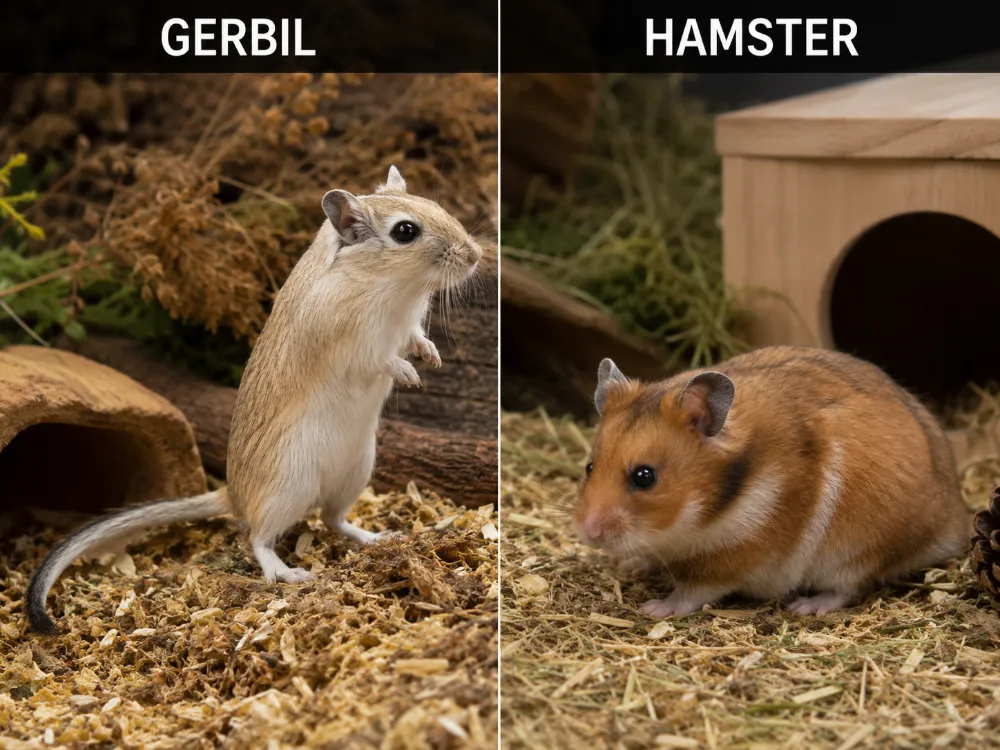
VSThe short answer is that gerbils and hamsters are different rodents with different body shapes, behavior, and lifestyles. Gerbils usually have longer tails, slimmer bodies,···
Compare
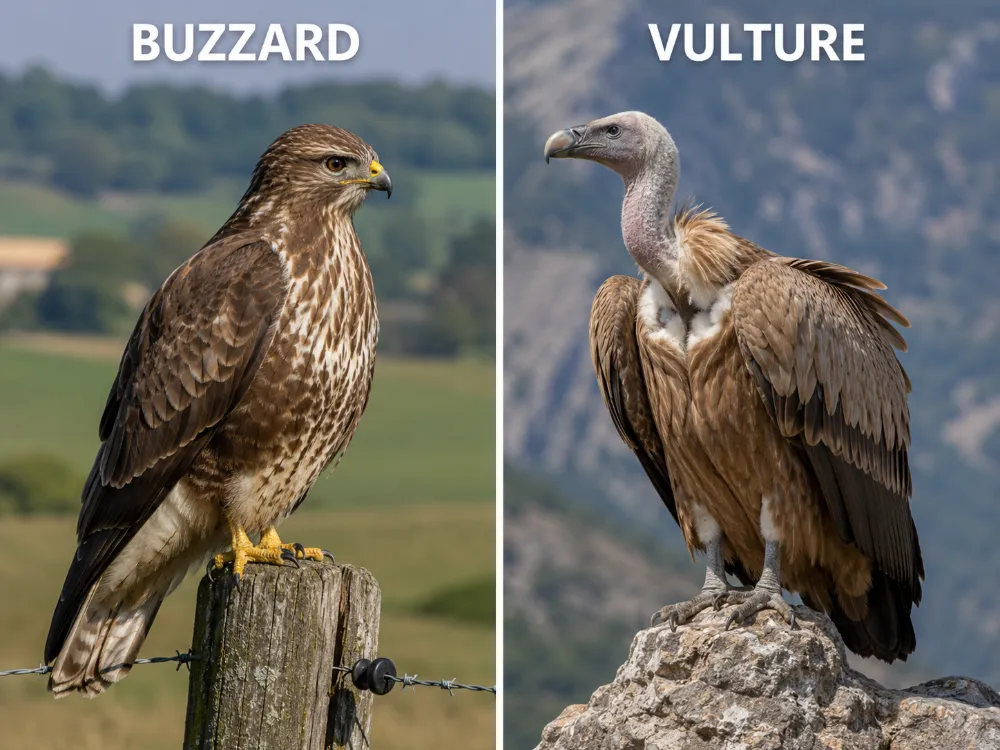
VSThe short answer is that a vulture is a true scavenging bird, but a buzzard is usually a hawk-like bird in Europe and many other regions. In North America, however, people ···
Compare
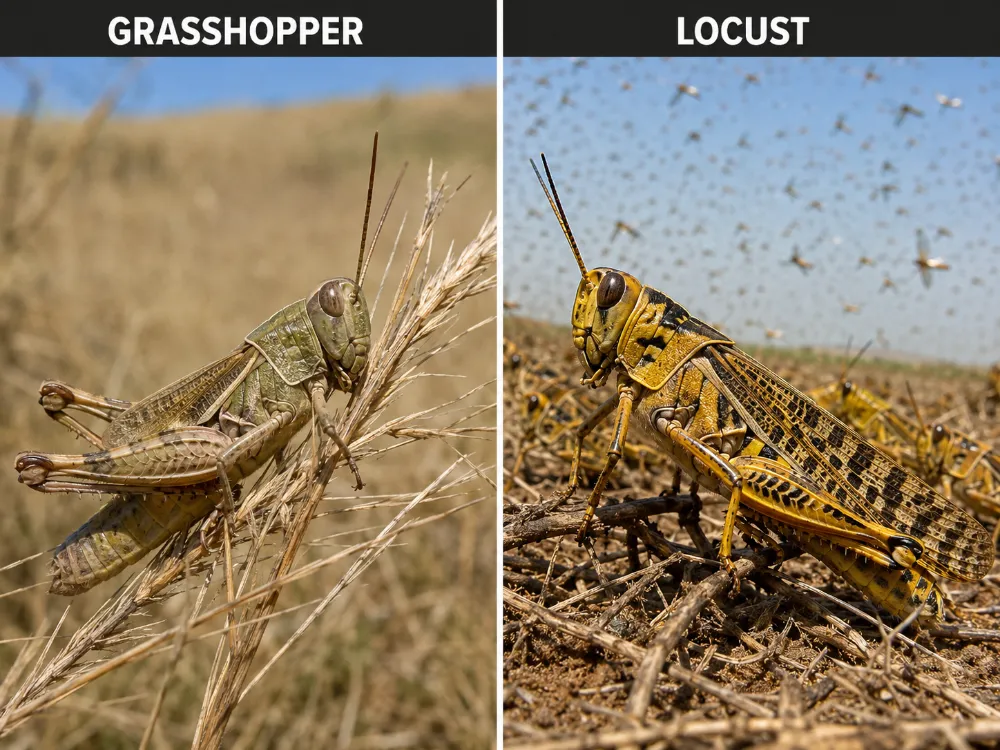
VSThe short answer is that a locust is a kind of grasshopper, but not every grasshopper is a locust. The word locust is usually used for certain grasshopper species that can ···
Compare
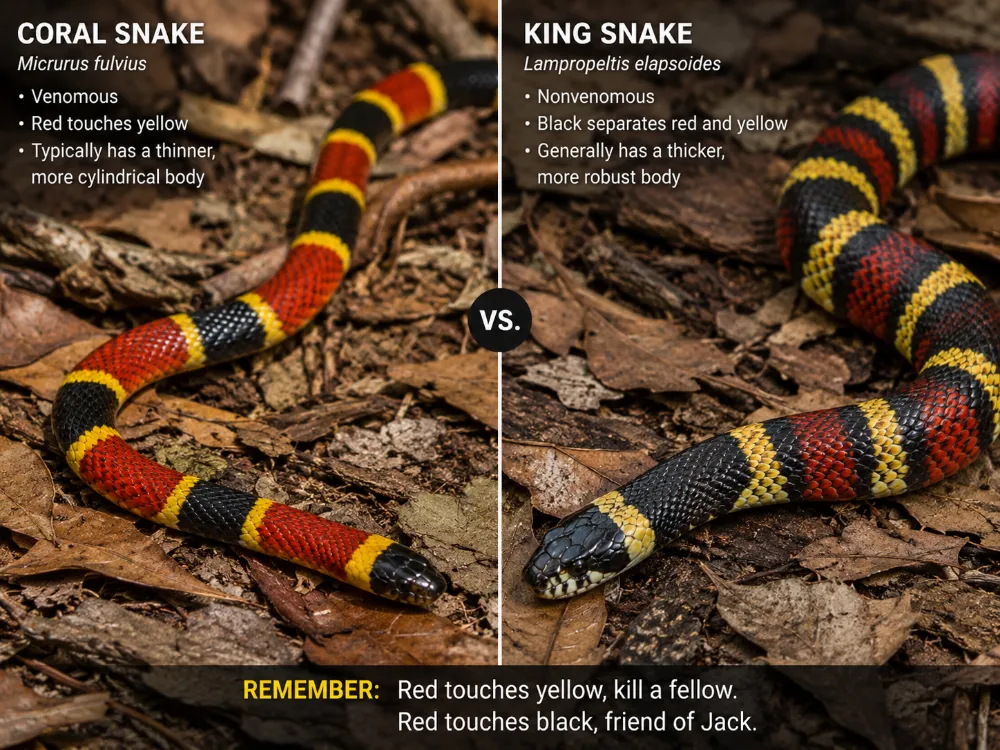
VSThe short answer is that coral snakes are venomous elapid snakes, while king snakes are nonvenomous constrictors. They can look similar because some king snakes mimic coral···
Compare
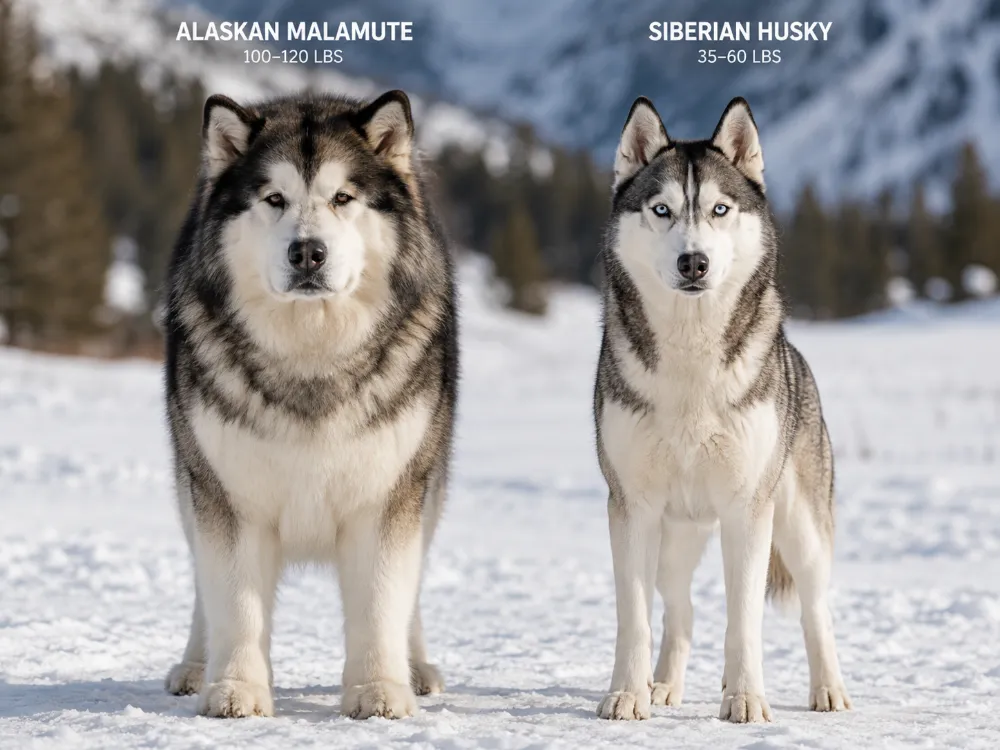
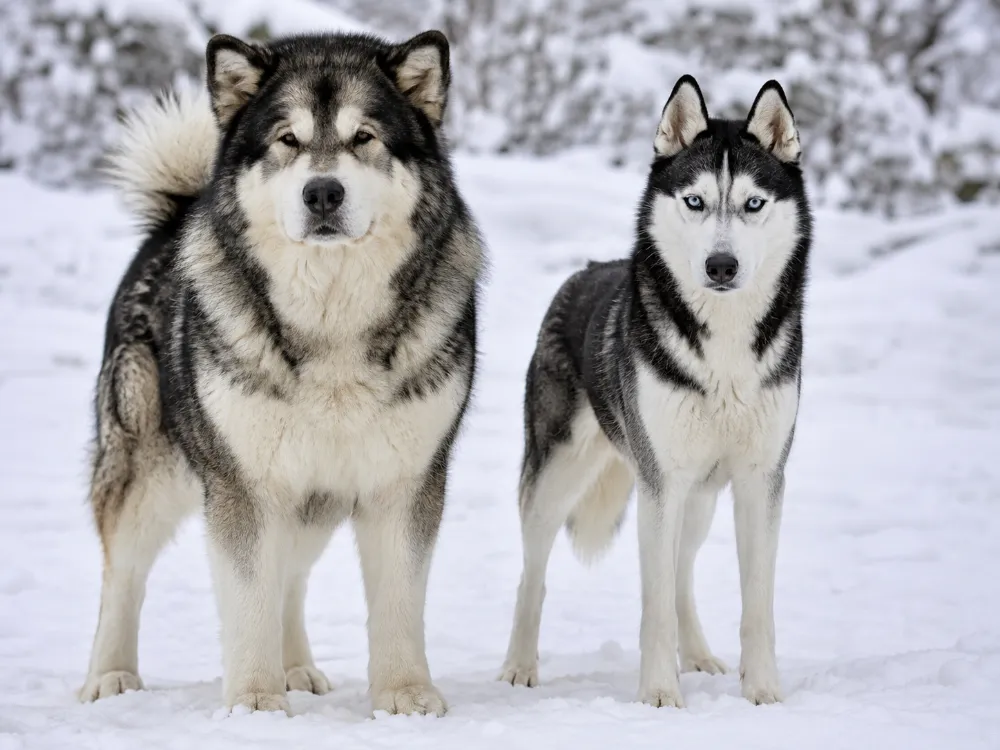
VSThe main difference between an Alaskan Malamute and a Siberian Husky is size, build, and working style. Malamutes are usually larger, heavier-boned, and built for strength ···
Compare
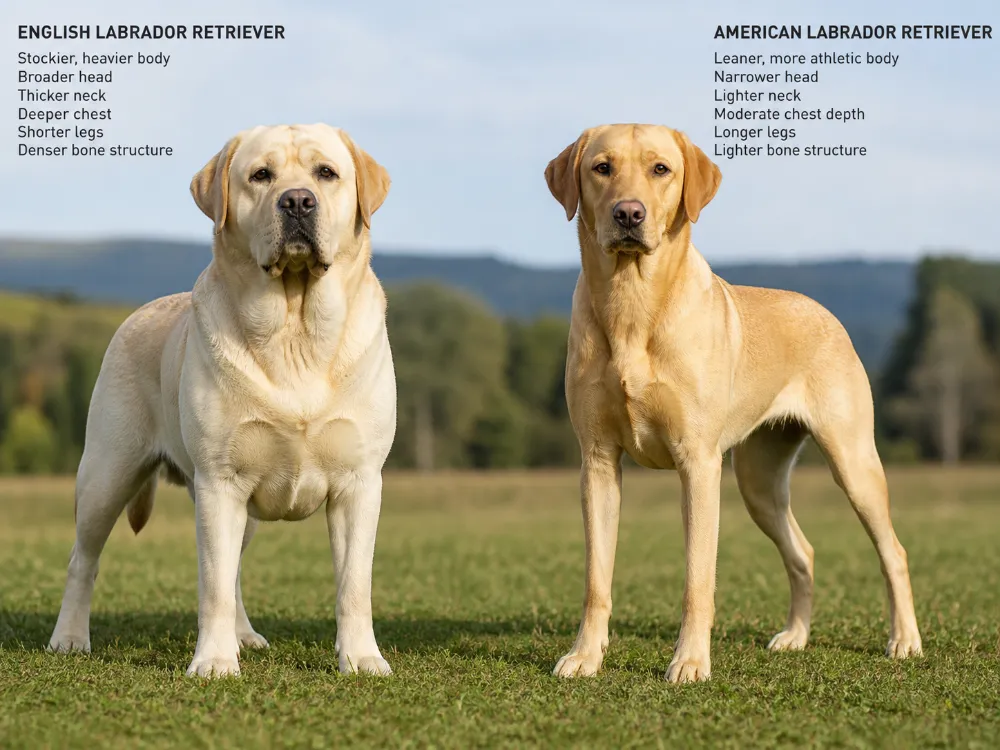
VSThe short answer is that “English Lab” and “American Lab” are not separate breeds. Both are Labrador Retrievers, but the labels are often used to describe different bre···
Compare
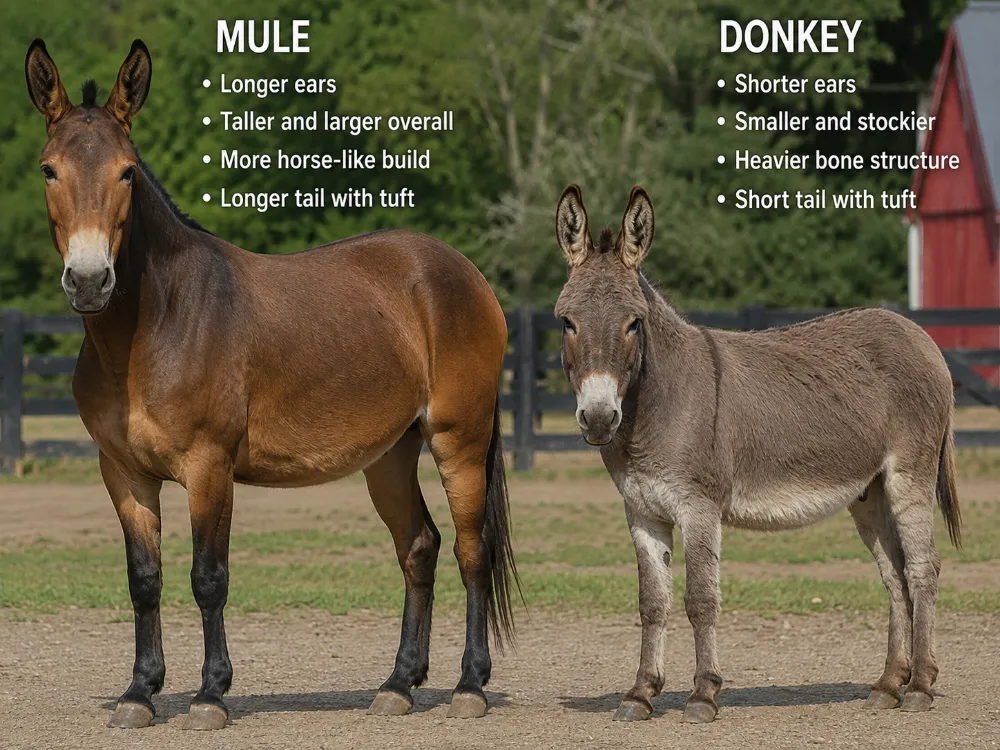
VSThe short answer is that a donkey is a real animal species, while a mule is a hybrid. A donkey is the domesticated form of the African wild ass, but a mule is produced by c···
Compare
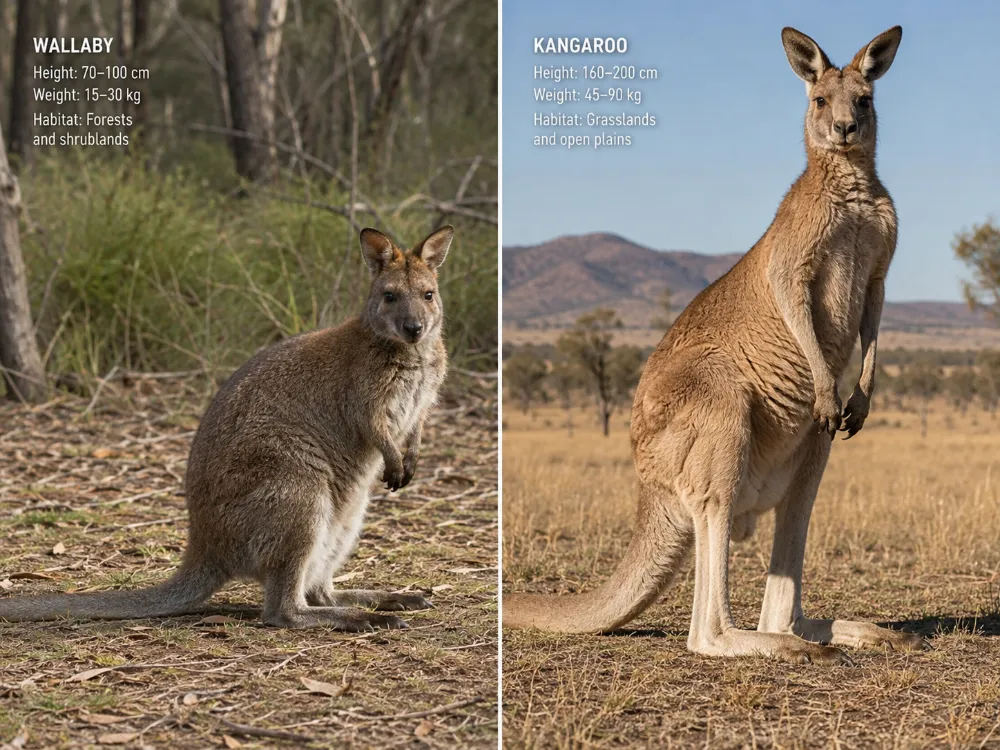
VSThe short answer is that wallabies are usually smaller, stockier macropods, while kangaroos are usually larger, longer-legged, and built for covering open ground efficientl···
Compare
VSThe short answer is that a hedgehog and a porcupine are not the same animal. Hedgehogs are small insect-eating mammals with short spines and a rounded body, while porcupine···
Compare
VSThe easiest way to tell a Malamute from a Husky is to look at size, build, and overall expression. Alaskan Malamutes are usually bigger, heavier-boned, and more powerful, b···
Compare
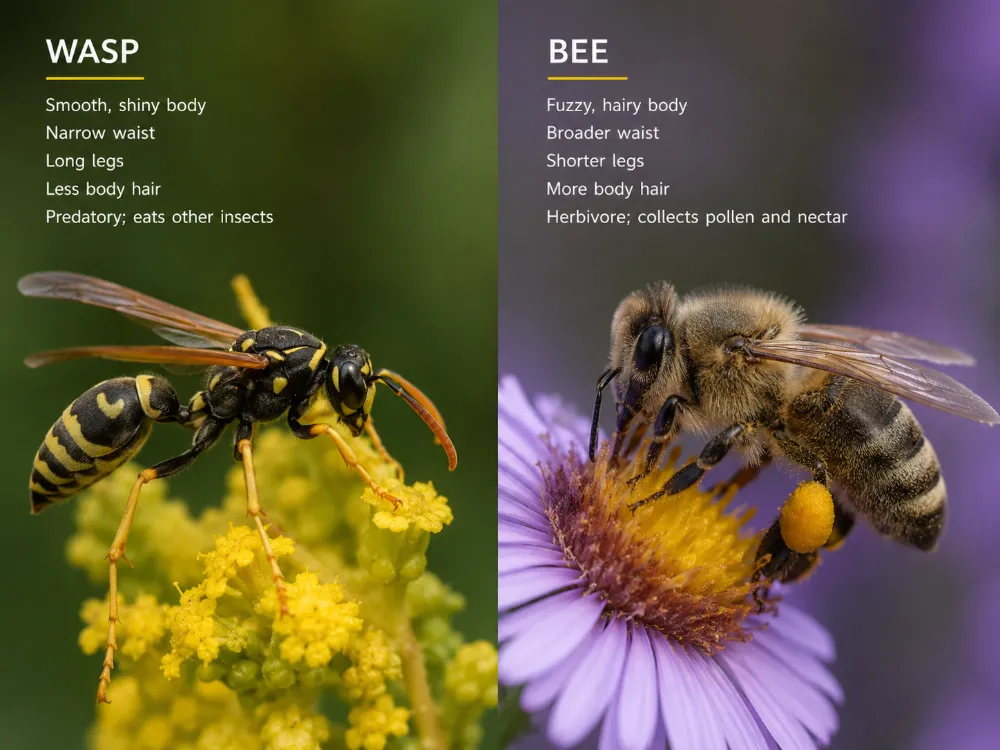
VSThe easiest way to tell a wasp from a bee is to look at the body shape, hair, and behavior. Bees are usually rounder, fuzzier, and more pollen-focused, while wasps are usua···
Compare
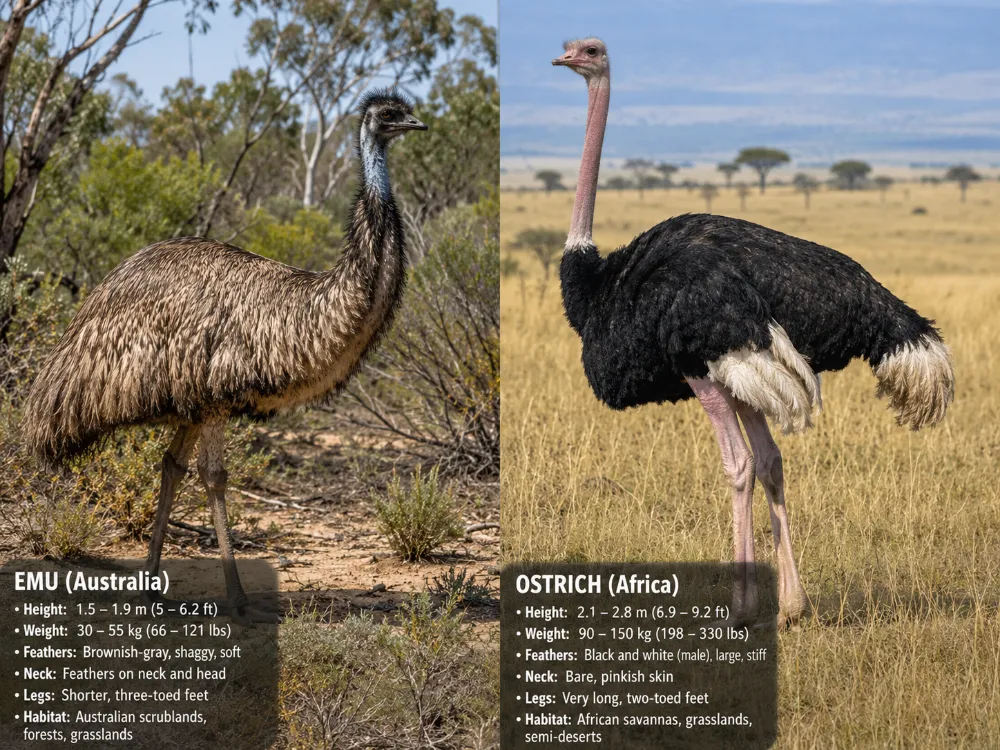
VSThe easiest way to tell an emu from an ostrich is to look at size, toes, and feathers. Ostriches are much larger, live in Africa, and have only two toes on each foot. Emus ···
Compare
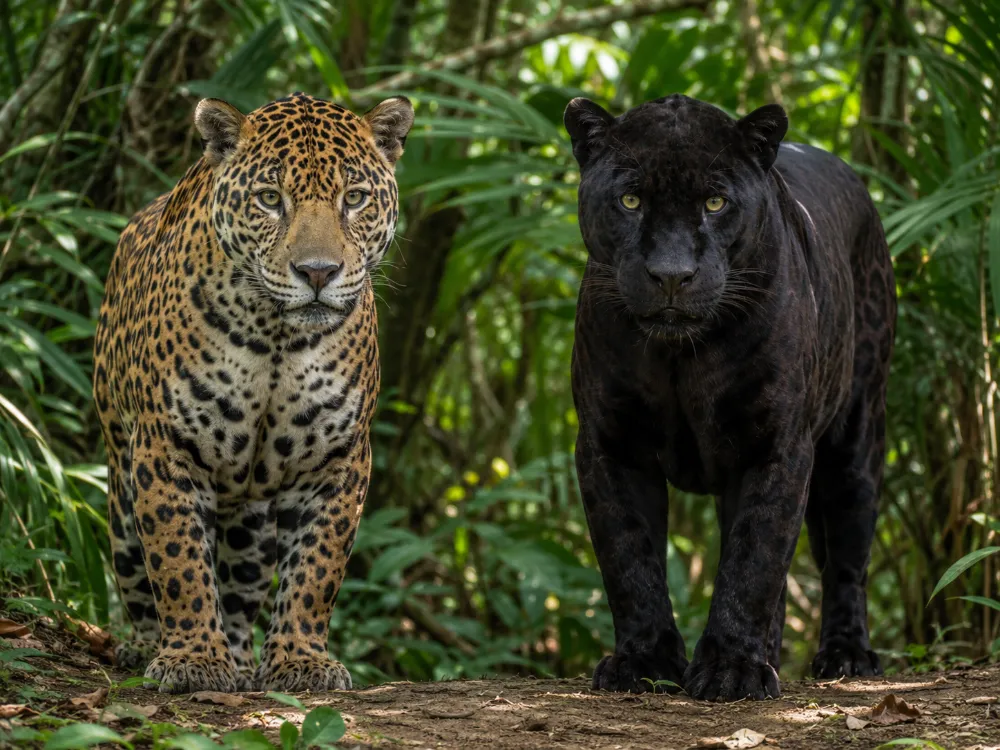
VSThe short answer is that a jaguar is a real species, while a panther is usually not a separate species at all. In everyday English, panther often means a large dark-colored···
Compare