Anatomy
Why Do Humpback Whales Have Such Long Flippers?
Why are humpback whale flippers so long? Discover how their giant fins, bumps and surprising turning ability help them hunt and navigate.
Explore animal anatomy, body systems, senses, movement and the physical structures that help different species survive.
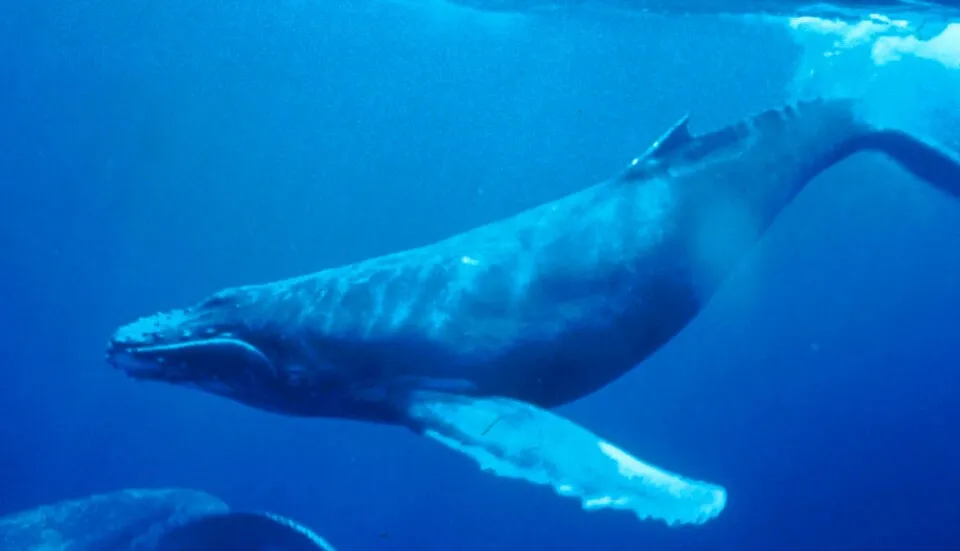
Why are humpback whale flippers so long? Discover how their giant fins, bumps and surprising turning ability help them hunt and navigate.
Follow a question from one animal to another with these handpicked science guides.
How different animals detect light, track movement and see their surroundings.
Explore specialized body structures, from protective quills to tiny teeth and tentacles.
Discover extraordinary locomotion and the ability to regrow missing body parts.
Latest guides
Articles listed here belong to this section. Use the filter to search the current page.
Why are humpback whale flippers so long? Discover how their giant fins, bumps and surprising turning ability help them hunt and navigate.
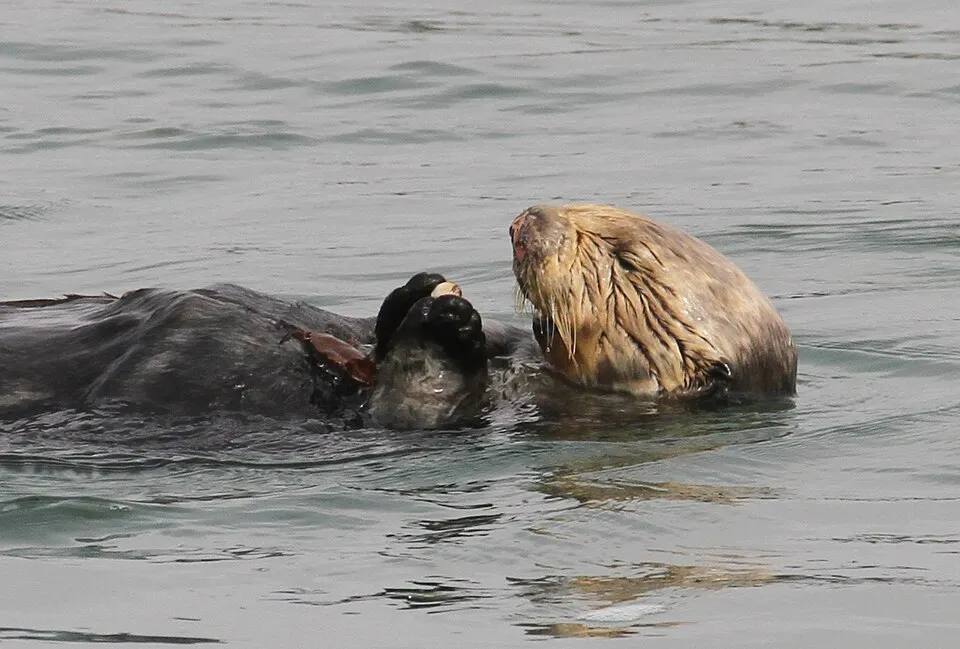
Do sea otters have pockets? Discover where their underarm pouches are, how they store food and stones, and what science says about their favorite rocks.
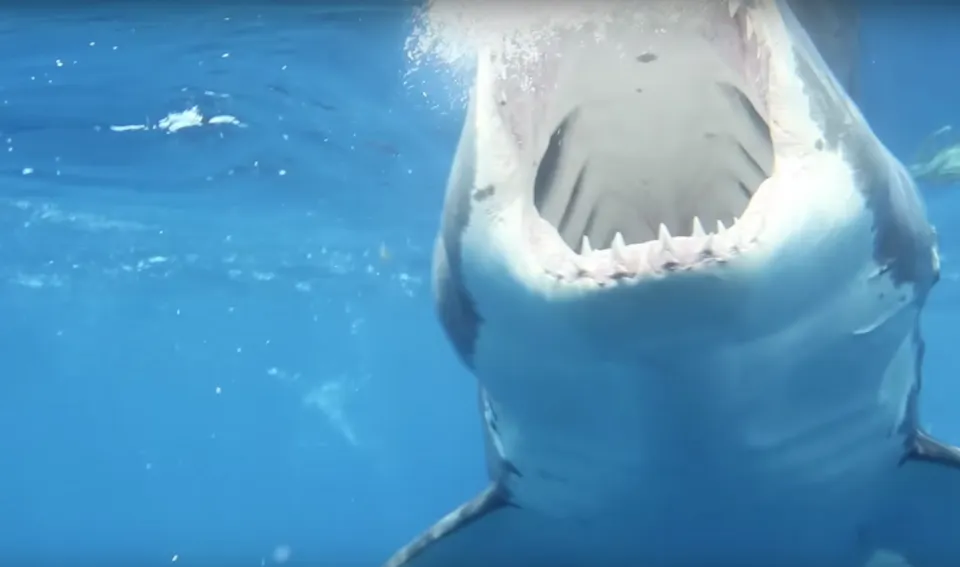
Do sharks have tongues? Discover the basihyal, how sharks taste and swallow food, and why the cookiecutter shark is different.
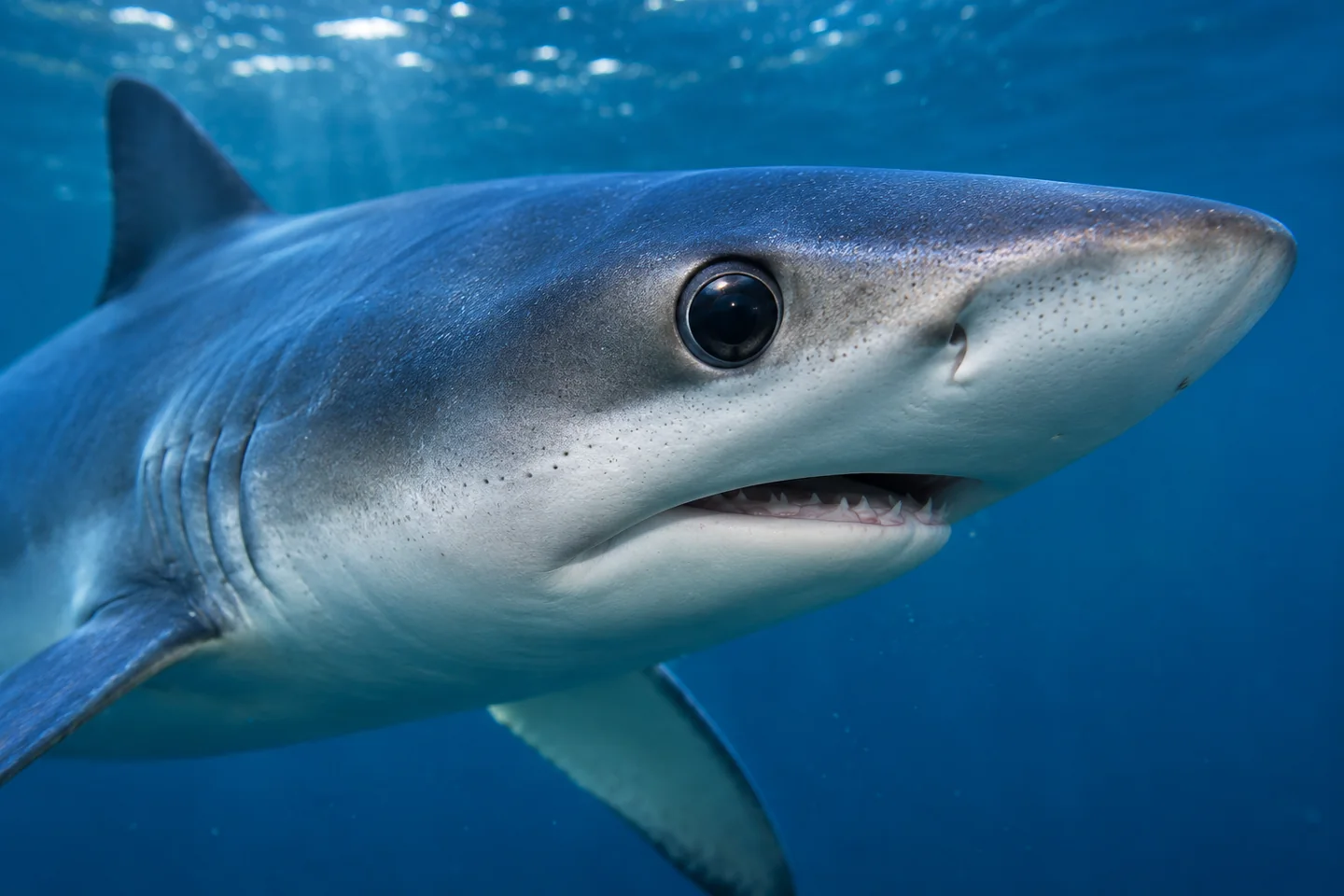
Do sharks blink or have eyelids? Learn how protective membranes work, why great white sharks roll their eyes, and how different sharks protect their sight.
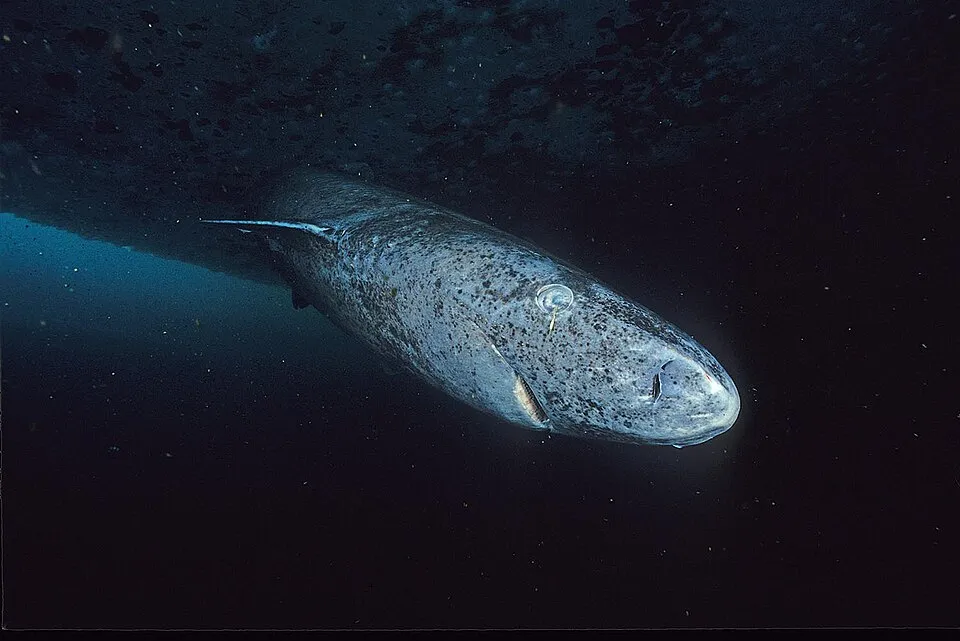
Are Greenland sharks blind? Discover what 2026 research reveals about their eyesight, eye parasites and adaptations to the dark Arctic Ocean.
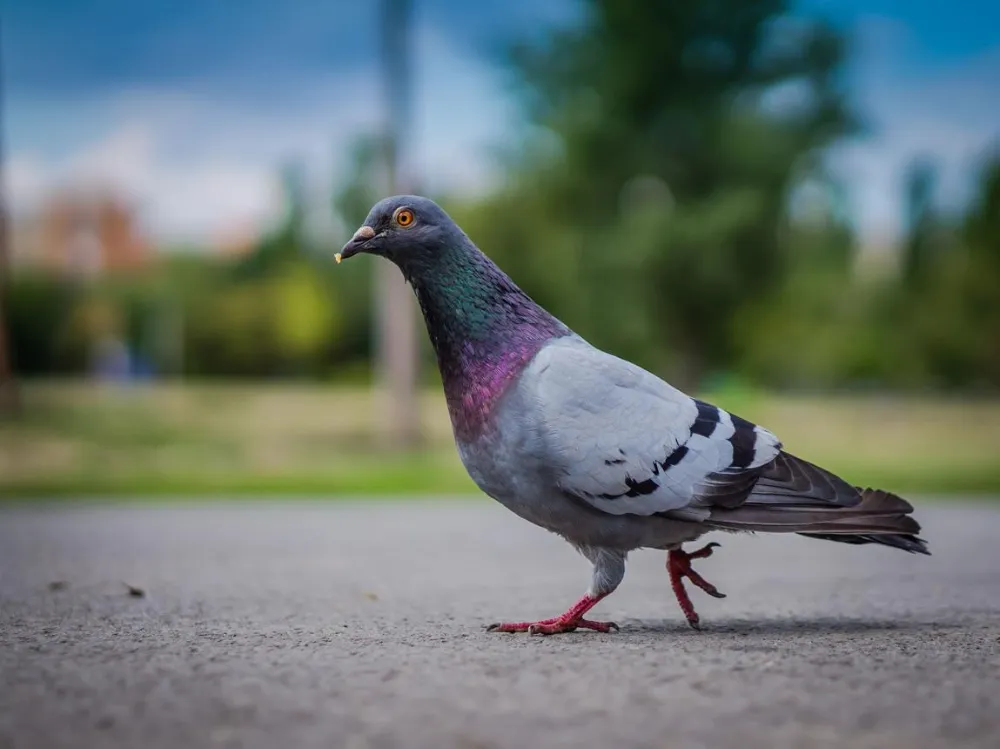
Pigeons bob their heads while walking mainly to stabilize their vision. The movement consists of two phases: a hold phase, when the head remains almost stationary relative to the surrounding environment while the body mo···
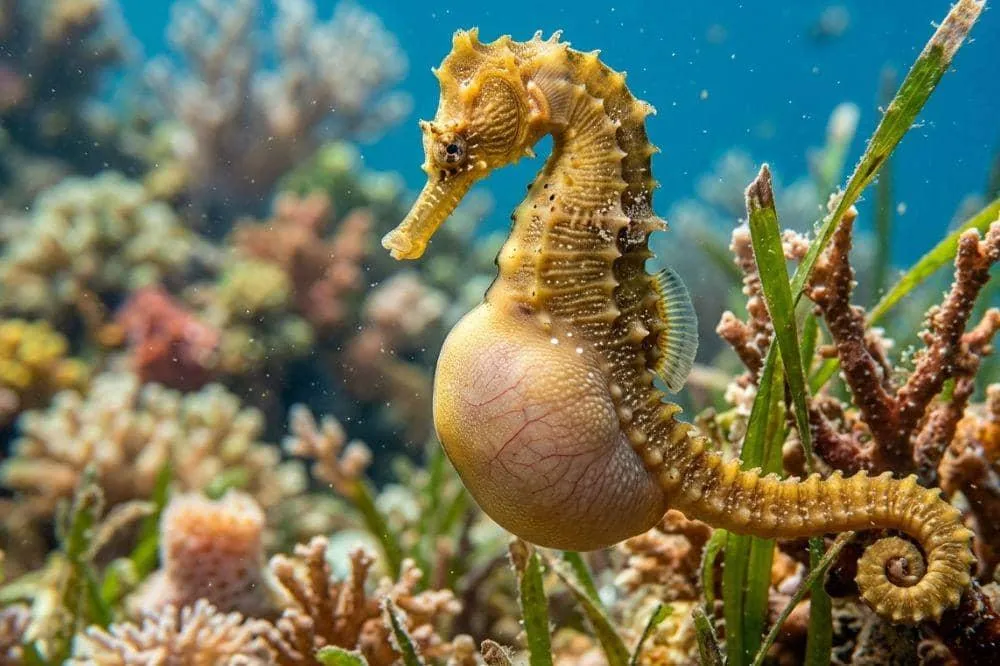
Male seahorses give birth because they have evolved a remarkable form of male pregnancy. During mating, a female transfers her eggs into the male's specialized brood pouch, where the eggs are fertilized and the embry···
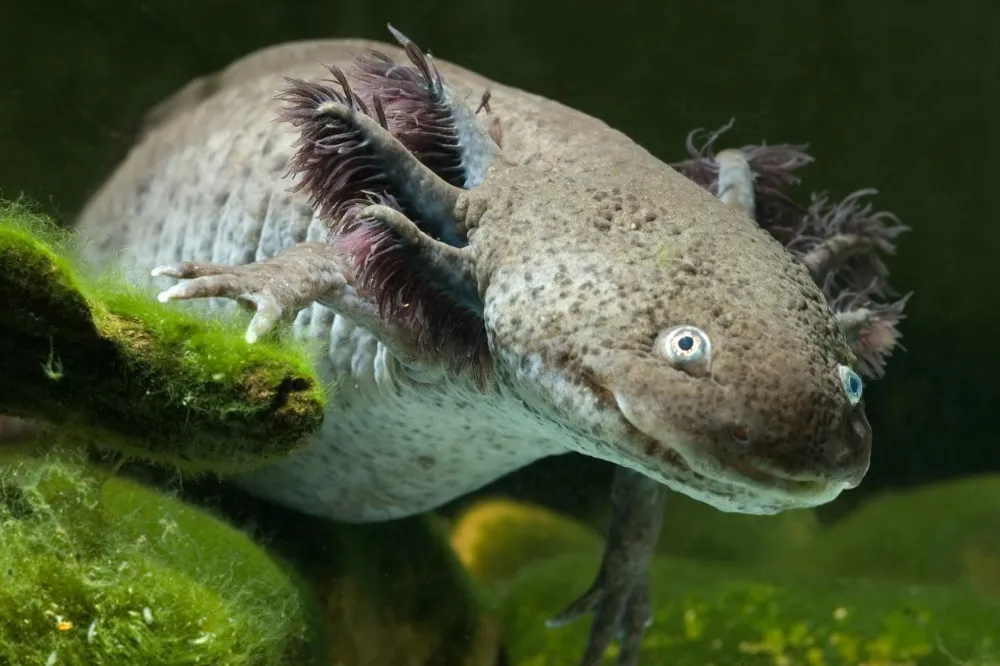
Can axolotls regrow their limbs? Learn how the blastema rebuilds bones, muscles and nerves, how long regeneration takes, and what limits it.
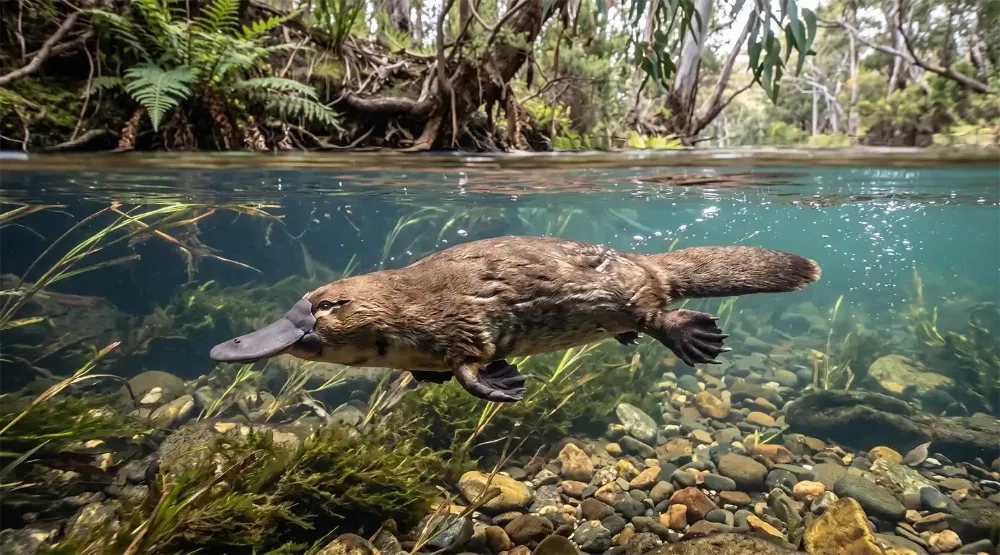
Why do platypuses lay eggs if they are mammals? Learn about monotreme evolution, leathery eggs, hatching, milk without nipples, and echidnas.
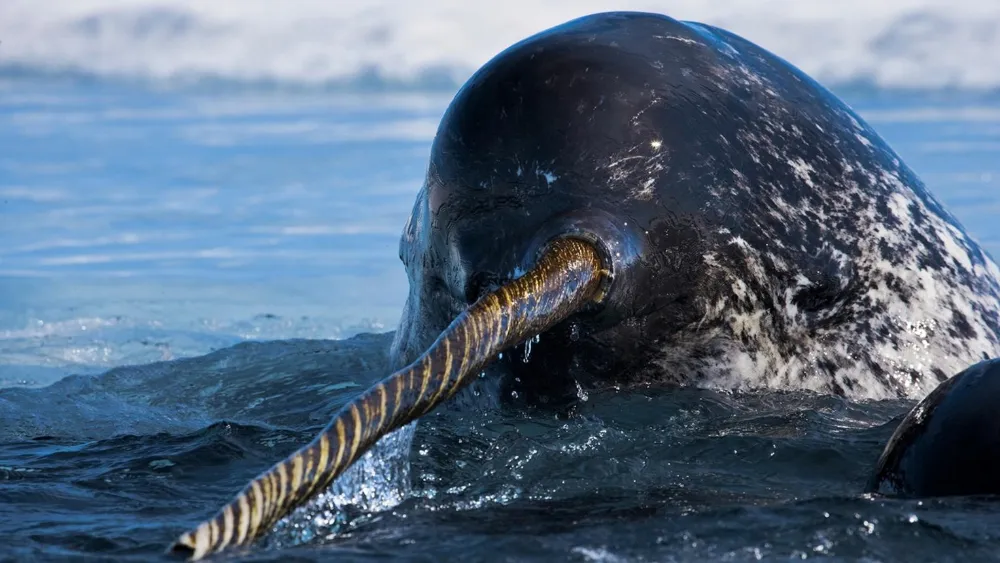
Narwhals have tusks primarily because the elongated tooth is thought to play a role in sexual selection, especially in interactions among males. The tusk is not a horn: it is a modified tooth that usually grows from the ···
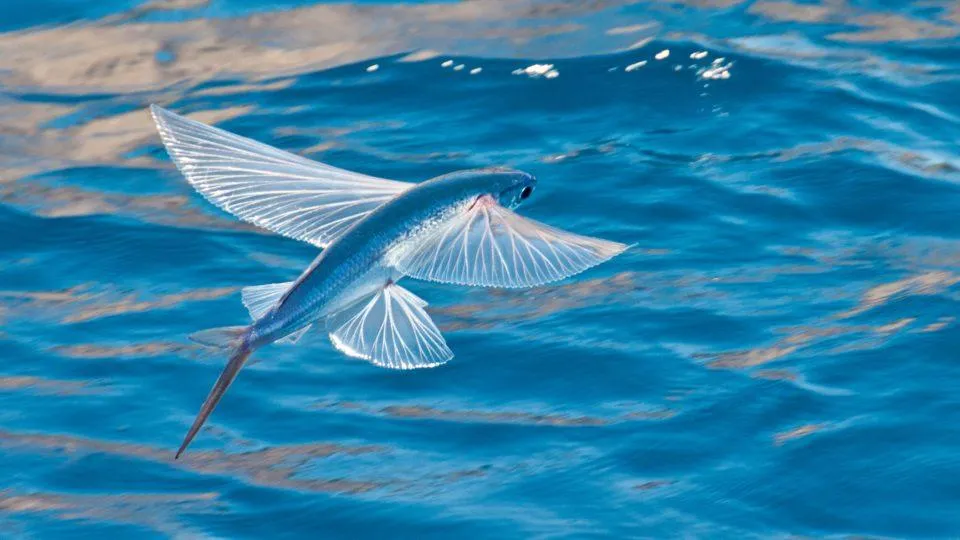
Flying fish leap out of the ocean and glide through the air, primarily as a way to escape predators such as tuna and dolphinfish. They do not fly like birds by flapping wings. Instead, they accelerate underwater, burst t···
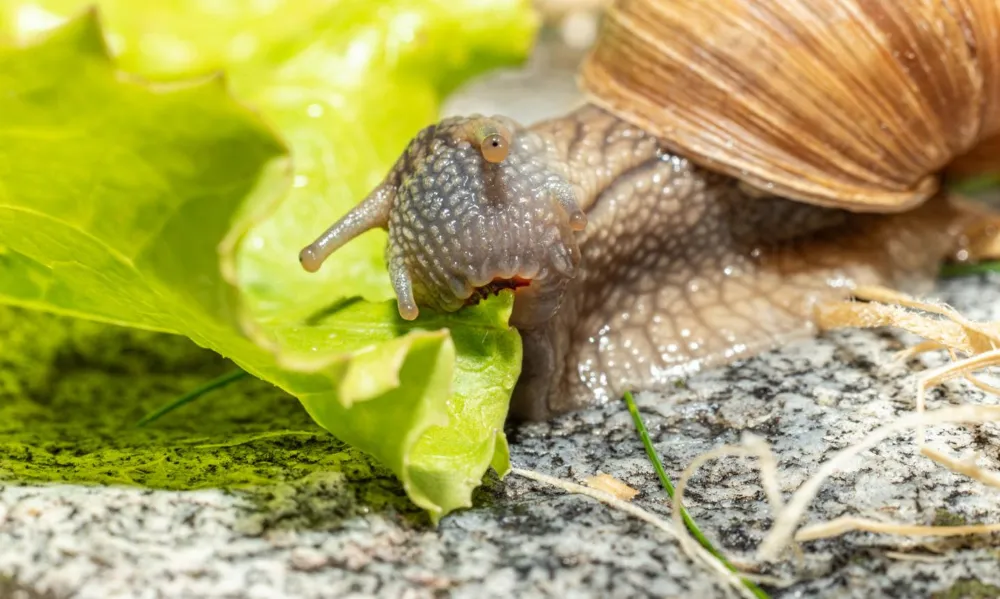
Yes, snails have teeth, but they are very different from human teeth. Most snails feed using a specialized ribbon-like structure called a radula, which is covered with rows of tiny tooth-like projections. These microscop···
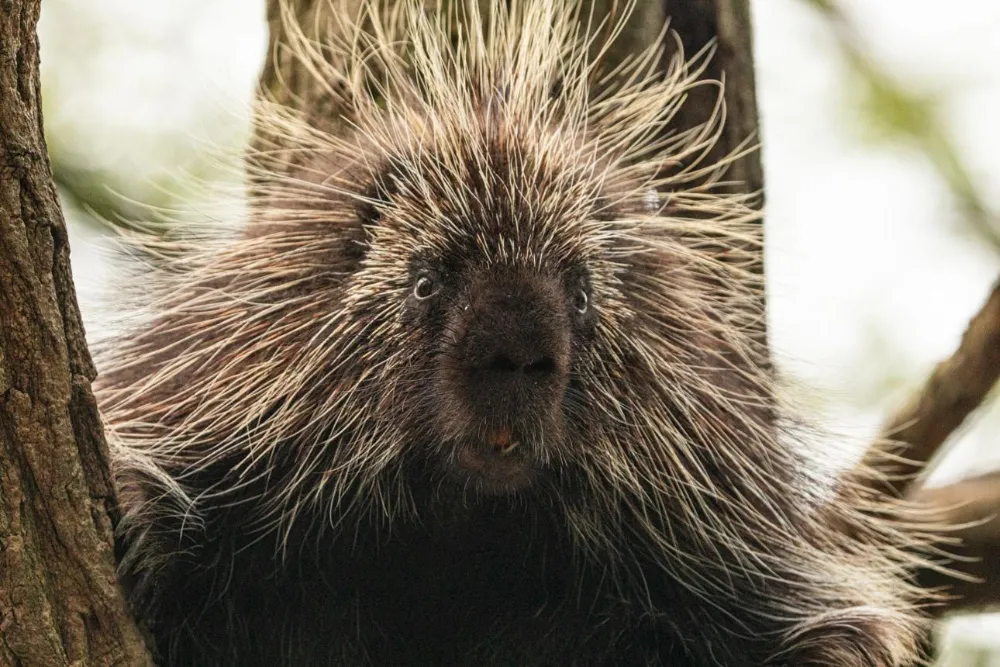
No, porcupines cannot shoot their quills. Their quills are specialized hairs that stand upright when the animal is threatened, but they cannot be fired like arrows or launched at a distant predator. Instead, quills detac···
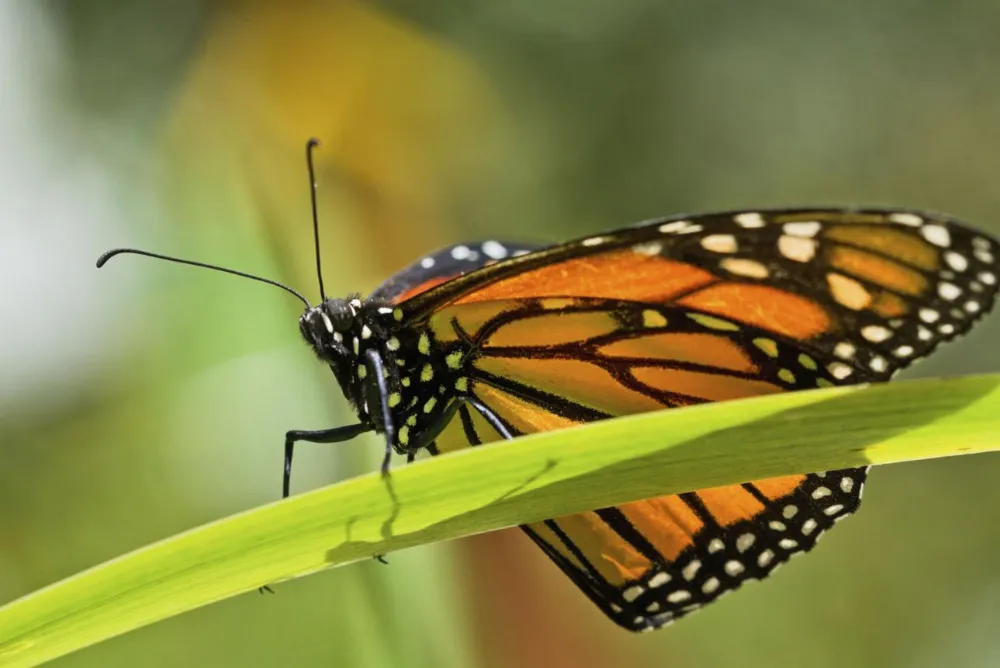
Yes, butterflies can taste with their feet. Many butterflies have specialized chemical sensors called gustatory sensilla on their legs, particularly on the lower foot segments known as tarsi. When a butterfly lands on a ···
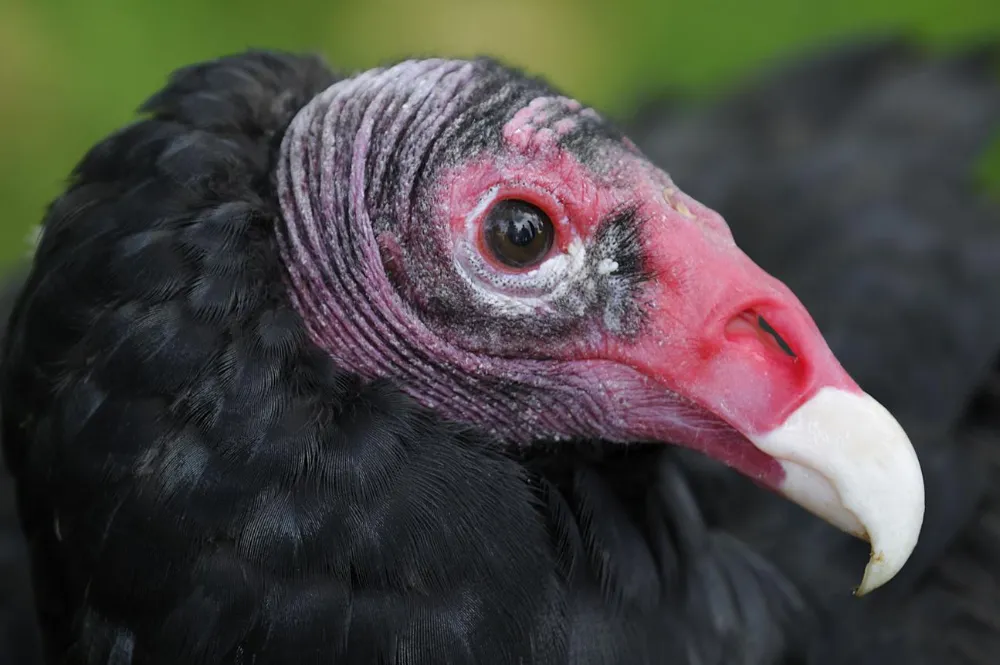
Yes, birds can smell. Most birds possess an olfactory system, although their sensitivity to odors varies widely among species. Turkey vultures can use smell to locate carrion, some albatrosses and petrels detect airborne···
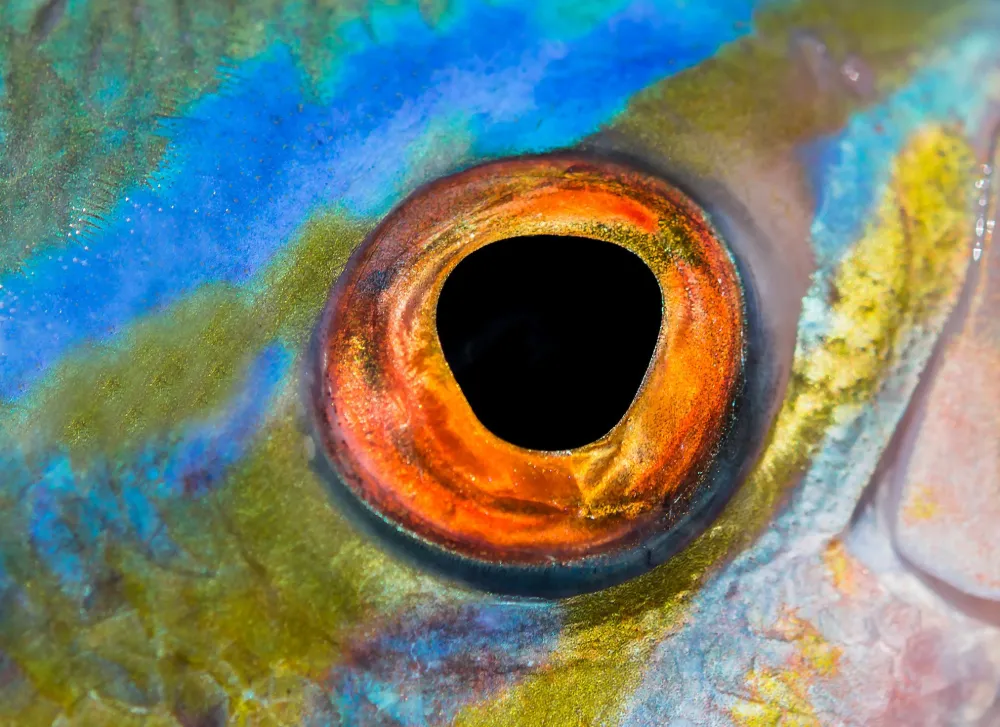
Fish can see objects, particles, bubbles, light patterns, and boundaries in water, but they probably do not perceive uniformly clear water as a separate visible object. Just as humans normally look through clean air with···
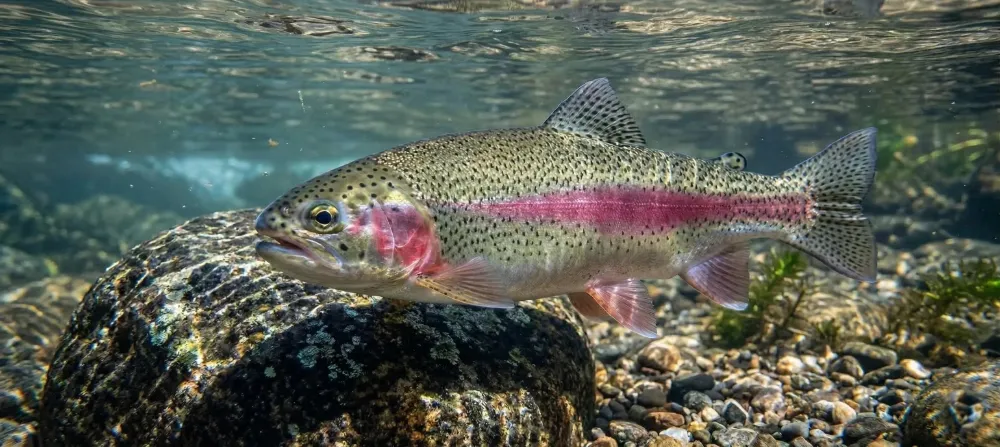
Fish need water to survive, but scientists do not know whether they experience thirst in the same subjective way humans do. Most marine bony fish regularly drink seawater because they lose water to their salty surroundin···
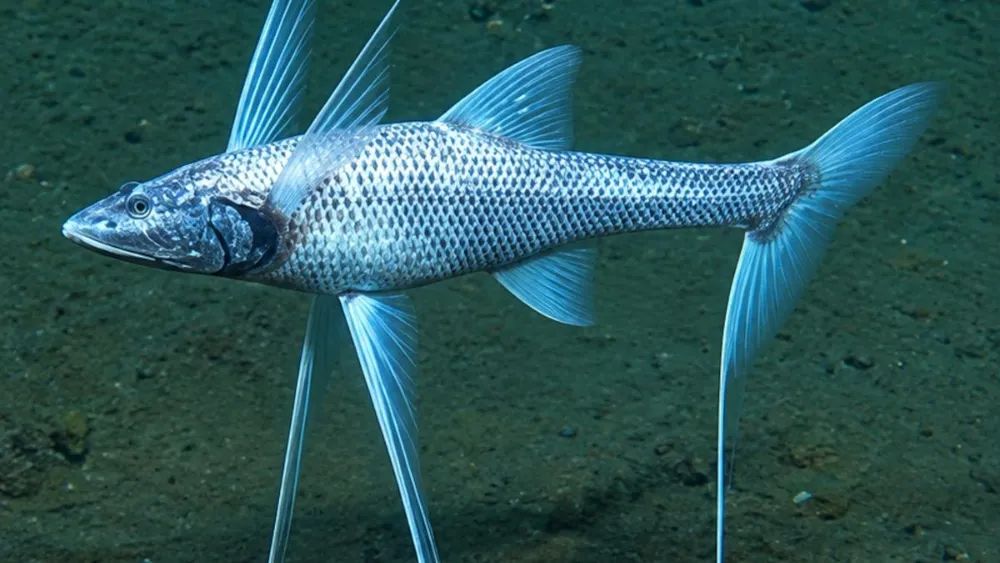
The tripod fish is a remarkable deep-sea fish that can stand above the ocean floor using three extraordinarily long fin extensions. One of the best-known species, Bathypterois grallator, rests on two elongated pelvic-fin···
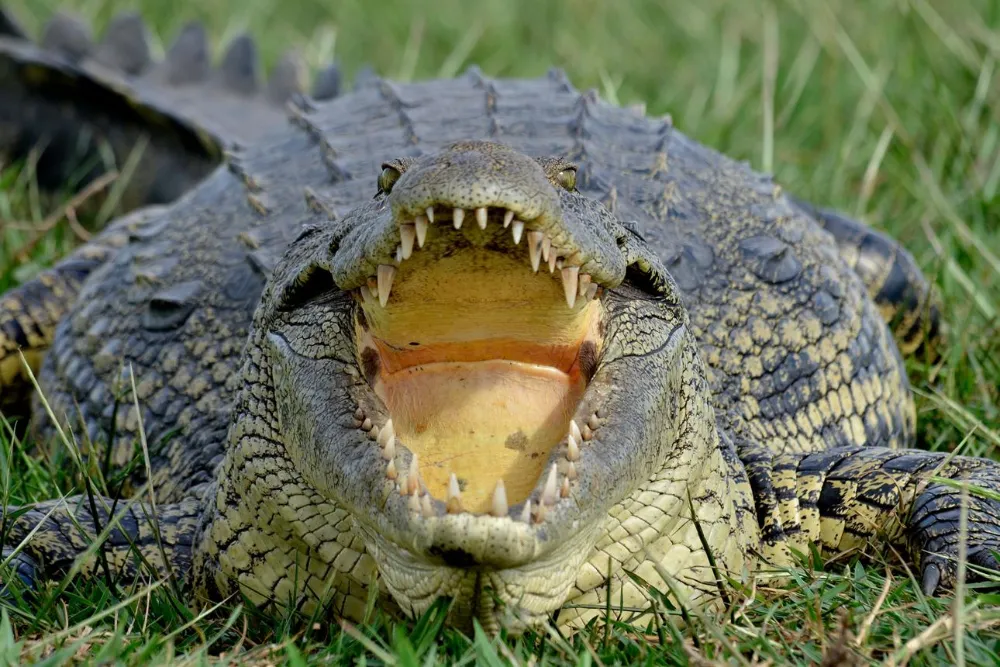
Do crocodiles have tongues? Learn why they cannot stick them out, how their throat valves keep water away, and why some crocodiles have salt glands.
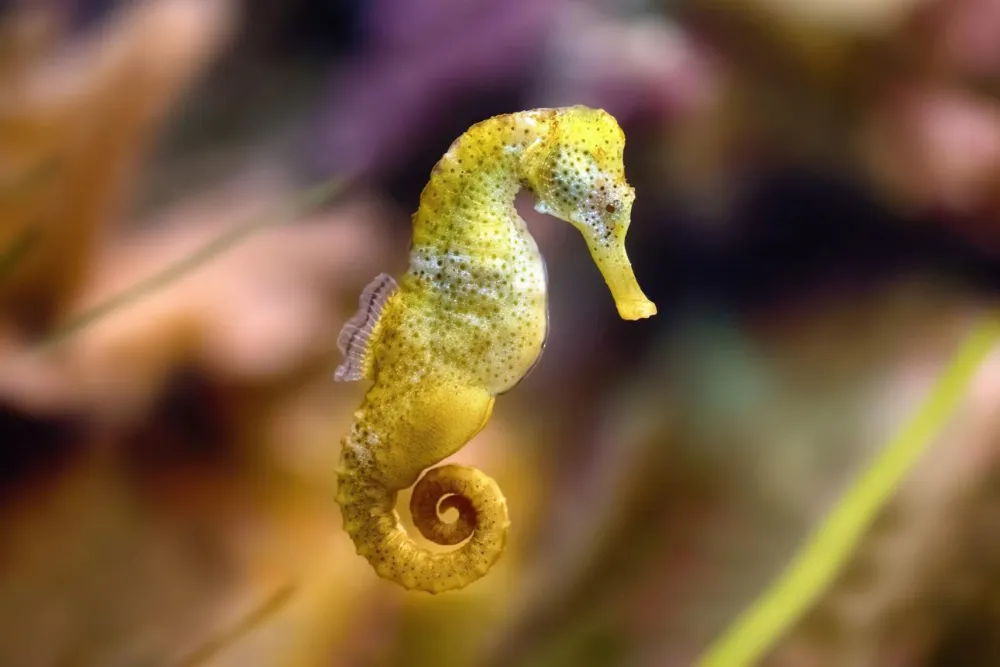
Do seahorses have stomachs? Learn how seahorses digest food without a true stomach, why they eat so often, and what their unusual digestive systems do.
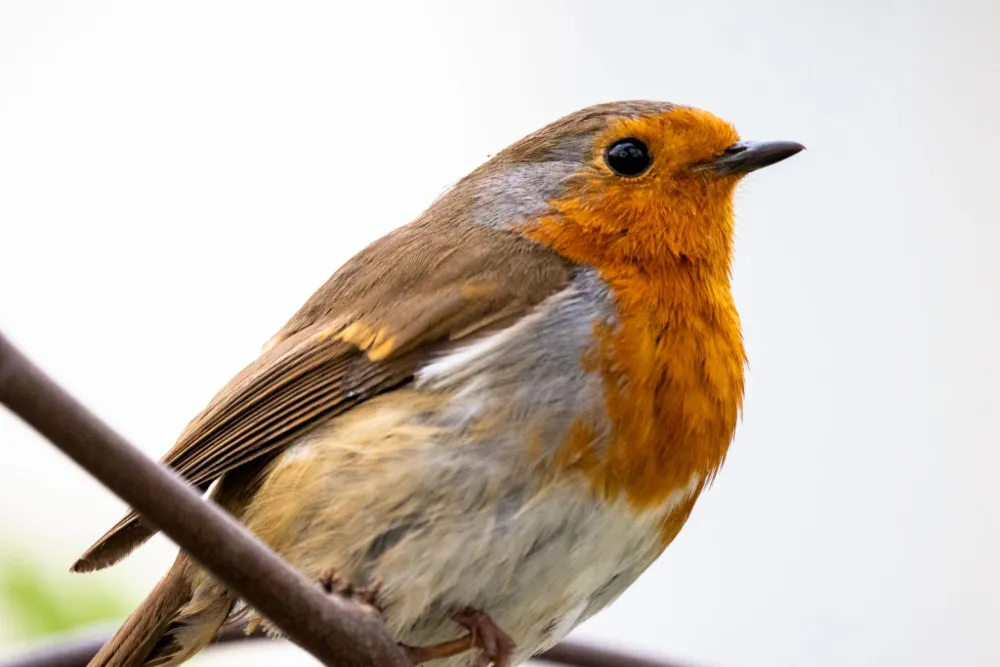
Do birds have ears? Discover where bird ears are hidden, how birds hear without external ear flaps, and why owl hearing is so remarkable.
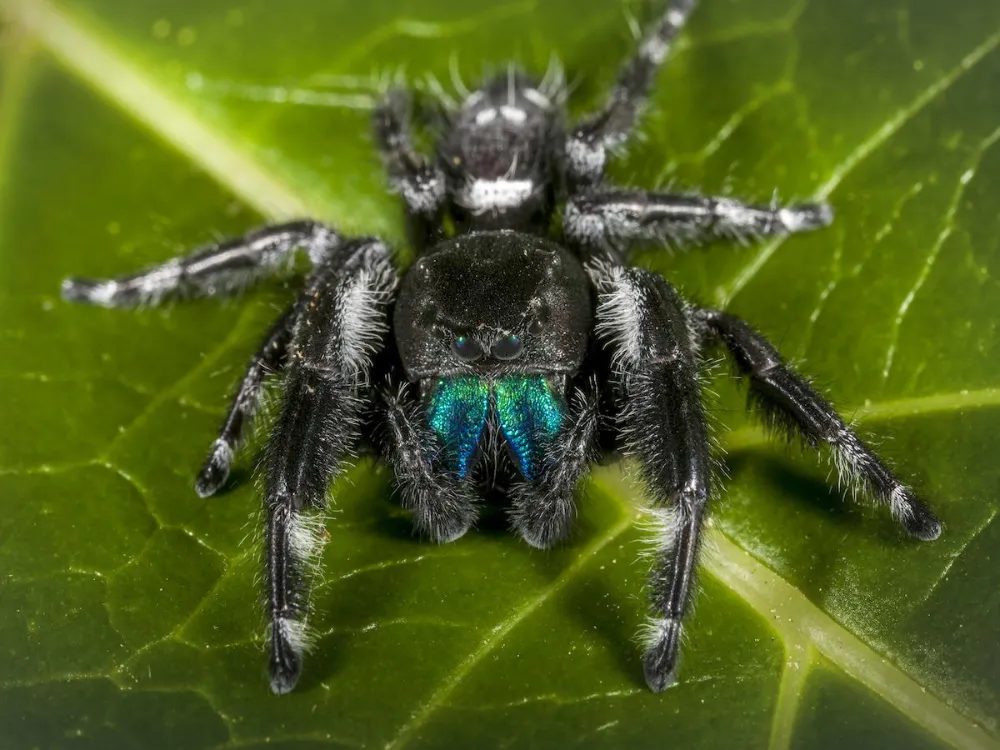
Do spiders have blood? Learn why spider hemolymph can look blue, how their hearts and open circulatory systems work, and how blood helps move their legs.
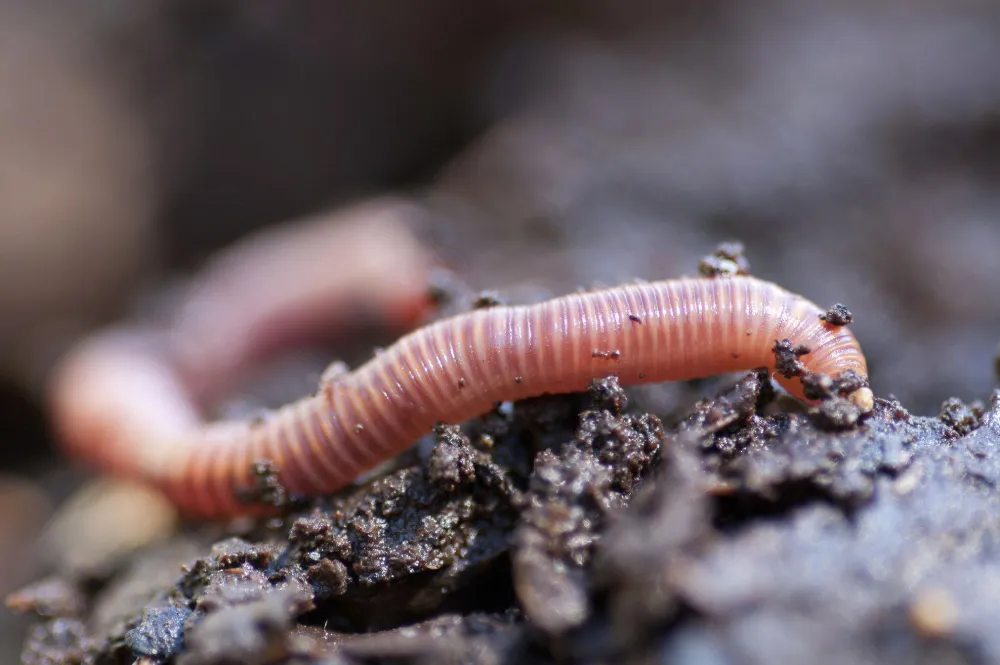
Do earthworms have eyes? Learn how worms detect light through their skin, why they avoid sunlight, and how they navigate underground without seeing.
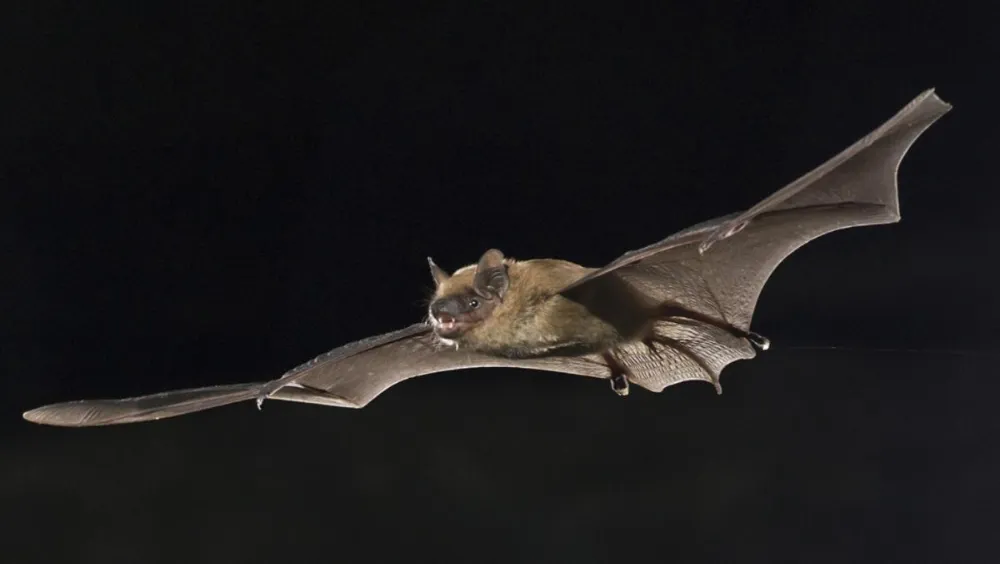
Do bats have tails? Learn why some bat tails are hidden in a flight membrane, which bats have free tails, and how tails help bats fly and hunt.