ANIMAL FACTS
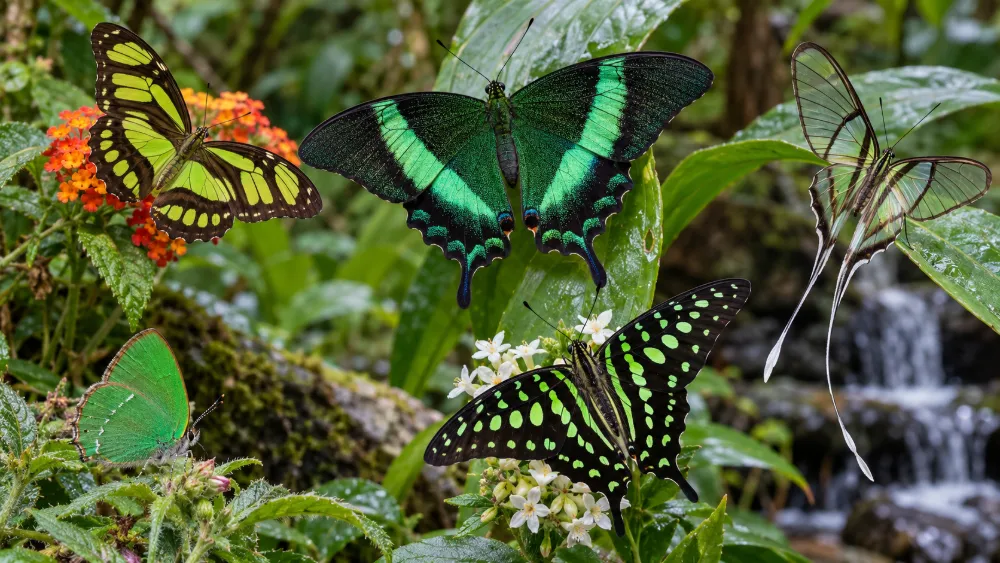
Green Butterfly Identification: 8 Species You May Be Seeing
See a green butterfly? Identify green hairstreaks, malachites, emerald swallowtails, tailed jays and other green butterflies by pattern, size and location.
Read the story →From remarkable senses to unexpected survival strategies, explore what animals do, how their bodies work and why the science matters.
Follow a question into the right kind of science. Each section opens an existing collection of guides.
Explore the latest articles on surprising biology, behavior and how the natural world works.
See a green butterfly? Identify green hairstreaks, malachites, emerald swallowtails, tailed jays and other green butterflies by pattern, size and location.
Read the story →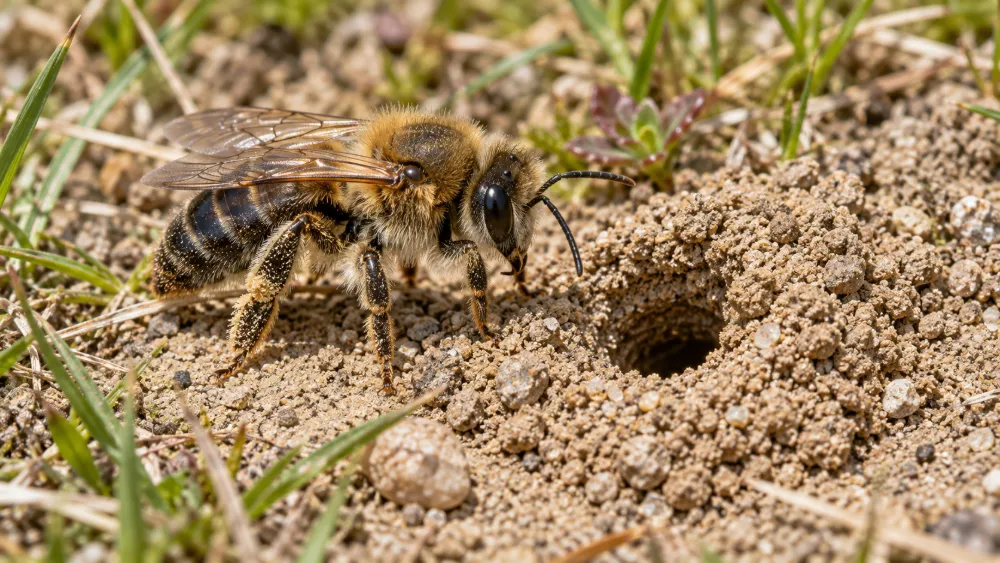
Small holes suddenly appearing across a lawn can be alarming—especially when dozens of bees seem to be flying just above the ground.In many cases, however, these insects are ground-nesting solitary bees rather than an aggressive ···
Read the story →
What animal does not poop or pee? No animal is waste-free, but jellyfish and sponges lack mammal-like digestive or urinary systems. Learn how animals remove waste.
Read the story →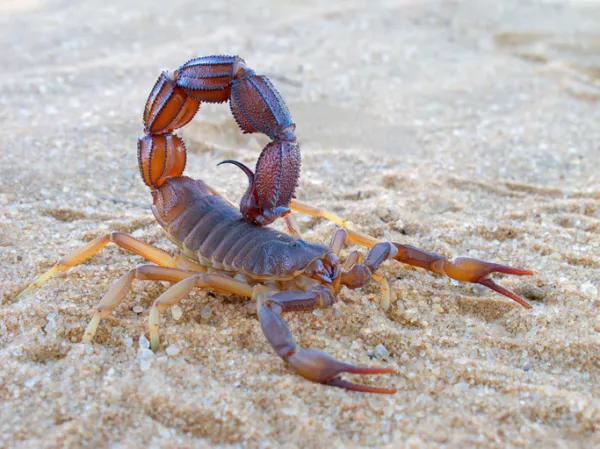
Is an alacrán different from a scorpion? No—alacrán and escorpión are names for the same arachnid. Learn the terminology, venom myths and sting safety.
Read the story →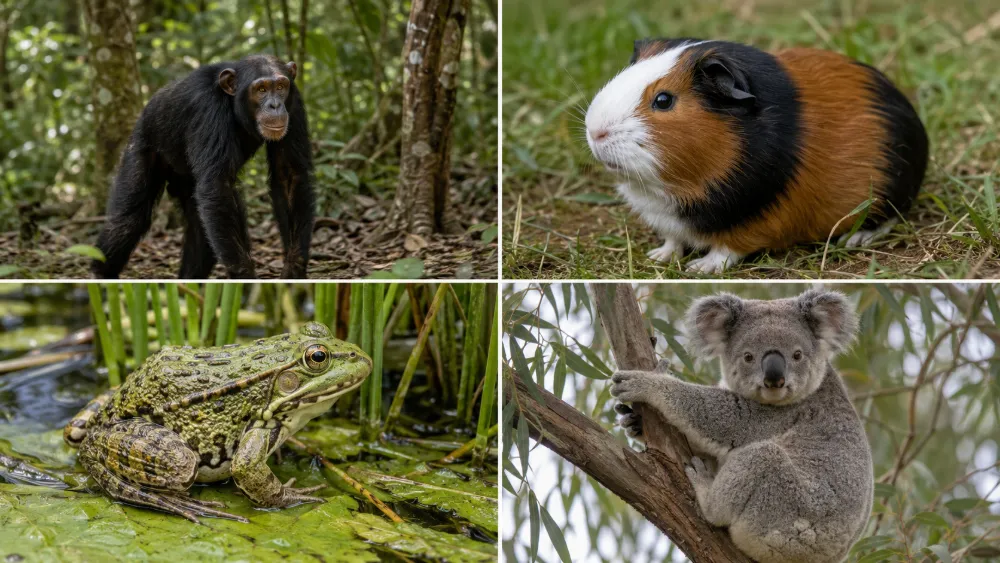
Which animals have no tails? Discover truly tailless and nearly tailless animals including apes, guinea pigs, frogs, koalas and capybaras, plus common myths.
Read the story →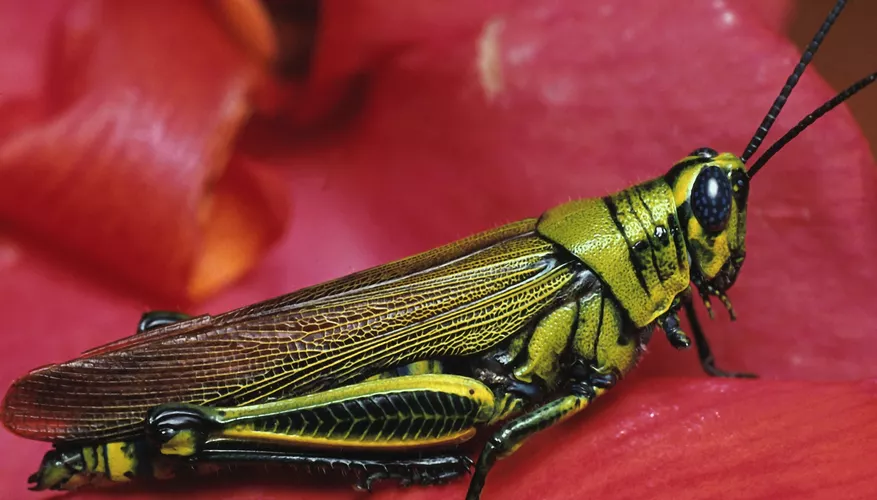
Most grasshoppers survive winter as eggs in soil, while a few overwinter as nymphs or adults. Learn where grasshoppers go and how they survive cold weather.
Read the story →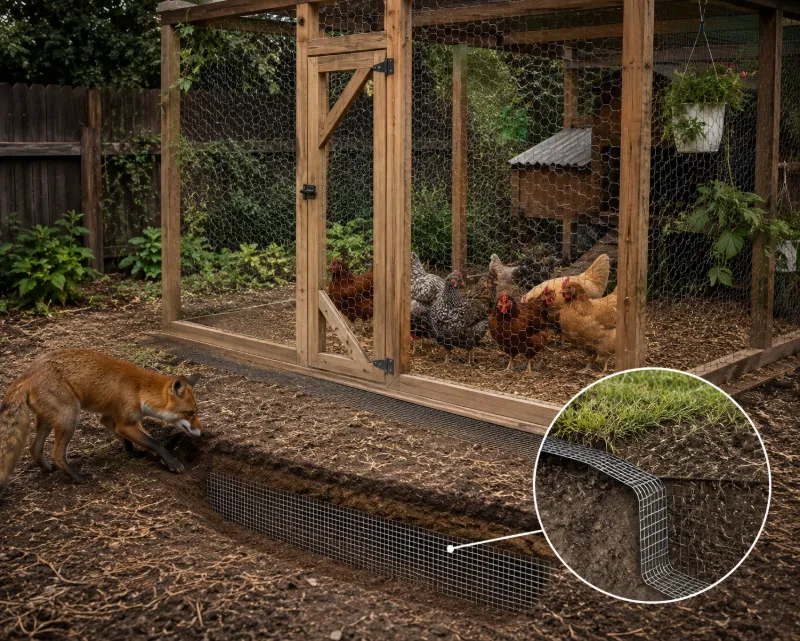
Why the Chicken Run Floor Is a Major Weak PointMany poultry keepers focus on the walls and roof of a run but overlook the ground beneath it. Unfortunately, digging predators usually search for the easiest route rather than attacki···
Read the story →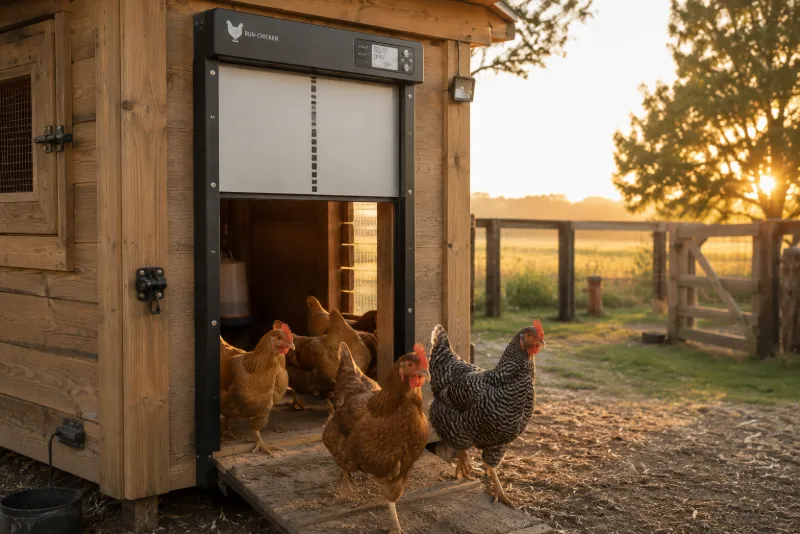
How Does an Automatic Chicken Coop Door Work?Automatic chicken coop doors typically operate using one or more control methods. Some open and close according to daylight detected by a light sensor, while others follow a programmabl···
Read the story →
Zebra stripes are one of nature’s most recognizable patterns—and one of the most tested in modern behavioral ecology. Over the last two decades, researchers have systematically evaluated the classic ideas (camouflage, predator c···
Read the story →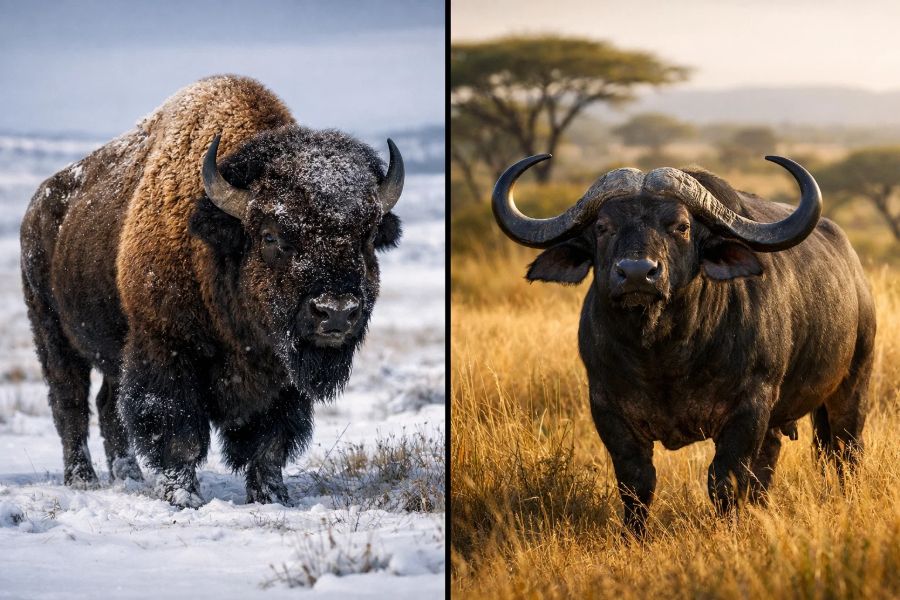
Bison and buffalo are different animals, and the names get mixed up because “buffalo” became a common nickname for bison in North America.The simplest answerBison = the shaggy, hump-backed animals of North America and parts of E···
Read the story →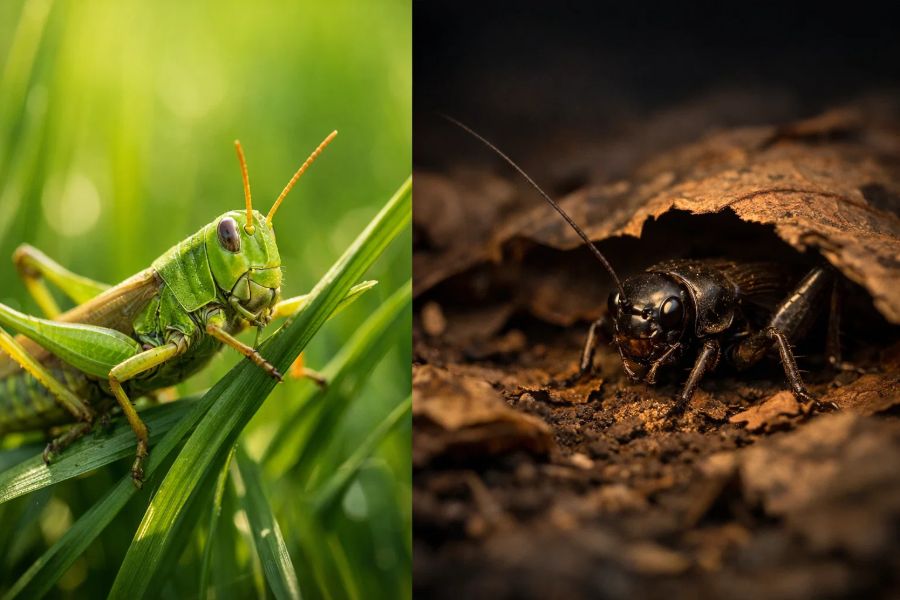
Grasshoppers and crickets are both in the insect order Orthoptera, but they belong to different major groups and have some easy-to-spot differences.Quick comparisonFeatureGrasshoppersCricketsGroup (within Orthoptera)CaeliferaEnsif···
Read the story →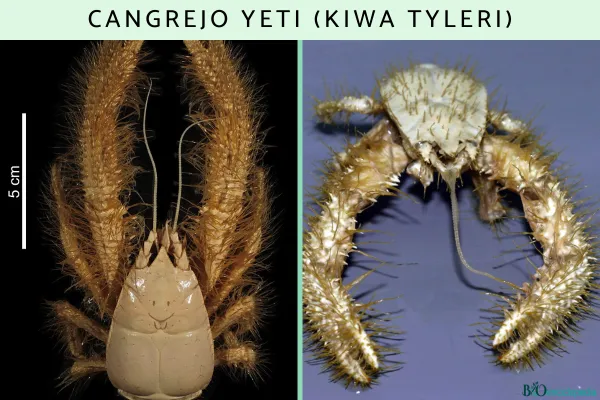
The Yeti Crab is one of the strangest animals ever discovered in the deep ocean. With its pale body and hair-like bristles covering its claws and underside, it looks so unusual that scientists and the public quickly gave it a memo···
Read the story →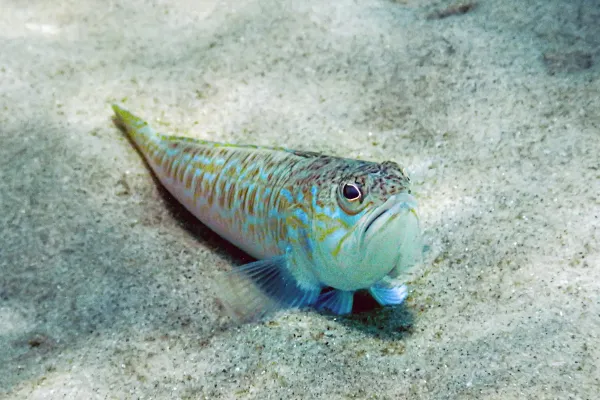
Trachinus draco, commonly known in English as the greater weever fish, is a small coastal fish famous for its venomous spines and extremely painful sting. In Spanish it’s often called pez araña (“spider fish”) or sometimes “p···
Read the story →
The ocean is full of strange, almost unreal creatures—organisms so transparent and delicate that you might not even notice them unless you’ve seen a bloom up close. Salps are one of those animals. They look like tiny drifting tu···
Read the story →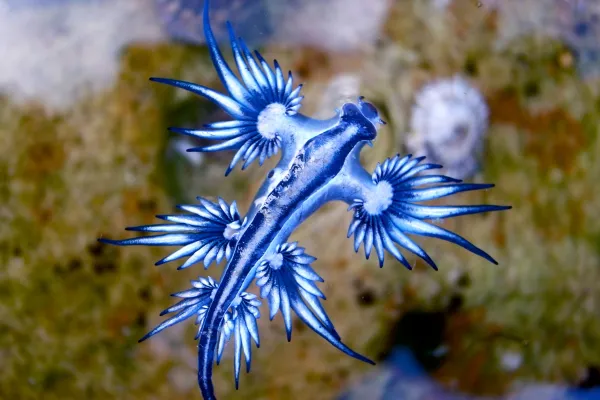
The blue dragon (Glaucus atlanticus) is a small marine invertebrate that lives in the open ocean. It is pelagic, meaning it typically stays far from shore rather than living on the seafloor or near coastal reefs. Despite its beaut···
Read the story →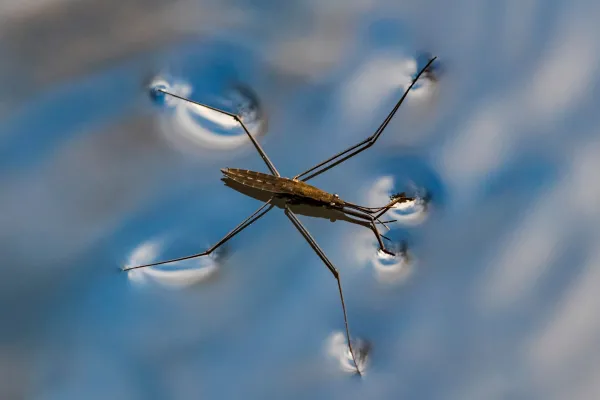
The water strider—often called a pond skater or river skater—is a common insect in freshwater habitats. Many species belong to the family Gerridae, famous for their ability to glide across the surface of water using long legs an···
Read the story →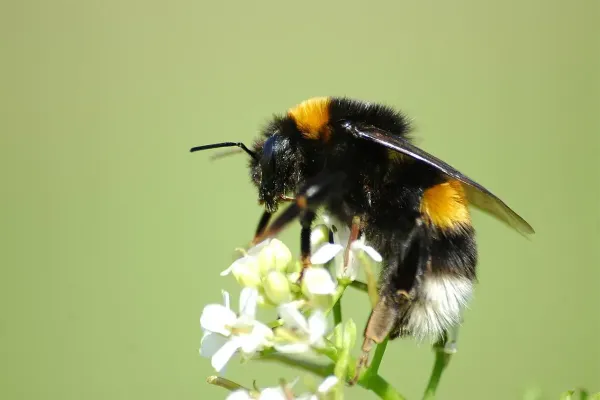
The common bumblebee (Bombus terrestris) is one of Europe’s most familiar bumblebee species. It’s easy to recognize by its bold horizontal yellow-and-black bands and a pale, whitish patch toward the end of the abdomen. Although ···
Read the story →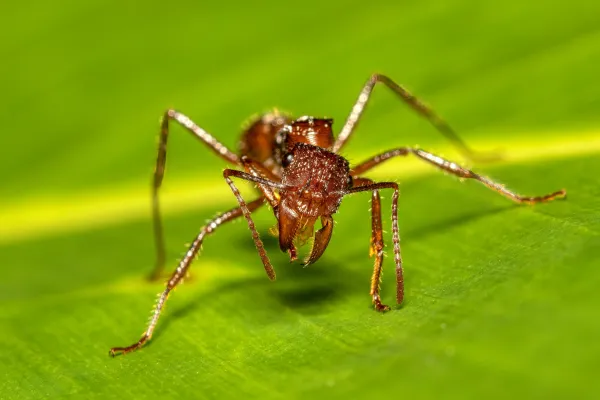
Ants are familiar insects because many species thrive around gardens and homes. But deep in the tropical forests of Central and South America lives a very different kind of ant: the bullet ant (Paraponera clavata). Reaching impres···
Read the story →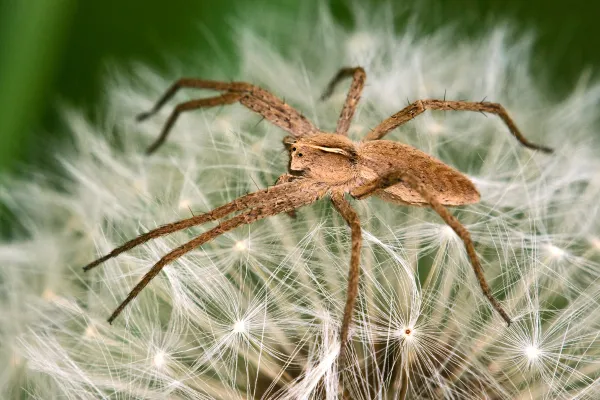
Spiders are arachnids, not insects. Although many people assume most spiders are dangerous, only a small number pose serious medical risk to humans. One of the best-known medically significant groups is the recluse spiders (genus ···
Read the story →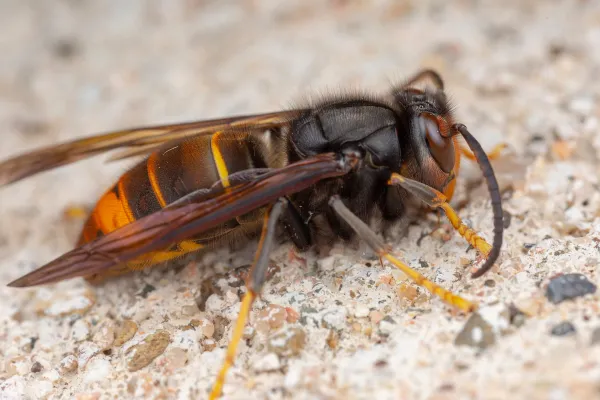
Wasps often have a fearsome reputation because of their painful stings and their role as predators of other insects. One species that has attracted particular attention is the Asian hornet (Vespa velutina), sometimes also called t···
Read the story →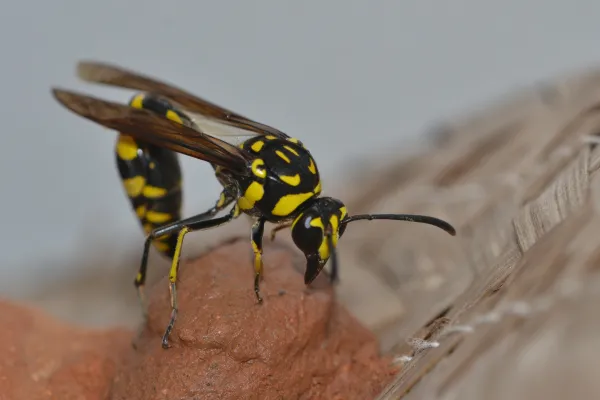
Wasps are often associated with painful stings and social colonies like those of bees or ants. However, many wasps live very differently. Potter wasps are a great example: they are usually solitary and famous for building small cl···
Read the story →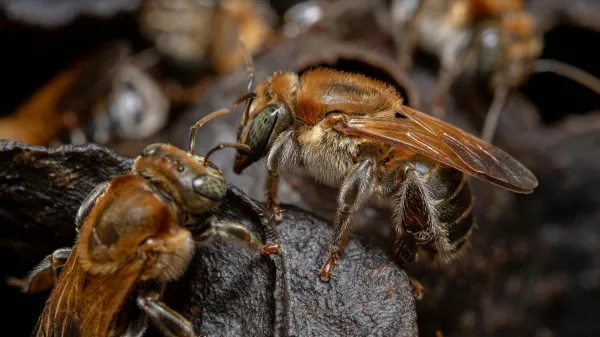
The Western honey bee (Apis mellifera) may be the best-known bee worldwide, but the Americas are home to many native bees with equally fascinating lives. Among them are the melipona bees (genus Melipona), a group of stingless bees···
Read the story →
Here are the fastest, most reliable ways to remove pet hair from a couch, plus what works best by fabric type and how to keep it from coming back.Fast fixes (5 minutes)Rubber glove + light waterPut on a rubber dish glove, lightly ···
Read the story →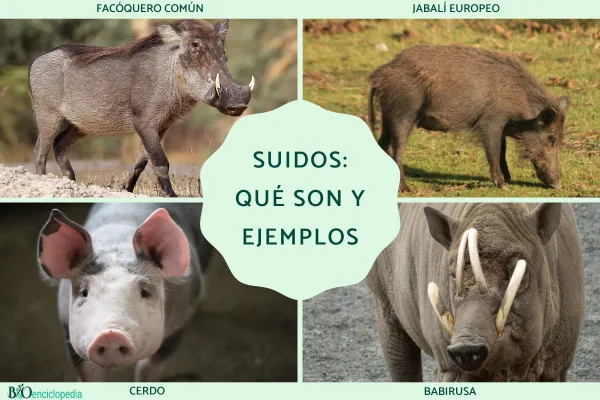
Suids are members of the family Suidae, a group of even-toed ungulates that includes pigs, wild boars, warthogs, and their close relatives. They are best known for their sturdy bodies, four-toed hooves, and a highly mobile snout t···
Read the story →Explore side-by-side animal comparisons or find more detailed science explanations.