ANIMAL FACTS
How Do Bats Navigate in the Dark?
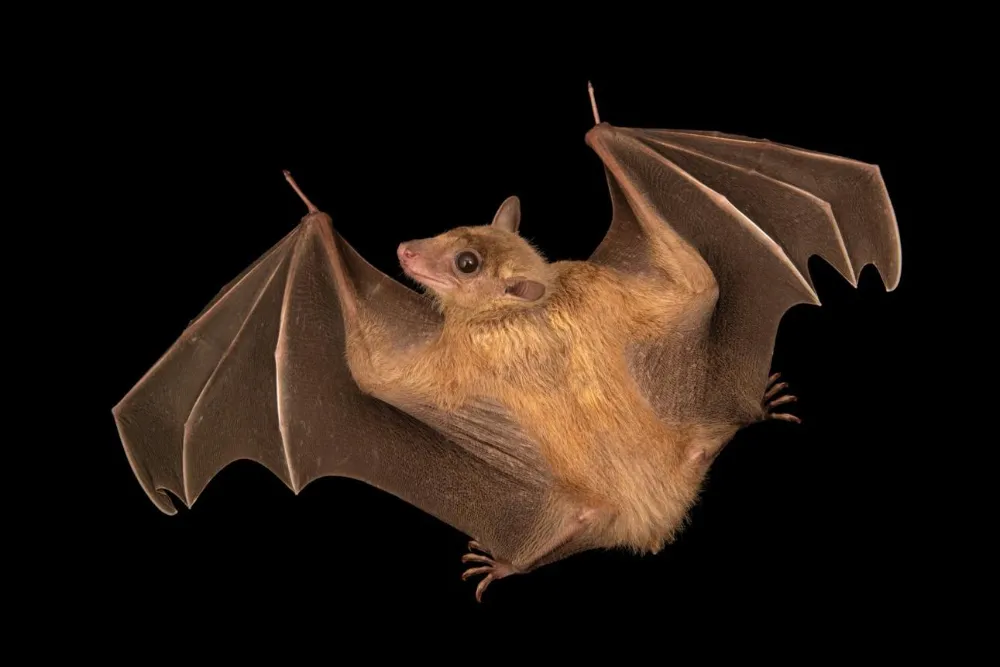
How do bats navigate in darkness? Discover how echolocation works, why bats use ultrasonic calls, how they catch insects, and whether bats can see.
Read the story →From remarkable senses to unexpected survival strategies, explore what animals do, how their bodies work and why the science matters.
Follow a question into the right kind of science. Each section opens an existing collection of guides.
Explore the latest articles on surprising biology, behavior and how the natural world works.
How do bats navigate in darkness? Discover how echolocation works, why bats use ultrasonic calls, how they catch insects, and whether bats can see.
Read the story →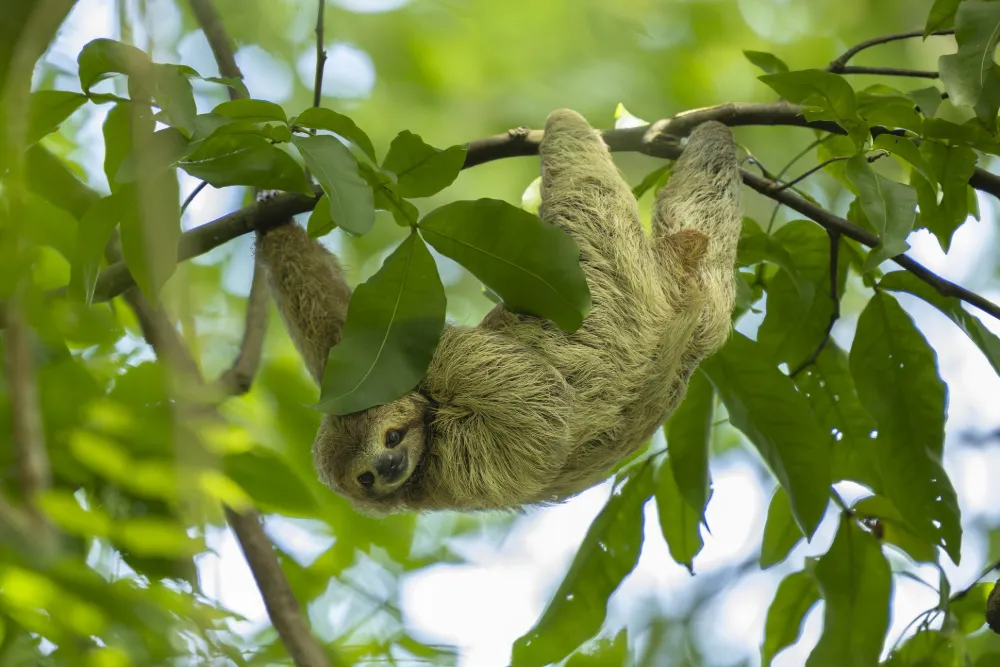
Sloths move so slowly because their bodies are adapted to conserve energy. Their low-energy diets, unusually low metabolic rates, slow digestion, and economical methods of regulating body temperature all favor a lifestyle built ar···
Read the story →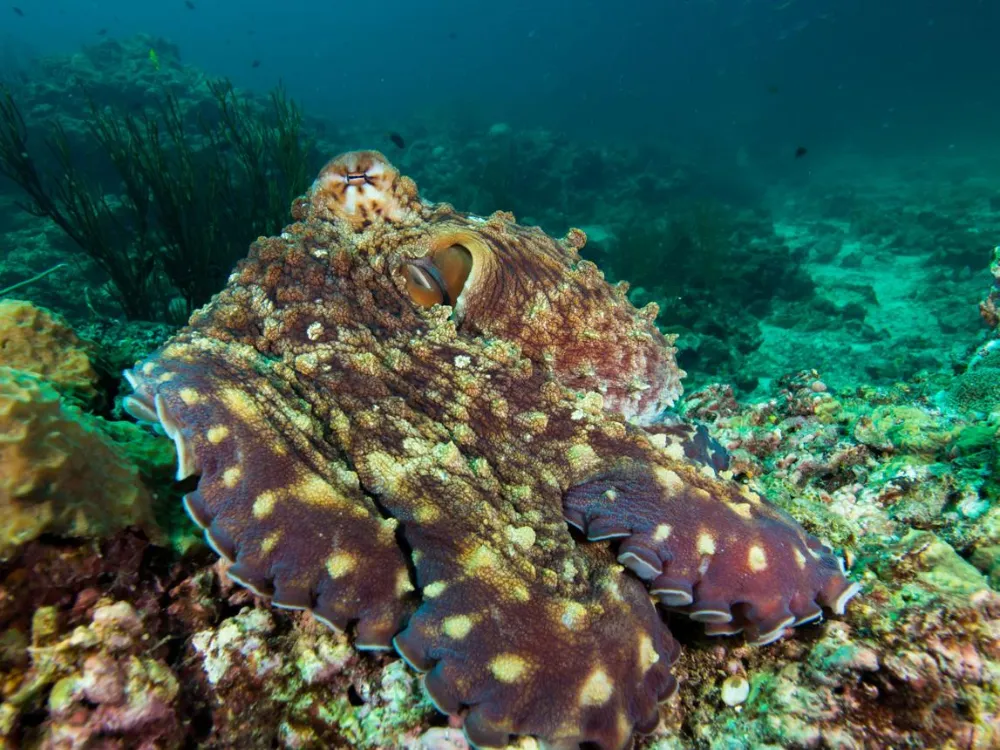
How do octopuses change color? Discover how chromatophores, reflective cells and skin papillae help octopuses camouflage and communicate.
Read the story →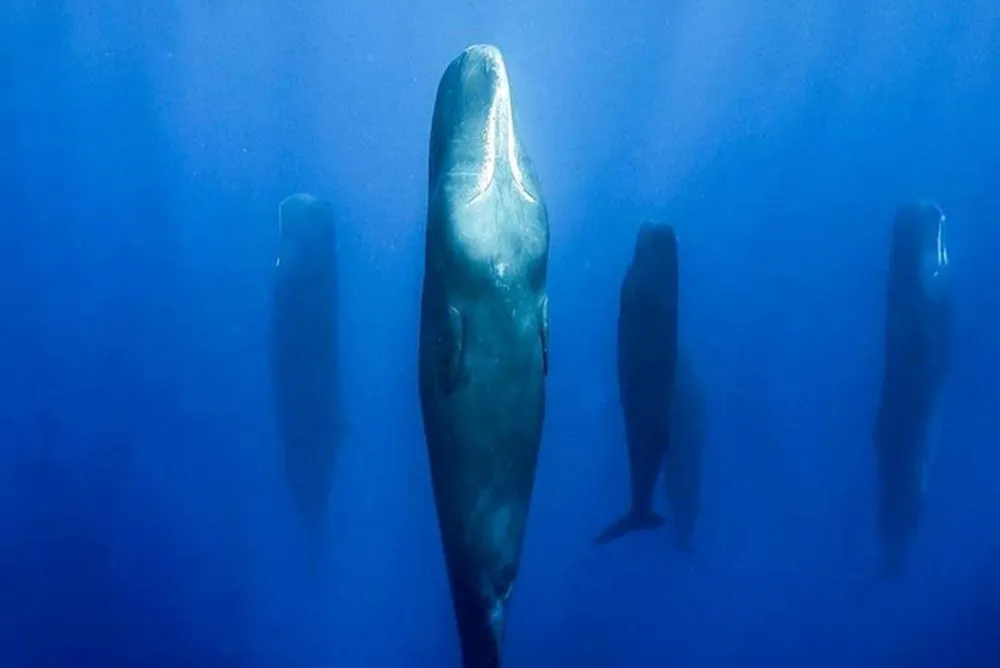
Yes, whales sleep, but they do not sleep exactly like humans. Whales are air-breathing mammals, so they must continue reaching the surface to breathe while resting. Research on dolphins and other cetaceans has revealed an unusual ···
Read the story →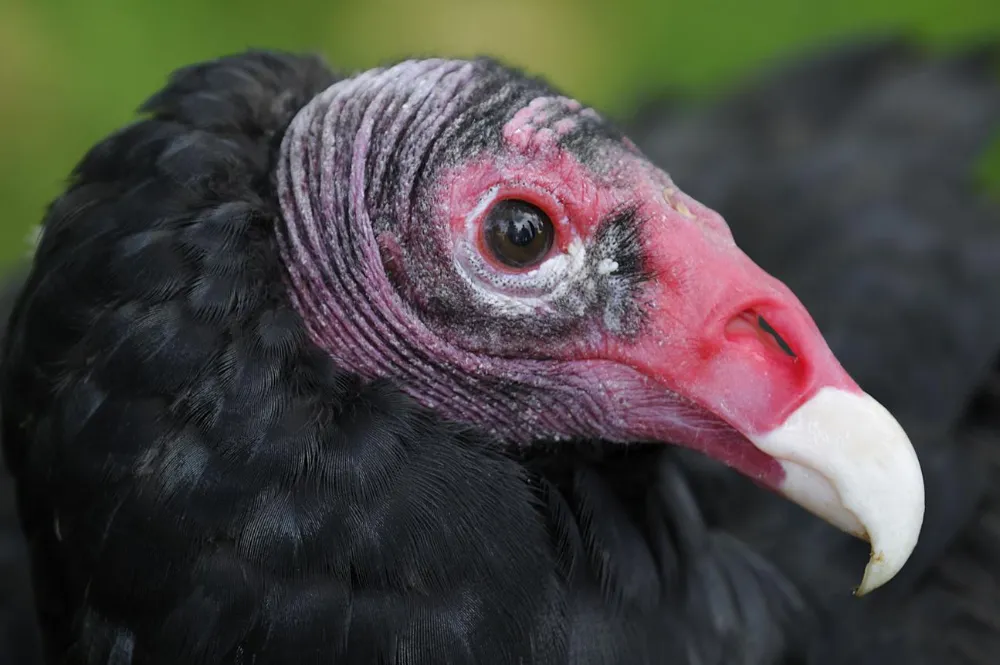
Yes, birds can smell. Most birds possess an olfactory system, although their sensitivity to odors varies widely among species. Turkey vultures can use smell to locate carrion, some albatrosses and petrels detect airborne chemical ···
Read the story →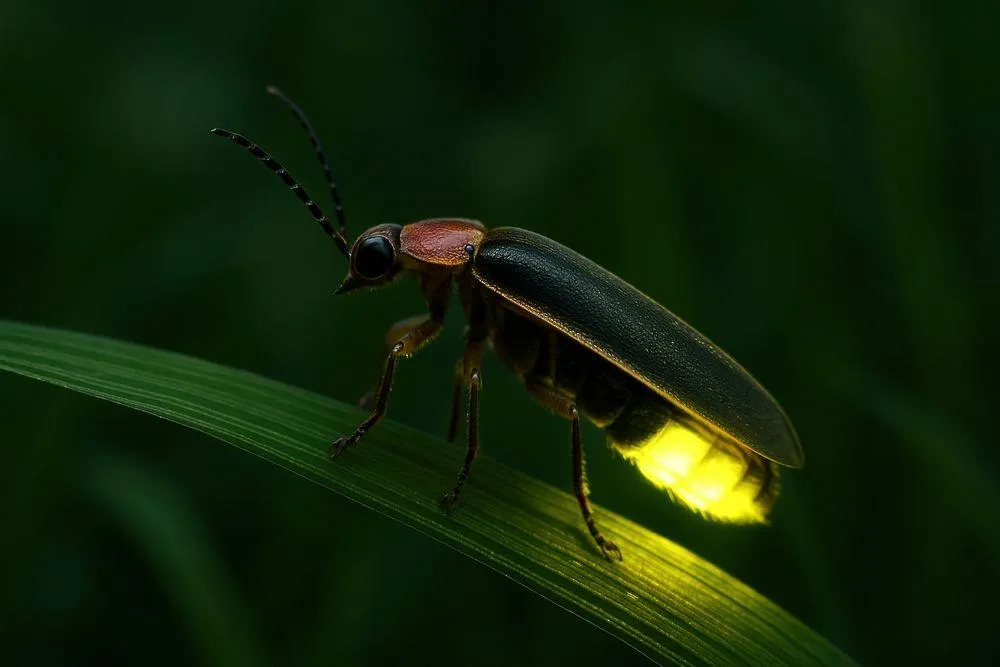
Why do fireflies glow? Learn how luciferin and luciferase produce light, why lightning bugs flash to find mates, and how light pollution affects them.
Read the story →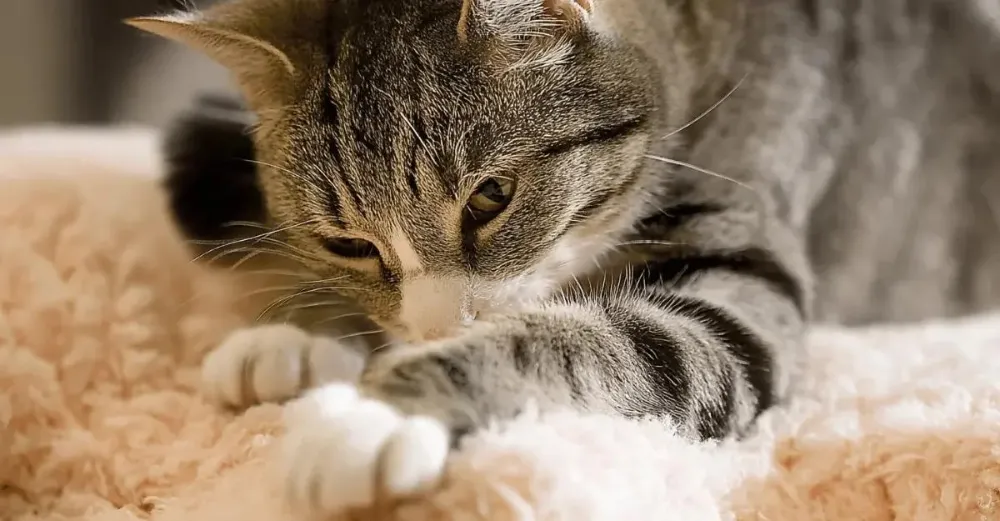
Why do cats knead blankets and people? Learn why cats make biscuits, what it means when they purr, and when kneading might signal stress.
Read the story →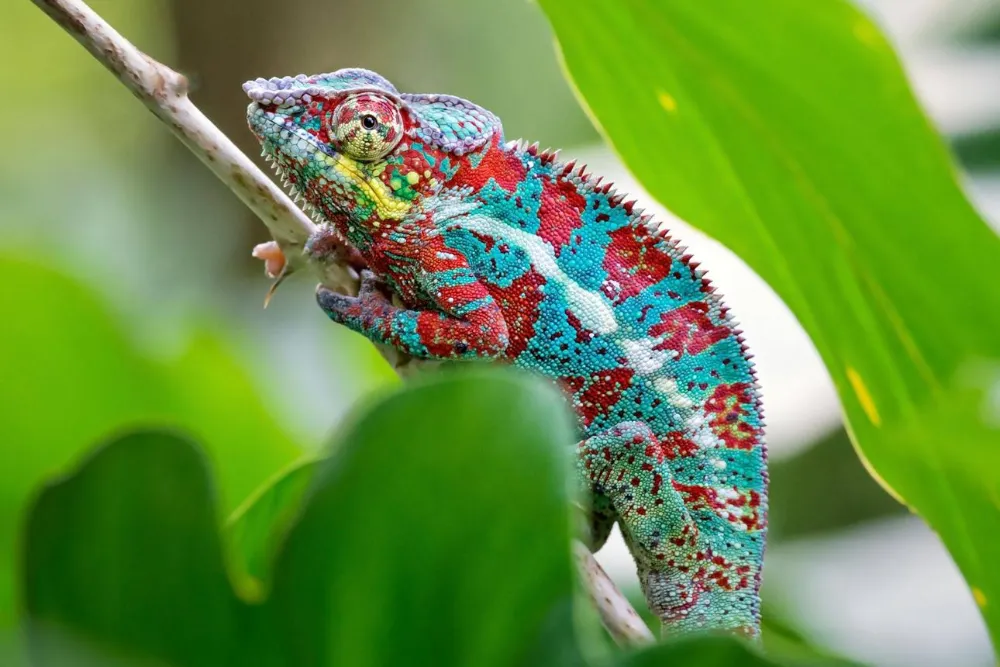
Why do chameleons change color? Learn how skin nanocrystals create color, why chameleons signal to rivals, and how temperature affects their appearance.
Read the story →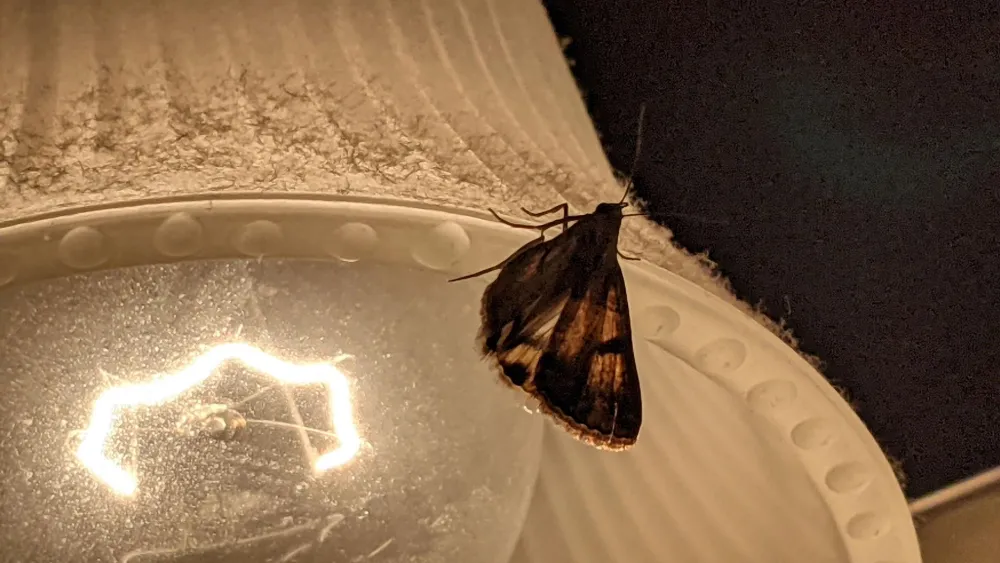
Why do moths fly toward lights? Explore the 2026 discovery about insect flight, why moths circle lamps, and how artificial light affects their survival.
Read the story →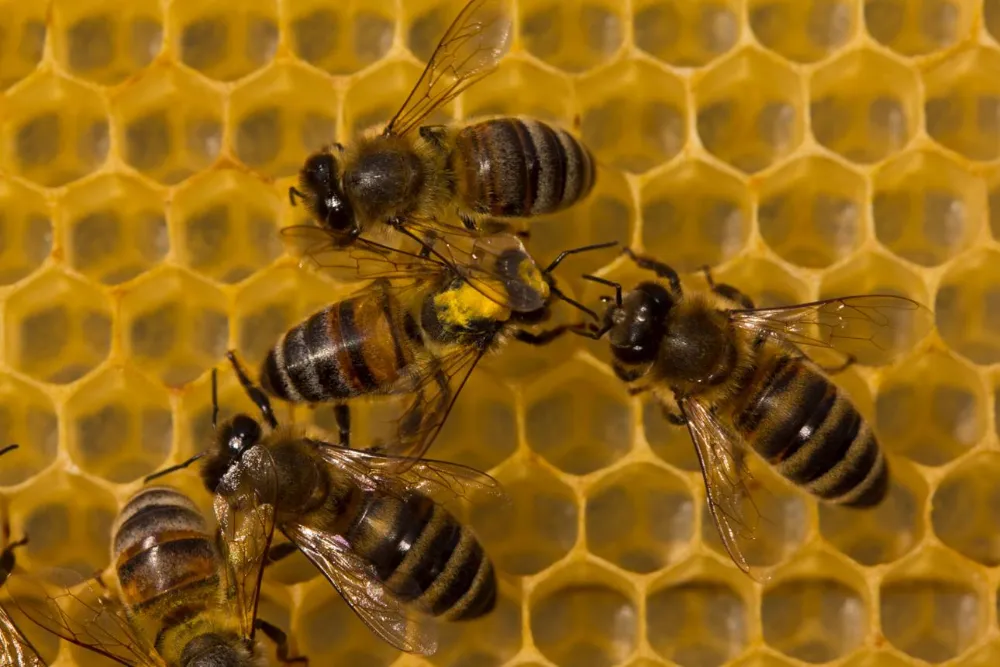
Why do bees dance? Discover how honeybees use the waggle dance to communicate food direction and distance, and what young bees must learn.
Read the story →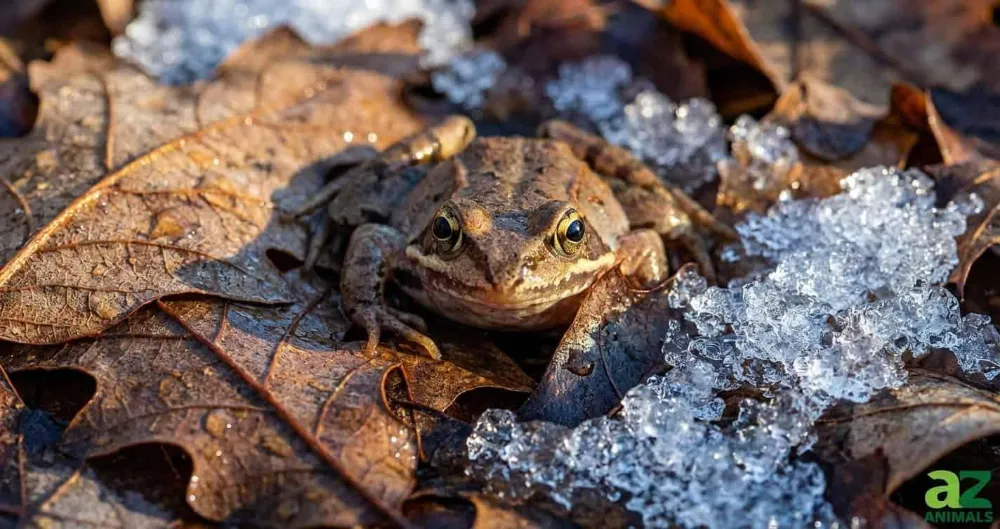
Yes, some frogs can survive being frozen and become active again after thawing. The best-known example is the wood frog (Lithobates sylvaticus), which can tolerate ice forming in substantial portions of its body during winter. Its···
Read the story →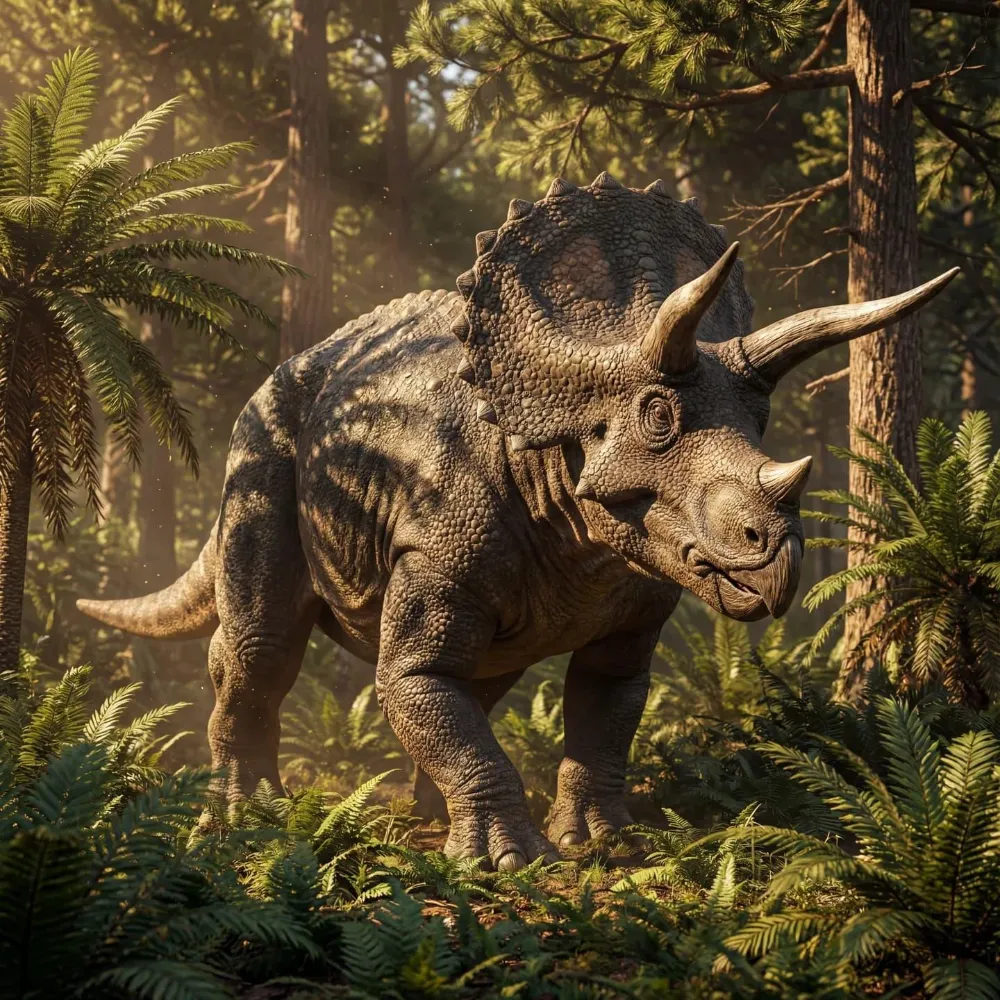
Are dinosaurs reptiles? Learn how dinosaur hips, legs and ancestry set them apart, why pterosaurs aren't dinosaurs, and which dinosaurs survive today.
Read the story →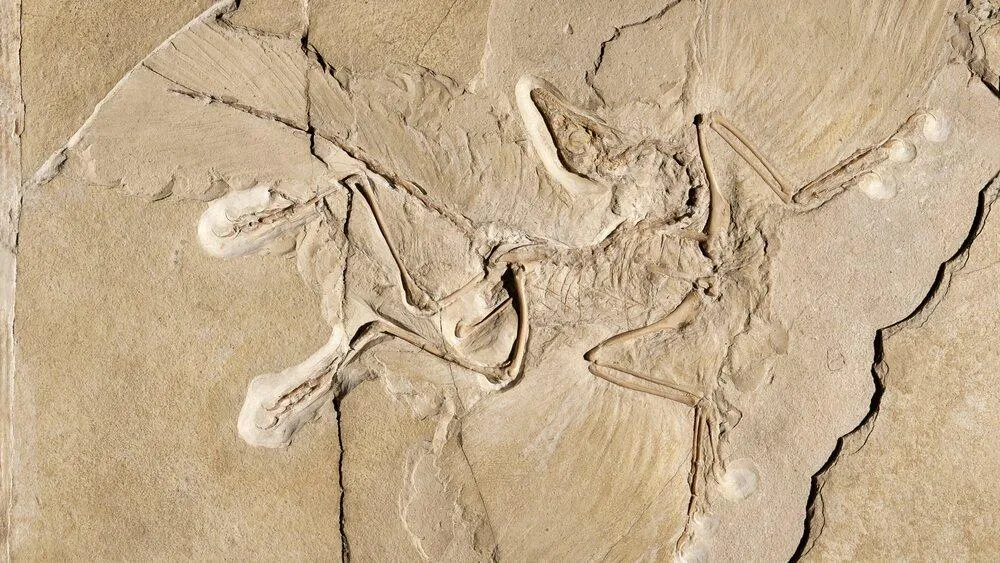
Yes, birds are dinosaurs. Modern birds are the only surviving branch of dinosaurs and evolved from small, feathered theropod ancestors during the Mesozoic Era. Scientific evidence from fossils, skeletal anatomy, feathers, eggs, an···
Read the story →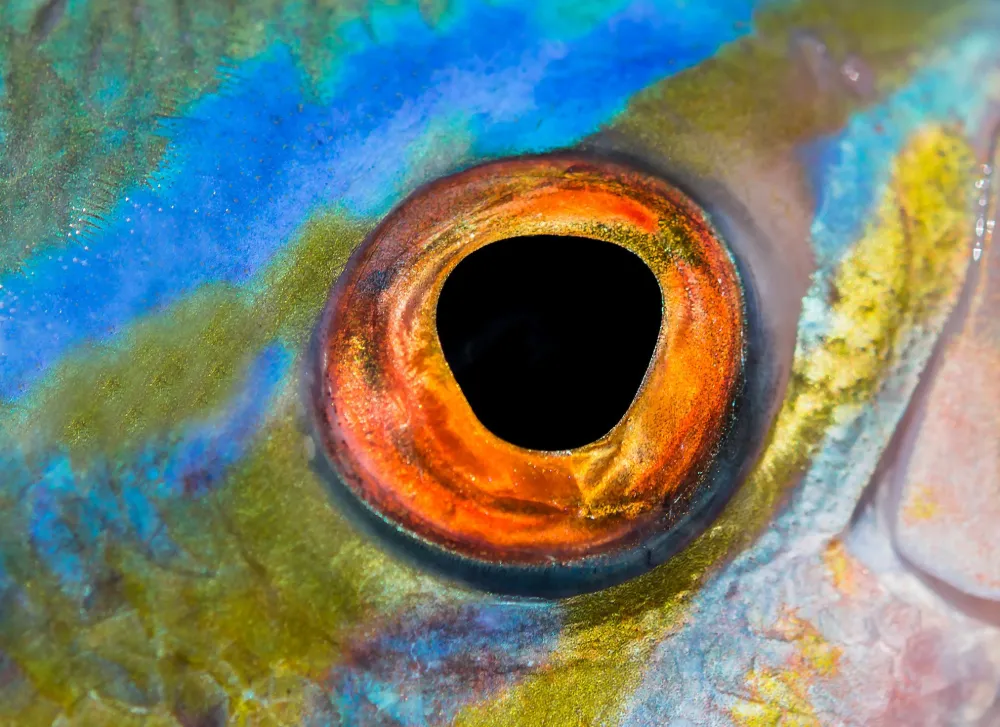
Fish can see objects, particles, bubbles, light patterns, and boundaries in water, but they probably do not perceive uniformly clear water as a separate visible object. Just as humans normally look through clean air without notici···
Read the story →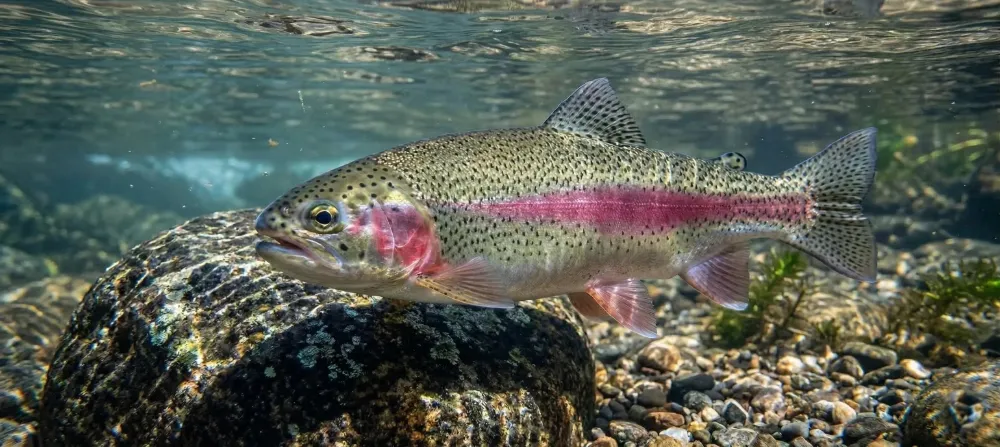
Fish need water to survive, but scientists do not know whether they experience thirst in the same subjective way humans do. Most marine bony fish regularly drink seawater because they lose water to their salty surroundings. Freshw···
Read the story →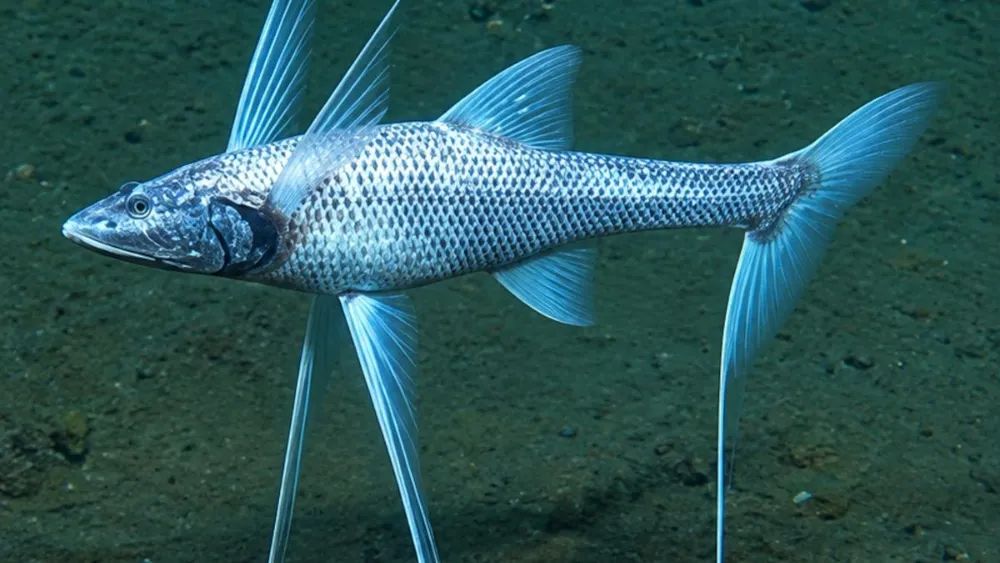
The tripod fish is a remarkable deep-sea fish that can stand above the ocean floor using three extraordinarily long fin extensions. One of the best-known species, Bathypterois grallator, rests on two elongated pelvic-fin rays and ···
Read the story →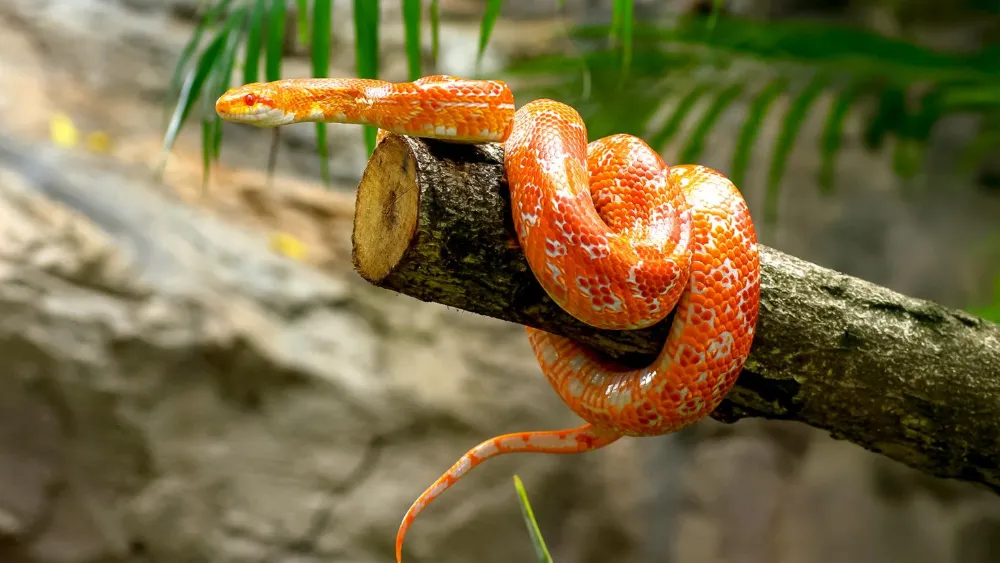
Is a snake a reptile or amphibian? Learn why snakes are reptiles, how their scales, lungs, eggs and evolution differ from frogs and salamanders.
Read the story →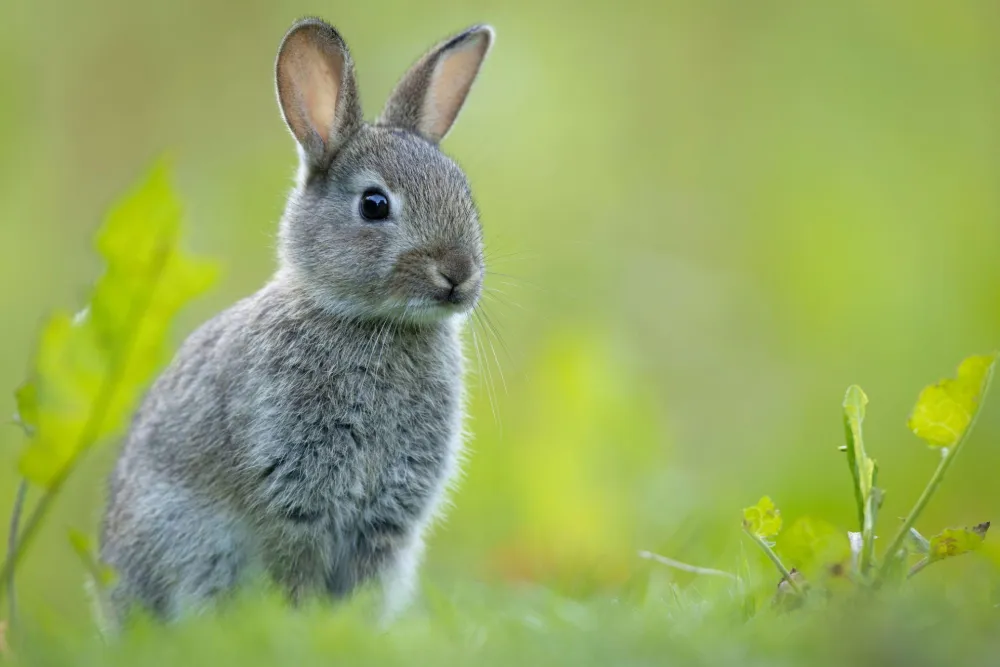
Rabbits make several different sounds, including soft grunts, honks, squeaks, growls, screams, and gentle tooth-grinding noises often called purring. They are usually much quieter than dogs or cats, and they communicate through bo···
Read the story →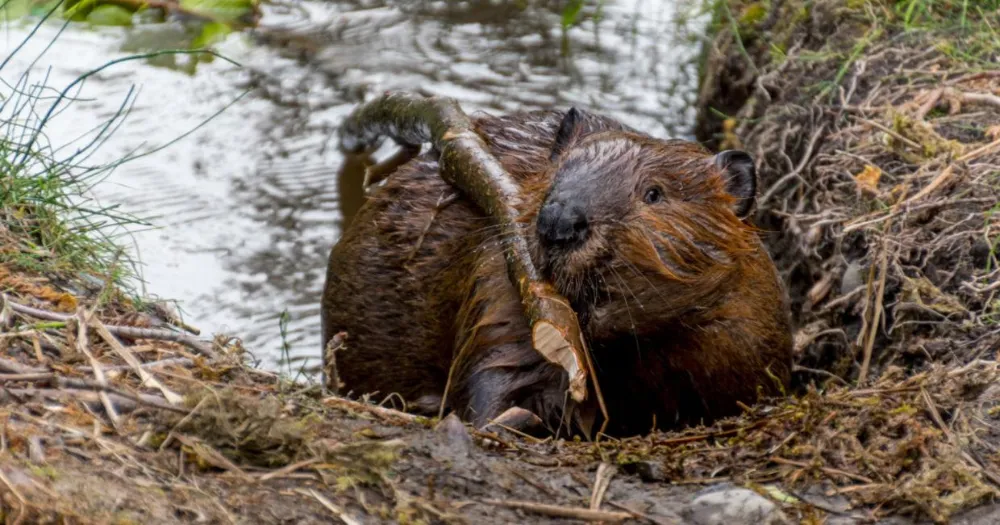
Why do beavers build dams? Learn how dams provide protection, create deep ponds, support beaver lodges, and transform streams into wetlands.
Read the story →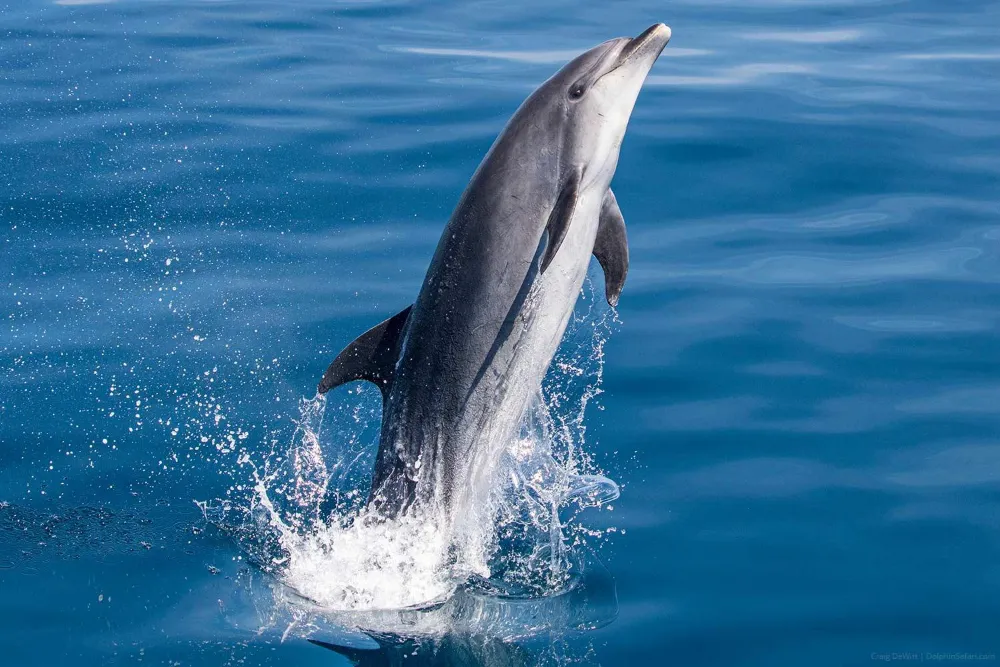
Why do dolphins jump out of the water? Explore how leaping helps with movement, communication, play, and why spinner dolphins spin in the air.
Read the story →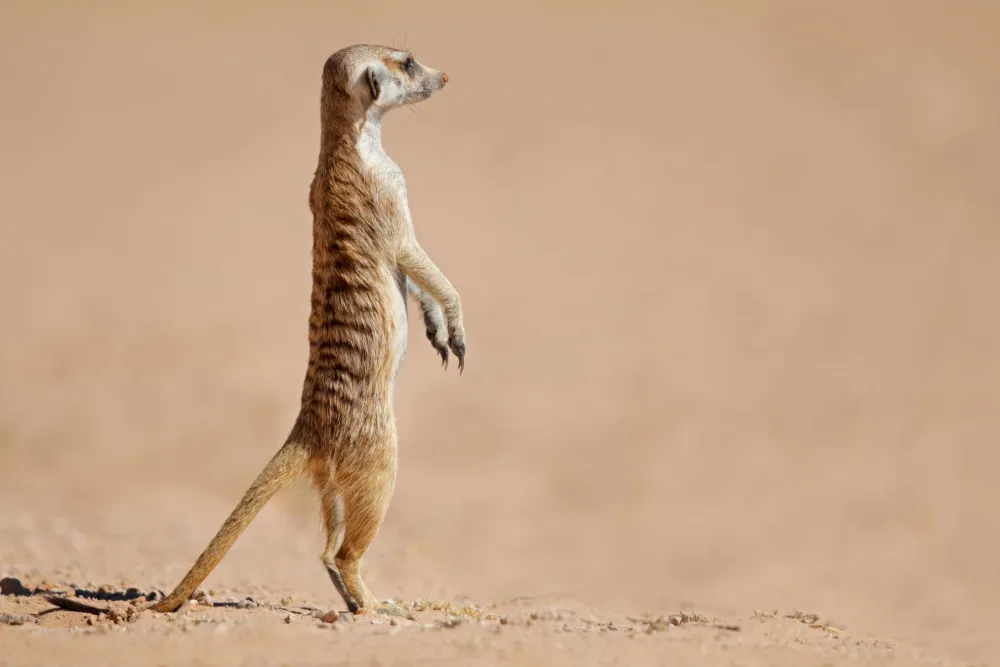
Why do meerkats stand on their hind legs? Discover how sentinels watch for predators, use warning calls, and protect their groups while others forage.
Read the story →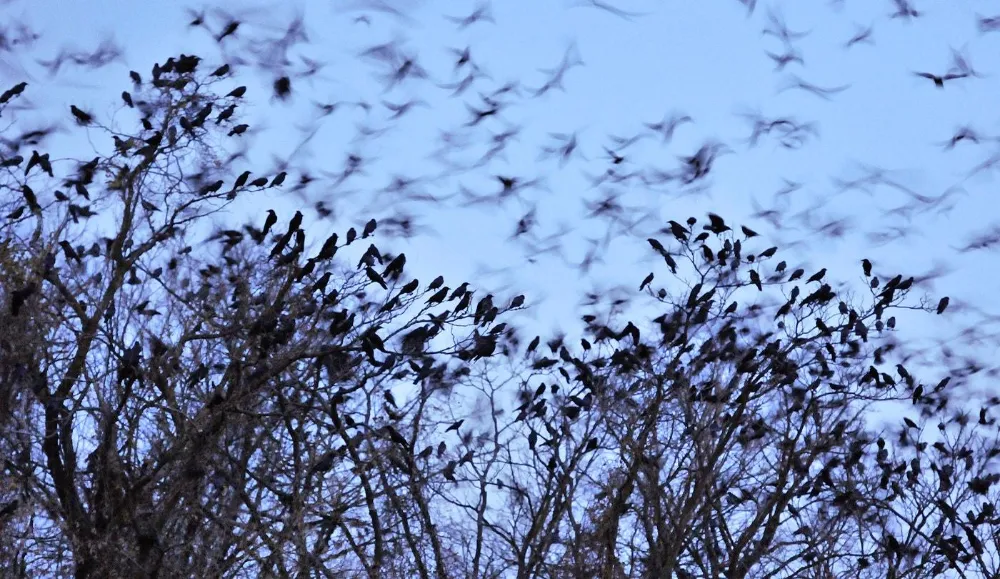
Why do crows gather in huge groups at dusk? Discover communal roosting, predator protection, food information, and why winter crow flocks grow so large.
Read the story →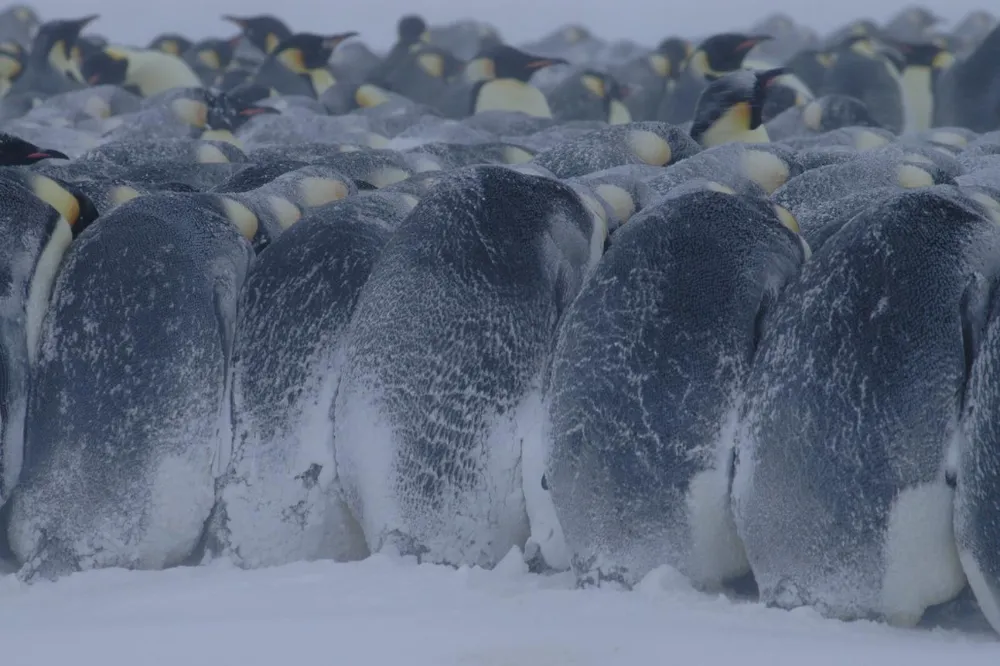
Why do penguins huddle together? Discover how emperor penguins save heat, move in coordinated waves, and survive Antarctica's winter.
Read the story →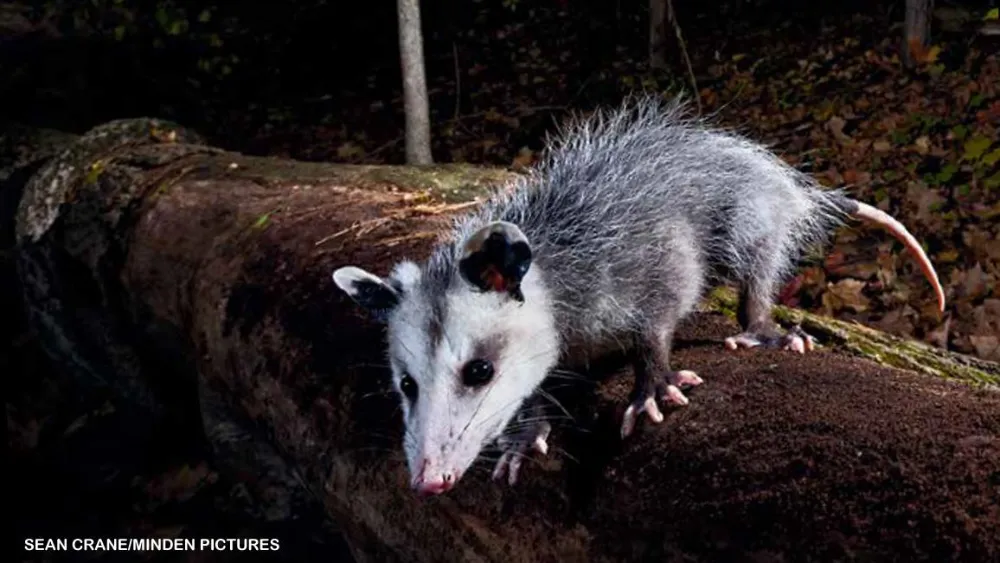
Why do opossums play dead? Learn whether it's voluntary, how long it lasts, why they smell bad, and how this unusual defense works.
Read the story →Explore side-by-side animal comparisons or find more detailed science explanations.